
Reviewed · WALKING TOURS
Tokyo: Asakusa – Walking Tour
Asakusa gives you Tokyo at its most traditional, and this three-hour walk opens with a fine view across the Sumida River toward Tokyo Skytree. I like the clear route from Kaminarimon Gate through Nakamise-dori to Sensō-ji, and I like that the walk adds Asakusa Shrine, sumo culture, and a large Japanese shopping stop instead of ending at the main temple.
The main caution is meeting the guide. One verified booking described trouble locating the guide after an Uber dropped the group far from the meeting point, with no reply to messages. Arrive early, use the stated coordinates, and look for the blue panda flag. The current rating is 3.1 from three reviews, so the route is appealing, but meeting-point communication deserves care.
In This Review
- Key points to know before you book
- Why Asakusa works so well for a first Tokyo walk
- Starting at Sumida Park and the Tokyo Skytree view
- Passing through Kaminarimon Gate
- Nakamise-dori, where the temple approach becomes a shopping street
- Sensō-ji and the Hozomon Gate
- Asakusa Shrine and the Buddhist-Shinto connection
- The Asakusa Sumo Club adds a different kind of tradition
- Finishing at Don Quijote
- Spanish guidance, timing, and practical comfort
- The meeting point deserves extra attention
- Who should book this Asakusa walking tour?
- Should you book it?
- FAQ
- Where does the Asakusa walking tour begin?
- How will I recognize the tour guide?
- How long does the walking tour last?
- What language is the live tour guide speaking?
- Is the tour wheelchair accessible?
- Does the tour include transportation?
- What should I bring?
- Does the tour run in bad weather?
- What activities are not allowed?
- Can I cancel the booking for a refund?
Key points to know before you book
- Sumida Park starts the walk with Tokyo Skytree views, giving you a useful sense of place before entering Asakusa’s older streets.
- Kaminarimon Gate and Nakamise-dori form the visual heart of the tour, with the giant red lantern and traditional snack shops.
- Sensō-ji and Asakusa Shrine show two sides of Japanese religious tradition, Buddhist and Shinto, in one compact area.
- The Asakusa Sumo Club adds a living cultural stop, rather than keeping the walk limited to monuments.
- Don Quijote gives you a practical shopping finish, useful for souvenirs, snacks, and odd little finds.
- The tour is guided in Spanish, lasts three hours, and is wheelchair accessible.
Why Asakusa works so well for a first Tokyo walk
Asakusa is one of the best parts of Tokyo for seeing the city’s older face. The district brings together temples, street food, local shopping, river views, and long-running customs in a fairly compact area.
That matters because Tokyo can feel enormous. A guided walk here gives you a manageable introduction instead of asking you to cross the city for each sight. In three hours, you move from open parkland to a famous gate, a temple approach, major religious buildings, sumo culture, and a modern shop.
I also like the balance between famous places and everyday Tokyo. Sensō-ji is the major draw, but Nakamise-dori and Don Quijote show how visitors and local life meet in the same neighborhood. The route is not only about looking at old buildings. It also gives you a chance to see what people buy, eat, and do around them.
The tour costs $21 per person. That is a reasonable price if you want a Spanish-speaking guide to explain the area and keep the route moving. The value depends on what you need. Independent visitors can walk around Asakusa without paying for a guide, but you would need to arrange the route and supply the background yourself.
More Asakusa visits:
- Tokyo: Japanese Dance Cabaret Theater Asakusa-Kaguwa Ticket
★ 4.8 · 2,270 reviews - Tokyo: Meiji Shrine, Asakusa, Skytree Bus Tour and Cruise
★ 4.7 · 1,986 reviews - Tokyo: Roll and Authentic Sushi Making Class in Asakusa
★ 4.9 · 1,957 reviews
Starting at Sumida Park and the Tokyo Skytree view
The walk begins in Sumida Park, beside the Sumida River. This is a smart starting point because you get an open view before heading into the denser temple district.
Tokyo Skytree is visible from the park, and the view helps you understand Asakusa’s setting. You see the contrast between the broad riverfront, the old neighborhood, and one of Tokyo’s most recognizable modern towers.
This opening should also help you get your bearings. If you arrive by taxi or Uber, do not assume the driver will bring you directly to the guide. The meeting coordinates are 35.7107915, 139.7979734, and the guide carries a blue flag with a panda. I would arrive with enough time to identify the guide rather than reaching the meeting point at the last minute.
The park section is not presented as a long nature walk. Think of it as a short orientation stop before the main sights. On a clear day, the river and Skytree view should be a pleasant start. In poor weather, the walk still goes ahead, so carry an umbrella, raincoat, or other rain gear.
Passing through Kaminarimon Gate
From the park, the route heads toward Kaminarimon Gate, the grand entrance to Asakusa’s temple district. Its huge red lantern is the landmark you will recognize from countless Tokyo photographs.
This is a good place for your guide to explain how the approach works. The gate is not simply a decorative photo stop. It signals the move from the riverfront into an area built around worship, shopping, and public movement.
Expect people to pause for photos and look closely at the gate. Since the tour takes place in a popular part of Tokyo, this is not a quiet entrance. The crowd is part of the setting, but it can make it harder to hear a guide or move quickly.
The walk is wheelchair accessible, which is useful here, though the precise comfort of every section can depend on crowd levels and weather. Comfortable shoes still matter. You will be on foot for three hours, and the route includes several active public areas rather than one indoor venue.
Nakamise-dori, where the temple approach becomes a shopping street
Beyond Kaminarimon Gate, Nakamise-dori leads toward Sensō-ji. The street is lined with shops and stalls selling traditional sweets and other goods, with some businesses described as having operated for a century.
This stretch gives the tour its strongest mix of history and daily commerce. You can look for snacks, small gifts, and traditional items while moving toward the temple. It is a better introduction to Asakusa than a quick photograph at the gate because you see how the approach itself functions.
I would keep your hands free here and save major shopping for the end if you want to focus on the guide. Nakamise-dori is an easy place to become distracted, especially if you like Japanese sweets or small souvenirs.
The street is also one reason the route may feel crowded. You should not expect a calm, empty lane. If you prefer a slow look at shop displays, tell the guide or be ready to make a note of places you want to revisit later.
More walking routes in Tokyo:
- Tokyo Tsukiji Fish Market Food and Culture Walking Tour
★ 5.0 · 3,184 reviews - Tokyo: Imperial Palace and Shogun Historical Walking Tour
★ 5.0 · 2,251 reviews - Tokyo: Shinjuku Local Bar and Izakaya Guided Walking Tour
★ 4.9 · 1,794 reviews - Tokyo: Tsukiji Fish Market Food and Walking tour
★ 5.0 · 1,724 reviews
Sensō-ji and the Hozomon Gate
Nakamise-dori leads to Hozomon Gate, which marks the entrance to the main area of Sensō-ji. The temple is described as Tokyo’s oldest and most visited Buddhist shrine, making it the central historical stop on the walk.
Sensō-ji has weight beyond its fame. It is the place where the route’s earlier details come together: the gate, the shopping street, the religious approach, and the steady flow of people. Your guide can help explain what you are seeing in a way that a quick independent visit may not.
The main hall is the point to slow down and take in the setting. The tour includes admission to sites that require a ticket purchase, although the information does not specify a separate ticket for every stop on this route. You should not assume that every nearby attraction is covered unless it is part of the planned visit.
Sensō-ji is also the part of the tour most likely to feel crowded. That is not a fault in the route, but it affects the pace. Keep valuables secure, stay close enough to hear the Spanish explanations, and allow time for the group to move through busy spaces.
Asakusa Shrine and the Buddhist-Shinto connection
The route also visits Asakusa Shrine, dedicated to the founders of Sensō-ji. This stop adds an important layer because it shows Buddhism and Shinto traditions side by side.
You do not need a long religious background to appreciate the contrast. Sensō-ji is the Buddhist temple at the center of the district, while Asakusa Shrine represents Shinto practice and honors the people linked to the temple’s origins.
I like this pairing because it prevents Asakusa from becoming a simple parade of old-looking buildings. You get a clearer sense of how different religious traditions share space in Japan. The stop should be especially useful if you are visiting a temple and shrine for the first time and are unsure how to distinguish them.
As with the other religious sites, treat the area with respect. Listen to the guide’s instructions, avoid blocking worshippers, and remember that these are active places of faith, not only historic backdrops.
The Asakusa Sumo Club adds a different kind of tradition
After the major temple and shrine stops, the route passes by the Asakusa Sumo Club. This changes the subject from religious history to one of Japan’s best-known traditional sports.
The information provided does not promise a full sumo demonstration, match, or reserved entry. It says the route passes by the club and keeps the tradition in view. Set your expectations accordingly. This is a cultural reference point on the walk, not necessarily a separate sumo show.
Even so, the stop helps widen the experience. Asakusa is not frozen in the past. Its traditional identity includes entertainment, sport, food, shopping, and public rituals. The sumo connection gives your guide another way to talk about Japanese customs beyond temple architecture.
If sumo is your main reason for booking, this tour may not be enough on its own. If you want a short look at how sumo fits into the neighborhood, it makes a useful addition to the temple route.
Finishing at Don Quijote
The final listed stop is Don Quijote, Japan’s popular shopping and curiosity store. It is a sharp change from Sensō-ji and Asakusa Shrine, and that is exactly why it works at the end.
Don Quijote is aimed at practical shopping and fun browsing. You might find souvenirs, snacks, household goods, and unusual items in one place. The store gives you a chance to buy something without adding another trip across Tokyo.
I see this stop as a convenience rather than the cultural center of the tour. Some people will enjoy the sheer range of products. Others may find the store less meaningful after the temple and shrine. Your guide can point out why it is popular, but you should not expect the same historical value as Sensō-ji.
Ending here may suit you if you want to combine sightseeing with shopping. It is less useful if you already have a carefully planned souvenir list or prefer to finish at a quiet temple.
Spanish guidance, timing, and practical comfort
The live guide speaks Spanish. That is the main reason to choose this tour over walking the route alone. You can ask questions and receive explanations in Spanish rather than relying on signs or translation tools.
No guide name is provided, and the operator does not identify a particular guide in the available details. The guide’s blue flag with a panda is therefore more useful for identification than a name.
Three hours is enough for an introduction to the district, but not for a slow visit to every shop or a long stay at each religious site. You will need to choose between listening, taking photographs, and browsing. If you want maximum freedom at every stop, an independent visit may suit you better.
Wear comfortable clothes and shoes. Smoking, drones, alcohol, and drugs are not allowed. The activity runs in all weather, so check the forecast and bring rain protection. Wheelchair accessibility is listed, which makes the tour more workable for many visitors, though crowded streets can still affect ease of movement.
Free cancellation is available up to 24 hours before the tour for a full refund, and you can reserve now and pay later. Those terms are helpful if your Tokyo schedule is still shifting.
The meeting point deserves extra attention
The biggest practical weakness is not the route. It is the possibility of missing the guide. A verified booking described an Uber drop-off problem, difficulty finding the meeting person, and unanswered messages.
You can reduce that risk by using the exact coordinates, arriving early, and looking specifically for the blue panda flag. Do not rely only on the driver’s understanding of the tour name. Have the meeting information open on your phone and make sure your group knows the meeting point before leaving.
Because the tour is only three hours, a late start costs you a noticeable part of the experience. This is especially important if you have another timed booking afterward.
Who should book this Asakusa walking tour?
I would choose this tour if you want a compact introduction to old Tokyo, prefer Spanish guidance, and like having famous sights arranged in a sensible order. It is also a good fit if you want both cultural stops and practical shopping rather than a temple-only walk.
Families and first-time visitors may appreciate the variety. You move from a park view to a landmark gate, shops, a temple, a shrine, sumo culture, and a large store. That keeps the route from feeling like three hours of the same kind of sightseeing.
I would hesitate if you want a quiet, highly detailed temple visit, a dedicated sumo performance, or guaranteed smooth communication at the meeting point. Independent visitors who are comfortable navigating Tokyo can cover much of this route without paying $21.
Should you book it?
Book this Asakusa walking tour if the Spanish-speaking guide and organized route are worth $21 to you. The strongest parts are the Sumida Park opening, Kaminarimon Gate, Nakamise-dori, Sensō-ji, and the clear look at Buddhist and Shinto traditions in one district.
Treat the sumo and Don Quijote stops as supporting elements, not the main event. Most important, plan the meeting carefully with the coordinates and blue panda flag. With that precaution, this is a practical, fairly priced introduction to Asakusa, though its modest rating means you should value the route itself more than flawless tour operations.
FAQ
Where does the Asakusa walking tour begin?
The meeting point is in Sumida Park at coordinates 35.7107915, 139.7979734.
How will I recognize the tour guide?
The guide will carry a blue flag with a panda on it.
How long does the walking tour last?
The tour lasts three hours. Starting times depend on availability.
What language is the live tour guide speaking?
The live guide speaks Spanish. Some content may be shown in its original language.
Is the tour wheelchair accessible?
Yes, the activity is listed as wheelchair accessible.
Does the tour include transportation?
Transportation to and from the meeting point, or between attractions, is optional private transportation and costs extra.
What should I bring?
Bring comfortable shoes and comfortable clothes. You should also bring an umbrella, raincoat, or other rain gear if the forecast calls for poor weather.
Does the tour run in bad weather?
Yes. The activity takes place regardless of the weather, so check conditions in advance and prepare accordingly.
What activities are not allowed?
Smoking, drones, alcohol, and drugs are not allowed.
Can I cancel the booking for a refund?
You can cancel up to 24 hours in advance for a full refund. The reserve now and pay later option lets you book without paying immediately.
New on our Tokyo list
- Sumi-e Experience in a relaxing green tea shop in Tokyo★ 5.0 · 3 reviews
- Tokyo : Kamikaze Street Drift Ride★ 5.0 · 3 reviews
- Private Zen Meditation in English in Shinjuku, Tokyo★ 5.0 · 3 reviews
- Onsen Spa in Tokyo and Asakusa Bar Hopping with Local Guide★ 5.0 · 3 reviews
- Easy for everyone! Now you can play handmade mini shamisen and show off to everyone! Musical instruments, sweets and live music★ 5.0 · 3 reviews
- Mt Fuji Exploration Tour with Free Japanese Kusa Mochi from Tokyo★ 4.5 · 3 reviews
- Tokyo Tsukiji Fish Market Walking and Exploring Hidden Gems Tour★ 5.0 · 3 reviews
- Tokyo: Private Tsukiji Street Food & Sake with Local Guide★ 5.0 · 3 reviews
Walking Tours, compared.
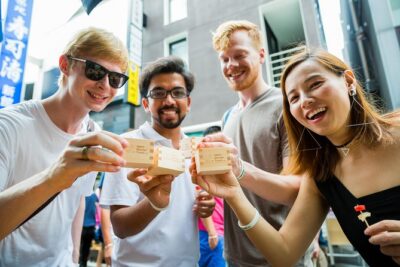
Tokyo Tsukiji Fish Market Food and Culture Walking Tour
Read our review →
Imperial Palace and Shogun Historical Walking Tour
Read our review →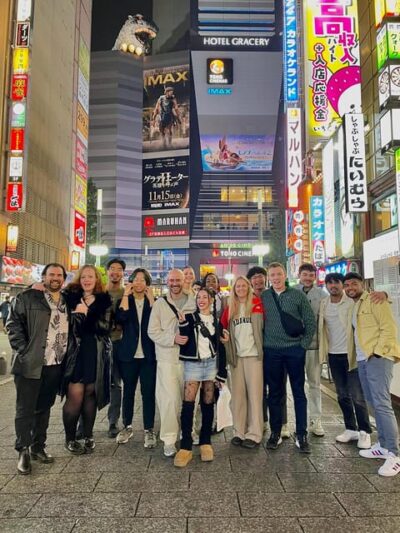
Shinjuku Local Bar and Izakaya Guided Walking Tour
Read our review →
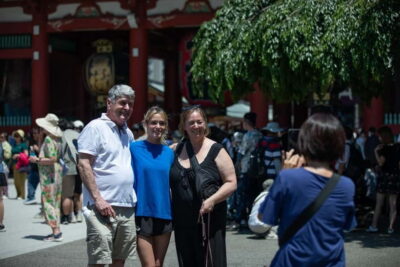
Asakusa Walking Tour with Sensoji Temple Visit
Read our review →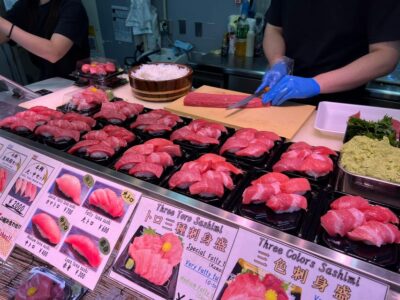
Tokyo Castle & Imperial PalaceーShogun Walking Tour
Read our review →
Browse the lists this tour appears in