
Reviewed · TEA CEREMONIES
Tokyo Cherry Blossom Matcha Experience in Yoyogi Park (Shibuya)
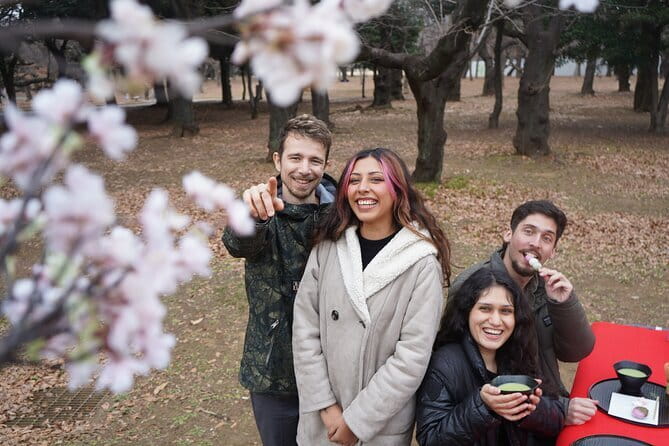
Tokyo’s cherry blossom season is brief, crowded, and easy to miss. This one-hour matcha picnic in Yoyogi Park gives you a calm reason to slow down beneath the sakura, just minutes from Harajuku, Shibuya, and Shinjuku.
I especially like two things here: you make the matcha yourself rather than simply watching a tea demonstration, and the host uses rare Uji matcha that is normally hard for visitors to try. The seasonal wagashi sweets add a pleasant taste of Japan beyond the usual café stop.
The main consideration is timing. This experience runs for only about two weeks from around March 23, with dates changing according to the blossoms and weather. At $100.80 per person, it is a special-occasion activity, not a cheap cup of tea in the park.
In This Review
- Key points at a glance
- Why this cherry blossom activity feels different
- From Harajuku Station to the sakura picnic
- Whisking Uji matcha with traditional tools
- Wagashi sweets and the Japanese sense of hospitality
- Yoyogi Park during the short blossom window
- How the itinerary fits into a Tokyo day
- Is $100.80 a fair price?
- Practical details before you book
- Who should book this matcha picnic?
- Should you book it?
- FAQ
- How long does the Tokyo cherry blossom matcha experience last?
- Where does the activity begin?
- Where does the activity end?
- Is the activity available all year?
- Do I need previous matcha experience?
- Is this a formal Japanese tea ceremony?
- What is included in the price?
- What happens if bad weather cancels the activity?
Key points at a glance
- Cherry blossoms set the scene: Sip and whisk matcha outdoors in Yoyogi Park during the short sakura season.
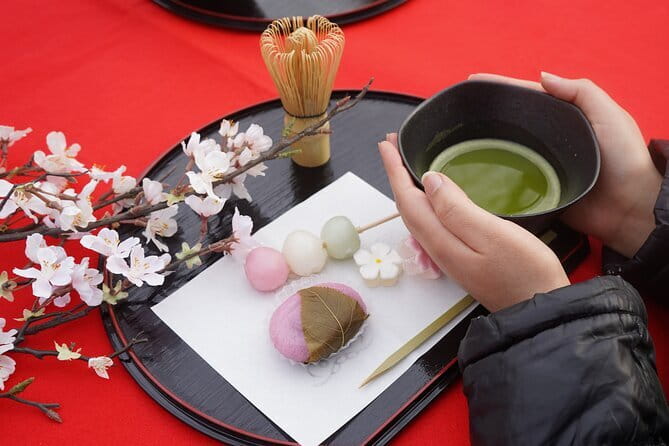
- You make your own tea: Traditional tools and several cups of matcha are included.
- Rare Uji matcha is served: You get a tea associated with Japan’s most respected matcha-producing region.
- The mood is informal: This is a friendly picnic lesson, not a strict tea ceremony.
- The group stays small: A maximum of six people allows room for questions and individual help.
- Harajuku makes a useful base: The activity begins and ends near Harajuku Station, close to Shibuya and Omotesando.
Why this cherry blossom activity feels different
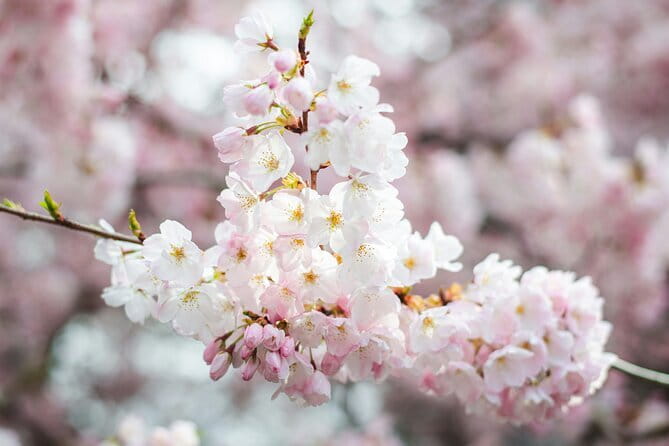
Tokyo offers countless ways to see cherry blossoms. You can walk beside the trees, join a crowded park picnic, or take photographs and move on. This outing adds a small cultural activity to the view, so the flowers are not the entire event.
I like that the matcha is hands-on. You are not expected to know the correct movements or the rules of a formal tea ceremony. Instead, an English-speaking local host who is a certified Matcha Hospitality Adviser shows you how to use the traditional tools, then gives you time to whisk your own bowl.
That difference matters if you are new to Japanese tea. Matcha can look simple, but the preparation has its own rhythm. The whisk, bowl, powder, and water all play a part. A guided introduction helps you understand what you are tasting instead of treating the drink as just another green beverage.
The setting also changes the mood. A tea room asks you to focus inward and follow etiquette. A park picnic lets you notice the blossoms, the open air, and the city around you while still learning something meaningful. You get a cultural lesson without needing to sit through a long, formal ceremony.
More tea rooms worth booking:
- Matcha Making Class in Tokyo with Authentic Japanese Sweets Set
★ 5.0 · 744 reviews - Tokyo: Traditional Tea Ceremony with a Tea Master
★ 5.0 · 528 reviews - Tokyo: Matcha Making Experience with Mochi Sweets in Asakusa
★ 4.9 · 388 reviews
From Harajuku Station to the sakura picnic
The meeting point is Harajuku Station, at 1 Chome-18 Jingumae, Shibuya, Tokyo. The activity ends back at the meeting point, which makes it easy to continue into Harajuku, Omotesando, or Shibuya afterward.
The listed route also names Shibuya, Yoyogi Park, Harajuku Station, and Omotesando. These places are close enough to combine into a useful half-day plan, though the matcha activity itself lasts about one hour. You should allow extra time for meeting the host and for moving through the park during peak blossom season.
Harajuku is one of Tokyo’s most convenient places to begin a sightseeing day. You can pair the tea experience with the Meiji Shrine area, Takeshita Street, Omotesando, or a walk toward Shibuya. The activity does not include food or drinks bought from local vendors, so plan separately if you want a full meal or more refreshments.
Because the group is limited to six people, the meeting feels more personal than a large bus or walking tour. That small size is useful when you want to ask about tea, sweets, Japanese customs, or the practical details of park life. One participant even asked about Tokyo’s unusual lack of public trash cans, a good reminder that casual questions are welcome here.
Whisking Uji matcha with traditional tools
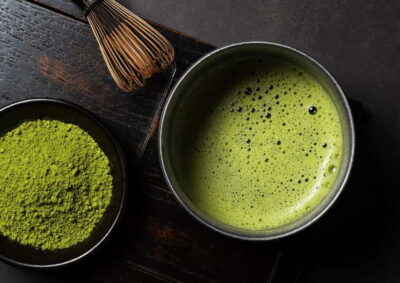
The central activity is making matcha. You receive traditional tools and learn how to whisk the powdered tea into a smooth drink. Several cups of matcha tea are included, so this is not simply a single tasting followed by a quick goodbye.
The use of Uji matcha gives the lesson added value. Uji, near Kyoto, is one of Japan’s best-known tea-producing areas, and matcha from there is not always easy for visitors to find in ordinary tourist settings. The experience gives you a chance to taste a higher-quality tea while learning how it is prepared.
The host explains the process in English and keeps the instruction easy to follow. No prior experience is needed. You do not need to memorize formal gestures, wear traditional clothing, or worry about making a mistake in front of the group.
That relaxed approach suits first-time visitors. You can focus on the texture, bitterness, aroma, and preparation rather than trying to perform a ceremony perfectly. I would still expect some gentle guidance about how to hold the tools and whisk effectively, since the point is to make the tea yourself.
Matcha has a stronger taste than many people expect. The sweets help balance it, and having several cups gives you time to adjust to the flavor. If you already enjoy Japanese tea, you may appreciate the chance to compare what you usually drink with the Uji matcha served here.
Wagashi sweets and the Japanese sense of hospitality
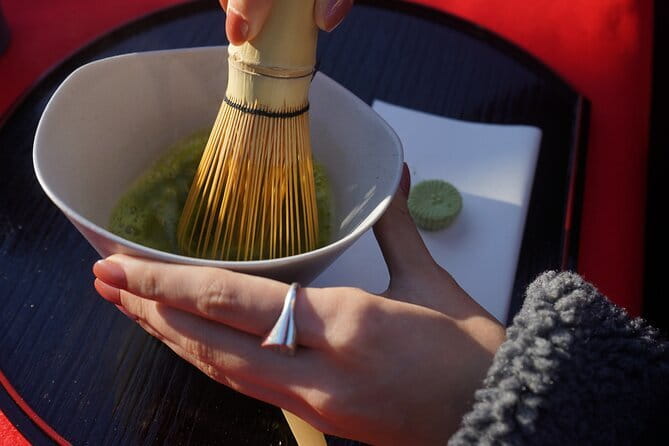
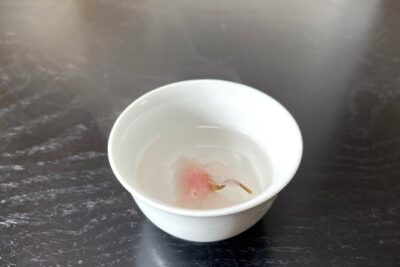
Traditional and modern Japanese sweets are included, with seasonal wagashi chosen to suit the spring setting. Wagashi are not just snacks. Their colors, shapes, and ingredients often reflect the time of year, so they make a natural companion to cherry blossoms.
The sweets also make the activity more approachable for families and anyone unsure about matcha’s sharp flavor. You can take small bites between cups and notice how the sweetness changes the tea. This simple pairing gives the lesson a little more depth than a drink served alone.
The host also introduces Japanese hospitality. The point is not only how to prepare matcha, but how tea is used to welcome someone and create a moment of attention. You get an understandable introduction rather than a lecture packed with technical terms.
I like this balance. You learn enough to recognize the care behind the custom, but the experience does not pretend to be a full formal tea ceremony. If your priority is strict ceremony, traditional dress, or a historic tea room, you should choose a different activity. If you want a warm introduction that fits into a busy Tokyo day, this format makes more sense.
More blossom-season plans:
- Mt. Fuji, Cherry Blossom & Shiba Sakura Pvt. Day Tour
★ 5.0 · 326 reviews - Mt. Fuji & Hakone Cherry Blossom private One Day Tour
★ 4.5 · 35 reviews - Tokyo Cherry Blossoms blooming spots E-bike Tour, 3hrs
★ 5.0 · 27 reviews - Cherry Blossom Private Tour
★ 4.5 · 18 reviews
Yoyogi Park during the short blossom window
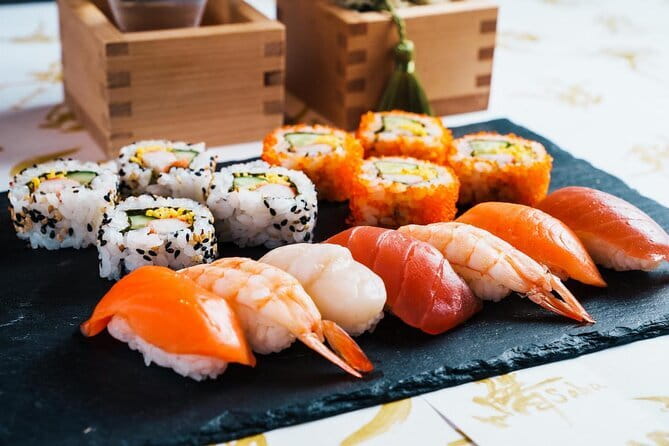
Yoyogi Park is one of Tokyo’s best-known places for cherry blossoms. Its location gives you a rare combination: a major city park, easy access from Harajuku, and a seasonal setting for a traditional Japanese drink.
The timing is also the biggest source of uncertainty. The activity is available only during cherry blossom season, beginning around March 23 for roughly two weeks. The exact period depends on the condition of the blossoms, and poor weather can affect the schedule.
That limited window is part of the appeal, but it requires planning. You cannot treat this as a year-round backup activity. If the blossoms open early or late, the available dates may shift. If rain or other poor weather cancels the outing, you are offered another date or a full refund.
The park setting is highly photogenic, and optional photo sessions are available. If you want pictures of the tea preparation, the sweets, and the blossoms together, ask about the photo option when arranging the experience. You should not assume that every picture is included in the base price.
The outdoor setting can also be less controlled than a tea room. Weather, crowds, and the condition of the blossoms are outside anyone’s control. You may find the park peaceful during the session, but Tokyo’s most famous spring sights can be busy. The small group and short format help, though this is still a public city park rather than a private garden.
How the itinerary fits into a Tokyo day
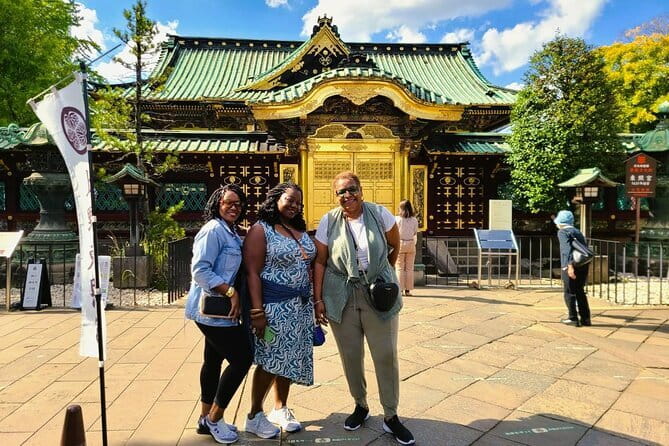
The activity is short enough to add to a larger plan. Begin near Harajuku Station, spend the hour in Yoyogi Park, then return to the meeting point. From there, you can continue toward Omotesando or Shibuya without arranging a second transfer.
For a first day in Tokyo, this can be a gentle introduction. The setting is easy to reach, the host speaks English, and the lesson gives you a cultural anchor before you tackle larger neighborhoods. The experience also avoids the pressure of a long tour when jet lag is still a problem.
For a couple, the blossoms and optional photo session create a clear spring memory. Solo visitors may appreciate the small group, since the host provides conversation and instruction without making the activity feel like a large social event. Families can join as well, provided children are comfortable sitting for a short tea lesson and handling the tools carefully.
The one-hour limit is both a strength and a weakness. It is easy to fit into a crowded itinerary, but anyone wanting a long park walk, a substantial meal, or a full cultural workshop will need to make separate plans. Think of it as one focused stop, not a complete Yoyogi Park tour.
Is $100.80 a fair price?
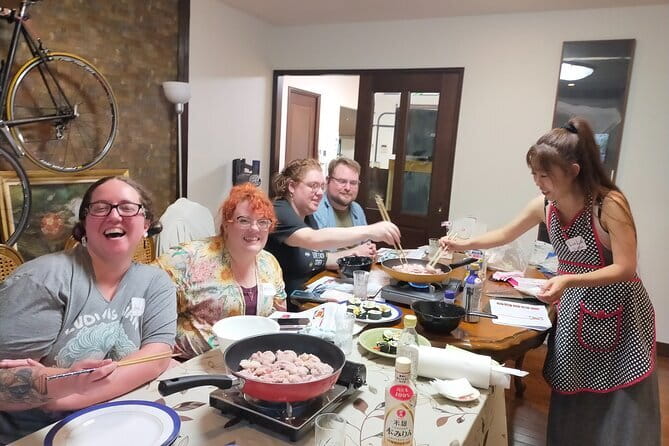
At $100.80 per person, the price is high for a one-hour activity. You are paying more than the cost of matcha, sweets, and a park visit on their own.
The value comes from the combination of elements: a certified host, English instruction, traditional tea tools, several cups of Uji matcha, seasonal sweets, a small group, and a date-limited cherry blossom setting. You are also paying for the planning and teaching that turn a simple picnic into a cultural activity.
I would consider the price easier to justify if you care about tea, Japanese customs, or memorable photographs. It is also more attractive if you have only a short time in Tokyo and want one organized seasonal activity near major sightseeing areas.
I would skip it if your main goal is simply to see cherry blossoms for free, drink inexpensive matcha, or spend several hours in Yoyogi Park. The price is aimed at someone who wants a guided experience with a personal feel, not someone looking for the cheapest spring outing.
The small maximum of six matters here. A large group could make a tea lesson feel rushed or impersonal. With fewer people, the host has more opportunity to help you whisk the tea and answer questions. That is one of the clearest reasons the cost may work for some people and not for others.
Practical details before you book
You do not need a dress code or previous tea experience. Wear clothes that are comfortable for an outdoor park setting, though specific clothing requirements are not listed.
The activity is near public transportation and begins at Harajuku Station. Since the meeting point is also the ending point, you can leave your day’s plan open after the tea session. Service animals are allowed.
Confirmation is normally provided at booking. If you book within 12 hours of the start time, confirmation arrives as soon as possible and depends on availability. The activity is weather dependent, so keep an eye on local conditions close to the date.
Free cancellation is available up to 24 hours before the start time for a full refund. Changes or cancellations made less than 24 hours before the start time are not accepted for a refund. The cut-off follows local Tokyo time.
Demand is seasonal, and the experience is booked on average six days ahead. That is not a guarantee that every date sells out, but it is a sensible reason to plan ahead if you have fixed cherry blossom dates.
Who should book this matcha picnic?
I would recommend it most strongly to four types of people:
- First-time visitors to Japan who want a clear, friendly introduction to matcha and hospitality.
- Couples looking for a spring activity with attractive photographs and a relaxed pace.
- Solo visitors who prefer a small hosted activity to visiting a park without context.
- Tea and food fans who want to try Uji matcha and seasonal wagashi.
It also suits families and people who do not want a formal ceremony. The English-speaking host, short duration, and no-experience-needed format remove much of the usual uncertainty.
I would be more cautious if you dislike outdoor activities, strongly dislike matcha’s bitter flavor, or want an extensive lesson in tea history and ceremony. The session is informal by design. It offers a taste of the custom, not a full professional training course.
Should you book it?
Book this experience if cherry blossoms are central to your Tokyo plans and you want more than a walk beneath the trees. The combination of Yoyogi Park, Uji matcha, wagashi, and a maximum group of six gives the hour a clear purpose.
The price is not low, and the season is short. Still, if you value personal instruction and a memorable setting, the cost can make sense. I would reserve it as soon as your spring schedule is firm, then keep a little flexibility in case the blossoms or weather change the available date.
FAQ
How long does the Tokyo cherry blossom matcha experience last?
The experience lasts approximately one hour.
Where does the activity begin?
It begins at Harajuku Station at 1 Chome-18 Jingumae, Shibuya, Tokyo 150-0001, Japan.
Where does the activity end?
The experience ends back at the meeting point near Harajuku Station.
Is the activity available all year?
No. It is available only during cherry blossom season, generally from around March 23 for about two weeks, depending on blossom conditions.
Do I need previous matcha experience?
No. The activity is beginner-friendly, and no previous experience is required.
Is this a formal Japanese tea ceremony?
No. It is a relaxed, picnic-style matcha activity rather than a formal tea ceremony.
What is included in the price?
The price includes several cups of matcha tea, matcha making with traditional tools, and traditional and modern Japanese sweets, including seasonal wagashi.
What happens if bad weather cancels the activity?
Because the experience requires good weather, you will be offered a different date or a full refund if it is canceled due to poor weather.
More Shibuya Plans
- Official Street Go-Kart in Shibuya
★ 5.0 · 3,435 reviews - Tokyo: Street Kart Experience in Shibuya
★ 4.9 · 1,484 reviews - Shibuya Meltdown Nightlife Tour: All-You-Can-Drink Bar Hopping
★ 5.0 · 1,058 reviews - Shibuya Official Street Go-Kart in Shibuya Annex
★ 5.0 · 972 reviews
New on our Tokyo list
- Sumi-e Experience in a relaxing green tea shop in Tokyo★ 5.0 · 3 reviews
- Tokyo : Kamikaze Street Drift Ride★ 5.0 · 3 reviews
- Private Zen Meditation in English in Shinjuku, Tokyo★ 5.0 · 3 reviews
- Onsen Spa in Tokyo and Asakusa Bar Hopping with Local Guide★ 5.0 · 3 reviews
- Easy for everyone! Now you can play handmade mini shamisen and show off to everyone! Musical instruments, sweets and live music★ 5.0 · 3 reviews
- Tokyo: Private Tsukiji Street Food & Sake with Local Guide★ 5.0 · 3 reviews
- Mt Fuji Exploration Tour with Free Japanese Kusa Mochi from Tokyo★ 4.5 · 3 reviews
- Tokyo Tsukiji Fish Market Walking and Exploring Hidden Gems Tour★ 5.0 · 3 reviews
Tea Ceremonies, compared.

Matcha Making Class in Tokyo with Authentic Japanese Sweets Set
Read our review →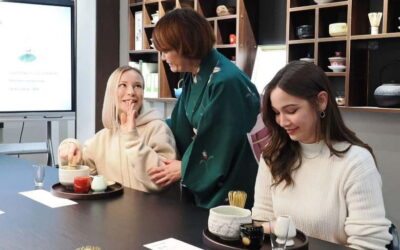
Matcha Making Experience with Mochi Sweets in Asakusa
Read our review →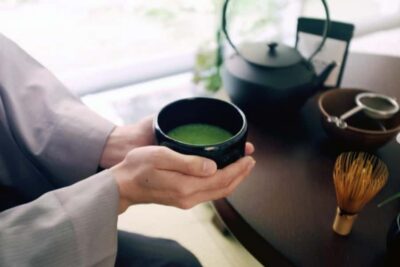
Tea Ceremony Workshop in Tokyo by the Experienced Instrucor
Read our review →

Make Traditional Nerikiri Sweets & Matcha experience in Shibuya
Read our review →Browse the lists this tour appears in