
Reviewed · JAPANESE COOKING CLASSES
Tokyo : Experience making a character bento
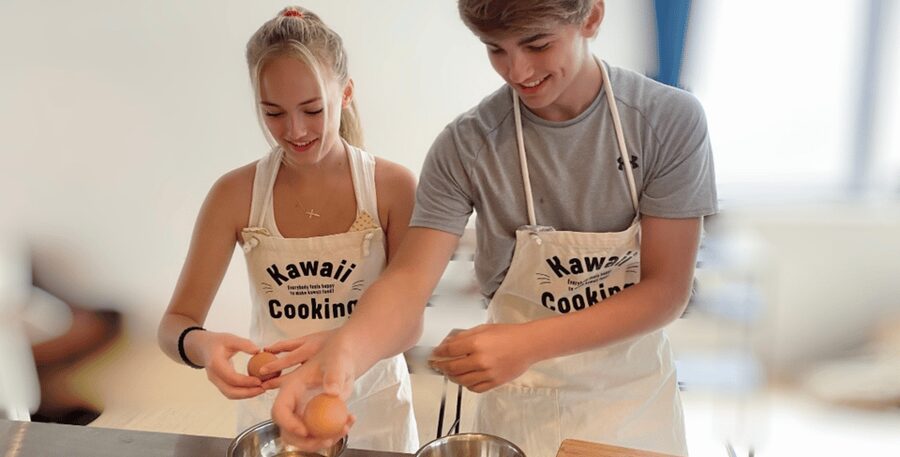
The best part of this Tokyo cooking class is that your lunch becomes a little work of art. You make a kawaii character bento shaped around cute characters and animals, then learn the practical skills behind it, including rolled omelet and small side dishes.
I like the private-group format because you get a more personal class rather than being lost in a large kitchen. I also like the mix of hands-on cooking, Japanese food culture, an English recipe set, and a souvenir you can use to remember the day.
The main consideration is the price: at $113 per person for two hours, this is not a cheap meal or a basic cooking demonstration. It makes the most sense if you want a creative cultural activity, especially one that works for both children and adults.
In This Review
- Key points at a glance
- Making a lunch box that looks almost too cute to eat
- A two-hour class with a clear rhythm
- Tamagoyaki is the useful skill to take home
- What the private-group format changes
- Learning about Japanese bento culture through play
- Ingredients and dietary questions to settle first
- Finding the studio in the Shinjuku area
- What you take home after the class
- Booking details that affect your decision
- Who should book this character bento class?
- FAQ
- Where does the character bento class take place?
- How long does the experience last?
- Is the class taught in English?
- Is this a private experience?
- What food will I make?
- Are ham and sausages used?
- What is included with the booking?
Key points at a glance
- Make a photogenic character bento: Build a lunch box with cute character and animal motifs.
- Learn tamagoyaki: Practice making Japanese rolled omelet, one of the class menu items.
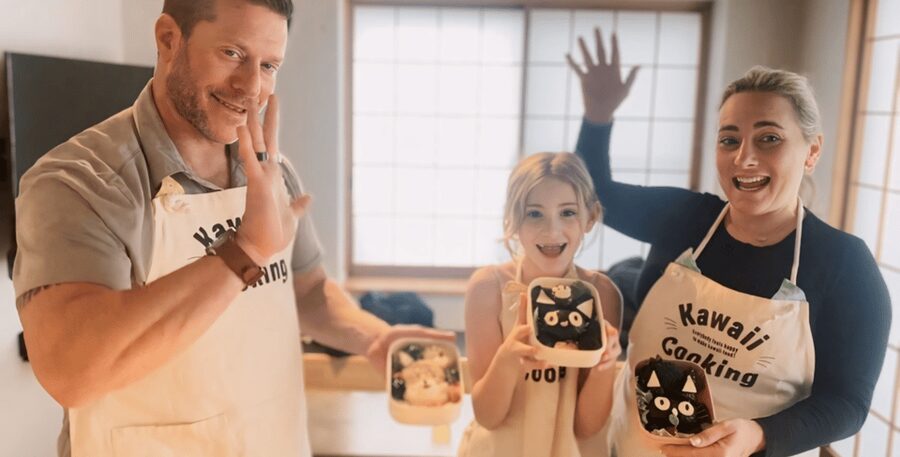
- Cook in a private group: The English-led format suits families, couples, and small groups who want direct help.
- Receive useful extras: Your booking includes a pre-lesson drink, apron rental, English recipes, and a selected souvenir.
- Expect a Shinjuku-area studio: The exact studio may change, and the confirmed address arrives by email after booking.
- Plan around a two-hour session: This is a focused cooking activity, not an all-day food tour.
Making a lunch box that looks almost too cute to eat
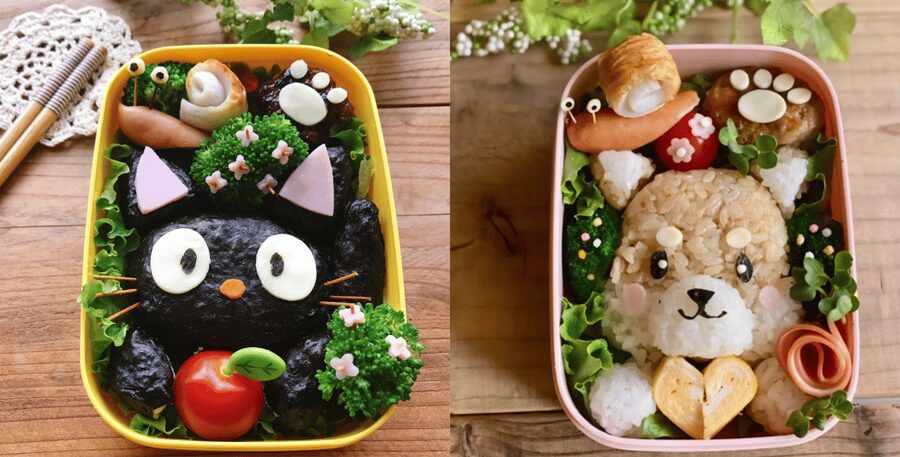
A character bento is not simply a packed lunch with a pretty garnish. The appeal is in arranging ordinary foods so they resemble a character or animal. Rice, omelet, ham, sausages, and side dishes become part of a small edible picture.
That makes the class different from a standard Japanese cooking lesson. You are not only learning what to cook. You are learning how presentation changes the feeling of a meal. In Japan, a bento can be practical, balanced, portable, and visually pleasing at the same time.
The finished box should be highly photogenic. That matters if you enjoy food photography, family travel photos, or small creative projects that give you something tangible to show afterward. You also get the pleasure of making something that looks far more elaborate than the basic ingredients suggest.
The menu includes a kawaii character bento, tamagoyaki, and several lovely side dishes. The exact characters and side dishes are not specified, so you should think of the class as a guided cute-bento workshop rather than booking it to make one particular cartoon figure.
More cooking classes in Tokyo:
- Ramen & Gyoza Cooking Class in Tokyo with Local Supermarket Visit
★ 5.0 · 823 reviews - Tokyo: Easy Ramen Cooking Experience in Kabukicho, Shinjuku
★ 4.6 · 321 reviews - Ramen and Sushi Cooking Class with Sake Pairing Set in Tokyo
★ 5.0 · 291 reviews
A two-hour class with a clear rhythm
The experience lasts two hours, which is a useful length for a cooking activity in a busy Tokyo trip. It is long enough to learn and assemble the food, but short enough to fit around other plans in Shinjuku.
You begin with a pre-lesson drink, a small touch that gives you time to settle in before handling ingredients. An apron is available at no extra charge, so you do not need to bring special clothing for the class.
The instructor teaches in English. That is important here because cute food depends on small visual details. You need to understand not only what ingredient to use, but also how to shape, arrange, and finish it. The English recipes give you a written reference after the class, which is more useful than relying on memory alone.
The schedule is not presented as a long list of separate dishes. Instead, the class centers on building the bento and learning the techniques that support it. You should expect practical instruction rather than a formal meal served to you.
Tamagoyaki is the useful skill to take home
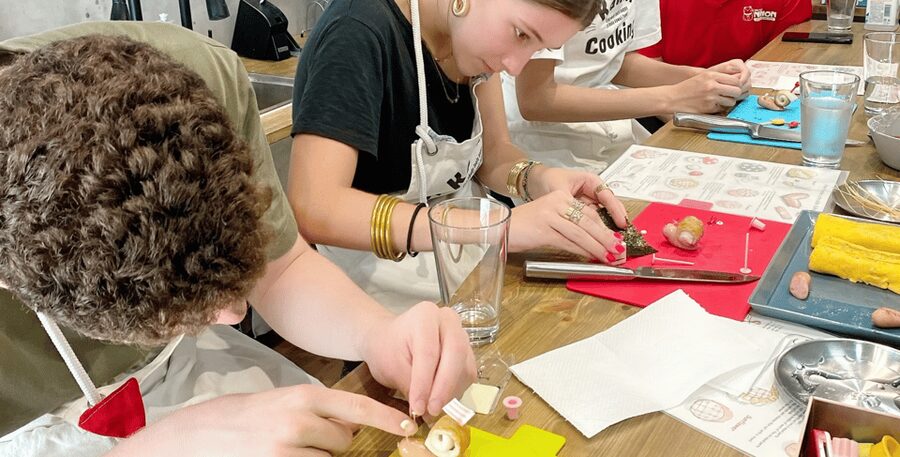
Tamagoyaki is Japanese rolled omelet, made by cooking thin layers of egg and rolling them together. It is a familiar bento item and a good choice for a short class because it teaches control, timing, and neat presentation.
The class includes instruction on how to make omelets, so this is more than decorative food assembly. You get a technique that can be repeated at home with a regular kitchen setup, although the finished shape depends on careful rolling and handling.
For children, the omelet adds a simple cooking lesson to the playful character theme. For adults, it gives the activity a bit more substance. You are not only cutting food into cute shapes. You are also learning one of the better-known elements of Japanese home cooking.
The side dishes add variety to the bento. Their exact contents are not listed, so anyone with strict dietary needs should ask the provider for current ingredient details before booking.
What the private-group format changes
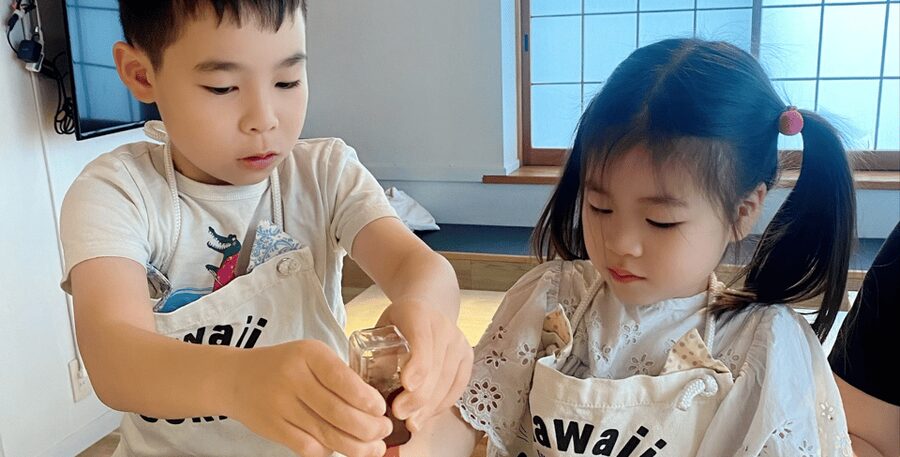
This is a private-group experience, which makes it a strong fit for families and small parties who want to work at their own pace. A child can enjoy the character-making side, while an adult can focus on the cooking technique and presentation.
A private class can also make it easier to ask questions. If your omelet does not roll neatly or your character needs a little repair, direct help is more useful than trying to catch an instructor’s attention across a crowded room.
The tradeoff is price. At $113 per person, the class costs more than buying a bento at a department store or convenience shop. You are paying for instruction, private use of the session, the prepared experience, the drink, apron rental, recipes, and souvenir.
I would judge the value by what you want from the outing. If you only want lunch, the price is high. If you want a two-hour activity that combines food, craft, culture, and a take-home result, the cost is easier to justify.
A few more Tokyo bookings worth comparing
- Mt Fuji and Hakone 1-Day Bus Tour Return by Bullet Train
★ 5.0 · 26,383 reviews - 1-Day Tokyo Bus Tour
★ 5.0 · 14,250 reviews - Tokyo: TOKYO SKYTREE® Admission ticket
★ 4.5 · 11,192 reviews - Tokyo: teamLab Planets TOKYO Digital Art Museum Entry Ticket
★ 4.6 · 9,779 reviews
Learning about Japanese bento culture through play
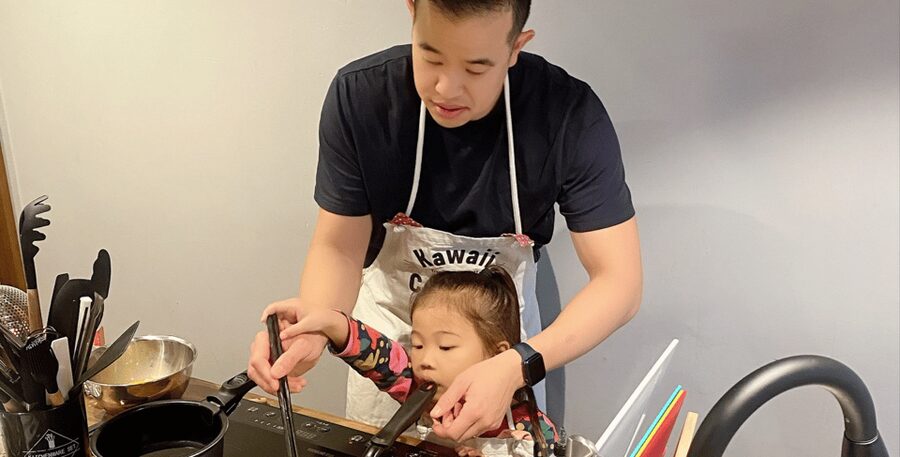
The class presents bento culture in a light, accessible way. You learn that a lunch box can be carefully arranged and personal, not just a container for leftovers. The character theme gives you an easy way into that idea.
The experience is also designed to let adults enjoy food with a childlike sense of play. That does not make it only a children’s activity. An adult who likes Japanese food, cute design, or hands-on workshops can find plenty to enjoy in the same two hours.
I would especially consider it for a family looking for an indoor activity, a couple wanting something more creative than sightseeing, or a solo visitor who likes cooking and wants a structured way to meet Japanese food traditions. The private-group setup means solo booking details should be checked before purchase if you are not traveling with others.
Ingredients and dietary questions to settle first
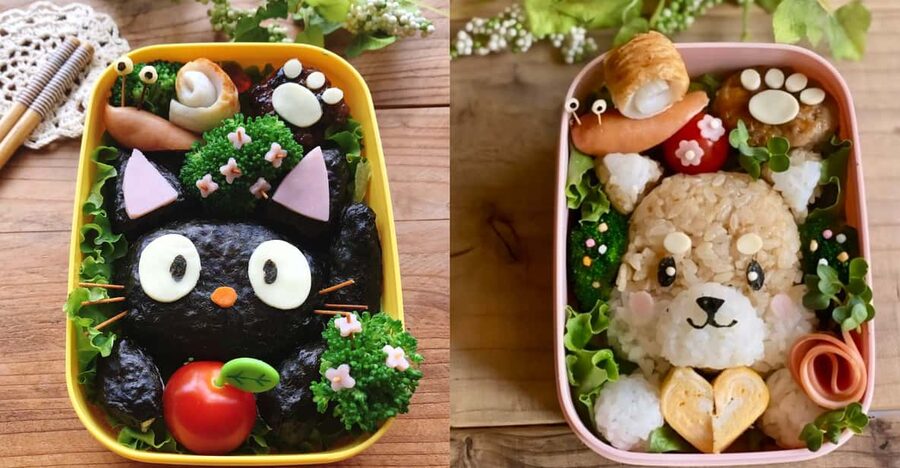
The class uses processed pork products such as ham and sausages. This is clearly stated, so you should take it seriously if you do not eat pork, avoid processed meat, or follow a religious or medical diet.
The available information does not specify vegetarian, halal, kosher, allergy-friendly, or substitution options. Contact Kawaii Cooking before booking if any ingredient restriction matters to you. Do not assume that a cute-looking bento will be easy to adapt.
The menu also includes egg through tamagoyaki. If you have an egg allergy, ask before paying. The same applies to other food sensitivities, since the full ingredient list is not provided in advance.
Finding the studio in the Shinjuku area
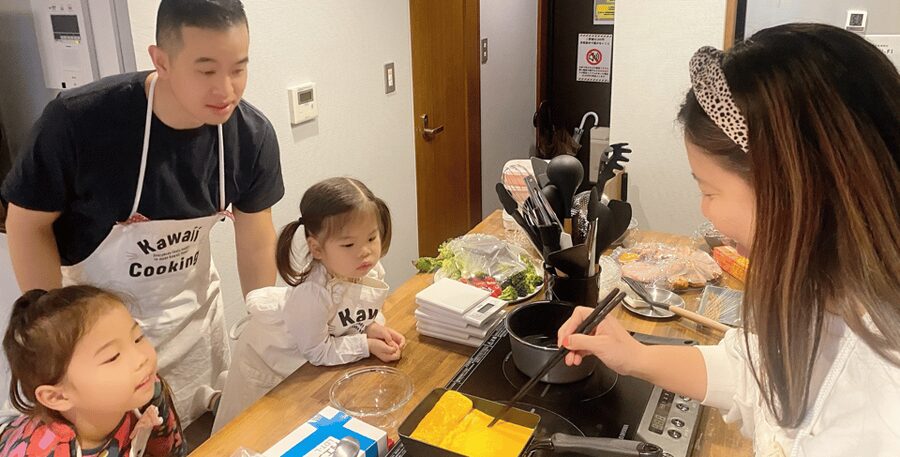
The class takes place in a studio in or near Shinjuku, but the studio can change. After booking, you receive an email with the exact studio information.
That arrangement gives the provider some flexibility, but it means you should not plan your route from the general activity title alone. Wait for the confirmed address before working out train connections or deciding how tightly to schedule another appointment.
Shinjuku is a useful part of Tokyo for a cooking class because many visitors already pass through it. Still, the exact studio matters. Check the confirmation email carefully and leave enough time to find the correct building, especially if you are traveling with children or carrying luggage.
What you take home after the class
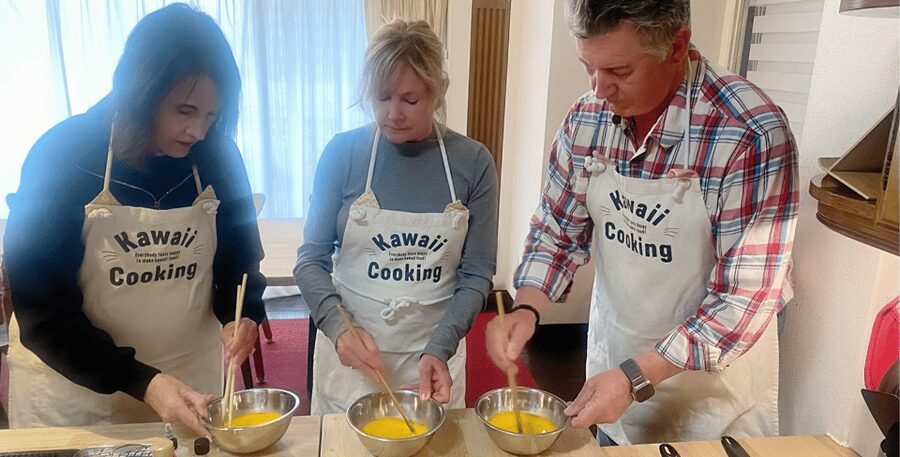
The most obvious result is the bento itself. You make the character lunch during the session, giving you a meal to admire and eat rather than only a demonstration to watch.
You also receive English recipes, which are helpful if you want to repeat the dishes later. A recipe sheet cannot reproduce every hand movement from the lesson, but it can bring back the ingredients and basic method once you are home.
The included souvenir is described as carefully selected, though its exact nature is not stated. Treat it as a pleasant extra rather than a reason to book. The stronger lasting value is the technique, the photos, and the memory of making the food yourself.
Booking details that affect your decision
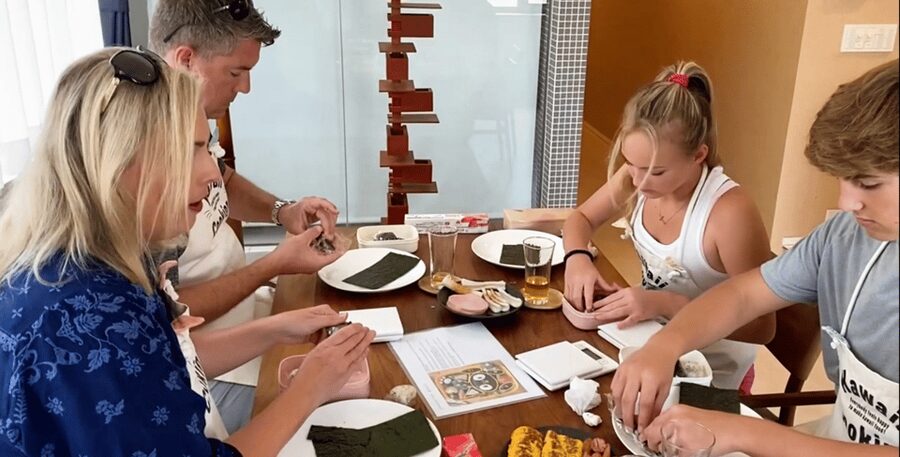
The activity lasts two hours and has an English-speaking instructor. Starting times depend on availability, so check the calendar against your Tokyo plans.
You can reserve now and pay later, which helps if your schedule is still taking shape. Free cancellation is available up to 24 hours in advance for a full refund. Those terms are useful for a trip with several moving parts, but you should still read the booking conditions at checkout.
Because the experience is private, confirm the number of people your reservation covers and the exact studio address when the email arrives. The listed price is $113 per person, and the inclusions are the class, drink, apron rental, English recipes, and souvenir.
Who should book this character bento class?
I would book this for a family-friendly Tokyo activity that feels playful but still teaches real food skills. Children get the character and animal theme, while adults get tamagoyaki practice and a better sense of how bento presentation works.
It also suits adults who enjoy Japanese pop culture, food design, or hands-on workshops. You do not need this class if your main aim is to eat as cheaply as possible, see a famous Tokyo sight, or learn a broad range of Japanese dishes.
Before booking, check the pork and egg ingredients, confirm the studio address after receiving it, and decide if the private class and keepsakes justify the $113 cost. If they do, this is a cheerful, focused way to spend two hours in Tokyo.
FAQ
Where does the character bento class take place?
The class takes place at a studio in or near Shinjuku on Honshu, Japan. The studio may change, and the exact location is sent by email after booking.
How long does the experience last?
The experience lasts two hours.
Is the class taught in English?
Yes. The instructor and class language are English, and English recipes are included.
Is this a private experience?
Yes. It is offered as a private-group activity.
What food will I make?
You will make a kawaii character bento with tamagoyaki, or Japanese rolled omelet, and several cute side dishes.
Are ham and sausages used?
Yes. The class uses processed pork products such as ham and sausages.
What is included with the booking?
Your booking includes the character bento-making experience, instruction on making a kawaii lunch and omelets, a pre-lesson drink, free apron rental, English recipes, and a carefully selected souvenir.
New on our Tokyo list
- Tokyo : Kamikaze Street Drift Ride★ 5.0 · 3 reviews
- Private Zen Meditation in English in Shinjuku, Tokyo★ 5.0 · 3 reviews
- Sumi-e Experience in a relaxing green tea shop in Tokyo★ 5.0 · 3 reviews
- Onsen Spa in Tokyo and Asakusa Bar Hopping with Local Guide★ 5.0 · 3 reviews
- Easy for everyone! Now you can play handmade mini shamisen and show off to everyone! Musical instruments, sweets and live music★ 5.0 · 3 reviews
- Tokyo: Private Tsukiji Street Food & Sake with Local Guide★ 5.0 · 3 reviews
- Mt Fuji Exploration Tour with Free Japanese Kusa Mochi from Tokyo★ 4.5 · 3 reviews
- Tokyo Tsukiji Fish Market Walking and Exploring Hidden Gems Tour★ 5.0 · 3 reviews
Japanese Cooking Classes, compared.
Ramen & Gyoza Cooking Class in Tokyo with Local Supermarket Visit
Read our review →
Easy Ramen Cooking Experience in Kabukicho, Shinjuku
Read our review →
Ramen and Sushi Cooking Class with Sake Pairing Set in Tokyo
Read our review →
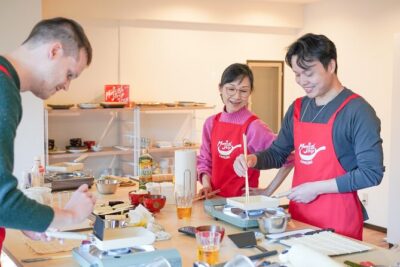
Tokyo Washoku 4-hour Cooking Class: From Market to Table
Read our review →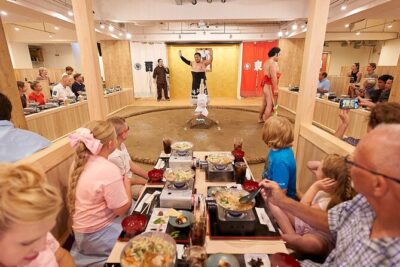
TokyoSumoShow, ChickenHotPot, and Mochi-Pounding by Pro Wrestlers
Read our review →
Professional Ramen & Gyoza with Ramen Chef in a restaurant!
Read our review →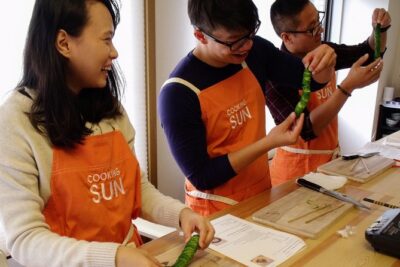
Small-Group Wagyu Beef and 7 Japanese Dishes Tokyo Cooking Class
Read our review →Browse the lists this tour appears in