
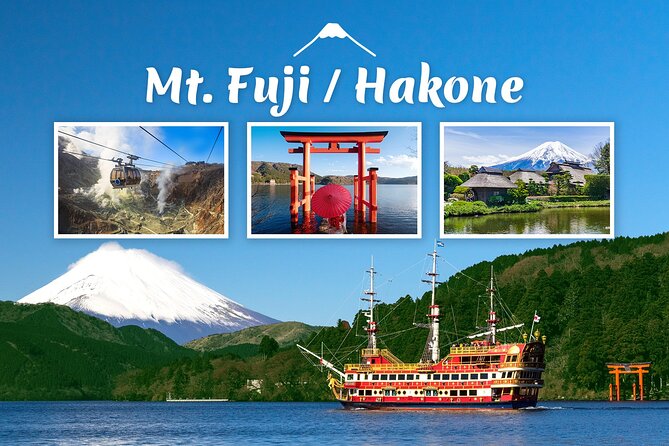
Reviewed · TEMPLE & SHRINE TOURS
Tokyo Hakone : Mt.Fuji, Owakudani, Open Air Museum, Hakone Shrine
Hakone packs art, volcanoes, mountain views, and old Shinto traditions into one memorable day. This tour gives you the Hakone Open-Air Museum, steaming Owakudani, Lake Ashi, and the famous red Torii of Peace without making you plan several train and bus connections yourself.
I like the variety: you move from Picasso and Henry Moore to sulfur vents and a lakeside shrine. I also like the chance to see Mt. Fuji from several points when the sky is clear. The main drawback is the long day and the possibility of traffic, weather, or crowds changing the order of the stops.
In This Review
- Key points at a glance
- Why this Tokyo to Hakone day trip works
- Starting with art at the Hakone Open-Air Museum
- Owakudani, sulfur steam, and the famous black eggs
- The optional Hakone Ropeway ride
- Lake Ashi and the red Torii of Peace
- The optional Pirate Ship across Lake Ashi
- What the $75.80 price really covers
- Timing, traffic, and what to bring
- Who should book this experience?
- Should you book the Tokyo Hakone tour?
- FAQ
- How long does the Tokyo to Hakone tour last?
- Is transportation included?
- Is admission to the Hakone Open-Air Museum included?
- Are the Hakone Ropeway and Pirate Ship included?
- Is lunch included?
- Can I see Mt. Fuji on this tour?
- What languages do the tour staff speak?
- What is the cancellation policy?
Key points at a glance
- Two very different Hakone highlights: Begin with modern sculpture in landscaped gardens, then visit an active volcanic valley.
- Mt. Fuji depends on the weather: Clear skies can bring excellent views, but no tour can promise them.
- Black eggs at Owakudani: Try eggs boiled in hot spring water, a local specialty said to add seven years to your life.
- Lake Ashi without complicated planning: Reach Hakone Shrine and the Torii of Peace with transport arranged from Tokyo.
- Ropeway and Pirate Ship are optional: Tickets cost extra and both activities depend on weather and local conditions.
- A full day for $75.80: Transportation and stated admission tickets are included, but meals and optional rides are not.
Why this Tokyo to Hakone day trip works
Hakone is close enough to visit from Tokyo, yet it feels like a different side of Japan. The area has hot springs, forested hills, volcanic activity, a crater lake, and a long-established shrine. Seeing all of those in one day by public transport can be tiring and confusing, especially if you are unfamiliar with the local connections.
This tour takes the practical route. You ride from Tokyo with transportation included, then follow a planned series of stops. The day lasts about 10 to 11 hours, so you should expect a packed schedule rather than a slow retreat in the mountains.
The staff speak English and Korean. Guides named Patrick and Gilbert are associated with recent departures, and both are described as attentive and pleasant. Since the group can reach 60 people, this is not a private or intimate outing. It is best for you if convenience and coverage matter more than setting your own pace.
More Temple & Shrine Tours in the Mt Fuji Area
- Mt. Fuji Heritage Tour: Traditional Villages, Lakes & Shrine
★ 4.5 · 509 reviews - Mt. Fuji, Oishi Park & Arakurayama Pagoda Bus Tour with Lunch
★ 5.0 · 128 reviews - Mt. Fuji & Hakone: Fuji Sengen Shrine, Cruise, and Ramen-Making
★ 5.0 · 124 reviews
Starting with art at the Hakone Open-Air Museum
The first major stop is the Hakone Open-Air Museum, with about two hours to explore. This is not a quick photo stop. The museum spreads sculpture through gardens, allowing you to view works by artists such as Henry Moore and Joan Miró outdoors, with Hakone’s hills behind them.
I like this opening because it gives the day a calm start. You are not immediately rushed into a crowded shrine or a sulfur-smelling valley. The gardens let you walk at your own pace, and the setting makes the art feel connected to its surroundings rather than sealed inside a plain gallery.
The museum also has a dedicated Picasso collection. That indoor gallery is useful if the weather is poor, though two hours may still feel short if you want to examine every work carefully. The glass-walled entrance and surrounding views offer good photo opportunities, but you should keep an eye on the meeting time. A group tour cannot wait indefinitely for one last sculpture.
Admission is included, which adds real value to the $75.80 price. If you have little interest in modern art, this may be the least essential stop for you. For many people, though, it is an unusually pleasant way to begin a Hakone visit.
Owakudani, sulfur steam, and the famous black eggs
Owakudani is the day’s most dramatic stop. This active volcanic valley has steaming vents, sulfur fumes, hot springs, and dark, rugged ground shaped by volcanic activity. You get around 90 minutes here, enough to see the main area, take photos, and sample local food without treating the stop as a rushed glance from a bus window.
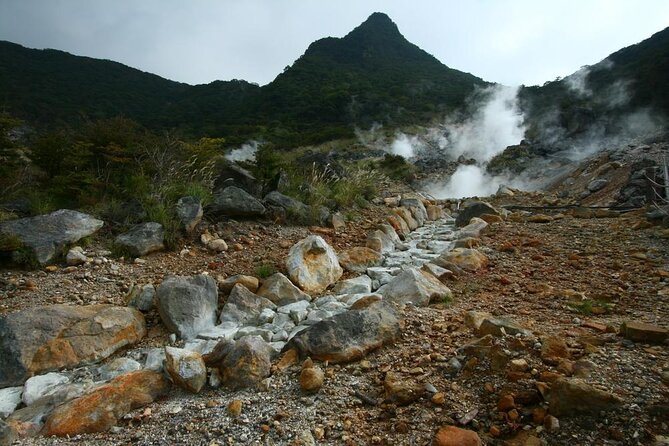
The air can smell strongly of sulfur. That is part of the point. Owakudani gives you a direct sense that Hakone is a volcanic region, not simply a pretty mountain resort. Steam rises from the valley, and on clear days Mt. Fuji can appear beyond it.
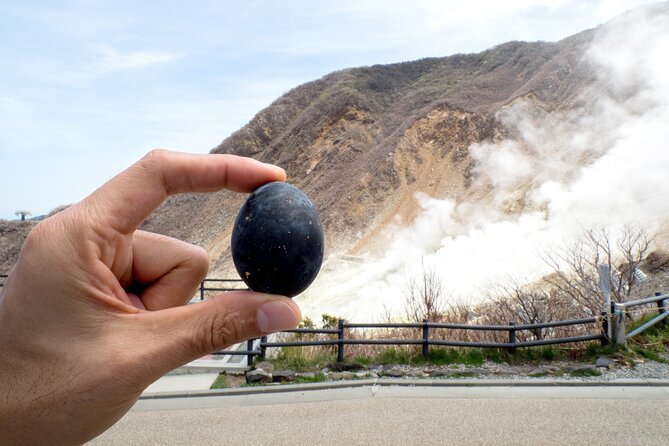
The local specialty is the black egg, called Kuro-Tamago. These eggs are boiled in natural hot spring water, which darkens the shells. Local tradition says eating one adds seven years to your life. Consider it a tasty bit of folklore, not a medical promise, but it is an easy and memorable way to connect with the place.
You may also find snacks and small purchases here, but personal expenses are not included. I recommend carrying some cash or a payment method you normally use in Japan, along with water and a small snack.
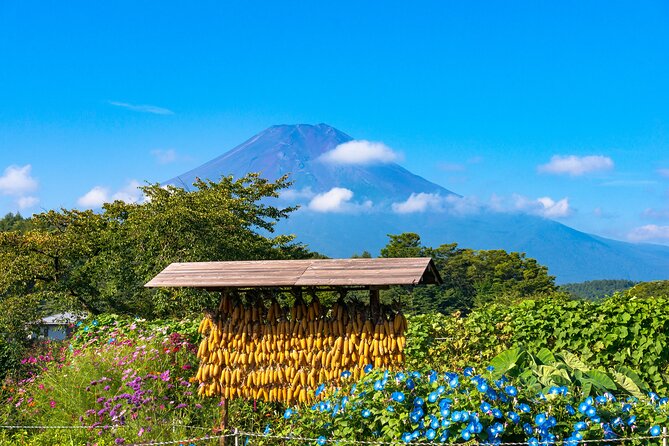
Mt. Fuji views are a major reason people choose this excursion, but keep expectations sensible. Clouds, rain, mist, and haze can hide the mountain. One recent departure had a clear blue sky and excellent views from several angles, but that was good fortune, not a guarantee built into the tour.
The optional Hakone Ropeway ride
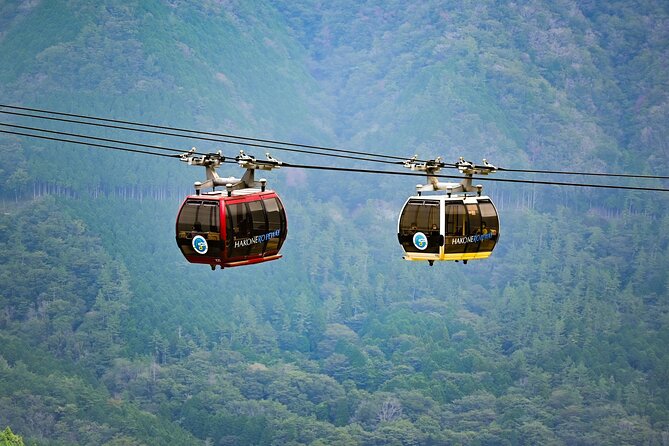
The Hakone Ropeway may be available during the day, usually in connection with the route between Sounzan and Owakudani. The ride offers views down into the volcanic valley, including the sulfur steam rising below.
The ticket is not included. It is an optional on-site activity, and weather or local conditions can affect whether it operates. Your guide can help if you want to take the ride, but you should not count on it as a fixed part of the $75.80 package.
This option suits you if aerial views are high on your list and you are comfortable paying extra. It may be less appealing if you dislike heights, want more time at the included stops, or prefer not to add another moving part to an already full day.
The tour may adjust its order in peak season. Heavy traffic can also cause the itinerary to run differently, so avoid making evening plans in Tokyo that depend on a precise return time.
More temples and shrines near Tokyo:
- Tokyo: Meiji Shrine, Asakusa, Skytree Bus Tour and Cruise
★ 4.7 · 1,986 reviews - Tokyo: Asakusa Walking Tour with Sensoji Temple Visit
★ 4.8 · 1,583 reviews - Nikko: Kegon Falls, Lake Chuzenji & Toshogu Temple
★ 4.6 · 1,577 reviews - Tokyo: Kamakura & Enoshima Day Trip including Temple Tickets
★ 4.5 · 1,375 reviews
Lake Ashi and the red Torii of Peace
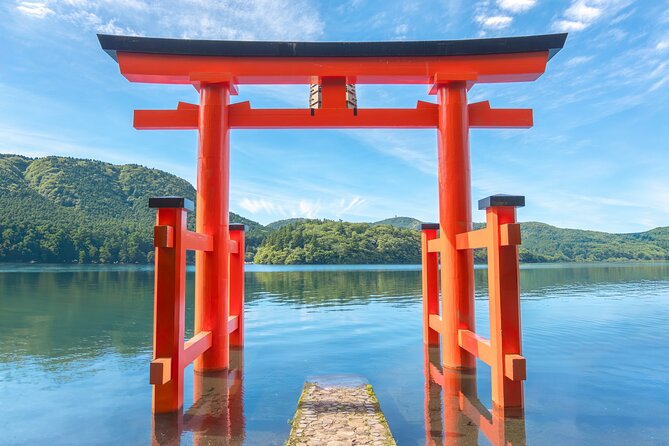
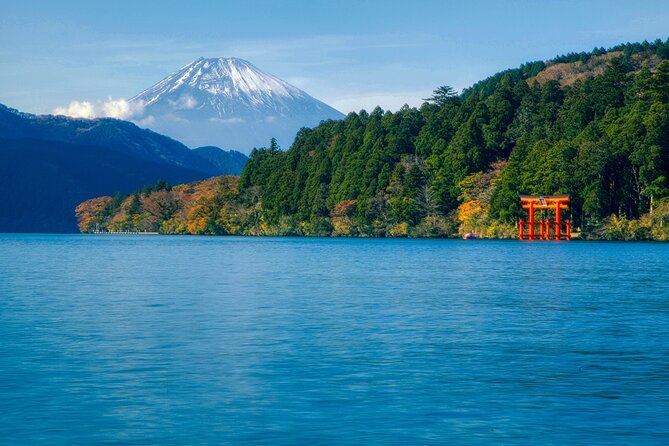
Lake Ashi, also called Lake Ashinoko, fills the basin of a volcanic crater formed after an eruption of Mount Hakone more than 3,000 years ago. Today, the lake is one of Hakone’s signature views, surrounded by hills and often linked with Mt. Fuji in clear weather.
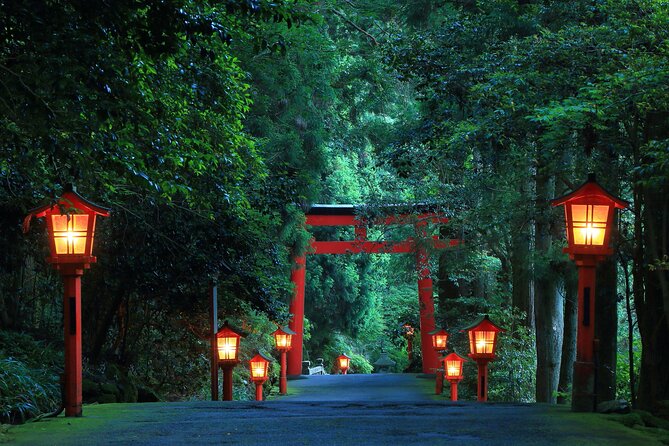
The tour gives you time around Hakone Shrine, the Torii of Peace, and the lake itself. The shrine has more than 1,200 years of history and sits beside the water among trees. Reaching it involves a serene forest path, which provides a welcome change from the open, exposed setting at Owakudani.
The Torii of Peace is the famous red gate at the lake’s edge. It is one of Hakone’s most photographed sights because the gate frames the water and forest so neatly. You may need patience for photographs, especially if other groups are there. The tour allows about 30 minutes for the shrine and another 30 minutes for the torii, followed by about 20 minutes around Lake Ashi.
Do not confuse the torii with a separate attraction. It is part of Hakone Shrine, and seeing both together makes the visit more meaningful. The gate represents a welcoming presence of the gods and spiritual protection, while the shrine itself gives you a chance to observe a quieter side of Japanese religious culture.
Lunch is at your own expense. The schedule does not include a meal, so bring a light lunch or snacks if you prefer not to spend time searching for food. A full meal can also be hard to fit into a tight day.
The optional Pirate Ship across Lake Ashi
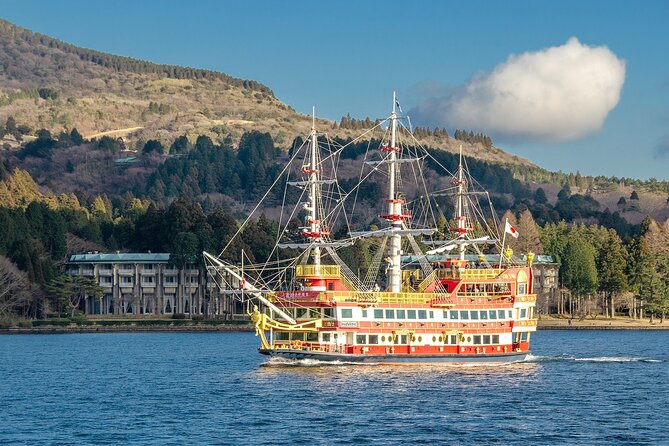
A second paid option is the Hakone Pirate Ship, which can take about 25 to 40 minutes between Togendai Port and Moto-Hakone Port. The ship is designed for sightseeing, with pirate-themed features and 3D art that can appeal to children and adults.
The boat is not included in the tour price. It is also subject to weather and local conditions, so treat it as an extra possibility rather than a guaranteed part of the schedule.
I would choose the ship if seeing Hakone from the water matters more to you than spending additional time on land. The lake views are different from those along the shore, and the ride can make the day feel more varied. On the other hand, adding both the Ropeway and the ship may leave you with less time at the museum, shrine, or volcanic valley.
Ask the guide about the best choice when you arrive. Patrick or Gilbert may be able to help you match the optional ride to the day’s conditions and the group schedule.
What the $75.80 price really covers
At $75.80 per person, this tour offers solid value if you want a broad introduction to Hakone in one day. Transportation is included, along with the stated admission ticket for the Open-Air Museum and access to the included tour stops. You also avoid having to calculate several separate train, bus, and local transport fares.
The price does not cover lunch, insurance, personal purchases, the Ropeway, or the Pirate Ship. Those exclusions are normal for a low-priced day tour, but they matter when you set your budget. The black eggs, drinks, snacks, and optional rides all come from your own pocket.
The group may include up to 60 people. That can keep the cost down, but it also means meeting times and instructions matter. You will have less freedom than on a private tour, and a photo stop may end before you feel finished.
With more than 10 bookings recorded in the most recent month and a small set of five-star ratings, the tour has shown demand, but the review base is limited. I would use the positive comments mainly as a sign that guides such as Patrick and Gilbert can make the long day more pleasant, not as proof that every departure will be identical.
Timing, traffic, and what to bring
The stated duration is about 10 to 11 hours. Japanese law limits vehicles from operating for more than 10 hours, so the guide may adjust the schedule according to real-time conditions. Traffic and weather can affect both the route and the order of the stops.
Peak-season traffic is a serious consideration around Hakone. The tour may reverse the itinerary to keep the day moving. That is sensible, but it means you should stay flexible and listen for updates.
Pack light. A phone with enough battery for photos, comfortable shoes, water, and snacks will help. A light lunch is specifically recommended because meals are not included. If you plan to buy black eggs or other food, allow room in your budget.
Tell the operator in advance if you are bringing a baby stroller. Most people can participate, but the combination of a large group, changing transport arrangements, forest paths, and outdoor stops may require extra planning with a stroller.
Who should book this experience?
I would recommend this trip to first-time visitors who want to see the main Hakone sights without arranging every connection themselves. It also suits families who like variety, since the day includes sculpture, volcanoes, a lake, a shrine, and an optional boat with pirate-themed features.
It works well for anyone hoping for Mt. Fuji photographs, as long as you understand that visibility depends on the sky. It is also a good fit if you want a reasonably priced introduction rather than a luxury tour or a slow, highly personal guide experience.
I would hesitate if you dislike long day trips, large groups, fixed meeting times, or uncertain return times. You may also prefer a separate Hakone stay if your main goal is to enjoy hot springs, walk slowly around the lake, or spend half a day at the Open-Air Museum alone.
Should you book the Tokyo Hakone tour?
Book it if you want maximum Hakone variety in one day for a moderate price. The combination of included transportation, the Open-Air Museum, Owakudani, Hakone Shrine, the Torii of Peace, and Lake Ashi is hard to match without careful planning.
Choose it with realistic expectations. Mt. Fuji may be hidden, optional rides cost extra, lunch is not provided, and a group of up to 60 people cannot linger at every stop. If those limits are acceptable, this is a practical way to experience Hakone’s strongest sights, with guides such as Patrick and Gilbert adding a helpful human touch.
Free cancellation is available when you cancel at least 24 hours before the local start time. Changes or cancellations inside that window are not accepted for a refund.
FAQ
How long does the Tokyo to Hakone tour last?
The tour lasts approximately 10 to 11 hours. The guide may adjust the schedule because of traffic, weather, and the legal limit on vehicle operation.
Is transportation included?
Yes. Transportation is included in the tour price.
Is admission to the Hakone Open-Air Museum included?
Yes. The Open-Air Museum admission ticket is included.
Are the Hakone Ropeway and Pirate Ship included?
No. Both are optional on-site experiences, and their tickets are not included. Availability can depend on weather and local conditions.
Is lunch included?
No. Meals are not included. You can bring snacks or a light lunch, or buy food during the day at your own expense.
Can I see Mt. Fuji on this tour?
You can see Mt. Fuji on clear days, including from the Owakudani and Lake Ashi areas. Cloud, rain, mist, and haze may block the view.
What languages do the tour staff speak?
The tour includes English and Korean-speaking staff.
What is the cancellation policy?
You can receive a full refund if you cancel at least 24 hours before the experience start time. Cancellations or changes made less than 24 hours before the start time are not accepted for a refund.
More Museums Worth an Hour
- Tokyo: teamLab Planets TOKYO Digital Art Museum Entry Ticket
★ 4.6 · 9,779 reviews - Tokyo: Samurai Ninja Museum Guided tour and Experience
★ 4.6 · 1,010 reviews - Ninja Experience (Family Friendly) at Samurai Ninja Museum TOKYO
★ 5.0 · 441 reviews - Tokyo Studio Ghibli Museum and Ghibli Film Appreciation Tour
★ 4.5 · 421 reviews
New on our Tokyo list
- Sumi-e Experience in a relaxing green tea shop in Tokyo★ 5.0 · 3 reviews
- Tokyo : Kamikaze Street Drift Ride★ 5.0 · 3 reviews
- Private Zen Meditation in English in Shinjuku, Tokyo★ 5.0 · 3 reviews
- Onsen Spa in Tokyo and Asakusa Bar Hopping with Local Guide★ 5.0 · 3 reviews
- Easy for everyone! Now you can play handmade mini shamisen and show off to everyone! Musical instruments, sweets and live music★ 5.0 · 3 reviews
- Tokyo: Private Tsukiji Street Food & Sake with Local Guide★ 5.0 · 3 reviews
- Mt Fuji Exploration Tour with Free Japanese Kusa Mochi from Tokyo★ 4.5 · 3 reviews
- Tokyo Tsukiji Fish Market Walking and Exploring Hidden Gems Tour★ 5.0 · 3 reviews
Temple & Shrine Tours, compared.
Meiji Shrine, Asakusa, Skytree Bus Tour and Cruise
Read our review →
Asakusa Walking Tour with Sensoji Temple Visit
Read our review →
Kamakura & Enoshima Day Trip including Temple Tickets
Read our review →
Nikko Toshogu Shrine and Kegon Waterfall Tour
Read our review →
Tokyo Panoramic 1 Day: Meiji Shrine, Asakusa, Odaiba and SKYTREE®
Read our review →
Mt. Fuji Heritage Tour: Traditional Villages, Lakes & Shrine
Read our review →Browse the lists this tour appears in