
Reviewed · DESSERT TOURS
Tokyo: Hama-rikyu Gardens tour with Japanese Tea & Sweets
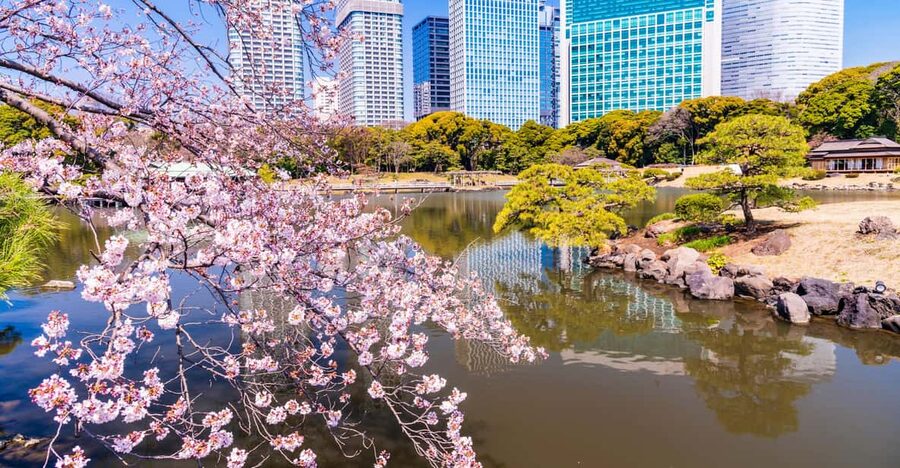
Hama-rikyu Gardens gives you two very different tastes of Japan in a short visit: a guided walk through an Edo-period garden and a quiet cup of matcha with Japanese sweets. The garden’s dry-style design, circular walking paths, seasonal trees, and pond views are easier to appreciate when someone explains what you are seeing.
I like the small group of four, which keeps the walk personal and makes questions easy. I also like that the matcha and wagashi are included, rather than being an optional extra at the end. The main consideration is pace: the tour involves walking, and the tea portion takes much of the total time, so it is best for you if you want a focused cultural stop rather than a long, free-ranging garden visit.
In This Review
- Key points at a glance
- Why Hama-rikyu Gardens is worth your time
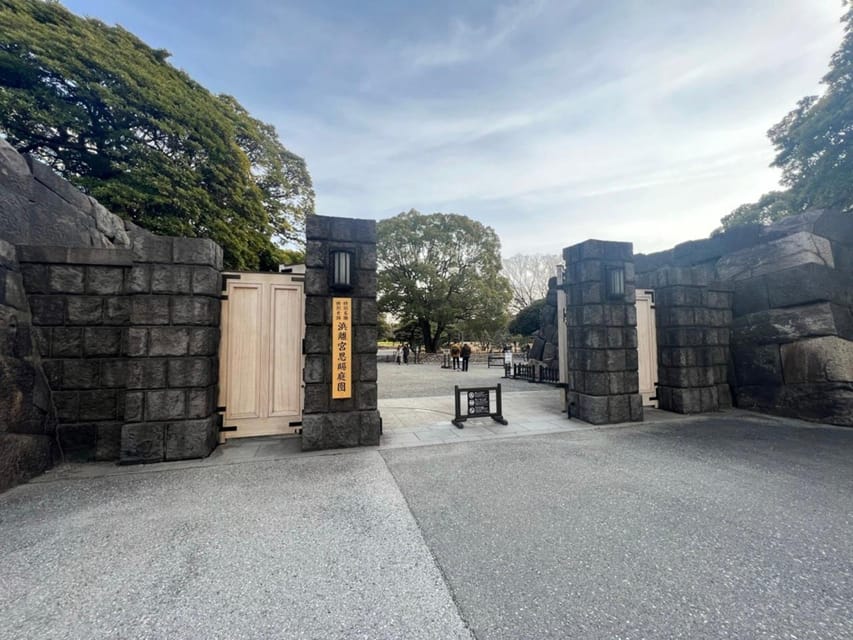
- Entering through Otemon Bridge
- Thirty minutes with the garden’s design
- Matcha and Japanese sweets in the tea room
- What the small group changes
- Is $85 a fair price?
- Who will enjoy this tour most
- Timing, meeting points, and cancellation
- How it compares with visiting alone
- Final verdict: book it for culture, not coverage
- FAQ
- How long does the Hama-rikyu Gardens tour last?
- What is included in the price?
- Is the tour conducted in English?
- How many people are in the group?
- Where does the tour begin?
- Where does the tour finish?
- Can I cancel for a full refund?
Key points at a glance
- Edo-period setting: Walk through one of Tokyo’s historic Japanese gardens and learn how its design developed.
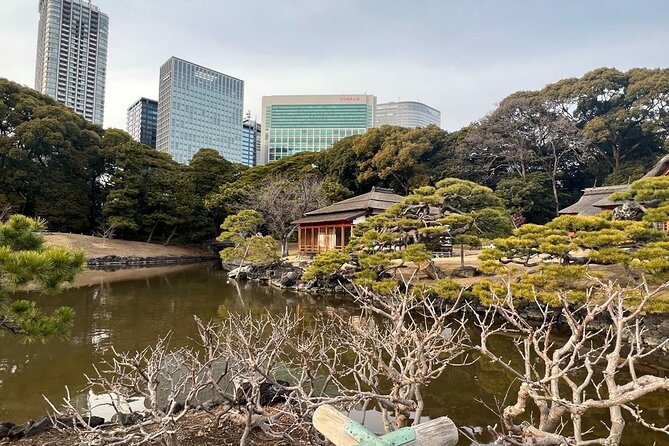
- Two garden styles: See both the Karesansui dry garden and the Kaiyushiki circular garden.
- English-speaking guide: Guides such as Ayaku, Hiro, and Mr. Ito have led visitors through the garden’s history and design.
- Matcha and wagashi included: The tea room visit adds a proper cultural experience, not just a quick drink.
- Small group format: The group is limited to four people, a useful advantage in a garden tour.
- Simple city logistics: Meet near Otemon Bridge and finish at Shiodome Station, depending on the option you book.
Why Hama-rikyu Gardens is worth your time
Tokyo is packed with temples, towers, shopping streets, and neon. Hama-rikyu Gardens offers a calmer kind of sightseeing, but it is not merely a patch of greenery where you pause between major attractions. Its paths and garden features were shaped by Japanese ideas about movement, framing, seasons, and balance.
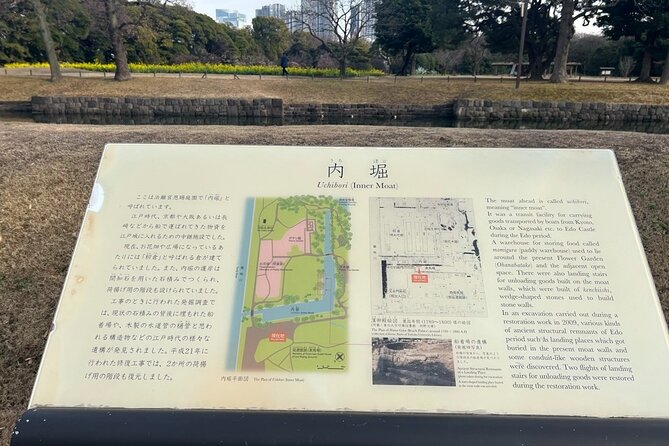
The garden originated in the Edo period, when Tokyo was known as Edo. That setting gives the walk more meaning. You are not just looking at trees and water. You are seeing a planned space connected to the city’s earlier political and cultural life.
I find a guide especially useful here because Japanese gardens can look simple at first glance. A pond, a clipped tree, a stone arrangement, and a curved path may seem decorative until someone explains how they work together. The guide provides that missing layer, pointing out the background of the garden and the thinking behind its design.
The tour is conducted in English and limited to four participants. That number matters. In a large group, a garden explanation can turn into a one-way speech while you try to keep up. Here, you should have a better chance to hear clearly, ask about details, and stop for photographs without feeling lost in a crowd.
A few more Tokyo bookings worth comparing
- Matcha Making Class in Tokyo with Authentic Japanese Sweets Set
★ 5.0 · 744 reviews - Tokyo: Matcha Making Experience with Mochi Sweets in Asakusa
★ 4.9 · 388 reviews - Make Traditional Nerikiri Sweets & Matcha experience in Shibuya
★ 5.0 · 130 reviews
Entering through Otemon Bridge
The walk begins at Otemon Bridge, one of the listed starting points. Your exact meeting arrangement can vary with the option you reserve, so check the booking details rather than assuming every departure uses the same spot.
Otemon Bridge is a useful place to begin because it gives the visit a clear sense of arrival. Once inside, the city’s modern scale gives way to paths, plantings, water, and carefully arranged views. The change is quick, which makes the garden a practical choice when you want a cultural break without leaving central Tokyo for half a day.
Wear comfortable walking shoes. This is not a seated lecture followed by tea. The garden portion is guided, and you will be on your feet as the guide introduces its features. The pace is set for sightseeing, but anyone who dislikes walking should take the 90-minute format seriously.
Thirty minutes with the garden’s design
The guided garden portion lasts about 30 minutes. That is enough time for an introduction to the main features, but not enough for an exhaustive tour of every path and plant. Think of it as a well-focused orientation that helps you see the garden with more purpose.
One highlight is the Karesansui, or dry garden. This style uses elements such as stones and carefully arranged surfaces to suggest natural forms without relying on flowing water. The appeal is restrained. You are asked to notice spacing, shape, and the way a composition creates an idea of nature rather than copying a scene in a literal way.
The other named feature is the Kaiyushiki garden, a circular garden designed to be viewed as you move along its route. A garden of this type changes as you walk. The arrangement is not meant to be understood from one fixed point only. Each turn can offer a new angle on the water, trees, and surrounding features.
Your guide explains the history and the reasons behind the design. This is where the tour earns its place over a simple self-guided stroll. You can take photographs on your own, but a photograph does not explain why a path curves, why a view is framed in a certain way, or how seasonal changes affect the garden’s appearance.
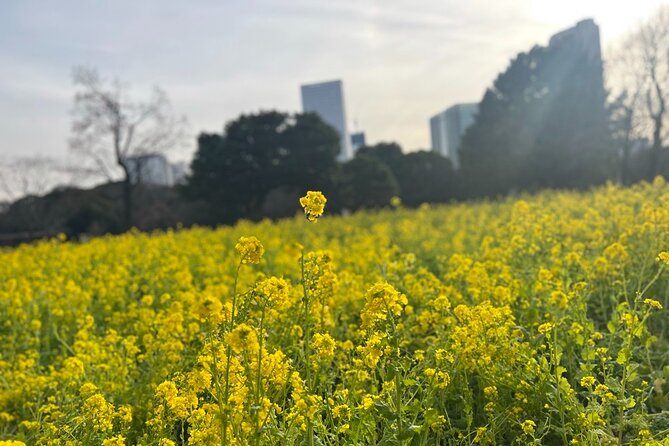
The plants and trees change with the seasons, so the mood will depend on when you visit. One guide discussion highlighted how beautiful the flowers can be in spring, while winter and autumn bring a different character. The experience is not locked to one ideal month, though spring may appeal most to you if flowers are a priority.
The short walking section also helps you conserve energy for the tea room. You are not being rushed through a huge route, but you are receiving enough context to make the next part feel connected to what you have just seen.
Matcha and Japanese sweets in the tea room
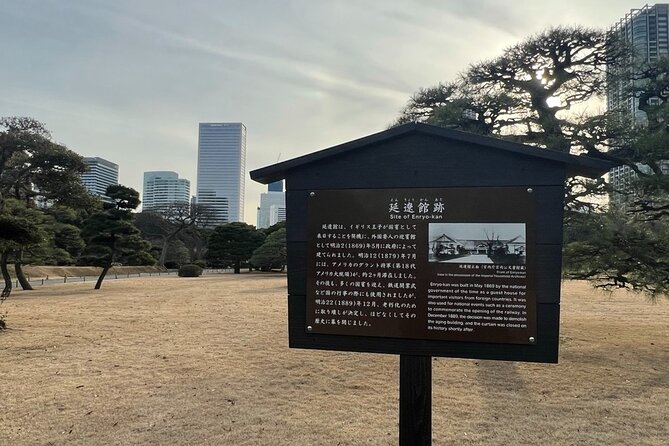
The tea portion is listed as one hour, making it the larger part of the scheduled experience. Matcha green tea and Japanese sweets are included in the price, so you do not need to budget for them separately.
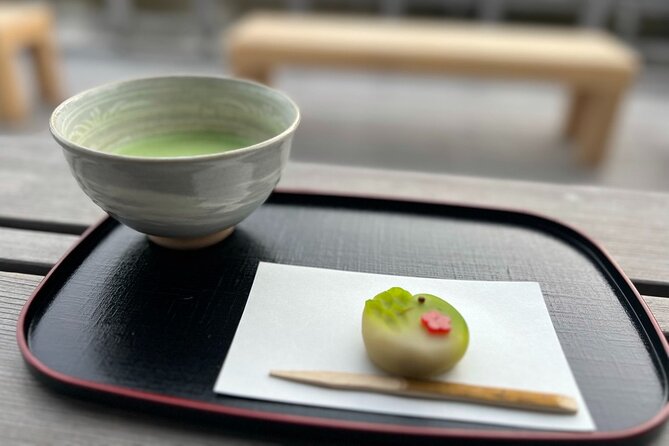
This is more than a refreshment stop. The tea room gives you time to sit with the garden views and consider the ideas introduced during the walk. Matcha can have a strong, earthy taste, especially if you normally drink mild tea or sweetened beverages. The Japanese sweets provide a contrasting texture and sweetness.
The sweets are described as wagashi in the visitor comments. Their role is not simply to provide dessert. In Japanese tea culture, the sweet helps balance the bitterness of matcha and forms part of the presentation. That small pairing makes the tea stop feel tied to the setting rather than added on as a generic café break.
You should also allow for the fact that a tea experience may feel quieter and more deliberate than a standard sightseeing activity. If you want to rush from one Tokyo sight to the next, an hour in a tea room may feel long. If you enjoy cultural details, photography, and a slower pause, it gives the visit a pleasant change of pace.
The garden view adds real value. You are not having matcha in an unrelated shop before returning to the city streets. You remain inside the historic garden, with the setting reinforcing what you have learned during the walk.
Same corner of Tokyo, a completely different plan:
- Mt Fuji and Hakone 1-Day Bus Tour Return by Bullet Train
★ 5.0 · 26,383 reviews - 1-Day Tokyo Bus Tour
★ 5.0 · 14,250 reviews - Tokyo: TOKYO SKYTREE® Admission ticket
★ 4.5 · 11,192 reviews - Tokyo: teamLab Planets TOKYO Digital Art Museum Entry Ticket
★ 4.6 · 9,779 reviews
What the small group changes
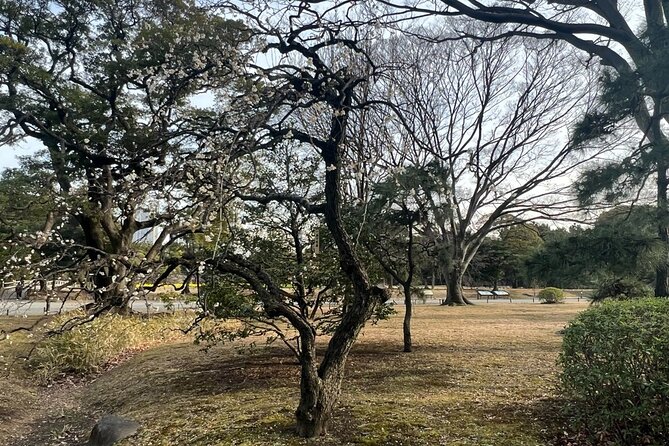
The limit of four participants is one of the strongest practical features. A small group can make a guide’s explanation easier to follow, especially when discussing subtle garden design rather than obvious monuments.
It also gives you more freedom to ask focused questions. You might want to know how the Edo period shaped the garden, how the circular route works, or what to look for in the dry garden. With only a few people, those questions are less likely to disappear into a crowd.
The small format does not mean the tour is private. You are still sharing the guide and the schedule with other participants. But four people is close enough to private-tour size to make the experience feel more direct.
The quality of the visit depends partly on the guide you receive. Ayaku has been described as warm and eager to explain, while Hiro has led an especially informative visit through several interesting spots. Mr. Ito has also been praised for his clear explanations of Japanese history and the garden. These details suggest that the guide is not simply escorting you from gate to tea room, but the exact personality and presentation will vary.
Is $85 a fair price?
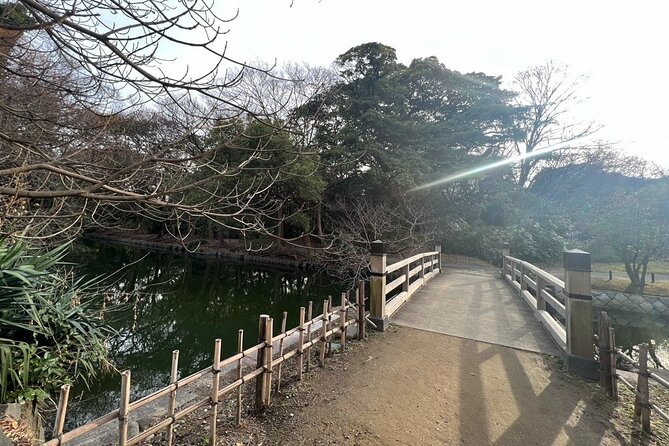
At $85 per person, this is not the cheapest way to enter a Tokyo garden. If you only want to walk around Hama-rikyu Gardens, paying for a guide and a scheduled tea experience may not suit your budget.
The value improves if you would otherwise pay separately for a cultural activity and a tea stop. The fee includes the English-speaking guide, matcha, and Japanese sweets. You are also paying for interpretation, which is the part that turns a pretty garden into a lesson in Japanese garden culture.
The group size helps the price make more sense. A four-person limit gives you a more personal format than a large coach-style sightseeing tour. You are not buying transport or a full-day itinerary, however. This is a compact experience focused on one garden and one tea setting.
I would see it as good value for a first visit to Tokyo if you want an organized introduction to garden design. It is less attractive for repeat visitors who already understand the garden or prefer to explore at their own speed.
Who will enjoy this tour most
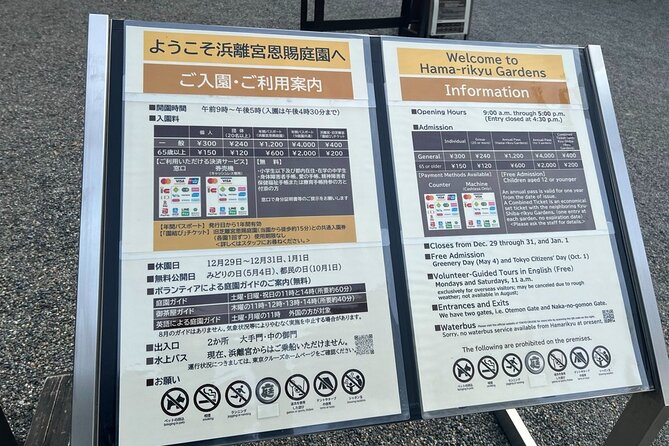
This tour suits you if you like history, plants, photography, and small cultural experiences. It works particularly well for someone who wants to understand what they are seeing instead of simply taking pictures and moving on.
It is also a good fit if matcha is part of your Tokyo plans. The tea and sweets are built into the schedule, so you do not have to search for a tea room afterward or wonder how formal a separate tea activity might be.
Families with older children may appreciate the short garden walk and clear structure, though the information will appeal most to people who enjoy listening and asking questions. The group limit can also make the experience easier to manage than a large tour.
You may want to skip it if you dislike scheduled activities, do not enjoy tea, or want several hours to roam freely. The 30-minute garden walk is an introduction, not a complete exploration of every corner. You should also choose another plan if walking is difficult, since comfortable shoes are specifically recommended.
Timing, meeting points, and cancellation
The total duration is 90 minutes, with a guided garden walk followed by the tea experience. Starting times depend on availability, and the meeting point may differ according to the option booked.
The listed start is near Otemon Bridge, and the listed finish is Shiodome Station. That makes the tour easy to pair with other Tokyo plans, but you should leave enough time around it for finding the correct meeting point and moving on afterward.
The activity offers free cancellation up to 24 hours before the start for a full refund. You can also reserve now and pay later, which is useful if you are still arranging a Tokyo schedule. Those policies do not change the need to check the exact option, time, and meeting location before booking.
How it compares with visiting alone
A self-guided visit gives you more control. You can pause wherever you like, spend longer with a favorite view, and skip the tea portion if you prefer. It may also cost less if you only pay the garden admission, though the provided information does not specify an admission price for an independent visit.
The guided tour gives you context that is easy to miss alone. The Karesansui and Kaiyushiki features have names and design purposes, but those details may not be obvious as you walk past them. A guide also gives the visit a stronger shape, moving from the garden’s background to its visual details and then to the tea room.
For many people, the best reason to book is not speed. It is attention. The tour encourages you to slow down and notice why the garden looks the way it does.
Final verdict: book it for culture, not coverage
I would book this tour if you want a gentle, well-explained introduction to Japanese garden culture, especially if you also want matcha and Japanese sweets in a historic setting. The small group, English guide, seasonal garden views, and included tea make the $85 fee easier to justify.
I would not book it if your priority is covering many Tokyo sights in a short time or wandering without a schedule. The experience concentrates on one garden, and the tea portion takes a substantial share of the 90 minutes.
For a first-time Tokyo visit, this is a smart choice when you need a quiet counterpoint to the city’s busy streets. Bring comfortable shoes, check your meeting option carefully, and leave room to enjoy the tea rather than treating it as a quick stop.
FAQ
How long does the Hama-rikyu Gardens tour last?
The experience lasts 90 minutes. The garden’s guided portion is listed as 30 minutes, followed by a tea ceremony experience listed as one hour.
What is included in the price?
The $85 price includes the tour guide, matcha green tea, and Japanese sweets.
Is the tour conducted in English?
Yes. The tour has a live English-speaking guide.
How many people are in the group?
The group is limited to four participants.
Where does the tour begin?
The listed starting location is Otemon Bridge, though the exact meeting point may vary depending on the option booked.
Where does the tour finish?
The listed drop-off location is Shiodome Station, with the exact arrangement depending on the option selected.
Can I cancel for a full refund?
Yes. You can cancel up to 24 hours in advance for a full refund.
New on our Tokyo list
- Sumi-e Experience in a relaxing green tea shop in Tokyo★ 5.0 · 3 reviews
- Tokyo : Kamikaze Street Drift Ride★ 5.0 · 3 reviews
- Private Zen Meditation in English in Shinjuku, Tokyo★ 5.0 · 3 reviews
- Onsen Spa in Tokyo and Asakusa Bar Hopping with Local Guide★ 5.0 · 3 reviews
- Easy for everyone! Now you can play handmade mini shamisen and show off to everyone! Musical instruments, sweets and live music★ 5.0 · 3 reviews
- Tokyo: Private Tsukiji Street Food & Sake with Local Guide★ 5.0 · 3 reviews
- Mt Fuji Exploration Tour with Free Japanese Kusa Mochi from Tokyo★ 4.5 · 3 reviews
- Tokyo Tsukiji Fish Market Walking and Exploring Hidden Gems Tour★ 5.0 · 3 reviews
Dessert Tours, compared.

Matcha Making Class in Tokyo with Authentic Japanese Sweets Set
Read our review →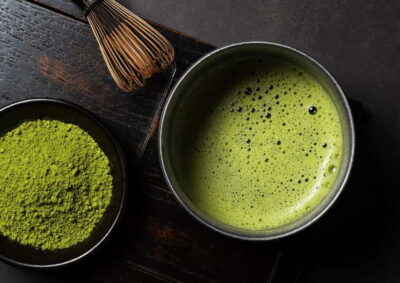
Matcha Making Experience with Mochi Sweets in Asakusa
Read our review →
Make Traditional Nerikiri Sweets & Matcha experience in Shibuya
Read our review →
Private Mochi Sweets Making class near Shibuya area
Read our review →
Japanese Traditional Sweets making and Tea Ceremony
Read our review →
Tokyo Local Food Tour: Noodles, Skewers, Dumplings, Sweets
Read our review →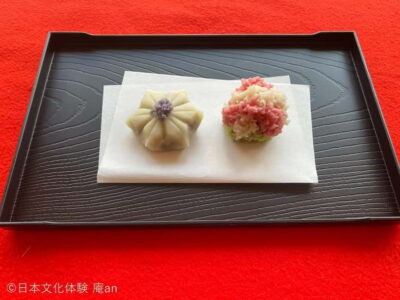
Two Types of Japanese Sweets Making and Tea Ceremony
Read our review →
Mochi Matcha Gluten Free Japanese Sweets Class near Shibuya area
Read our review →Browse the lists this tour appears in