
Reviewed · KAMAKURA TOURS
Tokyo: Kamakura and Yokohama Private Day Trip with Guide
Kamakura’s 13-meter Great Buddha is the star here, but this private day trip gives you much more than a statue photo. You move from temple grounds and bamboo to Yokohama’s Chinese quarter, old homes, ramen displays, and the waterfront towers of Minato Mirai.
I like the hotel pickup and private vehicle, especially for families or small groups who do not want to wrestle with several train changes. I also like the mix of Kamakura’s quiet religious sites and Yokohama’s modern city views. The catch is the ambitious schedule: 10 hours includes commuting, entrance fees and meals are extra, and traffic can make nine sightseeing stops feel rushed.
In This Review
- Key points to know before booking
- Why this Kamakura and Yokohama pairing works
- Kōtoku-in and Kamakura’s Great Buddha
- Hase-dera adds gardens and temple views
- Tsurugaoka Hachimangu and the heart of Kamakura
- Hokokuji Bamboo Forest is the quietest stop
- Sankeien Garden preserves old Japanese homes
- Yokohama Chinatown brings food and shopping
- The Shin-Yokohama Ramen Museum is a brief indoor stop
- Minato Mirai closes the day beside the harbor
- What the private vehicle changes
- Is $474 good value?
- Who should book this day trip?
- Should you book it?
- FAQ
- How long does the Kamakura and Yokohama tour last?
- Does the tour include hotel pickup and drop-off?
- What languages does the guide speak?
- Are meals included?
- Are entrance fees included?
- How many people can join the private group?
- Can I cancel the booking for a full refund?
Key points to know before booking
- The Great Buddha is only one part of a packed day: Kamakura includes Kōtoku-in, Hase-dera, Tsurugaoka Hachimangu, and Hokokuji.
- A private vehicle saves time: Pickup and drop-off at your Tokyo hotel make this easier than arranging every train and local connection yourself.
- Yokohama adds a different mood: Sankeien Garden, Chinatown, the Ramen Museum, and Minato Mirai give the second half of the day a city-focused feel.
- The guide can shape the experience: English and Japanese guiding is available, and Kasim Ali has been praised for safe driving, useful explanations, and a calm pace.
- The price works best for a full group: The listed cost is $474 for up to six people, though groups larger than five may involve an added charge.
- Plan for walking and extra costs: Wear comfortable shoes, and budget separately for meals and admission tickets.
Why this Kamakura and Yokohama pairing works
Kamakura and Yokohama sit south of Tokyo, but they offer a sharp change from the capital’s dense streets. Kamakura gives you temples, shrines, wooded paths, and a seaside-town feel. Yokohama brings wide promenades, Chinese restaurants, preserved houses, and a polished harbor district.
That contrast is the best reason to book this outing. You are not spending ten hours looking at variations of the same shrine. You get several kinds of Japan in one day, from a medieval capital to a modern port city.
The tradeoff is distance. You spend a fair amount of the day in the vehicle, and the schedule includes more stops than many people could comfortably handle on public transportation. A private car helps, but it cannot remove road traffic. I would think of this as a highlights tour, not a slow, reflective visit to every site.
The private format matters most when you are traveling with family or friends. Up to six people can share the quoted $474 rate, which works out to about $79 per person if six people share it. That looks reasonable for a full day with pickup, drop-off, a private vehicle, water, and a guide. For only two people, the per-person cost is much higher, so compare it with rail fares and a smaller tour before booking.
More Private Tours in Kamakura
- Kamakura Private Tour: Temples, Nature, and the Great Buddha
★ 5.0 · 121 reviews - Kamakura 8 hr Private Walking Tour with Licensed Guide from Tokyo
★ 5.0 · 80 reviews - Kamakura: Private Guided Walking Tour with Local Guide
★ 4.8 · 60 reviews
Kōtoku-in and Kamakura’s Great Buddha
Your Kamakura visit begins at Kōtoku-in, home of the Great Buddha. The bronze figure is roughly 13 meters high and has stood here since the 15th century. It is the kind of sight that needs little explanation: the scale is immediate, and the open-air setting lets you walk around it and take in the statue from different angles.
The stop is scheduled for about one hour. That gives you time for the statue and the grounds without turning the visit into a long temple stay. If you want a quiet photographic moment, your guide may need to adjust the pace around crowds, since this is the best-known stop in Kamakura.
The important practical detail is that admission is not included. Keep some cash or a payment method ready for entry fees, though the exact amount is not specified here. The tour supplies water, but not meals, so do not assume lunch is covered by the price.
Hase-dera adds gardens and temple views
Hase-dera is planned as another one-hour stop. Compared with the Great Buddha, this visit gives you more grounds to explore and a stronger sense of walking through a temple complex.
The schedule presents it as a sightseeing and walking visit, so comfortable shoes are not optional. You should expect steps or uneven surfaces at some point during the day, even though the supplied information does not give a detailed route or accessibility map.
One advantage of a guide here is context. A bilingual guide can point out what you are seeing and help you avoid treating the temple as just another photo stop. Several positive accounts describe guides who gave clear explanations and kept the day moving at a comfortable rate. That sort of pacing is valuable because the itinerary can otherwise become a race from one landmark to the next.
Tsurugaoka Hachimangu and the heart of Kamakura
Tsurugaoka Hachimangu receives about an hour. This major shrine gives you a different religious setting from the Buddhist sites earlier in the day. The change helps the Kamakura portion feel varied rather than repetitive.
The shrine is also a useful reminder of Kamakura’s role as a former political center of medieval Japan. You are seeing more than isolated buildings. The town’s importance grew around its military government, and the shrine remains one of the clearest places to connect the modern city with that earlier period.
An hour is enough for a focused visit, but it is not generous if you want to linger, take many photographs, or explore every part of the approach. If your group has a strong interest in Japanese religious architecture, ask the guide at the start of the day which stops deserve extra time.
More Private Tours in Yokohama
- Daikoku & Tokyo Private JDM Tour by 700HP R34 GT-R
★ 4.9 · 101 reviews - Tokyo 8hr Private Tour with Licensed Guide from Yokohama
★ 5.0 · 94 reviews - R34Skyline Daikoku PA Fast & Furious Private Experience
★ 5.0 · 63 reviews - Private Car Tour to see Highlights of Kamakura, Enoshima, Yokohama from Tokyo
★ 5.0 · 48 reviews
Hokokuji Bamboo Forest is the quietest stop
Hokokuji is scheduled for one hour and brings a softer, greener pause to the Kamakura route. The bamboo forest is smaller than the famous bamboo areas in Kyoto, but its appeal is the change in atmosphere. Tall bamboo creates a narrow, shaded walking space, and the stop gives you a break from large monuments and formal shrine approaches.
This is another place where comfortable shoes and sunscreen matter. The tour information specifically recommends a hat, camera, and sunscreen, sensible advice for a day that moves between open grounds and walking paths.
The four Kamakura stops together form the cultural core of the trip. You see a famous statue, a Buddhist temple, a Shinto shrine, and a bamboo setting. I like that range. I also think this is the point where the schedule may begin to feel full. If traffic delays the morning, the guide may need to keep each visit close to its planned hour.
Sankeien Garden preserves old Japanese homes
The trip then shifts to Yokohama and Sankeien Garden. This botanical park contains preserved Japanese residences from different eras, so the appeal is not only flowers or greenery. You can look at how traditional homes were built and arranged while walking through a large garden setting.
The garden’s seasonal timing deserves attention. Its appearance can change greatly by month, and it is likely to feel more rewarding during spring or fall than in the bare part of winter. If you are visiting in December, set your expectations accordingly. The historic houses still provide interest, but the garden may not have the color you see in seasonal photographs.
About an hour is planned here. That works for a first look, though anyone drawn to Japanese homes, gardens, or photography may want longer. Since admission is not included, add the entrance cost to your budget before deciding how much value this stop offers you.
Yokohama Chinatown brings food and shopping
Yokohama Chinatown receives the longest fixed stop, about 90 minutes. It is known for hundreds of Chinese restaurants and shops, making this a lively change after Kamakura’s temple grounds and bamboo.
The tour includes shopping and sightseeing, but meals are not included. That gives you freedom to choose what to eat, yet 90 minutes is not a long lunch break if you also want to browse. Ask your guide how much time will be set aside for food before you start walking.
I see Chinatown as a flexible part of the day. You can use it for lunch, small purchases, photographs, or a quick look at Yokohama’s multicultural side. You should not expect an extended food tour. The guide’s local suggestions may be useful here, especially if you want help choosing from the many restaurants and shops.
The Shin-Yokohama Ramen Museum is a brief indoor stop
The itinerary includes one hour at the Shin-Yokohama Ramen Museum. This is not presented as a meal, and meals remain your responsibility, so check with the guide about whether you have time to eat there or are visiting mainly for the displays.
The stop gives the day a distinctly modern Japanese touch. After temples, shrines, and preserved homes, ramen provides a look at everyday food culture and popular entertainment. It also offers an indoor option if the weather is hot or rainy.
Still, the combination of Chinatown and the Ramen Museum can create a food-heavy stretch, especially if you have already eaten lunch. If your group is more interested in history or gardens, ask whether the timing can be adjusted. The tour is private, but the number of listed stops means flexibility should be discussed rather than assumed.
Minato Mirai closes the day beside the harbor
Minato Mirai is the final major sightseeing area. This waterfront district is known for the 296-meter Landmark Tower, one of Yokohama’s most recognizable modern structures. The district gives you broad city and harbor views after a day spent mostly among older religious and residential sites.
The listed schedule does not give a fixed time for Minato Mirai, followed by about 30 minutes of free time. That lack of a firm duration is worth noting. You may have time for a stroll and photographs, but do not book this expecting a long harbor walk or a guaranteed visit inside Landmark Tower.
I like ending here because the modern skyline provides a clean finish to the day. Kamakura shows Japan’s older religious traditions, while Minato Mirai shows the port city’s newer face. If you enjoy architecture and city views, this final stop may be one of your favorites.
What the private vehicle changes
Hotel pickup and drop-off in Tokyo are the most practical features of this experience. You do not need to find an unfamiliar station early in the morning, and you can return directly to your hotel after a long day on your feet.
The vehicle also lets the group stay together. That is useful for up to six people, particularly when some members want shopping time and others prefer temples or gardens. Water bottles are included, but food, tickets, and personal purchases are not.
The guide is described as a bilingual chauffeur, with English and Japanese available. Several strong accounts praise Kasim Ali for safe driving, friendly service, clear explanations, and a well-paced day. One account also names Qesm Ali with praise for punctual service. Since guide assignment can matter, confirm the name and language of your assigned guide before the pickup date.
There is also an important caution. The overall rating is 4.6 from 27 ratings, but the experience has not been perfect for every booking. Problems have included late pickup, weak advance communication, water not being offered until requested, skipped stops, and an early return before the planned activities were complete. One complaint also described an uncomfortable discussion about a negative rating. These are serious service concerns, even though they do not match the many positive accounts.
I would confirm the pickup time, vehicle, guide name, planned stops, and what happens if traffic cuts into the schedule. Keep the day’s route on your phone. That is not distrustful, it is sensible on a private tour with a long list of stops.
Is $474 good value?
At $474 per group up to six, the price can be fair for a full private day from Tokyo. Six people sharing the cost get the strongest deal. You are paying for door-to-door transport, a guide, and the convenience of combining two destinations that would take more planning by train.
For two people, the cost is harder to justify unless you place a high value on privacy and hotel pickup. Train travel to Kamakura and Yokohama can be less expensive, but it requires planning, transfers, local transport, and your own explanations at each stop.
The price does not include entrance fees or meals. Those costs are not unusual for a private sightseeing outing, but they make the advertised figure only part of your final budget. The tour also says that groups larger than five can be arranged at an additional cost, so clarify how a six-person booking is priced before paying.
Who should book this day trip?
I would choose this tour if you want a broad first look at Kamakura and Yokohama without managing the route yourself. It suits families, small groups, and visitors who prefer a private vehicle to a series of trains and local buses.
It is also a good fit if your group has mixed interests. One person gets temples, another gets gardens, another gets food and shopping, and everyone gets the waterfront at the end.
I would hesitate if you prefer slow visits, long meals, or detailed time at each temple. The schedule is ambitious, and the 10-hour total includes driving. It is also not suitable for wheelchair users or pregnant women according to the supplied conditions, and you should be ready for substantial walking.
Free cancellation is available up to 24 hours before departure, and you can reserve now and pay later. Those terms help if your Tokyo plans are still moving, but they do not solve the basic question of pace. Decide first if you want breadth or depth.
Should you book it?
Book this experience if your priority is convenience and variety. The combination of Kamakura’s Great Buddha, Hase-dera, Tsurugaoka Hachimangu, and Hokokuji with Yokohama’s garden, Chinatown, Ramen Museum, and Minato Mirai is hard to arrange in one day without a private vehicle.
Before you commit, confirm the guide and pickup details, ask how the schedule will be handled in traffic, and budget for tickets and meals. I would especially think twice about the winter garden visit and ask for more time elsewhere if Sankeien is unlikely to be at its best.
For a group of five or six with a reliable guide, this can be a practical and memorable day outside Tokyo. For a couple seeking a quiet, unhurried temple visit, public transport and fewer stops may offer better value.
FAQ
How long does the Kamakura and Yokohama tour last?
The tour lasts approximately 10 hours, including commuting time between Tokyo, Kamakura, Yokohama, and Tokyo.
Does the tour include hotel pickup and drop-off?
Yes. Pickup and drop-off in Tokyo are included.
What languages does the guide speak?
Live guiding is available in English and Japanese.
Are meals included?
No. Meals are not included, so you need to pay for lunch, snacks, and drinks beyond the supplied water bottles.
Are entrance fees included?
No. Entrance fees for the attractions are not included in the tour price.
How many people can join the private group?
The listed price is $474 for a group of up to six people. Groups larger than five may be facilitated at an additional cost, so confirm the final group pricing before booking.
Can I cancel the booking for a full refund?
Yes. You can cancel up to 24 hours in advance for a full refund. The reserve-now, pay-later option is also available.
More Day Trips from Tokyo
- Mt Fuji and Hakone 1-Day Bus Tour Return by Bullet Train
★ 5.0 · 26,383 reviews - 1-Day Tokyo Bus Tour
★ 5.0 · 14,250 reviews - Mt Fuji & Hakone Cruise, Drum Show Bullet Train 1 Day from Tokyo
★ 4.0 · 7,413 reviews - Tokyo: DisneySea 1-Day Passport
★ 4.5 · 2,726 reviews
New on our Tokyo list
- From Tokyo: Mount Fuji & Hakone Full Day Private Tour★ 4.9 · 25 reviews
- Tokyo Spectacular View Day-Cruise in 90 Minutes★ 5.0 · 25 reviews
- Real Tokyo Runner Club : Daikoku Car Meet Night Tour with JDM Car★ 5.0 · 25 reviews
- 2.5 Hour-Guided Cycle Tour in the Central Tokyo★ 5.0 · 25 reviews
- Ramen Making from Scratch +Akihabara Tour –Cooking Class★ 5.0 · 25 reviews
- [Self-Drive] Tokyo & Daikoku Custom Car Driving Tour★ 4.9 · 25 reviews
- Tokyo: 2-Hour Night Bike Tour of the City’s Hidden Gems★ 4.9 · 25 reviews
- Buddha, Bamboo & Zen – Bespoke Kamakura Private Walking Tours★ 5.0 · 25 reviews
Kamakura Tours, compared.
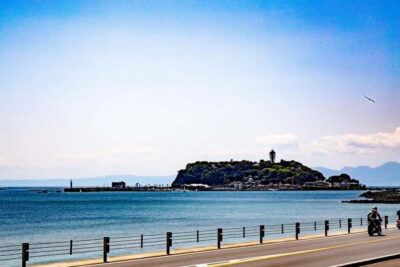
Kamakura & Enoshima Day Trip including Temple Tickets
Read our review →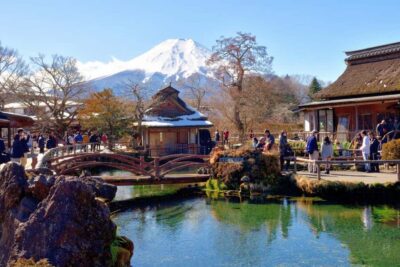
Mt. Fuji, Kamakura, Big Buddha, & Lake Ashi Day Trip
Read our review →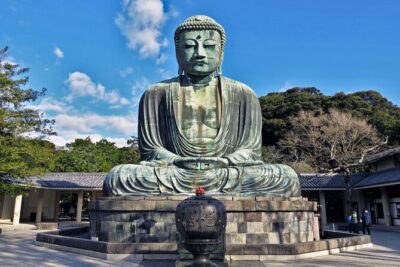
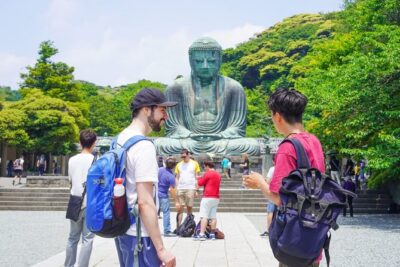
Kamakura Historical Walking Tour with the Great Buddha
Read our review →
Kamakura Private Tour: Temples, Nature, and the Great Buddha
Read our review →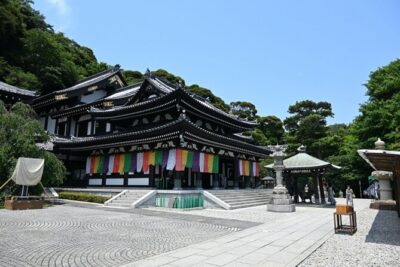
Sea of Mount Fuji, Hakone Ropeway, Ōwakudani, Enoshima
Read our review →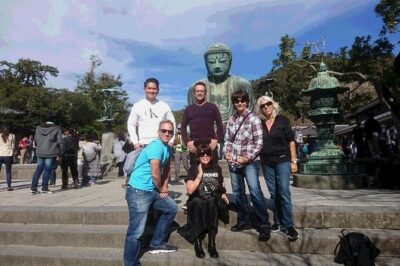
Kamakura 8 hr Private Walking Tour with Licensed Guide from Tokyo
Read our review →Browse the lists this tour appears in