
Reviewed · KAMAKURA TOURS
Tokyo: Kamakura Private Tour With Guide
Kamakura gives you Japan in a different key: a giant bronze Buddha, temple paths, a working coastal town, and the sound of the sea only a short ride from Tokyo. This private day tour links the main sights without making you decode train changes or local buses.
I like the door-to-door pickup from hotels, apartments, and train stations inside Tokyo’s 23 wards. I also like the small-group setup, since a party of up to five can move at its own pace and request an extra shrine stop, as one pair did during its return to Tokyo.
The trade-off is cost. At $774 per group, this makes the most sense for four or five people. Lunch and temple entry fees are extra, and the day can feel long if traffic turns the 10-hour schedule into a slower ride.
In This Review
- Key points to know before booking
- Why Kamakura makes a strong day trip from Tokyo
- Starting with the Great Buddha at Kotoku-in
- A quieter hour at Hokoku-ji Bamboo Forest
- Hase-dera adds gardens, views, and a longer visit
- Tsurugaoka Hachimangu and Kamakura’s cultural center
- Yuigahama Beach and the coastal side of Kamakura
- What the private vehicle changes
- Is $774 a fair price?
- What the service seems to do best
- Who should book this Kamakura day?
- Should you book this private Kamakura tour?
- FAQ
- How long is the Kamakura private tour?
- Where can pickup take place?
- Is pickup available from Haneda or another airport?
- What sights are included?
- Is Yuigahama Beach a guaranteed stop?
- How many people can join the private tour?
- Is lunch included?
- Are entry fees included?
- What happens if the driver is late?
Key points to know before booking
- Five major Kamakura sights: Visit Kotoku-in, Hokoku-ji, Hase-dera, and Tsurugaoka Hachimangu, with coastal scenery along the way.
- Private transport from Tokyo: Pickup and drop-off are included within Tokyo’s 23 wards, with an air-conditioned vehicle, WiFi, bottled water, parking, and fuel included.
- Good value for a full group: The $774 price works out to about $155 per person for five people, before entry fees and lunch.
- English-speaking service: The driver speaks English, and Moon and Danish are names associated with especially praised guiding and organization.
- Some sightseeing is self-guided: At Hokoku-ji and Hase-dera, the published schedule allows time for you to explore on your own.
- Traffic affects the day: Pickup can run 10 to 30 minutes late, and airport and port pickup are not available.
Why Kamakura makes a strong day trip from Tokyo
Kamakura was once Japan’s political center, and its temples and shrines give the town a far older feel than the modern capital. The setting helps, too. Hills rise behind the town, while Yuigahama Beach opens toward the sea.
You get a useful mix here. The Great Buddha supplies the famous photo, Tsurugaoka Hachimangu explains the city’s importance, and Hokoku-ji offers a quiet bamboo-lined walk. Hase-dera adds temple gardens and religious art, while Komachi Street gives you a place to browse food and local goods if time allows.
This tour is built for people who want the main sights in one day without handling the transport themselves. You spend part of the day riding between stops, but that is the price of seeing several distant places comfortably from a Tokyo hotel.
The schedule lists about five hours at the four main stops. The remaining time covers pickup, the return journey, traffic, and scenic drives through Kamakura. That distinction matters. This is not five hours of nonstop guided walking. It is a full private day with sightseeing, transfers, and room for the roads to shape the pace.
More Private Tours in Kamakura
- Kamakura Private Tour: Temples, Nature, and the Great Buddha
★ 5.0 · 121 reviews - Kamakura 8 hr Private Walking Tour with Licensed Guide from Tokyo
★ 5.0 · 80 reviews - Kamakura: Private Guided Walking Tour with Local Guide
★ 4.8 · 60 reviews
Starting with the Great Buddha at Kotoku-in
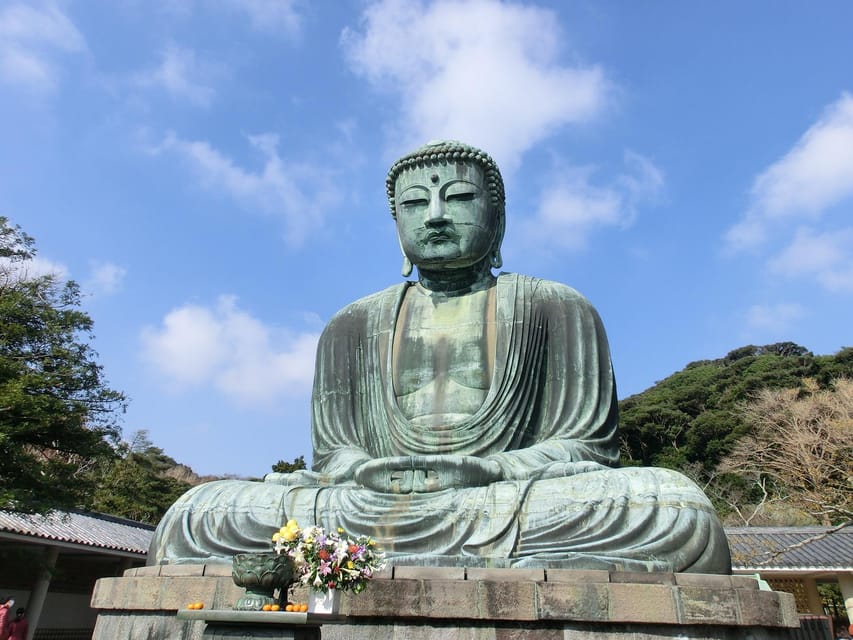
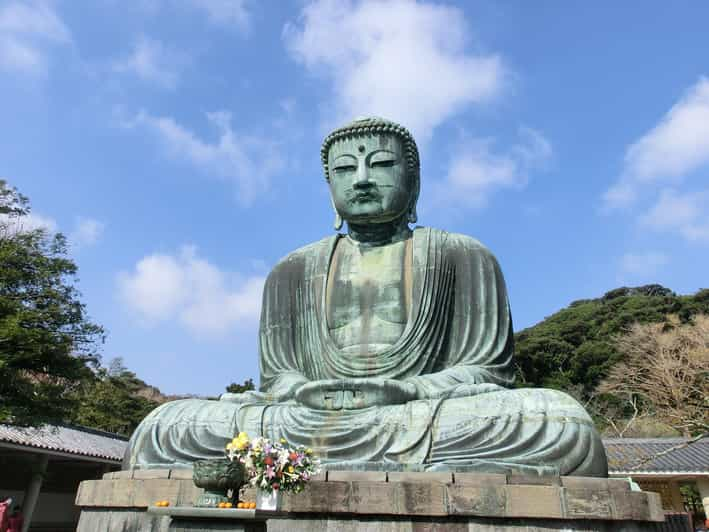
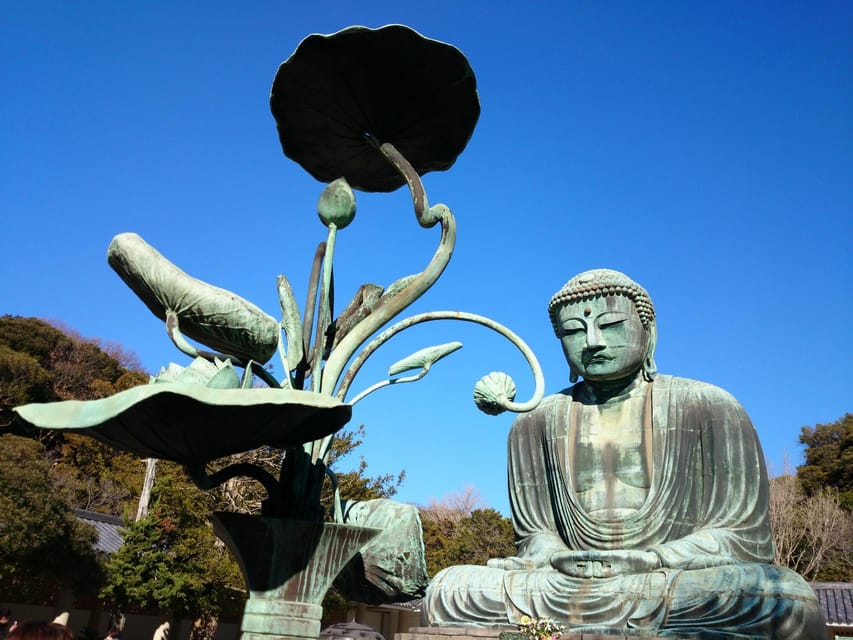
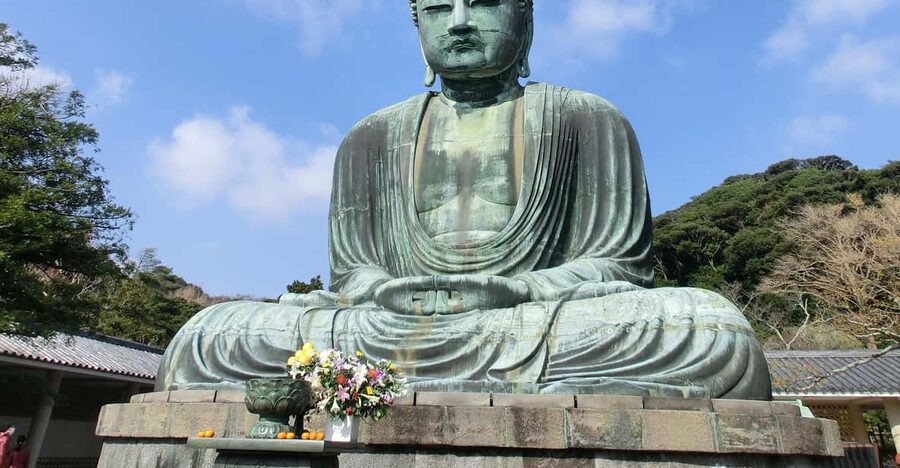
Kotoku-in is usually the emotional center of a first Kamakura visit. The bronze Great Buddha is a powerful sight because it is both monumental and exposed to the open air. You are not simply looking at a statue inside a dark hall. You are seeing a major religious image in the open, with the surrounding temple grounds framing it.
The planned visit lasts about one hour. That gives you time for photos, a walk around the grounds, and a closer look at the statue without rushing through the stop. If you want a quiet visit, tell your guide early. The Great Buddha is one of Kamakura’s best-known sights, so the stop can feel more public and photo-focused than the bamboo forest later in the day.
The vehicle is useful here. You are dropped close to the sightseeing area, then continue by private transport rather than working out the next train or bus connection. Parking is included, which removes one small but real source of friction on a busy day.
Entry fees are not included, so carry cash. The same advice applies throughout the tour. Comfortable shoes are a must, since every stop includes walking and temple grounds may include steps or uneven paths.
A quieter hour at Hokoku-ji Bamboo Forest
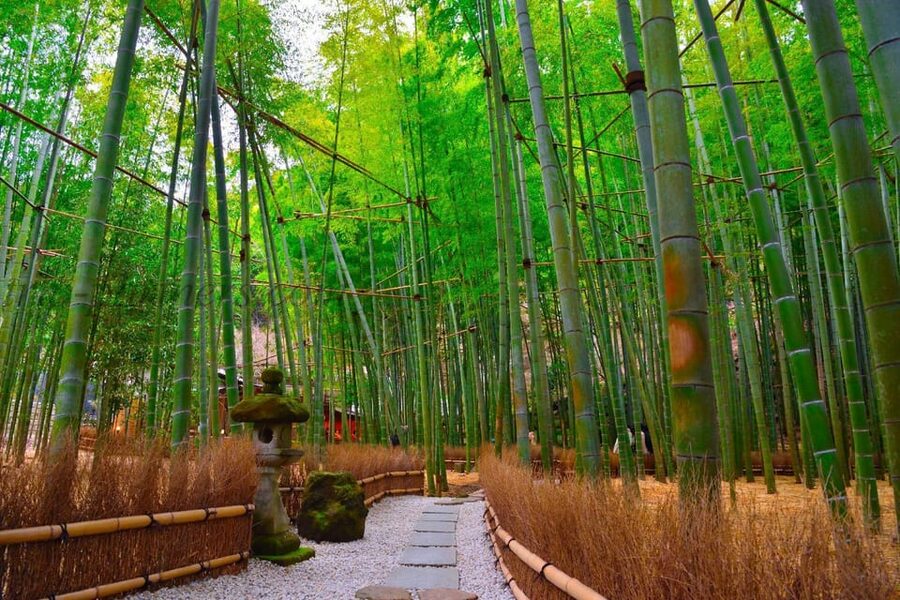
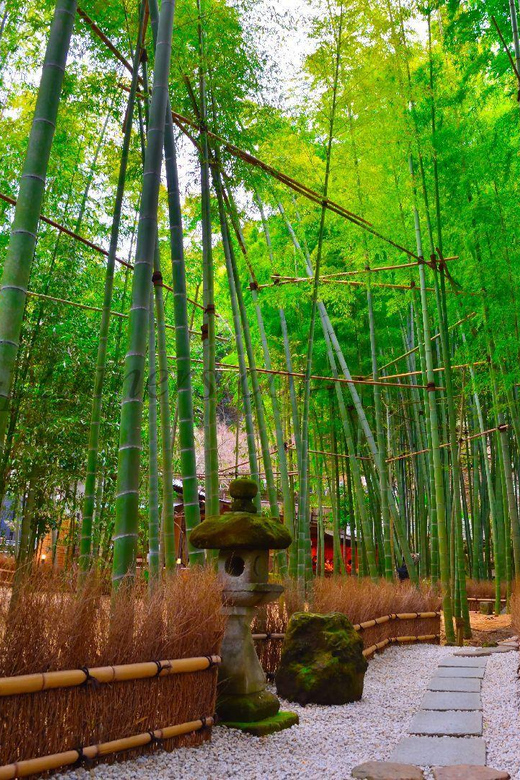
Hokoku-ji is the tour’s most restful stop. Its bamboo-lined path gives you a change of pace after the larger Buddha site. Instead of a single famous object demanding your attention, the appeal comes from the narrow path, vertical bamboo, and the feeling of being enclosed by the greenery.
The scheduled time is about one hour. The visit is described as self-guided, so you should not expect every step to come with a running explanation. That can be a good thing. You can move slowly, take photographs, and enjoy the change in sound and light without being tied to a lecture.
Still, ask about the meeting point and departure time before you walk off. A private tour gives you flexibility, but the vehicle cannot leave until everyone is back. If your group wants a long pause here, mention it early so the driver or guide can judge what needs trimming later.
Hokoku-ji is also a reminder that this is not a sit-down sightseeing day. You will walk at several temples, and you may find the compact path more comfortable in light clothing and supportive shoes. Bring water, though bottled water is provided in the vehicle.
Hase-dera adds gardens, views, and a longer visit
Hase-dera receives about 90 minutes, making it the longest stop on the planned route. That extra time matters because this temple has more to see than a single viewing platform or statue. You can expect a walk through temple grounds, time for photographs, and a chance to take in views toward the coastal side of Kamakura.
The route here is not presented as a fully guided tour. Like Hokoku-ji, Hase-dera includes self-guided sightseeing. I see that as a strength for groups with different interests. One person can pause for photos while another takes a slower look around, as long as you stay aware of the agreed departure time.
The possible drawback is physical effort. The tour description calls for walking at every stop, and Kamakura’s temple areas can involve slopes and steps. The activity is not suitable for people over 95, and the practical lesson for everyone else is simple: wear shoes you can use for a full day, not the pair chosen only for photographs.
This is also a good point to decide how much cultural explanation you want. The service is described as an English-speaking driver, with a guide included in the experience, but the stop itself is labeled self-guided. If temple details are important to you, ask before departure how much commentary you will receive inside the grounds.
More Kamakura and Enoshima days:
- Tokyo: Kamakura & Enoshima Day Trip including Temple Tickets
★ 4.5 · 1,375 reviews - Tokyo: Mt. Fuji, Kamakura, Big Buddha, & Lake Ashi Day Trip
★ 4.5 · 867 reviews - From Tokyo: Kamakura & Enoshima 1-Day Bus Tour
★ 4.5 · 189 reviews - Kamakura Historical Walking Tour with the Great Buddha
★ 5.0 · 129 reviews
Tsurugaoka Hachimangu and Kamakura’s cultural center
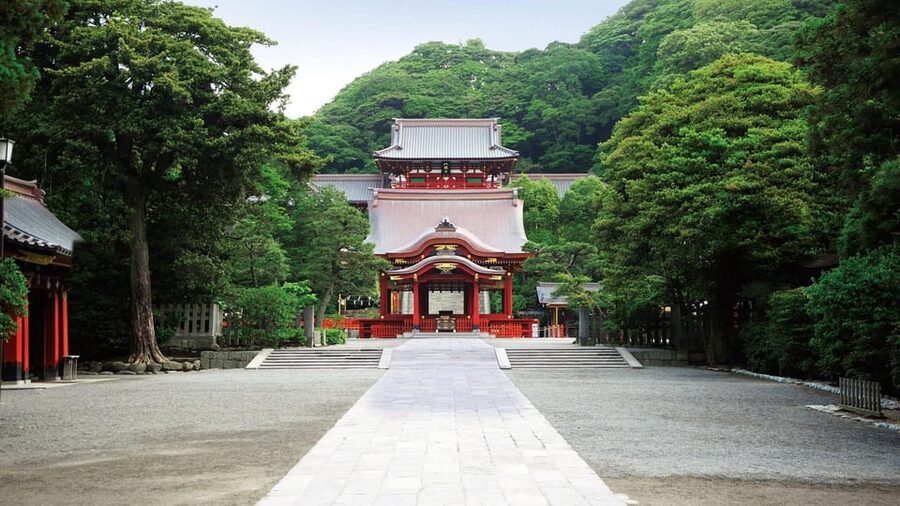
Tsurugaoka Hachimangu is the broadest and most ceremonial stop on the route. The shrine sits at the heart of Kamakura and gives the day a strong historical focus after the Buddha, bamboo, and temple gardens.
You have about 90 minutes here. Use it to walk through the shrine approach, study the buildings, and watch the rhythm of a major Shinto site. This is not just another pretty temple stop. It helps explain why Kamakura became such an important center of power and worship.
The long approach and open grounds make this a good place to slow down. Your guide can help you understand what you are seeing, though the supplied details do not promise a specific level of formal commentary at each stop. If you want time for prayer, photographs, or a shrine stamp, say so.
You can also ask about a Goshuin book. One person on a recent private day was taken to Haneda Temple to obtain a special Goshuin book, and the same group made an extra shrine request on the return to Tokyo. That does not mean those stops are guaranteed, but it shows why this format can work well for people with a specific religious or cultural interest. Make requests before the day begins, not when the vehicle is already on the road.
Yuigahama Beach and the coastal side of Kamakura
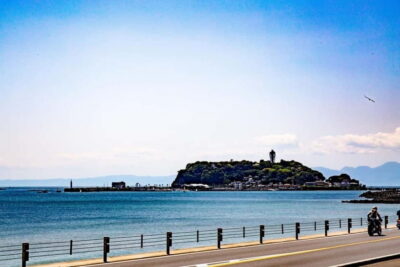
The highlights include time to stroll along Yuigahama Beach or enjoy coastal views, but the listed stop schedule does not assign a separate fixed duration to the beach. Treat it as a possible scenic pause rather than a guaranteed beach outing.
That flexibility can suit you if the sea matters more than adding another temple. A short walk along the shore gives the day some breathing room and reminds you that Kamakura is a coastal town, not only an open-air museum of religious sites.
On the other hand, you should not book this day mainly for beach time. The confirmed route centers on Kotoku-in, Hokoku-ji, Hase-dera, and Tsurugaoka Hachimangu. Ask the provider how much time can be given to Yuigahama when you book, especially if your group wants a proper walk rather than a quick photo stop.
Komachi Street is another optional possibility for local food and browsing. Lunch is not included, so this may be the natural place to eat if timing allows. Since the schedule is affected by traffic and your chosen stops, confirm the lunch plan rather than assuming a long restaurant break.
What the private vehicle changes
The vehicle is more than a convenience. Tokyo to Kamakura is easy enough by public transport, but a private ride removes transfers, station walks, and the need to keep checking directions between spread-out sights.
You receive an air-conditioned vehicle, private transportation, WiFi, bottled water, parking fees, and fuel surcharge coverage. Those inclusions make the price easier to assess. You are paying for transport and a full day of driver service, not only for admission to temples.
The biggest concern is road traffic. The driver can arrive 10 to 30 minutes late because of highway congestion, accidents, or road conditions. Keep your first morning flexible. Wait in your hotel lobby five minutes before the scheduled pickup, and watch for contact from the driver before arrival.
Pickup is available from hotels, hostels, apartments, Airbnb addresses, and train stations inside Tokyo’s 23 wards. It is not available from airports or ports. Pickup from outside the 23 wards, including Yokohama port, can cost extra, so confirm the address before paying.
Is $774 a fair price?
For five people, the price works out to roughly $155 per person. For four, it is about $194 each. For two, it rises to $387 each, before lunch and entry fees.
That makes this a strong value for a full family or friend group that wants private transport and a long day without navigating Kamakura alone. It is harder to justify for one or two people who are comfortable using trains and local transport.
The flexible format adds some value. You can select a pickup point within the permitted Tokyo area, request special stops, and travel with only your own group. The included parking, fuel, WiFi, and water also prevent small transport costs from piling up.
The price does not cover lunch or entry fees, so keep a separate cash budget. The activity advises bringing cash, and that is sensible for temple admissions, shrine-related purchases, food, and small local expenses.
What the service seems to do best
The strongest part of the experience is the human service. The highest praise centers on friendly, helpful, accommodating support, smooth organization, and making each stop easy to reach. Moon and Danish were singled out by name for making the day feel well managed.
That is important on a Kamakura day. The temples are not all in one compact cluster, and a delayed start or confusing transfer can eat into your sightseeing time. A driver who communicates clearly and helps you move between stops has a real effect on the day.
You should still set expectations about the word guide. The information confirms an English-speaking driver and a private guided experience, but two stops are specifically described as self-guided. Ask whether your booking includes a separate guide, how much live explanation you want, and who will accompany you inside each site.
The private arrangement also supports personal requests. An extra temple or shrine stop was arranged for one group, including Haneda Temple and a requested shrine on the return. Treat this as a possibility, not a fixed part of the route, and understand that traffic may require another stop to be shortened.
Who should book this Kamakura day?
I would choose this tour for a group of four or five staying in Tokyo’s 23 wards. It is especially practical for families, older adults who prefer door-to-door transport, and anyone who wants the major sights without planning the route.
It also suits you if you care more about comfort and time control than the lowest possible cost. The private car gives you a place to rest between stops, and an English-speaking driver can help keep the day moving.
I would think twice if you are a solo visitor or couple on a tight budget. Public transport may cost less, and an independent day gives you more control over how long you spend at each temple. I would also reconsider if your main goal is an unhurried beach day, since the confirmed schedule is temple-heavy.
Bring comfortable clothes, shoes, and cash. Smoking, alcohol, drugs, and fireworks are not allowed in the vehicle. Tell the provider in advance about child-seat needs, allergies, or other requirements.
Should you book this private Kamakura tour?
Book it if you want a long, private day from your Tokyo address and your group can share the $774 cost. The route covers Kamakura’s essential sights, the vehicle takes care of the awkward parts, and the service has earned strong praise for friendly help and careful organization.
Skip it if you want the cheapest route, a fully fixed beach itinerary, or a detailed guided lecture at every temple. Before booking, confirm your pickup address, ask how much guiding is included, and decide which optional stop matters most to your group. With those points clear, this is a practical way to see Kamakura in one day.
FAQ
How long is the Kamakura private tour?
The tour lasts 10 hours, including pickup from Tokyo and drop-off back in Tokyo.
Where can pickup take place?
Pickup is available from hotels, hostels, apartments, Airbnb addresses, other addresses, and train stations within Tokyo’s 23 wards.
Is pickup available from Haneda or another airport?
No. Airport and port pickup are not available under the standard arrangements. Pickup outside Tokyo’s 23 wards may cost extra.
What sights are included?
The planned stops are Kotoku-in and the Great Buddha, Hokoku-ji Bamboo Forest, Hase-dera, and Tsurugaoka Hachimangu Shrine.
Is Yuigahama Beach a guaranteed stop?
The experience includes the possibility of strolling along Yuigahama Beach or enjoying coastal views, but the listed timed stops do not give the beach its own fixed duration.
How many people can join the private tour?
The price covers one private group of up to five people.
Is lunch included?
No. Lunch is not included, and you should bring cash for food and other personal expenses.
Are entry fees included?
No. Entry fees are separate from the tour price.
What happens if the driver is late?
Traffic, accidents, and road conditions can cause a delay of 10 to 30 minutes. You should wait in your hotel lobby five minutes before pickup, and the driver will contact you before arriving.
New on our Kamakura list
- 1-Day trip: Kamakura City (Enoshima/Shonan/Beach)★ 4.7 · 3 reviews
- Kamakura Zen: Great Buddha, Nature, Bamboo & Samurai Culture★ 5.0 · 3 reviews
- Kamakura Half Day Walking Tour with Local Experience★ 3.4 · 4 reviews
- Hiking Tour in Enoshima with a Local Guide★ 5.0 · 4 reviews
- Kamakura Tour with Pro Photographer: Anime Train & Fuji Sunset★ 5.0 · 4 reviews
- Kamakura Private Custom Tour★ 5.0 · 4 reviews
- Kamakura Historical and Cultural Day Trip with Local Cuisine★ 5.0 · 4 reviews
- Kamakura Full-Day Private Tour★ 5.0 · 4 reviews
Kamakura Tours, compared.
Kamakura & Enoshima Day Trip including Temple Tickets
Read our review →
Mt. Fuji, Kamakura, Big Buddha, & Lake Ashi Day Trip
Read our review →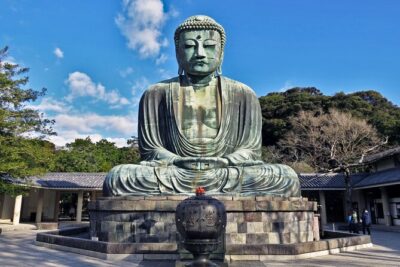
Kamakura Historical Walking Tour with the Great Buddha
Read our review →
Kamakura Private Tour: Temples, Nature, and the Great Buddha
Read our review →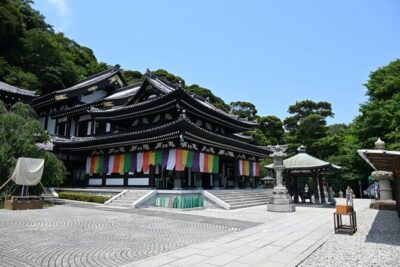
Sea of Mount Fuji, Hakone Ropeway, Ōwakudani, Enoshima
Read our review →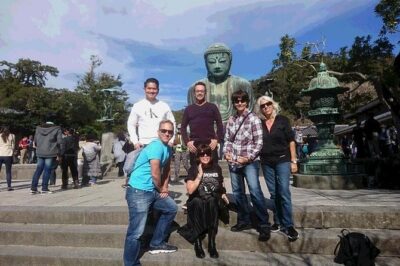
Kamakura 8 hr Private Walking Tour with Licensed Guide from Tokyo
Read our review →Browse the lists this tour appears in