
Reviewed · SUSHI EXPERIENCES
Tokyo: Kappodo sushi Live Workshop
Tokyo’s Kappodo workshop puts you close to the action: an English-speaking sushi chef cuts and prepares fish in front of you, then guides your hands as you make seven nigiri, one gunkan, and a thin roll. You learn not only the motions, but also why the fish and rice must be handled in certain ways.
I like the maximum group size of four, which should make it easy to ask questions and get direct help. I also like the mix of practical work and food knowledge, including fish types, their characteristics, and a little about their lives in the ocean. The main consideration is price: at $160 for about 1 hour 45 minutes, this is a premium activity, best suited to people who want instruction rather than a cheap sushi lunch.
In This Review
- Key points to know before booking
- What makes this sushi class different
- A close-up look at the 1 hour 45 minute schedule
- Learning to handle fish and rice
- Nigiri, gunkan, and thin roll: why the variety matters
- The value of the English-speaking chef
- Is $160 good value in Tokyo?
- Who will enjoy this most
- Location, transport, and timing
- Drinks, certificate, and the finished plate
- What to know about the teaching style
- Should you book the Kappodo sushi workshop?
- FAQ
- Where does the sushi workshop take place?
- How long does the activity last?
- How many people can join?
- Is the sushi instruction offered in English?
- What sushi will I make?
- Are food and drinks included?
- What is the cancellation policy?
Key points to know before booking
- Small class size: A maximum of four participants allows close guidance from the chef.
- Three sushi styles: You make nigiri, gunkan-style sushi, and a thin roll.
- English instruction: The chef explains each step and the reasons behind the techniques.
- Meal and drinks included: You eat the sushi you prepare, with a welcome drink and original sake tasting available.
- A practical souvenir: The workshop includes a certificate and 10% off purchases at the first-floor shop that day.
- Central Tokyo setting: The studio is in Nishiazabu, near public transportation, with the activity ending where it begins.
What makes this sushi class different
Many sushi activities give you a tray of ingredients and a quick demonstration. Kappodo takes a more hands-on route. You watch the chef cut and decorate fish right in front of you, then repeat the work with the chef standing beside you or directly in front of you.
That setup matters. Sushi looks simple when an experienced chef shapes it in seconds, but the small details are the whole point. Rice can be pressed too firmly. Fish can be placed at the wrong angle. A roll can be cut unevenly. Here, the chef explains both what to do and why you are doing it.
The lesson also goes beyond assembly. You hear about the different fish used, their traits, and something about how they live in the ocean. That gives the food more context without turning the session into a formal lecture.
The class is held at Kappodo’s kitchen studio in Nishiazabu, in Tokyo’s Minato City. The address provided is DK Building, 2-chome 21-12, Nishiazabu, Tokyo 106-0031. You meet there and return there at the end, so there is no separate restaurant transfer or private transportation to arrange.
More sushi mornings and classes:
- Sushi Making Tokyo Roll and Authentic Japanese Sushi Class
★ 5.0 · 3,971 reviews - Tokyo: Roll and Authentic Sushi Making Class in Asakusa
★ 4.9 · 1,957 reviews - Make Sushi and Create Unforgettable Memories in Tokyo
★ 5.0 · 1,413 reviews
A close-up look at the 1 hour 45 minute schedule
The session begins with water or green tea. It is a simple welcome, but a useful one since you will soon be handling food and working at a steady pace.
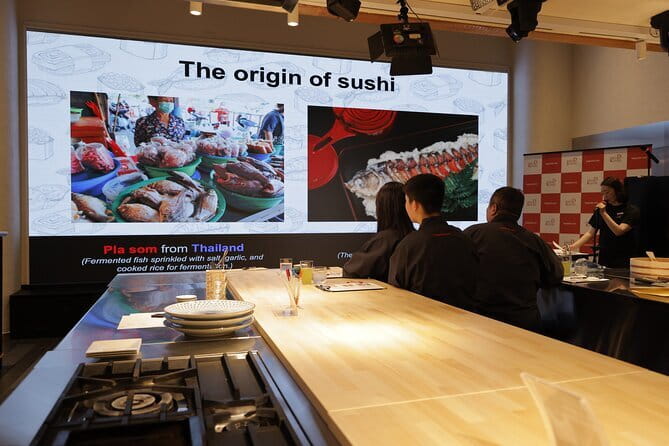
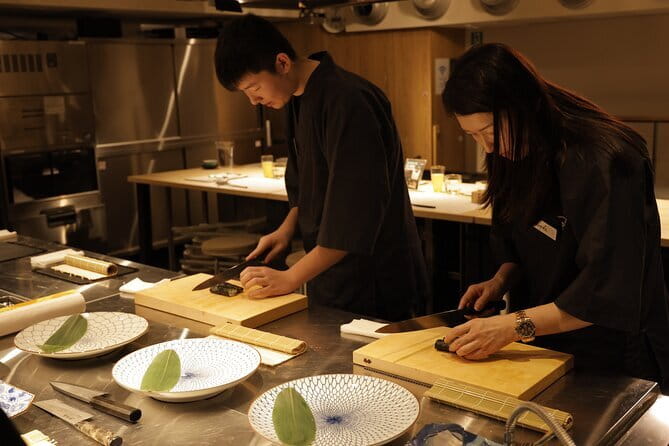
Next comes the fish demonstration. The chef cuts and decorates the fish in front of you, explaining the process in English. This is one of the most valuable parts for anyone who wants to understand sushi rather than simply copy a shape. You can watch the knife work at close range and ask questions as the chef goes.
The chef then demonstrates how to make nigiri-zushi. Nigiri is the familiar hand-shaped sushi with a piece of fish over rice, but the technique involves more than placing one on top of the other. The demonstration gives you a clear model before you start, and the explanations cover the reasons behind the movements.
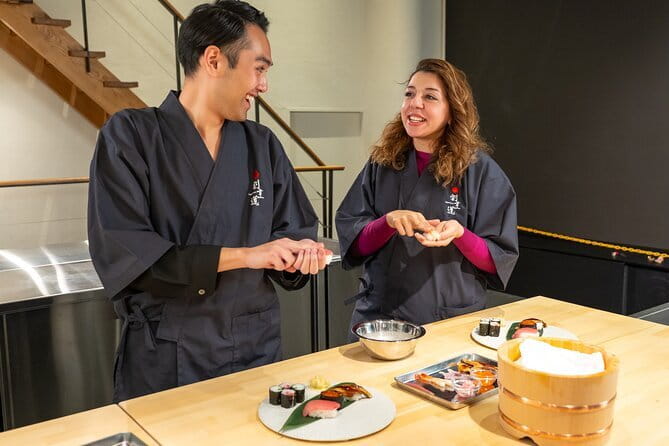
After that, you make sushi yourself. The chef remains close by, offering instructions as you work. The small class limit should help here, especially if you are using your hands for the first time or need the same motion shown again.
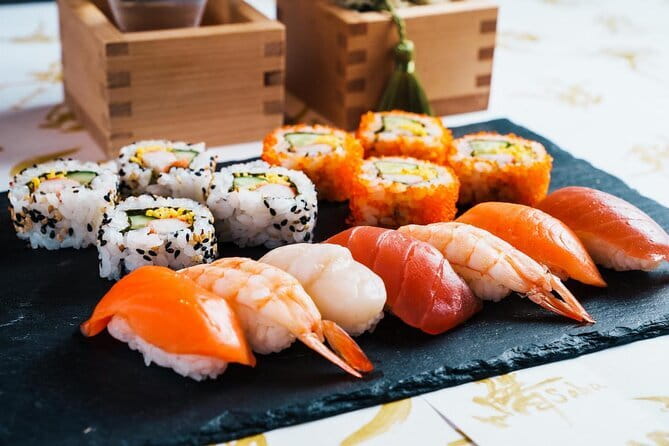
The planned food includes seven pieces of nigiri, followed by one gunkan-style sushi and one thin roll. Seven nigiri gives you enough repetition to notice improvement. The gunkan adds a different shape, while the thin roll changes the task again by asking you to spread, roll, and cut.
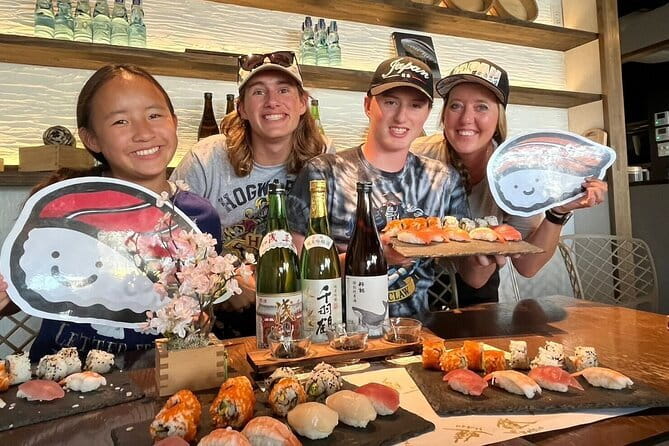
You cut the thin roll into six pieces, then arrange the sushi you made. A commemorative photo follows, giving you a record of the finished plate before lunch begins.
Finally, you eat your sushi with a cool drink. Original sake tasting is also included, according to the provided details. You can ask the chef questions about sushi during the session, so save anything you want to know for this final part or ask as you go.
Learning to handle fish and rice
The most useful lesson here is not just how to make a sushi shape. It is learning how delicate the ingredients are.
The chef explains how to handle the fish and rice, as well as the reasons for each step. That is important because sushi-making depends on touch. Rice must hold together without becoming a hard block, and fish needs to be treated carefully so its texture remains pleasant.
You should expect to work under instruction rather than simply watch. If you have never made sushi before, the chef’s presence beside you is a strong advantage. A parent booking for a child or tween should also note that one family experience included a young participant who stayed engaged through the roughly two-hour class.
The lesson is not presented as professional chef training. You will make a set amount of sushi, enjoy it, and leave with a better sense of how sushi is put together. If you want an advanced knife-skills course or a full session on fish butchery, this is not the right format. For a first practical introduction, it covers a useful range.
Nigiri, gunkan, and thin roll: why the variety matters
Nigiri is the central skill. You shape the rice and pair it with fish, learning how the two parts work together. Repeating the process seven times lets you adjust your technique as you go.
Gunkan-style sushi offers a different challenge. Its shape is designed to hold a topping, so the construction is not the same as ordinary nigiri. Including one piece keeps the lesson varied without taking up too much of the short class.
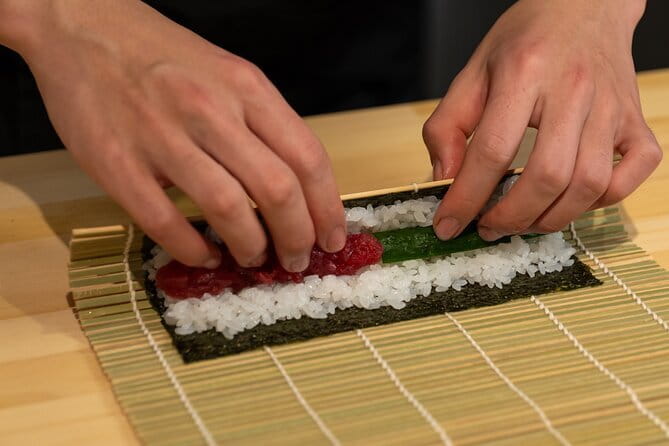
The thin roll gives you a third style and ends with a clear practical task: cutting it into six pieces. Cutting is easy to overlook, but uneven portions can affect both presentation and how the roll holds together.
I like this progression because you are not stuck making the same item for the full session. You get a small sample of several sushi forms, then arrange the finished pieces for a photo and your meal.
A few more Tokyo bookings worth comparing
- Tokyo Shinjuku Chopsticks Making Class
★ 5.0 · 1,763 reviews - Tokyo: Sushi Making Class in a Happi Coat near a Famous Spot
★ 4.9 · 1,377 reviews - Chopstick Making Workshop in Ginza
★ 4.8 · 1,366 reviews - Tokyo Sushi Making Class in Tsukiji with Professional Chef
★ 5.0 · 1,177 reviews
The value of the English-speaking chef
English instruction makes this activity easier to follow, but the real value is the chance to ask why. You can ask about fish, rice, cutting, shaping, or the wider traditions of sushi.
The chef also discusses the characteristics of different fish and something about each fish’s life in the ocean. That detail gives the class a food-science angle. You are not just learning a recipe. You are learning that the ingredient affects how the sushi is prepared and eaten.
The information provided does not name the chef leading this specific nigiri workshop. Kappodo also offers other cooking classes with named instructors, including Naoya and interpreter Kaego in a sashimi-cutting class, but you should not assume they lead this particular session. For this experience, the reliable detail is that instruction is given by an English-speaking sushi chef.
Is $160 good value in Tokyo?
At $160, this is not a bargain meal. You are paying for instruction, a small class, ingredients, drinks, sake tasting, lunch, a certificate, and access to a chef for questions.
The price makes more sense if you value the teaching and the limited group size. A class with no more than four people can feel far more useful than a large demonstration where you only watch from the back. You also eat the sushi you make, so the food is part of the experience rather than an extra purchase.
The 10% discount at the first-floor shop on the same day is a modest bonus. It may help if you want to buy something connected with the workshop, but I would not use that discount as the main reason to book.
The key question is what kind of Tokyo activity you want. If you simply want excellent sushi, spending $160 on a meal may offer better food. If you want to understand the work behind sushi and make your own lunch with close guidance, the class offers a different kind of value.
Who will enjoy this most
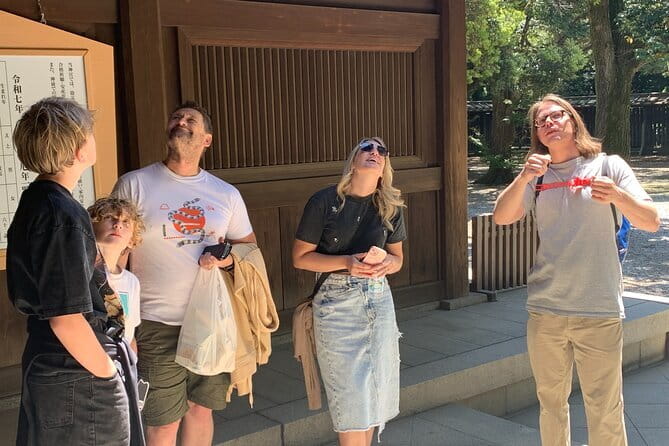
This workshop suits first-time sushi makers, food-focused visitors, couples, small families, and anyone who likes learning by doing. The small group size is especially useful for people who want to ask questions without feeling rushed or lost in a crowd.
Families should consider the child’s interest and attention span. A tween enjoyed a similar Kappodo class, but the session still requires listening, careful handling, and following instructions. It is not a free-form activity where children can simply play with ingredients.
The workshop also fits visitors who want a compact activity. At about 1 hour 45 minutes, it will not consume half your day. You can pair it with other plans in Tokyo, though you should allow time to find the studio in Nishiazabu and arrive ready to begin at the stated meeting time.
It is less suitable if you dislike seafood, want a fully private class, or expect to leave with advanced knife skills. The maximum is four people, but the activity is not described as private. It is also focused on sushi, not a broad survey of Japanese cooking.
Location, transport, and timing
The studio is in Nishiazabu, Minato City, at DK Building, 2-chome 21-12, Tokyo 106-0031. It is near public transportation, which is helpful in a city where a short address search can still take longer than expected.
Use the exact meeting point in your booking details and allow extra time to locate the building. The activity begins and ends at the Kappodo headquarters and Tokyo D kitchen studio, so you do not need to arrange transport between locations.
A mobile ticket is provided. Keep it ready on your phone, and confirm the meeting details before setting out. The class has a minimum number of participants, so a cancellation is possible if that minimum is not reached. In that case, you are offered another date or experience, or a full refund.
The cancellation rule is straightforward but strict close to the start time. Cancel at least 24 hours before the local start time for a full refund. Cancellations or changes made within 24 hours are not accepted and are not refunded.
Drinks, certificate, and the finished plate
The welcome drink is water or green tea. After the sushi is prepared, you enjoy your meal with a cool drink, and original sake tasting is included in the experience details.
Alcohol may not suit every participant, and the useful point is that sake is an addition to the meal rather than the purpose of the class. You can focus on the food and technique, then decide how much of the tasting you want.
A certificate of participation is included. It is a small paper souvenir, not a professional qualification, but it can be a nice reminder of the class. The same-day 10% shop discount gives you a chance to look around downstairs after the workshop or before leaving.
The commemorative photo is another practical touch. You arrange the sushi you made, take a picture, then eat it. That order means you can enjoy the result without worrying about preserving the plate for later.
What to know about the teaching style
The strongest feature of the class is the personal help. The chef is described as attentive, kind, and willing to explain the reasoning behind each step. That matters more than a long speech, because sushi technique is easier to understand when you can immediately try it.
One participant in a Kappodo cooking class appreciated guidance with fish and rice handling, while another found the staff helpful when using a Japanese knife for the first time. Those details point to a patient teaching style across the school, though the knife-focused class is separate from this sushi workshop.
You should still expect to concentrate. A chef can show you the correct movement, but you must repeat it yourself. The reward is that you leave with a concrete skill, even if your first pieces do not look exactly like the chef’s.
Should you book the Kappodo sushi workshop?
Book it if you want a small, guided food lesson with a real meal at the end. The strongest reasons are the maximum four-person group, English explanations, direct chef support, and the chance to make three different sushi styles.
Think twice if $160 feels high for a short activity or if your main goal is simply to eat top-quality sushi. The class is priced as an experience, not as an inexpensive lunch.
For families, food lovers, and curious first-time makers, I would put this near the top of a Tokyo activity list. You get a focused lesson, useful cultural context, sake tasting, a photo, and sushi made by your own hands. Just arrive with enough time to find the Nishiazabu studio and with realistic expectations: you are learning the foundations, not graduating as a sushi chef.
FAQ
Where does the sushi workshop take place?
It takes place at Kappodo H.Q., Tokyo D Kitchen Studio, DK Building, 2-chome 21-12, Nishiazabu, Minato City, Tokyo 106-0031.
How long does the activity last?
The workshop lasts approximately 1 hour and 45 minutes.
How many people can join?
The activity has a maximum of four participants.
Is the sushi instruction offered in English?
Yes. An English-speaking sushi chef provides demonstrations, instructions, and explanations.
What sushi will I make?
You will make seven pieces of nigiri-zushi, one gunkan-style sushi, and one thin roll. You will cut the thin roll into six pieces.
Are food and drinks included?
Lunch is included, along with a welcome drink of water or green tea, a cool drink with the meal, and original sake tasting.
What is the cancellation policy?
You can cancel at least 24 hours before the local start time for a full refund. Cancellations or changes made within 24 hours are not accepted and are not refunded.
New on our Tokyo list
- Sumi-e Experience in a relaxing green tea shop in Tokyo★ 5.0 · 3 reviews
- Tokyo : Kamikaze Street Drift Ride★ 5.0 · 3 reviews
- Private Zen Meditation in English in Shinjuku, Tokyo★ 5.0 · 3 reviews
- Onsen Spa in Tokyo and Asakusa Bar Hopping with Local Guide★ 5.0 · 3 reviews
- Easy for everyone! Now you can play handmade mini shamisen and show off to everyone! Musical instruments, sweets and live music★ 5.0 · 3 reviews
- Tokyo: Private Tsukiji Street Food & Sake with Local Guide★ 5.0 · 3 reviews
- Mt Fuji Exploration Tour with Free Japanese Kusa Mochi from Tokyo★ 4.5 · 3 reviews
- Tokyo Tsukiji Fish Market Walking and Exploring Hidden Gems Tour★ 5.0 · 3 reviews
Sushi Experiences, compared.
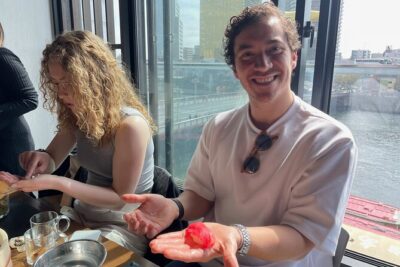
Sushi Making Tokyo Roll and Authentic Japanese Sushi Class
Read our review →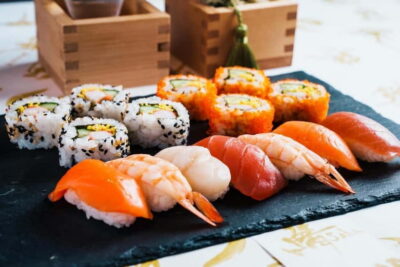
Roll and Authentic Sushi Making Class in Asakusa
Read our review →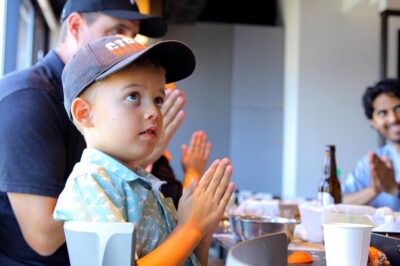
Make Sushi and Create Unforgettable Memories in Tokyo
Read our review →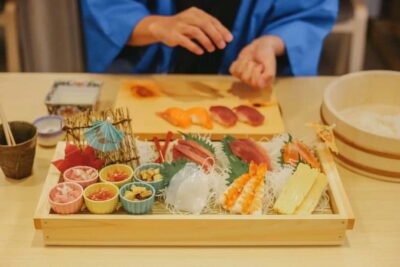
Sushi Making Class in a Happi Coat near a Famous Spot
Read our review →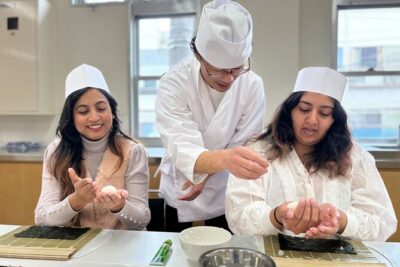
Tokyo Sushi Making Class in Tsukiji with Professional Chef
Read our review →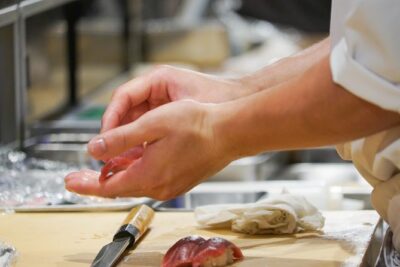
Tokyo Night Foodie Tour in Shinjuku – Seasonal Sushi, Wagyu Beef
Read our review →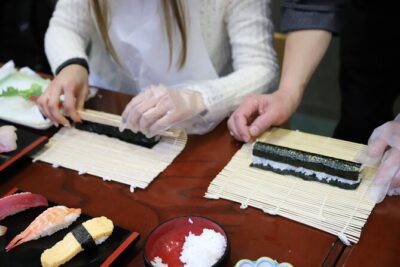
Tsukiji Fish Market Guided Tour and Sushi Making with Pro Chef
Read our review →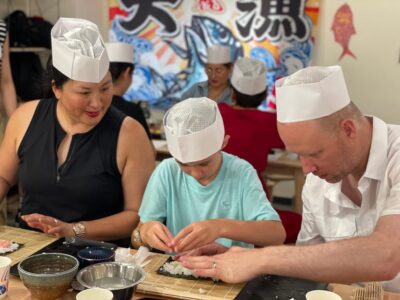
Tsukiji Fish Market Sushi Making Class with Pro Chef
Read our review →Browse the lists this tour appears in