
Reviewed · JAPANESE COOKING CLASSES
Tokyo: Learnt to cook Bento, Oyakodon and More!
The best part of this Tokyo class is that it teaches the everyday food many visitors only see on restaurant menus. You’ll work with simple ingredients, learn the dashi broth behind several dishes, and prepare oyakodon, bento, and miso soup in a small kitchen setting.
I like the personal help that comes with a maximum of six people, and I like taking home recipes instead of just a few food photos. Instructor Yuki is especially good at explaining techniques in clear English, with excellent pronunciation and plenty of time for questions.
The main limitation is its short two-hour length. You’ll get a useful introduction, but not a full course in Japanese cooking, and people with allergies, vegetarian or vegan diets, gluten intolerance, or several mobility restrictions cannot join.
In This Review
- Key points to know before booking
- What this Tokyo cooking class is really about
- Arriving at Alleyway Gourmet Lab
- A small class with room for questions
- What you learn in two hours
- Starting with Japanese home cooking
- Preparing dashi and miso soup
- Making oyakodon
- Building a bento
- Eating the food you prepare
- How the $83 price measures up
- Who should book this experience
- Timing, cancellation, and planning advice
- Is this Tokyo cooking class worth booking?
- FAQ
- How long does the Tokyo cooking class last?
- What dishes do I learn to prepare?
- Is the class taught in English?
- How many people can join?
- Are ingredients and cooking equipment included?
- What should I bring?
- Where do I meet the instructor?
- Can I cancel and receive a refund?
Key points to know before booking
- Dashi is part of the lesson: You learn how to prepare the savory broth used in dishes such as miso soup and oyakodon.
- The group is capped at six: You get more direct help than in a large demonstration class.
- Yuki may be your instructor: She speaks excellent English and can explain techniques clearly.
- You cook and eat what you make: The class is hands-on, with ingredients and equipment provided.
- You leave with practical extras: Recipes, a surprise Japanese souvenir, and basic skills for cooking at home.
- The meeting point needs care: Enter the gray four-story building through the right-hand door marked Alleyway Gourmet Lab, then go to the second floor.
What this Tokyo cooking class is really about
This is a home-cooking lesson rather than a formal chef-training session. That distinction matters. You are not signing up to master restaurant plating or spend half a day making one elaborate dish. Instead, you learn how familiar Japanese meals come together from straightforward ingredients and a few useful methods.
The featured food includes bento, oyakodon, and miso soup. Oyakodon, a bowl of chicken and egg served over rice, is especially practical for home cooks because it is filling, recognizable, and built around a small number of components. Bento gives you a look at how Japanese meals can be arranged into a neat, varied package.
One of the most useful lessons is dashi. This broth provides the savory base for dishes such as miso soup and oyakodon, so understanding it gives you more than one recipe. You learn why the broth matters, then see how it fits into the finished food.
The class also connects cooking with Japanese customs and the meaning of each dish. The cultural information is not an extra lecture tacked onto the end. It helps explain why these foods are prepared and served in particular ways, making the meal easier to understand once you continue exploring Japan.
More cooking classes in Tokyo:
- Ramen & Gyoza Cooking Class in Tokyo with Local Supermarket Visit
★ 5.0 · 823 reviews - Tokyo: Easy Ramen Cooking Experience in Kabukicho, Shinjuku
★ 4.6 · 321 reviews - Ramen and Sushi Cooking Class with Sake Pairing Set in Tokyo
★ 5.0 · 291 reviews
Arriving at Alleyway Gourmet Lab
The class takes place in a central Tokyo area that is easy to reach for both visitors and local residents. Transportation is not included, so you need to make your own way there and leave enough time to find the entrance.
The meeting instructions are specific. Turn into the alley and look for a four-story gray building on the right. At the front are doors on both sides. Use the right-hand door with the Alleyway Gourmet Lab sign, then go up to the second floor.
That final detail is worth keeping on your phone. In Tokyo, a small entrance in an alley can be easy to miss, especially if you are arriving from a busy station or trying to match several similar buildings. The activity information does not give a precise station or walking time, so check the location after booking rather than relying on a last-minute search.
Once inside, you do not need to bring kitchen gear. An apron, towel, and slippers are supplied. Shoes are not allowed indoors, so expect to change into the provided slippers. Comfortable clothes are the only clothing advice given, and that is sensible for a hands-on cooking session.
A small class with room for questions
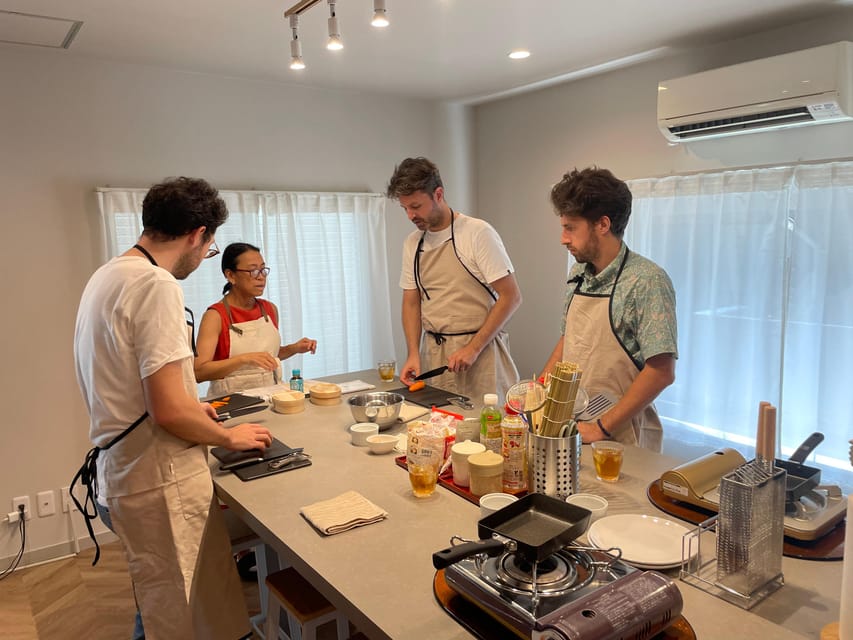
The group limit is six participants. That is a strong point for beginners. Cooking classes can become frustrating when the instructor demonstrates a step once and then moves on before everyone has handled the ingredients. A six-person limit gives you a better chance to ask for another explanation or get help with a technique.
The class is offered in English, and Japanese instruction can be arranged on request. The strongest language detail comes from the session led by Yuki. She speaks clear English and has excellent pronunciation, which matters when the lesson involves unfamiliar food terms or precise instructions.
You should still keep your questions practical and focused. Two hours goes quickly, and the class is designed to cover several dishes. The small format helps, but it does not turn the session into private instruction.
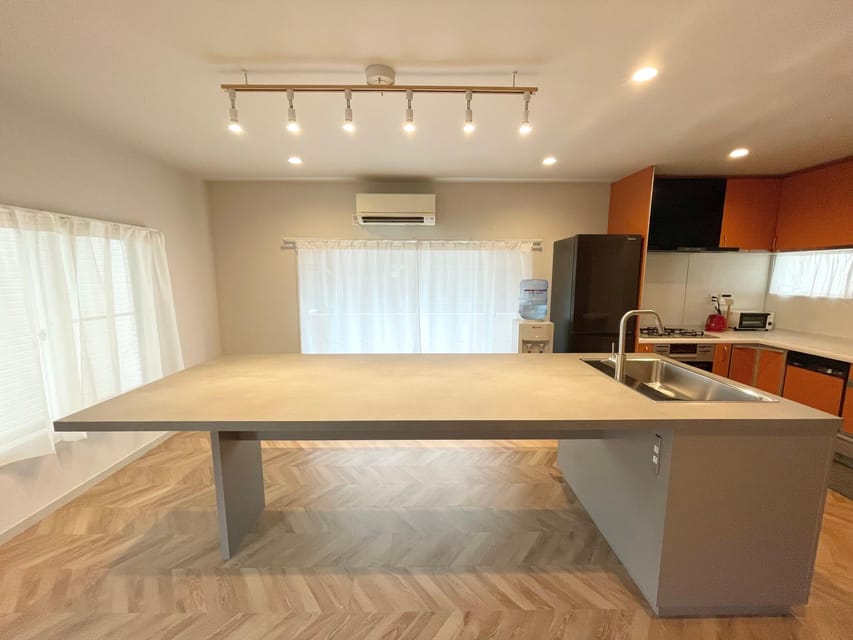
The kitchen itself has been described as clean, modern, and elegant. That makes a difference when you are handling several ingredients and moving through multiple recipes. A tidy work area helps you concentrate on the food instead of wondering where to put your tools.
What you learn in two hours
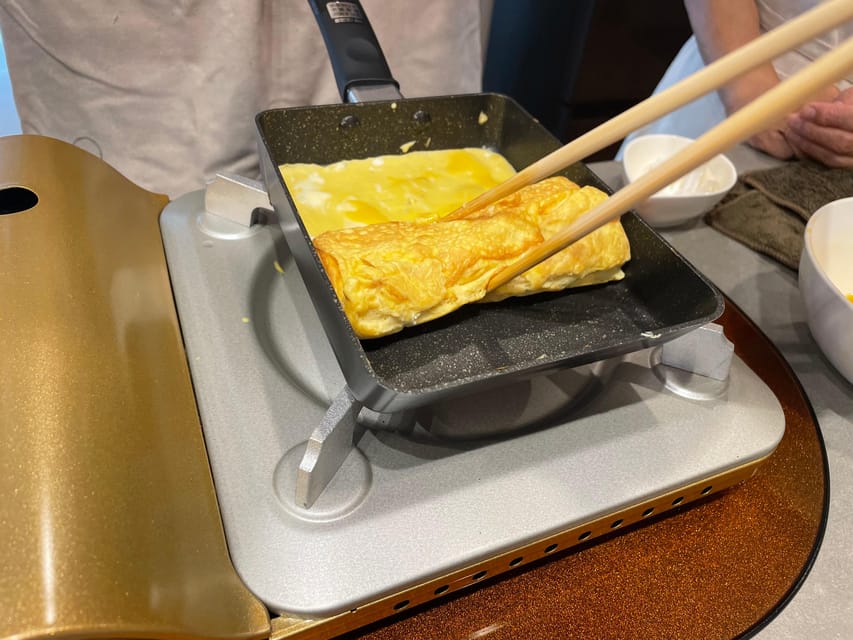
The exact order of the cooking steps is not provided, so you should think of the session as a connected lesson rather than a fixed sightseeing-style itinerary. You take part in the preparation of the dishes, receive guidance as you work, and eat what is made during the class.
A few more Tokyo bookings worth comparing
- Mt Fuji and Hakone 1-Day Bus Tour Return by Bullet Train
★ 5.0 · 26,383 reviews - 1-Day Tokyo Bus Tour
★ 5.0 · 14,250 reviews - Tokyo: TOKYO SKYTREE® Admission ticket
★ 4.5 · 11,192 reviews - Tokyo: teamLab Planets TOKYO Digital Art Museum Entry Ticket
★ 4.6 · 9,779 reviews
Starting with Japanese home cooking
The instructor introduces the food and explains the cultural background behind it. This is where the class earns its value beyond a simple recipe handout. You learn how these dishes fit into Japanese home cooking and why ingredients or preparation methods matter.
The ingredients are described as simple and easy to find. That is good news if your kitchen at home is not stocked with specialist Japanese equipment. You will not be expected to recreate a restaurant kitchen after returning home.
Preparing dashi and miso soup
The dashi lesson is one of the clearest reasons to choose this class. Miso soup may look basic, but its flavor depends heavily on the broth beneath the miso. Learning that foundation gives you a better chance of reproducing the taste at home.
You also get to see how one preparation can serve more than one dish. Dashi is used for both miso soup and oyakodon in the session, so the lesson shows how a basic element can carry through a meal.
The class includes all ingredients and equipment. You do not need to buy ingredients beforehand or bring cooking tools. Extra ingredients for home use are not included, so the recipes are your take-home resource, not a grocery package.
Making oyakodon
Oyakodon combines chicken, egg, and rice in one bowl. Its appeal is practical: the dish is comforting, familiar, and manageable for a beginner. The class gives you a chance to practice the balance of broth, seasoning, protein, and egg while receiving help at each stage.
This is also a useful dish to learn because it does not depend on complicated presentation. You can focus on flavor and timing rather than trying to copy decorative restaurant work. The finished bowl forms part of the food you enjoy during the class.
Building a bento
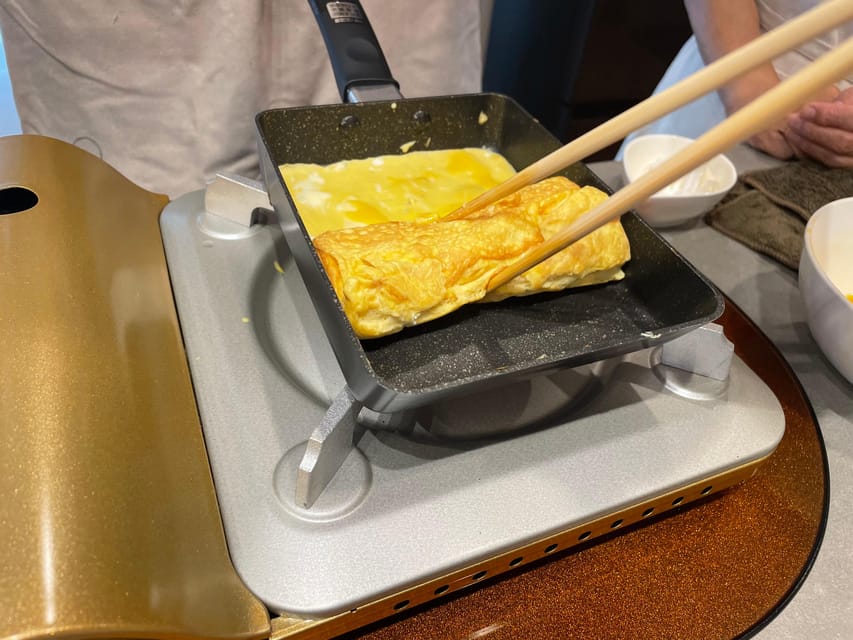
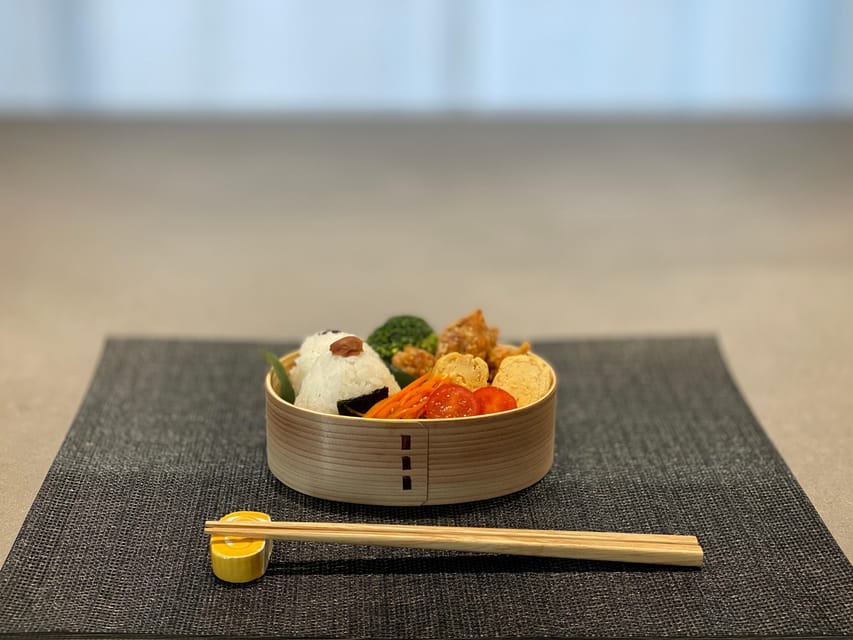
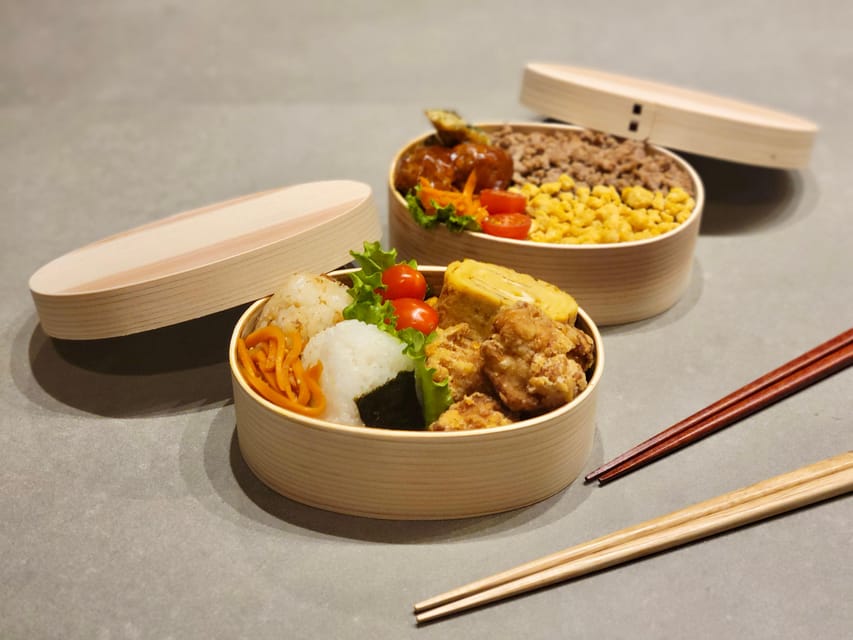
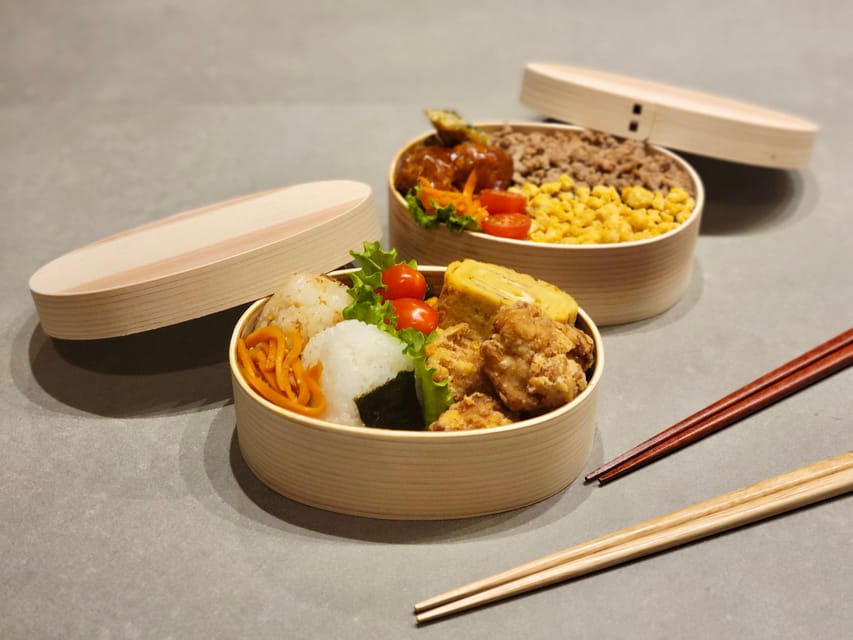
Bento introduces a different idea of Japanese cooking. Instead of serving one dish in a bowl, you arrange several prepared elements in a compact meal. The emphasis is on variety, order, and presentation, not just on cooking one main item.
For many people, this is the most memorable part of the class. You learn how an everyday Japanese meal can be organized into separate portions that work together. The instructor also explains the significance of the dishes, giving the bento more context than a box lunch you simply purchase at a station.
The class description does not promise a particular number or type of bento items beyond the named dishes, so do not book it expecting a set menu with every common bento component. The precise contents can vary with the class plan.
Eating the food you prepare
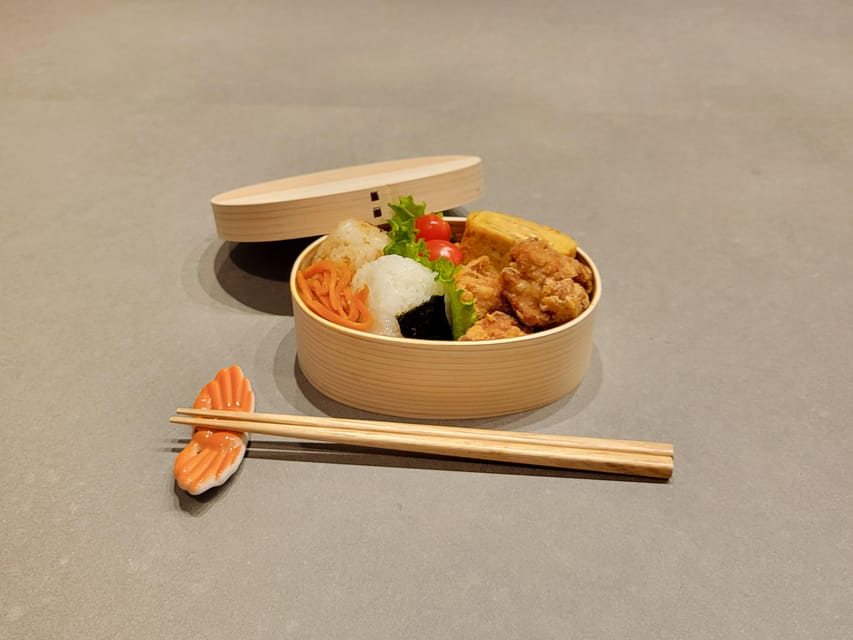
Food prepared during the class is included, but separate meals, snacks, and drinks outside the cooking session are not. Plan the experience as a light meal or tasting opportunity, not as a full dining reservation that will cover the rest of your day.
Eating what you make is important. You can see whether your broth, seasoning, and cooking time worked, then ask the instructor about changes while the lesson is still fresh. That immediate feedback is more useful than taking home a recipe without knowing how the finished dish should taste.
The experience is described as fun and adaptable to participant preferences. That suggests a friendly tone rather than a strict examination-style class. Still, the available information does not say that every dietary preference can be adjusted, so you should treat the food restrictions seriously.
How the $83 price measures up
At $83 per person for two hours, this is not a cheap meal. You are paying for instruction, ingredients, kitchen equipment, an apron, towel, slippers, recipes, cultural explanation, and a souvenir, not just for the food you eat.
The value improves if you want a skill you can use after Tokyo. Dashi, oyakodon, miso soup, and bento are practical subjects, and the recipes give you a clear starting point at home. The small group also adds value because you receive personal guidance rather than watching a large demonstration from the back of a room.
The price makes less sense if your only goal is to eat Japanese food. Tokyo offers many cheaper ways to try miso soup or oyakodon. This class is for someone who wants to understand the preparation and carry that experience into their own kitchen.
The surprise Japanese souvenir is a pleasant extra, though its contents are not specified. Additional Japanese souvenirs are available for purchase on-site, with an average price of ¥1,000. You do not need to budget for these unless you want another small keepsake.
Who should book this experience
I would recommend this class to first-time cooks, couples, solo visitors, and small groups of friends who want a social activity with a practical result. It also suits people who enjoy learning the everyday side of a place rather than only visiting famous sights.
It is a good match for English-speaking visitors because the class is conducted in English and the instructor can answer questions clearly. Japanese lessons can be arranged if requested, though translation services beyond the class language are not included.
Children under six cannot join, and the class is not suitable for people under 120 centimeters tall. People over 80 are also excluded by the activity rules. Wheelchair users and electric wheelchair users cannot take part, so check these limits carefully before paying.
The restrictions on food are broad. Vegans, vegetarians, people with food allergies, gluten intolerance, and nut allergies are not accepted. If you have a cold, you should not attend. Ask before booking if your needs do not fit neatly into those categories, since the class does not provide additional ingredients for personal use.
Pets are not allowed, although assistance dogs are permitted. Smoking, vaping, alcohol, drugs, weapons, sharp objects, fireworks, and strong fragrances are also prohibited. The indoor shoe rule means you should be ready to wear the supplied slippers.
Timing, cancellation, and planning advice
The class lasts two hours, with starting times based on availability. That makes it easy to place into a Tokyo day, but you should avoid squeezing it between two distant reservations. Transportation is your responsibility, and a central address does not remove the need to allow time for finding the alley and correct door.
The activity allows free cancellation up to 24 hours in advance for a full refund. You can also reserve now and pay later, which helps if your schedule is still changing. These policies are useful, but I would still confirm the start time and meeting instructions before building a tightly timed day around the class.
Wear comfortable clothes and avoid strong fragrances. Since you will cook indoors and change into slippers, simple clothing is more sensible than anything formal or difficult to move in.
Is this Tokyo cooking class worth booking?
Book it if you want to learn food you can actually make again. The combination of dashi, miso soup, oyakodon, and bento gives you several useful ideas in one short session, while the six-person limit and clear English instruction make it approachable for beginners.
Skip it if you need a fully vegetarian, vegan, allergy-safe, wheelchair-accessible, or gluten-free activity. You should also pass if you are looking only for a quick meal, since the value comes from the teaching, hands-on work, cultural context, and recipes.
For the right participant, $83 is a fair price for a compact, personal introduction to Japanese home cooking. Yuki’s clear instruction, the clean modern kitchen, and the chance to learn dashi are the details that make this more useful than a standard food tasting.
FAQ
How long does the Tokyo cooking class last?
The class lasts two hours.
What dishes do I learn to prepare?
The experience focuses on bento, oyakodon, and miso soup. You also learn how to prepare dashi broth, which is used in both miso soup and oyakodon.
Is the class taught in English?
Yes. Classes are conducted in English, and Japanese lessons can be arranged on request.
How many people can join?
The group is limited to six participants.
Are ingredients and cooking equipment included?
Yes. All cooking ingredients and equipment needed for the class are included. Personal cooking tools and extra ingredients for home use are not provided.
What should I bring?
Bring comfortable clothes. An apron, towel, and slippers are supplied, and shoes are not allowed indoors.
Where do I meet the instructor?
Turn into the alley and look for the four-story gray building on the right. Enter through the right-hand door marked Alleyway Gourmet Lab and go to the second floor.
Can I cancel and receive a refund?
You can cancel up to 24 hours in advance for a full refund. Reserve-now, pay-later booking is also available.
New on our Tokyo list
- Sumi-e Experience in a relaxing green tea shop in Tokyo★ 5.0 · 3 reviews
- Tokyo : Kamikaze Street Drift Ride★ 5.0 · 3 reviews
- Private Zen Meditation in English in Shinjuku, Tokyo★ 5.0 · 3 reviews
- Onsen Spa in Tokyo and Asakusa Bar Hopping with Local Guide★ 5.0 · 3 reviews
- Easy for everyone! Now you can play handmade mini shamisen and show off to everyone! Musical instruments, sweets and live music★ 5.0 · 3 reviews
- Tokyo: Private Tsukiji Street Food & Sake with Local Guide★ 5.0 · 3 reviews
- Mt Fuji Exploration Tour with Free Japanese Kusa Mochi from Tokyo★ 4.5 · 3 reviews
- Tokyo Tsukiji Fish Market Walking and Exploring Hidden Gems Tour★ 5.0 · 3 reviews
Japanese Cooking Classes, compared.
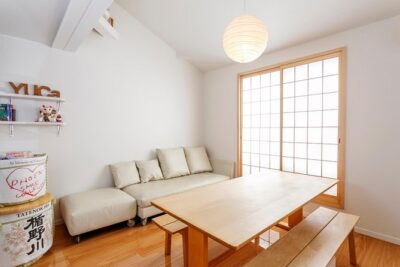
Ramen & Gyoza Cooking Class in Tokyo with Local Supermarket Visit
Read our review →
Easy Ramen Cooking Experience in Kabukicho, Shinjuku
Read our review →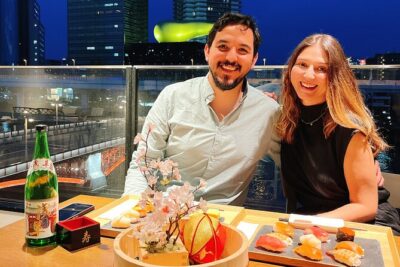
Ramen and Sushi Cooking Class with Sake Pairing Set in Tokyo
Read our review →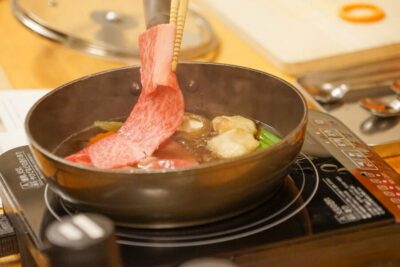
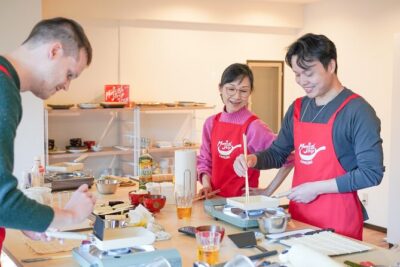
Tokyo Washoku 4-hour Cooking Class: From Market to Table
Read our review →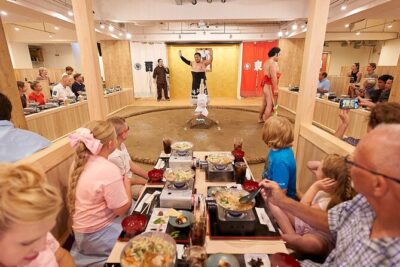
TokyoSumoShow, ChickenHotPot, and Mochi-Pounding by Pro Wrestlers
Read our review →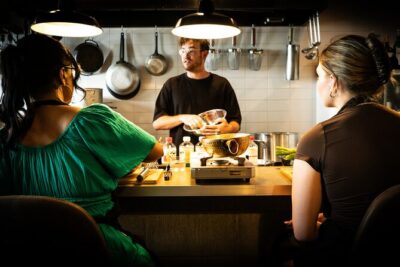
Professional Ramen & Gyoza with Ramen Chef in a restaurant!
Read our review →
Small-Group Wagyu Beef and 7 Japanese Dishes Tokyo Cooking Class
Read our review →Browse the lists this tour appears in