
Reviewed · JAPANESE COOKING CLASSES
Tokyo: Making a bento box with cute character look
Making a character bento turns an ordinary Tokyo lunch into a small food workshop. You shape rice and side dishes into a popular character design, while learning how Japanese cooks think about nutrition, seasoning, and presentation.
I like the friendly, hands-on format, and I like that you eat the meal you make instead of simply watching a demonstration. The main drawback is the meeting location: the studio may be near Shinjuku, Chiyoda, or Minato, and you do not receive the exact address until close to the booking date.
In This Review
- Key points
- Shaping Rice Into a Tokyo Food Memory
- The 11:00 Cooking Class
- From Cute Design to Balanced Lunch
- The 13:00 Tasting Time
- Location Planning Near Three Central Wards
- What the $90 Price Includes
- The Right Fit for Different Ages and Diets
- What the Early Feedback Tells You
- Timing: Read the Schedule Carefully
- Should You Book This Chara-ben Class?
- FAQ
- What is a chara-ben?
- How long does the experience last?
- What is included in the price?
- Is hotel pickup included?
- Where is the cooking studio?
- Can I use the Google Map location shown online?
- Is the class taught in English?
- Is the experience suitable for vegans?
- Can children under three join?
Key points
- Character bento from scratch: Make a cute chara-ben using rice and side dishes.
- English-speaking instruction: You receive cooking guidance and hands-on support in English.
- A meal with a lesson: The class covers nutritional balance, seasoning, and food presentation.
- Three possible Tokyo areas: The studio is located near Shinjuku, Chiyoda, or Minato, with the address sent later.
- 150 minutes listed: The schedule gives two hours for cooking and 30 minutes for tasting.
- Best for food-minded visitors: This suits people who want a practical look at everyday Japanese food culture, not a sightseeing tour.
Shaping Rice Into a Tokyo Food Memory
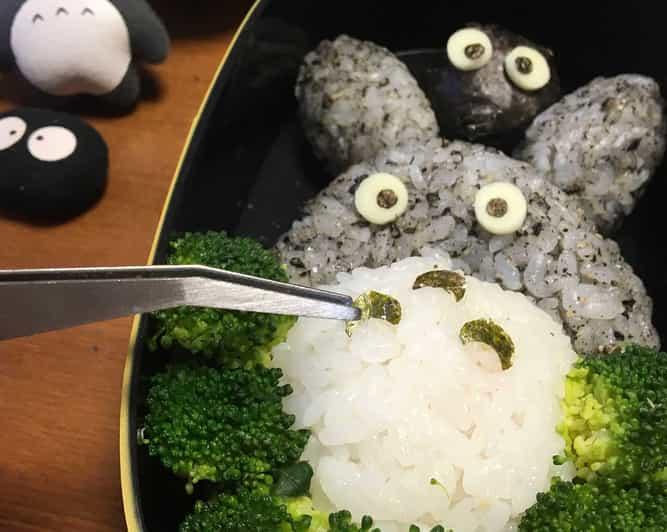
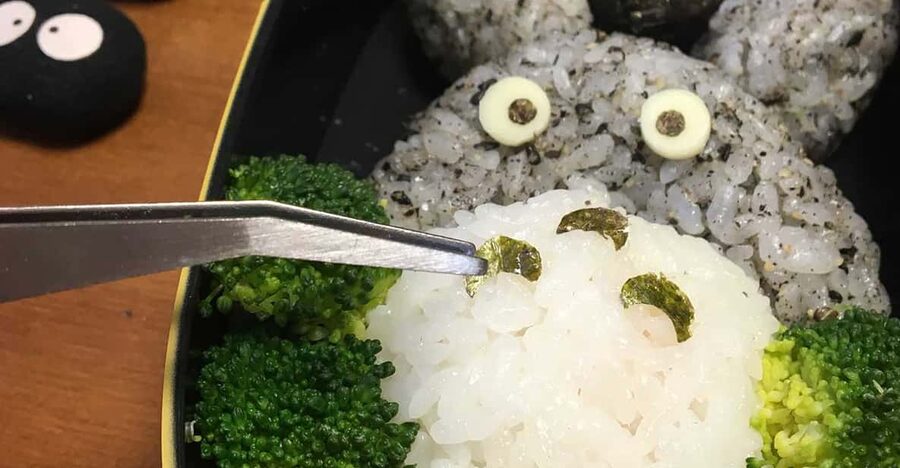
Chara-ben means character bento, a Japanese lunch box arranged to look like a familiar character. The charm is obvious, but the activity is not only about making something cute. You also learn how a bento can combine rice, side dishes, color, portioning, and visual balance in one compact meal.
The class is taught in English by an experienced cooking instructor from Patia’s Japanese Cooking Class. You are not left to figure out the character design alone. The format promises friendly, hands-on support, which matters here because small details make a big difference when shaping rice or arranging side dishes.
You should expect a practical lesson rather than a formal cooking lecture. The focus is on making the bento with your own hands. That gives the experience a more personal feel than simply eating a prepared lunch in a restaurant.
A character bento also gives you a useful entry point into Japanese food culture. Bento meals are designed to be tidy, portable, attractive, and balanced. This class connects those ideas to something easy to remember: a cute face or character made from familiar food.
More cooking classes in Tokyo:
- Ramen & Gyoza Cooking Class in Tokyo with Local Supermarket Visit
★ 5.0 · 823 reviews - Tokyo: Easy Ramen Cooking Experience in Kabukicho, Shinjuku
★ 4.6 · 321 reviews - Ramen and Sushi Cooking Class with Sake Pairing Set in Tokyo
★ 5.0 · 291 reviews
The 11:00 Cooking Class
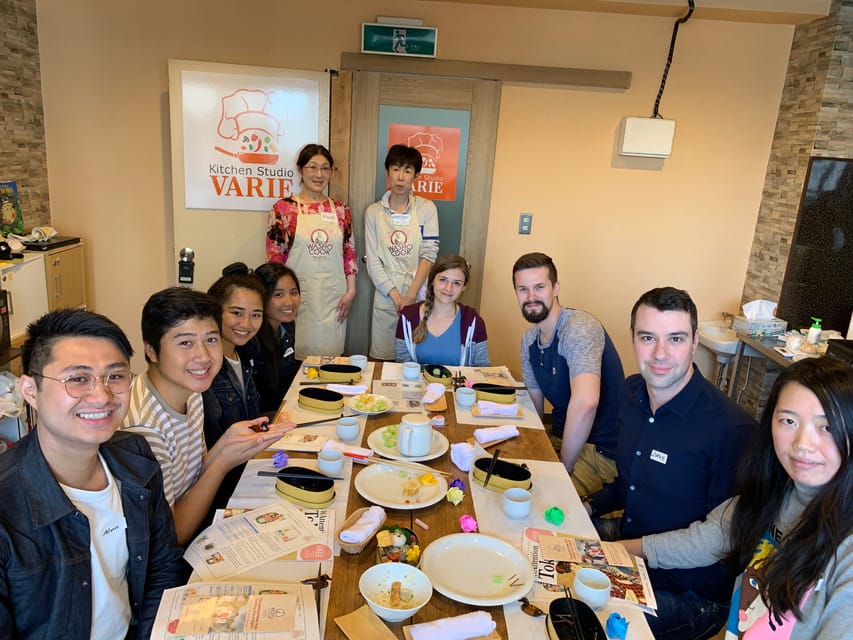
The published schedule begins with cooking at 11:00 and runs until 13:00. During this part, you work with the ingredients supplied by the cooking studio and follow the instructor’s guidance as the bento takes shape.
The exact character is not specified, so you should not book expecting one particular design. The experience is better understood as a chance to learn the basic method of making a chara-ben. You will work with rice and side dishes, using their shape and placement to create the character look.
The instructor’s role is important. Rice can be sticky, delicate, and difficult to shape neatly. Side dishes need to be placed with care if the final bento is to look clear rather than crowded. English instruction lets you ask about each step without relying on guesswork.
I especially like the balance between technique and play. You learn about food presentation while making something that feels light and enjoyable. The result does not need to look like a professional food photograph to be worthwhile. Part of the fun is seeing how your own version develops.
The class also introduces nutritional balance. The information provided does not list the exact dishes or recipes, so you should not expect a fixed menu description before booking. Still, the lesson is designed to show how rice and accompanying foods work together in a Japanese bento.
That makes this more useful than a craft session alone. You are not simply decorating food. You are learning why a small lunch box can include several types of food and how arrangement affects the way the meal is viewed.
From Cute Design to Balanced Lunch
The word chara-ben often brings to mind elaborate lunch boxes made for children, but the idea has a practical side. The food still needs to be edible, filling, and reasonably balanced. The character shape gives the meal its visual identity, while the side dishes provide variety.
The class specifically highlights nutritional balance, seasoning, and presentation. Those are valuable themes for anyone curious about Japanese home cooking. You may already know sushi, ramen, or tempura from restaurant menus, but a bento class points you toward a more everyday style of eating.
Seasoning is another useful focus. The experience does not state which seasonings you will use, so I would avoid expecting a specific regional recipe lesson. Instead, think of the class as an introduction to the decisions that make a small meal work: how much flavor to add, how different items sit together, and how food can look appealing without being wasteful.
Presentation matters because the bento is meant to be seen before it is eaten. You arrange the meal so that the character is readable and the contents look inviting. This is a simple but memorable way to understand why Japanese food often pays such close attention to neatness and proportion.
The 13:00 Tasting Time
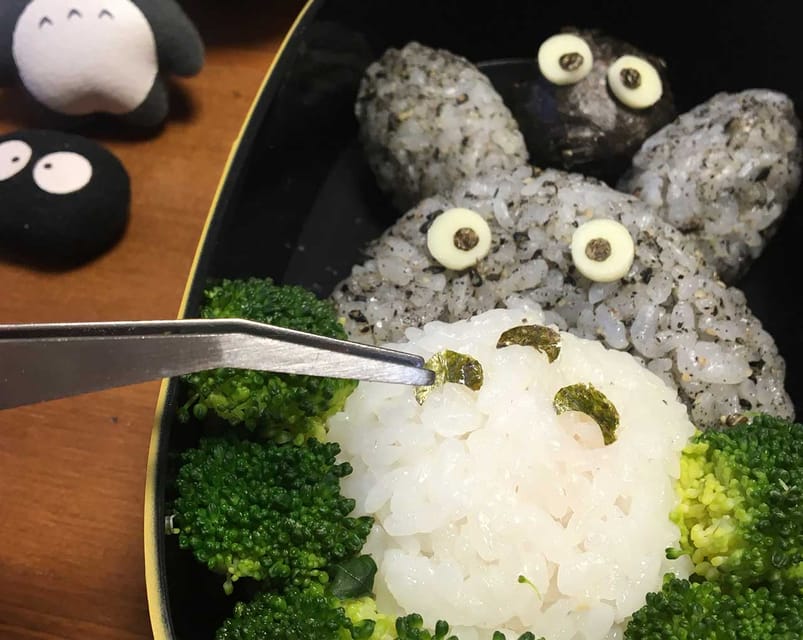
At 13:00, the cooking portion ends and tasting time begins. You sit down to eat the home-cooked meal you have prepared, with beverages included.
This half hour is more than an afterthought. It gives you time to look at the finished bento, enjoy the food, and appreciate the work involved. A cooking class can feel rushed if the final dish is packed away as soon as the last step is complete. Here, the schedule allows a separate period for eating.
The tasting session also gives you a natural chance to reflect on the lesson. You can compare the visual design with the practical side of the meal. The bento may look playful, but it has been made with the same concerns that guide a more ordinary lunch: flavor, balance, and ease of eating.
The supplied information does not promise a printed recipe, take-home meal, or additional food. You should plan on eating the bento at the studio and enjoying the included beverages there.
A few more Tokyo bookings worth comparing
- Mt Fuji and Hakone 1-Day Bus Tour Return by Bullet Train
★ 5.0 · 26,383 reviews - 1-Day Tokyo Bus Tour
★ 5.0 · 14,250 reviews - Tokyo: TOKYO SKYTREE® Admission ticket
★ 4.5 · 11,192 reviews - Tokyo: teamLab Planets TOKYO Digital Art Museum Entry Ticket
★ 4.6 · 9,779 reviews
Location Planning Near Three Central Wards
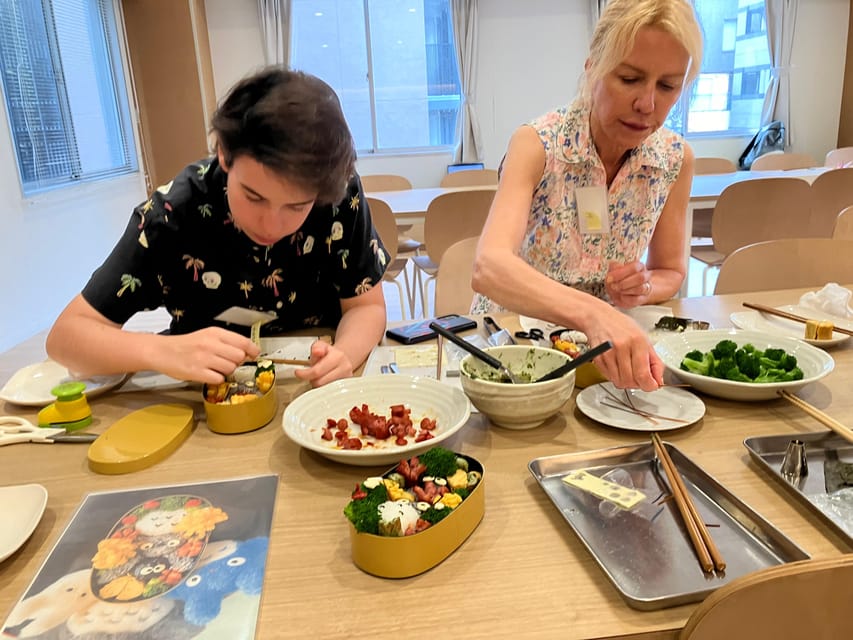
The cooking studios are located near Shinjuku, Chiyoda, and Minato wards. These are central Tokyo areas, but the exact studio depends on the booking arrangement.
You do not receive the specific address immediately. The location details are sent three days before the reservation date, and the booking information also notes that the address shown on the Google Map may display a different place. This is the most important practical issue to handle carefully.
Do not follow the map pin blindly. Wait for the designated studio address and use that information when planning your route. You should also leave extra time before the 11:00 start, since arriving at the wrong location could make a short cooking class feel stressful.
Hotel pickup and drop-off are not included. You make your own way to the studio. Since the venue is in or near one of three major Tokyo wards, this may fit well into a day already planned around central Tokyo, but you need the final address before fixing your morning schedule.
The flexible location can be a small advantage if the assigned studio ends up near another activity on your itinerary. It can also be inconvenient if you prefer to reserve a class based on a confirmed neighborhood. I would book this only if you are comfortable waiting for the exact location.
What the $90 Price Includes
The price is $90 per person. It includes the cooking experience, ingredients, and beverages. It does not include transportation or hotel pickup and drop-off.
That price makes the most sense if you value instruction and participation, not just lunch. A bento meal in Tokyo can cost far less, but a restaurant meal will not normally give you two hours of guided preparation followed by a tasting period.
You are paying for the setting, the instructor’s time, the ingredients, and the chance to make a recognizable Japanese food style yourself. The English support adds practical value for visitors who want to ask questions while cooking.
The value is less clear if your main goal is a large meal or a detailed professional cooking course. The available information does not promise an extensive menu, advanced techniques, a recipe booklet, or a market visit. This is a focused, friendly activity built around one character bento.
I would consider the price fair for a hands-on cultural activity in Tokyo, especially if you enjoy food crafts and want something different from the usual restaurant stop. If you are watching your budget closely, compare it with the cost of a regular bento and decide how much the instruction and personal effort are worth to you.
The Right Fit for Different Ages and Diets
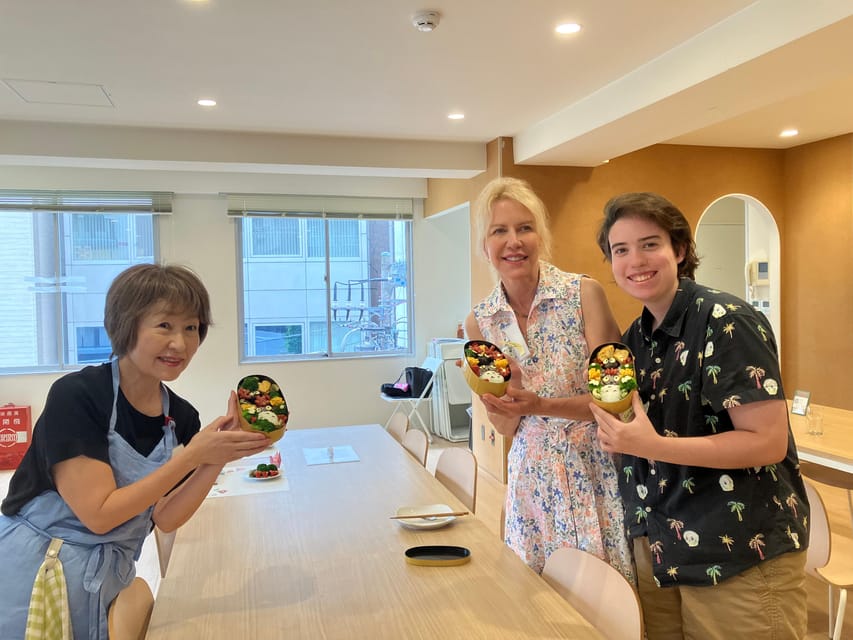
The experience is not suitable for children under three years. That restriction makes sense because the class involves cooking and food preparation, but the information does not provide a recommended age range beyond that limit.
It is also not suitable for people with back problems. You should take that seriously and consider the physical demands of working at a cooking station before booking. The listing does not describe seating, counter height, or how much standing is required, so anyone with mobility concerns should ask for clarification in advance.
Vegans should not book this experience. The class is specifically marked as unsuitable for vegans, and no vegan menu or substitution is promised. Other dietary needs are not described, so you should confirm directly before reserving if you have allergies or food restrictions.
This activity is a strong match for people who enjoy making things with their hands, families with older children, couples looking for a shared food activity, and solo visitors who want a structured way to learn about Japanese home cooking.
It may be less suitable for someone who wants a quiet, formal meal, a sightseeing experience, or a class focused on advanced knife skills. The charm is in the playful character design and the chance to eat your own work.
What the Early Feedback Tells You
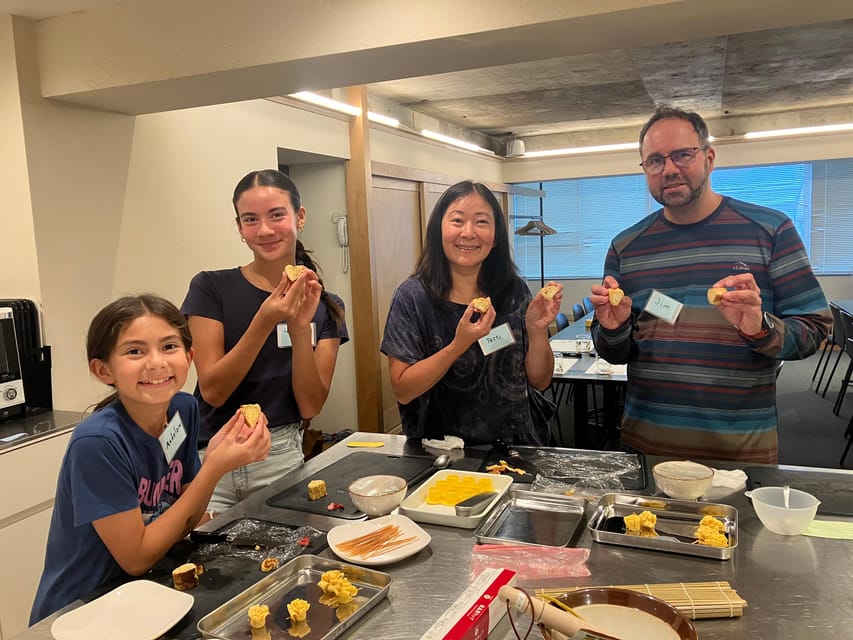
The experience has a top rating based on four reviews, and one verified booking from Canada in August 2023 described it as really good and praised the instructor as very sweet.
That short comment points to the most important strength: the human tone of the lesson. Making a character bento can be fiddly, and a patient instructor makes the process much easier. The feedback does not provide a detailed account of the menu, studio, group size, or final character, so you should not assume those details.
Still, the available response supports the idea that the instructor’s friendly manner is a central part of the experience. You should expect help rather than a hands-off demonstration.
Because the number of reviews is small, I would treat the perfect rating as encouraging but not definitive. The practical details matter just as much: confirm the studio address, check the timing, and make sure the food format suits your diet.
Timing: Read the Schedule Carefully
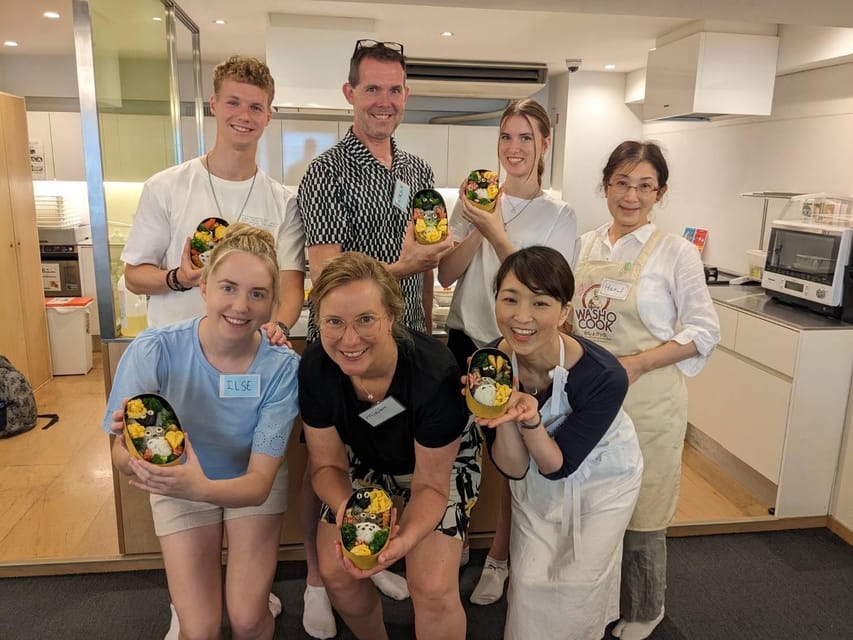
There is a small timing inconsistency in the information. The activity is listed as lasting 150 minutes, and the detailed schedule adds up correctly to 120 minutes of cooking plus 30 minutes of tasting. Elsewhere, the cooking experience is described as approximately 1.5 hours.
For planning purposes, use the full 150-minute schedule. The stated hours are 11:00 to 13:00 for cooking and 13:00 to 13:30 for tasting. Allow additional time for finding the studio and getting to your next activity.
This is not an activity to squeeze between two tightly timed attractions. The cooking class has a clear start, and arriving late could mean missing instructions at the most important part of the process.
Should You Book This Chara-ben Class?
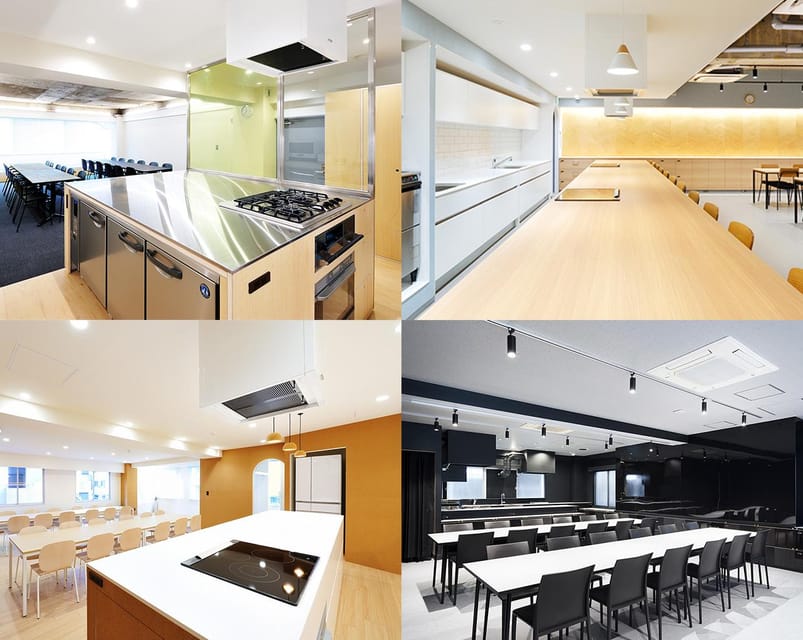
Book it if you want a hands-on Japanese food experience with English instruction, a playful final dish, and time to sit down and eat what you made. The class offers more personal involvement than an ordinary lunch and gives you a simple way to understand bento design, seasoning, and balance.
Think twice if you need a confirmed neighborhood before booking, follow a vegan diet, have back problems, or want a detailed recipe-based course. The $90 price is justified by participation and instruction rather than the food alone.
For the right person, this is a memorable Tokyo activity: small in scale, practical, and cheerfully different from the usual sightseeing circuit.
FAQ
What is a chara-ben?
A chara-ben is a bento box made to look like a popular character using rice and side dishes.
How long does the experience last?
The listed duration is 150 minutes. The schedule gives 11:00 to 13:00 for cooking and 13:00 to 13:30 for tasting.
What is included in the price?
The price includes the cooking experience, ingredients, and beverages.
Is hotel pickup included?
No. Hotel pickup and drop-off are not included.
Where is the cooking studio?
The studios are located near Shinjuku, Chiyoda, and Minato wards. The specific studio address is provided three days before the reservation date.
Can I use the Google Map location shown online?
You should not rely on the displayed Google Map address. The information states that it may show a different location, so use the designated studio address sent before your reservation.
Is the class taught in English?
Yes. The instructor speaks English.
Is the experience suitable for vegans?
No. The activity is listed as unsuitable for vegans.
Can children under three join?
No. Children under three years are not suitable for this activity.
New on our Tokyo list
- Sumi-e Experience in a relaxing green tea shop in Tokyo★ 5.0 · 3 reviews
- Tokyo : Kamikaze Street Drift Ride★ 5.0 · 3 reviews
- Private Zen Meditation in English in Shinjuku, Tokyo★ 5.0 · 3 reviews
- Onsen Spa in Tokyo and Asakusa Bar Hopping with Local Guide★ 5.0 · 3 reviews
- Easy for everyone! Now you can play handmade mini shamisen and show off to everyone! Musical instruments, sweets and live music★ 5.0 · 3 reviews
- Tokyo: Private Tsukiji Street Food & Sake with Local Guide★ 5.0 · 3 reviews
- Mt Fuji Exploration Tour with Free Japanese Kusa Mochi from Tokyo★ 4.5 · 3 reviews
- Tokyo Tsukiji Fish Market Walking and Exploring Hidden Gems Tour★ 5.0 · 3 reviews
Japanese Cooking Classes, compared.
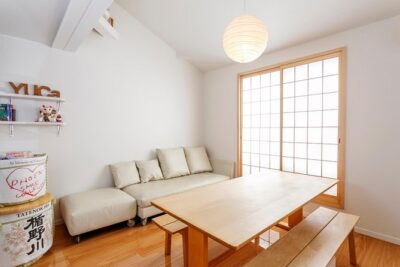
Ramen & Gyoza Cooking Class in Tokyo with Local Supermarket Visit
Read our review →
Easy Ramen Cooking Experience in Kabukicho, Shinjuku
Read our review →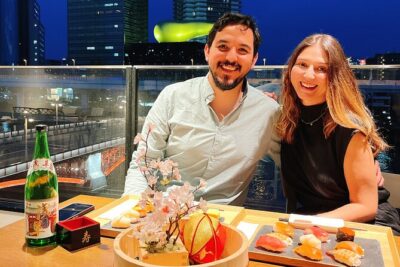
Ramen and Sushi Cooking Class with Sake Pairing Set in Tokyo
Read our review →
Tokyo Washoku 4-hour Cooking Class: From Market to Table
Read our review →
TokyoSumoShow, ChickenHotPot, and Mochi-Pounding by Pro Wrestlers
Read our review →
Professional Ramen & Gyoza with Ramen Chef in a restaurant!
Read our review →
Small-Group Wagyu Beef and 7 Japanese Dishes Tokyo Cooking Class
Read our review →Browse the lists this tour appears in