
Reviewed · TEA CEREMONIES
Tokyo: Matcha Tea Ceremony Experience at Japanese room in Shibuya
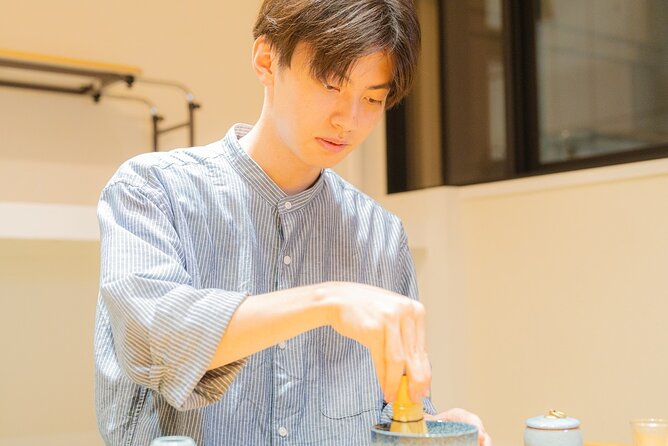
The best part of this Shibuya experience is that you do not only watch a tea ceremony. You make your own bowl of matcha, learning the movements and basic manners with an instructor beside you. The session also brings in several other Japanese teas, including hojicha, so you leave with more than a single taste of powdered green tea.
I like the small group size, capped at eight people, and the calm Japanese-room setting. I also like the teaching style described by the instructors, especially Taku, So-Wa, and Ryota, who explain both tea and wider Japanese customs in a friendly way. The main consideration is time: one hour gives you a pleasant introduction, not a full study of tea ceremony practice.
In This Review
- Key points at a glance
- A quiet tea room in the middle of Shibuya
- Learning the manners behind the tea
- Making your own bowl of matcha
- Comparing matcha, hojicha, and other Japanese teas
- The instructors shape the experience
- Why the small group size matters
- What the $32.58 price includes in practical terms
- Who should book this Shibuya tea experience
- Timing, cancellation, and simple planning tips
- Is this matcha ceremony worth booking?
- FAQ
- Where does the tea ceremony take place?
- Where does the activity finish?
- How long does the experience last?
- How many people can join the activity?
- Do I make my own matcha?
- Which teas are included?
- Are traditional sweets included?
- Can I cancel for a full refund?
Key points at a glance
- Hands-on matcha preparation: You whisk your own matcha under step-by-step instruction rather than simply observing.
- Three additional teas: The tasting can include three other Japanese teas, with hojicha receiving special praise for its roasted flavor.
- Traditional sweets included: Matcha is paired with traditional sweets during the session.
- Small group setting: A maximum of eight people allows room for questions and personal guidance.
- Central Shibuya meeting point: The activity begins and ends at 2-chōme-14-13 Shibuya, near public transportation.
- Flexible booking: Free cancellation is available up to 24 hours before the local start time.
A quiet tea room in the middle of Shibuya
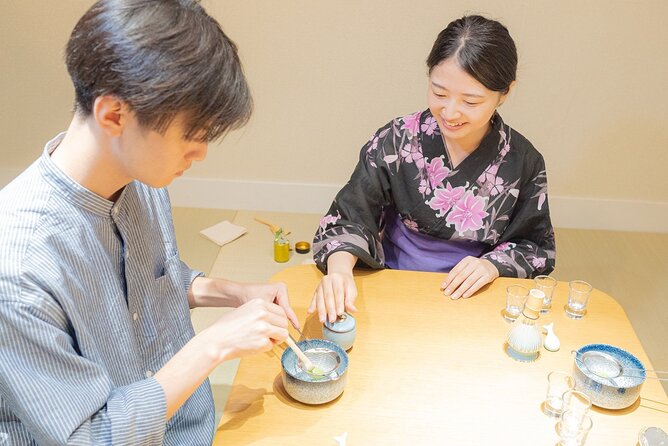
Shibuya is famous for bright screens, crowded crossings, and late-night energy. This experience gives you a useful change of pace without requiring a long trip across Tokyo. You meet at 2-chōme-14-13 Shibuya, and the activity returns to that same point after about an hour.
The location matters because you can fit the ceremony into a busy sightseeing day. You might schedule it between visits around Shibuya, use it as a calm break after shopping, or book it early in your Tokyo stay to gain some context for other Japanese cultural experiences.
The setting is a Japanese room, and that helps the ceremony feel more focused than a tea demonstration in a large public venue. You are not being rushed past a display. Instead, the small group format gives the instructor space to show you what to do, correct your technique, and answer questions.
I would still allow a little extra time to find the exact meeting point. The supplied details identify the address and note that it is near public transportation, but they do not provide a station exit, building description, or detailed arrival instructions. Keep your mobile ticket available when you arrive.
More tea rooms worth booking:
- Matcha Making Class in Tokyo with Authentic Japanese Sweets Set
★ 5.0 · 744 reviews - Tokyo: Traditional Tea Ceremony with a Tea Master
★ 5.0 · 528 reviews - Tokyo: Matcha Making Experience with Mochi Sweets in Asakusa
★ 4.9 · 388 reviews
Learning the manners behind the tea
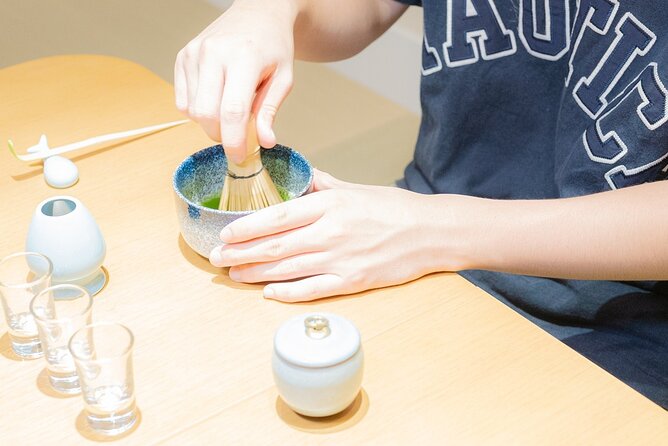
A tea ceremony is not simply a method for making green tea. The gestures, order, posture, and attention given to the bowl all form part of the experience. This one-hour session introduces those basic ideas without expecting you to already know Japanese etiquette.
Your instructor explains the essential manners step by step. That makes the activity workable for a first-time visitor who might otherwise worry about using the wrong hand, moving at the wrong moment, or missing an important detail.
The teaching appears to balance tradition with a relaxed tone. Taku is noted for explaining matcha and hojicha clearly, while So-Wa has a particular strength in connecting the ceremony with Japanese history and culture. Ryota is also named as an instructor who helps visitors learn more about matcha.
Because the activity is limited to eight people, you should have a better chance to ask questions than in a large group demonstration. That is valuable here. Tea ceremony has many small details, and the meaning behind a gesture is often more interesting than the gesture itself.
You should not expect a formal ceremony lasting several hours or a specialist course in tea schools. The experience is designed as an introduction. Its purpose is to help you understand the basic spirit of the tradition and to give you the confidence to prepare matcha yourself.
Making your own bowl of matcha
The hands-on part is the heart of the experience. Under guidance, you prepare matcha on your own, learning the basic technique rather than receiving a finished bowl from the instructor.
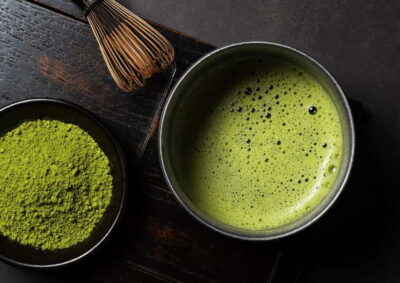
For many people, this is where the activity becomes memorable. Matcha is not brewed like ordinary tea. It is whisked into the water, so the texture and final taste depend on how it is prepared. You get to take part in that process and see how instruction changes the result.
The session is designed for beginners, which is reassuring if you have never held a bamboo whisk or prepared matcha before. You do not need to arrive with special knowledge. Listen carefully, follow the movements, and treat the process as a practice in attention rather than a test of skill.
I like that the activity treats the preparation as part of the cultural lesson. You are not simply trying a fashionable drink. You are learning why the bowl is handled with care and why the ceremony gives such importance to deliberate movement.
Traditional sweets accompany the tea experience. Their sweetness can provide a useful contrast to matcha’s grassy, bitter edge. The sweets also show how Japanese tea service often considers the balance between food and drink, rather than presenting tea as an isolated beverage.
The listing does not specify the type of sweet, the amount of matcha, or the exact equipment used. If you have strong dietary restrictions, ask the provider before booking, since no ingredient or allergy information is supplied.
Comparing matcha, hojicha, and other Japanese teas
The tasting broadens the session beyond matcha. You can sample and compare several Japanese teas, with the experience finishing with three different teas according to the supplied details.
That comparison is useful because Japanese tea is not one single flavor. Matcha is powdered and whisked, while hojicha is roasted and generally offers a warmer, toastier character. One particularly enthusiastic response singled out hojicha as a new favorite, which makes it worth paying attention to if you usually find green tea too sharp or vegetal.
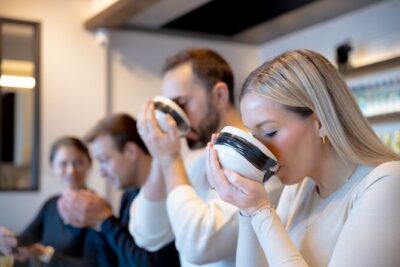
You may also taste teas you have not encountered before. The point is not to memorize names, but to notice how preparation, roasting, and style affect aroma and flavor. The instructor can explain the traditions linked to each tea and help you compare them in a simple way.
The tea tasting also gives the hour a good rhythm. You begin with instruction and manners, take an active role in making matcha, then use the remaining time to taste and think about several varieties. It is more satisfying than a quick cup served without context.
Exact tea names beyond matcha and hojicha are not provided, so I would not book this expecting a fixed specialist tasting menu. The selection may depend on the session. Still, the promise of three additional teas gives the activity more range than a basic matcha-making class.
More Shibuya plans:
- Official Street Go-Kart in Shibuya
★ 5.0 · 3,435 reviews - Tokyo: Street Kart Experience in Shibuya
★ 4.9 · 1,484 reviews - Shibuya Meltdown Nightlife Tour: All-You-Can-Drink Bar Hopping
★ 5.0 · 1,058 reviews - Shibuya Official Street Go-Kart in Shibuya Annex
★ 5.0 · 972 reviews
The instructors shape the experience
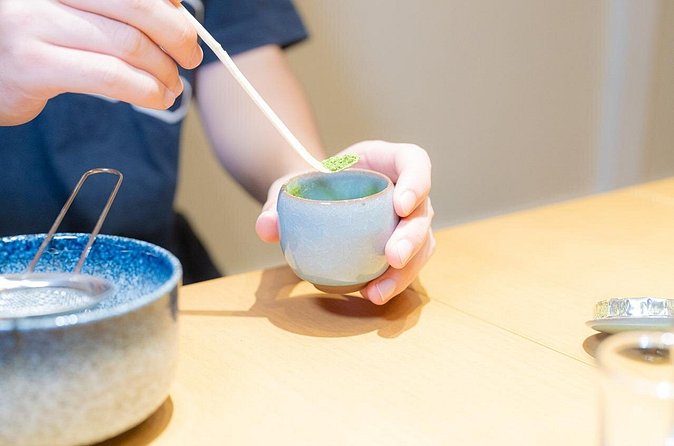
The named instructors give this activity a personal quality. Taku is associated with clear explanations of matcha and hojicha, and with answering questions about traditional and modern Japan. So-Wa is praised for sharing background on the tea ceremony and Japanese culture. Ryota is also recognized for helping people learn more about matcha.
That variety matters because a good tea lesson needs more than correct instructions. You want someone who can explain why the ritual exists, not just tell you when to whisk. The available information points to an approachable teaching style, with room for questions and cultural discussion.
The tone is friendly rather than severe. That makes a difference for visitors who worry that a traditional ceremony will demand perfect etiquette from the first minute. You are introduced to the rules, but the atmosphere remains relaxed enough to enjoy yourself.
At the same time, the experience may vary slightly depending on which instructor leads your session. Taku, So-Wa, and Ryota are all named, but the booking details do not promise a specific teacher. If meeting one particular instructor matters to you, check with Japan Culture Experience before confirming.
Why the small group size matters
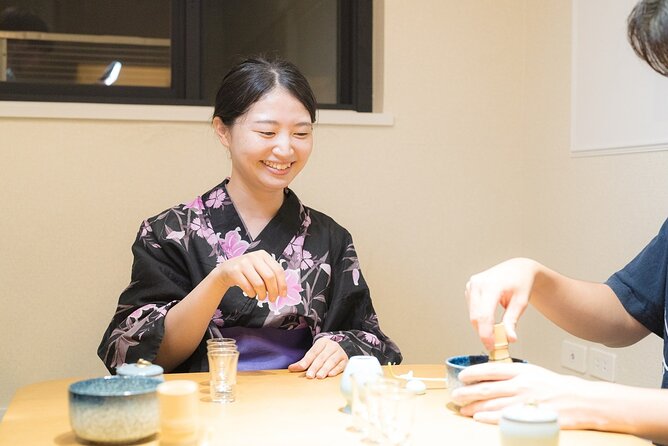
A maximum of eight people is a strong practical feature. Tea ceremony depends on seeing small movements clearly, and a crowded room can make that difficult. A small group should make it easier to follow the instructor and prepare your matcha without feeling lost.
It also gives the session a more social feel than a private lesson. You can share the tasting with a few other people, compare reactions, and still get direct help. If you are traveling alone, this offers a gentle cultural activity without the formality of arranging a private appointment.
The tradeoff is that this is not an entirely private experience. If you want a personal tea master lesson with extended discussion, a larger course or private booking may suit you better. For a first introduction, though, eight people is a sensible limit.
The 60-minute duration keeps the commitment easy. You can fit it into a day that includes Shibuya sightseeing without giving up half a day. The drawback is that the instructor has to keep moving. There may not be time for a long history lecture, repeated matcha practice, or a detailed discussion of every tea.
What the $32.58 price includes in practical terms
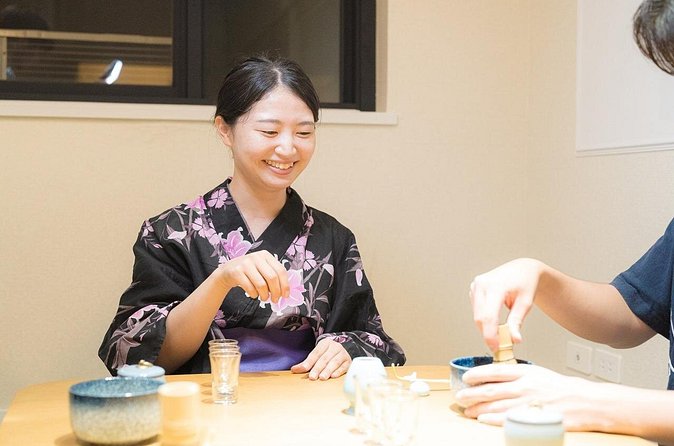
At $32.58 per person, this is priced as an accessible cultural activity rather than a luxury ceremony. You are paying for guided instruction, the chance to prepare matcha, a tasting of several teas, traditional sweets, and an introduction to tea ceremony etiquette.
I consider that fair value if you want participation and explanation. A drink alone would cost less, but a café visit would not teach you the manners, preparation, or cultural background. The small group and hands-on format also make the price easier to justify.
The value is strongest for first-time visitors. You get a compact lesson that helps you understand what you are seeing when tea appears elsewhere in Japan. It is also useful for people who enjoy food and drink experiences but want something more thoughtful than a standard tasting.
The price may feel less worthwhile if you already practice tea ceremony or have attended several formal sessions. In that case, the one-hour introduction may repeat familiar basics. The activity is built for access, not advanced study.
With a 5.0 rating from 11 submitted ratings and a 100 percent recommendation figure, the experience has made a strong early impression. Those numbers come from a small sample, so I would treat them as encouraging rather than final proof. The repeated praise for the relaxed instruction, tea variety, and friendly teachers is more useful than the rating alone.
Who should book this Shibuya tea experience
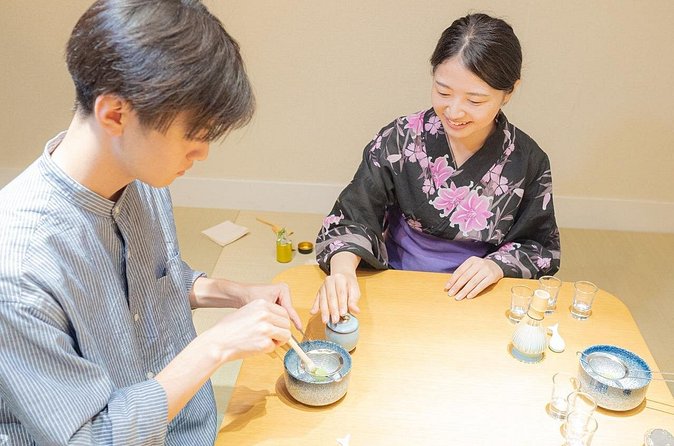
I would recommend it to you if you want a manageable introduction to Japanese culture, especially if you are visiting Tokyo for the first time. The activity requires no stated prior experience, and the beginner-friendly format removes much of the pressure that can come with traditional etiquette.
It suits tea drinkers who want to compare Japanese varieties. Hojicha is an especially good reason to pay attention, since its roasted profile can appeal to people who do not usually choose green tea.
Families with older children may also find the hands-on preparation more engaging than a purely observational ceremony, though the supplied details do not state a minimum age. Ask the provider if age is important for your group.
The experience is less suitable if you need a long, formal ceremony, a guaranteed instructor, a private room, or a fixed list of tea varieties. None of those features is promised. You should also be aware that the booking information does not give accessibility details, so contact the provider directly if you have mobility or seating needs.
Timing, cancellation, and simple planning tips
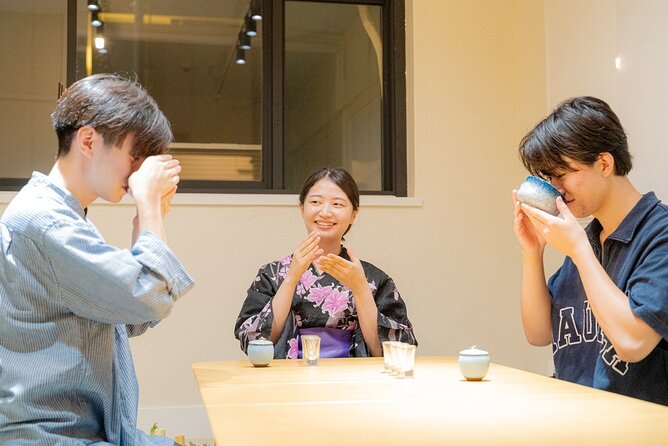
The activity lasts about one hour, starts and ends at the same Shibuya meeting point, and offers a mobile ticket. That makes it easy to keep your day flexible. I would avoid scheduling it too tightly against a major timed attraction, since the activity itself is approximate and you need time to locate the address.
Confirmation is provided at booking. The experience is near public transportation, but the information does not identify the nearest station or exit. Check the meeting instructions on your confirmation and keep the address, 2-chōme-14-13 Shibuya, available on your phone.
You can cancel for a full refund up to 24 hours before the local start time. Cancellations or changes made less than 24 hours ahead are not accepted for a refund. That policy is reasonable, but it means you should avoid booking until your Tokyo schedule is fairly firm.
Arrive ready to listen and participate. The ceremony is about careful actions, so rushing in from the street can work against the mood. You do not need to dress formally based on the information provided, but respectful behavior and a willingness to follow instructions will help you get more from the hour.
Is this matcha ceremony worth booking?
Book this experience if you want to make matcha yourself, taste several Japanese teas, and learn the basic etiquette in a calm setting close to Shibuya. The combination of hands-on practice, traditional sweets, and tea comparison gives you more than a quick photo opportunity.
I especially like it for visitors with limited time. One hour is enough to gain a useful sense of the ceremony without taking over your day. The small group and instructors such as Taku, So-Wa, and Ryota add the personal guidance that makes a cultural lesson worthwhile.
Skip it if you want an advanced or private tea ceremony, a guaranteed teacher, or a detailed fixed menu of teas. For everyone else, $32.58 is a sensible price for a friendly, compact introduction to one of Japan’s most recognizable traditions.
FAQ
Where does the tea ceremony take place?
The activity starts at 2-chōme-14-13 Shibuya, Tokyo 150-0002, Japan, in a Japanese room setting.
Where does the activity finish?
The experience ends back at the meeting point.
How long does the experience last?
The tea ceremony and tasting last approximately one hour.
How many people can join the activity?
The group has a maximum of eight participants.
Do I make my own matcha?
Yes. You prepare your own bowl of matcha with step-by-step help from the instructor.
Which teas are included?
The experience includes matcha and a tasting of different Japanese teas. The supplied details specifically mention hojicha and describe a tasting of three additional teas.
Are traditional sweets included?
Traditional sweets are included with the tea experience, according to the activity details.
Can I cancel for a full refund?
Yes. You can cancel at least 24 hours before the local start time for a full refund. Cancellations or changes made less than 24 hours before the start are not accepted for a refund.
New on our Tokyo list
- Sumi-e Experience in a relaxing green tea shop in Tokyo★ 5.0 · 3 reviews
- Tokyo : Kamikaze Street Drift Ride★ 5.0 · 3 reviews
- Private Zen Meditation in English in Shinjuku, Tokyo★ 5.0 · 3 reviews
- Onsen Spa in Tokyo and Asakusa Bar Hopping with Local Guide★ 5.0 · 3 reviews
- Easy for everyone! Now you can play handmade mini shamisen and show off to everyone! Musical instruments, sweets and live music★ 5.0 · 3 reviews
- Tokyo: Private Tsukiji Street Food & Sake with Local Guide★ 5.0 · 3 reviews
- Mt Fuji Exploration Tour with Free Japanese Kusa Mochi from Tokyo★ 4.5 · 3 reviews
- Tokyo Tsukiji Fish Market Walking and Exploring Hidden Gems Tour★ 5.0 · 3 reviews
Tea Ceremonies, compared.
Matcha Making Class in Tokyo with Authentic Japanese Sweets Set
Read our review →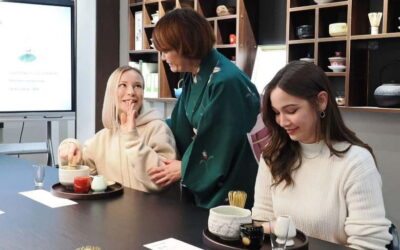
Matcha Making Experience with Mochi Sweets in Asakusa
Read our review →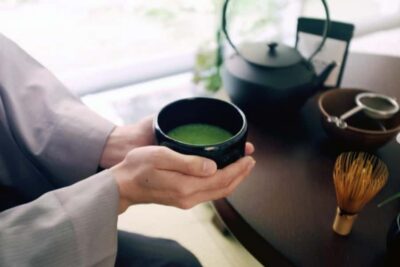
Tea Ceremony Workshop in Tokyo by the Experienced Instrucor
Read our review →

Make Traditional Nerikiri Sweets & Matcha experience in Shibuya
Read our review →Browse the lists this tour appears in