
Reviewed · TEA CEREMONIES
Tokyo: Matcha Tea Ceremony Experience in Shibuya
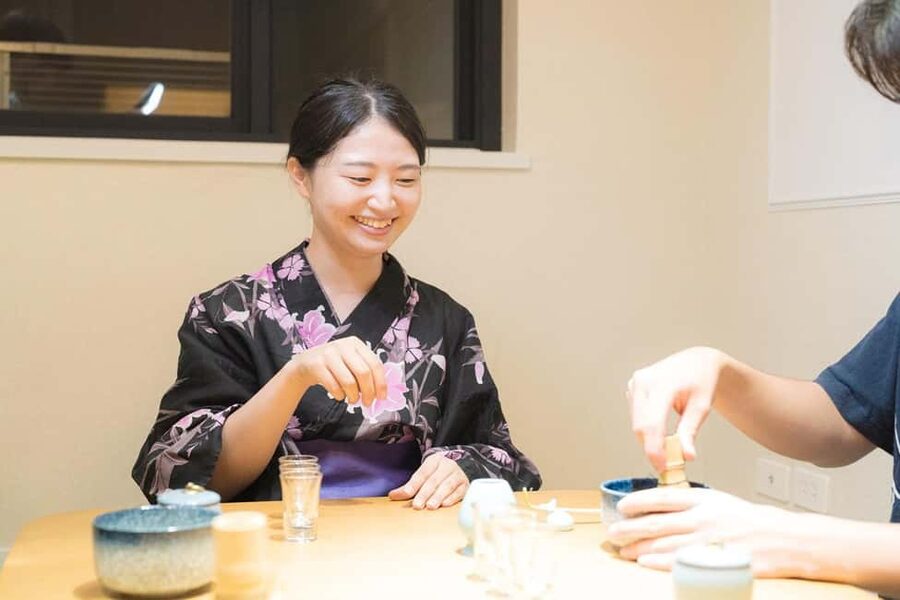
The best part of this Shibuya experience is that you do not simply watch a tea ceremony. You make your own matcha, with a teacher showing you the basic movements and manners one step at a time. It gives you something to do with your hands while explaining why the ceremony feels so calm and precise.
I like the chance to compare several Japanese teas, since it turns a pretty ritual into a real tasting lesson. I also like the small group limit of 10, which should leave room for questions and personal help. The main consideration is the short one-hour format: you get a friendly introduction, not a full study of every tea tradition in Japan.
In This Review
- Key points
- Making Matcha Instead of Just Watching
- Tasting Tea With a Traditional Sweet
- The Meaning Behind the Quiet Movements
- A Calm Hour in the Middle of Shibuya
- Why the Small Group Size Matters
- Is $30 a Fair Price?
- Who Will Enjoy This Most?
- What This Experience Does Not Try to Be
- Booking Details That Matter
- Should You Book This Shibuya Tea Ceremony?
- FAQ
- How long does the tea ceremony experience last?
- How much does the activity cost?
- Where is the meeting point?
- Is the activity in Shibuya?
- Is the experience offered in English?
- How many people can join the group?
- Is the activity wheelchair accessible?
- What is included in the price?
- Do I prepare my own matcha?
- Can I cancel for a full refund?
Key points
- Hands-on matcha preparation: Follow clear guidance as you prepare your own bowl of matcha.
- Several teas and traditional sweets: Taste different Japanese teas and see how a small sweet changes each flavor.
- English-speaking local teacher: The lesson is offered in English, and Taku has been praised for his clear communication and careful preparation.
- Small group setting: With no more than 10 participants, the class should feel more personal than a large demonstration.
- Central Shibuya meeting point: Meet in front of the Okazaki Building, beside a vending machine.
- Simple one-hour cultural stop: It fits neatly into a day of sightseeing, shopping, or food in Shibuya.
Making Matcha Instead of Just Watching
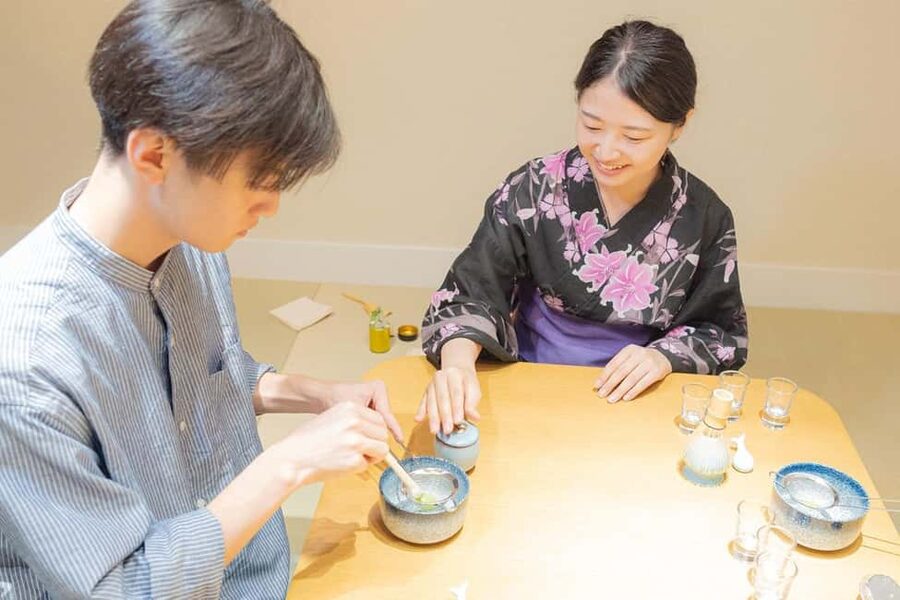
Many tea experiences put you on the outside of the ritual. You sit quietly, watch a host work, take a sip, and leave with a few photos. This activity gives you a more useful role. You learn the basic steps of preparing matcha yourself, with an instructor guiding your movements.
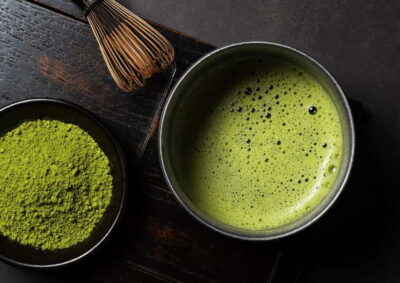
That hands-on approach matters. Matcha is not just powdered green tea stirred into hot water. The way it is handled, presented, and served is part of the experience. You begin to notice that the quiet pace is intentional, and that small gestures help create a feeling of care.
You can expect the teacher to explain the basic manners of serving tea while you work. The lesson is designed for first-time participants, so you do not need previous knowledge of Japanese tea customs. The tone is relaxed and welcoming rather than stiff or intimidating.
The class does not promise an advanced tea-school lesson, and one hour would not allow that anyway. What you get is a practical introduction that helps you understand the ceremony from the inside. For many people, that is more memorable than simply sitting through a formal display.
More tea rooms worth booking:
- Matcha Making Class in Tokyo with Authentic Japanese Sweets Set
★ 5.0 · 744 reviews - Tokyo: Traditional Tea Ceremony with a Tea Master
★ 5.0 · 528 reviews - Tokyo: Matcha Making Experience with Mochi Sweets in Asakusa
★ 4.9 · 388 reviews
Tasting Tea With a Traditional Sweet
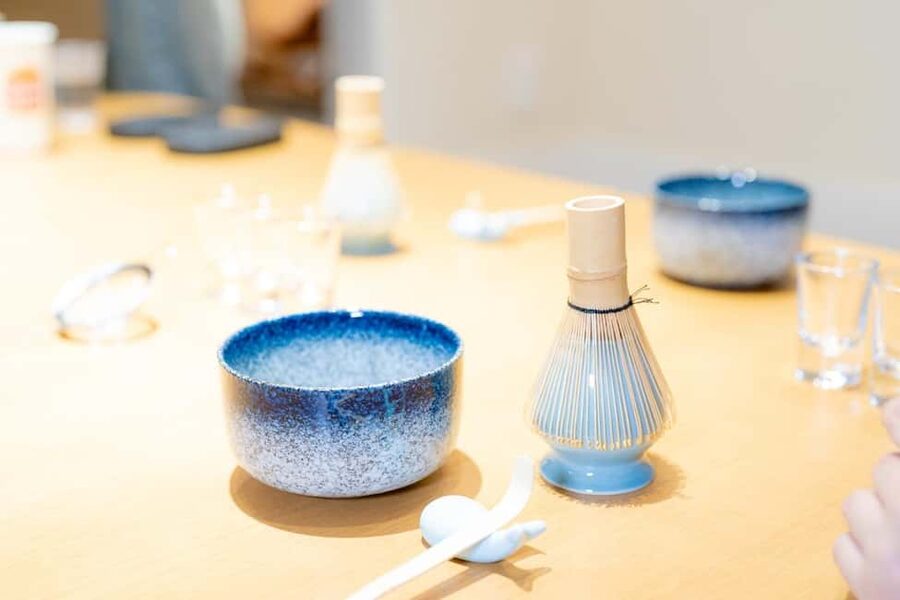
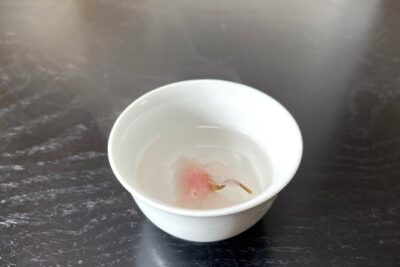
The tasting section adds welcome variety. You sample several carefully prepared Japanese teas, each paired with a small traditional sweet. The sweet is not just a snack on the side. It helps balance the tea and makes it easier to notice differences in taste and aroma.
I like this part because it gives you a clear way to compare what is in your cup. One tea may seem lighter, another more pronounced, and the presentation may change how you approach each serving. You do not need a trained palate. The teacher helps you focus on simple details such as flavor, smell, and appearance.
The sweet also gives the activity a sense of Japanese hospitality. Tea is served with thought, and the pairing shows that flavor is being considered as a whole. You are not rushing through a drink between major sights. You are being asked to slow down and pay attention.
The exact types of tea are not specified, so do not book this expecting a particular named variety. The appeal is the comparison itself. If you enjoy food tastings, small details, and learning through your senses, this part will likely be one of the strongest reasons to book.
The Meaning Behind the Quiet Movements
A tea ceremony can look simple from across the room. A bowl is cleaned, tea is whisked, and the cup is presented. Once the teacher explains the manners and purpose behind those actions, the ceremony becomes easier to read.
You learn that presentation and movement matter as much as the drink. The activity connects the preparation of tea with mindfulness, hospitality, and respect. Those ideas are introduced in a practical way, through the actions you are performing rather than through a long lecture.
The teacher also shares background about Japanese tea traditions and their place in culture. Since the guide speaks English, you can ask questions as they arise instead of trying to follow a translated explanation. This is especially useful if you are curious about why certain gestures are performed or how tea service differs from ordinary tea drinking.
Feedback about the teacher is especially strong. Taku has been described as friendly, well prepared, and highly fluent in English. If he leads your session, you can expect clear explanations and a host who is comfortable making the experience informative without making it formal or difficult.
A Calm Hour in the Middle of Shibuya
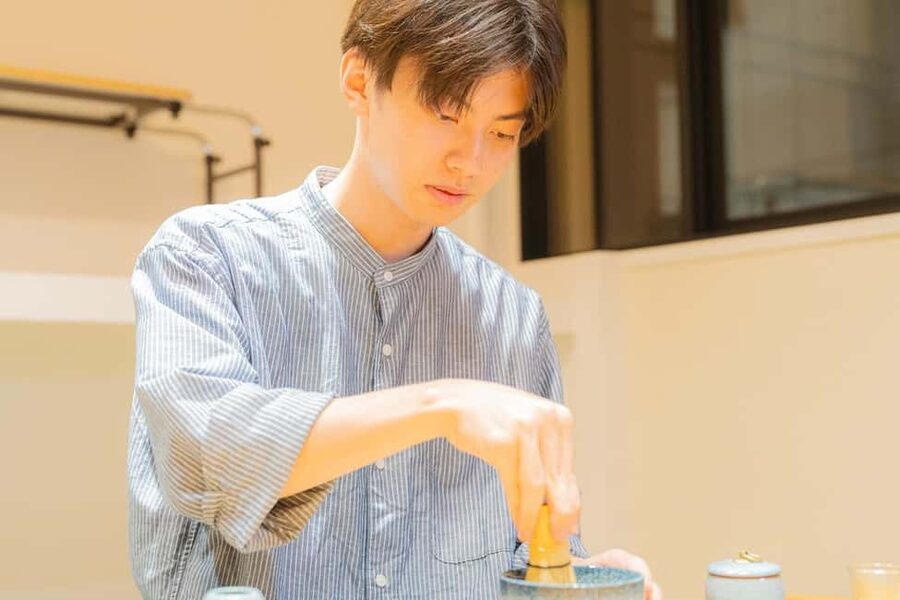
Shibuya is known for energy, shops, screens, and crowds. A quiet tea session offers a useful change of pace. You can spend an hour focusing on a bowl, a whisk, a sweet, and a few careful movements before returning to the city outside.
That contrast is part of the appeal. You do not need to give up a full morning or travel far from central Tokyo. The activity lasts one hour, so it can fit before lunch, between sightseeing plans, or during a slower afternoon in Shibuya.
The location is in Honshu, Japan, in the Shibuya area. The meeting point is in front of the Okazaki Building entrance, with a vending machine beside it. That detail is worth noting because the activity does not use a general landmark as its meeting point. Give yourself enough time to identify the building and look for the instructor outside.
No transportation is included or described, so you should plan your own way to the meeting point. The precise starting times depend on availability when you book. The short length makes this easy to combine with other plans, but it also means you should avoid scheduling something immediately afterward if you want time to find the building and settle in.
More Shibuya plans:
- Official Street Go-Kart in Shibuya
★ 5.0 · 3,435 reviews - Tokyo: Street Kart Experience in Shibuya
★ 4.9 · 1,484 reviews - Shibuya Meltdown Nightlife Tour: All-You-Can-Drink Bar Hopping
★ 5.0 · 1,058 reviews - Shibuya Official Street Go-Kart in Shibuya Annex
★ 5.0 · 972 reviews
Why the Small Group Size Matters
The group is limited to 10 participants. That is not a private lesson, but it is small enough to make a difference during a hands-on activity.
When you prepare matcha, you may need to see the teacher’s movements more than once. In a smaller group, it is easier to watch the demonstration and ask for help. You also get a better chance to hear the explanation about tea manners and history without competing with a large crowd.
The group format can be a good choice for solo visitors, couples, families, and friends who want a shared activity. You will still be learning with other people, so it may not suit someone seeking a completely private ceremony. For most first-time participants, the limited size provides a useful middle ground between a personal lesson and a public performance.
The relaxed tone is also important. The experience is intended for curious beginners, not only people already familiar with Japanese tea culture. You can ask basic questions without feeling out of place.
Is $30 a Fair Price?
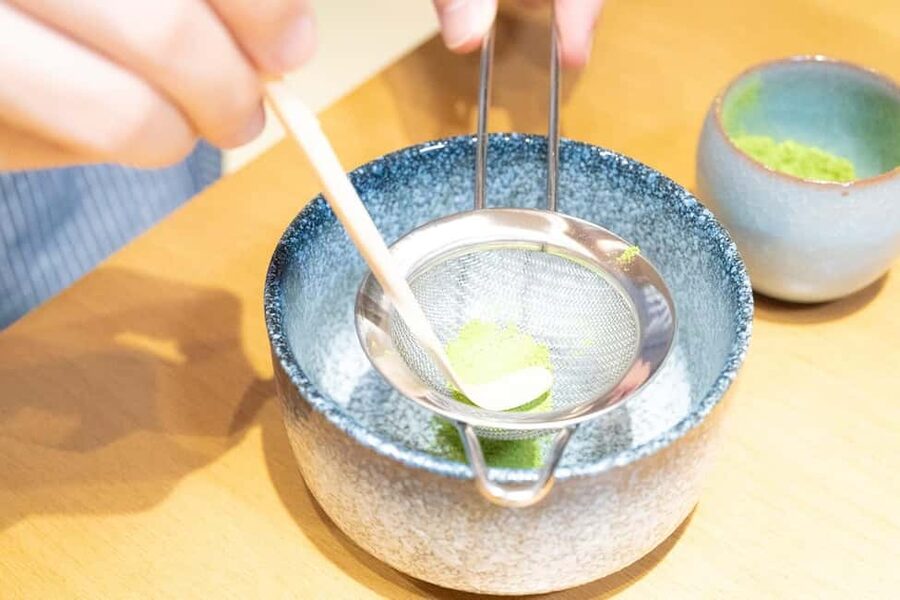
At $30 per person, this is reasonably priced for a one-hour cultural activity in Tokyo. The fee covers expert guidance, tea ceremony tools, several tea selections, a small sweet, and photos taken during the experience.
The value comes mainly from the instruction. You are not paying only for a drink. You are paying for a teacher to explain the customs, guide your preparation, provide several tastes for comparison, and create a setting where the details make sense.
The price is easiest to justify if you want an active cultural experience rather than another sightseeing stop. The class gives you a new skill to try, a chance to taste different teas, and a better understanding of Japanese hospitality. It is less compelling if you only want a quick cup of matcha or a formal ceremony with no participation.
The photos are a nice extra, particularly if you are traveling alone or want a record of the activity without having to ask someone else to take pictures. They are shared at the end of the experience. Since the session lasts only an hour, do not expect a long photo session or a large collection of images.
Who Will Enjoy This Most?
I would recommend this activity to first-time visitors who want a manageable introduction to Japanese culture. You get enough explanation to understand the ceremony, but not so much that the hour becomes a classroom lecture.
It also suits people who enjoy tasting experiences. The combination of tea, sweets, aroma, and presentation gives you more to notice than a standard cup of green tea. You may not leave able to identify every type of Japanese tea, but you should have a better sense of how tea is prepared and appreciated.
Families and mixed-age groups may also find it approachable, especially because the lesson includes an activity rather than silent observation. The provider states that the experience is wheelchair accessible, which may make it a practical choice for visitors who need an accessible option. You should still confirm any personal access needs when booking.
English speakers have a clear advantage here because the instruction is offered in English. If you need another language, this activity may not be the right fit, since English is the listed language.
What This Experience Does Not Try to Be
It helps to set expectations. This is not presented as a long, formal ceremony lasting several hours. It is not a specialist workshop for advanced tea students, and the available details do not promise a particular tea house style, historic building, or specific tea variety.
Instead, it is a compact introduction. You learn basic manners, prepare matcha, taste several teas, eat a small sweet, and hear about the customs from a local teacher.
That focus is a strength for a busy Tokyo schedule. You can learn something real without surrendering half a day. The tradeoff is that the cultural background can only go so far in 60 minutes. If you already know Japanese tea traditions well, you may find the lesson too basic.
For beginners, though, the limited scope keeps the experience friendly. You are not expected to memorize rules or perform perfectly. The point is to understand the care behind the ritual and enjoy the process.
Booking Details That Matter
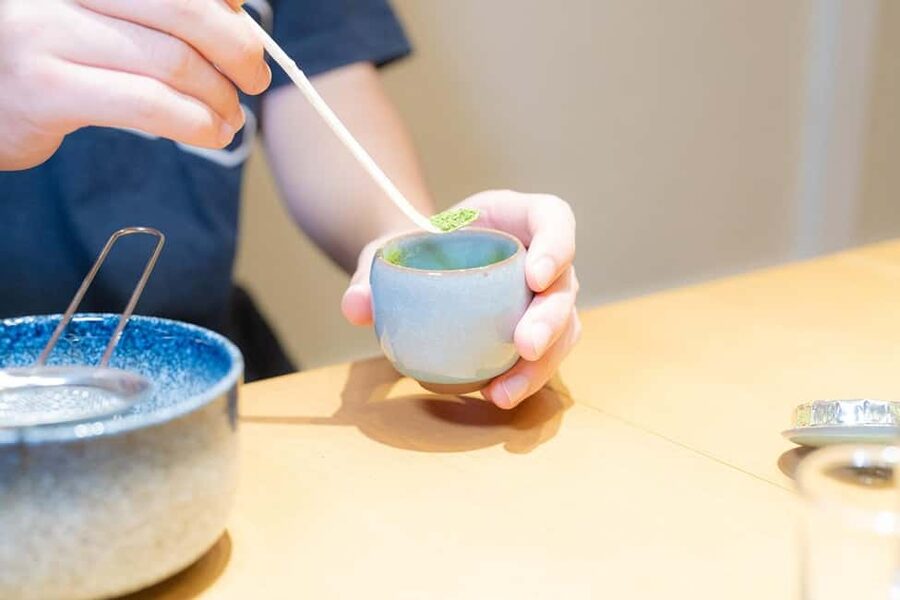
The activity costs $30 per person and lasts one hour. Group size is limited to 10, so popular starting times may be worth reserving ahead of time, especially if you are arranging several Shibuya activities around it.
You can reserve now and pay later, which helps if your Tokyo plans are still changing. Free cancellation is available up to 24 hours in advance for a full refund. That policy gives you some room to adjust a busy city schedule, but the 24-hour cutoff matters.
The instructor speaks English. Tea ceremony tools, tea selections, a small sweet, and photos are included. The meeting point is outside the Okazaki Building, next to a vending machine, so keep that detail handy rather than relying only on the general Shibuya location.
Should You Book This Shibuya Tea Ceremony?
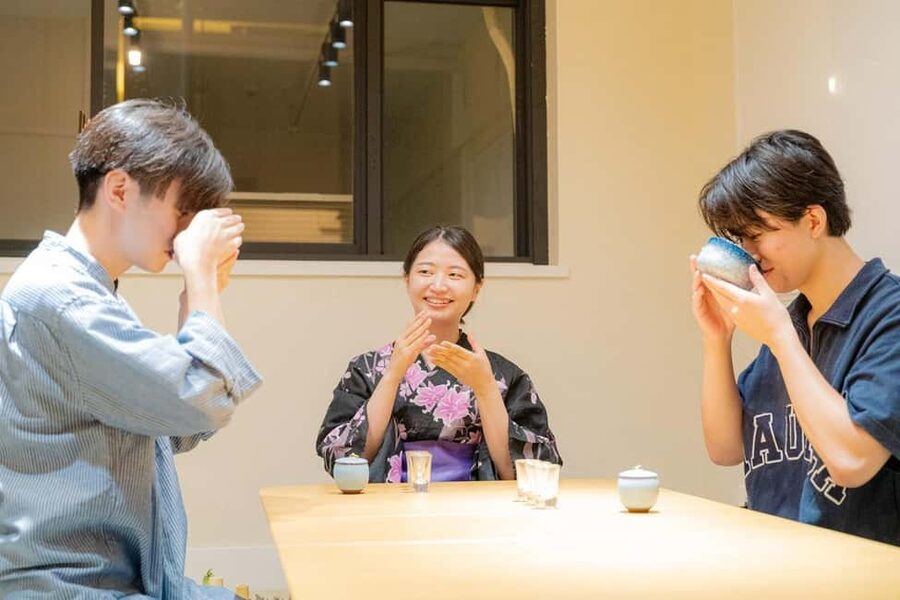
Book it if you want to take part in Japanese tea culture, not merely photograph it. The matcha preparation, tea comparison, traditional sweet, and clear English guidance offer good value in a compact format.
I would especially choose it for a first visit to Tokyo, a rainy-day plan, or a day when Shibuya feels too hectic and you want one quiet hour. Taku’s reported preparation and excellent English add confidence for anyone worried about language barriers.
Skip it if you want a long, highly formal ceremony or an advanced lesson focused on one particular tea tradition. For everyone else, this is a friendly, practical way to slow down, learn the basic manners, and leave Shibuya with more than another shopping bag.
FAQ
How long does the tea ceremony experience last?
The experience lasts one hour.
How much does the activity cost?
The price is $30 per person.
Where is the meeting point?
Meet the instructor in front of the Okazaki Building entrance. A vending machine is next to the entrance.
Is the activity in Shibuya?
Yes. The experience takes place in Shibuya, Tokyo, on Honshu in Japan.
Is the experience offered in English?
Yes. The instructor language is English.
How many people can join the group?
The group is limited to 10 participants.
Is the activity wheelchair accessible?
Yes. The activity is listed as wheelchair accessible.
What is included in the price?
The price includes one hour of guidance from a local teacher, tea ceremony tools, selected tea leaves, a small sweet snack, and photos taken during the experience.
Do I prepare my own matcha?
Yes. You receive step-by-step guidance while making your own matcha.
Can I cancel for a full refund?
Yes. You can cancel up to 24 hours in advance for a full refund.
New on our Tokyo list
- Sumi-e Experience in a relaxing green tea shop in Tokyo★ 5.0 · 3 reviews
- Tokyo : Kamikaze Street Drift Ride★ 5.0 · 3 reviews
- Private Zen Meditation in English in Shinjuku, Tokyo★ 5.0 · 3 reviews
- Onsen Spa in Tokyo and Asakusa Bar Hopping with Local Guide★ 5.0 · 3 reviews
- Easy for everyone! Now you can play handmade mini shamisen and show off to everyone! Musical instruments, sweets and live music★ 5.0 · 3 reviews
- Tokyo: Private Tsukiji Street Food & Sake with Local Guide★ 5.0 · 3 reviews
- Mt Fuji Exploration Tour with Free Japanese Kusa Mochi from Tokyo★ 4.5 · 3 reviews
- Tokyo Tsukiji Fish Market Walking and Exploring Hidden Gems Tour★ 5.0 · 3 reviews
Tea Ceremonies, compared.
Matcha Making Class in Tokyo with Authentic Japanese Sweets Set
Read our review →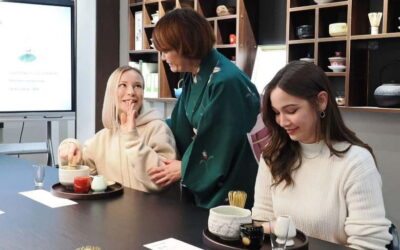
Matcha Making Experience with Mochi Sweets in Asakusa
Read our review →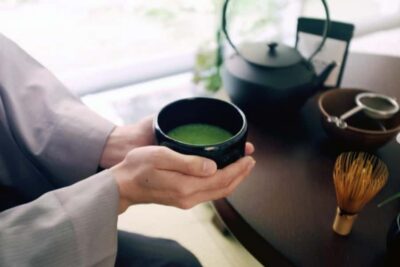
Tea Ceremony Workshop in Tokyo by the Experienced Instrucor
Read our review →

Make Traditional Nerikiri Sweets & Matcha experience in Shibuya
Read our review →Browse the lists this tour appears in