
Reviewed · TEMPLE & SHRINE TOURS
Tokyo Meiji Shrine & Harajuku: Walk Through Japanese Culture
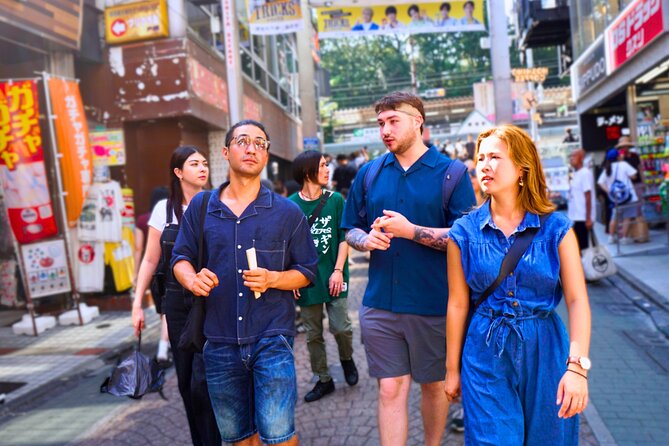
Tokyo can change character in one city block. On this two-hour walk, you move from the candy-colored shops of Takeshita Street to a broad torii gate and a quiet forest at Meiji Jingu. That sharp change is the heart of the experience.
I like the way the route links modern youth culture with Japan’s Shinto traditions instead of treating them as separate sights. I also like the small group size, capped at 10, since it gives you a better chance to ask questions. The main consideration is time: 15 minutes at each Harajuku and Omotesando stop is enough for an introduction, but not for a long shopping session.
The walk costs $39.02 per person and includes a mobile ticket. Guides such as Mika, Lakki, and Nicolas have been praised for clear explanations, warmth, and easy answers to questions. The sample of five posted ratings is small, but all are five-star ratings, so I would treat the feedback as encouraging rather than final proof.
In This Review
- Key Points to Know Before You Book
- Why This Route Works So Well
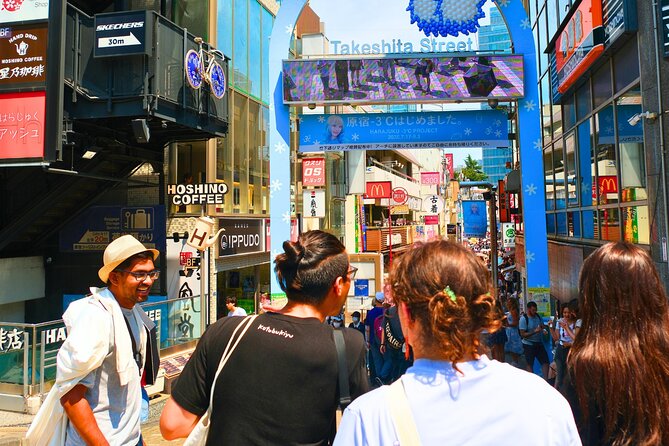
- Takeshita Street: Harajuku’s Fast-Paced Opening
- Tokyu Plaza: A Quick Look at Omotesando Style
- Omotesando Hills: Tokyo’s Stylish Main Avenue
- Meiji Jingu: From City Noise to Forest Quiet
- Shrine Customs: Purification, Prayer, and Omikuji
- What the Guides Add to the Experience
- Is $39.02 a Fair Price?
- Timing, Meeting Point, and Walking Needs
- Who Should Book This Walk?
- Final Verdict: A Strong First Look at Two Tokyos
- FAQ
- How long does the Tokyo Meiji Shrine and Harajuku tour last?
- How much does the tour cost?
- What places does the tour visit?
- Where does the tour meet?
- Where does the tour end?
- How many people can join the tour?
- Is the ticket available on a phone?
- Does the tour include shrine customs?
- Can I cancel for a full refund?
Key Points to Know Before You Book
- Two sides of Tokyo in one route: Start among Harajuku fashion, sweets, and youth style, then enter the calm grounds of Meiji Jingu.
- A small group capped at 10: This is a more personal setup than a large bus tour, with room for questions.
- Useful cultural guidance: Learn how to purify at the shrine, offer prayers, and use omikuji fortune slips.
- Strong guide feedback: Mika, Lakki, and Nicolas are named as guides who made the history easier to understand.
- A short, focused outing: The walk lasts about two hours and returns to the original meeting point.
- Good value for first-time visitors: At $39.02, you pay for interpretation and structure, not just entry to free sights.
Why This Route Works So Well
Many Tokyo sightseeing walks gather a few famous places and hurry between them. This one has a clearer idea. It uses the contrast between Harajuku and Meiji Shrine to explain how modern Japan and older customs sit side by side.
You begin near UNIQLO Harajuku, at the listed meeting point in Jingumae. From there, the route passes through Takeshita Street, Tokyu Plaza Omotesando Harajuku, and Omotesando Hills before reaching Meiji Jingu Shrine. The order matters. You first see the city at its most playful and commercial, then watch it grow more polished, formal, and quiet.
The tour also gives you a guide to meaning. Without context, a torii can look like a striking gate and a shrine water basin can look like a decorative feature. A good guide explains what you are seeing and what to do, so you can take part with care rather than simply take photographs.
More temples and shrines near Tokyo:
- Tokyo: Meiji Shrine, Asakusa, Skytree Bus Tour and Cruise
★ 4.7 · 1,986 reviews - Tokyo: Asakusa Walking Tour with Sensoji Temple Visit
★ 4.8 · 1,583 reviews - Nikko: Kegon Falls, Lake Chuzenji & Toshogu Temple
★ 4.6 · 1,577 reviews
Takeshita Street: Harajuku’s Fast-Paced Opening
Takeshita Street is the liveliest section of the route. It is a pedestrian street tied to Tokyo’s youth culture, with colorful clothing, unusual shops, and sweet treats. The tour allows about 15 minutes here, which is enough to get a feel for the street and hear why Harajuku became such an important style center.
I like this stop because it gives you an immediate sense of place. Harajuku is not presented as a generic shopping area. Its pop fashion, playful food, and changing styles are part of the story of modern Tokyo.
Do not expect time for serious shopping. Fifteen minutes goes quickly, especially if the street is crowded or you stop for photographs. If you want to browse every shop or buy a treat, plan to return after the walk.
The guide’s role here is especially useful. The tour description connects Harajuku fashion with international attention, including the influence it had on figures such as Lady Gaga. That detail helps explain why this small street matters beyond Tokyo. It became a source of ideas for global pop culture.
Tokyu Plaza: A Quick Look at Omotesando Style
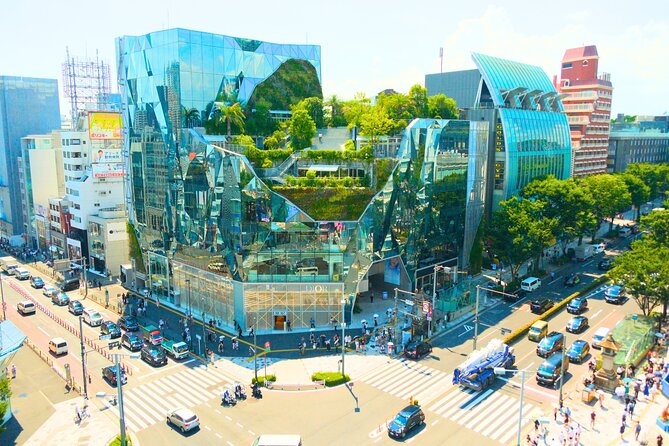
The next stop is Tokyu Plaza Omotesando Harajuku. The mirrored entrance has a kaleidoscope effect and is designed for photographs. You then head to the rooftop terrace for a view over Omotesando.
This is a short stop, again about 15 minutes, but it changes the visual mood. Takeshita Street is tight, colorful, and youthful. Tokyu Plaza presents a more polished version of the neighborhood, with bold design and a cleaner architectural setting.
The rooftop view adds useful scale. From above, you can better understand Omotesando as a major avenue rather than just a collection of fashionable buildings. It is also a good moment to pause before the walking continues.
The limitation is simple: this is a photo and orientation stop, not a full architecture tour. If you are interested in retail design, you may want more time on your own. For a two-hour cultural walk, though, the stop earns its place.
Omotesando Hills: Tokyo’s Stylish Main Avenue
The route continues along Omotesando Hills and the tree-lined avenue known as Tokyo’s Champs-Élysées. The comparison points to the area’s broad, formal feel and its international style.
This part of the walk helps connect Harajuku’s youth culture to a more polished side of Tokyo. You see how fashion, design, shopping, and city planning change as you move only a short distance. That contrast makes the later entrance into Meiji Shrine more striking.
I would not book this tour for a detailed shopping itinerary. The route gives you an introduction to Omotesando, not an item-by-item guide to its stores. Its value is in showing how the district fits into the larger cultural picture.
The guide can also explain the difference between simply walking through a fashionable area and understanding why it developed that way. That kind of background was a repeated strength in the feedback, with particular praise for Lakki’s explanations and willingness to answer questions.
More Harajuku wanders:
- Tokyo Go-Kart Tour Shibuya-Harajuku-Shinjuku (*IDP Required)
★ 5.0 · 217 reviews - Tokyo: Guided Go Kart Tour from Harajuku to Shibuya Crossing
★ 4.5 · 166 reviews - Shibuya & Harajuku: Hidden Gems & Highlights Private Tour
★ 4.7 · 139 reviews - Harajuku Kawaii Fashion and Pop-Culture Tour
★ 5.0 · 94 reviews
Meiji Jingu: From City Noise to Forest Quiet
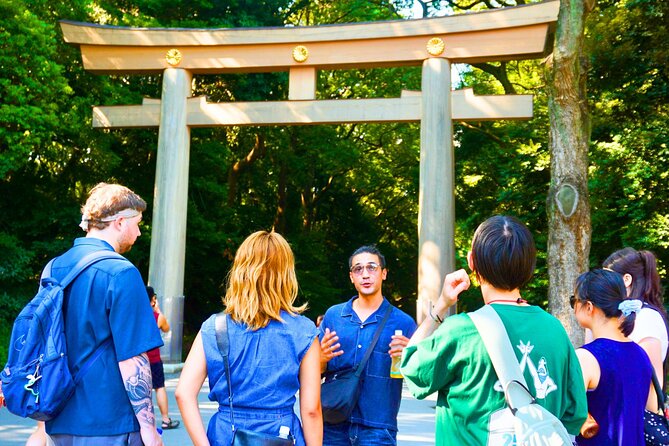
The most powerful transition comes when you pass beneath the large torii gate at Meiji Jingu Shrine. The city does not vanish, of course, but the mood changes quickly. The route enters a forested setting where the pace feels slower and the focus turns to Shinto belief and the Meiji era.
The walk through the grounds lasts about 15 minutes before the more hands-on shrine portion. That may sound brief, but it is long enough to introduce the setting and explain why the shrine feels so different from the streets you have just left.
The guides are at their most useful here. A shrine visit can be confusing if you are unsure about customs or the meaning of what you see. The tour explains the connection between the shrine, Shinto traditions, and Emperor Meiji.
The story of Emperor Meiji also gives the walk a wider historical frame. The tour raises the idea that Japan’s opening and political change under the emperor affected how the country connected with the outside world. You are not just looking at a sacred site. You are hearing why this period mattered to Japan’s place in the modern world.
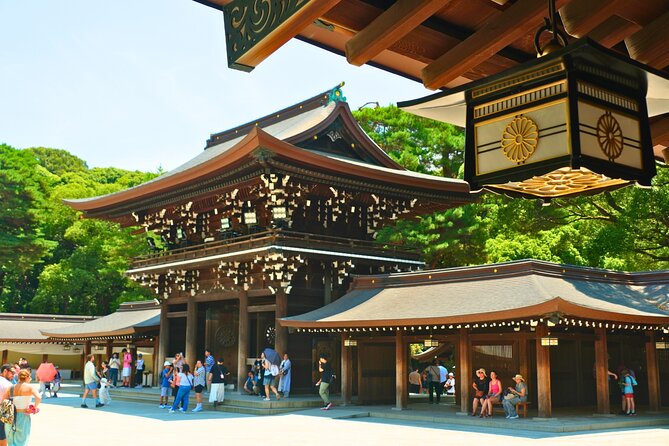
One practical point: Meiji Shrine is a working religious site, not only a sightseeing attraction. A guide can help you behave respectfully and understand that the rituals are more than staged demonstrations. That is a major reason to pay for this walk when the sights themselves have no separate admission charge.
Shrine Customs: Purification, Prayer, and Omikuji
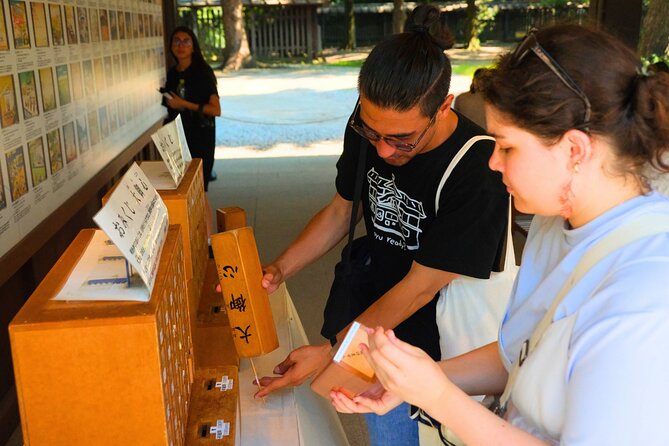
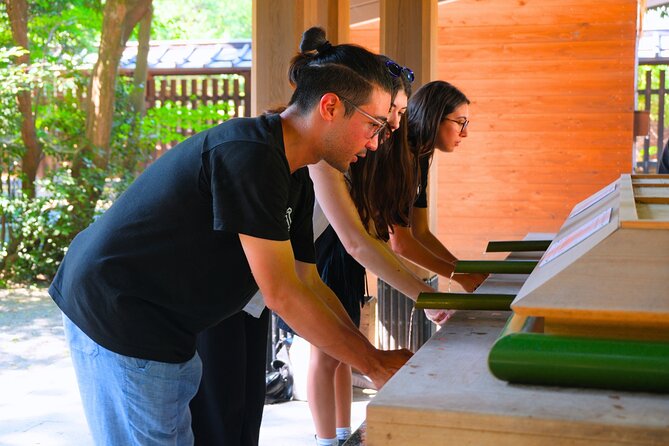
The longest part of the tour is about an hour at Meiji Shrine’s Imperial Garden and surrounding sacred spaces. Here you learn how to purify with water, offer a prayer, and try omikuji, or fortune slips.
These actions are easy to copy and easy to misunderstand. The guide’s explanation gives each step a purpose. You learn why purification comes before prayer and how the fortune slips fit into Japanese religious practice.
This is the part I value most for a first visit. You leave with something you can use at another shrine, rather than a memory made only of photographs. The experience also gives you a respectful way to take part without pretending to be an expert.
Omikuji adds a lighter touch. It offers a personal moment after the historical explanation, though the important point is learning what the practice means. You should think of it as a cultural activity within the shrine visit, not a guarantee about your future.
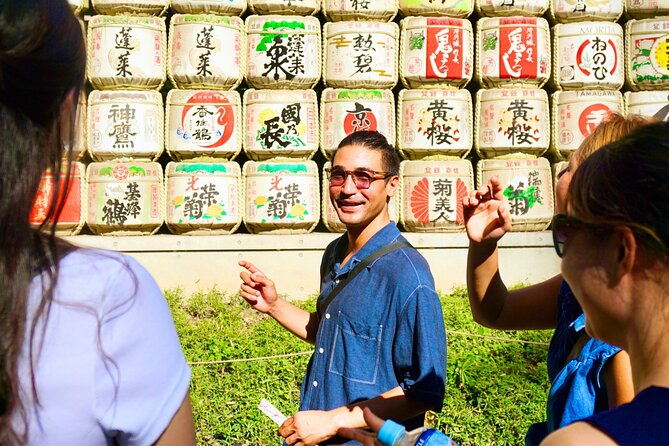
The route ends along a path lined with sake barrels and returns to the original meeting point. Those barrels make a memorable final image and bring the tour back to the visual details of Meiji Shrine after the more active ritual segment.
What the Guides Add to the Experience
A walking route like this depends heavily on the person leading it. The named guides include Mika, Lakki, and Nicolas, and the feedback gives each of them a clear strength.
Mika is described as kind and caring, with a helpful approach to the shrine visit. Lakki is praised for explaining the significance of what you see, something that can be difficult to grasp without guidance. Nicolas is described as quick and comfortable with questions.
That matters because the tour covers several subjects in a short time: Harajuku fashion, Omotesando architecture, Shinto customs, and the Meiji era. A guide who only recites dates would make the route feel scattered. The strongest comments point instead to lively explanations and useful answers.
You should still remember that guides can vary. The booking information names several people rather than promising one specific guide, so you cannot assume that Mika, Lakki, or Nicolas will lead your departure. The consistent theme is the guide’s role, not a guarantee of a particular person.
Is $39.02 a Fair Price?
At $39.02 per person, this is a reasonable price for a two-hour small-group walk in central Tokyo. The attractions themselves are free, so you are paying for the route, the guide, the cultural explanations, and the structure.
That distinction matters. If you are comfortable researching shrine customs and finding the sights on your own, you can visit the area without buying a tour. You can also spend longer at each place independently.
The tour becomes better value if you want a clear introduction on your first day in Tokyo. You get several connected neighborhoods, an explanation of what you are seeing, and help with shrine etiquette. The small group, limited to 10 people, also makes the cost easier to justify than a large crowd experience.
The five posted five-star ratings are a positive sign, but the sample is limited. I would book for the route and the practical cultural guidance rather than rely on the rating alone.
Timing, Meeting Point, and Walking Needs
The advertised duration is about two hours, and the meeting point is at UNIQLO Harajuku in Jingumae. The activity ends back at that same meeting point, which makes onward planning simpler.
The route is near public transportation, so reaching the start should be manageable. A mobile ticket is provided, and booking confirmation arrives at the time of booking.
Most people can take part, but this is still a walking tour through several city areas and shrine grounds. Wear shoes you can walk in and keep your schedule open around the two-hour estimate. The short time at each early stop means the guide will keep the group moving.
If you want a slow photographic outing, this may feel brisk. If you want a compact introduction to Harajuku and Meiji Shrine, the pace is useful.
Who Should Book This Walk?
I would recommend this tour to first-time visitors who want Tokyo explained, not just photographed. It is also a good choice for solo visitors, couples, and families who prefer a small group and a guide who can answer questions.
It suits you especially well if you are curious about:
- The connection between Emperor Meiji and modern Japan
- Shinto customs at a major shrine
- Harajuku fashion and youth culture
- The contrast between Takeshita Street and Meiji Jingu
- Omotesando’s design and international style
Families may like the variety. Children can respond to the mirrored entrance, colorful shops, sweets, and fortune slips, while adults get the historical and religious context.
You may want to skip it if your priority is shopping. The tour only gives you short stops on Takeshita Street and Omotesando, so it cannot replace an afternoon spent browsing.
The same applies if you prefer to explore at your own pace. The route is fixed, and the group must move together. For a guided first look, that structure helps. For repeat visitors with a detailed personal plan, it may feel restrictive.
Final Verdict: A Strong First Look at Two Tokyos
I would book this walk if you want one compact experience that shows both modern and traditional Tokyo. Its best feature is not any single stop. It is the sudden shift from Harajuku’s noisy style culture to the calm approach to Meiji Shrine.
The guide makes that shift meaningful. You learn how to approach the shrine, why the Meiji era matters, and how Harajuku’s fashion culture gained international influence. The small group and $39.02 price also make it a sensible introduction for a first visit.
The main tradeoff is limited time. You will sample Takeshita Street, Tokyu Plaza, and Omotesando rather than explore them fully. Book it for context, contrast, and a respectful shrine visit. Then return to Harajuku later if you want more shopping, food, or photographs.
FAQ
How long does the Tokyo Meiji Shrine and Harajuku tour last?
The tour lasts approximately two hours.
How much does the tour cost?
The listed price is $39.02 per person.
What places does the tour visit?
The route includes Takeshita Street, Tokyu Plaza Omotesando Harajuku, Omotesando Hills, Meiji Jingu Shrine, and the Meiji Shrine Imperial Garden.
Where does the tour meet?
The meeting point is at UNIQLO Harajuku in Jingumae, Tokyo.
Where does the tour end?
The activity ends back at the original meeting point.
How many people can join the tour?
The maximum group size is 10 people.
Is the ticket available on a phone?
Yes. The experience includes a mobile ticket.
Does the tour include shrine customs?
Yes. You learn about purification with water, offering prayers, and using omikuji fortune slips.
Can I cancel for a full refund?
Yes, if you cancel at least 24 hours before the experience start time. Cancellations or changes made less than 24 hours in advance are not accepted for a refund.
More Walking Tours in Tokyo
- Tokyo Tsukiji Fish Market Food and Culture Walking Tour
★ 5.0 · 3,184 reviews - Tokyo: Imperial Palace and Shogun Historical Walking Tour
★ 5.0 · 2,251 reviews - Tokyo: Shinjuku Local Bar and Izakaya Guided Walking Tour
★ 4.9 · 1,794 reviews - Tokyo: Tsukiji Fish Market Food and Walking tour
★ 5.0 · 1,724 reviews
New on our Tokyo list
- Sumi-e Experience in a relaxing green tea shop in Tokyo★ 5.0 · 3 reviews
- Tokyo : Kamikaze Street Drift Ride★ 5.0 · 3 reviews
- Private Zen Meditation in English in Shinjuku, Tokyo★ 5.0 · 3 reviews
- Onsen Spa in Tokyo and Asakusa Bar Hopping with Local Guide★ 5.0 · 3 reviews
- Easy for everyone! Now you can play handmade mini shamisen and show off to everyone! Musical instruments, sweets and live music★ 5.0 · 3 reviews
- Tokyo: Private Tsukiji Street Food & Sake with Local Guide★ 5.0 · 3 reviews
- Mt Fuji Exploration Tour with Free Japanese Kusa Mochi from Tokyo★ 4.5 · 3 reviews
- Tokyo Tsukiji Fish Market Walking and Exploring Hidden Gems Tour★ 5.0 · 3 reviews
Temple & Shrine Tours, compared.
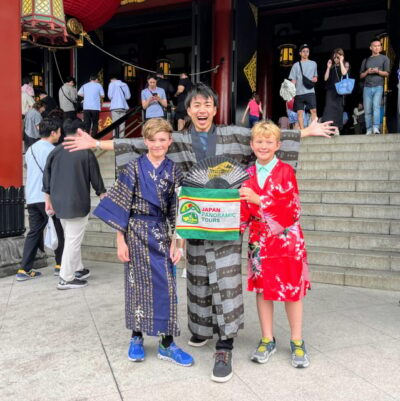
Meiji Shrine, Asakusa, Skytree Bus Tour and Cruise
Read our review →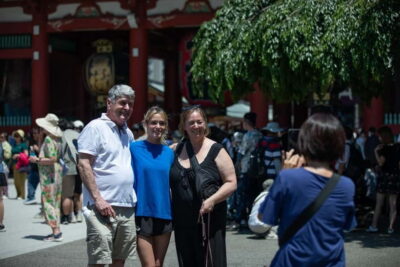
Asakusa Walking Tour with Sensoji Temple Visit
Read our review →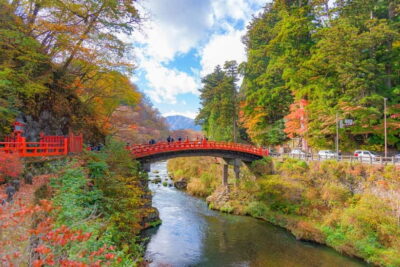
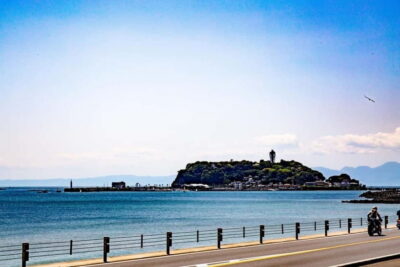
Kamakura & Enoshima Day Trip including Temple Tickets
Read our review →
Nikko Toshogu Shrine and Kegon Waterfall Tour
Read our review →
Tokyo Panoramic 1 Day: Meiji Shrine, Asakusa, Odaiba and SKYTREE®
Read our review →
Mt. Fuji Heritage Tour: Traditional Villages, Lakes & Shrine
Read our review →Browse the lists this tour appears in