Reviewed · MORNING
Tokyo: Morning Sightseeing Bus Tour
Tokyo can feel impossible to grasp in one morning, but this 210-minute coach tour gives you a useful first look at the city. You’ll move from Meiji Shrine’s forest to the Imperial Palace and then into old Asakusa, with an English-speaking guide connecting the dots along the way. I like the efficient route and the chance to finish in Asakusa, where you can keep exploring.
I also like the Uji matcha experience, which adds a real taste of Japanese tradition rather than another quick photo stop. Guides such as Aoi, Angela, and Taka have been singled out for clear English, humor, and warm personalities. The tradeoff is time: heavy traffic can shorten visits, and several stops are brief.
In This Review
- Key points at a glance
- Why this morning tour works for a first look at Tokyo
- Starting near Shinjuku or Ginza
- Meiji Shrine and the quiet inside the city
- Harajuku, Omotesando, and the National Diet Building
- Imperial Palace, with a choice of viewing areas
- Akihabara, Ueno, and Kappa-Bashi from the coach
- Asakusa, Nakamise Avenue, and Senso-ji
- The Uji matcha stop
- Guide language and audio support
- What $90 buys you
- Practical details before you book
- Who should book this Tokyo morning?
- Should you book it?
- FAQ
- How long does the Tokyo morning sightseeing tour last?
- Where does the tour start?
- What time does the tour start?
- Where does the tour finish?
- Is lunch included?
- Is matcha included?
- What languages are available?
- Does the coach have Wi-Fi?
- Can the itinerary change?
Key points at a glance
- A smart first morning in Tokyo: Cover Meiji Shrine, the Imperial Palace area, Akihabara, Ueno, Kappa-Bashi, Harajuku, and Asakusa without piecing together several train rides.
- A meaningful shrine visit: Learn how to approach and worship at a Shinto shrine at Meiji Jingu.
- Matcha with a choice: Enjoy Uji matcha, or choose matcha gelato or matcha beer where available.
- An especially useful finish: The tour ends at Senso-ji in Asakusa, leaving you free to shop, eat, and explore afterward.
- Comfort between stops: The air-conditioned coach includes Wi-Fi, regular ventilation, antibacterial coating, and multilingual audio support.
- The main caution: Tokyo traffic may make the sightseeing stops feel rushed, so wear comfortable shoes and keep your expectations realistic.
Why this morning tour works for a first look at Tokyo
At $90 per person, this is not the cheapest way to move around Tokyo. It can still be good value if you have limited time, are visiting for the first time, or want a guide to explain customs and landmarks while someone else handles the route.
The coach links several parts of the city that feel quite different from one another. You begin near central Tokyo, pass through modern commercial districts, pause at the Imperial Palace, and finish among temples and traditional shopping streets in Asakusa. That contrast is the real point of the morning.
You should think of this as an orientation tour, not a slow architectural walk. You’ll see many places from the bus, then have time to visit the main sites at Meiji Shrine, the Imperial Palace area, and Asakusa. If you want long museum visits or quiet time at every stop, you’ll need a separate day.
The published rating is 4.4 from 109 bookings, and the most consistent strength is the guiding. Aoi has been praised for excellent English and clear explanations, while Angela is remembered for being funny and helpful. Taka and other guides have also been noted for keeping the ride interesting. Guide quality can vary by departure, but the live English commentary is a central part of the experience.
A few more Tokyo bookings worth comparing
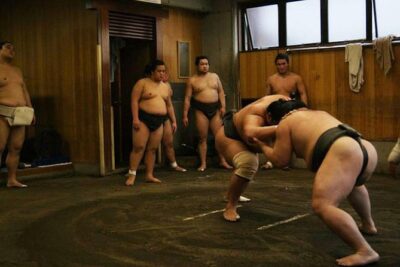
- Tokyo: Sumo Morning Practice Viewing Tour
★ 4.8 · 570 reviews - Tokyo: Sumo Morning Training Visit
★ 4.4 · 370 reviews - Tokyo: Sumo Morning Practice Tour at Sumida City
★ 4.8 · 308 reviews
Starting near Shinjuku or Ginza
The tour is scheduled to begin at 8 a.m. from central Tokyo, with the Shinjuku meeting point listed at the Robert Indiana Love sculpture. A Ginza pickup option is also available, and the exact meeting point depends on the option you book.
This detail matters in Tokyo. Shinjuku and Ginza are not next door to one another, so check your confirmation carefully rather than relying on the general tour name. Arrive early, especially if you are unfamiliar with the station areas.
Once aboard, you’ll ride past Kabukicho, the neon-lit entertainment district known for Japanese pub hopping. The coach is air-conditioned, and Wi-Fi is available. That makes the first part of the morning easier than navigating crowded train platforms with a map in one hand and a phone in the other.
The bus also lets you see parts of Tokyo you might otherwise pass underground. The guide can point out districts and buildings as you move between stops, though one past booking found the commentary during the bus portions lighter than expected. If the guide pauses, the multilingual audio system can fill in some of the background.
Meiji Shrine and the quiet inside the city
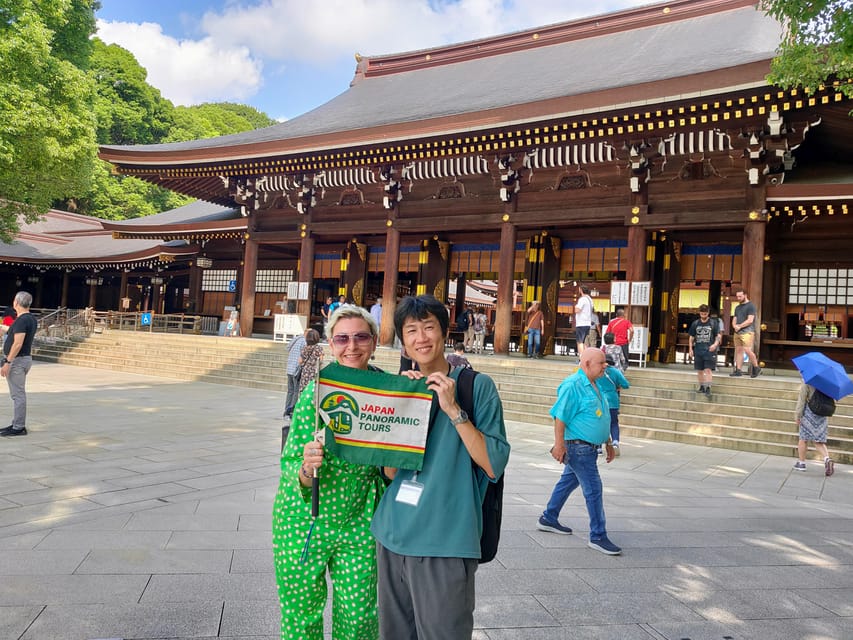
Meiji Jingu is the first major visit. Built in 1921 for Emperor Meiji and Empress Shoken, the Shinto shrine sits within a large wooded area. The change from Tokyo streets to shaded paths is striking, even though the city is close by.
This is the tour’s best place to learn how a shrine visit works. Your guide can show you the traditional approach, including the respectful way to enter the shrine grounds and worship. Pay attention to these instructions. They turn a quick photo stop into a more thoughtful cultural visit.
You’ll want shoes that can handle walking on paths and standing during explanations. The visit is not a long hike, but comfortable footwear is specifically recommended, and the morning includes several more walking sections.
Meiji Shrine is also a place where you should slow down for a breath or two. The forest gives the stop a calm feeling that is hard to find in central Tokyo. The drawback is that the tour schedule may not allow much quiet time once the guide has finished speaking.
Harajuku, Omotesando, and the National Diet Building
After Meiji Shrine, the coach passes Takeshita Avenue, the colorful center of Harajuku pop culture. The route continues toward Omotesando, a major shopping district known for its polished storefronts and broad avenue.
These are passing views rather than full shopping visits. That is useful if you want to recognize Tokyo’s youth culture and upscale shopping areas, but not if Harajuku is high on your personal list. You’ll need to return independently for a proper look at Takeshita Avenue.
The bus also passes the National Diet Building, Japan’s parliament. Its symmetrical design dates from 1936, and it gives the ride a quick architectural and political reference point. This is a good example of what the tour does well: it introduces places you can revisit later, without pretending you have fully seen them from a coach window.
Same corner of Tokyo, a completely different plan:
- Mt Fuji and Hakone 1-Day Bus Tour Return by Bullet Train
★ 5.0 · 26,383 reviews - 1-Day Tokyo Bus Tour
★ 5.0 · 14,250 reviews - Tokyo: TOKYO SKYTREE® Admission ticket
★ 4.5 · 11,192 reviews - Tokyo: teamLab Planets TOKYO Digital Art Museum Entry Ticket
★ 4.6 · 9,779 reviews
Imperial Palace, with a choice of viewing areas
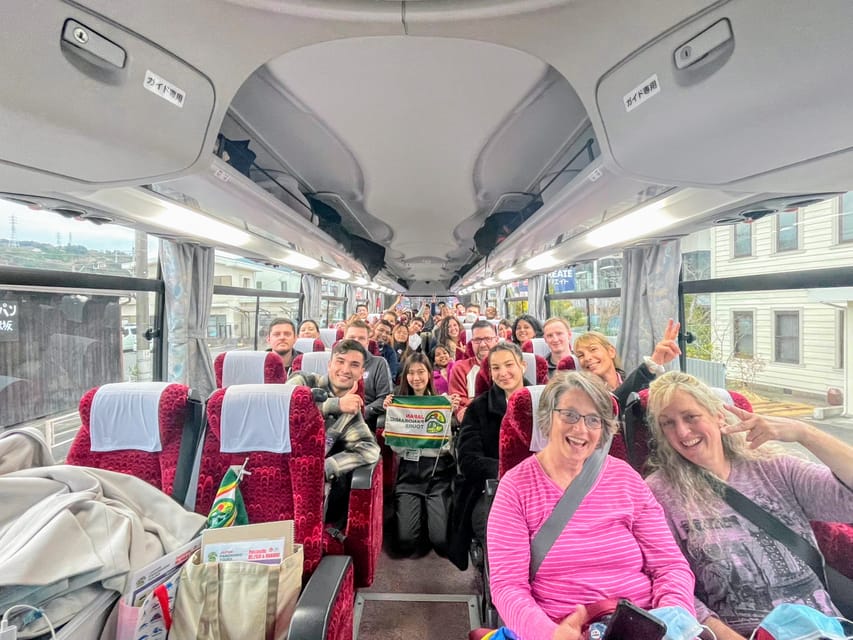
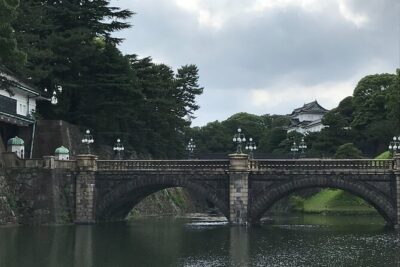
The Imperial Palace area is the next important stop. The site occupies the grounds of Edo Castle, while the current Imperial family residence is also here. You’ll generally visit either the East Garden, with its traditional Japanese garden setting, or Niju-bashi Bridge in the Outer Garden.
The choice matters because these are different experiences. The East Garden gives you greenery and traces of the old castle grounds. Niju-bashi offers a classic palace-area view and a chance to photograph one of the best-known structures associated with the grounds.
The tour describes this as a photo stop, so keep your expectations modest. You are not getting a full palace tour or an extended walk through every garden area. Still, the stop provides useful context about Tokyo’s transformation from Edo Castle’s seat of power to the modern Imperial Palace.
Traffic and operating conditions can change the order or length of this visit. If one area is closed, the operator may use an alternative stop. That flexibility helps the schedule, but it also means your exact morning may not follow the printed sequence.
Akihabara, Ueno, and Kappa-Bashi from the coach
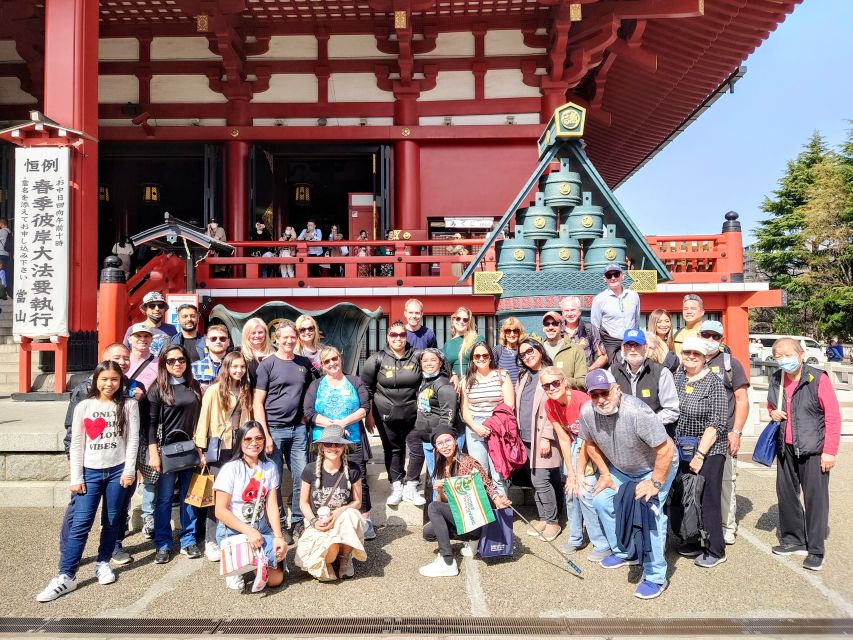
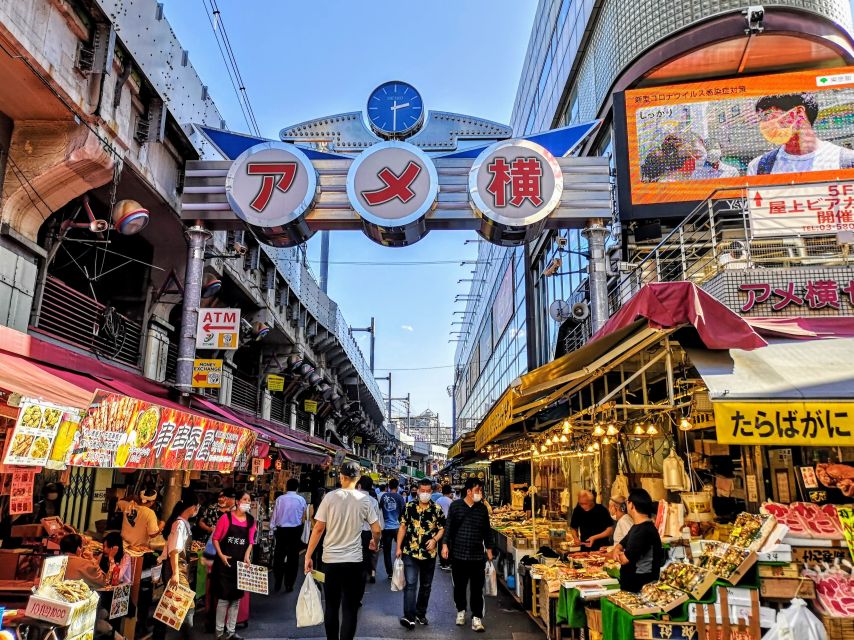
From the Imperial Palace, the coach passes through Akihabara, Tokyo’s famous center of anime, manga, electronics, and otaku culture. You’ll also pass Ueno, known for Japan’s oldest park, and Kappa-Bashi market street.
Kappa-Bashi is a particularly fun detail. Its shops sell Japanese dishes, kitchen knives, cooking tools, and remarkably lifelike plastic food replicas. The bus view gives you a taste of why the street is worth a return visit, especially if you enjoy cooking, Japanese tableware, or unusual souvenirs.
Again, these are mainly drive-by sights. You should not expect time to browse Akihabara shops or buy a chef’s knife in Kappa-Bashi during this morning. The value is in seeing how many different sides of Tokyo fit within a short route.
This portion also shows the tour’s main weakness. Tokyo traffic can be heavy, and time spent crossing the city reduces time on foot. One booking described the sightseeing points as rushed because of traffic. That is a fair warning, particularly for visitors who prefer a relaxed pace.
Asakusa, Nakamise Avenue, and Senso-ji
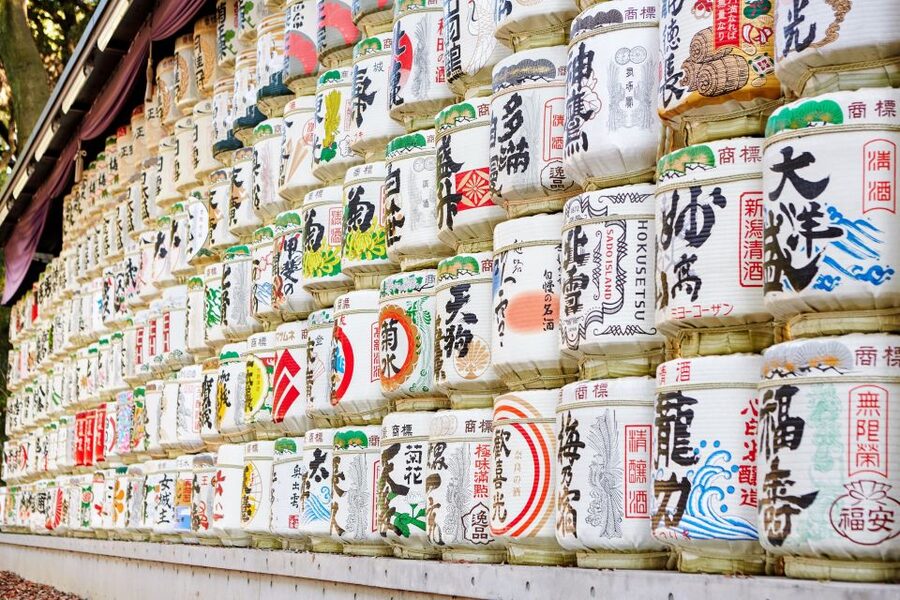
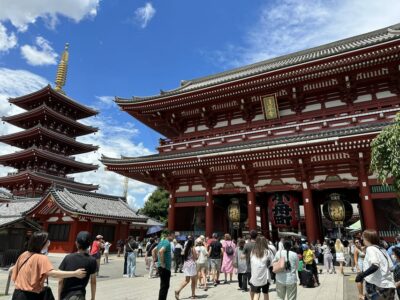
Asakusa is where the tour becomes more hands-on. You’ll have time to walk along Nakamise Avenue, the traditional shopping street leading toward Senso-ji. This is the place for small gifts, snacks, and photos, though the schedule still may not allow a long shopping session before the main activity.
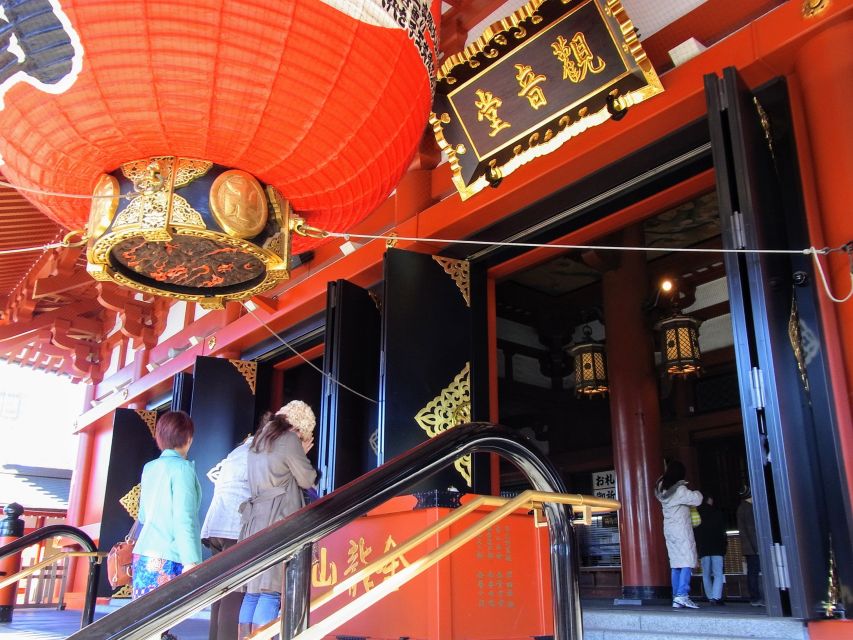
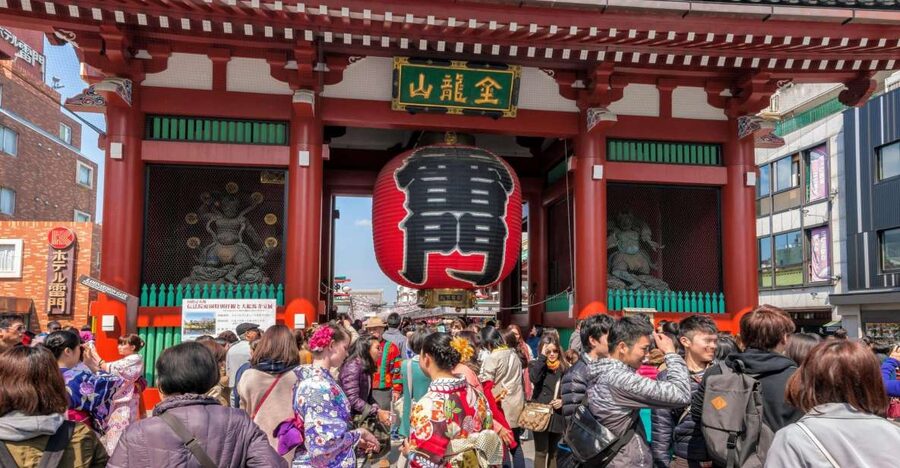
Do not miss Kaminarimon Gate, marked by its enormous red lantern. It is one of Tokyo’s most recognizable photo spots and the natural entrance to the Senso-ji area.
The tour ends near Senso-ji, Tokyo’s best-known Buddhist temple, and this is a strong practical feature. You are not dropped at an anonymous bus terminal after the sightseeing ends. Instead, you can continue through Asakusa at your own pace, find lunch, visit more of the temple precinct, or explore the shopping streets.
Lunch is not included, so plan to eat after the tour. Since there is no extra drop-off service, Asakusa becomes your base for the rest of the day. That suits anyone who already wants to visit this district. It is less convenient if you need to return to your hotel immediately.
The Uji matcha stop
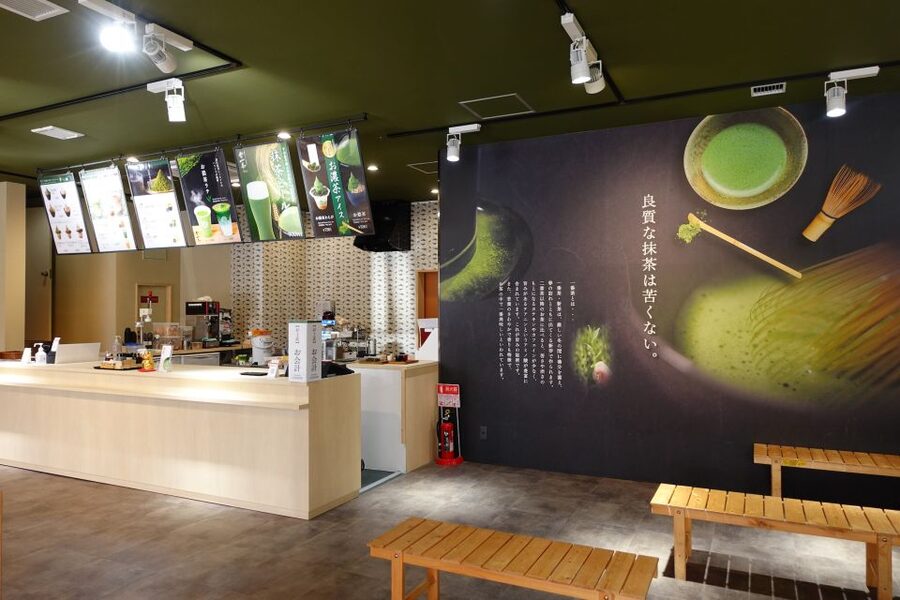
The matcha experience adds a welcome local detail to the Asakusa visit. You’ll try authentic Uji matcha from Kyoto, made with ichibancha, or first-flush tea. The description specifically presents it as a premium matcha that is not overly bitter.
You may also have the option of matcha gelato or matcha beer. The gelato is a practical choice if you want something sweet after walking, and one booking praised the gelato. The matcha drink is the better pick if you want a more traditional taste.
The matcha stop is not only about refreshments. It gives the guide a chance to explain a familiar Japanese flavor in a historical setting, rather than treating it as a generic café break. On May 14, the matcha shop is closed, and the experience changes to matcha souvenirs instead.
After receiving the matcha, you can remain in Asakusa. This open-ended finish gives you more freedom than a tour that forces everyone back onto the bus for a hotel transfer.
Guide language and audio support
The live guide speaks English. That is the main language for explanations, questions, and instructions at the shrine and other stops.
Audio guides are also available in English, French, Italian, Spanish, German, Portuguese, and Ukrainian. The supplied details list English as both a live and audio option, while the included headsets specifically mention the other six languages. Confirm the language setup when booking if you need a non-English option.
The audio system is useful during the coach ride, when the live guide may be helping with timing or answering questions. It also gives you a way to follow along if you are more comfortable listening in your own language.
Guides have been a major reason this experience works well. Aoi’s clear English, Angela’s friendly humor, and Taka’s entertaining explanations are examples of the kind of personal touch you may get. The exact guide is not guaranteed, so book this tour for the structure and access rather than for a particular individual.
What $90 buys you
The $90 price includes the coach, an English-speaking guide, Wi-Fi, the matcha drink or matcha gelato, and the audio support. It also includes pickup from Ginza when that option is selected.
The strongest value is time saved. If you tried to connect Meiji Shrine, the palace area, Asakusa, and the other districts alone, you would spend part of the morning working out transport and directions. The coach handles the long cross-town movements while the guide provides a basic explanation of each area.
The price is less attractive if you plan to visit only Meiji Shrine and Asakusa independently. Tokyo’s public transport is excellent, and independent sightseeing gives you more control over how long you stay. You are paying for convenience, commentary, and a carefully assembled route.
I would see this as a good use of money for a first day, a short stopover, or anyone who wants a city overview before choosing which neighborhoods deserve more time. It is not the best choice for a repeat visitor who already knows Tokyo and wants deep time in one district.
Practical details before you book
Wear comfortable shoes. You will walk at the shrine, the palace area, and Asakusa, and the short schedule means you need to keep moving.
The itinerary can change because of traffic, weather, or other operating conditions. A closed stop may be replaced by another location. This is normal for a city coach route, but it reinforces the need to treat the tour as a guided overview rather than a fixed checklist.
If you have several separate bookings, provide all booking numbers and the total number of people before departure. Also handle your own luggage when loading or unloading items from the coach trunk, including strollers and wheelchairs.
Free cancellation is available up to 24 hours before departure, and you can reserve now and pay later. The tour lasts 210 minutes, but check the available start time and meeting point for your selected option.
Who should book this Tokyo morning?
I would recommend it to first-time visitors who want to get their bearings quickly, people with only a day in Tokyo, and families or older travelers who prefer a coach for the long stretches between neighborhoods. It is also useful if you want English explanations of shrine customs instead of simply walking through Meiji Jingu on your own.
You should think twice if you dislike fixed schedules, want extensive shopping time, or prefer to explore one neighborhood slowly. Traffic can compress the stops, and most of Harajuku, Akihabara, Ueno, and Kappa-Bashi are seen from the road.
Should you book it?
Book this tour if your priority is an efficient introduction to Tokyo with a friendly English-speaking guide, a shrine lesson, a taste of Uji matcha, and a useful finish in Asakusa. The route gives you a broad first picture of the city and leaves you in one of its best districts for the afternoon.
Skip it if you already know Tokyo well or want long, unhurried visits. At $90, the value rests on convenience and guidance, not on the amount of time spent at each landmark. For a first morning, that can be exactly the right trade.
FAQ
How long does the Tokyo morning sightseeing tour last?
The tour lasts 210 minutes, or three and a half hours.
Where does the tour start?
The tour starts in central Tokyo. The listed Shinjuku meeting point is the Robert Indiana Love sculpture, and a Ginza pickup option is also available. The meeting point can vary by booking option.
What time does the tour start?
The stated Shinjuku departure time is 8 a.m. Check availability for the exact start time attached to your booking.
Where does the tour finish?
The tour finishes in Asakusa, near Senso-ji. No additional drop-off service is provided, so you can continue exploring Asakusa independently.
Is lunch included?
No. Lunch is not included. Since the tour ends in Asakusa, you can arrange lunch there after the morning route.
Is matcha included?
Yes. The tour includes either a matcha drink or matcha gelato. The experience uses Uji matcha from Kyoto. On May 14, the matcha store is closed, so matcha souvenirs are provided instead.
What languages are available?
The live tour guide speaks English. A multilingual audio guide is available in English, French, Italian, Spanish, German, Portuguese, and Ukrainian.
Does the coach have Wi-Fi?
Yes. The air-conditioned coach provides Wi-Fi. The coach is also regularly ventilated and has antibacterial coating.
Can the itinerary change?
Yes. The order of stops can change because of traffic, weather, or operational reasons. If a location is closed, an alternative may be provided.
New on our Tokyo list
- From Tokyo: Mount Fuji & Hakone Full Day Private Tour★ 4.9 · 25 reviews
- Tokyo Spectacular View Day-Cruise in 90 Minutes★ 5.0 · 25 reviews
- Real Tokyo Runner Club : Daikoku Car Meet Night Tour with JDM Car★ 5.0 · 25 reviews
- 2.5 Hour-Guided Cycle Tour in the Central Tokyo★ 5.0 · 25 reviews
- [Self-Drive] Tokyo & Daikoku Custom Car Driving Tour★ 4.9 · 25 reviews
- Tokyo: 2-Hour Night Bike Tour of the City’s Hidden Gems★ 4.9 · 25 reviews
- Ramen Making from Scratch +Akihabara Tour –Cooking Class★ 5.0 · 25 reviews
- Samurai themed Entertainment show in Shinjuku★ 4.5 · 25 reviews
Morning, compared.
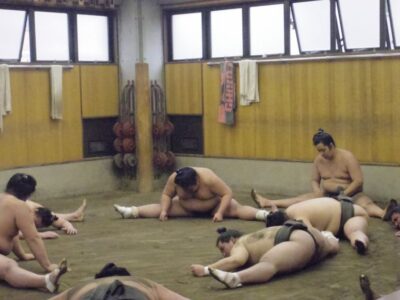
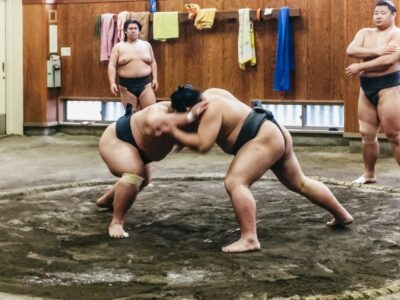
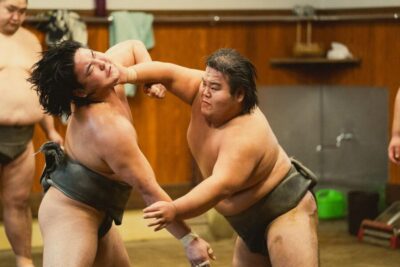
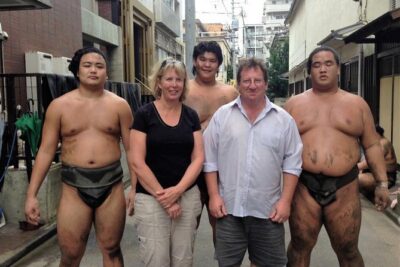
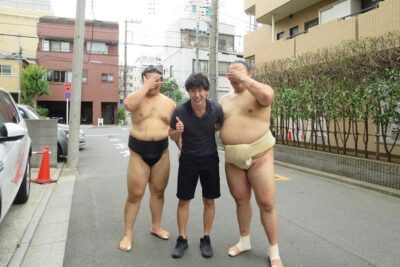
Tokyo Ryogoku Sumo Morning Practice + Photo Shoot with Wrestlers
Read our review →