
Reviewed · TEMPLE & SHRINE TOURS
Tokyo: Mt. Fuji, Owakudani, Hakone Shrine, & Open-Air Museum
Hakone packs sculpture gardens, volcanic steam vents, and a lakeside shrine into one ambitious day from Tokyo. The strongest part of this experience is the variety: you move from Henry Moore and Picasso to sulfurous craters, then finish among forested mountains at Lake Ashi.
I like the way admission and transportation are bundled into the $79 price, and I like the guides’ flexibility. Juna, Icchi, and Yuichi are named as especially caring guides, with Icchi and Yuichi adjusting the route when rain, crowds, or a chance to see Mount Fuji changed the best order. The drawback is simple: this is a full day on the road, and traffic or cloud cover can cut into sightseeing, especially during peak season.
In This Review
- Key points at a glance
- Why Hakone makes a good break from Tokyo
- Starting with sculpture at the Hakone Open-Air Museum
- Reading the volcanic ground at Owakudani
- Finding stillness at Hakone Shrine and Lake Ashi
- Optional pirate ship and ropeway rides
- What the $79 price really covers
- Guides, group feel, and route changes
- Weather, Mount Fuji, and realistic expectations
- Who should book this Hakone day tour
- Final verdict: a practical way to see several sides of Hakone
- FAQ
- How much does the Hakone day tour cost?
- What is included in the price?
- Are meals included?
- Is the Hakone Ropeway included?
- Is the Hakone Pirate Ship included?
- Can I see Mount Fuji on this tour?
- Can the itinerary change?
- What should I bring?
- What languages are available, and when can I cancel?
Key points at a glance
- Art before volcanoes: The Hakone Open-Air Museum combines sculpture, gardens, and a Picasso gallery in a setting that feels like more than a standard indoor museum.
- Owakudani is genuinely active: Expect sulfur smells, steam vents, and unusual volcanic scenery rather than a polished theme-park stop.
- Lake Ashi brings the quiet: Hakone Shrine offers forest paths, mountain views, and the famous torii gate in the water.
- The itinerary can change: Rain, traffic, and the Japanese 10-hour vehicle limit may alter the order or reduce optional activities.
- Optional rides cost extra: The Hakone Ropeway and pirate ship are not included, but your guide can help arrange them when conditions permit.
- Good value for a no-car day: At $79, the tour saves you from piecing together trains, buses, museum tickets, and Hakone connections yourself.
Why Hakone makes a good break from Tokyo
Tokyo is thrilling, but it can also be tiring. Hakone gives you a sharp change of pace without requiring an overnight stay. In one day, you get mountain scenery, an art collection, volcanic activity, and a shrine beside a lake.
That mix is the main reason to choose this tour. Many day trips from Tokyo focus heavily on Mount Fuji, and Fuji may be hidden by clouds. This route gives you several worthwhile stops even when the mountain refuses to appear.
The tour is based on a vehicle with an English or Korean-speaking guide. That matters in Hakone, where roads wind through mountain areas and the order of stops may change. Traffic can be heavy, particularly in peak season, and Japanese law prevents the vehicle from operating for more than 10 hours. Your guide may need to adjust the schedule in real time.
I would treat Mount Fuji as a possible bonus, not the central promise. One departure managed to rearrange the day for a better Fuji view, while another had rain and cloud cover that blocked it completely. The tour still worked because Hakone offers plenty beyond the mountain.
More Temple & Shrine Tours in the Mt Fuji Area
- Mt. Fuji Heritage Tour: Traditional Villages, Lakes & Shrine
★ 4.5 · 509 reviews - Mt. Fuji, Oishi Park & Arakurayama Pagoda Bus Tour with Lunch
★ 5.0 · 128 reviews - Mt. Fuji & Hakone: Fuji Sengen Shrine, Cruise, and Ramen-Making
★ 5.0 · 124 reviews
Starting with sculpture at the Hakone Open-Air Museum
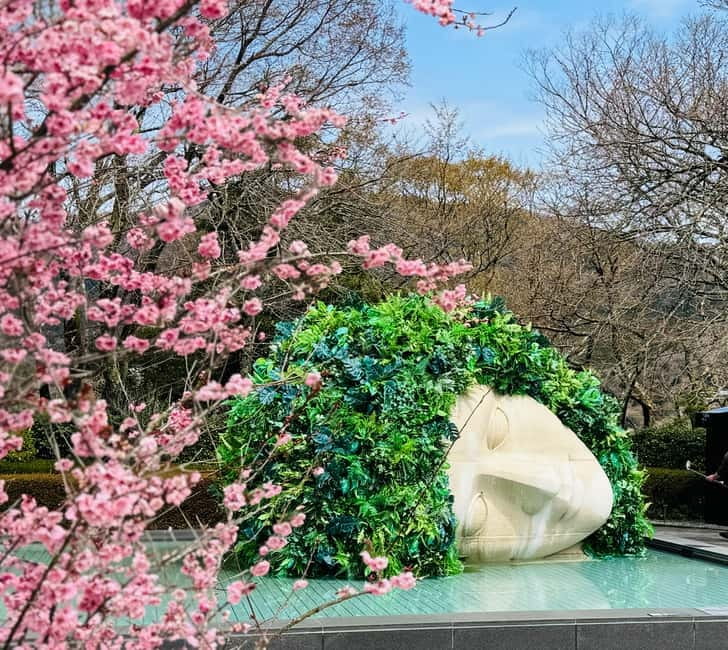
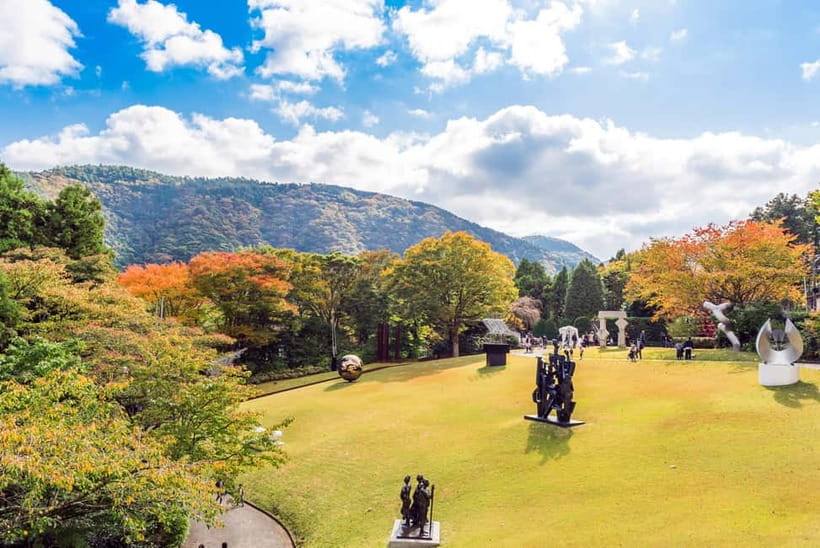
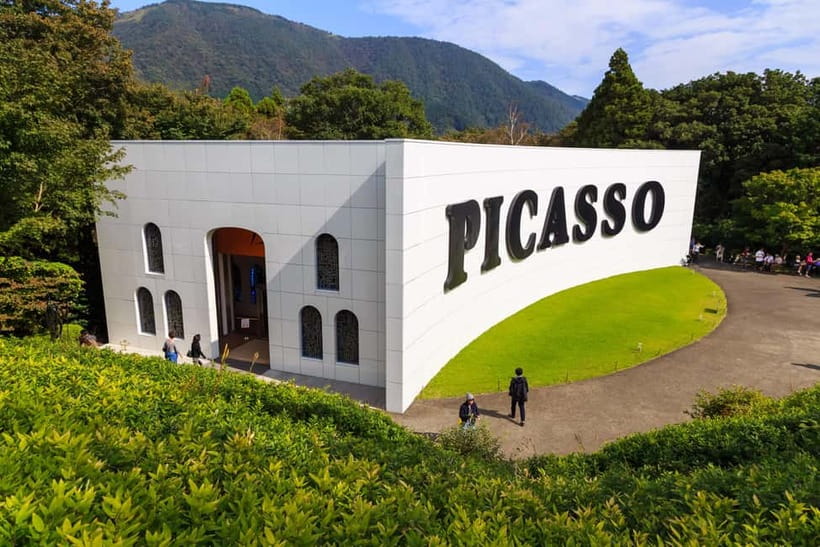
The Hakone Open-Air Museum is an excellent first stop because it gives the day an immediate sense of place. Japan’s first open-air art museum displays large sculptures among gardens and mountain scenery, so you are not moving from one enclosed gallery to another.
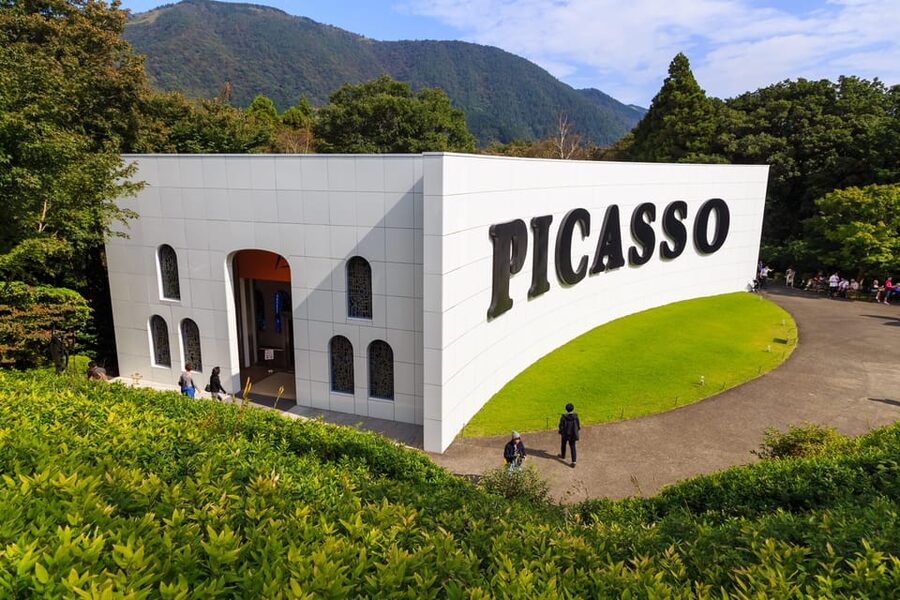
You can see works by artists including Henry Moore and Joan Miró, along with a Picasso gallery. The collection gives you both broad outdoor pieces and more focused indoor viewing. If you enjoy modern art, you can spend serious time here. If modern art is not your main interest, the gardens and outdoor setting still make the visit worthwhile.
I especially like the balance between planned exhibits and room to wander. Large sculptures have space around them, and the setting lets you pause without feeling pushed through a narrow gallery. Interactive installations add a hands-on element that can work well for families.
Allow yourself enough energy for walking. Comfortable shoes are specifically recommended, and that advice applies throughout the day. You will be on and off the vehicle, moving through outdoor areas, and possibly walking around shrine grounds or volcanic viewpoints.
The museum can also be the most time-sensitive stop. There is a lot to see, and an art lover may want far longer than a group tour can provide. If you tend to read every label and study every piece, you may need to accept a quicker visit here so the rest of Hakone fits into the day.
Reading the volcanic ground at Owakudani
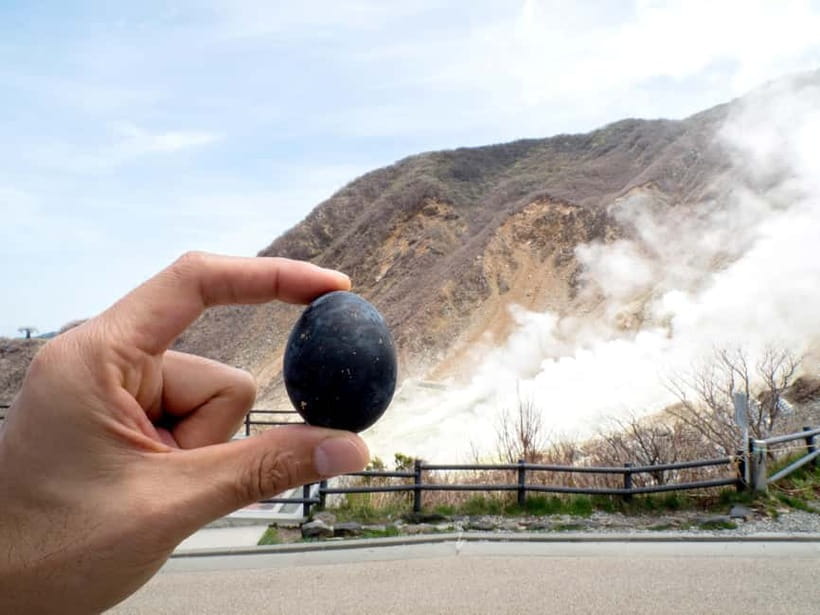
Owakudani is the day’s most unusual stop. This active volcanic valley is marked by sulfurous hot springs, steam vents, and exposed geological features. The air may carry a strong sulfur smell, which is part of the experience rather than a problem to be avoided.
This is not a neat garden with one dramatic viewpoint and little else. Owakudani feels rawer. Steam rises from the ground, the terrain shows the effects of volcanic activity, and the valley gives you a direct look at forces beneath Hakone.
The stop is also where weather conditions matter most. Rain, poor visibility, or local restrictions can affect what you are able to see. The guide may change the route or use the ropeway only if conditions allow.
The Hakone Ropeway is an optional extra, not part of the included admission. If it is running and you choose to take it, your guide can assist with the arrangements. You should budget separately for that ticket and avoid assuming it will operate on every departure.
Owakudani can be a quick stop for photographs, or a more absorbing visit if you are interested in volcanic terrain. Bring a light snack because meals are not included, and food choices during a tightly scheduled day may be limited. The tour information specifically recommends bringing snacks or a light lunch to eat at attraction sites or on the vehicle.
Finding stillness at Hakone Shrine and Lake Ashi
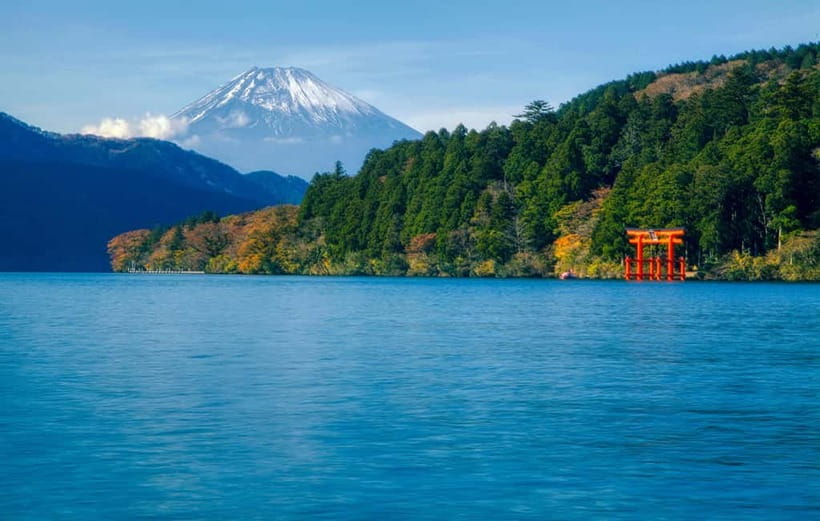
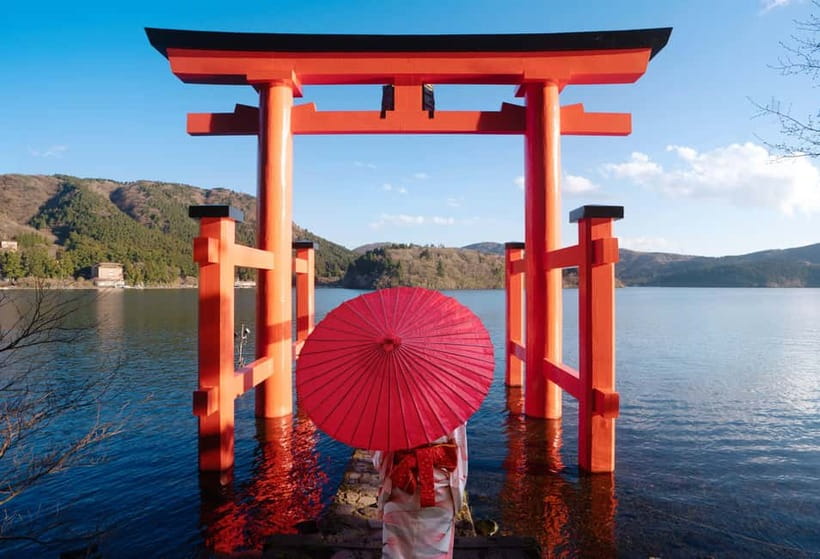
Hakone Shrine offers the calmest part of the route. It sits at the foot of Mount Hakone beside Lake Ashi, surrounded by forest and mountain scenery. The famous torii gate rises from the lake, creating one of Hakone’s best-known photo views.
The shrine is more than a quick picture stop. Its setting encourages you to slow down after the open-air museum and Owakudani. You can take in the lake, trees, and mountain air, then spend time around the historic shrine grounds.
Crowds can change the mood. One guide wisely took a small group to the shrine first during heavy rain, before larger groups arrived. That is a useful lesson: the order is not fixed, and an early shrine visit can feel much better than arriving at the busiest time.
You may also want a small amount of Japanese cash. A review of the experience gives two practical tips: bring a bottle if you want to collect mineral water at the shrine, and five-yen coins are considered an auspicious offering. These are optional details, but they can add a little local texture to the stop.
The shrine is also a good place to photograph Lake Ashi, though the famous torii can attract crowds. Keep your expectations flexible. The water, forest, and mountains are reliable features of the setting, but the clarity of the views depends on the weather.
More temples and shrines near Tokyo:
- Tokyo: Meiji Shrine, Asakusa, Skytree Bus Tour and Cruise
★ 4.7 · 1,986 reviews - Tokyo: Asakusa Walking Tour with Sensoji Temple Visit
★ 4.8 · 1,583 reviews - Nikko: Kegon Falls, Lake Chuzenji & Toshogu Temple
★ 4.6 · 1,577 reviews - Tokyo: Kamakura & Enoshima Day Trip including Temple Tickets
★ 4.5 · 1,375 reviews
Optional pirate ship and ropeway rides
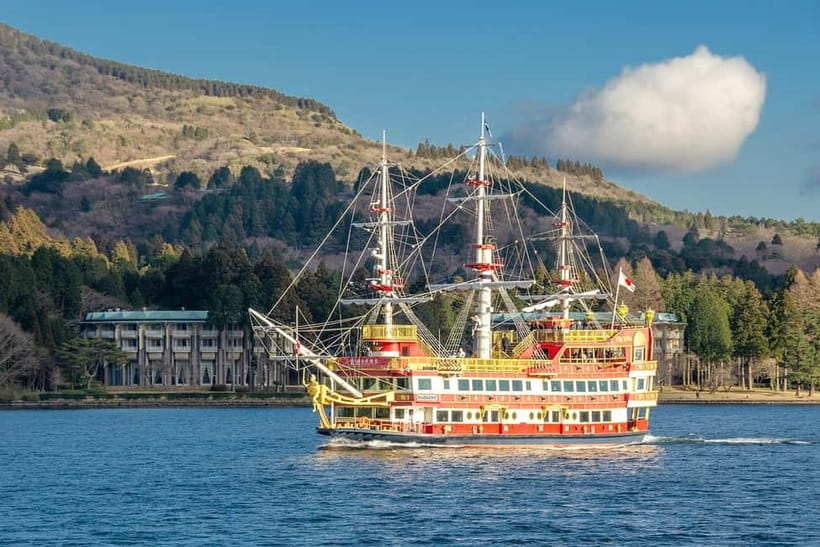
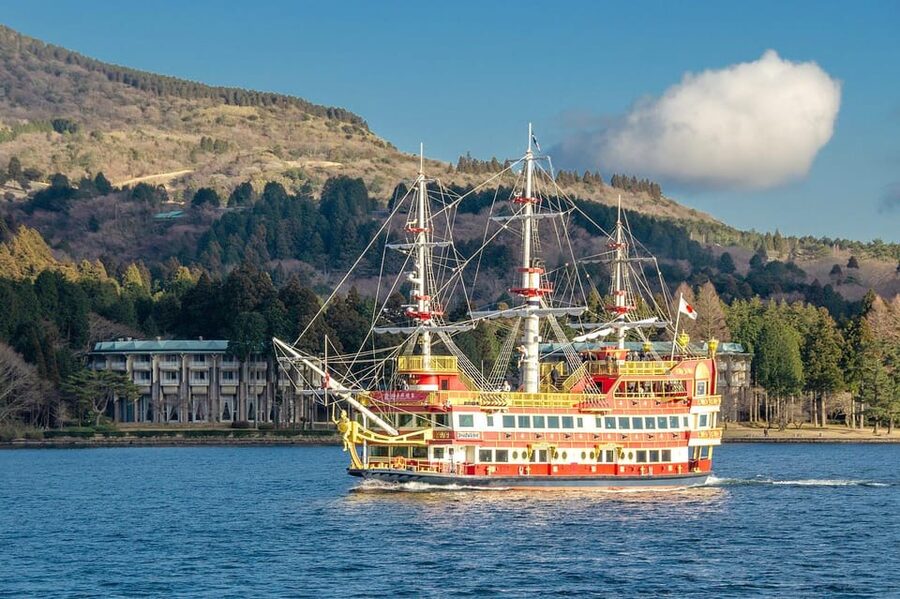
The Hakone Pirate Ship is another optional activity that may be available depending on weather and local conditions. It crosses Lake Ashi and offers a different way to see the water and surrounding mountains.
One rearranged itinerary combined the pirate ship with the ropeway, followed by a drive to the open-air museum. That order shows why a flexible guide can be useful. Instead of treating the listed stops as immovable, the guide can respond to weather, crowds, and transport conditions.
Neither ticket is included in the $79 price. Ask your guide about timing and cost before committing, especially if the day is already running late. A boat ride can be a memorable addition, but it should not come at the expense of the main included stops.
If the weather is wet or visibility is poor, the optional rides may not add much. In that case, the shrine, museum, and Owakudani remain the more dependable core of the day.
What the $79 price really covers
At $79 per person, this is a strong value for anyone who wants Hakone without renting a car or learning the area’s connections. Transportation, admission tickets, and an English or Korean-speaking guide are included.
That price removes several small costs and decisions. You do not need to buy separate admission for the museum or plan how to connect Tokyo with Hakone’s scattered sights. You also have someone who can react to traffic, rainfall, crowd levels, and the operating conditions of optional transport.
Meals, insurance, personal expenses, the ropeway, and the pirate ship are not included. The price is therefore best understood as a guided sightseeing package, not an all-inclusive day out.
Bring money for food and optional rides. A snack or light lunch in your bag is sensible, especially since the day can move quickly. You will have more control over your spending if you bring something with you rather than relying on an unplanned meal stop.
The tour also appears to offer flexible booking terms: you can reserve and pay later, and cancellation is allowed up to 24 hours in advance for a full refund. Check the exact conditions attached to your selected option before booking.
Guides, group feel, and route changes
The strongest pattern in the experience is the guide’s role. Juna is described as attentive to individual needs, while Icchi is praised for safe driving, quick movement through heavy rain, and making the shrine the first stop. Yuichi is noted for changing the itinerary to improve the chance of seeing Mount Fuji and Lake Ashi.
Those names may not apply to every departure, but they show the sort of support this experience provides. You are not simply placed on a bus and left to work out the day alone. The guide can help with the ropeway or pirate ship and explain practical customs at the shrine.
A small group is possible. One departure had only six people, though the standard group size is not stated. If your group is small, you may get more direct help and faster decisions. If it is larger, expect less freedom at each stop.
The route can be reversed in peak season because traffic may make the usual order inefficient. This is sensible, but it means you should not plan around a specific lunch hour or assume that Owakudani will be first. The vehicle also cannot operate beyond 10 hours under Japanese law, so the guide may shorten or rearrange the schedule.
I see this flexibility as a benefit, provided you value seeing the main sights over controlling every minute. If you want long, unhurried museum time or a guaranteed boat ride, an independent overnight visit may suit you better.
Weather, Mount Fuji, and realistic expectations
Mount Fuji is part of the title and may be visible from Hakone, but it is not guaranteed. Clouds and rain blocked the mountain on one departure, while another guide changed the order to give the group a better chance of seeing it.
That uncertainty is normal for mountain viewing. The tour remains worthwhile in poor weather because the open-air museum, Owakudani, and Hakone Shrine each offer a different experience. Still, if your main goal is a clear Fuji photograph, do not book this as your only Fuji plan.
Weather affects more than visibility. It may influence the ropeway, pirate ship, walking conditions, and the order of the day. Bring suitable layers and comfortable shoes, and expect some outdoor time even if the forecast looks changeable.
A small origami Mount Fuji keepsake was given at the end of one departure. It is a thoughtful touch, particularly on a cloudy day when the real mountain stays hidden, though you should not treat it as a guaranteed feature of every booking.
Who should book this Hakone day tour
I would recommend this experience to you if you want a broad introduction to Hakone in one day and prefer someone else to handle the driving and admissions. It suits first-time visitors who want art and nature rather than a day focused only on shrines or photographs.
It is also a good match for families and mixed-interest groups. One person can enjoy Picasso and Henry Moore, another can focus on volcanoes, and everyone gets time beside Lake Ashi. The interactive art and open gardens may help younger visitors stay engaged.
You should think twice if you dislike a changeable schedule. Traffic, rain, crowds, and the 10-hour vehicle rule can alter the order or limit optional activities. The tour gives you coverage, not complete control.
It may also be less suitable if you need a long meal break, want extensive time at every museum exhibit, or hope to guarantee Mount Fuji. For those priorities, staying in Hakone and exploring over two days would offer more breathing room.
Final verdict: a practical way to see several sides of Hakone
Book this tour if you want the most variety from a single day outside Tokyo. The $79 cost is fair because transport, the guide, and main admission tickets are included, and the route covers stops that are awkward to combine without planning.
The best feature is the balance of experiences: sculpture in a mountain garden, active volcanic ground, and a peaceful shrine beside Lake Ashi. The most useful feature is the guide’s ability to change the order when conditions demand it.
Go in with sensible expectations. Pack snacks, wear good shoes, bring a bottle and a few five-yen coins if you want to follow the shrine tips, and treat Fuji and the optional rides as weather-dependent extras. If that sounds like your kind of day, this is an efficient and rewarding introduction to Hakone.
FAQ
How much does the Hakone day tour cost?
The listed price is $79 per person.
What is included in the price?
Transportation, an English or Korean-speaking guide, and admission tickets are included.
Are meals included?
No. Meals are not included, so bringing snacks or a light lunch is recommended.
Is the Hakone Ropeway included?
No. The Hakone Ropeway requires an optional ticket purchased on site, if conditions allow.
Is the Hakone Pirate Ship included?
No. The pirate ship is optional and requires a separate ticket if it operates during your visit.
Can I see Mount Fuji on this tour?
Mount Fuji may be visible, but weather and cloud cover can prevent the view. The guide may adjust the itinerary to improve your chance of seeing it.
Can the itinerary change?
Yes. Traffic, weather, peak-season crowds, optional transport conditions, and Japan’s 10-hour vehicle operating limit may cause the guide to change the order or adjust the schedule.
What should I bring?
Bring comfortable shoes. Snacks or a light lunch are also recommended. You may wish to bring a bottle for mineral water at Hakone Shrine and five-yen coins for shrine offerings.
What languages are available, and when can I cancel?
The tour is offered with English or Korean language support. You can cancel up to 24 hours in advance for a full refund, and the reserve-and-pay-later option lets you keep your plans flexible.
More Museums Worth an Hour
- Tokyo: teamLab Planets TOKYO Digital Art Museum Entry Ticket
★ 4.6 · 9,779 reviews - Tokyo: Samurai Ninja Museum Guided tour and Experience
★ 4.6 · 1,010 reviews - Ninja Experience (Family Friendly) at Samurai Ninja Museum TOKYO
★ 5.0 · 441 reviews - Tokyo Studio Ghibli Museum and Ghibli Film Appreciation Tour
★ 4.5 · 421 reviews
New on our Tokyo list
- From Tokyo: Mount Fuji & Hakone Full Day Private Tour★ 4.9 · 25 reviews
- Tokyo Spectacular View Day-Cruise in 90 Minutes★ 5.0 · 25 reviews
- Real Tokyo Runner Club : Daikoku Car Meet Night Tour with JDM Car★ 5.0 · 25 reviews
- 2.5 Hour-Guided Cycle Tour in the Central Tokyo★ 5.0 · 25 reviews
- Ramen Making from Scratch +Akihabara Tour –Cooking Class★ 5.0 · 25 reviews
- [Self-Drive] Tokyo & Daikoku Custom Car Driving Tour★ 4.9 · 25 reviews
- Tokyo: 2-Hour Night Bike Tour of the City’s Hidden Gems★ 4.9 · 25 reviews
- Samurai themed Entertainment show in Shinjuku★ 4.5 · 25 reviews
Temple & Shrine Tours, compared.
Meiji Shrine, Asakusa, Skytree Bus Tour and Cruise
Read our review →
Asakusa Walking Tour with Sensoji Temple Visit
Read our review →
Kamakura & Enoshima Day Trip including Temple Tickets
Read our review →
Nikko Toshogu Shrine and Kegon Waterfall Tour
Read our review →
Tokyo Panoramic 1 Day: Meiji Shrine, Asakusa, Odaiba and SKYTREE®
Read our review →
Mt. Fuji Heritage Tour: Traditional Villages, Lakes & Shrine
Read our review →Browse the lists this tour appears in