
Reviewed · TEMPLE & SHRINE TOURS
Tokyo: Old Town Asakusa Guided Tour -Senso-ji Temple Visit
Senso-ji is easy to visit on your own, but a good guide helps you understand what you are seeing instead of simply pointing a camera at it. This 90-minute walk takes you from the Kaminarimon Gate along Nakamise-dori and into the temple grounds, with explanations of local customs and the meaning behind the site.
I like the small group, limited to 10 people, and the practical local help. Guides Yoshiko and Yoshi have been praised for clear English, kindness, and useful advice about food, treats, kimono shopping, and temple manners. The main drawback is the short running time: you will get a focused introduction, not a slow, in-depth tour of all Asakusa.
In This Review
- Key points to know
- Why Senso-ji works well with a guide
- Meeting at Kaminarimon and finding the start
- Kaminarimon Gate: the proper opening scene
- Nakamise-dori: shopping with a local eye
- The main hall and Senso-ji’s spiritual side
- What the 90-minute schedule really gives you
- Group size and guide quality
- Is $43 good value?
- Who should book this Asakusa walk?
- Booking, weather, and cancellation details
- Should you book it?
- FAQ
- How long does the Senso-ji tour last?
- What sights are included?
- How many people can join the tour?
- Is admission to Senso-ji included?
- Where does the tour start and finish?
- Can I cancel for a refund?
Key points to know
- A 90-minute introduction to Senso-ji: You see the main landmarks without giving up half a day.
- A maximum of 10 people: The size should make it easier to hear explanations and ask questions.
- Kaminarimon Gate and Nakamise-dori included: You get both the ceremonial entrance and the shopping street.
- Local customs are part of the tour: Your guide explains respectful behavior, rituals, and fortune drawing.
- Shopping help can be useful: Guides may point out local food, sweets, souvenirs, or kimono-buying options.
- Free cancellation up to 24 hours ahead: Poor weather or an unmet minimum group size can also lead to a refund or a new date.
Why Senso-ji works well with a guide
Senso-ji is one of Tokyo’s most recognizable sights, yet its meaning can be hard to read from the outside. You see a grand gate, a long row of shops, incense, worshippers, and a large temple hall. Without context, it can feel like a striking photo stop.
This tour gives you a basic map of the place and explains the customs that shape a visit. That matters in Japan, where small gestures can carry meaning. You are not simply hurried from one landmark to the next. You learn how to behave respectfully and why people come here.
I especially like this approach for a first visit to Tokyo. The tour stays in one compact area, so you do not lose time in a van or on trains. You spend the whole 90 minutes in Asakusa, where the old temple setting makes a useful contrast with modern Tokyo.
The guide’s role is the main reason to book. Yoshiko has been praised for fluent English and detailed local knowledge, while Yoshi has been singled out for being attentive and helpful with shopping and local food. Those names do not guarantee who will lead your tour, but they show the kind of personal guidance this experience aims to provide.
More temples and shrines near Tokyo:
- Tokyo: Meiji Shrine, Asakusa, Skytree Bus Tour and Cruise
★ 4.7 · 1,986 reviews - Tokyo: Asakusa Walking Tour with Sensoji Temple Visit
★ 4.8 · 1,583 reviews - Nikko: Kegon Falls, Lake Chuzenji & Toshogu Temple
★ 4.6 · 1,577 reviews
Meeting at Kaminarimon and finding the start
The meeting point is outside Burger King Asakusa Azumabashi, at 2-chōme-20-6 Kaminarimon, Taito City, Tokyo 111-0034. Check the mobile ticket carefully before leaving your hotel, since the exact meeting details matter in a crowded sightseeing district.
The location is near public transportation, which makes it practical to combine with other Asakusa plans. The tour begins and ends at the same meeting point. That is convenient if you want to continue sightseeing afterward, though you should allow yourself time to walk back through the area after the temple visit.
I would arrive a little early. The tour lasts only 90 minutes, so losing ten minutes at the start has a real effect. The group limit is 10 people, which should keep the guide within speaking distance, but you still need to be at the correct corner at the appointed time.
Kaminarimon Gate: the proper opening scene
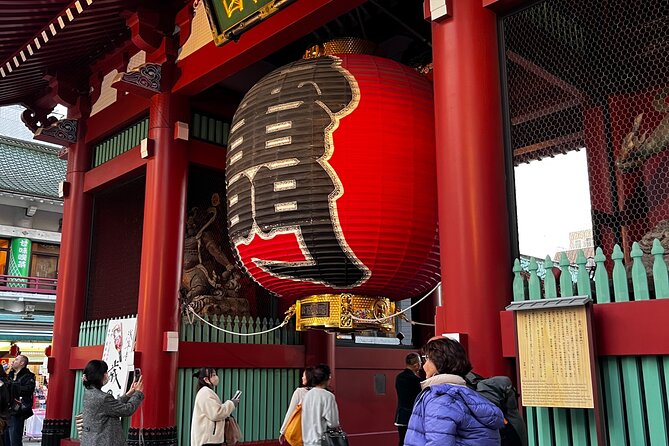
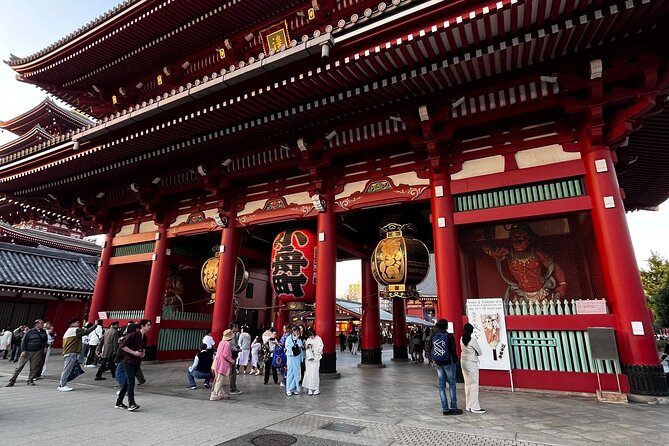
The first major sight is Kaminarimon Gate, the dramatic entrance to Senso-ji. Its large lantern and imposing form announce that you are entering an important religious site, not just a shopping lane.
This is the point where a guide can add real value. You can take in the architecture on your own, but an explanation of the gate, the temple, and the customs connected with the visit gives the scene more shape. The tour is designed to introduce Japan’s heritage and practices in plain, usable terms.
Expect a popular setting rather than a quiet one. Senso-ji is a major Tokyo attraction, and the approach can be full of people. A guide helps you keep moving and notice the parts that are easy to miss when you are focused on getting a clear photograph.
Do not think of the gate as a quick photo stop only. It sets up the rest of the visit. You learn where you are, how the temple complex is arranged, and what to expect as you continue toward the main hall.
Nakamise-dori: shopping with a local eye
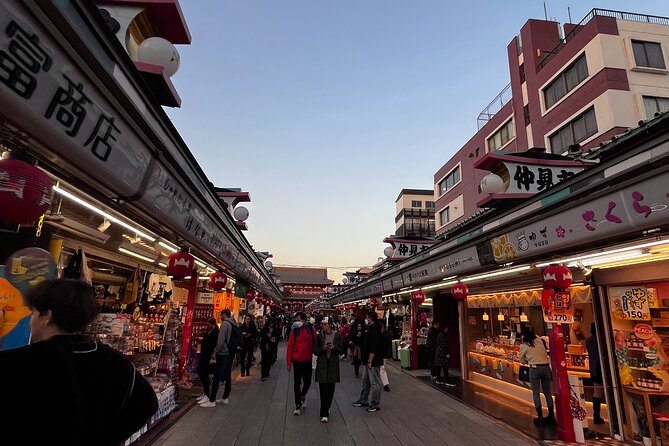
From Kaminarimon, the route leads along Nakamise-dori, the well-known shopping street approaching Senso-ji. This is where the temple visit becomes more connected to everyday Tokyo. Shops sell souvenirs, treats, and traditional goods, and the street offers plenty of chances to browse.
The practical advantage of having a guide here is selectivity. You have limited time, and a local guide can help you understand what you are looking at instead of wandering from shop to shop without a plan. One guide has helped a visitor choose a kimono, while also pointing out local food and sweets.
That kind of help may matter if you want to buy something more personal than a standard souvenir. A guide can explain what is suitable as a gift or help you make sense of the goods on display. The supplied details do not promise a shopping purchase or a specific shop, so treat this as possible assistance rather than a guaranteed shopping appointment.
The tradeoff is that 90 minutes is not enough for a leisurely shopping session. If you stop at every interesting shop, you may miss part of the temple explanation. I would keep your purchases modest during the walk and return later if Nakamise-dori catches your interest.
More Asakusa visits:
- Tokyo: Japanese Dance Cabaret Theater Asakusa-Kaguwa Ticket
★ 4.8 · 2,270 reviews - Tokyo: Roll and Authentic Sushi Making Class in Asakusa
★ 4.9 · 1,957 reviews - Tokyo Asakusa Rickshaw Tour
★ 5.0 · 1,375 reviews - Tokyo Panoramic 1 Day: Meiji Shrine, Asakusa, Odaiba and SKYTREE®
★ 4.5 · 1,222 reviews
The main hall and Senso-ji’s spiritual side
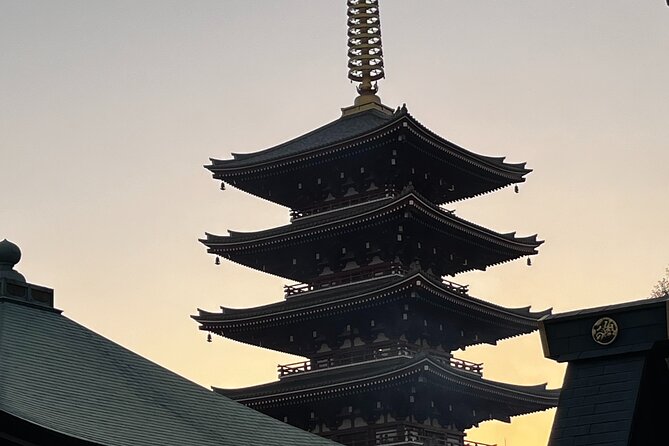
The main hall is the central stop, and it gives the tour its strongest sense of place. Here, your guide explains the temple’s background, customs, and rituals. You also have time to appreciate the religious atmosphere rather than treating the hall as another piece of architecture.
The experience includes the chance to draw a fortune. This is one of the small actions that can make a visit feel more connected to local practice. Your guide explains how to approach the custom and how to behave respectfully, which is useful if you have never visited a Japanese temple before.
The description also refers to shrines and temples, so expect guidance about the difference in customs as part of the cultural explanation. The supplied details do not lay out a full ritual sequence, and your guide’s exact presentation may vary. That is fine for a short tour. The goal is to give you enough understanding to continue exploring politely on your own.
I like that the tour does not treat religion as a decorative extra. Senso-ji is a working place of worship, and the guide helps you see that. You may still take photographs, shop, and enjoy the setting, but you are also reminded that this is a site with meaning for local people.
What the 90-minute schedule really gives you
Ninety minutes is a sensible length for a first look at Senso-ji. It is long enough to cover Kaminarimon Gate, Nakamise-dori, and the main hall, while short enough to fit before lunch, dinner, or another Tokyo activity.
The pace will probably be steady. You are walking through a public temple area, listening to explanations, and stopping at key points. There is no indication of extended free time, a meal, transport between sights, or a separate neighborhood walk.
That makes the tour easy to fit into a packed Tokyo itinerary. You could use it as an introduction on your first day in the city, then return to Asakusa later for more shopping or a slower look around.
The limitation is depth. Senso-ji and Asakusa can fill several hours, especially if you want to browse Nakamise-dori, look at souvenirs, and revisit the main hall at your own pace. I would book this tour if you want orientation and cultural context. I would skip it if you already know Senso-ji well or prefer to spend your time browsing independently.
Group size and guide quality
The maximum group size is 10 people. That is small enough to feel more personal than a large walking tour, without the higher price often associated with private guiding.
A small group also helps at the gate and main hall. You can stay close to the guide, hear the explanation, and ask about customs or shopping. Still, Senso-ji is a public site, so the group cannot control the crowd around it.
The strongest praise has focused on the guides’ manner as much as their information. Yoshiko has been described as kind, attentive, and highly capable in English. Yoshi has been praised for helping with local traditions, treats, and a kimono purchase.
That is important because a temple tour can easily become a list of dates and names. The better version helps you feel comfortable asking basic questions. If you are unsure how to act at a religious site, or if you want help understanding a traditional item in a shop, that human contact is worth more than a long printed explanation.
Is $43 good value?
The price is $43 per person, and admission to Senso-ji itself is free. So you are paying for the guide, organization, small group, and cultural explanation, not for an entrance ticket.
That can be good value if you are new to Japan. The guide may save you from missing the meaning of the gate, the shopping street, and the temple customs. Help with local treats or a kimono purchase can also be useful if you are not confident navigating those choices alone.
The value is less clear for independent visitors who are comfortable reading signs, researching temple etiquette, and exploring without help. You can enter the temple area without paying for this tour, and the 90-minute format does not include a meal or another attraction.
I see the price as reasonable for a first-time visitor who wants a compact, personal introduction. It is not a bargain sightseeing ticket, because there is no paid admission included. It is a fee for clarity and company in one of Tokyo’s busiest historic areas.
Who should book this Asakusa walk?
I would recommend it to first-time Tokyo visitors, couples, families, and solo visitors who want a little guidance without committing to a long day. The tour’s short format is also useful if you are fitting Asakusa between other plans.
It suits you especially well if you want to understand temple customs, ask questions in English, or get help with traditional shopping. The guide’s local advice may be more useful than a standard audio guide when you are choosing food, sweets, souvenirs, or clothing.
Most people can participate, and service animals are allowed. The experience is near public transportation, but the supplied information does not give detailed mobility notes, so contact the provider if you need specific access arrangements.
I would think twice if your main goal is quiet contemplation. Senso-ji is a famous public attraction, and the group format keeps you moving. I would also think twice if you want several hours for shopping, since the tour allows only a short amount of browsing time.
Booking, weather, and cancellation details
You receive confirmation at booking, and the ticket is available on your mobile device. The tour is booked an average of 54 days in advance, which suggests you should not leave it until the last moment if the timing matters to your itinerary.
You can cancel for a full refund up to 24 hours before the start time. Changes or cancellations inside that window are not accepted for a refund.
The experience requires good weather. If poor weather causes cancellation, you are offered another date or a full refund. The same choice applies if the minimum number of participants is not reached.
Should you book it?
Book this tour if you want Senso-ji to mean more than a gate, a shopping street, and a photograph. For $43, you receive a focused 90-minute walk with a group of no more than 10, plus guidance on customs and local shopping.
The best reason to choose it is the guide. Yoshiko and Yoshi have been praised for clear English, warmth, local insight, and hands-on help. The main caution is the limited time and free temple admission, so independent visitors may prefer to explore alone.
For a first visit to Asakusa, I think this is a practical choice. Let the guide give you the basics, then stay in the neighborhood afterward and look around at your own pace.
FAQ
How long does the Senso-ji tour last?
The tour lasts approximately 1 hour and 30 minutes.
What sights are included?
The route includes Kaminarimon Gate, Nakamise-dori shopping street, and Senso-ji’s main hall.
How many people can join the tour?
The group has a maximum of 10 participants.
Is admission to Senso-ji included?
Admission to the temple is listed as free. The $43 price covers the guided experience rather than an entrance ticket.
Where does the tour start and finish?
The tour starts at Burger King Asakusa Azumabashi in Kaminarimon, Taito City, Tokyo, and ends back at the same meeting point.
Can I cancel for a refund?
Yes. You can cancel at least 24 hours before the experience start time for a full refund. Cancellations made less than 24 hours ahead are not refunded.
New on our Tokyo list
- Sumi-e Experience in a relaxing green tea shop in Tokyo★ 5.0 · 3 reviews
- Tokyo : Kamikaze Street Drift Ride★ 5.0 · 3 reviews
- Private Zen Meditation in English in Shinjuku, Tokyo★ 5.0 · 3 reviews
- Easy for everyone! Now you can play handmade mini shamisen and show off to everyone! Musical instruments, sweets and live music★ 5.0 · 3 reviews
- Onsen Spa in Tokyo and Asakusa Bar Hopping with Local Guide★ 5.0 · 3 reviews
- Tokyo: Private Tsukiji Street Food & Sake with Local Guide★ 5.0 · 3 reviews
- Mt Fuji Exploration Tour with Free Japanese Kusa Mochi from Tokyo★ 4.5 · 3 reviews
- Tokyo Tsukiji Fish Market Walking and Exploring Hidden Gems Tour★ 5.0 · 3 reviews
Temple & Shrine Tours, compared.
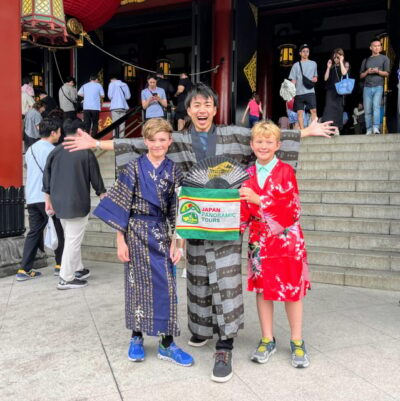
Meiji Shrine, Asakusa, Skytree Bus Tour and Cruise
Read our review →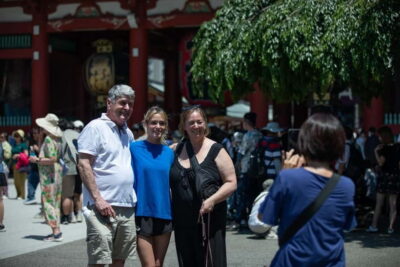
Asakusa Walking Tour with Sensoji Temple Visit
Read our review →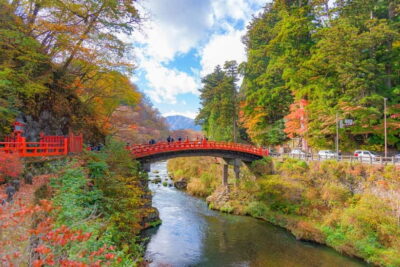
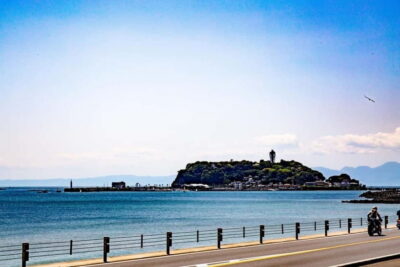
Kamakura & Enoshima Day Trip including Temple Tickets
Read our review →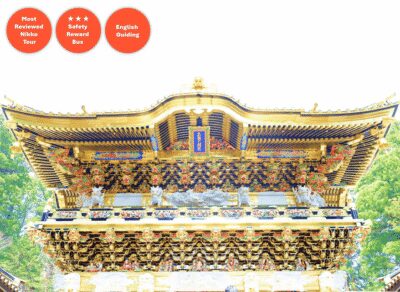
Nikko Toshogu Shrine and Kegon Waterfall Tour
Read our review →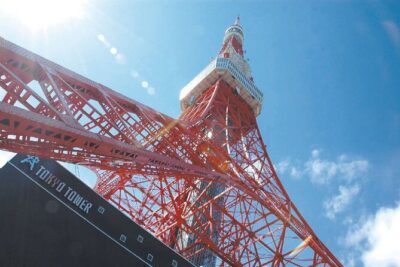
Tokyo Panoramic 1 Day: Meiji Shrine, Asakusa, Odaiba and SKYTREE®
Read our review →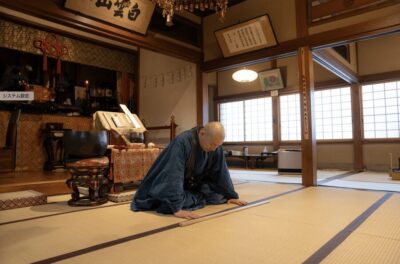
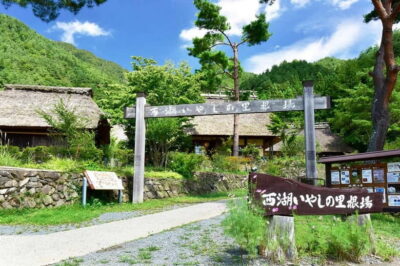
Mt. Fuji Heritage Tour: Traditional Villages, Lakes & Shrine
Read our review →Browse the lists this tour appears in