Reviewed · MORNING
Tokyo: Private Morning Run with Sento Bath Experience
Tokyo is at its best before the crowds arrive, and this private morning run makes that early hour count. You follow Aki, a Tokyo leisure runner and occasional half-marathoner, through Harajuku, Aoyama, Yoyogi Park, and quieter city corners before the day gets noisy. I like the 10K route and the chance to see Tokyo on foot, not through a train window.
I also like the sento finish, which turns a workout into a small lesson in Japanese daily life. The main consideration is pace: 6 to 8 kilometers per hour suits casual runners, but serious athletes may find the relaxed rhythm and guided stops too gentle. The bath is also unavailable on Thursdays.
In This Review
- Key points to know before you book
- Why an early run shows you a quieter Tokyo
- What the 10K pace really feels like
- Yoyogi Park gives the route room to breathe
- Harajuku and Aoyama beyond the famous streets
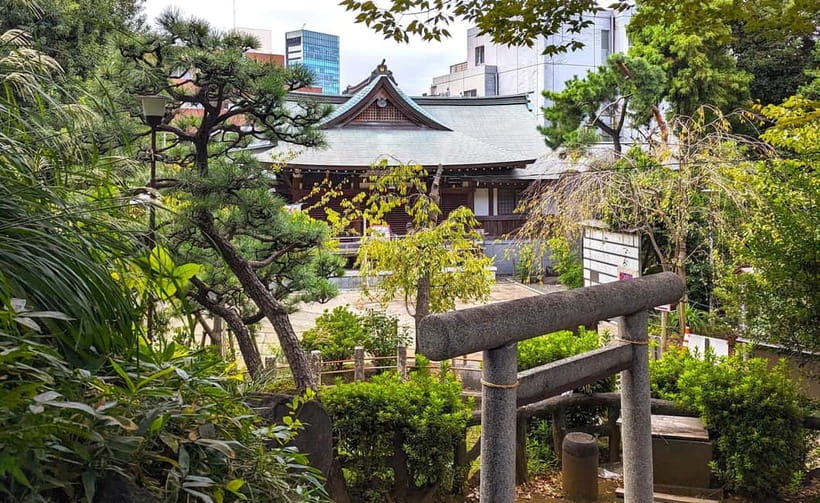
- The local shrine stop and small cultural lessons
- Why the sento bath changes the whole experience
- Is $48 a fair price for two hours?
- Who should choose this Tokyo running tour?
- Practical details that make the morning easier
- Should you book the Harajuku morning run?
- FAQ
- Where does the Tokyo morning run start?
- How long is the experience?
- What pace does the group run?
- Is the tour private?
- Which languages are available?
- Is the sento bath included?
- What should I bring?
- Who cannot join the experience?
Key points to know before you book
- A private 10K with Aki: You get a personal guide rather than a large running group, and the route can be shortened or partly walked.
- Tokyo before opening hours: Harajuku and Aoyama feel calmer in the early morning, giving you a clearer look at streets, parks, shrines, and local details.
- Yoyogi Park and several surprise stops: The route includes a secret stop, a viewpoint, and a lesser-known local place, though the exact details are not set out in advance.
- A traditional sento after the run: Admission, towels, water, and a coin locker are included, with separate bathing facilities for men and women.
- A good fit for ordinary runners: You do not need to be a race runner, and Aki can adjust the route to your pace.
- Two hours for $48: The price is fair if you value a private guide and cultural bath experience, not just exercise.
Why an early run shows you a quieter Tokyo
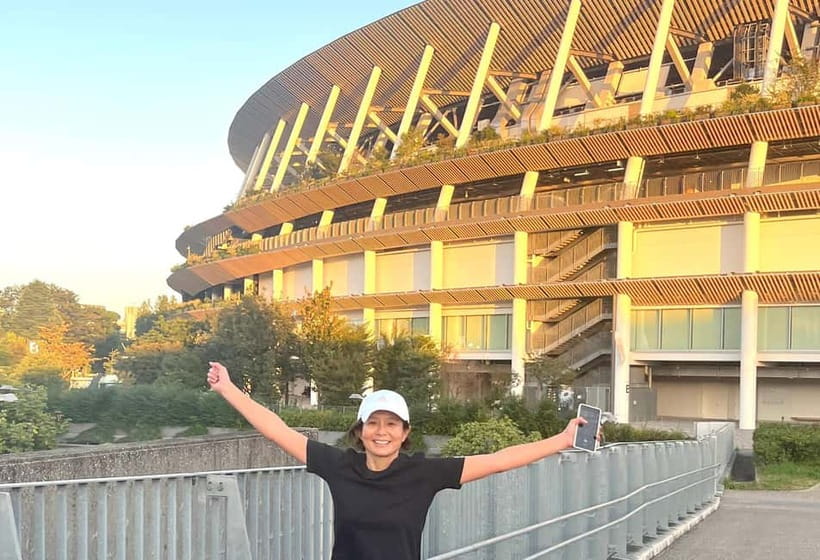
Most visitors meet Harajuku at its busiest. This experience takes the opposite approach. You start in the morning, when the streets are calmer and the city has not yet shifted into its familiar rush.
That timing matters. Running gives you a wider view than a short walk, but you still move slowly enough to notice changes in the city. Modern shops and polished buildings sit close to older streets, park paths, and places tied to everyday local routines.
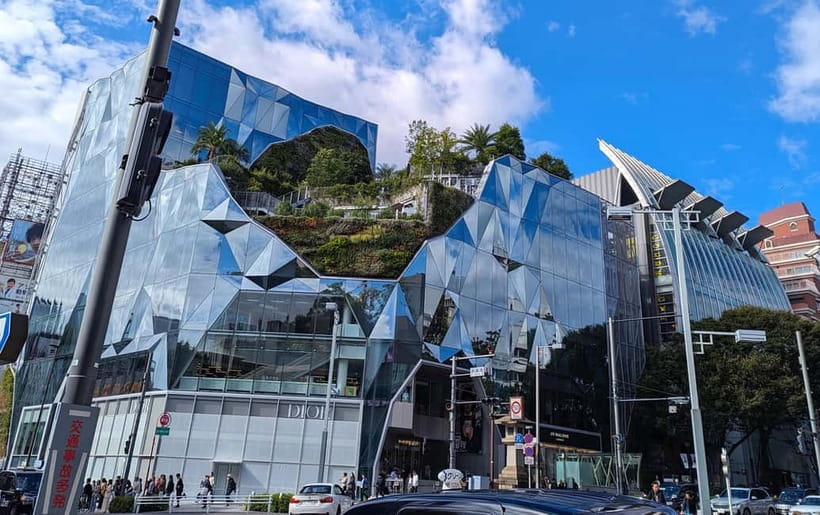
You meet at Tokyu Plaza Harajuku, also known as Harakado, in front of Dior. Look for Aki wearing a white cap. This is a useful meeting point in a busy part of town, but give yourself enough time to find the building and the exact entrance.
Aki guides the route in English or Japanese. The experience is private, so you do not have to match a stranger’s speed or worry about holding up a large group. That makes it easier to ask questions, take a short pause, or choose a walking section without fuss.
A few more Tokyo bookings worth comparing
- Tokyo: Sumo Morning Practice Viewing Tour
★ 4.8 · 570 reviews - Tokyo: Sumo Morning Training Visit
★ 4.4 · 370 reviews - Tokyo: Sumo Morning Practice Tour at Sumida City
★ 4.8 · 308 reviews
What the 10K pace really feels like
The stated running speed is 6 to 8 kilometers per hour. That is a friendly pace for a casual jog, though the lower end will feel more comfortable for many people, especially if you are sightseeing in warm weather or carrying a full travel schedule.
A 10K is still a proper run. You should be comfortable on your feet for a good part of the two-hour experience, even though the tour includes sightseeing pauses and the route can be adjusted. You can walk sections or take a shorter course if needed.
This flexibility is one of the experience’s strongest features. A race-focused runner may want fewer stops and a faster pace, but that is not the point here. Aki’s role is part running companion, part local guide. You get stories and trivia along the way rather than a silent workout.
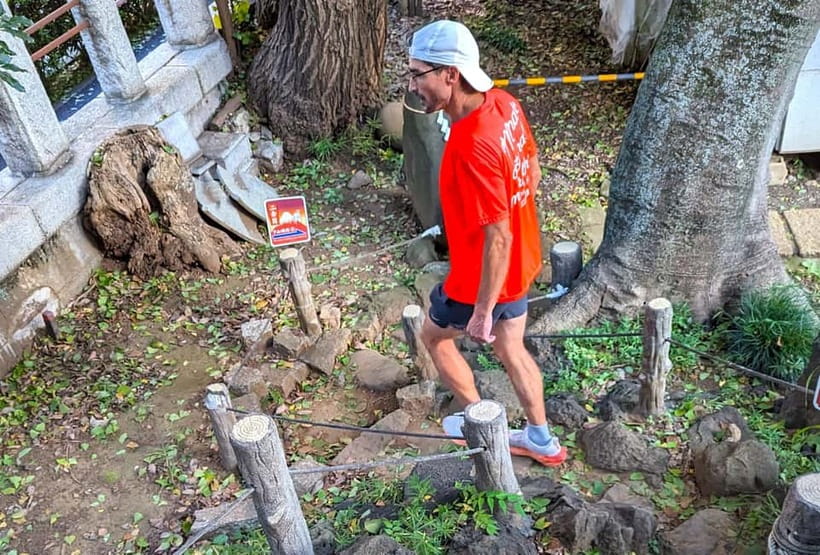
One participant, Sebastian, especially enjoyed the adjustment to his pace and the visit to a small local shrine, including guidance on the traditional way to pay respect. That detail gives you a useful idea of the tour’s character. It is not only about recording a distance on your running app. You may stop to understand something you would otherwise pass without noticing.
Bring comfortable shoes and a change of clothes. Food is not included, so plan your breakfast separately after the experience.
Yoyogi Park gives the route room to breathe
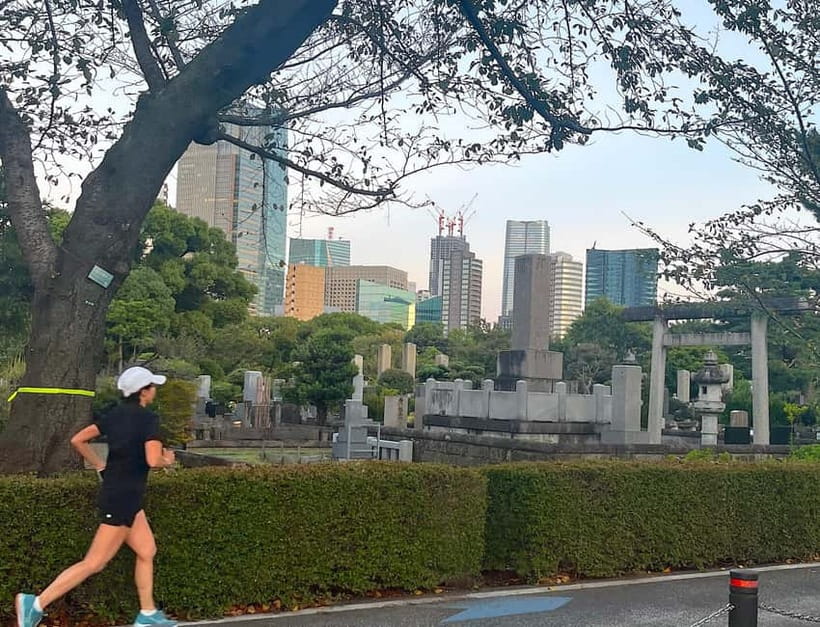
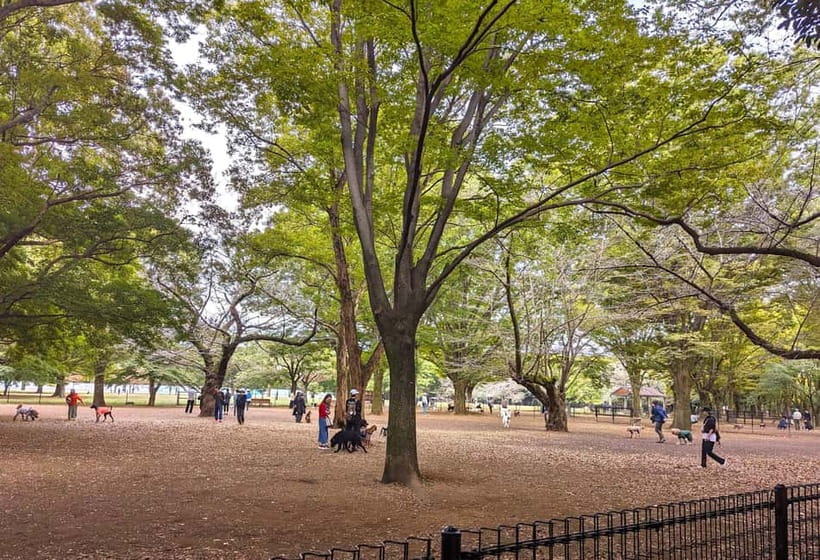
Yoyogi Park is an important early stop because it gives the run a change of setting. Instead of staying on city streets, you get a greener stretch where the pace can feel more relaxed.
The park is also a good place for Aki to add context about Tokyo and the surrounding area. The supplied route includes a guided visit, though no fixed list of landmarks or exact path is provided. That means the experience may vary with the morning, your pace, and the guide’s judgment.
For you, the main benefit is variety. A 10K through one type of street could become repetitive. Moving between park paths and urban areas keeps the run interesting and makes the distance feel like a tour rather than a training loop.
Do not expect a long stop at every point. You are still covering 10 kilometers within a two-hour experience, and the bath takes part of that time. If you want detailed historical explanations at each sight, a walking tour may suit you better.
Harajuku and Aoyama beyond the famous streets
Harajuku is often reduced to fashion, youth culture, and Takeshita Street. This route aims for a broader picture, taking you through the area before it wakes up and showing how old and new Tokyo sit side by side.
Aoyama adds another layer. Its polished streets and modern architecture contrast with parks, shrines, and quieter corners. Running through both districts helps you understand their relationship better than simply visiting one major shopping road.
Aki shares local stories and trivia as you go. The value here is not a long lecture. You are moving through the city, hearing short explanations when a place or custom comes into view. That format works well for people who like to keep moving and learn in small pieces.
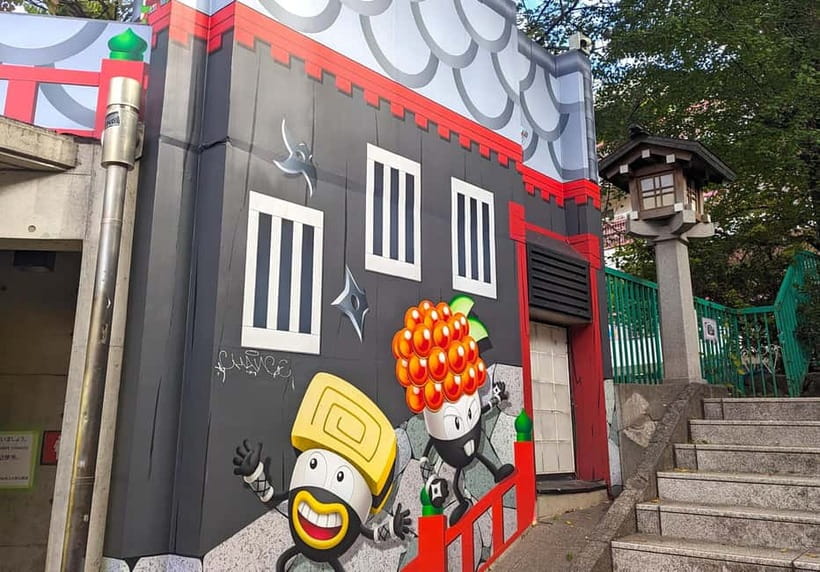
The route includes a secret stop, a viewpoint, and a lesser-known place. The names are not specified ahead of time, which can be part of the fun, but it also means you cannot select the sights in advance. If you want a carefully advertised list of famous landmarks, this is a less predictable choice.
The early start is also worth considering. You will need to set an alarm, and the exact starting time depends on availability. Still, the quiet streets are one of the main reasons to choose this experience. You are trading a little sleep for a different view of central Tokyo.
Same corner of Tokyo, a completely different plan:
- Mt Fuji and Hakone 1-Day Bus Tour Return by Bullet Train
★ 5.0 · 26,383 reviews - 1-Day Tokyo Bus Tour
★ 5.0 · 14,250 reviews - Tokyo: TOKYO SKYTREE® Admission ticket
★ 4.5 · 11,192 reviews - Tokyo: teamLab Planets TOKYO Digital Art Museum Entry Ticket
★ 4.6 · 9,779 reviews
The local shrine stop and small cultural lessons
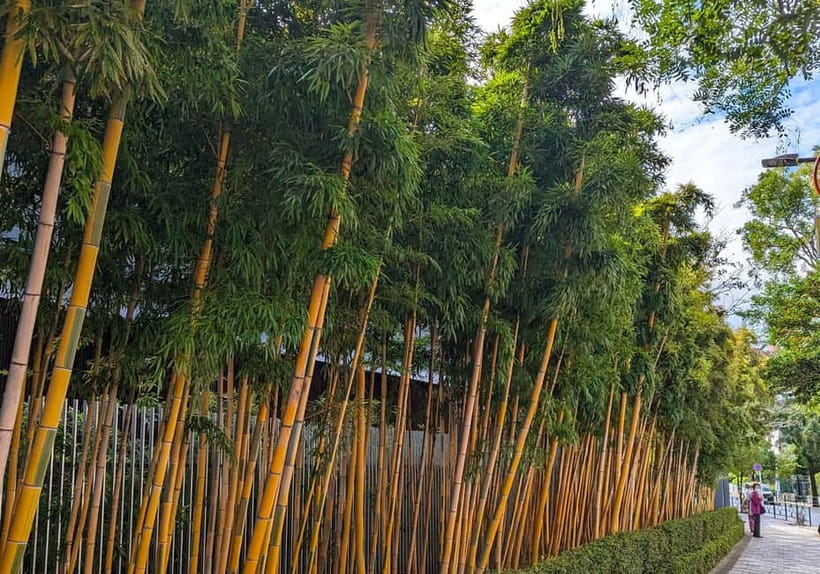
The shrine visit described by Sebastian points to one of the most useful parts of this experience: Aki can explain small customs while you are standing in the right place to see them.
A visit to a shrine can be easy to mishandle if you are unsure when to bow, how to approach the offering area, or how to show respect. Having a guide explain the process makes the stop more meaningful and helps you avoid treating it like a quick photo stop.
The exact shrine is not named, so you should not book this expecting a particular famous site. Think of it as a chance to encounter a local place along the route. The same applies to the secret stop and viewpoint. The charm comes from the route’s personal feel, not from a fixed checklist.
Why the sento bath changes the whole experience
The run ends with an optional visit to a Japanese public bath, or sento. This is more than a place to wash after exercise. It introduces you to a familiar part of Japanese local life and gives your legs a chance to recover before you continue your day.
Admission is included, along with towels and a coin locker. That saves you from packing a large bath kit or paying extra at the door. Water is also included during the experience, a sensible touch after a morning run.
The bathing facilities are separate for men and women. Aki provides tips on sento customs, so you are not left to guess how the visit works. You should expect to follow standard public-bath etiquette, including using the washing area before entering the shared bath. The provided information does not spell out every rule, so listen closely to the guide’s instructions.
The sento portion is optional, and it is not available on Thursday sessions. This is important when comparing dates. On other days, the bath is a central part of what makes the $48 price worthwhile. Without it, you are paying mainly for the private run and guiding.
Some people may prefer to skip the bath for personal reasons. If you do, confirm how the session will work when booking, since the bath is listed as optional. A change of clothes remains a good idea either way.
Is $48 a fair price for two hours?
At $48 per person, this is not the cheapest way to go for a morning jog. You could run through Tokyo alone for nothing. The question is what you want added to the run.
Here, the price includes a private guide, a planned 10K route, stories and trivia, water, sento admission, towels, and a coin locker. For someone already interested in Japanese bathing customs, the package offers solid value. The guide’s local knowledge and the private format are the parts you cannot easily reproduce by yourself.
The value is strongest for a solo visitor or pair who want a personal introduction to Harajuku and Aoyama. You can ask questions, adjust the distance, and move at a shared pace. A larger group tour might cost less per person, but it would not give you the same control.
The value is weaker for a dedicated runner who wants a hard workout. Stops at parks, shrines, viewpoints, and local places will interrupt your rhythm. You may also find the 6 to 8 kilometer-per-hour pace too slow if your main goal is speed training.
The current score is 5 out of 5 from 9 ratings, with praise focused on Aki’s cheerful manner, pleasant company, route choices, and ability to adjust the run. That matches the practical strength of the experience: the guide is as important as the route.
Who should choose this Tokyo running tour?
I would recommend it to you if you fit most of these points:
- You enjoy light or moderate exercise while sightseeing.
- You want to see Tokyo before the main crowds arrive.
- You prefer a private experience to a large group.
- You like local customs explained in simple terms.
- You are curious about visiting a sento.
- You can manage a 10K with some walking or pauses.
- You want a guide who can adjust the route to your pace.
It is less suitable if you are under 16, have a mobility impairment, or have heart problems. It is also not designed for serious athletes seeking a timed or demanding session.
The private format may suit solo visitors especially well. You get company without having to join a full group, and Aki can respond to your pace. Couples and friends can also book it together, provided everyone is comfortable with the run.
Practical details that make the morning easier
Wear running shoes and clothes suitable for changing weather. Bring a full change of clothes for the bath, even if you are unsure whether you will use it.
Smoking is not allowed. Food is not included, so plan to eat before or after, depending on the start time and your routine. Since the experience lasts two hours, you may want to arrange breakfast near the return point at Harakado, though no restaurant recommendation is provided here.
The tour begins and ends at Tokyu Plaza Harajuku, which makes the return simple. You do not need to arrange separate transport between the run and bath. The exact route can change, so allow some flexibility in your morning plans.
Free cancellation is available up to 24 hours in advance for a full refund, and you can reserve now and pay later. Those terms are useful if your Tokyo schedule is still shifting, but check the available start times before committing.
Should you book the Harajuku morning run?
Book this experience if you want a personal, active introduction to Tokyo and like the idea of ending with a sento bath. The combination of a 10K route, quiet morning streets, a local shrine or similar stop, and practical bathing guidance gives you more than a standard sightseeing jog.
I would skip it if you want a fast training run, a long list of famous landmarks, or a fully predictable route. I would also avoid Thursday if the public bath is the main reason you are booking.
For most casual runners, the best reason to choose this tour is Aki’s flexible guiding style. You can run, walk, ask questions, and learn a few local customs without turning the morning into a race. At $48, that is a sensible deal for a private experience that helps you see Tokyo before the city puts on its usual show.
FAQ
Where does the Tokyo morning run start?
The meeting point is in front of Dior at the Harakado Building, also called Tokyu Plaza Harajuku. The guide will be wearing a white cap.
How long is the experience?
The experience lasts two hours and includes a 10K running route, guided stops, and the sento visit when available.
What pace does the group run?
The usual pace is approximately 6 to 8 kilometers per hour. The route can include walking sections or be shortened to match your pace.
Is the tour private?
Yes. It is offered as a private group experience with a live guide.
Which languages are available?
The live tour guide can provide the experience in English or Japanese.
Is the sento bath included?
Sento admission, towels, and a coin locker are included. The bath is optional and is not available on Thursday sessions.
What should I bring?
Bring comfortable shoes and a change of clothes. Food is not included.
Who cannot join the experience?
The activity is not suitable for children under 16, people with mobility impairments, or people with heart problems. Smoking is not allowed.
New on our Tokyo list
- Sumi-e Experience in a relaxing green tea shop in Tokyo★ 5.0 · 3 reviews
- Tokyo : Kamikaze Street Drift Ride★ 5.0 · 3 reviews
- Private Zen Meditation in English in Shinjuku, Tokyo★ 5.0 · 3 reviews
- Onsen Spa in Tokyo and Asakusa Bar Hopping with Local Guide★ 5.0 · 3 reviews
- Easy for everyone! Now you can play handmade mini shamisen and show off to everyone! Musical instruments, sweets and live music★ 5.0 · 3 reviews
- Tokyo: Private Tsukiji Street Food & Sake with Local Guide★ 5.0 · 3 reviews
- Mt Fuji Exploration Tour with Free Japanese Kusa Mochi from Tokyo★ 4.5 · 3 reviews
- Tokyo Tsukiji Fish Market Walking and Exploring Hidden Gems Tour★ 5.0 · 3 reviews
Morning, compared.
Tokyo Ryogoku Sumo Morning Practice + Photo Shoot with Wrestlers
Read our review →