
Reviewed · SUMO EXPERIENCES
Tokyo: Sumo Wrestling Show
The best part of this Shinjuku experience is the close-up look at sumo rituals and techniques before the playful audience challenge begins. You see the heavy foot stamping, salt purification, powerful throws, and ring drama without needing to attend a formal tournament in Ryōgoku.
I like two things here: you get useful background on the sport and the wrestlers’ way of life, and you are not left sitting passively in the audience. Putting on a sumo outfit and trying your strength against a wrestler gives the visit a comic edge, but it also shows how much skill and balance the sport requires.
The main consideration is that this is not a tournament. It is a staged cultural show with demonstrations and audience participation, and the advertised 1.5 hours may run closer to two hours. Finding the entrance can also take patience, so arrive early and check the building front carefully.
In This Review
- Key points to know before you book
- What this Shinjuku sumo show really offers
- The opening lesson: rules, history, and wrestler life
- Shiko, salt, and the drama before the bout
- The live bouts: power in a small space
- The audience challenge and traditional outfit
- Why the $62 price can make sense
- Timing: allow more than the advertised 1.5 hours
- Finding the F2 meeting point in Shinjuku
- Who will enjoy this most
- How it compares with a formal tournament visit
- Booking, cancellation, and language
- Should you book this sumo experience?
- FAQ
- Where does the Tokyo sumo show take place?
- How long does the sumo experience last?
- Is this an official sumo tournament?
- Is the guide available in English?
- Can I enter the sumo ring?
- Can I take photos with the wrestlers?
- How much does the activity cost?
Key points to know before you book
- Live demonstrations explain the action: Watch wrestlers show traditional moves, rules, and ring rituals at close range.
- The audience challenge is the centerpiece: Put on a traditional sumo outfit, step into the ring, and test yourself against the wrestlers.
- You get an English-speaking guide: The introduction covers sumo’s history, rules, rituals, and competitor lifestyles.
- Shinjuku keeps the experience convenient: You are in central Tokyo, near the historic sumo district of Ryōgoku, but this show is not a tournament.
- Photography is part of the fun: You can take pictures with the wrestlers after the demonstrations.
- Plan extra arrival time: The meeting point is reached by going to F2, but the entrance directions have caused confusion for at least one attendee.
What this Shinjuku sumo show really offers
Sumo is easy to misunderstand if you only see short clips online. It can look like two enormous men collide, one falls, and the action is over. This experience gives you the missing pieces: the stance, the rituals, the rules, the balance, and the careful preparation behind each move.
You watch wrestlers perform techniques and explain how the sport works. The show also covers the history and lifestyle of competitors, giving you more than a quick photo opportunity. That context matters because sumo is built around ceremony as much as force.
The setting is Shinjuku, one of Tokyo’s major entertainment districts. The event is close to Ryōgoku, the city’s traditional sumo center, but you do not need to travel to a tournament venue or plan your visit around the official sumo calendar.
That makes this a practical choice for a short Tokyo stay. You can fit it into a day of sightseeing in central Tokyo, provided the starting time works with your plans.
More sumo mornings:
- Tokyo: Sumo Show Experience with Chicken Hot Pot and a Photo
★ 4.8 · 6,678 reviews - Tokyo: Sumo Show and Dining Experience
★ 4.8 · 2,742 reviews - the SUMO show
★ 5.0 · 1,960 reviews
The opening lesson: rules, history, and wrestler life
The show begins with an English-speaking guide introducing the sport. You learn the basic rules and get an explanation of the main customs before the wrestling starts in earnest.
This is important for first-time viewers. Without an introduction, a sumo match can feel brief and difficult to follow. With the rules explained, you know what the wrestlers are trying to do and why a small shift in foot position or grip can decide the bout.
The history section also gives the sport a human side. You hear about the lifestyle of the competitors, not just their size and strength. That helps you understand why the wrestlers’ discipline and daily habits are part of the cultural interest.
Do not expect an academic lecture. The tone combines information with humor, so the experience stays light. Families and people who know little about sumo should find the format easier to follow than a formal match with no explanation.
Shiko, salt, and the drama before the bout
One of the pleasures of sumo is that the action begins before the wrestlers touch. The ritual movements create a measured build-up, and the show brings these customs close enough for you to see their purpose.
The shiko, or foot stamping, is especially memorable. It is a strong, deliberate movement that looks simple until you notice the control required to perform it properly. The salt purification adds another visual moment, linking the entertainment to the sport’s sacred traditions.
These rituals explain why sumo does not feel like an ordinary wrestling exhibition. The ring is not just a place for a contest. The gestures, pauses, and ceremony give each bout a sense of occasion.
You should also expect a little theatrical humor. That does not make the cultural material meaningless. Instead, it gives the guide and wrestlers a way to explain traditions without turning the whole session into a formal lecture.
The live bouts: power in a small space
The main demonstrations show professional wrestlers using powerful sumo techniques. You see how quickly a bout can change, even when the competitors appear to be moving slowly.
The appeal is not simply watching one wrestler push another out of the ring. It is seeing how balance, timing, position, and body control work together. A larger or stronger-looking wrestler does not automatically win every exchange, and the techniques help make that clear.
Because this is a show rather than a tournament, you should set your expectations correctly. You are not watching an official championship contest, and the atmosphere is designed for explanation and entertainment. Still, the wrestlers demonstrate the physical force and formal movements that make sumo so striking.
The close setting is useful for anyone who wants to understand the sport rather than simply photograph it. You get the chance to observe the movements and rituals at a distance that is more personal than watching a large stadium event.
A few more Tokyo bookings worth comparing
- Mt Fuji & Hakone Cruise, Drum Show Bullet Train 1 Day from Tokyo
★ 4.0 · 7,413 reviews - Tokyo Shinjuku Sumo Show & Experience with Photo
★ 5.0 · 1,750 reviews - Mt Fuji & Hakone Cruise, Drum Show Bus 1 Day from Tokyo
★ 4.0 · 1,287 reviews - Tokyo: Sumo Show and Experience in Shinjuku
★ 4.8 · 1,001 reviews
The audience challenge and traditional outfit
After the demonstrations, the experience turns toward participation. You can put on a traditional sumo outfit, enter the ring, and challenge the wrestlers yourself.
This is the moment most likely to produce laughter, but it also teaches you something. A sumo wrestler’s advantage is not only weight. It is stance, footwork, leverage, timing, and an ability to stay grounded. A short attempt in the ring makes those points clear very quickly.
You should think of the challenge as a playful demonstration, not a serious contest. The point is to experience the scale and technique of sumo while showing respect to the wrestlers and the traditions around the sport.
Photography is included in the fun. You can take pictures with the wrestlers, including after your turn in the ring. If you are traveling with children, this interactive section may be the part they remember longest. If you dislike being the center of attention, you can enjoy the demonstrations and decide how involved you want to be.
The supplied details do not explain how many audience members will enter the ring or how participation is organized. If taking part matters greatly to you, ask the guide about the process when you arrive.
Why the $62 price can make sense
At $62 per person, this is not the cheapest cultural activity in Tokyo. The value depends on what you want from the visit.
You are paying for a short, focused experience that combines an English introduction, live demonstrations, traditional rituals, audience participation, and photos with the wrestlers. If you already plan to visit a formal tournament, this may feel less essential. If you have no tournament tickets, it offers an easier way to encounter sumo during a normal sightseeing day.
I see the price as reasonable for people who want interaction rather than a museum display. You are not only hearing about sumo. You can put on the outfit, enter the ring, and feel how difficult it is to move against a trained wrestler.
The value also improves if you are traveling with family or a small group that prefers active attractions. A static talk may lose younger children, while the demonstrations and challenge give the visit a clear sequence and a memorable finish.
On the other hand, people looking for a full meal, a long cultural workshop, or an official sporting event should compare this with other sumo experiences. The information provided here does not include dining, so do not assume food is part of the $62 price.
Timing: allow more than the advertised 1.5 hours
The official duration is 1.5 hours. That is short enough to fit between other Tokyo plans, but you should leave some breathing room around it.
One attendee found that the full experience lasted about two hours and still felt quick because the program moved at a good pace. That difference may reflect the day’s schedule, participation, or photo time. I would not plan a train connection or restaurant reservation immediately afterward.
The format has several parts:
- An English introduction to sumo history, rules, and wrestler life.
- Demonstrations of techniques and rituals.
- Live bouts and explanations of what you are seeing.
- An audience challenge in a traditional sumo outfit.
- Time for photographs with the wrestlers.
This sequence gives the show a natural rhythm. You begin as an observer, gain enough background to follow the action, and then get the chance to take part.
Starting times vary, so check the available schedule before booking. The activity is listed as 1.5 hours, but allowing up to two hours is the safer plan.
Finding the F2 meeting point in Shinjuku
The meeting point is at the entrance after taking the elevator to F2. The listed coordinates are 35.7025146484375, 139.70802307128906.
Here is the practical warning: the building directions may not be perfectly clear. The map link has led at least one person to the rear of the building instead of the front, and the stated elevator instructions did not match the access available that evening. That person ended up using stairs and arrived late after asking for help.
To avoid this, use the front entrance rather than relying only on the map pin. Check the building name and entrance before you set off, and arrive early enough to correct course. If the elevator is not available from the side you reach, do not assume you have found the right access point.
This is a small issue, but it matters in Tokyo. Shinjuku has many large buildings, side entrances, and complicated floor labels. A few extra minutes can protect the experience from an unnecessarily frantic start.
Who will enjoy this most
I would recommend this for first-time sumo viewers, families, couples, and anyone who wants a cultural activity with a strong entertainment element. The English guide makes the rules and rituals easier to follow, and the audience challenge gives you something active to do.
It also suits people with limited time. You get a concentrated look at the sport without committing to a tournament day in Ryōgoku.
You may want to skip it if you are seeking only an official match or a quiet, formal presentation. The humor and audience participation are central to the format. People who prefer to watch rather than take part should still have plenty to see, but the event is designed to become interactive.
The experience is also a good fit if photos are important to you. The chance to take pictures with the wrestlers adds a personal record of the visit, rather than leaving you with only a distant view of a ring.
How it compares with a formal tournament visit
A tournament and this show serve different purposes. At a tournament, you watch official competition and feel the larger occasion of Japanese sumo. You also face a set schedule and need to plan around tournament dates and tickets.
This Shinjuku experience is more direct and explanatory. You get to see the rituals, hear the rules in English, watch selected demonstrations, and take part in a challenge. It is easier to fit into a general Tokyo itinerary.
If your goal is authenticity in the sense of attending a real competition, this is not a replacement. The activity clearly is not a tournament. If your goal is to understand the basics, see techniques close up, and have a memorable interaction, it may be the more practical choice.
I like the way it bridges the gap between a cultural show and a sports lesson. You get enough explanation to appreciate what is happening, but the experience does not ask you to sit through a long technical presentation.
Booking, cancellation, and language
The tour includes an English-speaking live guide. The available information does not name the guide, so you should not expect to book a specific presenter.
You can cancel up to 24 hours before the start for a full refund. The reserve-now, pay-later option lets you hold a place without paying immediately, which is useful when your Tokyo schedule is still changing.
Check the starting times before you commit, especially if you plan to visit Shinjuku attractions on the same day. I would also save the meeting details offline and make a note to use the front entrance, since the directions can be confusing.
Should you book this sumo experience?
Book it if you want an accessible introduction to sumo with real demonstrations, English explanations, and a chance to enter the ring. The strongest features are the clear background on rules and wrestler life, the ritual details such as shiko and salt purification, and the audience challenge with photographs.
At $62, it offers fair value for an interactive cultural activity, especially if you do not have tournament tickets. Just remember that it is a show, not official competition, and allow closer to two hours in case the session runs long.
If you are in Tokyo briefly and want one memorable sumo encounter, I would choose this over a distant, unexplained display. Arrive early, find the correct front entrance, and be ready to laugh at your own first attempt to move like a sumo wrestler.
FAQ
Where does the Tokyo sumo show take place?
The experience takes place in Tokyo’s Shinjuku district on Honshu, Japan. The meeting point is at the entrance after going to F2, at coordinates 35.7025146484375, 139.70802307128906.
How long does the sumo experience last?
The stated duration is 1.5 hours. One attendee found that the complete visit lasted about two hours, so allow extra time if you have another booking afterward.
Is this an official sumo tournament?
No. The activity is specifically not a tournament. It is a cultural show with explanations, demonstrations, live bouts, rituals, and an audience challenge.
Is the guide available in English?
Yes. The activity includes a live English-speaking guide.
Can I enter the sumo ring?
Yes. You can put on a traditional sumo outfit, enter the ring, and challenge the wrestlers as part of the interactive section.
Can I take photos with the wrestlers?
Yes. Photo opportunities with the wrestlers are included in the experience.
How much does the activity cost?
The listed price is $62 per person. You can reserve now and pay later, and cancellation is free up to 24 hours before the activity for a full refund.
New on our Tokyo list
- Sumi-e Experience in a relaxing green tea shop in Tokyo★ 5.0 · 3 reviews
- Tokyo : Kamikaze Street Drift Ride★ 5.0 · 3 reviews
- Private Zen Meditation in English in Shinjuku, Tokyo★ 5.0 · 3 reviews
- Onsen Spa in Tokyo and Asakusa Bar Hopping with Local Guide★ 5.0 · 3 reviews
- Easy for everyone! Now you can play handmade mini shamisen and show off to everyone! Musical instruments, sweets and live music★ 5.0 · 3 reviews
- Tokyo: Private Tsukiji Street Food & Sake with Local Guide★ 5.0 · 3 reviews
- Mt Fuji Exploration Tour with Free Japanese Kusa Mochi from Tokyo★ 4.5 · 3 reviews
- Tokyo Tsukiji Fish Market Walking and Exploring Hidden Gems Tour★ 5.0 · 3 reviews
Sumo Experiences, compared.
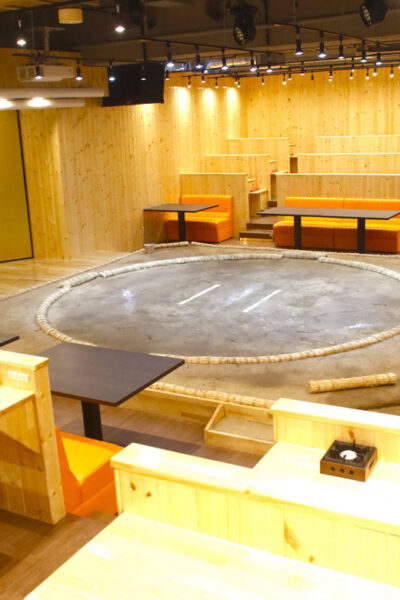
Sumo Show Experience with Chicken Hot Pot and a Photo
Read our review →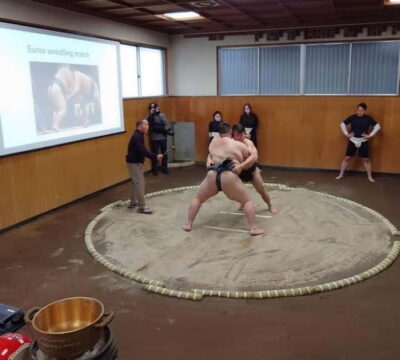
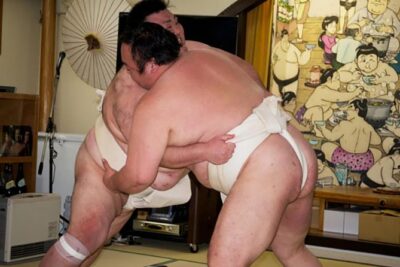
Tokyo Shinjuku Sumo Show & Experience with Photo
Read our review →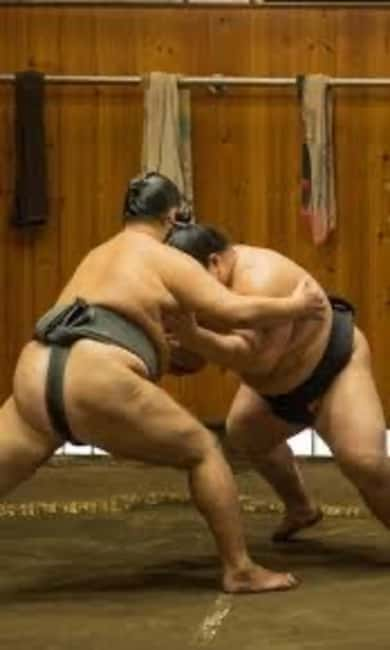

Authentic Sumo Experience in Tokyo: Enter the Sanctuary
Read our review →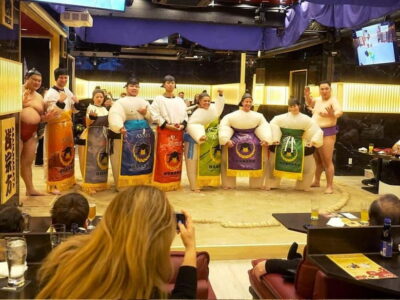
Luxury Sumo Show Experience & Japanese cuisine & Drink
Read our review →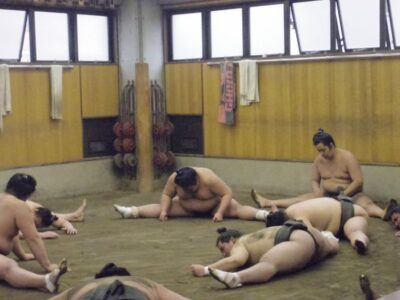
Browse the lists this tour appears in