
Reviewed · SUSHI EXPERIENCES
Tokyo: Sushi Making Class
Tokyo’s three-hour sushi class is more than a quick lesson in rolling maki. You’ll learn the small details that make sushi work, from seasoning rice to shaping nigiri, then sit down to eat a full meal you prepared yourself. Instructors such as Mika, Aya, Miki, Yuko, and Yuki have been praised for clear English and patient teaching.
I like the small maximum of nine people, which gives you room to ask questions and get help with tricky rolls. I also like the useful range of dishes: nigiri, inari, hosomaki, California rolls, tamagoyaki, and miso soup. The main consideration is that the fish arrives pre-sliced, so this is not a lesson in cutting raw fish.
In This Review
- Key Points Before You Book
- What This Tokyo Sushi Class Really Teaches
- Finding Cooking Sun Tokyo in Shinanomachi
- Beginning With Dashi, Seasonings, and Miso Soup
- Making Tamagoyaki Without Losing Your Patience
- Getting Sushi Rice Right
- Four Styles of Sushi at One Workstation
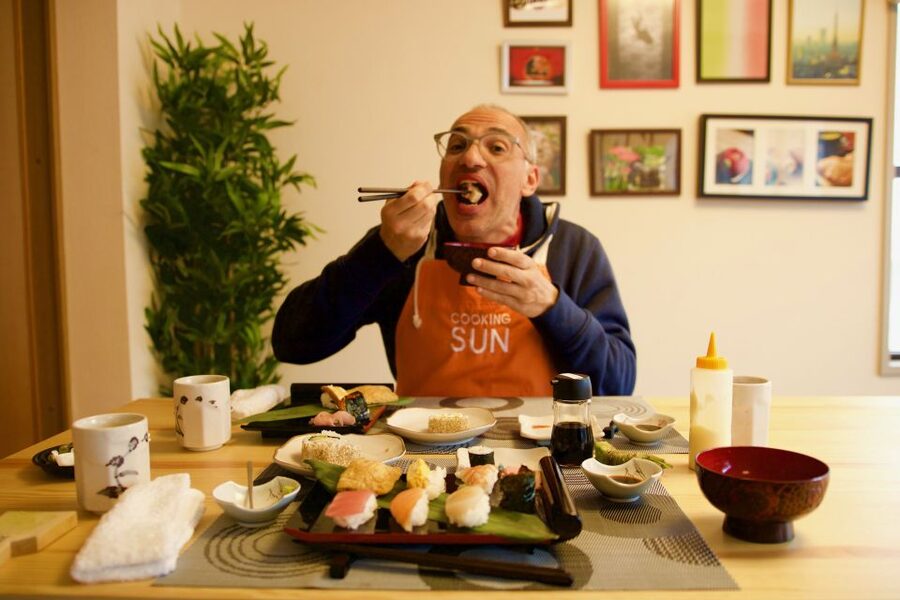
- Eating the Meal You Prepared
- Why the Small Group Makes a Difference
- Dietary Needs and Ingredient Substitutions
- Is $67 a Fair Price?
- Who Will Enjoy This Afternoon Most?
- Practical Details That Matter
- Should You Book Cooking Sun Tokyo?
- FAQ
- How long is the Tokyo sushi-making class?
- How much does the sushi class cost?
- Is the class taught in English?
- What types of sushi will I make?
- Does the class teach how to cut raw fish?
- Can dietary requirements be accommodated?
- What is included in the price?
Key Points Before You Book
- Learn four sushi styles: Make hand-pressed nigiri, sweet tofu pouch inari, thin hosomaki rolls, and California rolls.
- Start with the foundations: Prepare sushi rice and learn about dashi, Japanese seasonings, and miso soup.
- Expect a full meal: The class produces enough food that you may not need dinner afterward.
- English instruction: Local instructors explain each step in English and add cultural, historical, and language notes.
- Good for beginners and families: No previous cooking skill is required, and children have received patient help.
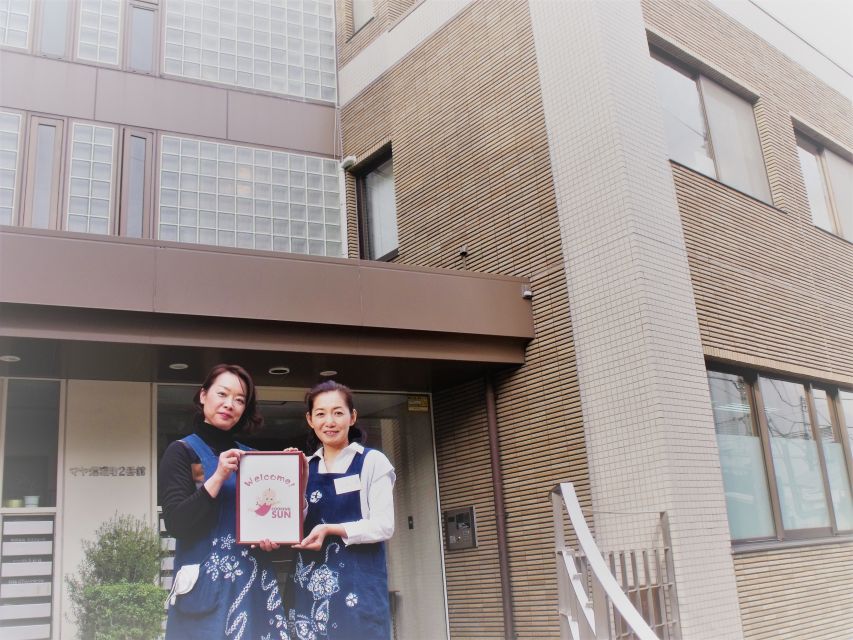
- Plan for the meeting point: The studio is on the second floor of a beige residential building in Shinjuku-ku, not a prominent street-front shop.
What This Tokyo Sushi Class Really Teaches
A sushi lesson can mean many things. Some classes focus on a single roll, take about an hour, and send you on your way. This one takes a slower, more useful approach. Over roughly three hours, you work through the ingredients, prepare several dishes, practice different techniques, and eat the results.
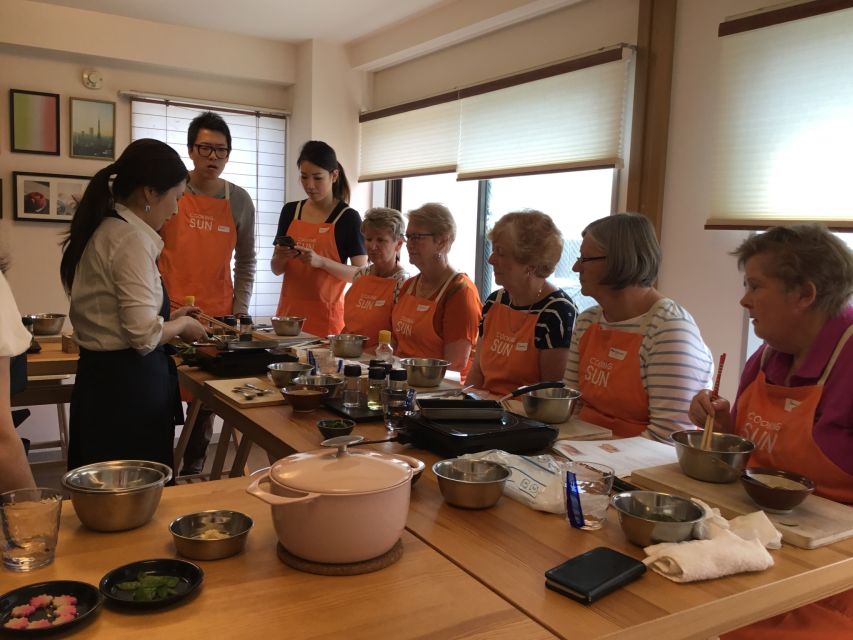
That pace matters. Sushi looks simple when an experienced cook does it, but the rice, pressure, moisture, and proportions all need attention. Here, you first watch a demonstration, then try the task yourself with an instructor nearby. You are not left guessing how firmly to press the rice or how tightly to roll the nori.
The class is taught in English, and the instructors explain more than the mechanics. You’ll hear about Japanese ingredients, cooking customs, and the background of the dishes. This gives the meal some context without turning the afternoon into a lecture.
The tone is friendly and informal. Several instructors have been praised by name, including Mika, Aya, Koyotama, Miki, Yuko, and Yuki, though the person teaching your session may differ. The important point is the teaching style: clear demonstrations, steady help, and enough patience for first-time sushi makers.
More sushi mornings and classes:
- Sushi Making Tokyo Roll and Authentic Japanese Sushi Class
★ 5.0 · 3,971 reviews - Tokyo: Roll and Authentic Sushi Making Class in Asakusa
★ 4.9 · 1,957 reviews - Make Sushi and Create Unforgettable Memories in Tokyo
★ 5.0 · 1,413 reviews
Finding Cooking Sun Tokyo in Shinanomachi
The studio is in a quiet residential area at Shinanomachi 18-39, Shinjuku-ku. That setting can be part of the appeal. You are not spending the afternoon in a polished restaurant aimed at sightseers. You are entering a working neighborhood and a small cooking studio.
It can also be the trickiest part of the day. Search Google Maps for Cooking Sun Tokyo, rather than relying only on the street address. The studio is on the second floor of a beige residential building. At the entrance, you’ll see two doors, and the right-side door leads to the studio. Press 314 on the intercom to call the class.
Do not leave this navigation until the last minute. If you have no Wi-Fi, check the detailed directions before leaving your hotel. If you arrive by private vehicle, ask the driver to use a nearby coin-operated parking lot rather than stopping in front of the building. This is a quiet neighborhood, and waiting outside can inconvenience residents.
The location is not a reason to skip the class, but you should allow time to find it. A calm arrival is especially helpful if you are carrying shopping bags, traveling with children, or coming straight from another Tokyo sight.
Beginning With Dashi, Seasonings, and Miso Soup
The first part introduces the basic flavors of Japanese cooking. You’ll learn about dashi, the soup stock that forms the base of many Japanese dishes, along with traditional seasonings and miso.
This is a good opening because it explains flavors you may have encountered throughout Japan without knowing how they were built. Miso soup is not an extra tacked onto the meal. It gives you a simple example of how a few carefully balanced ingredients can create a satisfying dish.
You also prepare the soup as part of the class. That adds variety before the sushi work begins, and it means the final meal feels like a small Japanese lunch rather than a plate of isolated rolls.
Making Tamagoyaki Without Losing Your Patience
Next comes tamagoyaki, the soft Japanese rolled omelet. It looks neat when finished, but building those thin layers takes coordination. You’ll get a step-by-step demonstration, then try making the omelet with guidance.
This is one of the more useful parts of the class for home cooks. Tamagoyaki appears in bento boxes, sushi meals, and many Japanese home kitchens, so the skill has value beyond this one afternoon. It also breaks up the rice work and gives you a warm dish to prepare.
Do not worry if your first attempt is less tidy than the instructor’s. The point is to learn the motion and seasoning. The instructors are used to beginners, and the class is structured so you can watch before handling the pan yourself.
A few more Tokyo bookings worth comparing
- Tokyo Shinjuku Chopsticks Making Class
★ 5.0 · 1,763 reviews - Tokyo: Sushi Making Class in a Happi Coat near a Famous Spot
★ 4.9 · 1,377 reviews - Chopstick Making Workshop in Ginza
★ 4.8 · 1,366 reviews - Tokyo Sushi Making Class in Tsukiji with Professional Chef
★ 5.0 · 1,177 reviews
Getting Sushi Rice Right
The rice is the heart of the lesson. You’ll prepare it and learn how its texture and flavor affect every piece of sushi that follows.
This is where the class earns much of its price. Rolling a California roll is fun, but learning to make rice that holds together without becoming heavy is the skill you are most likely to use at home. The instructors explain the process in simple steps, and you can ask about the details that are hard to understand from a recipe alone.
You’ll also prepare toppings such as shrimp. The fish used in the class is pre-sliced, so you will not learn how to fillet or cut raw fish. That limitation is worth noting if you want a professional knife-skills lesson. For most first-time cooks, though, pre-sliced fish keeps the afternoon focused on rice, shaping, filling, and presentation.
Four Styles of Sushi at One Workstation
The class covers a satisfying range of sushi forms.
Nigiri teaches you to shape rice by hand and place a topping on top. It is a lesson in proportion and gentle pressure. Too much handling can make the rice dense, while too little leaves the piece unstable.
Inari uses a sweet tofu pouch filled with sushi rice. It is easier to shape than nigiri and gives you a different balance of sweetness and savory flavor.
Hosomaki, or thin rolls, require care with the amount of rice and filling. This is where you learn how to spread ingredients evenly and roll with control.
California rolls provide a more generous format and a familiar entry point for many beginners. They also let you experiment with combinations and presentation once you understand the basic method.
The variety keeps the lesson moving. If one technique frustrates you, the next offers a fresh start. It also gives you several ideas to recreate at home rather than one recipe that may not suit everyone in your family.
Eating the Meal You Prepared
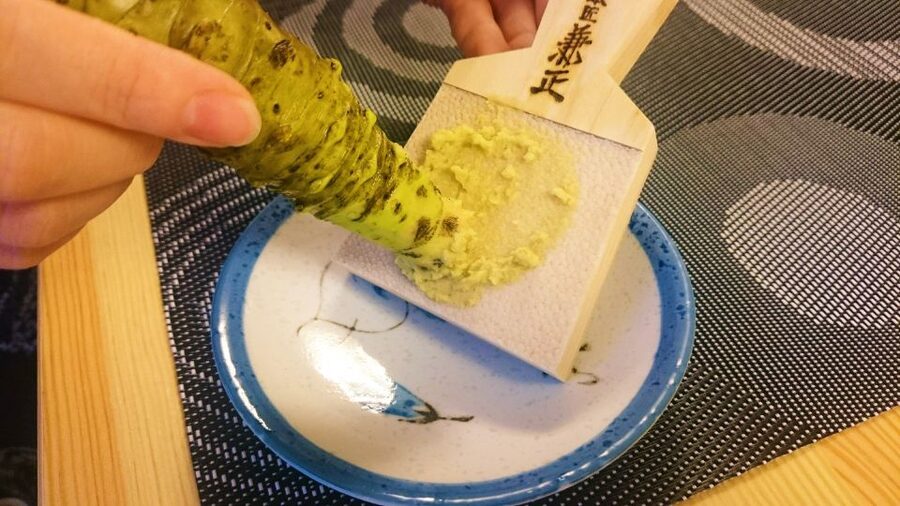
At the end, you sit down with your sushi and miso soup. Fresh wasabi and pickled ginger are served on the side.
The portion is described as generous, and some people have found it large enough to replace dinner. Plan accordingly. This is not a tiny tasting course followed by a search for food elsewhere. You may want to keep the rest of the evening light, especially if you are also enjoying every imperfect but satisfying piece you made.
There is no stated tea or sake service, so do not book this expecting a drink pairing. The focus is the cooking and the meal. That keeps the $67 price centered on instruction, ingredients, and food rather than extras.
Eating together is also the social payoff. You prepare the food side by side, then see how everyone’s rolls and nigiri turned out. It is a natural way to meet the other people in your group without forcing conversation.
Why the Small Group Makes a Difference
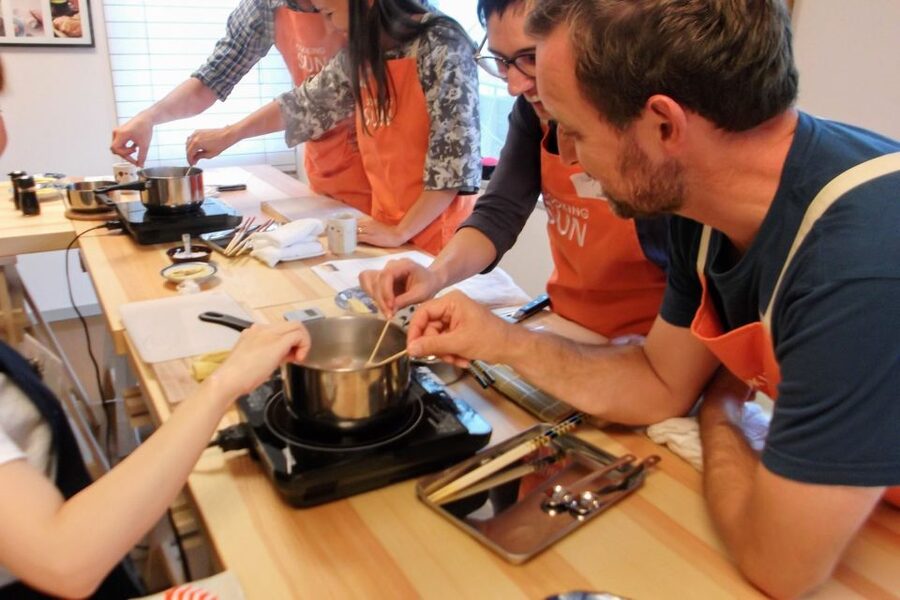
The class is limited to nine participants. That is small enough for the instructors to move around, check your technique, and answer questions without making you wait long.
This matters most during the rice and rolling stages. A large demonstration can show you what to do, but it cannot always spot why your roll is loose or why your rice is sticking to your hands. In a smaller room, help arrives when you need it.
The group can be even smaller. One session had only a few participants, creating an almost private lesson. You should not count on that every time, but the nine-person limit still protects the hands-on nature of the activity.
Families also benefit from this setup. A seven-year-old sushi fan received patient help, and other families brought toddlers and teenagers. The class is not presented as a separate children’s program, so adults should still be ready to supervise their own children, but the teaching style is welcoming to young cooks.
Dietary Needs and Ingredient Substitutions
Tell the provider about dietary requirements when booking. Substitutions can be made for food allergies, gluten-free diets, religious restrictions, vegetarian preferences, and other needs.
This is not a detail to mention only when you arrive. Advance notice gives the instructors time to prepare suitable ingredients and explain what has been changed. People with celiac disease and allergies have been accommodated successfully, with clear explanations of which ingredients were safe and which substitutions were used.
You should still communicate carefully and specifically. If you have a serious allergy, state it during booking and confirm it with the instructor at the start. The class includes several ingredients and seasonings, so clear communication is the sensible approach.
Is $67 a Fair Price?
At $67 per person, this is not the cheapest way to eat sushi in Tokyo. It can be a good value if you want instruction, cultural context, a full meal, and recipes to take home.
The three-hour length is important. Shorter classes may teach one or two simple rolls, while this session covers several sushi types, tamagoyaki, miso soup, Japanese ingredients, and rice preparation. You also receive all ingredients and utensils, an apron and towel rental, and recipe cards.
The recipes extend the value beyond your Tokyo visit. One participant had already remade the dishes at home. If you buy sushi ingredients and practice the techniques later, the class becomes a practical cooking lesson rather than a one-time photo opportunity.
You should book it if you want to understand how sushi is made and eat a substantial meal at the end. If you only want a fast activity or a lesson in cutting raw fish, choose something else.
Who Will Enjoy This Afternoon Most?
I would recommend this class to first-time sushi makers, home cooks who want better technique, families with food-curious children, and anyone looking for a social activity on a rainy afternoon.
It also suits people who enjoy learning the background of food. The instructors add notes about Japanese culture, history, and language while keeping the cooking moving. You get information, but you still spend much of the time doing something with your hands.
The class is a good fit for mixed groups. A confident cook can learn about rice and shaping, while someone who rarely cooks can follow the demonstrations one step at a time. Couples, parents with older children, and small groups of friends should find the format easy to share.
I would hesitate only if raw-fish preparation is your main goal. The fish is pre-sliced, and the session does not teach knife work for cutting fish. I would also avoid booking it as a quick stop between tightly scheduled sights because the class lasts three hours and the residential meeting point requires care.
Practical Details That Matter
The class lasts three hours, with starting times varying by availability. Check the schedule before planning the rest of your day.
English is the listed teaching language. The instructors have been praised for explaining ingredients and techniques clearly, including to people with no cooking background.
Recipes, ingredients, utensils, an apron, and a towel are included. Hotel pickup and transportation are not included, so you make your own way to the Shinanomachi studio.
Cancellation is free up to 24 hours before the class for a full refund. You can also reserve now and pay later, which helps if your Tokyo plans are still shifting.
Should You Book Cooking Sun Tokyo?
Book this class if you want a hands-on Japanese food lesson with enough time to learn, cook, and eat. The small group, English instruction, varied menu, and careful attention to dietary needs make it a strong choice for beginners and families.
Skip it if you want raw-fish cutting instruction, a restaurant-style tasting, or a short activity. For everyone else, $67 buys a useful skill, a generous meal, a few hours with local instructors, and recipes you can try again after leaving Japan.
FAQ
How long is the Tokyo sushi-making class?
The class lasts three hours. Starting times vary, so check availability when booking.
How much does the sushi class cost?
The price is $67 per person.
Is the class taught in English?
Yes. English-speaking local instructors lead the class and explain the ingredients, techniques, and cultural background.
What types of sushi will I make?
You’ll make nigiri, inari, thin hosomaki rolls, and California rolls. You’ll also prepare sushi rice, tamagoyaki, and miso soup.
Does the class teach how to cut raw fish?
No. The fish is pre-sliced, and the class does not include instruction in cutting raw fish.
Can dietary requirements be accommodated?
Yes. Ingredients can be substituted for allergies, gluten-free diets, religious dietary restrictions, vegetarian preferences, and other needs. Tell the provider about your requirements when booking.
What is included in the price?
Recipes, all ingredients and utensils, and towel and apron rental are included. Hotel pickup and transportation are not included.
New on our Tokyo list
- From Tokyo: Mount Fuji & Hakone Full Day Private Tour★ 4.9 · 25 reviews
- Tokyo Spectacular View Day-Cruise in 90 Minutes★ 5.0 · 25 reviews
- Real Tokyo Runner Club : Daikoku Car Meet Night Tour with JDM Car★ 5.0 · 25 reviews
- 2.5 Hour-Guided Cycle Tour in the Central Tokyo★ 5.0 · 25 reviews
- Ramen Making from Scratch +Akihabara Tour –Cooking Class★ 5.0 · 25 reviews
- [Self-Drive] Tokyo & Daikoku Custom Car Driving Tour★ 4.9 · 25 reviews
- Tokyo: 2-Hour Night Bike Tour of the City’s Hidden Gems★ 4.9 · 25 reviews
- Samurai themed Entertainment show in Shinjuku★ 4.5 · 25 reviews
Sushi Experiences, compared.
Sushi Making Tokyo Roll and Authentic Japanese Sushi Class
Read our review →
Roll and Authentic Sushi Making Class in Asakusa
Read our review →
Make Sushi and Create Unforgettable Memories in Tokyo
Read our review →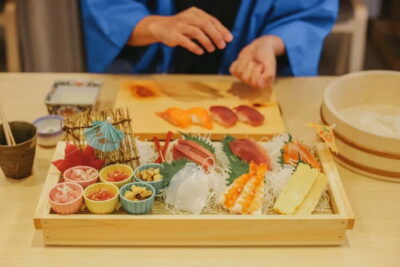
Sushi Making Class in a Happi Coat near a Famous Spot
Read our review →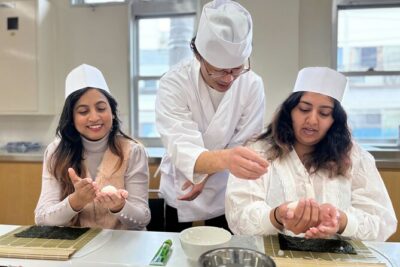
Tokyo Sushi Making Class in Tsukiji with Professional Chef
Read our review →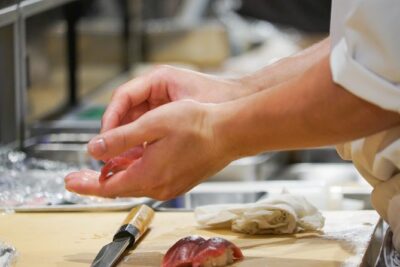
Tokyo Night Foodie Tour in Shinjuku – Seasonal Sushi, Wagyu Beef
Read our review →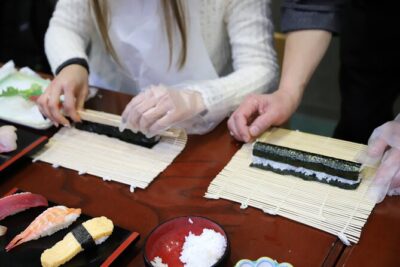
Tsukiji Fish Market Guided Tour and Sushi Making with Pro Chef
Read our review →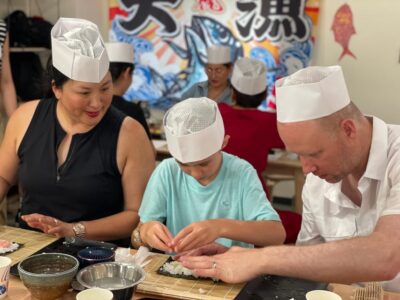
Tsukiji Fish Market Sushi Making Class with Pro Chef
Read our review →Browse the lists this tour appears in