
Reviewed · TEA CEREMONIES
Tokyo: Tea Ceremony in Shibuya Tokyo
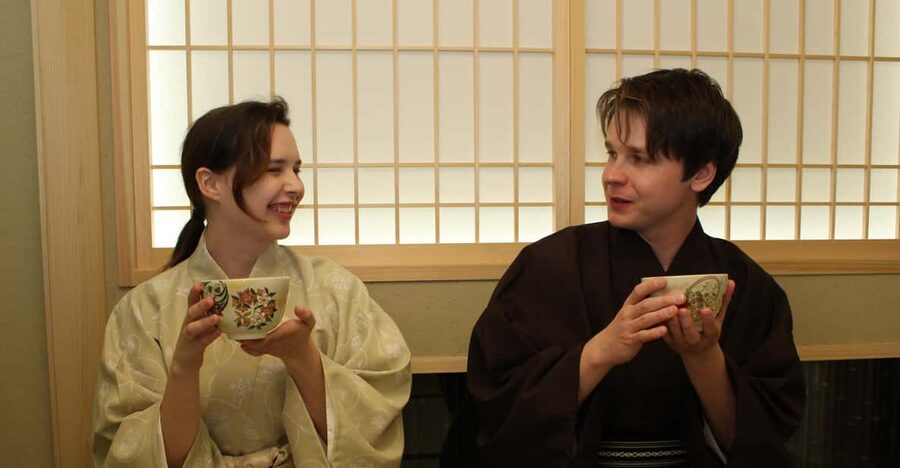
A quiet tea room, a kimono-clad teacher, a bowl of matcha, and a sweet served before the tea: this is a thoughtful way to meet an important part of Japanese culture without leaving central Tokyo. The private format, limited to one to four people, keeps the lesson personal and gives everyone a turn at the tea whisk.
I like the English-language teaching and the clear hands-on format. You first learn the customs, then watch Otemae, the formal preparation of tea, and finally make your own matcha. I also like the traditional sweets and the chance to buy unusual souvenirs, including Pokemon figures made from kimono fabric. The main consideration is price: at $81 per person, it makes the most sense for visitors who want a focused cultural lesson, not just a quick cup of tea.
In This Review
- Key points at a glance
- Entering a private Shibuya tea room
- The opening lesson on history and etiquette
- Watching Otemae before you try it
- Tasting Japanese sweets before the matcha
- Making your own bowl of matcha
- Adding a kimono to the tea ceremony
- Souvenirs with a local textile connection
- What the $81 price gives you
- Who will enjoy this experience most
- Booking details worth checking first
- Should you book this Shibuya tea ceremony?
- FAQ
- Where does the tea ceremony take place?
- How many people can join one booking?
- Is the class taught in English?
- What happens during the activity?
- Are tea and sweets included in the price?
- Is kimono rental included?
- What should I wear?
- Can I cancel the booking?
Key points at a glance
- Private groups of one to four: You share the tea room only with your own family or friends.
- A full lesson, not just a tasting: The session covers tea ceremony history, etiquette, Otemae, matcha preparation, and sweets.
- English-speaking instruction: Teachers experienced in tea explain each stage in English.
- Hands-on matcha making: You prepare your own tea after watching the teacher.
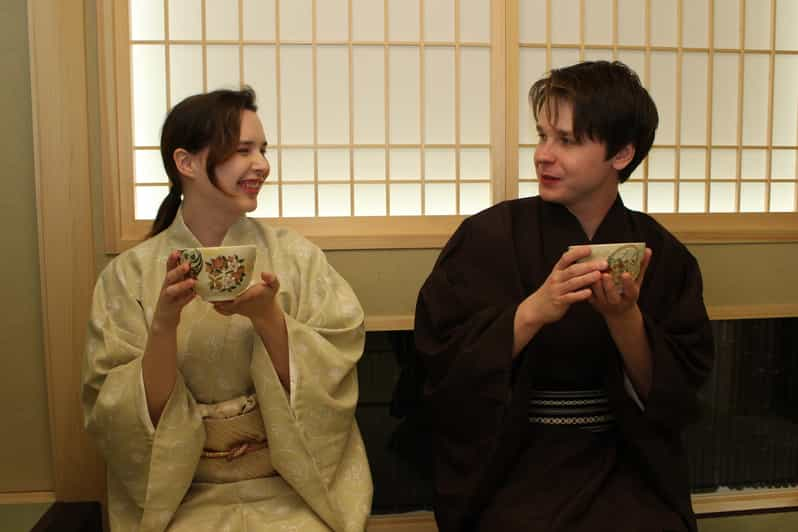
- Kimono option available: Kimono wear can be added for an extra charge, and suitable pants or a wrap skirt are available free if needed.
- Useful Shibuya location: You can fit the experience into a day of sightseeing in central Tokyo, with pickup available if arranged in advance.
Entering a private Shibuya tea room
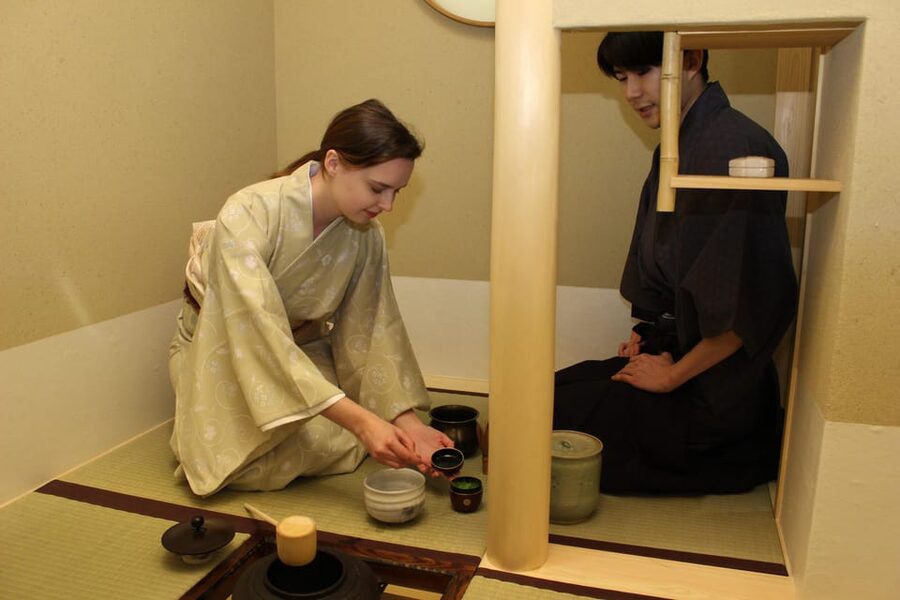
The strongest feature here is the setting. Instead of joining a large class, you book a private session for one to four people. That matters because tea ceremony etiquette can feel delicate at first. In a small group, you can ask questions, watch the teacher’s hand movements, and take your time without worrying about strangers.
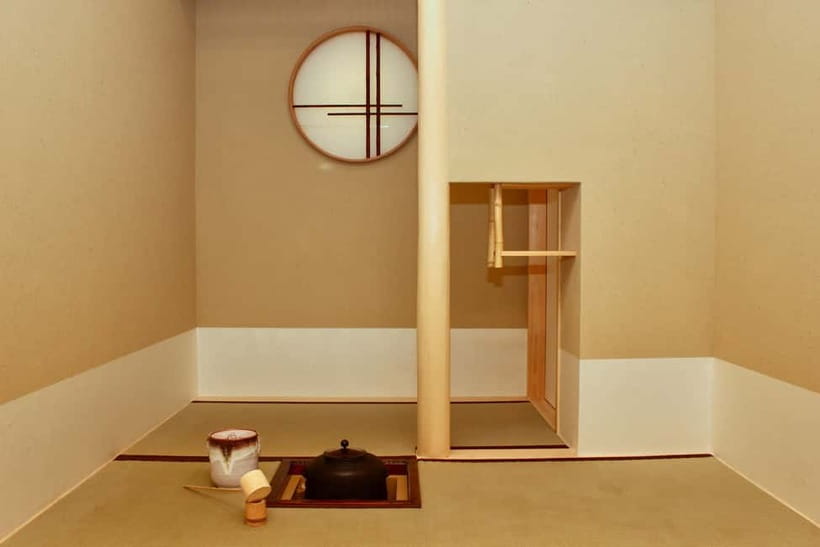
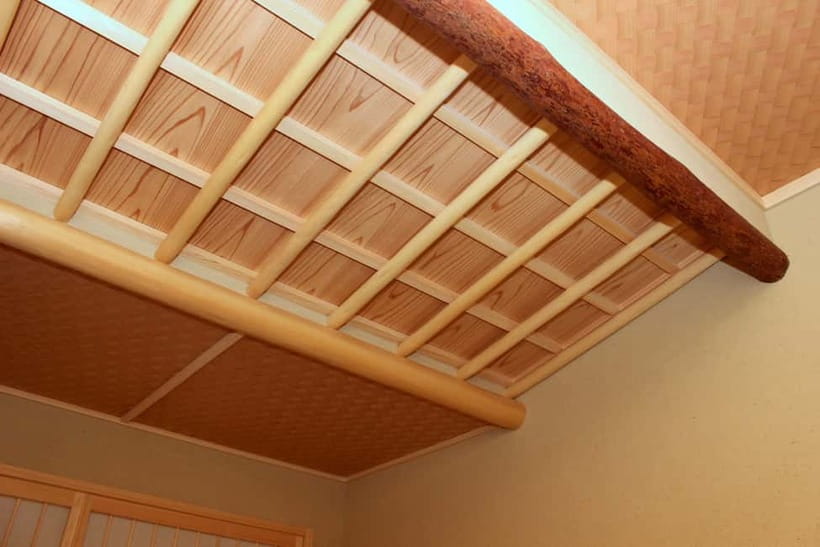
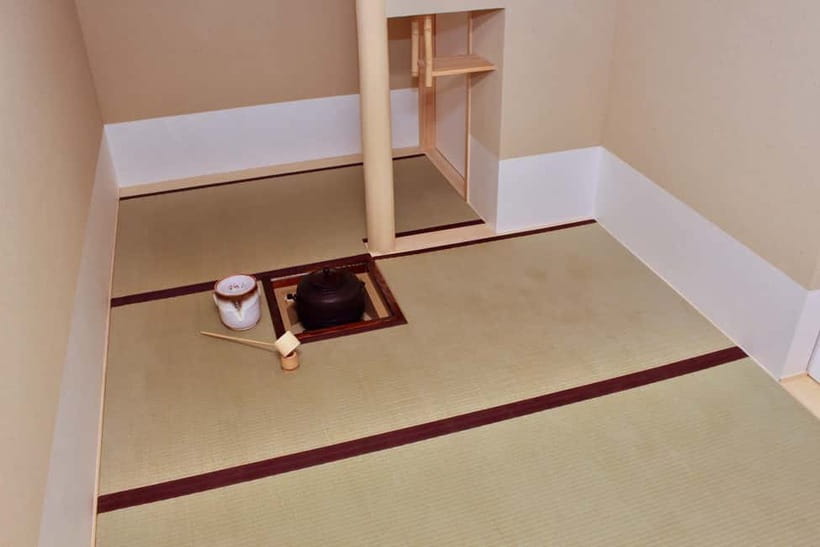
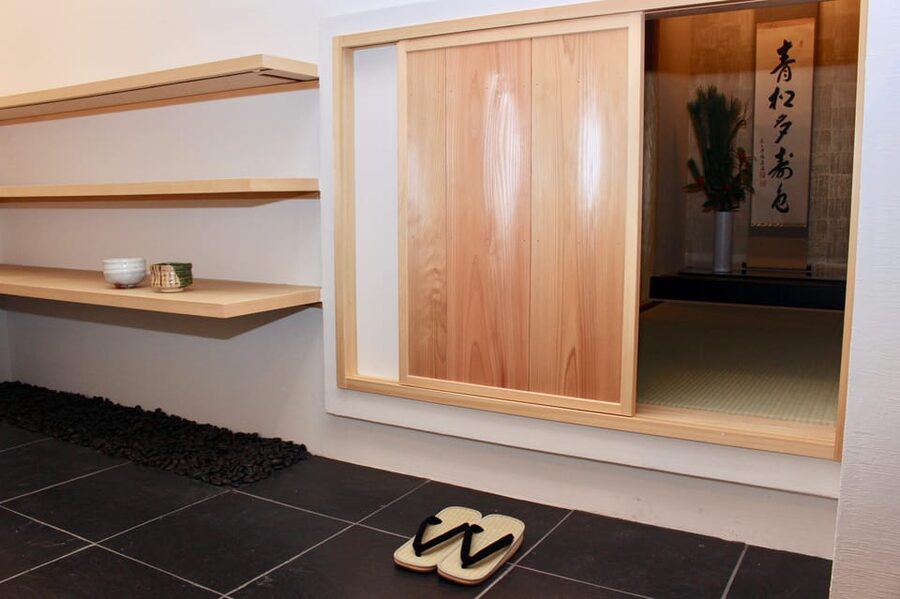
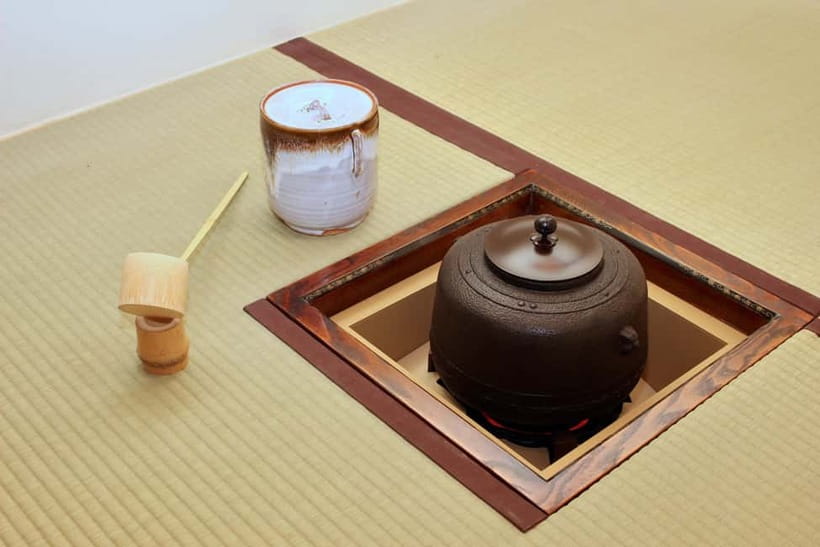
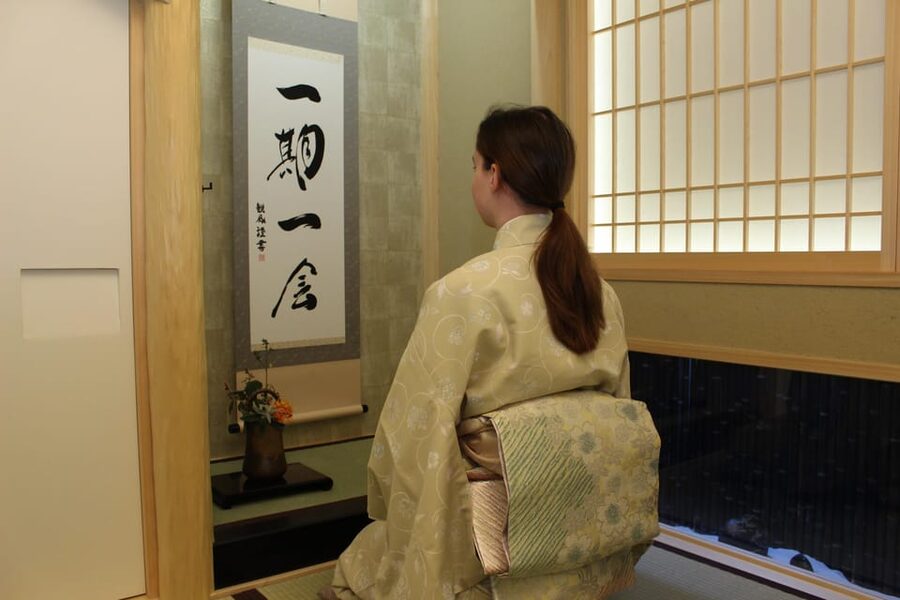
The experience takes place in a prestigious tea room in Shibuya. The room itself is part of the lesson. The arrangement, the quiet pace, and the careful handling of utensils help show that tea ceremony is not simply a method for making matcha. It is a set of actions shaped by respect, attention, and hospitality.
You should expect a calm cultural activity rather than a fast sightseeing stop. One account describes a shorter one-hour session, so the exact length may depend on the plan you book. Check the available dates and options before reserving, since more than one plan may be offered.
More tea rooms worth booking:
- Matcha Making Class in Tokyo with Authentic Japanese Sweets Set
★ 5.0 · 744 reviews - Tokyo: Traditional Tea Ceremony with a Tea Master
★ 5.0 · 528 reviews - Tokyo: Matcha Making Experience with Mochi Sweets in Asakusa
★ 4.9 · 388 reviews
The opening lesson on history and etiquette
The class begins with an explanation of the tea ceremony, its background, and its rules of conduct. This introduction gives the later movements some meaning. Without it, bowing, receiving a bowl, or turning the cup can seem like a string of fussy instructions. With context, you can see how each action helps create a respectful exchange between host and guest.
The teacher also explains the decoration and arrangement of the tea salon. That detail appeared especially important in the shorter session, where the setting was explained before the tea was prepared. You will not simply sit down and wait for a drink. You will learn how the room and its objects contribute to the experience.
English instruction is a major practical advantage. Tea ceremony has many small gestures, and it is hard to learn them from watching alone. An English-speaking teacher can explain what to do and why it matters, which makes the session useful even if you have never encountered matcha or Japanese tea customs before.
Mako-san is one teacher associated with the experience. She may lead your session, depending on the date and staff schedule. She is described as welcoming and highly experienced in tea, and she leads the class in a kimono.
Watching Otemae before you try it
The teacher next demonstrates Otemae, the preparation of matcha. Watch this part closely. The value is not only in seeing tea made, but in noticing the order, care, and controlled movements involved.
You will see how the teacher handles the tea tools and prepares the bowl before serving it. The demonstration gives you a model to follow later, so it is worth paying attention to the smaller actions rather than treating this as a performance to watch passively.
This is also the point where the activity differs from a casual matcha tasting in a cafe. A cafe gives you the drink. Here, you learn the method and the etiquette around it. That extra instruction is what helps justify the higher price.
The pace is deliberately unhurried. If you prefer activities with constant movement, this may feel slow. I see that as part of the appeal, but it is still worth knowing before you book. The experience asks you to sit, observe, and repeat a set of actions carefully.
Tasting Japanese sweets before the matcha
Before you prepare your own tea, you taste a traditional Japanese sweet. This is not just a small snack added to the booking. The sweetness balances matcha’s sharp, earthy flavor and prepares your palate for the tea.
The sweet also gives the class another point of contact with Japanese food culture. You can pay attention to its texture and presentation, then compare that gentle sweetness with the stronger flavor of matcha.
Tea and sweets are included in the $81 price, so you do not need to budget extra for the tasting. The experience is designed as one complete lesson, rather than a class followed by separate charges for the basic refreshments.
More Shibuya plans:
- Official Street Go-Kart in Shibuya
★ 5.0 · 3,435 reviews - Tokyo: Street Kart Experience in Shibuya
★ 4.9 · 1,484 reviews - Shibuya Meltdown Nightlife Tour: All-You-Can-Drink Bar Hopping
★ 5.0 · 1,058 reviews - Shibuya Official Street Go-Kart in Shibuya Annex
★ 5.0 · 972 reviews
Making your own bowl of matcha
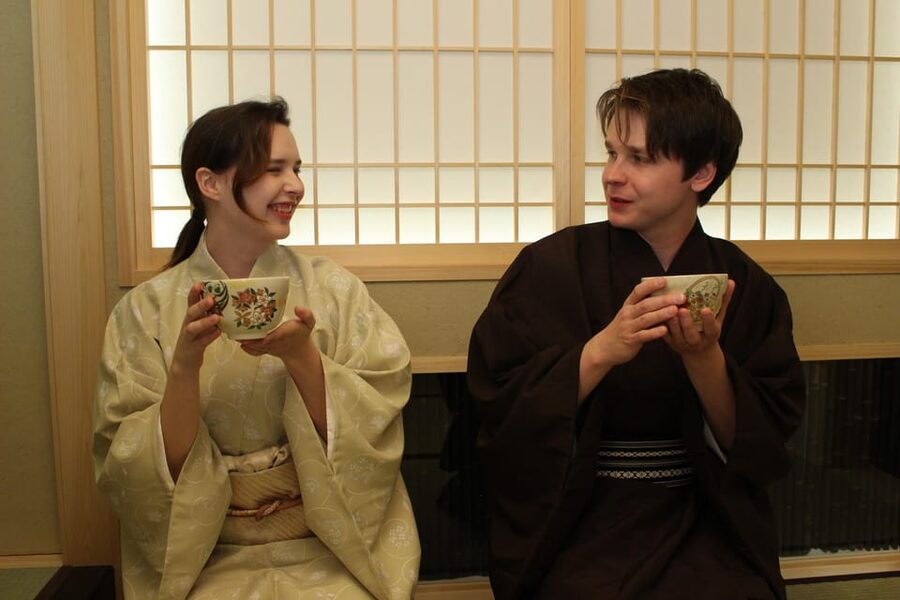
After the demonstration, you prepare matcha yourself. Each person in the private group gets a chance to take part, making this more memorable than watching the teacher do everything.
The teacher guides you through the process and helps you follow the correct order. Do not worry if your first bowl is not perfect. The point is to learn the movement and understand the ceremony, not to produce a competition-quality foam.
You then taste the tea you made. This creates a satisfying rhythm: explanation, demonstration, practice, and tasting. It also lets you notice how much the preparation affects the drink. Matcha can taste quite different from the sweetened tea drinks found elsewhere in Tokyo, so the sweet served beforehand is a useful part of the sequence.
The hands-on section works well for families and friends because you can watch one another try. Since the booking is private, the atmosphere should feel less exposed than a large public class. That is particularly helpful if you are unsure about the etiquette or nervous about handling unfamiliar utensils.
Adding a kimono to the tea ceremony
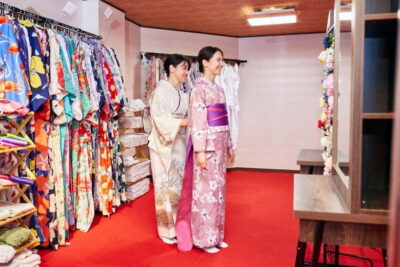
Kimono wear is available for an additional charge. One participant wore a kimono during the ceremony and found it added to the sense of occasion. If you want photographs or a more formal cultural experience, this option may be worth considering.
It is not included in the $81 price, so confirm the extra cost before booking. The basic activity remains the tea lesson, and you can attend without paying for kimono rental.
Clothing needs some thought even if you skip the kimono. You should wear a skirt or pants long enough to cover your knees. If your clothing is not suitable, the venue lends appropriate pants or a wrap skirt free of charge. You do not need to bring special equipment.
Souvenirs with a local textile connection
The venue also offers souvenirs made from kimono material. The unusual example provided is Pokemon items made with kimono fabric. These are a fun choice if you want something more distinctive than a standard Tokyo souvenir, especially for children or fans of Japanese pop culture.
You may also find tea-related goods, including tea sets and matcha. One visitor purchased a tea set after the session. These purchases are optional and are not part of the tour price, so treat them as an extra rather than a reason to book the class.
The textile souvenirs connect two sides of Japan that are often presented separately: older clothing traditions and modern character culture. That combination gives the shopping a more personal link to the activity than buying a generic item in a department store.
What the $81 price gives you
At $81 per person, this is not a budget introduction to matcha. You are paying for a private tea room, an English-speaking teacher, instruction in etiquette and history, a formal demonstration, your own tea-making practice, sweets, tea, facility fees, and taxes.
The value improves when you are traveling with family or friends and want a shared activity. A private booking for up to four people means you are not placed with an unknown group. The teacher can focus on your party, and everyone has room to participate.
The price is harder to justify if you only want to taste matcha or take a quick photograph in kimono. Tokyo has cheaper ways to buy and drink tea. Book this experience for the lesson, the private setting, and the chance to make the tea yourself.
Pickup service is available if needed, but you must contact the provider by email before booking. Since pickup details are not specified, ask about the meeting arrangement and any conditions before you finalize the reservation.
Who will enjoy this experience most
I would recommend the class to first-time visitors who want a clear introduction to tea ceremony without needing prior knowledge. English explanations make the customs easier to follow, and the small-group format is well suited to couples, families, or a few friends.
It is also a good choice for anyone who values a slower cultural activity between Tokyo’s louder attractions. The Shibuya setting makes it practical to pair with other plans in the area, although the ceremony itself has a quiet, reflective mood.
Families should find the private format helpful. Children may enjoy whisking the matcha and seeing the Pokemon kimono-fabric souvenirs, though the calm setting requires them to listen and handle the equipment carefully.
I would be more cautious about recommending it to someone who dislikes formal etiquette or sitting through explanations. The ceremony is not built around entertainment or a long list of sights. Its appeal comes from attention to small gestures and a steady pace.
Booking details worth checking first
You can reserve for one to four people, and the booking is private rather than mixed with other groups. Advance booking and payment are required, though the reservation information allows you to reserve now and pay later, keeping some flexibility in your plans.
You can cancel up to 24 hours in advance for a full refund. Tea, sweets, facility charges, and taxes are included. Kimono rental is extra.
For pickup, contact the provider before booking at [email protected]. The activity is offered in English, and the teachers are experienced in tea ceremony.
Since several dates and plans are available, check the exact option carefully. The one-hour version described by a participant may not be the only format. The plan you choose could affect the amount of explanation, time for practice, or added services.
Should you book this Shibuya tea ceremony?
Book it if you want to understand tea ceremony rather than simply take part in a staged photo opportunity. The strongest reasons are the private group format, English teaching, clear Otemae demonstration, traditional sweet, and chance to prepare your own matcha.
The $81 cost is fair for a private cultural lesson with tea, sweets, taxes, and facility fees included, but it is a poor fit if you are looking for the cheapest possible introduction. Add the kimono only if wearing one matters to you, since it costs extra.
For a family, couple, or small group with room in the budget, this is a focused and memorable Shibuya activity. You leave with more than a bowl of tea: you understand the gestures around it, and you may find a tea set or kimono-fabric souvenir to carry the experience home.
FAQ
Where does the tea ceremony take place?
The activity takes place in a prestigious tea room in Shibuya, Tokyo, on Honshu, Japan.
How many people can join one booking?
Each booking is private and accepts from one person up to four people. Mixed sessions with other groups are not arranged.
Is the class taught in English?
Yes. The tea ceremony classes are led by English-speaking teachers experienced in tea.
What happens during the activity?
You learn about tea ceremony history and etiquette, watch an Otemae demonstration, prepare your own matcha, and taste the tea with a traditional Japanese sweet.
Are tea and sweets included in the price?
Yes. The $81 price includes tea, sweets, facility charges, and taxes.
Is kimono rental included?
No. Kimono wear is available for an additional charge.
What should I wear?
You should wear a skirt or pants long enough to cover your knees. Suitable pants or a wrap skirt can be lent to you free of charge if needed.
Can I cancel the booking?
Yes. You can cancel up to 24 hours in advance for a full refund.
New on our Tokyo list
- Sumi-e Experience in a relaxing green tea shop in Tokyo★ 5.0 · 3 reviews
- Tokyo : Kamikaze Street Drift Ride★ 5.0 · 3 reviews
- Private Zen Meditation in English in Shinjuku, Tokyo★ 5.0 · 3 reviews
- Onsen Spa in Tokyo and Asakusa Bar Hopping with Local Guide★ 5.0 · 3 reviews
- Easy for everyone! Now you can play handmade mini shamisen and show off to everyone! Musical instruments, sweets and live music★ 5.0 · 3 reviews
- Tokyo: Private Tsukiji Street Food & Sake with Local Guide★ 5.0 · 3 reviews
- Mt Fuji Exploration Tour with Free Japanese Kusa Mochi from Tokyo★ 4.5 · 3 reviews
- Tokyo Tsukiji Fish Market Walking and Exploring Hidden Gems Tour★ 5.0 · 3 reviews
Tea Ceremonies, compared.
Matcha Making Class in Tokyo with Authentic Japanese Sweets Set
Read our review →
Matcha Making Experience with Mochi Sweets in Asakusa
Read our review →
Tea Ceremony Workshop in Tokyo by the Experienced Instrucor
Read our review →

Make Traditional Nerikiri Sweets & Matcha experience in Shibuya
Read our review →Browse the lists this tour appears in