
Reviewed · TSUKIJI & TOYOSU MARKET TOURS
Tokyo Tsukiji Fish Market Food Tour: 15 Stops & Walk Local Street
Tsukiji is best understood with your appetite and your curiosity switched on. This small-group walk takes you from Tsukiji Hongwanji Temple into a shopping street of more than 400 shops, then past fish stalls and shrines. I like the local guide’s help with sushi etiquette, and I like that photos are sent after the tour. The capped group of 15 keeps the walk manageable.
The main catch is important: food is not included in the $80 price. You may be guided toward sushi, oysters, or other market treats, but you pay for those yourself. That makes this more expensive than a simple market walk, so book it for the explanations, route, and local help rather than for included meals.
In This Review
- Key points before you book
- What the $80 Tsukiji walk really offers
- Starting at Tsukiji Hongwanji Temple
- Ninety minutes among 400 Tsukiji shops
- Fish stalls and the mini wholesale market
- A quiet finish at Namiyoke Inari Shrine
- Food costs, choices, and the confusing wording
- What the guide adds to the walk
- Photos are a nice extra, not the main reason to book
- Timing, transport, and group comfort
- Who will enjoy this Tsukiji experience most
- Should you book it?
- FAQ
- How much does the Tokyo Tsukiji Fish Market Food Tour cost?
- How long does the tour last?
- Is food included in the tour price?
- Where does the tour start?
- Where does the tour end?
- What places are visited?
- How many people can join the tour?
- Are photos included?
- Is cancellation free?
Key points before you book
- Tsukiji Hongwanji Temple begins the walk: Meet at the temple entrance for a short introduction before heading into the market area.
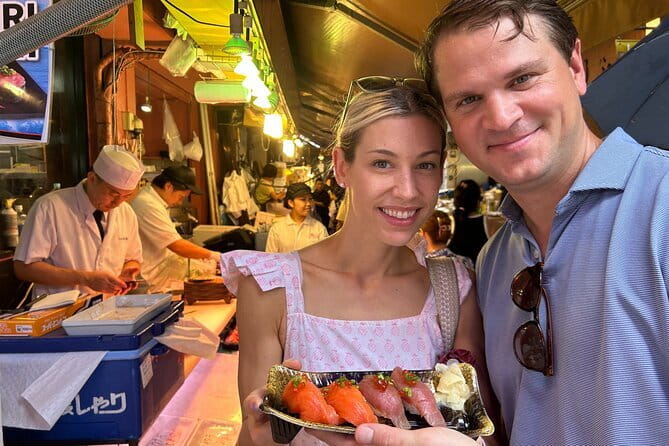
- More than 400 shops line the Jogai Market: The main market stop lasts about 90 minutes, giving you time to look, ask questions, and choose food if you wish.
- Food costs extra: The advertised experience includes guidance and explanations, not the sushi, oysters, or other purchases.
- Sushi etiquette is part of the lesson: Guide Sakura San has helped visitors understand how to eat sushi and follow Japanese dining customs.
- The group is limited to 15 people: You get a planned route and a guide without joining a large sightseeing crowd.
- The walk ends where it starts: The meeting point at Tsukiji Hongwanji Temple is also the return point.
What the $80 Tsukiji walk really offers
At roughly two to three hours, this is a compact introduction to Tsukiji. The price buys a Japanese guide, explanations about food, etiquette, culture, and history, plus photos taken during the walk and sent afterward.
It does not buy lunch. This point deserves attention because the tour description uses language about food stops and tastings, while the included and excluded details clearly say food is not included. Plan on paying separately if you want sushi, oysters, or other market items.
I see the value here in the human guidance. Tsukiji’s shops and food stalls can be fun to browse, but a guide can explain what you are looking at and help you make sense of local customs. If you only want to wander and take pictures, you can spend much less on your own. If you want context and help choosing what to try, the higher price may suit you.
The small-group limit also matters. Fifteen people is not private, but it is far easier to hear a guide and stay together than in a large coach group. The activity is also suitable for most people and is close to public transportation, though getting to the temple yourself is part of the plan.
More market mornings in Tokyo:
- Tokyo Tsukiji Fish Market Food and Culture Walking Tour
★ 5.0 · 3,184 reviews - Tokyo: Tsukiji Fish Market Food and Walking tour
★ 5.0 · 1,724 reviews - Tokyo: Tsukiji Fish Market Guided Walking Tour
★ 4.9 · 1,397 reviews
Starting at Tsukiji Hongwanji Temple
The meeting point is in front of Tsukiji Hongwanji Temple at 3-chōme-15-1 Tsukiji, Chuo City. You meet at the entrance, so allow enough time to find the temple and arrive ready to walk.
The temple visit lasts about 15 minutes and is free. It gives the tour a calmer opening before you enter the market streets. Your guide can explain the place and local customs, though the supplied details do not promise a long temple tour or special access.
This is a useful beginning for first-time visitors because you get your bearings before food becomes the main subject. I also like the contrast: a short religious and cultural stop followed by a practical walk through shops, stalls, and fish displays.
You should wear comfortable shoes. The tour covers several areas on foot, and the market stop alone lasts around 90 minutes. No hotel pickup or transportation to the meeting point is provided, so you handle the trip to Tsukiji Hongwanji Temple yourself.
Ninety minutes among 400 Tsukiji shops
The heart of the experience is Tsukiji Jogai Market. You spend about an hour and a half making your way through a shopping street with more than 400 shops.
This is where the tour earns much of its value. Instead of simply passing through, you can ask about Japanese food, dining manners, and the products in front of you. The guide’s role is especially useful if you are unsure how to approach a stall or what type of food to choose.
The route is described as a series of 15 stops, but the available details do not name each stop or guarantee a fixed tasting at every one. Think of 15 stops as a guided food-focused walk rather than a prepaid tasting menu.
You might find opportunities to buy sushi, oysters, and other market treats. You should carry a separate food budget and understand that personal purchases are excluded. This lets you choose what appeals to you, but it also means the final cost can rise above the advertised $80.
One practical advantage is that you do not need to plan the market route yourself. Tsukiji can feel confusing when you are trying to watch traffic, read signs, compare food, and keep track of a schedule. A guide leads the way and provides explanations as you go.
The tradeoff is flexibility. A guided route moves at the group’s pace, and you may not have unlimited time at every shop. If your main goal is a long, relaxed lunch or serious shopping, you may prefer to return on your own after the tour.
Fish stalls and the mini wholesale market
The walk also passes a smaller wholesale area where you can see hundreds of kinds of fresh fish. This 30-minute section gives the tour a stronger connection to Tsukiji’s role as a seafood market.
For many people, this will be the most interesting part of the walk. You are not only looking for a meal. You are seeing the ingredients and market activity behind Japanese seafood culture. The guide’s explanation can help you understand what you are seeing without turning the stop into a generic photo pause.
The experience does not promise access to restricted work areas or a behind-the-scenes fish auction. It is a pass-by visit to a mini wholesale market, so keep expectations realistic. You are there to observe and learn while following the group.
This stop also helps explain why the food conversation matters. Sushi etiquette makes more sense when you connect it to the care given to fish and the market culture around it. Guide Sakura San has been praised for explaining sushi eating and Japanese dining manners, which is the sort of practical detail that can improve the rest of your Tokyo meals.
More Tokyo food crawls:
- Tokyo: Shinjuku Food Tour (13 Dishes at 4 Local Eateries)
★ 5.0 · 6,603 reviews - Tokyo: Shinjuku Food Tour (15 Dishes and 4 Eateries)
★ 4.9 · 2,033 reviews - Best of Shinjuku: Izakaya Food Tour (4 Stops, 14+ Tastings)
★ 5.0 · 1,863 reviews - Tokyo Night Foodie Tour in Shinjuku – Seasonal Sushi, Wagyu Beef
★ 5.0 · 1,161 reviews
A quiet finish at Namiyoke Inari Shrine
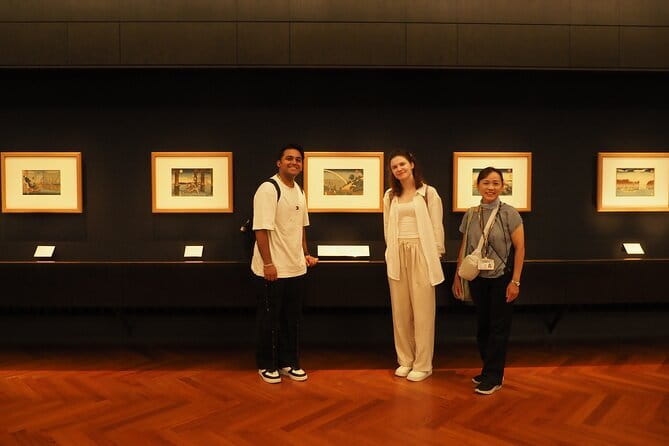
The final listed stop is Namiyoke Inari Shrine, where Namiyoke Inari, the deity associated with warding off disasters and weathering the waves, is enshrined. The visit lasts about 15 minutes and admission is free.
This is a small but fitting end to a market walk. The shrine connects the area’s food and fishing life with prayer and protection. It also gives you a pause after the concentrated noise and movement of the market streets.
The details provided do not specify a special ceremony or religious activity. You visit the shrine with the guide, hear about its significance, and then return to the original meeting point.
Because the tour ends back at Tsukiji Hongwanji Temple, you are not left in an unfamiliar part of Tokyo. You can continue exploring the area, find a separate meal, or head onward by public transportation.
Food costs, choices, and the confusing wording
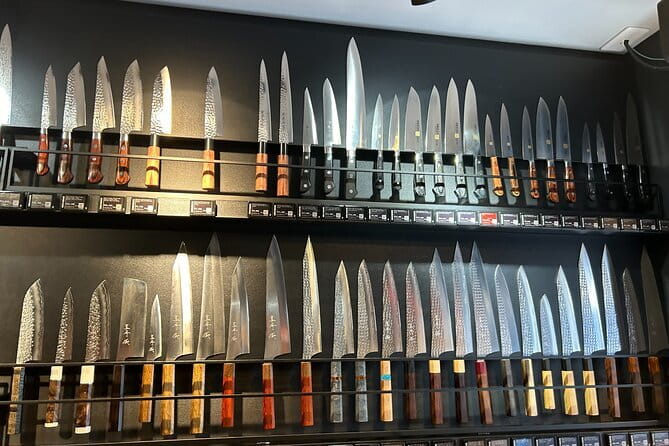
I would not book this activity expecting a prepaid food tour. The clearest financial fact is that food is listed as excluded. Personal expenses are also excluded, so anything you buy during the walk comes out of your pocket.
The tour may guide you toward food stops, and the overview refers to items such as sushi and Japanese oysters. But the experience includes the guide’s explanations, not the food itself. This difference has caused disappointment for at least one person who expected an $80 tour to cover tastings.
That does not make the walk poor value for everyone. A private meal can be wasteful if you are unsure what to order, and a guide can help you make better choices. You may also appreciate being able to decide how much or how little to spend instead of receiving a fixed selection.
Still, compare prices honestly. A basic self-guided market visit costs less, and a food tour with included tastings may offer clearer value if eating is your top priority. This tour makes the strongest case for itself as a guided cultural and market walk with optional food purchases.
One useful detail from the feedback is that lunch can become a highlight when you choose and pay for it yourself. A guide may suggest what to try, but the exact food and final bill are not fixed in advance.
What the guide adds to the walk
The tour is led by a Japanese guide, and Sakura San is specifically associated with explanations of sushi eating and Japanese etiquette. That practical instruction is more useful than a list of food names. You can learn how to approach a meal with more confidence during the rest of your stay.
The guide also covers culture and history, not only food. This helps turn the market from a row of shops into a place connected to local habits, religious sites, and seafood trade.
A small group capped at 15 makes questions possible. You may still share the guide’s attention, but the format is more personal than a large city tour. On one reported occasion, cancellations left a participant with a one-to-one experience, though you should not count on having a private guide.
Weather can affect the walk. One visit took place in cold, unpleasant conditions, yet the guide adjusted and kept the activity useful. That suggests flexibility, but you should dress for the forecast and remember that much of the experience takes place outdoors or in open market areas.
Photos are a nice extra, not the main reason to book
Photos are taken during the tour and sent to you afterward. I like this feature because you can pay attention to the market rather than constantly stopping to document yourself.
The details do not say how many photos you receive, how they are delivered, or when they arrive. Treat the photos as a pleasant extra, not a guaranteed professional photo session.
The best value still comes from the walk and the explanations. If you want polished portraits or a dedicated photography tour, this is not described as that kind of activity.
Timing, transport, and group comfort
The walk takes approximately two to three hours. The listed stops total about two hours, with the remaining time likely used for moving between places, explanations, and food browsing. Leave room in your schedule rather than booking a tight connection immediately afterward.
You must arrange your own transportation to Tsukiji Hongwanji Temple. The meeting point is near public transportation, which makes access practical, but hotel pickup and drop-off are not included.
Most people can participate. The information does not promise a specific accessibility arrangement, so contact the provider if you have mobility needs or require special assistance.
For same-day communication, download WhatsApp before the activity. The provider uses it for contact on the day, so this is a small but important preparation step.
Free cancellation is available if you cancel at least 24 hours before the start time. Cancellations made less than 24 hours before the start time are not refunded, and changes inside that window are not accepted.
Who will enjoy this Tsukiji experience most
I would recommend this walk to a first-time Tokyo visitor who wants an organized introduction to Tsukiji without spending half a day planning a route. It also suits anyone who wants help with sushi etiquette, food customs, and local market manners.
It is a good fit if you enjoy choosing your own food and do not mind paying separately. The guide can point you toward options, while you control your purchases.
It is less suitable if you mainly want a cheap meal, a long shopping session, or a tour with all tastings covered. In that case, the $80 fee may feel high.
Families and small groups may appreciate the clear meeting point and manageable duration. Couples and solo visitors can also benefit from the social structure, especially if they prefer not to explore a major market alone.
Should you book it?
Book this experience if you want a guided introduction to Tsukiji, value Japanese food and etiquette explanations, and are happy to buy your own meals. The temple, market streets, fish stalls, and shrine create a well-shaped two to three-hour route, while the 15-person cap keeps it from feeling oversized.
Skip it if included food is essential. The wording can easily give that impression, but food is excluded, and the $80 price does not cover sushi, oysters, lunch, or other treats.
My practical advice is simple: budget for the tour fee plus whatever you want to eat, download WhatsApp, wear good walking shoes, and arrive at Tsukiji Hongwanji Temple early. With those expectations, this is a useful market orientation and a friendly lesson in Japanese food culture, not an all-inclusive tasting tour.
FAQ
How much does the Tokyo Tsukiji Fish Market Food Tour cost?
The tour costs $80 per person. Food, personal expenses, and transportation to the meeting point are not included.
How long does the tour last?
The experience lasts approximately two to three hours.
Is food included in the tour price?
No. Food is specifically listed as not included. You may buy items such as sushi or oysters during the walk, but you pay for those separately.
Where does the tour start?
The tour starts in front of Tsukiji Hongwanji Temple at 3-chōme-15-1 Tsukiji, Chuo City, Tokyo 104-8435, Japan.
Where does the tour end?
The tour ends back at the original meeting point at Tsukiji Hongwanji Temple.
What places are visited?
The route includes Tsukiji Hongwanji Temple, Tsukiji Jogai Market, a mini wholesale fish market area, and Namiyoke Inari Shrine.
How many people can join the tour?
The activity has a maximum group size of 15 people.
Are photos included?
Yes. Photos are taken during the tour and sent to you after the activity.
Is cancellation free?
You can cancel for a full refund up to 24 hours before the experience start time. Cancellations made less than 24 hours before the start time are not refunded.
More Shopping Tours in Tokyo
- Tokyo: Tsukiji Fish Market Sushi Making Class with Pro Chef
★ 4.9 · 506 reviews - Tokyo Food Tour Taste Fresh Delights at Tsukiji Market
★ 5.0 · 429 reviews - Tokyo Tsukiji Fish Market Tour and Sushi Making Lesson
★ 5.0 · 390 reviews - Tsukiji Fish Market: Street Food & Culture Walking Tour
★ 4.8 · 259 reviews
More Markets in Tokyo
- Tsukiji Fish Market Guided Tour and Sushi Making with Pro Chef
★ 5.0 · 775 reviews - Tokyo: Tsukiji Fish Market Food and Culture Walking Tour
★ 4.7 · 757 reviews - Tsukiji Fish Market: Street Food & Culture Walking Tour
★ 5.0 · 669 reviews - Tsukiji Fish Market Small-Group Food Walking Tour
★ 5.0 · 621 reviews
New on our Tokyo list
- From Tokyo: Mount Fuji & Hakone Full Day Private Tour★ 4.9 · 25 reviews
- Tokyo Spectacular View Day-Cruise in 90 Minutes★ 5.0 · 25 reviews
- Real Tokyo Runner Club : Daikoku Car Meet Night Tour with JDM Car★ 5.0 · 25 reviews
- 2.5 Hour-Guided Cycle Tour in the Central Tokyo★ 5.0 · 25 reviews
- Ramen Making from Scratch +Akihabara Tour –Cooking Class★ 5.0 · 25 reviews
- [Self-Drive] Tokyo & Daikoku Custom Car Driving Tour★ 4.9 · 25 reviews
- Tokyo: 2-Hour Night Bike Tour of the City’s Hidden Gems★ 4.9 · 25 reviews
- Samurai themed Entertainment show in Shinjuku★ 4.5 · 25 reviews
Tsukiji & Toyosu Market Tours, compared.
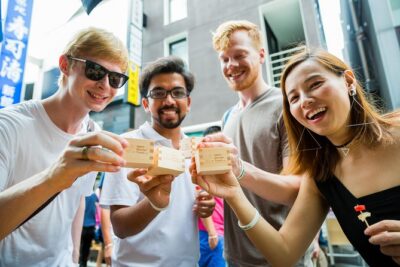
Tokyo Tsukiji Fish Market Food and Culture Walking Tour
Read our review →
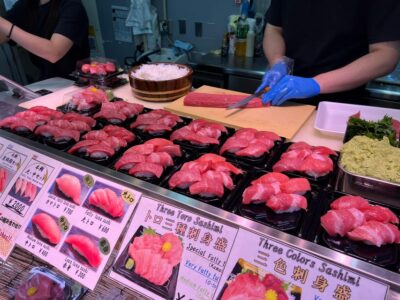
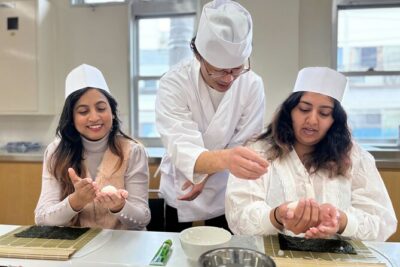
Tokyo Sushi Making Class in Tsukiji with Professional Chef
Read our review →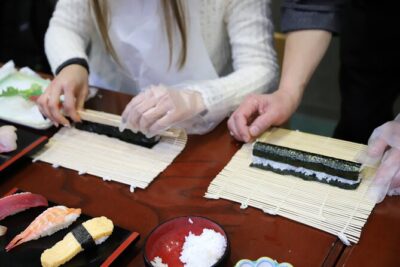
Tsukiji Fish Market Guided Tour and Sushi Making with Pro Chef
Read our review →Tsukiji Fish Market Food and Culture Walking Tour
Read our review →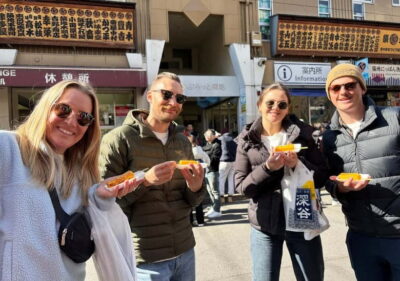
Tsukiji Fish Market: Street Food & Culture Walking Tour
Read our review →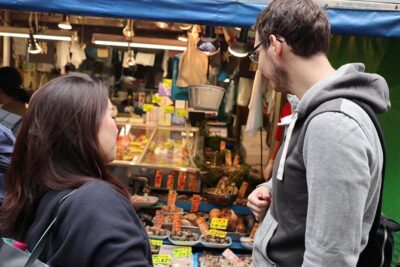
Tsukiji Fish Market Small-Group Food Walking Tour
Read our review →Browse the lists this tour appears in