
Reviewed · WALKING TOURS
Tokyo Walk through: Shinjuku, Harajuku, Omotesando & Shibuya
Tokyo changes character every few blocks. This four-hour walk takes you from Shinjuku’s giant rail hub to Shibuya’s youth culture, Harajuku’s pop shops, and Omotesando’s polished luxury streets. It is less about checking off monuments and more about learning how modern Tokyo works.
I like the small group of no more than eight, which gives the guide room to answer questions and adjust the route. I also like the practical help: guides have explained Japanese daily life, helped with train use, found less obvious places, and even assisted with ordering ramen.
The main drawback is the pace. Four neighborhoods in four hours means plenty of walking and only a taste of each district. The tour is listed as wheelchair accessible, but it is also not suitable for people with mobility impairments, so ask before booking if walking is difficult.
In This Review
- At a glance
- Four Tokyo personalities in four hours
- Starting near Shinjuku Station
- A quieter hour at Shinjuku Gyoen
- Shibuya and the Tokyo of the young
- Harajuku on Takeshita-dori
- Omotesando, polished streets and back lanes
- A guide who adjusts the day
- What the $67 price really buys
- Walking demands and practical preparation
- Who should book this Tokyo walk?
- Should you book it?
- FAQ
- How long does the Tokyo walk last?
- Where does the tour begin?
- Which areas does the tour cover?
- Is Shinjuku Gyoen included?
- Is the tour conducted in English?
- How many people can join the tour?
- Are meals and drinks included?
- Are shopping purchases included?
- Does the tour include transportation to the meeting point?
- Is the tour suitable for people with mobility impairments?
- Can I cancel for a full refund?
- What should I bring?
At a glance
- Four major Tokyo districts in one walk: See how Shinjuku, Shibuya, Harajuku, and Omotesando differ in mood, shopping, and daily life.
- Shinjuku Gyoen adds a quiet pause: If weather permits, the garden offers a calm change from the city streets.
- A small group keeps the tour flexible: With up to eight people, your guide can respond to your interests instead of delivering a fixed speech.
- Guides help beyond sightseeing: Past guides have explained train use, Japanese customs, local food, and ordinary life in Tokyo.
- Youth culture meets luxury shopping: Takeshita-dori and Omote Sando sit close together but serve very different audiences.
- Bring good shoes: This is an active walking tour, not a ride between attractions.
Four Tokyo personalities in four hours
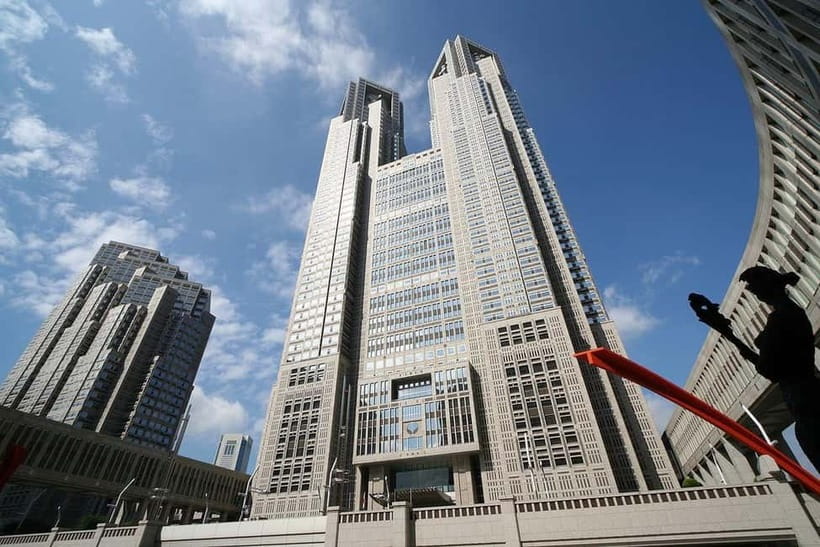
The clever idea here is contrast. Shinjuku is a major modern hub built around transport, offices, shopping, food, and nightlife. Shibuya leans young and fashion-minded. Harajuku turns pop culture up loud, while Omotesando keeps its style quieter and more expensive.
You get a useful first look at Tokyo’s western city center without spending a full day in one district. That makes this a good opening tour, especially if you want someone to explain what you are seeing before you explore alone.
The route begins in front of the Gucci Shinjuku M Square Store. That is an easy landmark to recognize, but you are responsible for getting there. Transportation to the meeting point is not included, so allow time to reach Shinjuku and find the exact store.
The tour costs $67 per person and lasts four hours. I consider that fair if you value personal guidance, local context, and help finding food or using the rail system. It is less appealing if you mainly want famous photo stops and prefer to move at your own pace.
More Shibuya plans:
- Official Street Go-Kart in Shibuya
★ 5.0 · 3,435 reviews - Tokyo: Street Kart Experience in Shibuya
★ 4.9 · 1,484 reviews - Shibuya Meltdown Nightlife Tour: All-You-Can-Drink Bar Hopping
★ 5.0 · 1,058 reviews
Starting near Shinjuku Station
Shinjuku is a strong place to begin because it shows Tokyo at full scale. Its station is known as the busiest train station on Earth, and the district grew into one of the city’s main centers during post-war expansion.
Your guide explains how Tokyo planned modern hubs such as Shinjuku and Shibuya to handle a growing population and changing city needs. That background gives the streets more meaning. Instead of seeing only department stores, signs, and crowds, you begin to understand why this part of Tokyo feels so concentrated.
The Shinjuku portion lasts about an hour. Expect a mix of mainstream shopping, food streets, drinking areas, art, and cultural sights. The supplied details do not promise entry into specific shops, museums, or restaurants, so think of this as a guided street tour rather than a ticketed attraction program.
That distinction matters. You will not spend an hour inside one major site. You will move through several types of city space and hear how they fit together. If you want shopping suggestions, food advice, or an explanation of local customs, tell the guide early.
The meeting point beside Gucci also hints at the district’s range. Shinjuku can show polished retail, ordinary eating places, entertainment areas, and less obvious cultural corners within a fairly compact part of your day.
A quieter hour at Shinjuku Gyoen
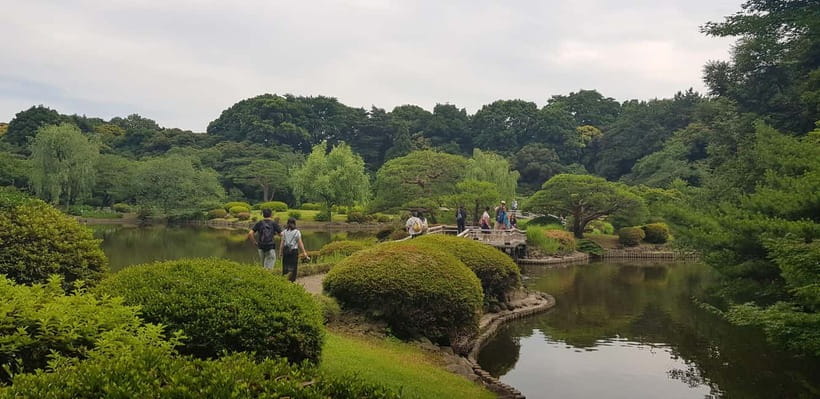
If the weather is decent, the walk includes Shinjuku Gyoen. This garden is one of the most welcome changes of pace on the route. After the hard surfaces, signs, and traffic of Shinjuku, you get open paths, planted grounds, and a slower setting in the middle of the city.
The garden is valued not simply as a green stop, but for the way it brings together different garden styles and approaches. Your guide can help you notice the design rather than treating it as a quick photo break.
Weather matters here. The visit is dependent on decent conditions, so do not book this tour solely for the garden. If rain or poor weather changes the plan, the larger value of the walk remains the city explanation and neighborhood comparisons.
I would also avoid planning a large meal or serious shopping stop during this part of the tour. Four hours goes quickly, and the guide is balancing several districts. Use the garden as a breathing space and a chance to ask questions.
Shibuya and the Tokyo of the young
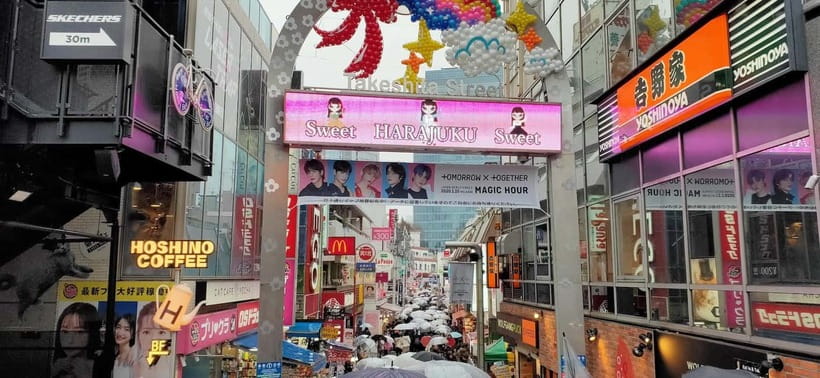
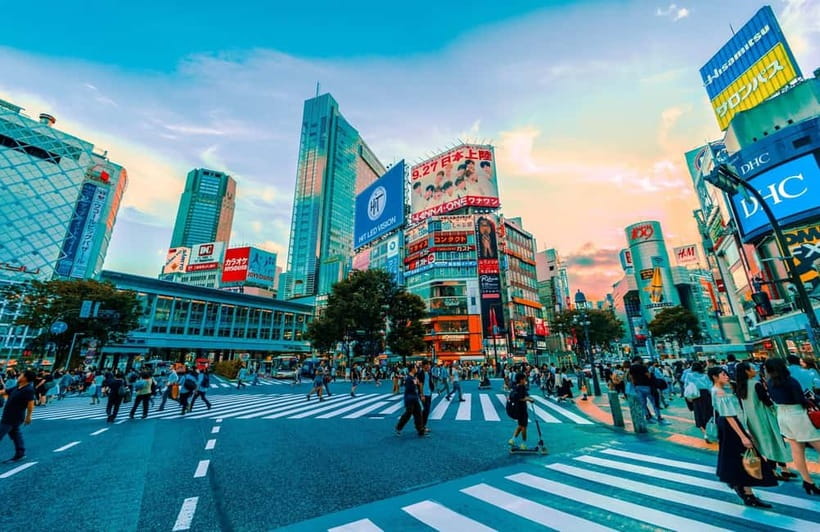
The route then reaches Shibuya, a center of modern Japanese culture with a strong appeal for younger people. The description promises a mild avant-garde edge rather than an extreme or intimidating scene. In plain terms, you can expect fashion, pop culture, new ideas, and a touch of calculated weirdness.
The value of seeing Shibuya with a guide is interpretation. Tokyo’s streets can appear easy to understand because they are clean, organized, and full of signs, yet the meaning of a neighborhood is not always obvious from the outside. A guide can point out how youth culture, shopping, food, and public life meet here.
The exact Shibuya stop is not set out as a list of named attractions. That gives the guide some freedom, but it also means the experience can vary. If you care about fashion, music, street food, design, or train travel, say so. The tour is designed to be adjusted to your interests.
One especially useful element comes from the way past guides have handled practical questions. Hiroshi helped explain how to use the train and discussed daily life inside Tokyo. That kind of information can save you trouble for the rest of your trip, even if you forget the names of the streets.
More Shinjuku nights and walks:
- Tokyo: Shinjuku Food Tour (13 Dishes at 4 Local Eateries)
★ 5.0 · 6,603 reviews - Tokyo Bar Hopping Tour in Shinjuku (All-You-Can-Drink + Dinner)
★ 5.0 · 3,587 reviews - Tokyo: Shinjuku Food Tour (15 Dishes and 4 Eateries)
★ 4.9 · 2,033 reviews - Best of Shinjuku: Izakaya Food Tour (4 Stops, 14+ Tastings)
★ 5.0 · 1,863 reviews
Harajuku on Takeshita-dori
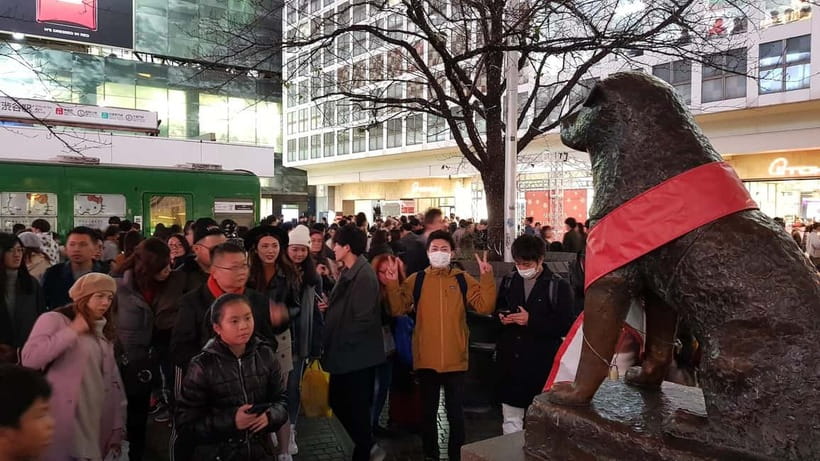
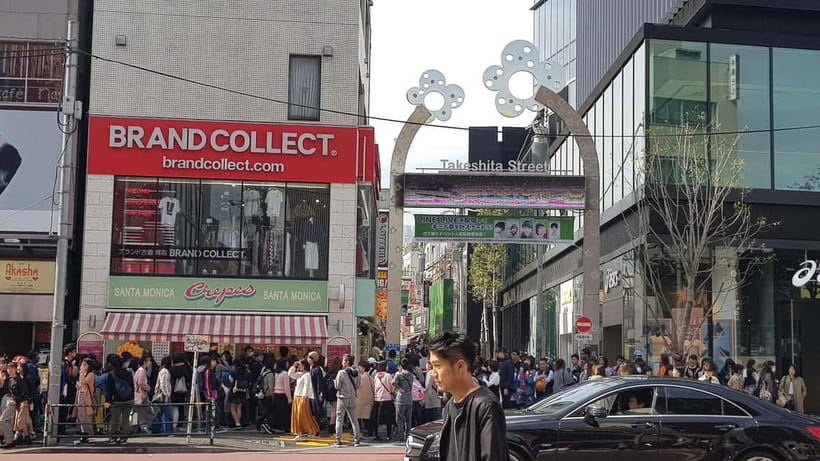
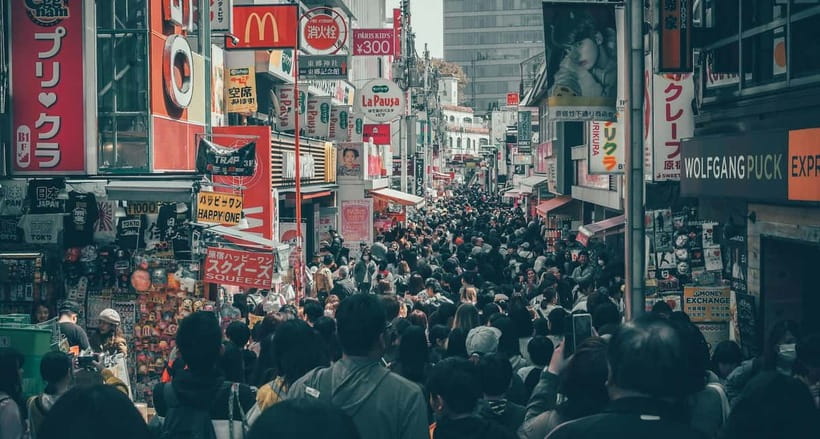
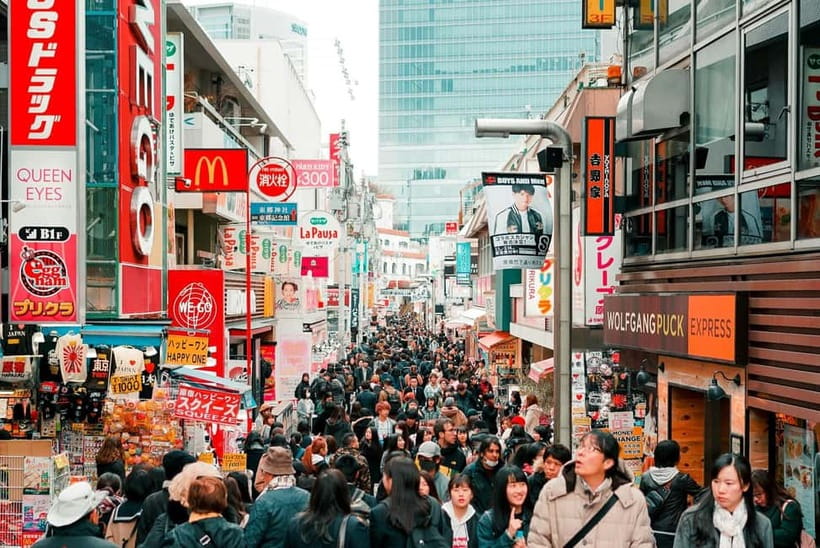
Harajuku changes the tone again. Takeshita-dori is aimed heavily at the 12 to 16 age market and presents Japanese pop culture in an uninhibited way. Expect a youthful shopping street rather than a refined historic quarter.
This is a place to watch how Japan packages fashion, character culture, snacks, and trend-driven retail for teenagers. You may find the street loud, crowded, or commercial, but that is part of what makes it useful. It shows a specific slice of contemporary Tokyo that is easy to miss if you stay with temples and museums.
Do not expect the tour to turn into a long shopping session. Personal purchases are not included, and the schedule moves on. If you see something you want, ask the guide how much time is realistic before you stop to browse.
Harajuku also works well in contrast with Omotesando, which is just across the way. The two areas share a general location but have very different styles and customers. That side-by-side comparison is one of the strongest parts of the route.
Omotesando, polished streets and back lanes
Omotesando is the quieter, more expensive counterpoint to Takeshita-dori. Luxury brands and understated wealth shape the main avenue, while the backstreets offer independent fashion and less formal finds.
The tour does not treat luxury shopping as the whole story. You also get a look at the smaller streets behind the grand storefronts. That is where the district becomes more useful for a curious visitor who is not planning to buy designer goods.
I like this part because it prevents the tour from becoming a simple parade of major retail names. You see how Tokyo can place high-end shopping beside creative, individual stores and ordinary local life.
Still, shopping tastes vary. If designer stores are not your thing, make sure your guide knows. The route can be tailored, and you may get more from architecture, street design, fashion culture, or food suggestions than from browsing luxury labels.
A guide who adjusts the day
The strongest thread through this experience is the personal approach. The group is limited to eight, and the tour is described as tailored to your interests. That does not mean you receive a completely private itinerary, but it should allow more conversation than a large coach tour.
Several guides have been praised for being friendly and helpful. Renault led an informal walk that adjusted to what the group wanted to see and helped explain Japanese culture. Tina combined shopping and food suggestions, then helped a guest order at a ramen restaurant after the walk.
Scott also received credit for sharing time and local knowledge after an initially rocky start. That detail is worth noting because it keeps expectations realistic: guide quality and the exact rhythm of the walk may vary. The overall format gives you a useful chance to ask for help, but no short city tour can guarantee a perfect start every time.
The informal style will suit you if you prefer conversation and practical advice over a memorized lecture. If you want a tightly scripted historical tour with exact dates and a fixed list of sights, this may feel loose.
What the $67 price really buys
At $67, you are paying for four hours of a guided city walk, not for meals, admissions beyond the stated Shinjuku Gyoen visit, shopping, or transport to the meeting point.
I see three parts of the price that may justify it:
- Neighborhood comparison: You cover four districts with very different identities.
- Local orientation: You can ask about trains, food, customs, and daily life as you walk.
- A small group: Eight people or fewer gives the guide a better chance to respond to you.
The value is highest early in your Tokyo stay. If you take this on your first or second day, advice about trains, ramen, shopping areas, and neighborhood layout can help shape the rest of your visit.
The value is lower if you already know these districts well or plan to spend a full day independently in each one. You will see a broad sample, not an exhaustive tour.
Walking demands and practical preparation
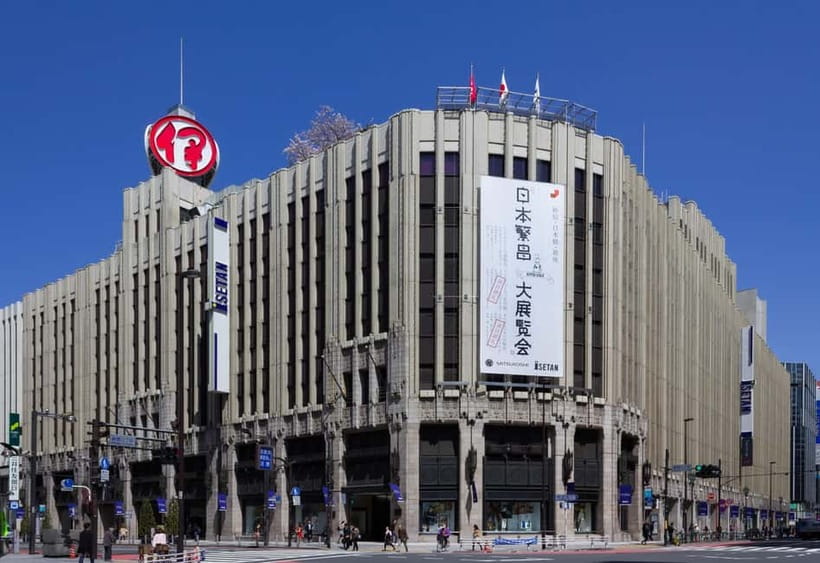
Wear comfortable shoes. The route covers several districts and includes a fair amount of walking, with time on city streets and in the garden if conditions allow.
Dress for the weather. Tokyo conditions can shift, and the garden portion may change if the weather is poor. Bring clothing that works for several hours outside rather than dressing only for shopping interiors.
Photography is allowed, but you should respect restrictions in certain areas. Your guide can help you recognize when photos may be inappropriate or not permitted.
The experience is offered in English. It is described as wheelchair accessible, yet it is also marked as unsuitable for people with mobility impairments. That is a significant qualification. If you have limited mobility, contact the provider before reserving and ask whether the specific route and walking pace will work for you.
Cancellation is free up to 24 hours before the start for a full refund, and you can reserve now and pay later. Those terms are useful if your Tokyo schedule is still changing.
Who should book this Tokyo walk?
I would choose this tour for a first-time visitor who wants a quick working map of western Tokyo. It also suits you if you enjoy shopping districts, youth culture, food advice, and ordinary city details more than a long museum visit.
It is a good match for:
- Couples or families who want a flexible introduction
- Solo visitors who prefer a small group
- Anyone unsure how Shinjuku, Shibuya, Harajuku, and Omotesando differ
- Visitors who want help using Tokyo’s trains
- People who like to ask questions as they walk
- Shoppers looking for both major brands and smaller fashion streets
I would think twice if you dislike walking, need long stops at each attraction, or want a tour built around major monuments. The schedule is broad, and the best moments come from conversation and comparison.
Should you book it?
Book this walk if you want orientation with personality. You will see four important Tokyo districts, pause at Shinjuku Gyoen when weather permits, and get practical help with trains, food, shopping, and Japanese daily life.
The $67 price is reasonable for a four-hour small-group introduction, especially near the start of your visit. Just arrive ready to walk, keep your expectations focused on neighborhood insight rather than long attraction visits, and tell the guide what interests you. If you do that, the route can become a useful launch pad for exploring Tokyo on your own.
FAQ
How long does the Tokyo walk last?
The tour lasts four hours.
Where does the tour begin?
The meeting point is in front of the Gucci Shinjuku M Square Store.
Which areas does the tour cover?
The guided walk covers Shinjuku, Shibuya, Harajuku, and Omote Sando.
Is Shinjuku Gyoen included?
Yes. The tour includes a visit to Shinjuku Gyoen Garden, assuming the weather is suitable.
Is the tour conducted in English?
Yes. The tour has a live English-speaking guide.
How many people can join the tour?
The group is limited to eight participants.
Are meals and drinks included?
No. Meals and drinks are not included.
Are shopping purchases included?
No. Personal shopping expenses are not included.
Does the tour include transportation to the meeting point?
No. Transportation to and from the meeting point is not included.
Is the tour suitable for people with mobility impairments?
The tour involves a fair amount of walking and is listed as not suitable for people with mobility impairments. It is also marked wheelchair accessible, so you should confirm the route’s suitability with the provider before booking.
Can I cancel for a full refund?
Yes. You can cancel up to 24 hours in advance for a full refund.
What should I bring?
Bring comfortable shoes and weather-appropriate clothing. Photography is allowed, but you should follow restrictions in certain areas.
More Walking Tours in Tokyo
- Tokyo Tsukiji Fish Market Food and Culture Walking Tour
★ 5.0 · 3,184 reviews - Tokyo: Imperial Palace and Shogun Historical Walking Tour
★ 5.0 · 2,251 reviews - Tokyo: Shinjuku Local Bar and Izakaya Guided Walking Tour
★ 4.9 · 1,794 reviews - Tokyo: Tsukiji Fish Market Food and Walking tour
★ 5.0 · 1,724 reviews
More Harajuku Wanders
- Tokyo Go-Kart Tour Shibuya-Harajuku-Shinjuku (*IDP Required)
★ 5.0 · 217 reviews - Tokyo: Guided Go Kart Tour from Harajuku to Shibuya Crossing
★ 4.5 · 166 reviews - Shibuya & Harajuku: Hidden Gems & Highlights Private Tour
★ 4.7 · 139 reviews - Harajuku Kawaii Fashion and Pop-Culture Tour
★ 5.0 · 94 reviews
New on our Tokyo list
- Sumi-e Experience in a relaxing green tea shop in Tokyo★ 5.0 · 3 reviews
- Tokyo : Kamikaze Street Drift Ride★ 5.0 · 3 reviews
- Private Zen Meditation in English in Shinjuku, Tokyo★ 5.0 · 3 reviews
- Onsen Spa in Tokyo and Asakusa Bar Hopping with Local Guide★ 5.0 · 3 reviews
- Easy for everyone! Now you can play handmade mini shamisen and show off to everyone! Musical instruments, sweets and live music★ 5.0 · 3 reviews
- Tokyo: Private Tsukiji Street Food & Sake with Local Guide★ 5.0 · 3 reviews
- Mt Fuji Exploration Tour with Free Japanese Kusa Mochi from Tokyo★ 4.5 · 3 reviews
- Tokyo Tsukiji Fish Market Walking and Exploring Hidden Gems Tour★ 5.0 · 3 reviews
Walking Tours, compared.
Tokyo Tsukiji Fish Market Food and Culture Walking Tour
Read our review →
Imperial Palace and Shogun Historical Walking Tour
Read our review →
Shinjuku Local Bar and Izakaya Guided Walking Tour
Read our review →

Asakusa Walking Tour with Sensoji Temple Visit
Read our review →
Tokyo Castle & Imperial PalaceーShogun Walking Tour
Read our review →
Browse the lists this tour appears in