
Reviewed · TSUKIJI & TOYOSU MARKET TOURS
Tokyo:Enjoy street food & Japanese food culture at Tsukiji Market
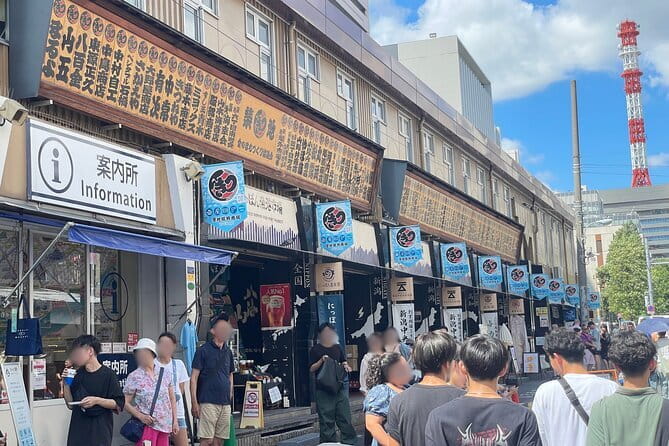
Tsukiji is not only about fish. This three-hour walk connects Japanese food customs with the places that shaped them, from the Indian-influenced Tsukiji Hongwanji Temple to the stalls of the Outer Market and the sea-focused Namiyoke Shrine. You taste several foods along the way, then choose your own lunch.
I like the small group size, capped at six, and the way guides such as Yoshi, Yuki, Haruka, and Hiro explain more than what sits on a stall. You also get a useful introduction to dashi, seafood, market history, and local religious traditions. The drawback is cost: at $100.34, lunch and personal purchases are extra, so this is not a cheap market snack walk.
In This Review
- Key points before you book
- Why Tsukiji still matters after the wholesale market moved
- Starting at Tsukiji Hongwanji Temple
- One hour of tasting in the Tsukiji Outer Market
- Choosing lunch at Tsukiji Uogashi
- Ending at Namiyoke Shrine
- What the English-speaking guide adds
- Is $100.34 a fair price?
- Who should book this Tsukiji walk?
- Should you book it?
- FAQ
- How long does the Tsukiji food tour last?
- What food is included?
- Is lunch included in the price?
- Are shopping costs included?
- Where does the tour begin?
- Where does the tour end?
- Is the tour wheelchair accessible?
- What is the cancellation policy?
Key points before you book
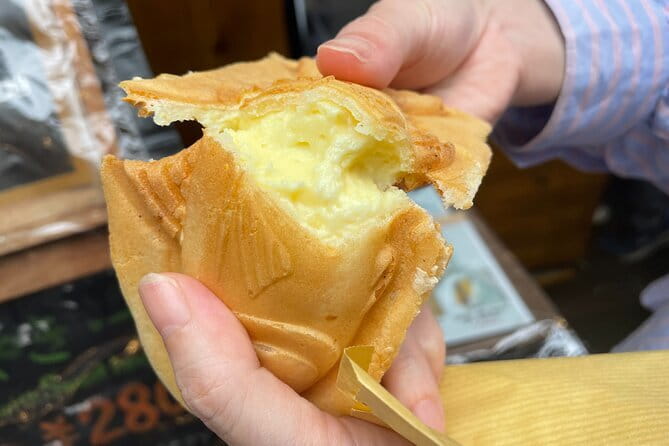
- Taste a set of Japanese snacks: Included tastings can feature seasoned seaweed, dried fish, roast beef sushi, oysters or sashimi, and bean snacks.
- See more than food stalls: The route includes Tsukiji Hongwanji Temple and Namiyoke Shrine, both important to Tsukiji’s story.
- Eat lunch your way: You select and pay for your own boxed lunch or other food at the Tsukiji Uogashi building.
- Keep the group personal: A maximum of six people makes it easier to ask questions and follow a guide through crowded market lanes.
- Expect seafood and meat: Tell the guide about allergies before tasting, especially if you avoid shellfish, raw fish, or meat.
- Allow for walking and standing: The tour requires moderate physical fitness and is not wheelchair accessible.
Why Tsukiji still matters after the wholesale market moved
Many people know Tsukiji because of its former wholesale fish market. That operation moved to Toyosu, but Tsukiji’s Outer Market remained open as a shopping and eating district. This experience focuses on that surviving food quarter rather than treating the old wholesale site as the main attraction.
That distinction matters. You are not signing up for a behind-the-scenes auction visit. Instead, you walk through the public market where food shops, small restaurants, and specialty sellers continue to serve local cooks and curious visitors.
I like this approach because food culture is easier to understand when you see the ingredients in context. Seasoned seaweed, dried fish, dashi ingredients, sashimi, and bean snacks are not just random bites. They connect to everyday Japanese cooking, and the guide helps explain how those foods are used.
The tour also gives Tsukiji a wider frame. Temples and shrines are part of the neighborhood, not decorations added for sightseeing. The route begins at Tsukiji Hongwanji Temple and ends at Namiyoke Shrine, placing the market between two religious sites with different roles and styles.
More market mornings in Tokyo:
- Tokyo Tsukiji Fish Market Food and Culture Walking Tour
★ 5.0 · 3,184 reviews - Tokyo: Tsukiji Fish Market Food and Walking tour
★ 5.0 · 1,724 reviews - Tokyo: Tsukiji Fish Market Guided Walking Tour
★ 4.9 · 1,397 reviews
Starting at Tsukiji Hongwanji Temple
Meet at the main gate of Tsukiji Hongwanji Temple, at 3-chome-15-1 Tsukiji. The first visit lasts about 20 minutes and admission is free.
The temple’s appearance is one of the first surprises. Its design includes architectural influences from other parts of Asia, including India, giving it an oriental look that differs from the more familiar wooden temple style you may have seen elsewhere in Tokyo.
This opening stop helps you slow down before entering the market lanes. The guide can introduce the area’s religious and neighborhood background, then connect it to the food businesses nearby. That context is useful because Tsukiji can otherwise feel like a wall of signs, counters, and quick purchases.
You should not expect a long temple tour or a formal religious service. Twenty minutes is enough for a focused look at the building and its setting. If you want extensive time for quiet reflection or photography, you may find the stop brief.
The meeting point is near public transportation, but the provided details do not name a particular station or train exit. Check the exact map point before leaving your hotel, and arrive with enough time to find the main gate rather than trying to locate the group inside the market.
One hour of tasting in the Tsukiji Outer Market
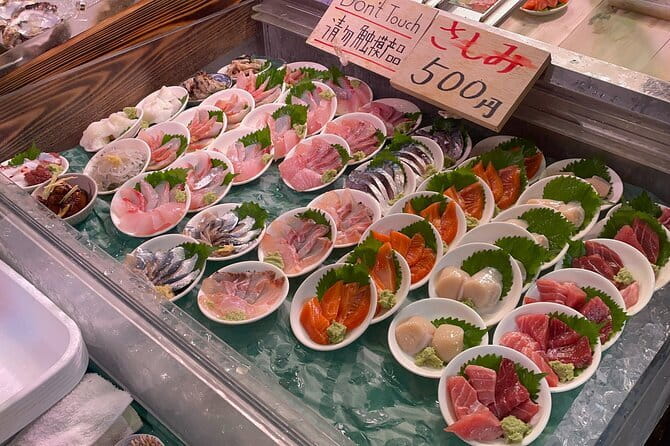
The market portion lasts about an hour. This is the heart of the food experience, and the guide leads you to recommended shops while arranging several snacks for tasting.
The included food can include:
- Seasoned seaweed
- Dried fish
- Roast beef sushi
- Oysters or sashimi
- Bean snacks
The exact tasting mix may depend on availability and the guide’s choices. That flexibility is normal in a market setting, but it also means you should not treat every item on the list as guaranteed on every departure.
The range is a strength. You are not simply eating one piece of sushi and calling it a food tour. You may encounter preserved ingredients, raw seafood, meat, and sweets or savory bean-based snacks. This gives you a better sense of how broad Japanese food culture is.
I especially like the chance to ask about dashi. One guide, Hiro, has been praised for explaining the many types and uses of this basic Japanese cooking stock. That sort of detail can change how you look at ordinary dishes later in your trip. A bowl of soup or a sauce may seem simple, but its flavor often begins with carefully prepared stock.
The guide also helps with choices. Tsukiji can be confusing because many food shops and restaurants sit close together, and it is easy to spend time comparing signs without knowing what fits your tastes. Haruka has been noted for offering useful restaurant suggestions, which is exactly the kind of help a market walk should provide.
Still, you should expect some crowding and a fair amount of standing. The point is to move through an active market, not sit at one table for the whole hour. If you dislike raw seafood, tell the guide early. The included foods may contain seafood and meat, and allergy information should be shared before eating.
Personal shopping is separate from the included tastings. If you see dried goods, snacks, or souvenirs you want to take home, you pay for those yourself. That can be tempting, so budget beyond the tour price.
Choosing lunch at Tsukiji Uogashi
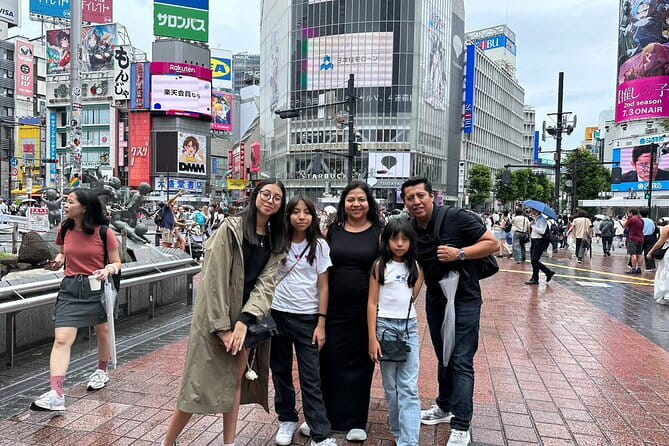
After the tasting walk, the group goes to the Tsukiji Uogashi Kaiko Bridge building, listed as Tsukiji Uogashi Kaiko Bridge Building in the tour details. This part lasts about 1 hour and 10 minutes, making it the longest stop.
Here, the guide points out boxed lunches and other lunch options. You choose what you want and pay directly for it. You then eat lunch with the snacks purchased during the market portion.
This arrangement gives you more control than a fixed restaurant meal. You can select a lunch that matches your appetite and budget, and you can decide whether you want something seafood-based or another option. The tradeoff is that the advertised price does not cover lunch, so the final cost depends on what you buy.
The lunch stop also changes the pace. After walking through the market, you get time to sit and eat rather than rushing from one stall to another. I see this as a practical part of the experience because a good food tour needs room to discuss what you have tasted and decide what you want next.
Be clear about what is included. The guide and the specified tasting snacks are included. Your lunch, extra snacks, gifts, and any other market purchases are not. At $100.34, the value rests mainly in the guide’s explanations, the small group, and the organized tastings, not in the retail value of the food alone.
You may want to carry some Japanese yen, though the supplied details do not specify which shops accept cards or the expected lunch price. Since lunch costs vary, avoid assuming that the tour price covers a full meal.
More Tokyo food crawls:
- Tokyo: Shinjuku Food Tour (13 Dishes at 4 Local Eateries)
★ 5.0 · 6,603 reviews - Tokyo: Shinjuku Food Tour (15 Dishes and 4 Eateries)
★ 4.9 · 2,033 reviews - Best of Shinjuku: Izakaya Food Tour (4 Stops, 14+ Tastings)
★ 5.0 · 1,863 reviews - Tokyo Night Foodie Tour in Shinjuku – Seasonal Sushi, Wagyu Beef
★ 5.0 · 1,161 reviews
Ending at Namiyoke Shrine
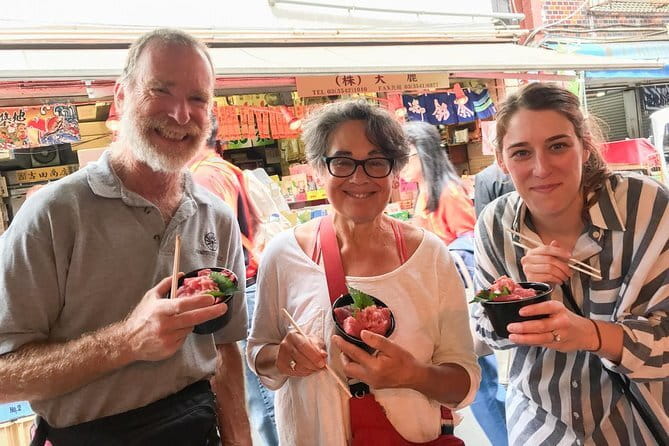
The final stop is Namiyoke Shrine, with about 30 minutes set aside for the visit. It is at 6-chome-20-37 Tsukiji, and the tour ends there.
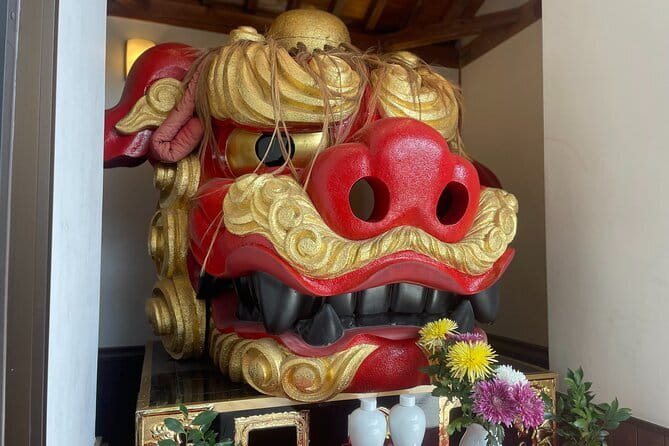
Namiyoke Shrine has been worshipped since the Tsukiji Market was established in this area. People connected with the market have long prayed there for safety at sea, giving the shrine a direct link to the working life behind Tsukiji’s seafood trade.
The shrine is also known for distinctive features, though the supplied tour details do not specify every feature you will see. The guide can explain how the site relates to the market community and the risks faced by people whose work depends on the sea.
Ending here gives the tour a satisfying sense of place. You begin with a large temple that reflects wider Asian design influences, eat through a market shaped by food commerce, and finish at a shrine tied to the safety of those who worked with seafood. The route is short enough to fit into a Tokyo morning or afternoon, but it covers food, religion, and local history in one walk.
The end point differs from the meeting point, so plan your next move from Namiyoke Shrine rather than assuming you will return to Hongwanji Temple. That is useful if you want to continue exploring Tsukiji, but less convenient if you need to retrieve something near the starting point.
What the English-speaking guide adds
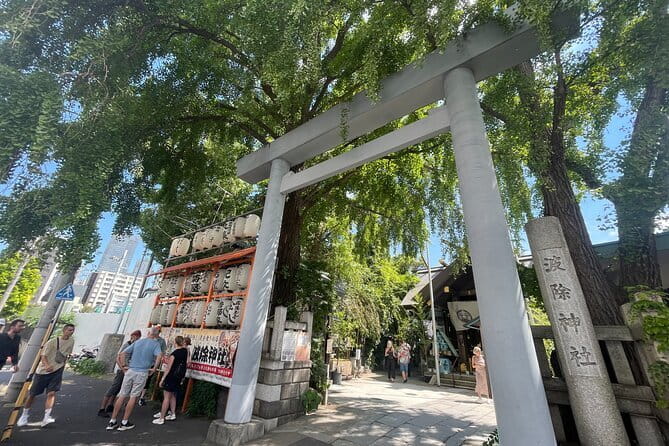
The food itself is available without a tour. You can walk through Tsukiji and buy many of the same types of snacks on your own. The guide is most valuable for helping you understand what you are seeing and for reducing the guesswork.
Yoshi and Yuki have been praised for explaining food and culture while guiding the tastings. Haruka has been singled out for friendly help and restaurant suggestions, while Hiro has made an impression through explanations of dashi and Japanese culture.
The important point is not any single guide’s personality. The useful feature is the human translation between market customs and a visitor’s questions. You can ask why a food is prepared a certain way, how an ingredient is used, or what to order for lunch. Online videos can show the market, but they cannot respond to what you notice in the moment.
The maximum group size of six supports that kind of exchange. You are less likely to disappear behind a large crowd, and the guide can pay attention to allergies, preferences, and questions. Small groups do not guarantee a private tour, but they usually make a market walk easier to follow.
Is $100.34 a fair price?
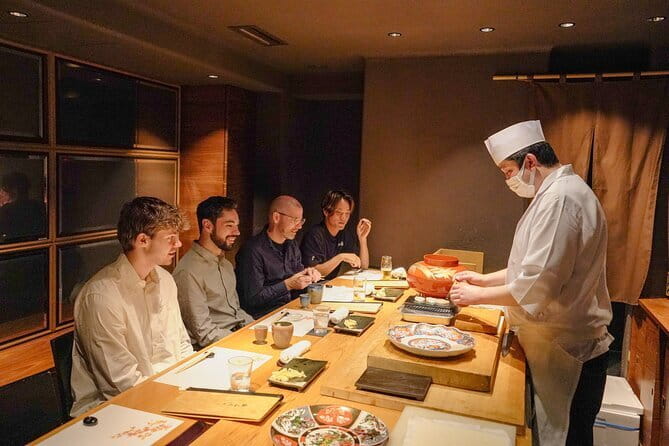
The price is high for a three-hour walk if you measure value only by the amount of food. Lunch is not included, and personal shopping is extra. Someone comfortable ordering alone in Japanese, reading menus, and choosing stalls may spend less by visiting Tsukiji independently.
I think the cost makes more sense for you if you want structure and interpretation. The price covers the guide and a selection of tastings, while the group limit keeps the experience relatively personal. You are also paying for help choosing where to eat and for cultural background that is easy to miss when you simply browse.
The strongest value comes from the combination of stops. A basic snack tour could focus only on seafood. This one adds Hongwanji Temple, dashi and ingredient explanations, lunch guidance, and Namiyoke Shrine. That wider view makes the experience more useful for a first visit to Tokyo.
You should set a separate food budget. The tour price does not cover lunch or other store purchases, and Tsukiji offers plenty of chances to spend more than planned. If your main goal is a large, included meal, this is not the right format.
Who should book this Tsukiji walk?
I would recommend it to first-time visitors who want an easy introduction to Japanese food culture without committing to a full-day food tour. It also suits people who enjoy seafood, want help choosing market foods, or prefer a small group to a large guided procession.
It is a good match for curious eaters who want more than a photo stop. The explanations about dashi, food preparation, market traditions, and religion give the tastings a stronger purpose.
You should think twice if you have strict dietary limits. Seafood and meat are part of the tasting program, and the available details do not promise vegetarian, vegan, halal, kosher, or allergy-specific substitutions. Tell the guide about allergies before the tour, but confirm that the format works for your needs before booking.
This is also not a wheelchair-accessible activity. You need moderate physical fitness, and the market setting means walking and standing are part of the experience.
The tour is commonly booked about seven days ahead. That is a useful planning clue, especially if you want a particular date or are traveling during a busy period. Confirmation is provided at booking, and free cancellation is available if you cancel at least 24 hours before the local start time. Cancellations or changes made inside that window are not refunded or accepted.
Should you book it?
Book this Tsukiji experience if you want a guided introduction to food, neighborhood history, and market customs in a compact three-hour format. The small group, included tastings, and guides such as Yoshi, Yuki, Haruka, and Hiro add real value for anyone who wants explanations rather than a self-guided wander.
Skip it if you are seeking the lowest-cost way to eat at Tsukiji, need a fully accessible route, or require guaranteed alternatives to seafood and meat. For everyone else, bring an appetite, allow extra money for lunch, and expect the best moments to come from asking questions as you taste.
FAQ
How long does the Tsukiji food tour last?
The experience lasts approximately three hours. The schedule includes about 20 minutes at Tsukiji Hongwanji Temple, one hour in the Outer Market, 1 hour and 10 minutes for lunch at Tsukiji Uogashi, and 30 minutes at Namiyoke Shrine.
What food is included?
Included tastings can include seasoned seaweed, dried fish, roast beef sushi, oysters or sashimi, and bean snacks. The exact selection may vary.
Is lunch included in the price?
No. You choose and purchase your own lunch at Tsukiji Uogashi. Lunch costs are separate from the tour price.
Are shopping costs included?
No. Personal purchases at the market are paid for separately. The included snacks are part of the tour, but any additional food or shopping is your responsibility.
Where does the tour begin?
The tour begins at the main gate of Tsukiji Hongwanji Temple, at 3-chome-15-1 Tsukiji, Chuo City, Tokyo 104-0045, Japan.
Where does the tour end?
The tour ends at Namiyoke Shrine, at 6-chome-20-37 Tsukiji, Chuo City, Tokyo 104-0045, Japan.
Is the tour wheelchair accessible?
No. The tour is not wheelchair accessible, and participants should have a moderate level of physical fitness.
What is the cancellation policy?
You can cancel for a full refund up to 24 hours before the experience’s local start time. Cancellations or changes made less than 24 hours before the start are not accepted or refunded.
More Shopping Tours in Tokyo
- Tokyo: Tsukiji Fish Market Sushi Making Class with Pro Chef
★ 4.9 · 506 reviews - Tokyo Food Tour Taste Fresh Delights at Tsukiji Market
★ 5.0 · 429 reviews - Tokyo Tsukiji Fish Market Tour and Sushi Making Lesson
★ 5.0 · 390 reviews - Tsukiji Fish Market: Street Food & Culture Walking Tour
★ 4.8 · 259 reviews
More Markets in Tokyo
- Tsukiji Fish Market Guided Tour and Sushi Making with Pro Chef
★ 5.0 · 775 reviews - Tokyo: Tsukiji Fish Market Food and Culture Walking Tour
★ 4.7 · 757 reviews - Tsukiji Fish Market: Street Food & Culture Walking Tour
★ 5.0 · 669 reviews - Tsukiji Fish Market Small-Group Food Walking Tour
★ 5.0 · 621 reviews
New on our Tokyo list
- Sumi-e Experience in a relaxing green tea shop in Tokyo★ 5.0 · 3 reviews
- Tokyo : Kamikaze Street Drift Ride★ 5.0 · 3 reviews
- Private Zen Meditation in English in Shinjuku, Tokyo★ 5.0 · 3 reviews
- Onsen Spa in Tokyo and Asakusa Bar Hopping with Local Guide★ 5.0 · 3 reviews
- Easy for everyone! Now you can play handmade mini shamisen and show off to everyone! Musical instruments, sweets and live music★ 5.0 · 3 reviews
- Tokyo: Private Tsukiji Street Food & Sake with Local Guide★ 5.0 · 3 reviews
- Mt Fuji Exploration Tour with Free Japanese Kusa Mochi from Tokyo★ 4.5 · 3 reviews
- Tokyo Tsukiji Fish Market Walking and Exploring Hidden Gems Tour★ 5.0 · 3 reviews
Tsukiji & Toyosu Market Tours, compared.
Tokyo Tsukiji Fish Market Food and Culture Walking Tour
Read our review →
Tokyo Sushi Making Class in Tsukiji with Professional Chef
Read our review →
Tsukiji Fish Market Guided Tour and Sushi Making with Pro Chef
Read our review →Tsukiji Fish Market Food and Culture Walking Tour
Read our review →
Tsukiji Fish Market: Street Food & Culture Walking Tour
Read our review →
Tsukiji Fish Market Small-Group Food Walking Tour
Read our review →Browse the lists this tour appears in