
Reviewed · TSUKIJI & TOYOSU MARKET TOURS
Tsukiji Food Strolling and Hama Rikyu Garden Walking Tour
Tsukiji’s food streets and Hama Rikyu Gardens make an excellent Tokyo pairing: one stop is full of seafood, fruit, sushi, and shopfront energy, while the other offers ponds, flowers, tea, and skyline views. I like the small group limit of 12 and the way the route links food culture with an Edo-era garden. I also like that your guide can help you make sense of a market that can otherwise feel like a maze.
The main catch is cost control. The $32.32 tour price covers your guide and the 300-yen garden entry, but food, drinks, snacks, and the optional tea experience are extra. You should arrive ready to buy a few things, or you may feel you are paying mainly for direction and local context.
In This Review
- Quick take: what matters most
- Why this Tsukiji-to-Hama Rikyu route works
- Beginning at Tsukiji Hongwanji Temple
- Reading Tsukiji Jogai Market with a local guide
- What the guides add to the market visit
- Walking from Tsukiji to Hama Rikyu Gardens
- Matcha, wagashi, and the optional tea stop
- Price, group size, and what you really pay for
- Who will enjoy this walk most
- Should you book the Tsukiji and Hama Rikyu walk?
- FAQ
- How long does the Tsukiji Food Strolling and Hama Rikyu Garden Walking Tour last?
- Where does the tour begin?
- Where does the tour end?
- Is food included in the tour price?
- Is the matcha and wagashi experience included?
- Is admission to Hama Rikyu Gardens included?
- What is the maximum group size?
Quick take: what matters most
- Two very different Tokyo experiences: Start among Tsukiji’s food stalls, then finish in the quiet of Hama Rikyu Gardens.
- A compact morning walk: The experience lasts about 2 hours and 30 minutes, with roughly one hour at Tsukiji Jogai Market and one hour in the garden.
- Food is pay-as-you-go: Lunch, snacks, and drinks are not included, so bring money for anything you want to taste.
- Optional tea and sweets: Matcha and wagashi cost about 1,000 yen on site and offer a simple introduction to Japanese etiquette.
- A personal guide matters: Guides named in past experiences include Masumi, Miyuki, Erica, Pepito, and Yuko.
- Easy final stop: The tour ends at the tea house in Hama Rikyu Gardens, with an escort to the garden entrance for anyone who wants it.
Why this Tsukiji-to-Hama Rikyu route works
I like this tour because it gives you two sides of Tokyo without asking you to spend a full day on your feet. Tsukiji shows how food shapes daily life in the city. Hama Rikyu then gives you room to slow down and look at Tokyo from a different angle.
The contrast is the point. At Tsukiji, you can watch shopkeepers handle ingredients and browse products gathered from across Japan and beyond. At Hama Rikyu, you can follow paths through a garden first created during the Edo period, more than 370 years ago. Skyscrapers rise around it, but the garden has its own quiet rhythm.
A local guide also adds value here. Tsukiji is easy to reach, but the market area is not simply one large hall with a clear beginning and end. The route passes through Tsukiji Hongwanji Temple and Tsukiji Jogai Market before continuing to the garden. Your guide can explain what you are seeing, point out places that suit your interests, and keep the walk moving.
The small maximum group of 12 is another plus. It is not a private tour, but it is small enough for questions and conversation. Past guide names include Masumi, Miyuki, Erica, Pepito, and Yuko. Their styles may differ, but the experience is designed around a personal local guide rather than a large group with a flag.
More market mornings in Tokyo:
- Tokyo Tsukiji Fish Market Food and Culture Walking Tour
★ 5.0 · 3,184 reviews - Tokyo: Tsukiji Fish Market Food and Walking tour
★ 5.0 · 1,724 reviews - Tokyo: Tsukiji Fish Market Guided Walking Tour
★ 4.9 · 1,397 reviews
Beginning at Tsukiji Hongwanji Temple
The meeting point is the Starbucks near Tsukiji Station, at 2-chōme 12-8 Tsukiji. From there, the first stop is Tsukiji Hongwanji Temple, only a short distance from the market.
You get about 10 minutes here. That is not long enough for a full temple visit, but it is enough to appreciate the building and settle into the walk. Tsukiji Hongwanji is notable for its Indian and Western architectural influences, an unusual sight beside the surrounding streets.
I find this a smart opening stop. The temple provides a calm pause before you enter the food market, and it gives the guide a chance to explain some local background. If you arrive early, use the time to locate the meeting point and get comfortable in the neighborhood.
Do not expect a long religious or architectural tour. The stop is brief, and the main focus remains Tsukiji and Hama Rikyu. Still, the temple helps make the morning feel like more than a food-shopping trip.
Reading Tsukiji Jogai Market with a local guide
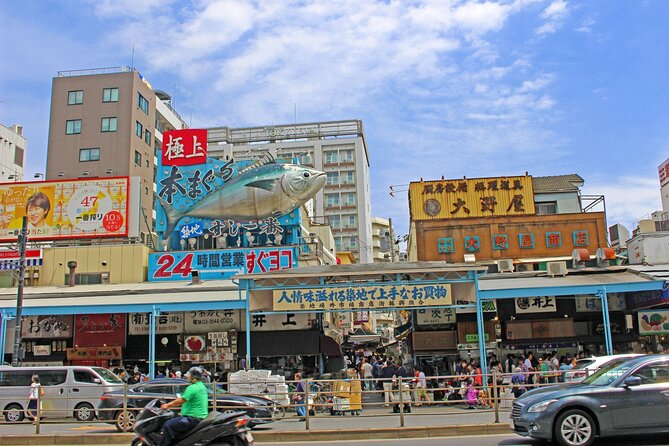
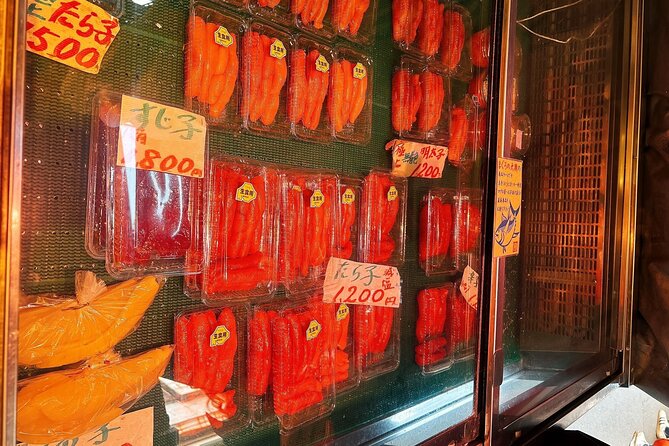
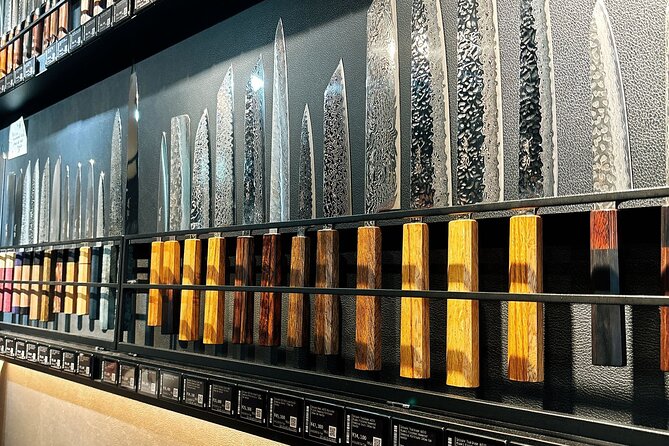
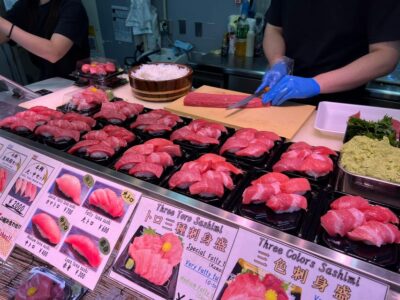
The heart of the experience is Tsukiji Jogai Market, where you spend about one hour. Tsukiji is no longer Tokyo’s main wholesale fish market, but the outer market remains a major food district. It brings together seafood, produce, kitchen goods, prepared foods, and small shops.
The market’s stated range is striking: about 480 types of seafood and 270 types of produce pass through its wider network. You will not see every one of those items during a one-hour walk, of course. The figure does explain why the area can feel overwhelming when you explore it alone.
This is where the guide earns the tour price. You can ask what an unfamiliar ingredient is, learn how the market developed, and get help deciding how to spend your food budget. The walk is not a set meal, so your guide’s role is more about orientation and explanation than serving a fixed tasting menu.
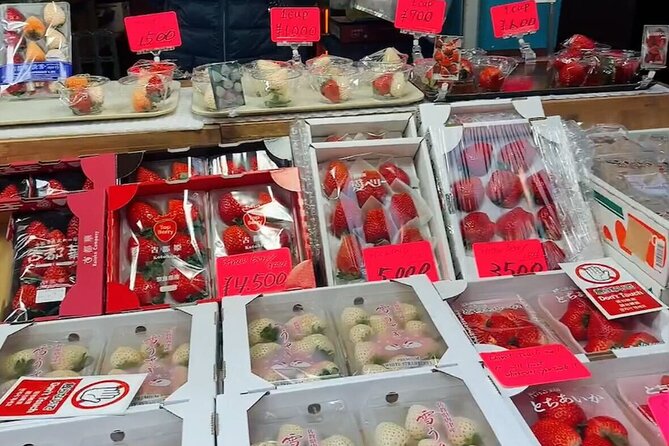
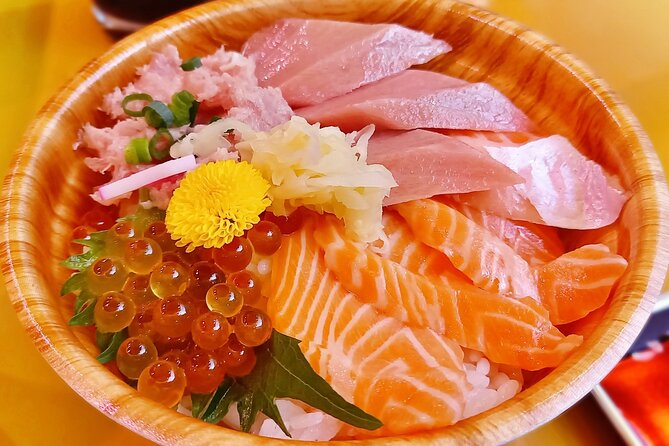
You may find sushi, wagyu beef, fresh fruit, and other foods available to purchase, but the tour does not include tastings. Past participants have enjoyed sampling these items, yet you should treat them as optional purchases. That arrangement gives you control, which is useful if you have allergies, dietary limits, or a strong preference for one kind of food.
It also means you need to plan your appetite. If you buy several items, you could have a substantial meal before reaching the garden. If you buy nothing, the stop will be more of a guided market walk. Neither approach is wrong, but the advertised price does not cover lunch or snacks.
Morning is the best time to book this route. One family especially preferred the morning schedule, and that advice makes practical sense for a food market. You are more likely to find the area operating as a market rather than treating it as a late-day sightseeing street. Exact opening times for individual shops are not provided, so I would still check your start time carefully.
The market can also be crowded. The tour information does not promise a quiet walk, and food districts naturally involve narrow paths and busy shopfronts. Wear shoes you can walk in and keep your belongings close. You will have more fun if you accept some jostling instead of expecting a slow, empty stroll.
What the guides add to the market visit
The strongest part of this experience is its human scale. Masumi has been praised for combining local history with current information. Miyuki has been described as friendly and able to adjust the pace and subjects to the group’s interests. Yuko has guided people around Tsukiji in French, which may be useful if that is your preferred language, though guide availability is not guaranteed.
Erica’s approach appears more practical than heavily interpretive. She helped with directions and even escorted one participant to a train station afterward. That is useful if you are still learning Tokyo’s transport system, but it also points to a fair limitation: the amount of explanation may depend on the guide assigned to your date.
Pepito has been praised for taking people to local sites and offering tips for other places nearby. That kind of advice can be valuable early in a Tokyo visit, when you are still deciding how to spend the rest of your time. Just remember that recommendations are an added benefit, not a listed part of the paid itinerary.
I would book this tour if you want help getting oriented and enjoy asking questions as you walk. I would not book it expecting a formal food lecture, a professional tasting menu, or a long temple talk. The experience is strongest when you treat it as a guided introduction to the district.
More walking routes in Tokyo:
- Tokyo: Imperial Palace and Shogun Historical Walking Tour
★ 5.0 · 2,251 reviews - Tokyo: Shinjuku Local Bar and Izakaya Guided Walking Tour
★ 4.9 · 1,794 reviews - Tokyo: Asakusa Walking Tour with Sensoji Temple Visit
★ 4.8 · 1,583 reviews - Tokyo Castle & Imperial PalaceーShogun Walking Tour
★ 4.7 · 1,068 reviews
Walking from Tsukiji to Hama Rikyu Gardens
After Tsukiji, the route continues toward Hama Rikyu Gardens. The itinerary allows about one hour in the garden, with admission included in the tour price.
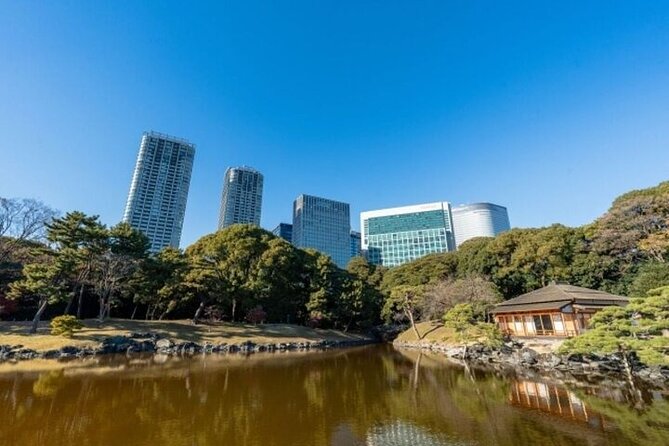
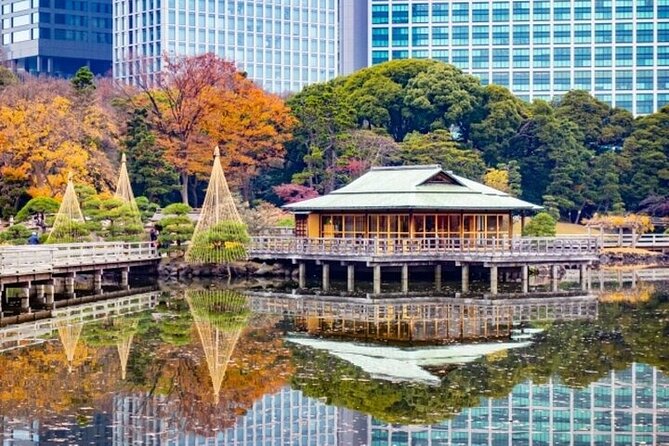
Hama Rikyu was created during the Edo period more than 370 years ago. Its ponds, planted areas, seasonal flowers, and traditional features offer a sharp change from the market streets. Depending on the season, you may see different flowers in bloom, so the garden’s appearance will vary during the year.
The garden’s location gives it much of its appeal. You can look across traditional paths and water toward Tokyo’s modern skyline. I like that visual contrast more than a garden visit in an isolated setting. It shows how old and new Tokyo can sit side by side without one erasing the other.
The hour is enough for an introduction, though not for every corner at a leisurely pace. If you love Japanese gardens and want extended time for photography, you may wish to return on your own. This tour gives you a guided taste of the place, not a full afternoon of quiet wandering.
The garden also helps balance the food portion. After sampling or browsing at Tsukiji, you get time to walk off the meal and change pace. One past description specifically paired the market food with a stroll through the garden, and that is a good way to think about the route as a whole.
Matcha, wagashi, and the optional tea stop
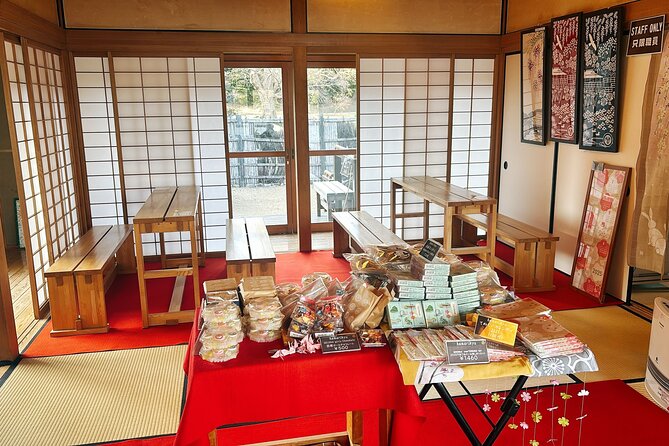
The experience includes the chance to learn about Japanese etiquette while drinking matcha and tasting wagashi, traditional Japanese sweets. This part costs about 1,000 yen and is paid on site.
The tea experience is optional, so you can decide based on your interest, budget, and schedule. I would choose it if you want a short cultural activity rather than just a garden walk. Matcha and wagashi give the garden visit a clear focal point and add a traditional element to the morning.
Do not confuse this with a full tea ceremony. The information provided describes matcha, sweets, and etiquette, but it does not promise an elaborate ceremonial performance. Think of it as a compact introduction.
The tour finishes at the tea house in Hama Rikyu Gardens. If you want help finding the exit, the guide can escort you to the entrance gate. After that, you are on your own, which is convenient if you want to continue sightseeing or make your way elsewhere in Tokyo.
Price, group size, and what you really pay for
At $32.32 per person, the tour is reasonably priced for a 2.5-hour guided walk that includes the 300-yen Hama Rikyu admission fee. The real question is not the ticket price alone. It is how much you value having a local person explain Tsukiji and connect it to the garden.
The price works best for you if you are new to Tokyo, interested in food, or uneasy about navigating a large market district. It also suits families, since the pace is a guided walk and most people can participate.
The value is weaker if you already know Tsukiji well or prefer to choose every shop and stop independently. You can visit the market and garden without this tour, but you would need to handle directions, timing, and interpretation yourself.
Budget at least another 1,000 yen if you want the tea and wagashi. Add more for any food or drinks. Since lunch and snacks are excluded, the final cost depends heavily on how much you buy at Tsukiji.
The tour is usually booked about 26 days ahead, so popular dates may fill before your trip. Confirmation arrives when you book, and mobile tickets make the entry process simple. Free cancellation is available up to 24 hours before the start time. Changes or cancellations inside that window are not accepted for a refund.
Who will enjoy this walk most
I would recommend this experience to first-time Tokyo visitors who want a manageable introduction to local food culture. It is also a good match for anyone who likes markets but wants a calm stop afterward.
Families can benefit from the short format and the option to choose their own food. You are not locked into a set menu, and the guide can adapt conversation to the group’s interests. Most people can participate, and service animals are allowed.
Food-focused visitors should understand the format before booking. This is not an all-inclusive tasting tour. You will have opportunities to buy sushi, wagyu, fruit, and other foods, but you pay for each item yourself.
The tour may not suit you if you dislike busy market streets, want extensive time in the garden, or expect detailed explanations at every stop. One past experience was satisfied with local guidance but wanted more information. That is a useful warning: guide quality can include warmth and practical help, but the depth of commentary may vary.
Should you book the Tsukiji and Hama Rikyu walk?
Book it if you want a friendly, small-group orientation to Tsukiji followed by a peaceful garden visit. The best reasons are the smart contrast between the two locations, the included garden entry, and the chance to ask a guide about unfamiliar foods and local customs.
Go in with the right expectations. Bring extra money for food and tea, choose a morning departure if possible, and allow for a market that may be crowded. If you want a flexible introduction rather than a fixed meal, this $32.32 walk offers solid value.
FAQ
How long does the Tsukiji Food Strolling and Hama Rikyu Garden Walking Tour last?
The tour lasts approximately 2 hours and 30 minutes.
Where does the tour begin?
The meeting point is Starbucks Coffee near Tsukiji Station, at Japan, 104-0045 Tokyo, Chuo City, Tsukiji, 2-chōme 12-8, Taiko Building 1F.
Where does the tour end?
The experience ends at the tea house in Hama Rikyu Gardens. Anyone who wants assistance can be escorted to the garden entrance gate.
Is food included in the tour price?
No. Lunch, snacks, drinks, and any food purchased at Tsukiji are paid for individually.
Is the matcha and wagashi experience included?
No. The matcha and wagashi activity is optional and costs about 1,000 yen, payable on site.
Is admission to Hama Rikyu Gardens included?
Yes. The 300-yen admission fee per person is included.
What is the maximum group size?
The tour accepts a maximum of 12 participants.
New on our Tokyo list
- Sumi-e Experience in a relaxing green tea shop in Tokyo★ 5.0 · 3 reviews
- Tokyo : Kamikaze Street Drift Ride★ 5.0 · 3 reviews
- Private Zen Meditation in English in Shinjuku, Tokyo★ 5.0 · 3 reviews
- Onsen Spa in Tokyo and Asakusa Bar Hopping with Local Guide★ 5.0 · 3 reviews
- Easy for everyone! Now you can play handmade mini shamisen and show off to everyone! Musical instruments, sweets and live music★ 5.0 · 3 reviews
- Tokyo: Private Tsukiji Street Food & Sake with Local Guide★ 5.0 · 3 reviews
- Mt Fuji Exploration Tour with Free Japanese Kusa Mochi from Tokyo★ 4.5 · 3 reviews
- Tokyo Tsukiji Fish Market Walking and Exploring Hidden Gems Tour★ 5.0 · 3 reviews
Tsukiji & Toyosu Market Tours, compared.

Tokyo Tsukiji Fish Market Food and Culture Walking Tour
Read our review →

Tokyo Sushi Making Class in Tsukiji with Professional Chef
Read our review →
Tsukiji Fish Market Guided Tour and Sushi Making with Pro Chef
Read our review →Tsukiji Fish Market Food and Culture Walking Tour
Read our review →
Tsukiji Fish Market: Street Food & Culture Walking Tour
Read our review →
Tsukiji Fish Market Small-Group Food Walking Tour
Read our review →Browse the lists this tour appears in