
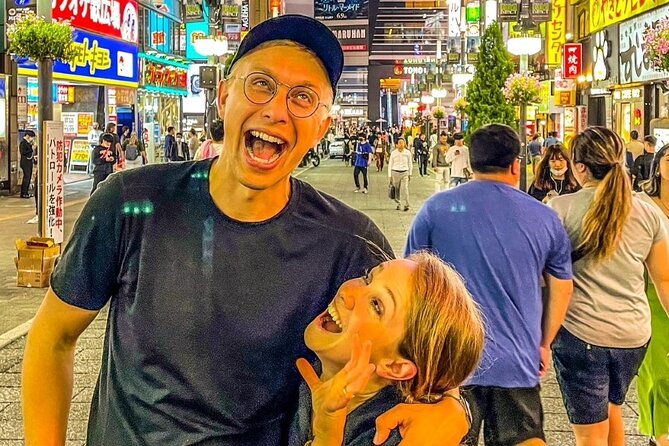
Reviewed · TOKYO FOOD TOURS
Wagyu and Sushi : Tokyo Gastronomic Journey
Tokyo is at its most atmospheric after dark, and this tour uses dinner as your way into Shinjuku’s maze of alleys, bars, shrines, and neon streets. The main event is a two-stop meal: carefully prepared sushi first, then Wagyu grilled at your table, with drinks included for adults age 20 and over.
I like the small group, which gives you room to ask about sushi manners, beef grades, and the local food scene. I also like the route through Omoide Yokocho and Golden Gai, two places that are easy to pass by if you stick to the broad roads around Shinjuku Station. The drawback is simple: at $156.77, you are paying for guidance and access to a planned evening, not just dinner. One past participant felt the two restaurants could have been visited independently.
In This Review
- Key points to know before booking
- Why sushi and Wagyu make a good Tokyo introduction
- Starting at 6:30 pm near Shinjuku Station
- Omoide Yokocho and the older side of Shinjuku
- Kabukicho after dark
- The Godzilla head photo stop
- Hanazono Shrine, a quieter pause
- Sushi with local guidance
- Wagyu yakiniku cooked at your table
- Golden Gai and the end of the walk
- What the $156.77 price really covers
- Who will get the most from this evening
- Timing, walking, and practical details
- Should you book the Wagyu and Sushi Tokyo Gastronomic Journey?
- FAQ
- Where does the tour start?
- Where does the tour end?
- How long does the experience last?
- How many people can join the tour?
- What food is included?
- Are alcoholic drinks included?
- Is transportation included?
- Can I cancel for a full refund?
Key points to know before booking
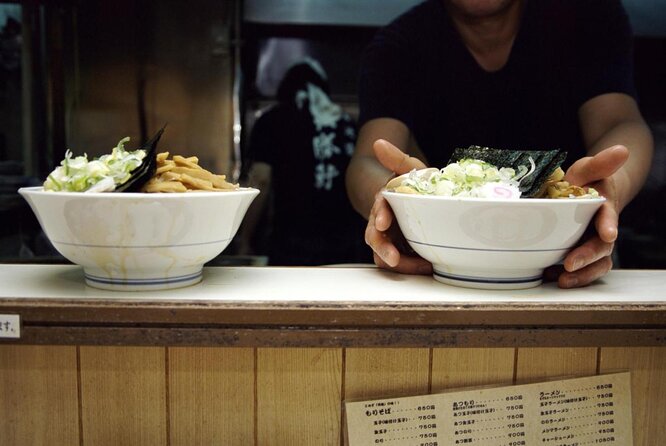
- Two food stops in three hours: The evening centers on sushi and Wagyu yakiniku, with alcoholic drinks included for adults 20 and older.
- A maximum of 10 people: The small group makes it easier to ask questions and keep the evening moving through narrow streets.
- A proper Shinjuku night walk: The route includes Omoide Yokocho, Kabukicho, Hanazono Shrine, Golden Gai, and the Godzilla head.
- Guides add local context: Guides named Yuki, Natsuki, Emma, Miharu, and Ando Minoru have led departures, explaining food customs and neighborhood history.
- Dinner is included, transport is not: Allow roughly 200 to 800 yen for transportation costs, and make your own way to and from the meeting points.
- Book ahead for a popular evening: The experience is often reserved about 52 days before the date.
Why sushi and Wagyu make a good Tokyo introduction

Food is one of the quickest ways to understand Tokyo, but ordering in a small Japanese restaurant can feel uncertain at first. You may wonder when to use soy sauce, how to handle sushi, or what makes Wagyu different from an ordinary beef dinner. A guide can explain those details while you eat, rather than leaving you to piece them together later.
The tour gives you two very different meals. Sushi is about freshness, rice, texture, and restraint. Wagyu yakiniku is more hands-on, with thin pieces of beef cooked at your table. Moving from one to the other gives the evening a useful rhythm, and you get more than one style of Japanese dining in a single outing.
The experience also places the food in Shinjuku. That matters. You are not simply being driven to two restaurants and returned to your hotel. You walk through old lanes, entertainment streets, a shrine, and one of Tokyo’s most unusual bar districts. The setting helps explain why Shinjuku feels so different from the polished avenues around major stations.
More sushi mornings and classes:
- Sushi Making Tokyo Roll and Authentic Japanese Sushi Class
★ 5.0 · 3,971 reviews - Tokyo: Roll and Authentic Sushi Making Class in Asakusa
★ 4.9 · 1,957 reviews - Make Sushi and Create Unforgettable Memories in Tokyo
★ 5.0 · 1,413 reviews
Starting at 6:30 pm near Shinjuku Station
The meeting point is at 7-chome-10-5 Nishishinjuku, in Shinjuku City. The tour begins at 6:30 pm, so give yourself time to reach the area. Shinjuku Station is large and confusing, and the route begins near the station’s west side rather than at a hotel or a central tourist office.
There is no hotel pickup. You also need to cover transportation costs, listed at approximately 200 to 800 yen. That may include getting to the start or returning from the end, depending on where you are staying and how you choose to travel.
The group can include no more than 10 people. That is a useful limit in Shinjuku, where narrow lanes and tiny restaurants do not suit a large crowd. You should have a fair chance to hear your guide and ask questions, although the exact feel of the group will depend on how many people book your departure.
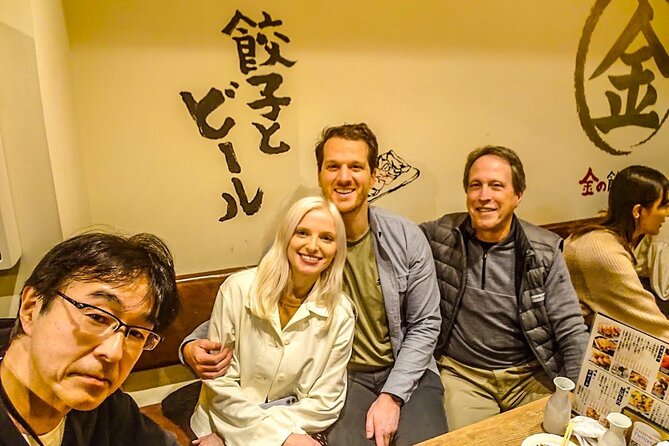
Past guides have included Yuki, Natsuki, Emma, Miharu, and Ando Minoru. The guide is an important part of the value here. The strongest accounts of the experience describe guides who explained local food culture, answered questions, pointed out less famous streets, and adjusted when someone arrived late because of traffic.
Omoide Yokocho and the older side of Shinjuku
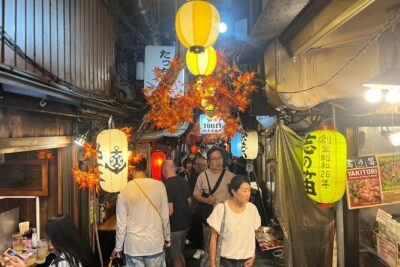
One of the early areas on the route is Omoide Yokocho, a tight maze of narrow lanes near the West Exit of Shinjuku Station. It feels far removed from the station’s bright, orderly buildings. Small restaurants and open barbecue stalls crowd the alleys, creating a much more intimate view of the district.
This is the kind of place I prefer to see with some local direction. The lanes are compact, and you might find it hard to know which restaurants are open to newcomers or how the seating works. The tour does not present Omoide Yokocho as a museum. You pass through a working food district, which is part of its appeal.
Do not expect a long meal here based on the stated inclusions. The included dinner is described as two food stops, with the main focus on sushi and Wagyu. Omoide Yokocho is part of the walking experience and the neighborhood story, rather than a guaranteed third restaurant meal.
Kabukicho after dark
The route continues through Kabukicho, Shinjuku’s major entertainment district. It is often described as a leisure and pleasure area, with restaurants, bars, nightclubs, and adult entertainment venues packed into a small part of the city.
That makes this section useful for first-time visitors who want to understand Shinjuku beyond its department stores and train connections. It is also a place where you should stay with the group and follow your guide’s lead. The tour is not designed as a nightlife crawl, and the stated inclusions do not promise club entry or time inside bars beyond the two dinner stops.
You may find Kabukicho visually overwhelming, especially at night. Neon signs, narrow streets, and constant movement are part of the setting. The guide helps turn the area from a wall of signs into a place with some context, pointing out landmarks and explaining how the district fits into Tokyo’s nightlife culture.
More Tokyo food crawls:
- Tokyo: Shinjuku Food Tour (13 Dishes at 4 Local Eateries)
★ 5.0 · 6,603 reviews - Tokyo: Shinjuku Food Tour (15 Dishes and 4 Eateries)
★ 4.9 · 2,033 reviews - Best of Shinjuku: Izakaya Food Tour (4 Stops, 14+ Tastings)
★ 5.0 · 1,863 reviews - Tokyo Night Foodie Tour in Shinjuku – Seasonal Sushi, Wagyu Beef
★ 5.0 · 1,161 reviews
The Godzilla head photo stop
The Godzilla head is one of the easiest landmarks to recognize in Kabukicho. The giant sculpture sits above the area and gives you a quick photo opportunity during the walk.
This is a short stop rather than a major attraction with a long visit. Its value is practical: it breaks up the walking route and gives you a memorable image from Shinjuku. If you are taking photos, keep your camera ready because the tour has several areas to cover in about three hours.
Photos are included in the tour. The information does not specify how many photos you receive or how they are delivered, so treat this as a helpful extra rather than the main reason to book.
Hanazono Shrine, a quieter pause
Hanazono Shrine provides a sharp change of pace. After the restaurant signs and nightlife streets of Kabukicho, a shrine stop gives you a look at a more traditional side of central Tokyo.
The visit is valuable because it prevents the evening from becoming only a food-and-neon outing. Your guide can connect the shrine to the surrounding neighborhood and show how older religious spaces remain part of a modern entertainment district.
The tour information does not state how long you spend at the shrine or whether there is a formal explanation of its buildings and rituals. Plan on a brief stop within the walking route, not a full shrine tour. You should also remember that the evening begins at 6:30 pm, so darkness will shape what you see.
Sushi with local guidance
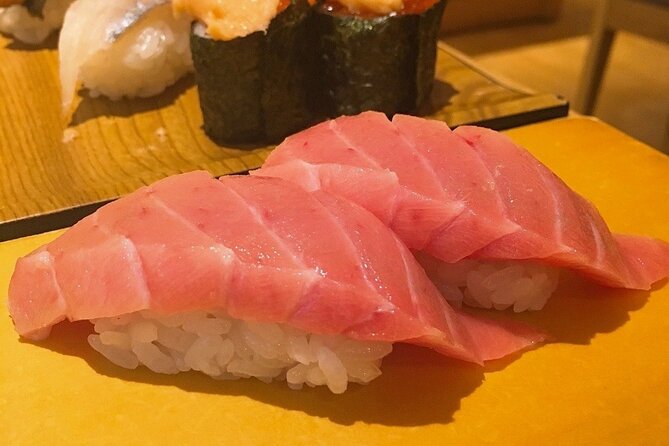
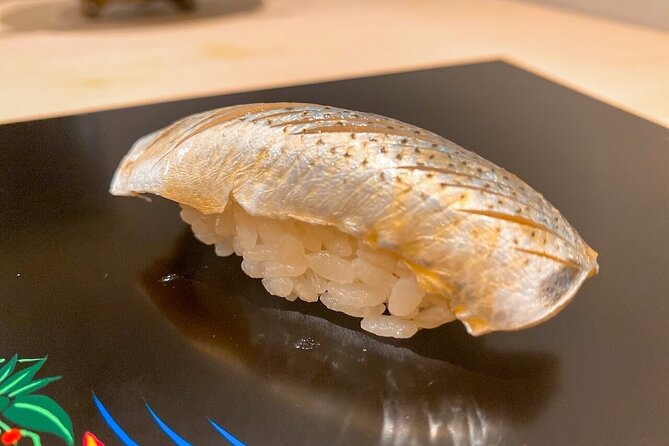
The sushi stop is one of the strongest reasons to choose this experience. The restaurant is described as a small, authentic place that many visitors would not locate on their own. That setting matters because a compact neighborhood sushi restaurant can feel very different from a large, heavily advertised dining room.
The food is expertly prepared, according to the details provided for the tour. Your guide can explain sushi etiquette and the food facts that standard guidebooks often skip. That may include how to approach the meal, how to use sauces, and how to understand the chef’s choices, though the exact lesson will depend on your guide and menu.
Sushi quality can vary from departure to departure because menus and chefs may change. Still, this stop appears intended to be a proper meal rather than a token tasting. You should arrive hungry, but not so hungry that you rush the walking portions.
Sake is included in the dinner arrangement, and one past meal pairing included sushi with sake. Alcoholic beverages are only included for people age 20 and over. The supplied details do not explain the nonalcoholic alternatives, so if you do not drink, confirm what is available when booking or at the start.
Wagyu yakiniku cooked at your table
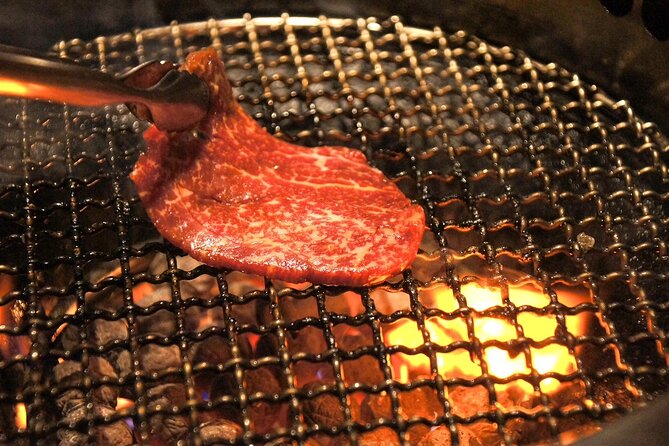
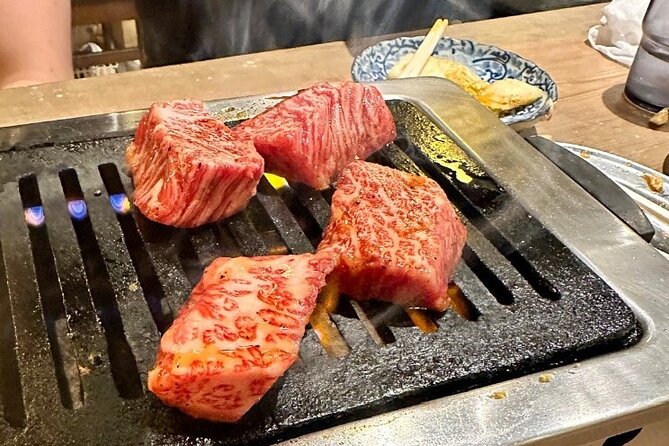
The second restaurant focuses on Wagyu, prepared in the yakiniku style. You grill the beef at your table, which gives this part of the evening a more active feel than the sushi stop.
Wagyu is prized for its marbling and texture, but the setting and cooking method are just as important here. You are not receiving a plated steak and leaving the work to the kitchen. The table grill makes dinner social, and it gives your guide an opening to discuss how to cook and enjoy the meat.
A drink pairing described for this stop includes a whiskey soda. Again, alcohol is included only for adults 20 and older. The tour price includes dinner at two food stops, but it does not spell out every cut of beef or every sushi piece. If you have allergies, strong dislikes, or dietary limits, ask before booking rather than assuming the menu can be changed.
The Wagyu stop is likely to be the highlight for anyone who enjoys Japanese barbecue. You get the pleasure of cooking the food yourself, and the meal feels distinct from the sushi course. It also helps justify part of the price because you are receiving more than a simple restaurant reservation.
Golden Gai and the end of the walk
Golden Gai is a dense group of tiny bars just east of Kabukicho. Its narrow lanes and small-scale buildings preserve a very different look from the tall hotels, department stores, and office towers elsewhere in Shinjuku.
The tour ends at the Hashimoto Building, 1-chome-1-5 Kabukicho, described as one of the famous izakaya streets called Golden Street. This is a useful place to finish because you remain in central Shinjuku, surrounded by restaurants and bars rather than being left in an isolated neighborhood.
Golden Gai is not the same as a bar-hopping tour. Entry to additional bars is not included, and the stated experience ends after the planned route and dinner stops. You can use the location as a starting point for your own evening, but any extra drinks or food will be at your expense.
The contrast between Omoide Yokocho and Golden Gai is one of the best features of the route. Both areas are compact and atmospheric, yet they offer different views of Shinjuku’s older street life. A guide is especially useful here because the streets can be easy to miss when you are walking alone.
What the $156.77 price really covers
At $156.77 per person, this is not a bargain dinner. You are paying for a three-hour small-group experience that combines a guide, two dinner stops, alcoholic beverages for eligible adults, neighborhood interpretation, and photos.
The food is the largest part of the value. You receive sushi and Wagyu in separate restaurants, rather than choosing one meal. Past food pairings included sushi with sake and Wagyu with a whiskey soda, and the Wagyu was served as a table-grilled meal.
The guide adds another layer. If you are already comfortable finding small restaurants, ordering in Japan, and navigating Shinjuku at night, you may decide the fee is high. One participant felt that the same two restaurants could be visited without a guide. That is a fair criticism, especially if you are focused only on the food.
I see the price as easier to justify if you want a ready-made evening and local explanations. You avoid the work of selecting restaurants, arranging a route, and figuring out how to combine dinner with Omoide Yokocho, Kabukicho, Hanazono Shrine, the Godzilla head, and Golden Gai. Group discounts may also change the effective cost for eligible bookings.
Who will get the most from this evening
This tour suits you if you want to meet other food-focused people, ask questions, and see Shinjuku on foot after dark. The maximum group size of 10 keeps the format more personal than a large bus or street group.
It is also a good fit for a first or second night in Tokyo. The route gives you an introduction to several sides of Shinjuku, while the guide takes care of the evening’s structure. You can then return to the areas that interest you most on your own.
You may want to skip it if you are a confident independent diner who already has sushi and yakiniku reservations. The tour does not offer a long list of restaurants or a choice of many tasting menus. It is one carefully planned evening with two main food stops.
People who do not drink should also check the beverage arrangements. Alcoholic drinks are included only for adults age 20 and older, and the available alternatives are not specified. Anyone with dietary restrictions should confirm the menu before committing.
Timing, walking, and practical details
The experience lasts about three hours and starts at 6:30 pm. Wear shoes you can walk in, since the evening links several areas rather than staying inside one restaurant.
The meeting and ending points are both in Shinjuku, but they are not the same address. You begin in Nishishinjuku and finish in Kabukicho near Golden Gai. Hotel pickup and drop-off are not included, so plan your route before the start time.
Most people can participate, and the activity is near public transportation. Confirmation is normally sent when you book, unless you reserve within one day of departure. In that case, confirmation is sent as soon as possible and depends on availability.
Free cancellation is available if you cancel at least 24 hours before the 6:30 pm start. Changes or cancellations inside that 24-hour window are not accepted for a refund. Keep the local Tokyo time in mind when making changes.
Should you book the Wagyu and Sushi Tokyo Gastronomic Journey?
Book it if you want a social, guided evening that combines two important Japanese foods with a walk through Shinjuku’s less polished streets. The small group, the table-grilled Wagyu, and the chance to learn sushi etiquette make it more useful than simply booking a restaurant table.
Skip it if you already know the Shinjuku food scene and prefer to choose your own restaurants. At $156.77, the guide and route need to matter to you for the price to feel right.
For most first-time visitors who want food, nightlife scenery, and a bit of local explanation in one outing, this is a strong choice. Just arrive ready to walk, check the alcohol and dietary details, and remember that the experience is about the full evening, not only the two meals.
FAQ
Where does the tour start?
It starts at 7-chome-10-5 Nishishinjuku, Shinjuku City, Tokyo 160-0023, Japan, at 6:30 pm.
Where does the tour end?
It ends at the Hashimoto Building, 1-chome-1-5 Kabukicho, Shinjuku City, Tokyo 160-0021, Japan, near Golden Gai.
How long does the experience last?
The tour lasts approximately three hours.
How many people can join the tour?
The maximum group size is 10 people.
What food is included?
Dinner is included at two food stops, with sushi and Wagyu as the main highlights.
Are alcoholic drinks included?
Alcoholic beverages are included for participants age 20 and older. The available nonalcoholic options are not specified.
Is transportation included?
No. Transportation costs are not included and are listed at approximately 200 to 800 yen. Hotel pickup and drop-off are also not included.
Can I cancel for a full refund?
Yes, if you cancel at least 24 hours before the experience start time. Cancellations or changes made less than 24 hours before the start are not accepted for a refund.
New on our Tokyo list
- Sumi-e Experience in a relaxing green tea shop in Tokyo★ 5.0 · 3 reviews
- Tokyo : Kamikaze Street Drift Ride★ 5.0 · 3 reviews
- Private Zen Meditation in English in Shinjuku, Tokyo★ 5.0 · 3 reviews
- Onsen Spa in Tokyo and Asakusa Bar Hopping with Local Guide★ 5.0 · 3 reviews
- Easy for everyone! Now you can play handmade mini shamisen and show off to everyone! Musical instruments, sweets and live music★ 5.0 · 3 reviews
- Tokyo Tsukiji Fish Market Walking and Exploring Hidden Gems Tour★ 5.0 · 3 reviews
- Tokyo: Private Tsukiji Street Food & Sake with Local Guide★ 5.0 · 3 reviews
- Mt Fuji Exploration Tour with Free Japanese Kusa Mochi from Tokyo★ 4.5 · 3 reviews
Tokyo Food Tours, compared.
Shinjuku Food Tour (13 Dishes at 4 Local Eateries)
Read our review →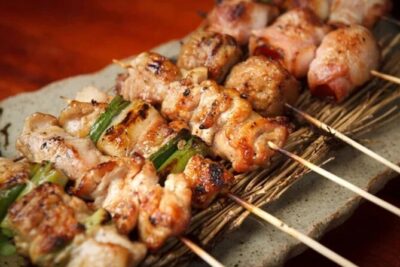
Shinjuku Food Tour (15 Dishes and 4 Eateries)
Read our review →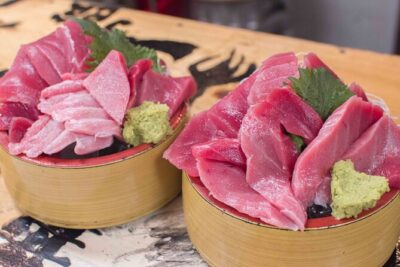
Best of Shinjuku: Izakaya Food Tour (4 Stops, 14+ Tastings)
Read our review →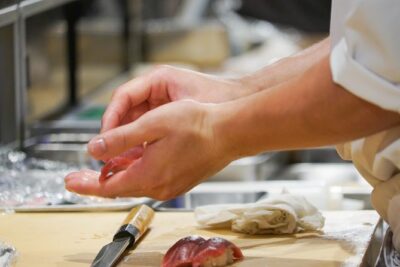
Tokyo Night Foodie Tour in Shinjuku – Seasonal Sushi, Wagyu Beef
Read our review →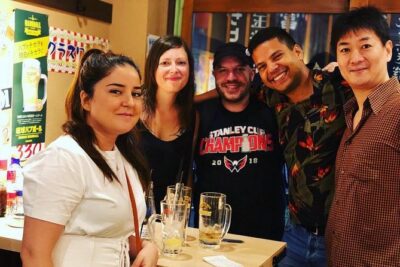
Eat and Drink Like a Local: Tokyo Ueno Food Tour-Taverns&Ramen
Read our review →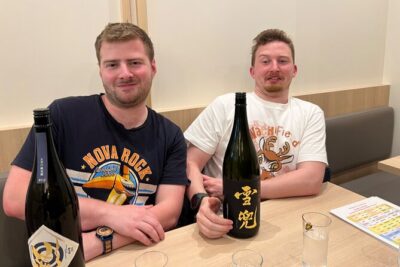
Tsukiji Fish Market: Street Food & Culture Walking Tour
Read our review →Shinjuku Food Tour – 15 Dishes, 3 Drinks, 4 Eateries
Read our review →Browse the lists this tour appears in