
Reviewed · TOKYO FOOD TOURS
Wagyu Beef & Sake Pairing Foodie Tour in Tokyo
Tokyo’s best food experiences often work because they connect what is on your plate with the place around you. This tour does that neatly, beginning with sake from Nara, moving to all-you-can-eat A5 Wagyu, and ending with dessert after a walk through Ginza.
I like the wide sake choice, which can include dry, sweet, cloudy, sparkling, and fruit styles. I also like the small group of no more than seven people, since guides such as Kazu and Ken can keep the conversation personal. The main drawback is simple: this is not a flexible food tour for vegetarians, vegans, people avoiding gluten, or anyone with several dietary limits.
In This Review
- Key points to know before booking
- Starting at Shimbashi Station and Japan’s first railway
- Tasting Nara sake from dry to lightly sparkling
- Ginza teppanyaki and the main Wagyu meal
- A short Ginza walk with more than shopping
- Dessert and a drink to finish in Ginza
- Is $180 a fair price?
- Who will enjoy this tour most?
- Practical details that affect your evening
- Should you book the Wagyu and sake tour?
- FAQ
- Where does the tour meet?
- How long does the tour last?
- What time should I arrive?
- How many people can join the tour?
- Is the tour offered in English?
- How much sake can I drink?
- What is included with the Wagyu meal?
- Can I order extra Wagyu immediately?
- Can people who do not drink alcohol join?
- Can the tour accommodate dietary restrictions?
- Is the tour suitable for young children?
- What happens if the weather is unsafe?
- Can I cancel for a refund?
Key points to know before booking
- More than 20 sakes in 30 minutes: Try styles from Nara, known here as the birthplace of sake, with your guide explaining brewing and flavor.
- A5 Wagyu with extra servings: Eat the first four portions before ordering as much additional Wagyu as you can manage.
- Ginza beyond luxury shopping: A guided walk introduces the district’s place in Japanese culture, not just its department stores and brand names.
- Two included drinks with the Wagyu: Sake, wine, beer, and soft drinks are available to match the beef.
- A small English-speaking group: The tour is limited to seven participants and lasts 210 minutes.
- A relaxed final stop: Finish with one dessert or drink at a local café or bar in Ginza.
Starting at Shimbashi Station and Japan’s first railway
Your meeting point is the JR Shimbashi Station North Exit, beside the black pillar. Look for the guide carrying a red or orange Magical Trip sign. Shimbashi has several rail connections, so allow extra time if you arrive by the Ginza Line or Toei Asakusa Line. From those stations, reaching the meeting point can take five to 10 minutes.
Shimbashi is a fitting place to begin. Japan’s first railway ran from this area in 1872, giving the neighborhood an early link to the country’s modern transport age. Your guide uses that setting to start the tour with a little local context before the eating begins.
The timing matters. You must arrive on time, and if you are more than 15 minutes late after the required meeting time, you cannot join, receive a refund, or reschedule. I would arrive early, especially if you are navigating Tokyo Station, changing subway lines, or meeting your guide during a busy evening.
The small group format is one of this tour’s strongest features. With a maximum of seven people, you can ask questions without trying to catch a guide’s voice across a large crowd. The exact guide varies, but Kazu and Ken have been specifically praised for making the outing feel friendly and personal, with Ken described as feeling like an old friend from start to finish.
More sake and whisky sessions:
- Ramen and Sushi Cooking Class with Sake Pairing Set in Tokyo
★ 5.0 · 291 reviews - Sake Tasting Masterclass in Shinjuku (8+ Varieties with a Pro)
★ 5.0 · 271 reviews - Sake Omakase in Tokyo: Guided Tasting by Certified Sommeliers
★ 5.0 · 239 reviews
Tasting Nara sake from dry to lightly sparkling
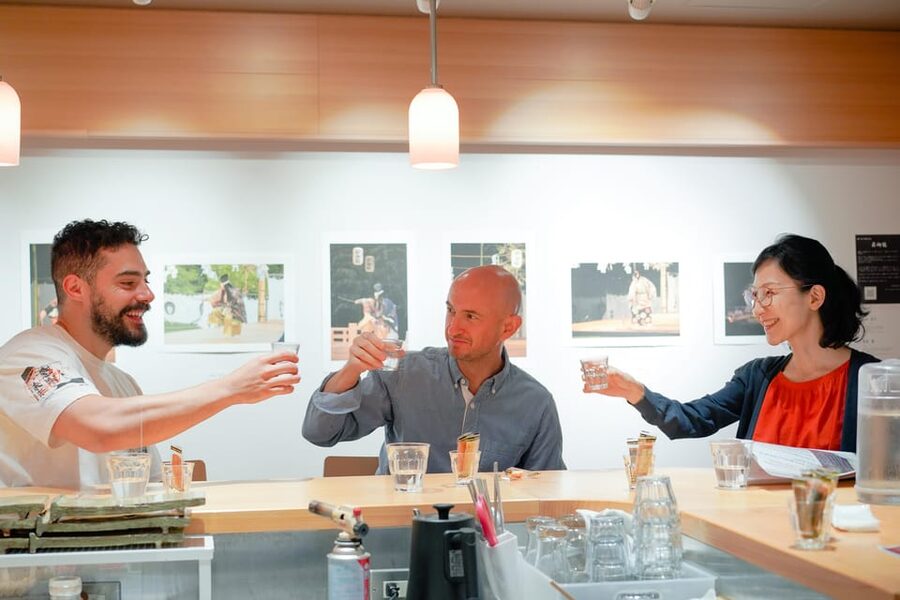
The first food stop is a casual bar run by Nara Prefecture. Nara is presented as the birthplace of sake, and the setting gives the tasting a useful sense of place rather than treating sake as just another drink.
You have 30 minutes of all-you-can-drink sake. More than 20 types may be available, with the selection changing daily. The range can include sake made with Bodai-moto, a yeast starter associated with Shorakuji, as well as dry, sweet, slightly sparkling, cloudy, and fruit sake.
That variety is important for beginners. Many people try one sake, decide it is not for them, and stop there. Here, you can compare several styles in one sitting. A sweet or fruit sake may be easier for a first sip, while a dry style can show you why sake works so well with grilled beef. Cloudy sake gives you a different texture, and a lightly sparkling option keeps the tasting playful.
Your guide explains how sake is brewed, along with differences in taste and aroma. I like this part because it gives you a way to pay attention. You are not simply drinking through a list of samples. You can notice what feels dry, sweet, floral, fruity, or slightly creamy, then carry that vocabulary into later meals in Japan.
The 30-minute limit keeps the tour moving, but it also means this is an introduction rather than a full sake seminar. You will sample widely, not sit through a long technical lesson. Pace yourself. All-you-can-drink can sound like a challenge, but the next stop involves a substantial meal, and rushing the first stop will not improve it.
If you do not care for sake or do not drink alcohol, other options are available. The supplied information does not specify the full nonalcoholic selection, so ask your guide what is available when you arrive. This makes the tasting more approachable, but the tour still centers heavily on Japanese food and drink.
Ginza teppanyaki and the main Wagyu meal
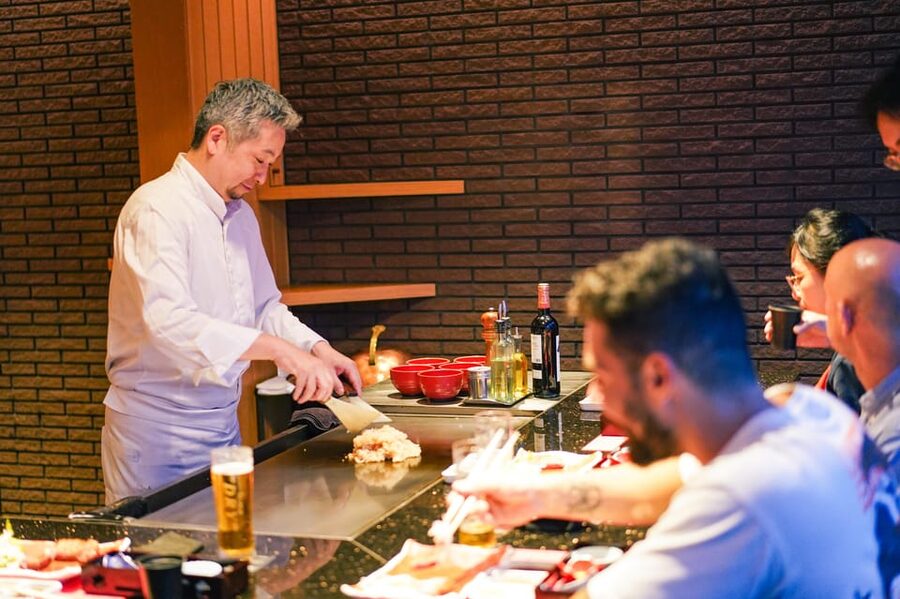
The second major stop takes you to a teppanyaki restaurant in Ginza. You sit near a heated iron griddle while a skilled griller prepares the meal in front of you. That cooking style adds a sense of occasion without turning the meal into a formal ceremony.
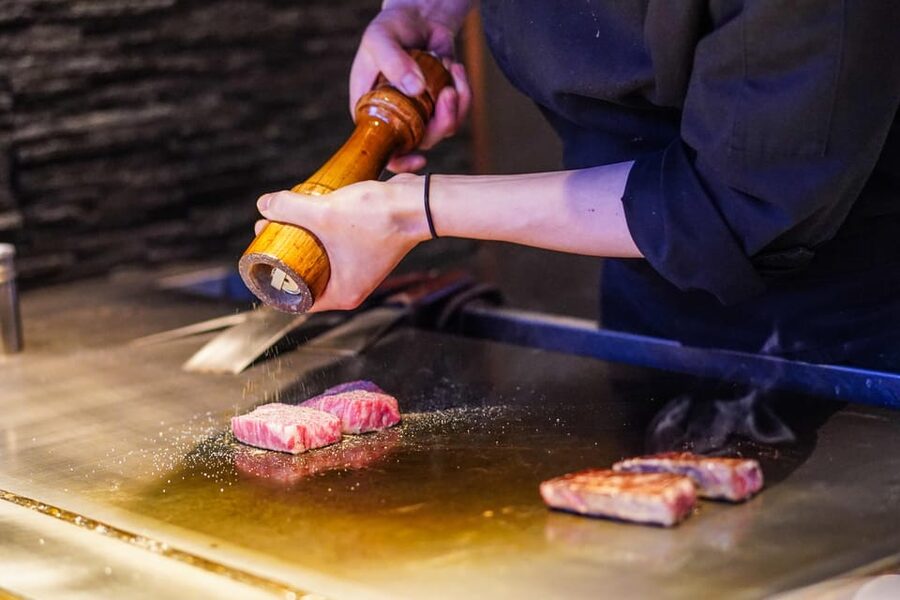
The centerpiece is A5-ranked Wagyu beef. In Japan’s beef grading system, A5 signals the top grade for yield and quality, though the label alone does not tell you exactly how you will prefer the flavor or texture. The useful point here is that the tour gives you access to a premium cut in a restaurant setting, without asking you to plan a separate high-end meal.
The Wagyu portion lasts about 75 minutes. The course includes the first four parts of Wagyu steak, then allows you to order extra servings once you have finished what was initially provided. That rule is worth understanding before you arrive. You cannot order unlimited beef from the first minute. You eat the opening portions first, then request more.
This arrangement is sensible. It lets the restaurant serve a planned selection before you decide how much more you want. It also helps limit waste, though it means very hungry diners need to wait until the first course is finished before adding more.
Alongside the beef, the course includes seasonal soup, a seasonal Wagyu dish, garlic rice, miso soup, and special condiments and sauces. These supporting dishes matter because an all-beef meal can become repetitive. The soup and rice provide a change of pace, while sauces let you adjust the flavor from bite to bite.
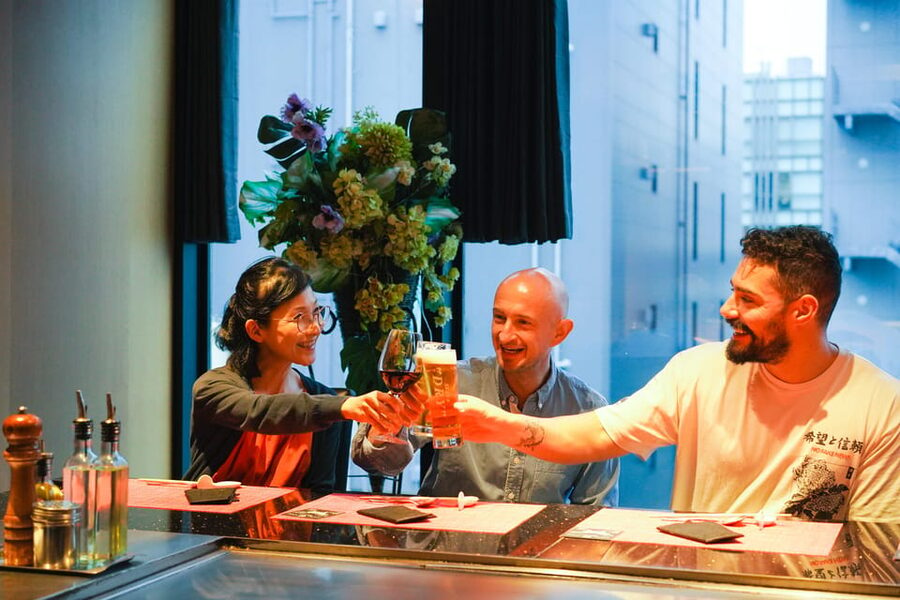
Two drinks are included with the Wagyu meal. Options include sake, wine, beer, and soft drinks, selected to pair with the beef. If you have already sampled sake at Shimbashi, you can continue comparing styles. If you prefer not to drink alcohol, soft drinks are available, though additional food or drink beyond the included items costs extra.
The strongest appeal is clear: you get a premium beef meal with the chance to order more. The limitation is also clear: the value depends on how much beef you eat. If you are a light eater, the $180 price may feel high. If you enjoy Wagyu and would normally pay separately for a quality teppanyaki meal, the included food, drinks, guide, and city walk make the price easier to justify.
A short Ginza walk with more than shopping
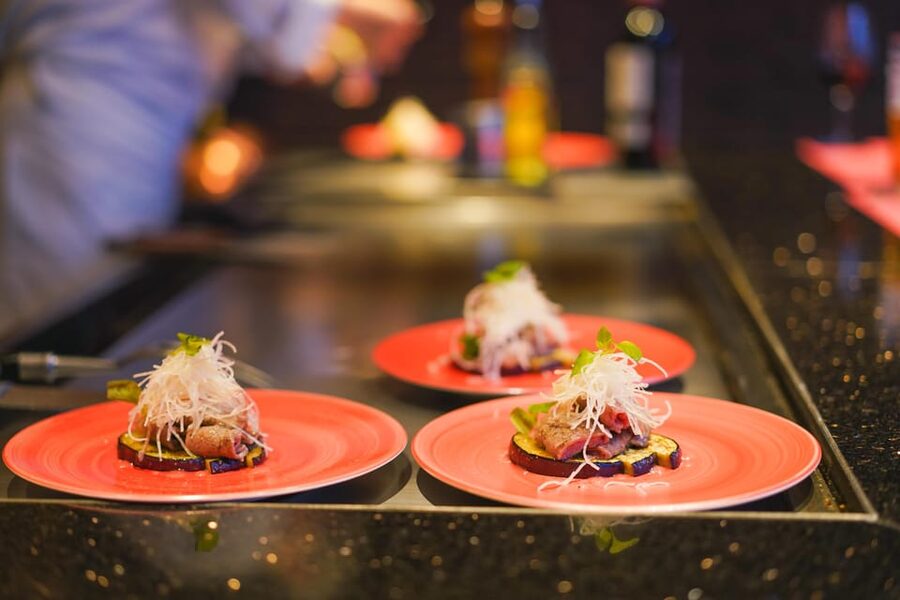
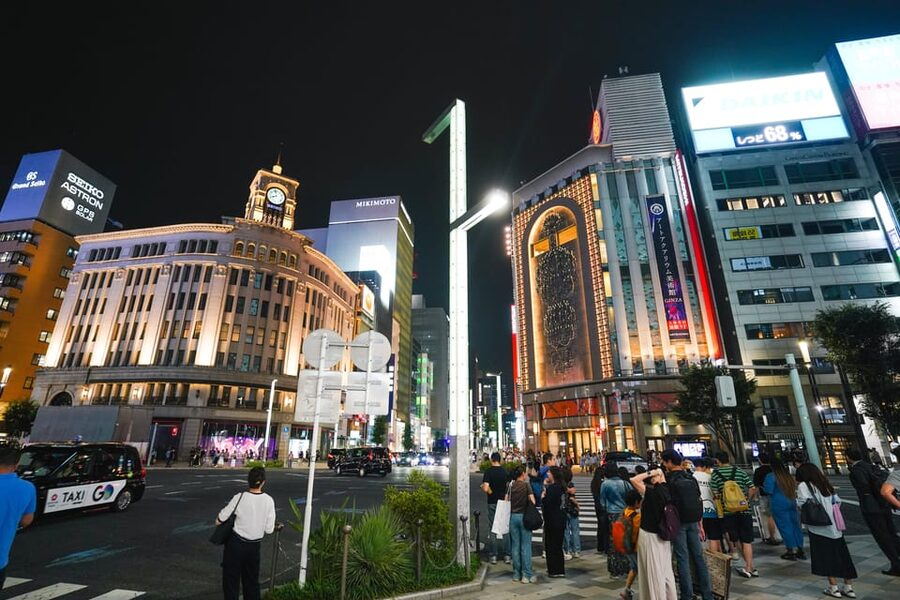
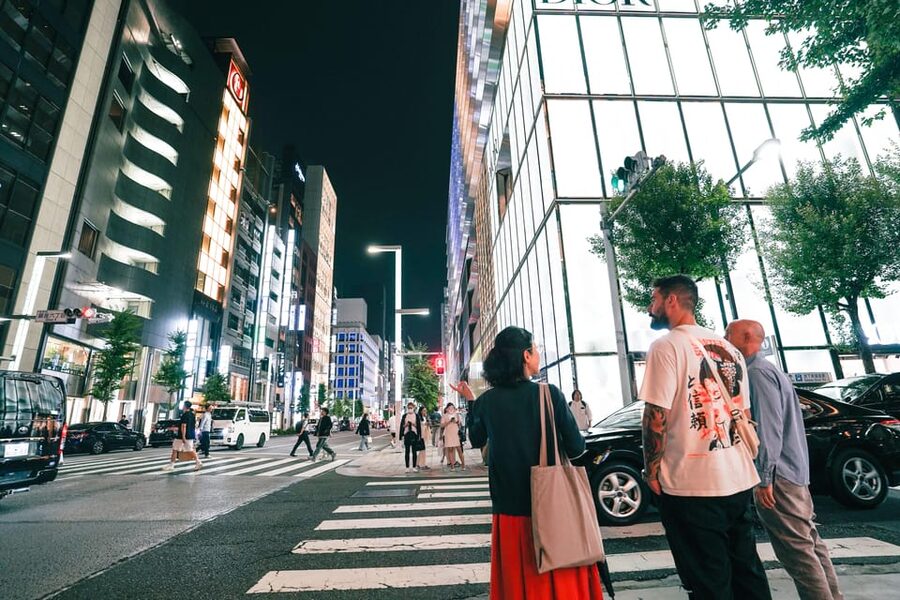
Between the restaurant and the final café or bar, your guide takes you around Ginza. The walk lasts about 30 minutes and introduces the district’s history, culture, and famous sights.
Ginza is known for flagship stores, major commercial buildings, and polished streets, but the tour aims to show why the area matters to Japanese people beyond luxury shopping. That context gives the meal a stronger connection to Tokyo. You are not simply eating in an expensive neighborhood. You are learning how Ginza became such a symbolic part of the city.
The walk is not a full sightseeing tour, so keep your expectations in check. You will not cover every major Ginza attraction in half an hour. Instead, treat it as a guided bridge between the meal and dessert, with enough explanation to help you understand the area when you return on your own.
I especially like this sequence because the pace changes at the right time. After the sake and a rich beef meal, walking is welcome. It also gives your guide space to answer questions about Tokyo, Ginza, and Japanese food culture in a more relaxed way.
More Tokyo food crawls:
- Tokyo: Shinjuku Food Tour (13 Dishes at 4 Local Eateries)
★ 5.0 · 6,603 reviews - Tokyo: Shinjuku Food Tour (15 Dishes and 4 Eateries)
★ 4.9 · 2,033 reviews - Best of Shinjuku: Izakaya Food Tour (4 Stops, 14+ Tastings)
★ 5.0 · 1,863 reviews - Tokyo Night Foodie Tour in Shinjuku – Seasonal Sushi, Wagyu Beef
★ 5.0 · 1,161 reviews
Dessert and a drink to finish in Ginza
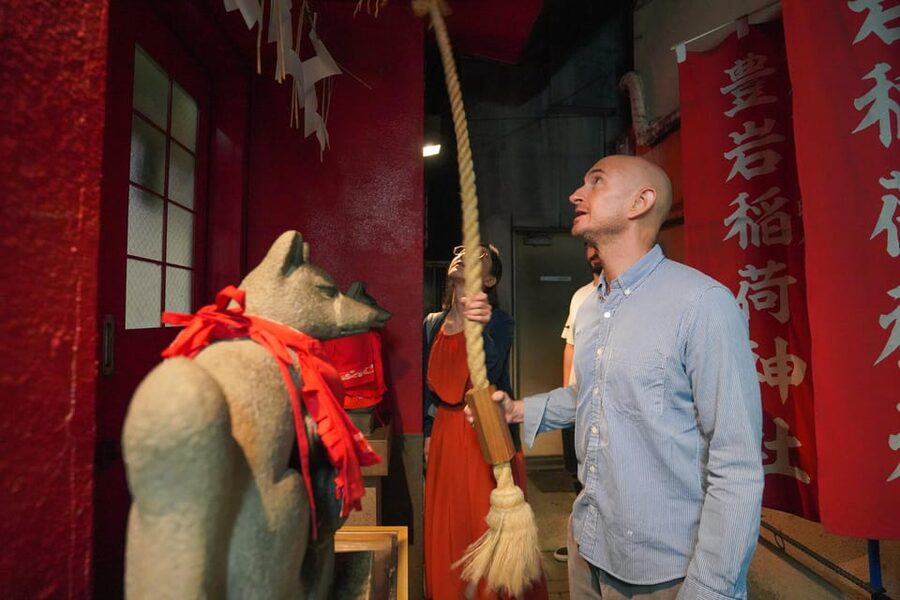
The final stop is a local café or bar, where you receive one dessert or drink. This is a modest ending, but it serves a practical purpose. A rich Wagyu dinner benefits from a calm finish rather than another large course.
The exact café or bar is not specified in advance, so do not book this tour expecting a named dessert specialty. Think of it as a final pause in Ginza, with something sweet or a drink to close the evening.
For some people, this will be the most enjoyable part of the tour. You can sit down, reflect on the sake and beef, and continue talking with the guide and the small group. For others, the dessert may feel less important than the main meal. The value is in the complete evening, not in treating this as a standalone dessert tasting.
Is $180 a fair price?
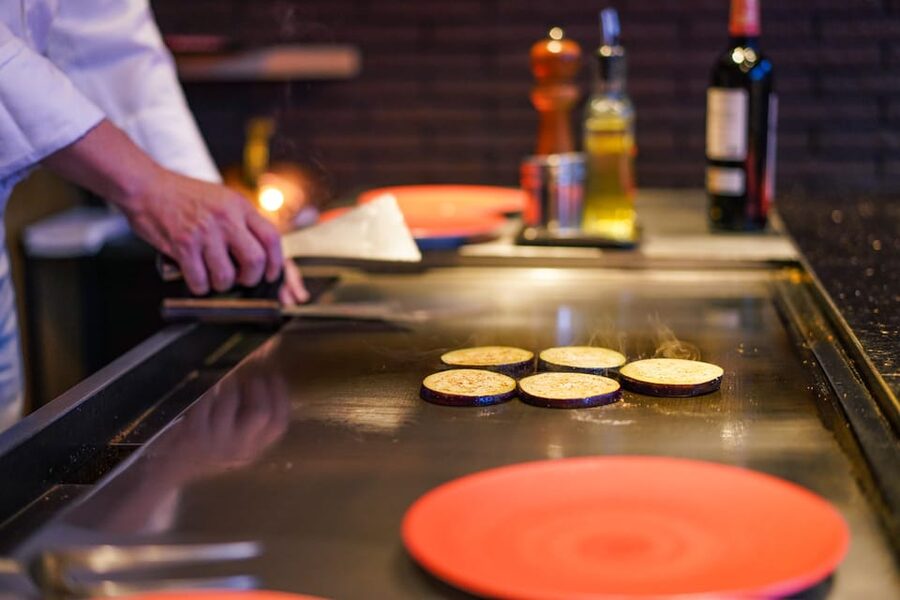
The cost is $180 per person, and the tour lasts 210 minutes. Included are the 30-minute all-you-can-drink sake tasting, 75 minutes of all-you-can-eat Wagyu after the initial portions, two drinks with the meal, one dessert or drink, an English-speaking guide, and a tour photo.
I would judge the price by comparing it with the kind of evening you want. You are paying for more than beef. The fee combines a premium restaurant meal, alcohol, a guide-led Ginza walk, local context, and the convenience of having the evening arranged in a small group.
The price is less attractive if you mainly want to eat inexpensive local food, avoid alcohol, or spend most of your time sightseeing. It is also less useful if you do not eat beef or cannot manage the included ingredients. Additional food and drink are not included, so budget extra money if you want anything beyond the set offerings.
For a special occasion or a first Tokyo visit focused on food, I see solid value in the package. The reviews give particular emphasis to the guides, with Kazu and Ken praised for their company and personal approach. That human element matters in a small group, since a good guide can turn a fixed menu into a more informative evening.
Who will enjoy this tour most?
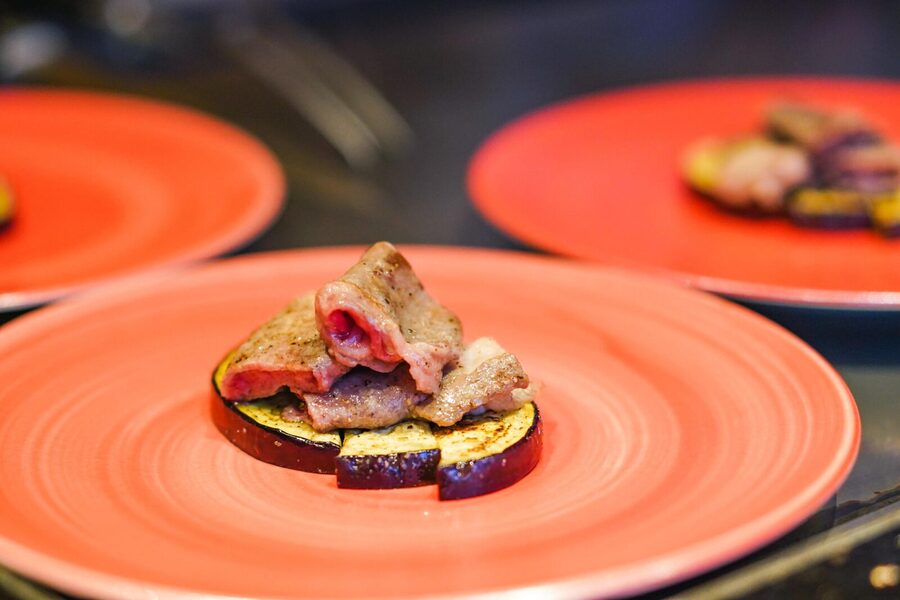
I would recommend it to adults who enjoy premium beef, sake, and guided neighborhood walks. It also suits you if you want a structured evening in Tokyo and prefer a guide to handle the restaurant sequence, explanations, and local orientation.
This is a good choice for:
- First-time visitors who want food and Ginza context in one outing
- Couples or friends looking for a special meal
- Sake beginners who want to compare several styles
- Beef lovers who are interested in A5 Wagyu
- People who prefer a small English-speaking group
- Diners who enjoy a generous meal and can eat a substantial amount
The tour is not suitable for children under six because of the restaurant dress code. It is also not suitable for pregnant women, vegetarians, vegans, people with heart or kidney problems, wheelchair users, or people with a cold.
Gluten-free requests cannot be accommodated. If you have allergies or other dietary needs, tell the operator at least one day before the tour. Same-day requests cannot be handled, and the tour cannot make changes on the day.
Practical details that affect your evening
The tour begins at Shimbashi Station and finishes in Ginza. Since the final stop is also in Ginza, you are well placed to continue exploring the area afterward, subject to the time and location of the café or bar.
The official duration is 210 minutes, or three and a half hours. The schedule is roughly 30 minutes at the sake bar, 75 minutes at the Wagyu restaurant, 30 minutes walking around Ginza, and 30 minutes at the final café or bar. The remaining time covers movement between stops and the natural pace of the meal.
The tour is offered in English with a live guide. Other participants may join, but the group is capped at seven. You do not need to pay for the guide’s food or drinks.
Free cancellation is available up to 24 hours before the tour for a full refund, and you can reserve now and pay later. The tour may be canceled for unsafe weather. Since changes cannot be made on the day, check your schedule, dietary needs, and station route before booking.
Should you book the Wagyu and sake tour?
Book it if you want one polished evening that combines serious Wagyu, broad sake tasting, and Ginza background. The small group and guides such as Kazu and Ken add the personal touch that makes this more than a restaurant reservation.
Skip it if you are vegetarian, vegan, gluten-free, a light eater, or mainly interested in low-cost street food. You should also pass if you need wheelchair access or cannot arrive early at Shimbashi.
For the right diner, this is a generous and well-shaped Tokyo evening. You taste Nara sake, eat as much A5 Wagyu as you can manage after the first servings, learn why Ginza matters, and finish with dessert. At $180, it is a splurge, but a practical one for anyone who wants the food, drinks, and local guidance handled in a single small-group experience.
FAQ
Where does the tour meet?
The meeting point is at the JR Shimbashi Station North Exit, in front of a black pillar. The guide will hold a red or orange Magical Trip sign.
How long does the tour last?
The tour lasts 210 minutes, or three and a half hours.
What time should I arrive?
You should arrive on time and allow extra time to find the meeting point. If you are more than 15 minutes late after the meeting time, you cannot join the tour, receive a refund, or reschedule.
How many people can join the tour?
The group is limited to seven participants. Other participants may join your group.
Is the tour offered in English?
Yes. The tour has a live English-speaking guide.
How much sake can I drink?
The sake tasting is all-you-can-drink for 30 minutes. More than 20 types may be offered, and the selection changes daily.
What is included with the Wagyu meal?
The meal includes 75 minutes of all-you-can-eat Wagyu after the initial portions, seasonal soup, a seasonal Wagyu dish, garlic rice, miso soup, condiments and sauces, plus two drinks. Drink options include sake, wine, beer, and soft drinks.
Can I order extra Wagyu immediately?
No. You must first finish the initial four parts of Wagyu steak. After that, you can order additional servings.
Can people who do not drink alcohol join?
Yes. Other drink options are available for people who do not prefer alcohol or sake. Soft drinks are also included among the drink choices with the Wagyu meal.
Can the tour accommodate dietary restrictions?
Gluten-free requests cannot be accommodated. You must report allergies or other dietary requests at least one day before the tour, since same-day requests cannot be handled. Vegetarians and vegans cannot join.
Is the tour suitable for young children?
Children under six are not allowed because of the restaurant’s dress code.
What happens if the weather is unsafe?
The tour may be canceled if weather conditions are unsuitable for safety reasons.
Can I cancel for a refund?
You can cancel up to 24 hours in advance for a full refund. You can also reserve now and pay later.
More Drinking Tours in Tokyo
- Tokyo Bar Hopping Tour in Shinjuku (All-You-Can-Drink + Dinner)
★ 5.0 · 3,587 reviews - Tokyo: Shinjuku Local Bar and Izakaya Guided Walking Tour
★ 4.9 · 1,794 reviews - Shibuya Meltdown Nightlife Tour: All-You-Can-Drink Bar Hopping
★ 5.0 · 1,058 reviews - Tokyo: Pub Crawl and Bar Tour
★ 4.5 · 951 reviews
New on our Tokyo list
- Sumi-e Experience in a relaxing green tea shop in Tokyo★ 5.0 · 3 reviews
- Tokyo : Kamikaze Street Drift Ride★ 5.0 · 3 reviews
- Private Zen Meditation in English in Shinjuku, Tokyo★ 5.0 · 3 reviews
- Onsen Spa in Tokyo and Asakusa Bar Hopping with Local Guide★ 5.0 · 3 reviews
- Easy for everyone! Now you can play handmade mini shamisen and show off to everyone! Musical instruments, sweets and live music★ 5.0 · 3 reviews
- Tokyo: Private Tsukiji Street Food & Sake with Local Guide★ 5.0 · 3 reviews
- Mt Fuji Exploration Tour with Free Japanese Kusa Mochi from Tokyo★ 4.5 · 3 reviews
- Tokyo Tsukiji Fish Market Walking and Exploring Hidden Gems Tour★ 5.0 · 3 reviews
Tokyo Food Tours, compared.
Shinjuku Food Tour (13 Dishes at 4 Local Eateries)
Read our review →
Shinjuku Food Tour (15 Dishes and 4 Eateries)
Read our review →
Best of Shinjuku: Izakaya Food Tour (4 Stops, 14+ Tastings)
Read our review →
Tokyo Night Foodie Tour in Shinjuku – Seasonal Sushi, Wagyu Beef
Read our review →
Eat and Drink Like a Local: Tokyo Ueno Food Tour-Taverns&Ramen
Read our review →
Tsukiji Fish Market: Street Food & Culture Walking Tour
Read our review →Shinjuku Food Tour – 15 Dishes, 3 Drinks, 4 Eateries
Read our review →Browse the lists this tour appears in