
Reviewed · KAMAKURA TOURS
Yokohama and Kamakura Private Day Trip from Tokyo
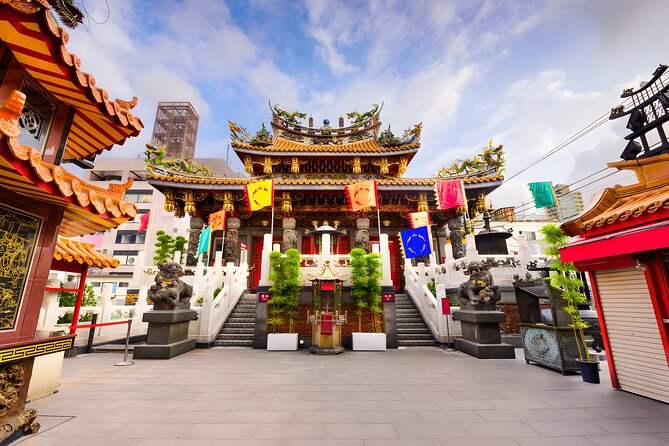
Yokohama and Kamakura make a fine two-city pairing: one gives you harbor views, modern towers, and Japan’s largest Chinatown, while the other brings you temples, a giant bronze Buddha, and old shrine roads. This private 9 to 10-hour trip lets you cover both without figuring out separate trains, transfers, and local taxis.
I like the customizable pace and the convenience of a private, air-conditioned vehicle. I also like that fuel, parking, tolls, and bottled water are included. The main drawback is that eight listed stops in one day can make the schedule feel tight, especially once you add traffic and paid admissions.
- Yokohama in one day: See Minato Mirai 21, Sankeien Garden, Landmark Tower, and Chinatown.
- Kamakura’s essential sights: Visit the Great Buddha, Hase-Dera, Tsurugaoka Hachimangu, and Hokoku-ji.
- Private transport: Your group of up to three rides together in an air-conditioned vehicle.
- English-speaking chauffeur: Information is given mainly during the drives, rather than through a walking guide.
- Extra costs to plan for: Admission fees at Sankeien, Sky Garden, the Great Buddha, Hokoku-ji, and Hase-Dera are not included.
- Strong practical feedback: One published account specifically praises a driver named Rudy for being informative and punctual.
In This Review
- Why Pair Yokohama and Kamakura?
- A Private Vehicle Changes the Day
- Minato Mirai 21: Yokohama’s Modern Face
- Sankeien Garden: Two Hours of Calm
- Landmark Tower Sky Garden: Yokohama From Above
- Yokohama Chinatown: Food and Color
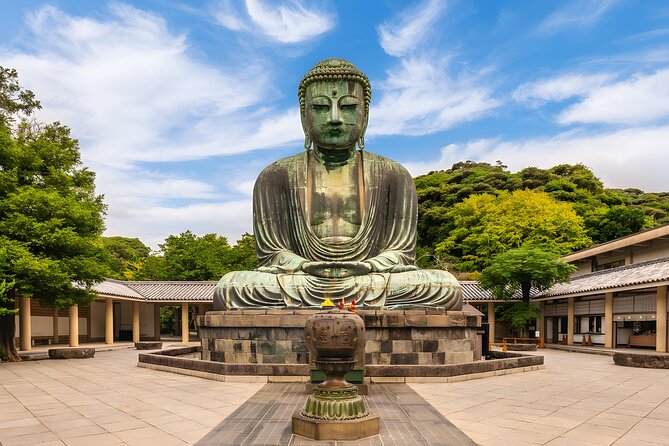
- Kamakura’s Great Buddha at Kotoku-in
- Hokoku-ji’s Bamboo Grove
- Tsurugaoka Hachimangu: Kamakura’s Main Shrine
- Hase-Dera: Ocean Views and Kannon
- What the Driver Can and Cannot Provide
- Timing, Tickets, and Practical Value
- Who Will Get the Most From This Tour?
- Should You Book the Yokohama and Kamakura Day Trip?
- FAQ
- How long does the private day trip last?
- How many people can join the private tour?
- Is pickup offered?
- Is transportation provided?
- Is an English-speaking guide included?
- Are admission fees included?
- Which stops are listed as free?
- Is the Great Buddha of Kamakura included?
- What is included in the price?
- Can I cancel for a full refund?
Why Pair Yokohama and Kamakura?
Tokyo is so large that nearby destinations can feel harder to reach than they really are. Yokohama lies south of the capital, with a broad harbor, modern shopping districts, gardens, and Chinatown. Kamakura adds a very different mood, with Buddhist temples, a major Shinto shrine, and the famous Great Buddha.
The contrast is the point. In the morning, you might be looking across Minato Mirai’s high-rises and ferris wheel. Later, you can stand before a 13th-century bronze Buddha or walk among bamboo at Hokoku-ji Temple.
This route suits you if you want a broad first look at both places rather than a slow, specialist visit to one. It is also useful if you prefer door-to-door transport and do not want to manage several rail journeys in one day.
The tradeoff is clear. You are covering a lot of ground. If your priority is quiet temple time, careful garden photography, or long meals in Chinatown, you may need to ask the driver to reduce the number of stops.
A Private Vehicle Changes the Day
The tour is private for your group, with a maximum of three people. That gives you more control than a large coach outing. You can set the pace and request stops based on your interests, within the limits of the day and the route.
The air-conditioned vehicle matters in Japan’s warmer months, particularly when the day includes outdoor gardens, shrine grounds, and walking between Kamakura sights. Fuel, parking, toll fees, and bottled water are included, so the advertised $360 per group is easier to judge as a transport-and-driver price rather than a per-person ticket.
For three people, that works out to $120 each before admission fees. For two people, it becomes $180 each, and a solo booking pays the full group rate. The value is strongest when three people share the cost and want private transportation. It is less attractive if you are comfortable using public transport and only want a walking guide.
The English-speaking chauffeur provides information mainly while you are in the vehicle. This is not the same as having a dedicated guide walk with you through every temple, garden, or neighborhood. Keep that difference in mind when comparing it with more expensive guided tours.
More Private Tours in Kamakura
- Kamakura Private Tour: Temples, Nature, and the Great Buddha
★ 5.0 · 121 reviews - Kamakura 8 hr Private Walking Tour with Licensed Guide from Tokyo
★ 5.0 · 80 reviews - Kamakura: Private Guided Walking Tour with Local Guide
★ 4.8 · 60 reviews
Minato Mirai 21: Yokohama’s Modern Face
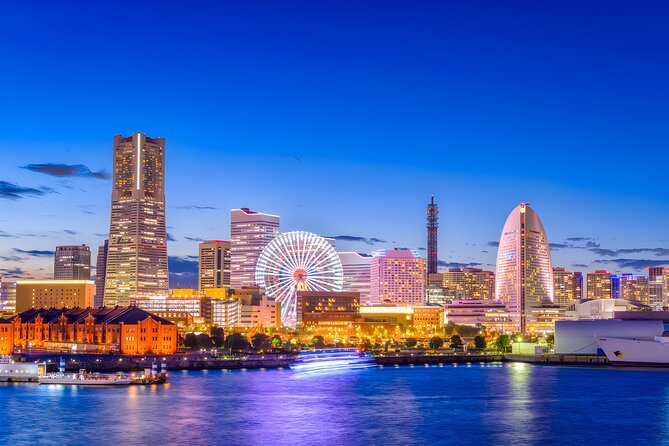
The first listed stop is Minato Mirai 21, a sleek waterfront district built around Yokohama’s harbor. You have about an hour here, enough for a stroll, photos, and a look at the district’s shopping centers and landmarks.
The Cosmo Clock Ferris Wheel gives the area an instantly recognizable focal point. Yokohama Landmark Tower rises nearby, and the bay views give you a quick sense of how the city connects to its port.
This is a good opening stop because it requires no admission ticket. You can get your bearings without spending extra money, and the flat waterfront setting provides a simple change of pace after the drive from Tokyo.
Do not expect an old port quarter at Minato Mirai. The appeal is modern Yokohama: glass, steel, open promenades, and broad views. If you want more time here, you may need to shorten another stop.
Sankeien Garden: Two Hours of Calm
Sankeien Garden is likely to be one of the day’s most rewarding stops. Plan on roughly two hours, longer than the time allotted to most other places. The garden includes ponds, tea houses, and historic buildings moved there from different parts of Japan.
That combination gives Sankeien more variety than a simple city park. You can walk through carefully arranged garden scenery, pause near the water, and look at traditional buildings in a setting removed from Yokohama’s towers and traffic.
Spring and autumn are noted as especially attractive times to visit, though the garden offers a quieter break from the city in any season. Admission is extra, so budget for it before you arrive.
Two hours sounds generous, but it may pass quickly if you enjoy gardens or photography. If your group prefers major landmarks over slow walking, you could ask about a shorter visit. I would be reluctant to cut it too much, since this is the stop that gives the Yokohama portion a calmer, more traditional character.
Landmark Tower Sky Garden: Yokohama From Above
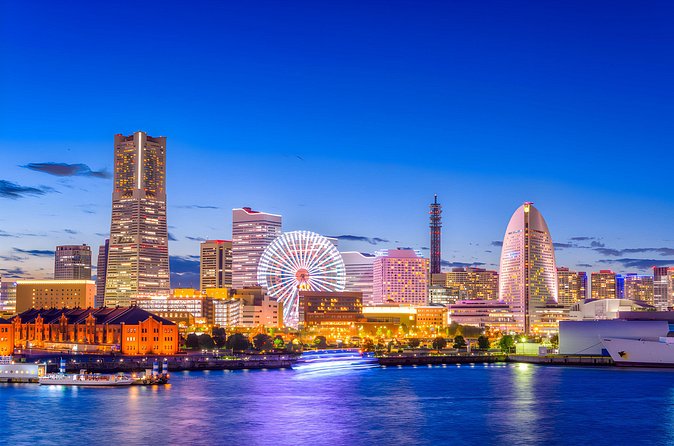
Yokohama Landmark Tower reaches 296 meters, and its Sky Garden observatory is on the 69th floor. The building held the title of Japan’s tallest from 1993 until 2014, a detail that helps explain its place in Yokohama’s modern identity.
From the observatory, you can look across Yokohama and toward Tokyo. Clear conditions matter, so the quality of the view depends on the day. The stop is planned for about an hour, and admission is not included.
This is a good choice if you like city views and want a visual link between the places you have visited. It also gives you a break from ground-level walking. On a hazy day, though, the ticket may feel less worthwhile, particularly because several other stops already require admission payments.
Ask yourself what your group values. If you already plan to visit a high observatory in Tokyo, you may prefer more time in Sankeien or Kamakura. If Yokohama is your main interest, the Sky Garden gives you the clearest overall view of the city.
More Private Tours in Yokohama
- Daikoku & Tokyo Private JDM Tour by 700HP R34 GT-R
★ 4.9 · 101 reviews - Tokyo 8hr Private Tour with Licensed Guide from Yokohama
★ 5.0 · 94 reviews - R34Skyline Daikoku PA Fast & Furious Private Experience
★ 5.0 · 63 reviews - Private Car Tour to see Highlights of Kamakura, Enoshima, Yokohama from Tokyo
★ 5.0 · 48 reviews
Yokohama Chinatown: Food and Color
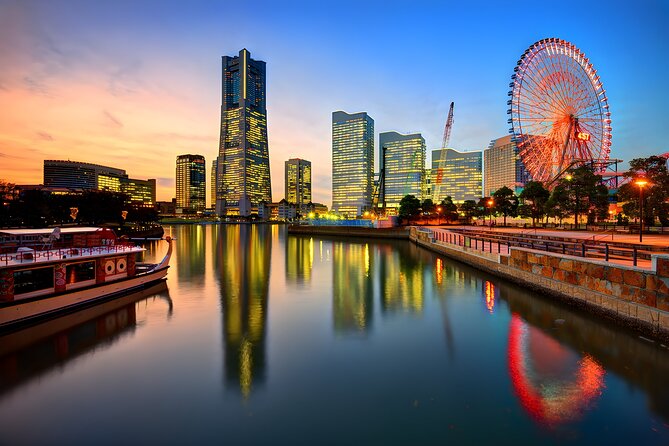
Yokohama Chinatown is described as the largest Chinatown in Japan. Its streets are lined with shops, food stalls, and Chinese-style architecture, making it a lively contrast to both Minato Mirai and Sankeien.
You have about an hour here. That is enough to walk around and sample something such as steamed buns, dumplings, or bubble tea. It is not much time for a long sit-down meal, so treat this as a tasting and exploring stop rather than a full lunch experience.
Admission is free, but food is your own expense. Because the area offers many choices, the flexible format helps. You can decide if you want a quick snack, a more substantial bite, or simply a walk through the streets.
The practical issue is timing. Chinatown can easily absorb more than an hour, especially if your group wants to browse. Keep an eye on the schedule, since Kamakura still has four substantial stops waiting.
Kamakura’s Great Buddha at Kotoku-in
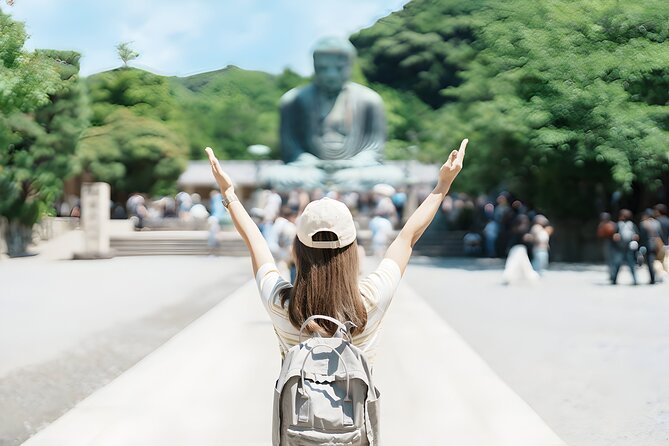
The Great Buddha of Kamakura is the day’s headline sight for many people. This large bronze figure dates from the 13th century and has a calm, powerful presence.
You have about an hour at Kotoku-in. That gives you time to see the statue, take photographs, and spend a little time in the surrounding temple grounds. Admission is extra, so bring a budget for the ticket.
The Great Buddha is an efficient sight. You do not need half a day to appreciate it, and its scale makes an immediate impression. Still, the one-hour allocation means you should not expect a long, unhurried temple visit.
This stop also gives the day historical weight without requiring a long explanation in a vehicle. The statue is the kind of landmark you can understand at once, even if you are new to Kamakura’s religious history.
Hokoku-ji’s Bamboo Grove
Hokoku-ji Temple offers a smaller, quieter experience. Its bamboo grove creates a strong sense of enclosure, while the traditional tea house adds a chance to pause in a distinctly Japanese setting.
The planned visit is about an hour, and admission is extra. This is one place where the private format can help, since you can decide how much time your group wants to spend walking quietly rather than moving immediately to the next major sight.
The grove is not a substitute for a full temple tour, and the stop is relatively brief. Still, it adds texture to the day. After the open harbor and the large bronze Buddha, the bamboo offers a more intimate setting.
If your group prefers peaceful places over famous monuments, tell the driver that this stop matters to you. The itinerary is flexible, but eight stops in a day may require choices.
Tsurugaoka Hachimangu: Kamakura’s Main Shrine
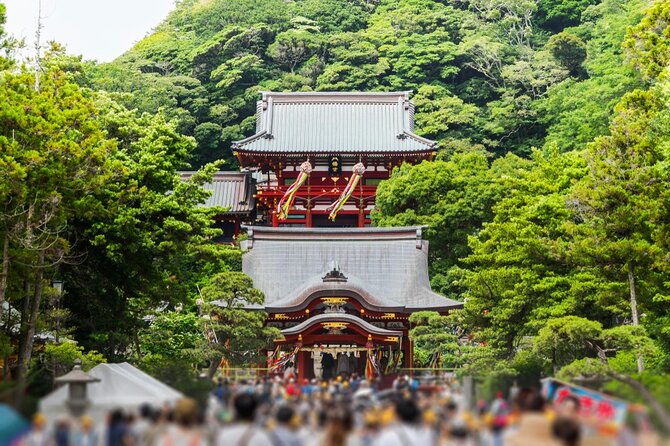
Tsurugaoka Hachimangu is Kamakura’s most important Shinto shrine. It was founded in 1063 by Minamoto no Yoriyoshi and later expanded by Minamoto no Yoritomo, founder of the Kamakura shogunate.
You have about an hour here, and there is no admission ticket listed. The shrine gives you a clear connection to Kamakura’s political and religious past, while its open grounds make it easier to experience than a small, enclosed temple.
The scale and importance of the shrine help balance the Great Buddha. The Buddha is a single powerful object. Tsurugaoka Hachimangu gives you a broader sense of how worship, power, and public ceremony shaped Kamakura.
Because the tour includes both Buddhist temples and a Shinto shrine, you get a useful introduction to two major traditions in Japan. The chauffeur may provide context between stops, but you should not expect a walking lecture through the shrine grounds.
Hase-Dera: Ocean Views and Kannon
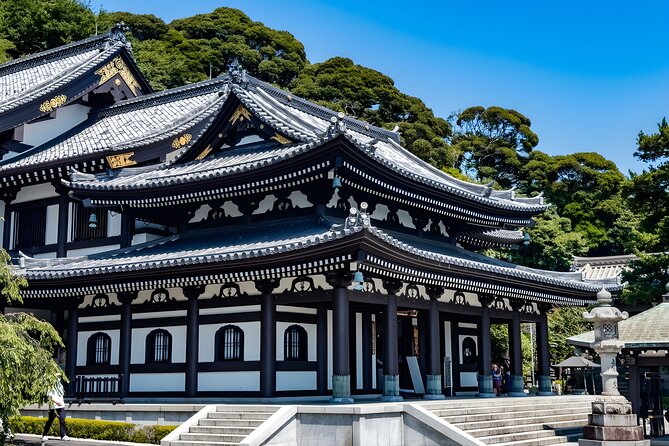
Hase-Dera is another major Kamakura stop, known for its large wooden statue of Kannon, the Goddess of Mercy. The temple also includes a cave, ocean views, and a hydrangea path that is especially appealing in early summer.
One hour is planned here, with admission extra. The range of sights gives Hase-Dera more variety than a single statue visit. You can see religious art, enter the cave area, and look toward the coast.
The hydrangea path is seasonal, so do not plan the whole visit around flowers unless your timing matches early summer. Even without that display, the temple’s combination of views and religious features makes it a strong final stop.
This is also a place where pace matters. If you want time for the Kannon figure, the cave, and the views, you may need to move efficiently. The tour’s flexible design gives you a chance to prioritize, but it cannot create extra daylight.
What the Driver Can and Cannot Provide
The experience includes an English-speaking chauffeur, not a walking guide. That means you can expect information during the drives between destinations, along with help keeping the day moving.
One published account gives a specific example: a driver named Rudy was described as informative and very punctual with pickups. Rudy may not be the driver assigned to every departure, so treat that as a useful indication of the service style rather than a guarantee.
A private chauffeur is especially useful on a full day with several stops. You return to the same vehicle, avoid arranging separate rides, and have someone managing the route. The limitation is that your interpretation at each sight may be lighter than it would be with a specialist guide walking beside you.
If detailed history is important to you, prepare a few questions before departure and use the drive time well. If transport, timing, and flexibility matter more, the format should suit you.
Timing, Tickets, and Practical Value
The day lasts approximately nine to ten hours. The schedule lists one hour at most stops, two hours at Sankeien, and a series of destinations spread between Yokohama and Kamakura.
That is a full program. Traffic, parking, and the time needed to get in and out of the vehicle can affect how long you actually spend at each sight. I would view the listed times as planning targets, not promises.
Several admissions are extra:
- Sankeien Garden
- Yokohama Landmark Tower Sky Garden
- Kotoku-in Great Buddha
- Hokoku-ji Temple
- Hase-Dera Temple
Minato Mirai and Chinatown are listed as free, as is Tsurugaoka Hachimangu. The cost of meals and purchases in Chinatown is also separate.
Free cancellation is available if you cancel at least 24 hours before the start time. Changes or cancellations made inside that window are not accepted for a refund. Pickup is offered, and mobile ticketing is available. Most people can participate, and the tour is near public transportation, though the main advantage is the private vehicle.
Who Will Get the Most From This Tour?
I would recommend this trip for a small group of up to three people who want to see both destinations in one day. It is particularly practical for families, couples, or friends who value a private vehicle and do not want to spend the day changing trains.
It also suits first-time visitors who want a broad introduction. You will see modern Yokohama, a Japanese garden, Chinatown, a high-rise observatory, Kamakura’s signature Buddha, a bamboo grove, a major shrine, and a temple with coastal views.
I would hesitate to recommend it if you want a slow, deeply guided cultural visit. The chauffeur is not a dedicated walking guide, and the number of stops can make the day feel brisk. You may also prefer public transport if keeping costs low is your main goal.
The best approach is to choose your priorities before the day begins. If the Great Buddha, Sankeien, and Hase-Dera matter most, say so. If you care more about city views and food in Chinatown, protect time for those instead.
Should You Book the Yokohama and Kamakura Day Trip?
Book it if you want private transport, a flexible schedule, and a wide sample of Yokohama and Kamakura without organizing the route yourself. The $360 group price is easiest to justify with three people, and the included fuel, parking, tolls, bottled water, and air-conditioning add practical value.
Skip it if you want a specialist walking guide, long meals, or unhurried temple time. For everyone else, this is a well-packed day with a useful contrast between Yokohama’s modern waterfront and Kamakura’s religious landmarks. Just budget for the admissions and accept that eight stops means making the most of each hour.
FAQ
How long does the private day trip last?
The experience lasts approximately nine to ten hours.
How many people can join the private tour?
The price covers one private group of up to three people.
Is pickup offered?
Yes, pickup is offered.
Is transportation provided?
Yes. You travel in an air-conditioned private vehicle.
Is an English-speaking guide included?
An English-speaking chauffeur is included. Information is provided mainly during the drives between destinations, and a walking guide is not included.
Are admission fees included?
No. Admission fees must be paid on-site by you. Extra-fee stops include Sankeien Garden, the Landmark Tower Sky Garden, Kotoku-in, Hokoku-ji, and Hase-Dera.
Which stops are listed as free?
Minato Mirai 21, Yokohama Chinatown, and Tsurugaoka Hachimangu are listed with free admission.
Is the Great Buddha of Kamakura included?
The visit to Kotoku-in and the Great Buddha is included in the route, but the admission ticket is not included in the tour price.
What is included in the price?
The price includes bottled water, an air-conditioned vehicle, an English-speaking chauffeur, fuel, parking, and toll fees.
Can I cancel for a full refund?
Yes, if you cancel at least 24 hours before the experience start time. Cancellations or changes made less than 24 hours before the start time are not refunded or accepted.
More Day Trips from Tokyo
- Mt Fuji and Hakone 1-Day Bus Tour Return by Bullet Train
★ 5.0 · 26,383 reviews - 1-Day Tokyo Bus Tour
★ 5.0 · 14,250 reviews - Mt Fuji & Hakone Cruise, Drum Show Bullet Train 1 Day from Tokyo
★ 4.0 · 7,413 reviews - Tokyo: DisneySea 1-Day Passport
★ 4.5 · 2,726 reviews
New on our Tokyo list
- Sumi-e Experience in a relaxing green tea shop in Tokyo★ 5.0 · 3 reviews
- Tokyo : Kamikaze Street Drift Ride★ 5.0 · 3 reviews
- Private Zen Meditation in English in Shinjuku, Tokyo★ 5.0 · 3 reviews
- Onsen Spa in Tokyo and Asakusa Bar Hopping with Local Guide★ 5.0 · 3 reviews
- Easy for everyone! Now you can play handmade mini shamisen and show off to everyone! Musical instruments, sweets and live music★ 5.0 · 3 reviews
- Tokyo: Private Tsukiji Street Food & Sake with Local Guide★ 5.0 · 3 reviews
- Mt Fuji Exploration Tour with Free Japanese Kusa Mochi from Tokyo★ 4.5 · 3 reviews
- Tokyo Tsukiji Fish Market Walking and Exploring Hidden Gems Tour★ 5.0 · 3 reviews
Kamakura Tours, compared.
Kamakura & Enoshima Day Trip including Temple Tickets
Read our review →
Mt. Fuji, Kamakura, Big Buddha, & Lake Ashi Day Trip
Read our review →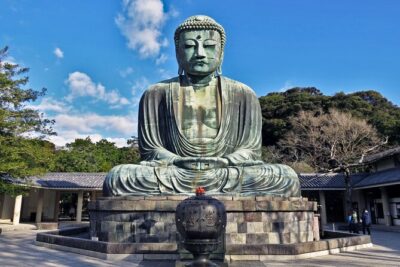
Kamakura Historical Walking Tour with the Great Buddha
Read our review →
Kamakura Private Tour: Temples, Nature, and the Great Buddha
Read our review →
Sea of Mount Fuji, Hakone Ropeway, Ōwakudani, Enoshima
Read our review →
Kamakura 8 hr Private Walking Tour with Licensed Guide from Tokyo
Read our review →Browse the lists this tour appears in