
Reviewed · TSUKIJI & TOYOSU MARKET TOURS
【Spanish/ English】Tsukiji Matcha at a 100-Year old Japanese shop
Tsukiji’s best surprise may be a quiet tea room rather than another seafood counter. This 90-minute experience pairs a visit to Tsukiji Hongwanji Temple with a private tasting of four cold-brewed matchas at a Japanese tea shop with nearly a century of history.
I like the beginner-friendly format and the chance to compare matcha from different growing areas and cultivation styles. I also like the calm setting, especially if you want a focused cultural experience instead of a fast walk through crowded food stalls.
The main consideration is price: at $65.04 per person, this is not a cheap cup of tea. The value depends on how much you want personal guidance, seasonal sweets, photos, and a quiet introduction to Japanese tea rather than a simple tasting on your own.
In This Review
- Key points to know before booking
- Why this Tsukiji tea experience feels different
- Starting at Tsukiji Hongwanji Temple
- Four cold matchas at a nearly 100-year-old shop
- What the seasonal sweets add
- How this fits into a Tsukiji day
- The private format and group size
- Is $65.04 a fair price?
- What the positive feedback tells you
- Who should book this experience?
- Booking and cancellation details
- Should you book the Tsukiji matcha tasting?
- FAQ
- Where does the activity begin?
- Where does the activity end?
- How long does the experience last?
- How many types of matcha will I taste?
- Is the activity suitable for beginners?
- Is the guide available in English?
- Is lunch included?
- Is transportation included?
- Can I cancel for a full refund?
Key points to know before booking
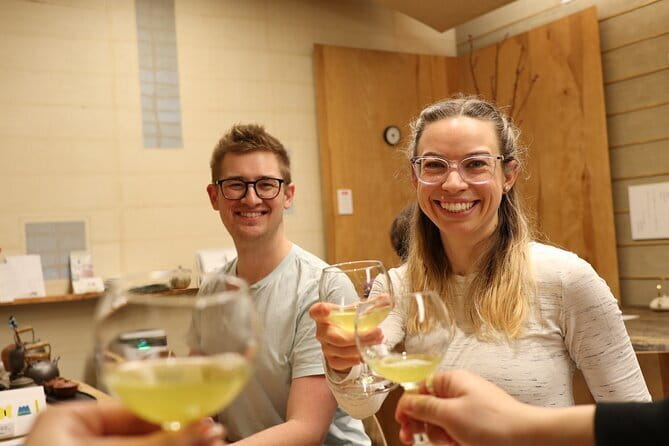
- Four matchas in wine glasses: You compare four premium cold-brewed matchas side by side, a useful format for noticing differences in flavor.
- A century-old Tsukiji tea shop: The tasting takes place at a Japanese shop with nearly 100 years of tea tradition.
- A temple visit comes first: The experience begins at Tsukiji Hongwanji Temple, with about 30 minutes to see one of Tokyo’s major Buddhist temples.
- English or Spanish guidance: A local Japanese guide leads the activity in either English or Spanish.
- Private group setting: Only your group participates, giving you room to ask questions and move at your own pace.
- A quiet alternative in Tsukiji: You finish near the Tsukiji Outer Market, but the main focus is tea, not lunch or a seafood crawl.
Why this Tsukiji tea experience feels different
Tsukiji is famous for food, yet this activity gives you a slower look at Japanese taste and design. You are not simply handed a bowl of green tea and sent on your way. The session explains where the tea comes from, how cultivation affects flavor, and why Japanese sweets are served alongside tea.
That makes this a good fit if you want context with your tasting. Matcha can taste grassy, sweet, bitter, creamy, or faintly nutty, but those impressions mean more when someone explains the tea-growing region and production choices behind them.
The cold preparation also changes the experience. Hot matcha is often associated with ceremony, foam, and a strong vegetal taste. Cold-brewed matcha served in wine glasses gives you a clearer way to compare color, aroma, texture, and finish. The glassware is a small but useful touch because it makes the tasting feel more like a guided comparison than a routine drink stop.
You also get traditional seasonal wagashi, the small Japanese sweets made to balance tea. The supplied details do not specify the exact sweets, so the selection may change with the season. That is worth remembering if you have dietary restrictions or are hoping for a particular dessert.
More market mornings in Tokyo:
- Tokyo Tsukiji Fish Market Food and Culture Walking Tour
★ 5.0 · 3,184 reviews - Tokyo: Tsukiji Fish Market Food and Walking tour
★ 5.0 · 1,724 reviews - Tokyo: Tsukiji Fish Market Guided Walking Tour
★ 4.9 · 1,397 reviews
Starting at Tsukiji Hongwanji Temple
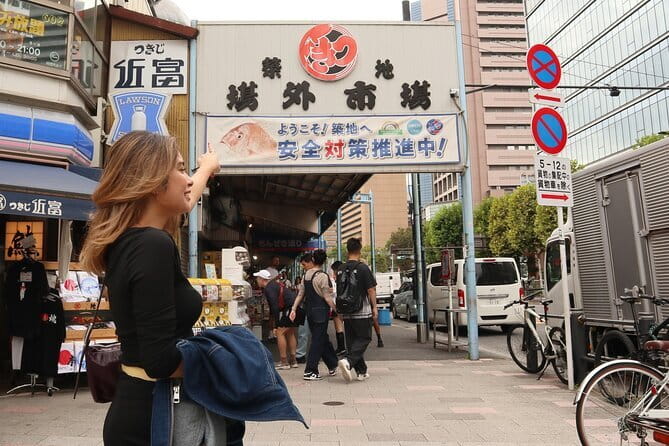
The meeting point is the entrance to Tsukiji Hongwanji Temple, at 3-chome 15-1 Tsukiji. The temple visit lasts about 30 minutes and admission is included at no extra cost.
This is a sensible starting point. The temple is one of Tokyo’s major Buddhist sites, and its striking architecture gives you a visual introduction to Japanese religious spaces before you move into the more intimate tea setting. The stop also helps place the tea tasting in a wider cultural setting. Japanese tea traditions are not just about flavor. They connect to hospitality, seasonal awareness, appearance, and quiet attention.
Do not expect a full temple tour or a long religious lecture. Thirty minutes is enough for an introduction and a look around, but not enough for a detailed study of the complex. If temples are a major interest for you, treat this as a short opening stop, not the main event.
The meeting location is near public transportation, which helps. You will need to make your own way there because private transportation is not included. Since the activity is scheduled on Mondays from noon to 3 p.m. during the stated operating period, check your route and arrival time carefully. Arriving at the temple with a few spare minutes is wiser than trying to cross Tokyo at the last moment.
Four cold matchas at a nearly 100-year-old shop
After the temple, the group moves to Tsukiji for the tea portion. This lasts about one hour and takes place at a traditional Japanese tea shop with nearly 100 years of history.
The shop’s age matters because it gives the tasting a sense of place. You are not in a generic classroom arranged for tourists. You are visiting a business tied to Tsukiji and to the long Japanese habit of treating tea as both a daily drink and a refined cultural product.
The format is straightforward: four types of premium cold matcha are served in wine glasses. You can compare them rather than trying to remember the taste of one tea from ten minutes earlier. The guide explains the origins of the flavors, the tea-growing areas, and the cultivation styles that shape each variety.
This is where the activity earns much of its price. If you already know tea well, four samples may help you compare subtle differences. If matcha is new to you, the guide gives you a vocabulary for what you are tasting. Either way, the experience turns a familiar green drink into something you can examine with more care.
The guide is described as a local Japanese English or Spanish speaker and a certified tea master. No guide name is provided, so you should not expect to request a particular person. The private format means only your own group participates, which is useful if you want to ask basic questions without feeling self-conscious.
What the seasonal sweets add
Traditional wagashi are included with the matcha. These sweets are not simply an extra snack. Their sweetness helps soften the tea’s bitterness and gives you another way to notice how Japanese food balances taste and appearance.
The seasonal element is important. Japanese sweets often reflect the time of year through their shape, color, or ingredients. The supplied information does not identify the exact wagashi served, so the experience is best approached as a tasting of whatever is appropriate at the time rather than a promise of one named confection.
Coffee and tea are also listed among the inclusions, but the central tasting is the four cold premium matchas. Lunch is not included. That distinction matters in Tsukiji, where it is easy to arrive expecting a full food tour. Plan to eat separately before or after the session, especially if you want to explore the Outer Market.
A small souvenir is included, although the details do not say exactly what it is. The guide also takes photos during the activity. These touches will matter more to some people than others, but they add a personal record of the visit without requiring you to stop and take pictures throughout the tasting.
More tea rooms worth booking:
- Matcha Making Class in Tokyo with Authentic Japanese Sweets Set
★ 5.0 · 744 reviews - Tokyo: Traditional Tea Ceremony with a Tea Master
★ 5.0 · 528 reviews - Tokyo: Matcha Making Experience with Mochi Sweets in Asakusa
★ 4.9 · 388 reviews - Tokyo: Matcha and Kimono Experience
★ 4.7 · 219 reviews
How this fits into a Tsukiji day
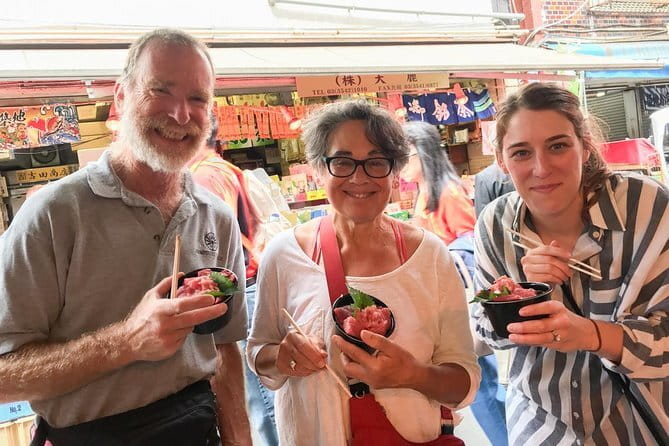
The activity ends at the Tsukiji Outer Market, listed near 4-chome 16 and parts of 6-chome. That is convenient if you want to continue with seafood, snacks, kitchen goods, or a separate lunch after the tea session.
Still, you should understand the order of priorities. This is not a seafood tour, and lunch is not included. Some of the available feedback describes sushi, fresh seafood, and Edomae-style traditions, but those details do not appear among this experience’s stated inclusions. I would not book this activity expecting restaurant stops.
Instead, use the ending point to build your own second half of the day. The tea session gives you a calm cultural start, and the market lets you choose your own food afterward. That can be better than paying for a large food itinerary when you already have specific places in mind.
The Monday schedule may also shape your plans. The stated hours are noon to 3 p.m., so you can pair the experience with a morning visit elsewhere in Tokyo or spend the late afternoon around Tsukiji. Confirm the exact meeting instructions at booking, since the activity begins at the temple and ends at the market.
The private format and group size
This is a private activity, meaning only your group participates. The information does not give a maximum group size, so you should not assume it is limited to one or two people. It does mean you will not be mixed into a larger public class with unrelated participants.
That privacy is especially useful for first-time matcha drinkers. You can ask what bitterness means, how the teas differ, or why cold brewing changes the flavor without worrying that you are slowing down a room full of strangers.
Group discounts are available, which may improve the value for families or friends traveling together. The price is listed at $65.04 per person, and the average booking window is 11 days ahead. That advance pattern suggests you should reserve before your preferred Monday if your schedule is tight, though availability can change.
The activity suits most people, and service animals are allowed. Confirmation is received at the time of booking. You do not need to be a tea expert, and the format is designed for beginners as well as people who already enjoy matcha.
Is $65.04 a fair price?
The price is reasonable only if you value the instruction and private setting. You are paying for more than four drinks, but you are also not receiving a full meal or private transportation.
What is included:
- A local Japanese English or Spanish speaking guide
- A certified tea master led matcha workshop
- Four premium cold matchas
- Traditional sweets
- Photos taken by the guide
- Coffee and/or tea
- A small souvenir
- The temple visit and tea activity
What is not included:
- Transportation to or from the meeting points
- Lunch
- Any larger Tsukiji food tour
For a casual drink, the cost is high. For a guided cultural session in a historic shop, with four premium samples and a private group, the price is easier to justify. I would compare it with the cost of booking several separate tea drinks and trying to understand the differences without help. The guide’s explanations are the part you cannot easily reproduce on your own.
The strongest value comes for couples, families, and small groups who want a reserved experience and do not mind paying for a slower pace. Solo visitors should think more carefully about the per-person cost, especially if they mainly want to taste matcha rather than learn about it.
What the positive feedback tells you
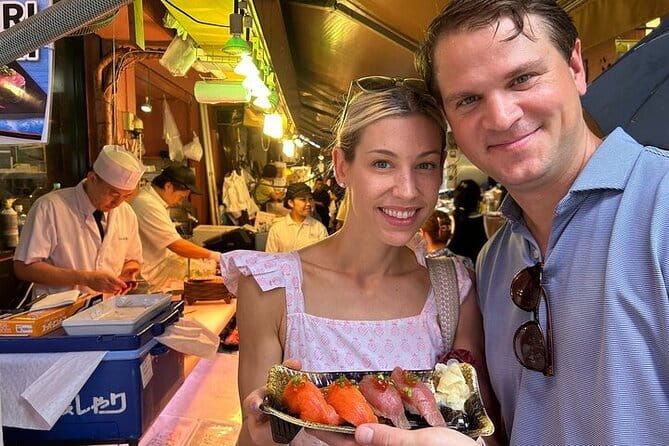
The strongest praise focuses on the guide’s friendly manner and the way the experience became a highlight of a Tokyo trip. That matches the design of the activity: the setting is small, the tea is explained directly, and the group has time to talk rather than simply follow a route.
Another favorable account praises exploring Tsukiji beyond the usual food stops and describes the matcha session as peaceful and authentic. That is a useful clue about the appeal. You are choosing this for atmosphere and cultural explanation, not speed or volume.
One piece of feedback emphasizes the small group setting and the chance to learn the background behind local foods. The seafood references do not match the stated tea inclusions, so I would treat them as a sign of the wider Tsukiji context, not as a promise that sushi is part of this booking.
The overall rating is 4.8 from five ratings. That is a strong result, but the sample is small. I would use it as encouragement, not as proof that every session will be identical.
Who should book this experience?
I would recommend it if you:
- Want an accessible introduction to matcha
- Prefer a private setting to a large class
- Enjoy learning how place and cultivation affect flavor
- Want to see Tsukiji through something other than seafood
- Like pairing a short temple visit with a focused tasting
- Speak English or Spanish and want guidance in one of those languages
- Plan to explore the Outer Market afterward
I would be more cautious if you:
- Need a full lunch included
- Want a broad Tsukiji food tour
- Dislike bitter or grassy tea flavors
- Are seeking a long temple visit
- Have strict dietary needs that require advance confirmation about the wagashi
- Want transportation arranged for you
The activity is also a good choice for a rainy or tiring Tokyo day, based on its short length and indoor tea focus, but the provided details do not describe the exact walking route or seating arrangements. Ask the operator if those points are important to you.
Booking and cancellation details
You receive confirmation when you book, and the activity can be canceled for a full refund up to 24 hours before the start time. Changes or cancellations made less than 24 hours before the start time are not accepted for a refund.
The cut-off follows local Tokyo time. Since the meeting point is at Tsukiji Hongwanji Temple and the experience starts around midday, allow time to reach the temple independently. Private transportation is not part of the package, but the meeting area is near public transportation.
Should you book the Tsukiji matcha tasting?
Book it if you want a quiet, personal look at Japanese tea and you are happy to pay for guidance rather than simply buying a drink. The four cold matchas, seasonal wagashi, old tea shop, temple visit, and private format make this more thoughtful than a quick café stop.
Skip it if your priority is seafood, a substantial meal, or a full-day Tsukiji food walk. In that case, use the ending point at the Outer Market and arrange your own food plans.
For most first-time matcha drinkers, the clearest reason to book is the comparison format. Four teas, explained side by side, give you a better feel for how Japanese matcha can differ. Add the century-old setting and the temple visit, and you have a compact 90-minute experience that fits neatly into a Tokyo itinerary.
FAQ
Where does the activity begin?
It begins at Tsukiji Hongwanji Temple, located at 3-chome 15-1 Tsukiji, Chuo City, Tokyo 104-8435, Japan.
Where does the activity end?
It ends at the Tsukiji Outer Market, near 4-chome 16 and part of 6-chome in Tsukiji, Tokyo.
How long does the experience last?
The total duration is approximately 1 hour and 30 minutes. The temple visit takes about 30 minutes, followed by about one hour at the tea shop.
How many types of matcha will I taste?
You will taste four types of premium cold matcha served in wine glasses.
Is the activity suitable for beginners?
Yes. The matcha workshop is described as private and beginner-friendly, and most people can participate.
Is the guide available in English?
Yes. A local Japanese guide who speaks English or Spanish leads the experience.
Is lunch included?
No. Lunch is not included. Traditional sweets, coffee and/or tea, and four premium cold matchas are included.
Is transportation included?
No. Private transportation is not included. The meeting point is near public transportation.
Can I cancel for a full refund?
Yes. You can cancel at least 24 hours before the experience start time for a full refund. Cancellations or changes made less than 24 hours before the start time are not accepted for a refund.
New on our Tokyo list
- Sumi-e Experience in a relaxing green tea shop in Tokyo★ 5.0 · 3 reviews
- Tokyo : Kamikaze Street Drift Ride★ 5.0 · 3 reviews
- Private Zen Meditation in English in Shinjuku, Tokyo★ 5.0 · 3 reviews
- Onsen Spa in Tokyo and Asakusa Bar Hopping with Local Guide★ 5.0 · 3 reviews
- Easy for everyone! Now you can play handmade mini shamisen and show off to everyone! Musical instruments, sweets and live music★ 5.0 · 3 reviews
- Tokyo: Private Tsukiji Street Food & Sake with Local Guide★ 5.0 · 3 reviews
- Mt Fuji Exploration Tour with Free Japanese Kusa Mochi from Tokyo★ 4.5 · 3 reviews
- Tokyo Tsukiji Fish Market Walking and Exploring Hidden Gems Tour★ 5.0 · 3 reviews
Tsukiji & Toyosu Market Tours, compared.
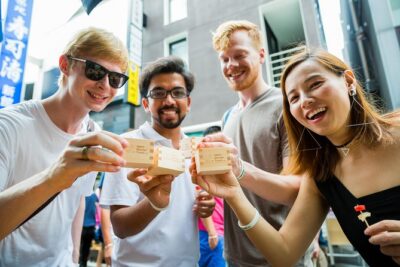
Tokyo Tsukiji Fish Market Food and Culture Walking Tour
Read our review →
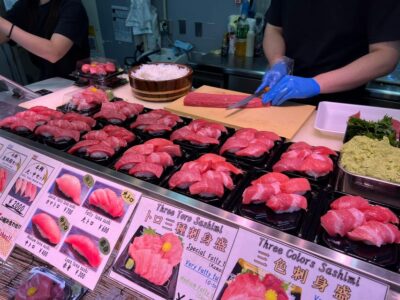
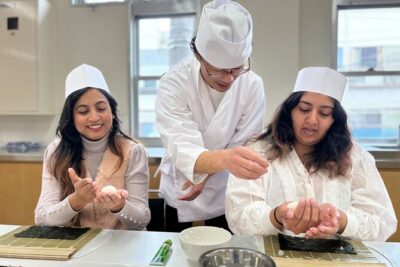
Tokyo Sushi Making Class in Tsukiji with Professional Chef
Read our review →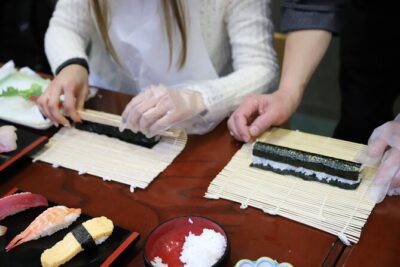
Tsukiji Fish Market Guided Tour and Sushi Making with Pro Chef
Read our review →Tsukiji Fish Market Food and Culture Walking Tour
Read our review →
Tsukiji Fish Market: Street Food & Culture Walking Tour
Read our review →
Tsukiji Fish Market Small-Group Food Walking Tour
Read our review →Browse the lists this tour appears in