
Reviewed · TSUKIJI & TOYOSU MARKET TOURS
10 kinds Sake Tasting Experience in Tsukiji with local!!
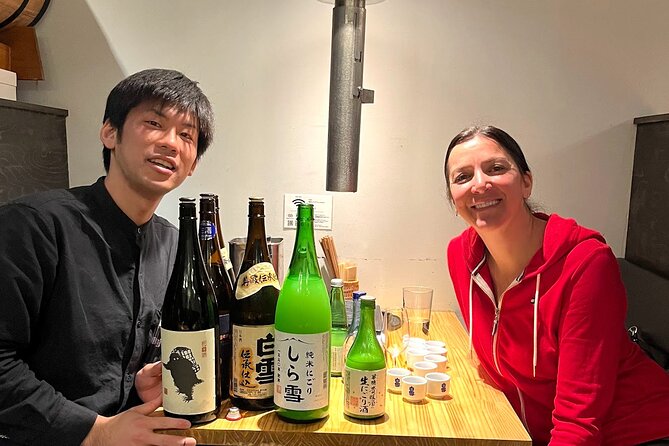
The best part of this Tsukiji experience is the chance to compare around 10 different sakes side by side, rather than trying one bottle and guessing what makes it special. Your local host, including guide and Nomuno chef Matsu on some sessions, explains how each sake is made, where it comes from, and how its style changes from bottle to bottle. I like the private format and the useful handouts, which make the tasting feel friendly rather than formal.
I also like the relaxed setting inside Nomuno, a restaurant known for wagyu yakiniku and sake. Small snacks such as nuts and soybeans help pace the drinking. The main consideration is that ten samples in 90 minutes can add up quickly, and the entrance may be hard to spot, so give yourself time to find the meeting point.
In This Review
- Key points for choosing this Tsukiji tasting
- Ten sakes, one small table, and a useful lesson in Japanese drinking culture
- Meeting at Nomuno in Tsukiji
- What the host explains about Junmai, Daiginjo, and sake quality
- Regional differences become easier to taste
- A private format that encourages conversation
- Small snacks help, but pace yourself
- Is $62.40 a fair price?
- Who will get the most from this experience?
- Timing, access, and cancellation details
- My call: book it if you want context, not just a drink
- FAQ
- How long does the sake tasting last?
- How many sakes will I taste?
- What will I learn during the session?
- Is this a private activity?
- Where does the experience begin and end?
- Can I cancel for a full refund?
Key points for choosing this Tsukiji tasting
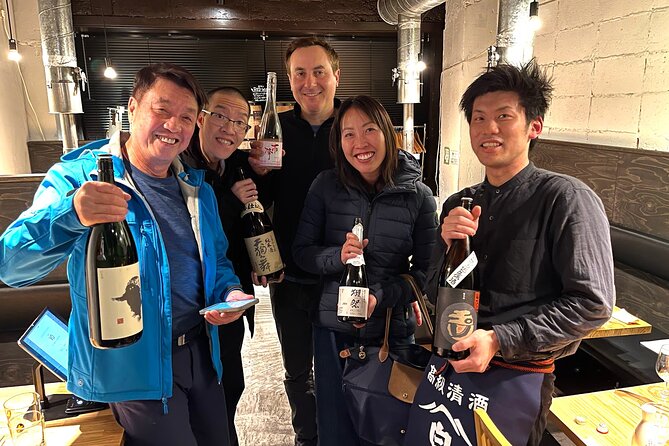
- Around 10 sake samples: Compare styles from lower to higher quality classifications, with one session reportedly serving 11 samples.
- A private 90-minute format: Your group has the host’s attention, with no large tasting crowd to compete with.
- Clear sake basics: Learn about Junmai, Daiginjo, brewing methods, serving customs, and regional differences.
- English-friendly local guidance: The host can explain the subject clearly and help with language barriers.
- Handouts and simple snacks: Information sheets, nuts, and soybeans make it easier to follow the tasting and pace yourself.
- Easy cancellation terms: You can receive a full refund if you cancel at least 24 hours before the start time.
Ten sakes, one small table, and a useful lesson in Japanese drinking culture
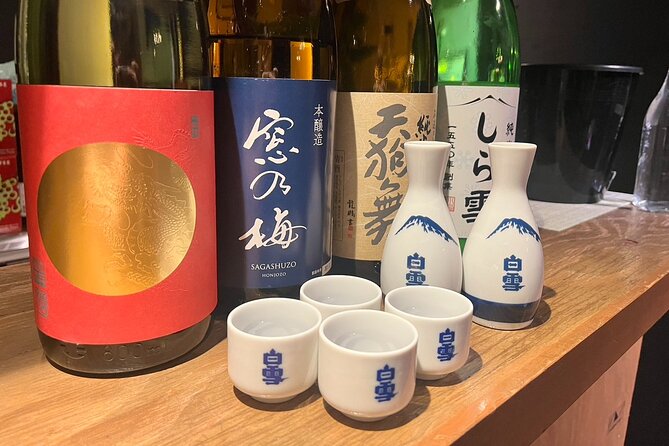
This is not just a quick pour followed by a vague description of fruity or dry. The session is built around comparison. You taste multiple styles and learn why they differ, which is the fastest way to make sake less mysterious.
The experience covers basic information about sake, how to drink it, and the main quality classifications. You’ll also look at differences between sake made in different parts of Japan. That matters because the label can tell you only so much. Tasting several bottles in sequence helps you connect the explanation to what is in your glass.
The tasting generally includes about ten varieties. One account describes eleven, so the exact number may vary slightly. Either way, this is a substantial sampling for a 90-minute activity. The pours are intended for tasting, not for drinking full glasses of ten separate bottles, but you should still pace yourself.
I like this structure for first-time sake drinkers. You do not need to arrive with a trained palate or a working knowledge of Japanese labels. You can simply notice which sake you prefer and ask why it tastes that way.
More market mornings in Tokyo:
- Tokyo Tsukiji Fish Market Food and Culture Walking Tour
★ 5.0 · 3,184 reviews - Tokyo: Tsukiji Fish Market Food and Walking tour
★ 5.0 · 1,724 reviews - Tokyo: Tsukiji Fish Market Guided Walking Tour
★ 4.9 · 1,397 reviews
Meeting at Nomuno in Tsukiji
The meeting point is Wagyu Yakiniku & Sake all-you-can-drink Niku-no-Himalaya to nomuno, at 2-chome 13-2 Shintomi, Chuo City, Tokyo 104-0041. The activity ends at the same location, so there is no second meeting point to manage.
The restaurant setting gives the tasting a local, informal feel. It is not presented as a ceremonial brewery visit or a polished wine-school class. You are meeting a host who works around food and sake, then learning through conversation and tasting.
The entrance can be difficult to find. This is the one practical warning I would take seriously. Use the full address, allow extra time, and check the venue carefully rather than arriving at the last minute. The activity is near public transportation, but the information provided does not specify a particular station or exit.
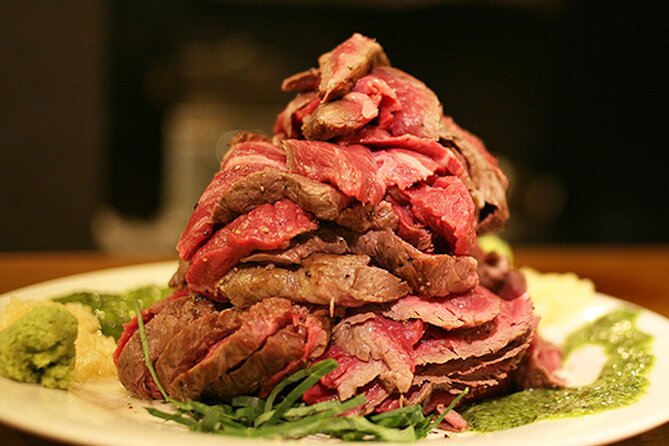
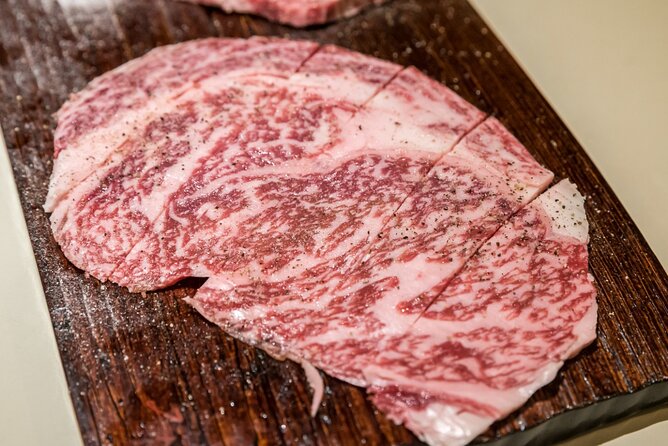
Because the venue is a yakiniku restaurant, you may notice food and other diners around you. That can be a plus if you want to combine the tasting with a meal, but do not assume that a full barbecue meal is included in the $62.40 activity price. The tasting itself includes small snacks according to the available details, including nuts and soybeans.
What the host explains about Junmai, Daiginjo, and sake quality
Sake labels can look intimidating, especially when you see terms such as Junmai and Daiginjo without knowing what they mean. This tasting gives you a basic framework before asking you to judge one bottle against another.
The session explains quality classifications and the general brewing process. You will learn that sake styles are shaped by factors such as the treatment of the rice and the way the drink is produced. The aim is not to train you as a professional taster. It is to help you understand the choices behind each bottle.
The order of the tasting is also useful. One session worked from lower to higher quality sake, creating a simple progression. Starting with lighter or less costly examples and moving upward gives your palate a point of comparison. You can ask yourself if the more refined bottle really tastes better to you, or simply different.
That is an important lesson. A higher classification does not automatically mean you will prefer the sake. Some people like clean, delicate styles. Others prefer fuller flavors. The value here comes from finding your own preference rather than being told which bottle is the winner.
Regional differences become easier to taste
Sake comes from many parts of Japan, and the tasting includes examples from different regions. The session does not promise a detailed tour of every brewing district, but it gives you a chance to notice how bottles from separate parts of the country can vary.
This is where the experience becomes more useful than a single drink at a restaurant. If you order one sake with dinner, you may enjoy it without understanding its place in the wider picture. Here, the side-by-side format lets you compare aroma, sweetness, dryness, body, and finish as the host explains what you are drinking.
I would bring your questions. Ask which sample is easiest for a beginner, which one pairs well with grilled meat, and which bottle the host would choose for a casual meal. The local angle is valuable because the guide can discuss drinking habits and everyday sake culture, not just repeat technical label information.
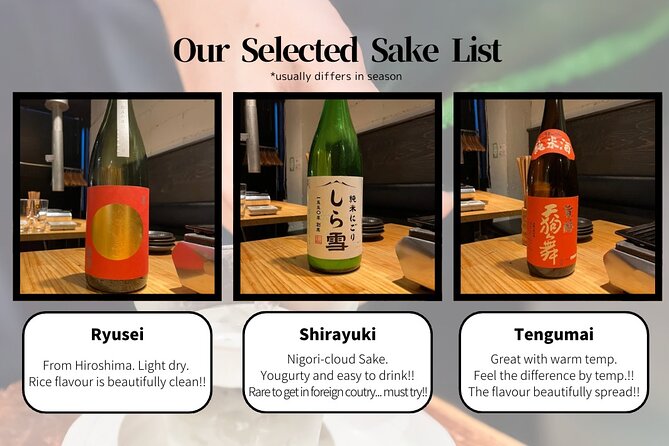
The available information does not identify every bottle in advance. That is normal for a tasting that may change with stock and availability. If you have a specific brewery, region, or style in mind, ask during the session rather than expecting a fixed bottle list.
More sake and whisky sessions:
- Ramen and Sushi Cooking Class with Sake Pairing Set in Tokyo
★ 5.0 · 291 reviews - Sake Tasting Masterclass in Shinjuku (8+ Varieties with a Pro)
★ 5.0 · 271 reviews - Sake Omakase in Tokyo: Guided Tasting by Certified Sommeliers
★ 5.0 · 239 reviews - Tasting All Types of Sake with Sommelier
★ 5.0 · 151 reviews
A private format that encourages conversation
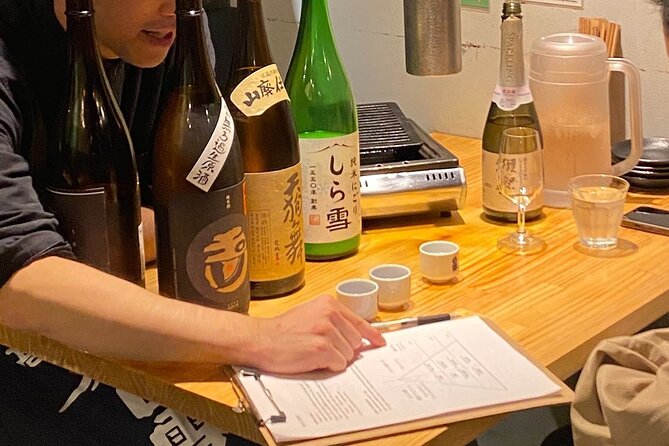
Only your group participates in this activity. That changes the mood considerably. In a large class, you may hesitate to interrupt or ask a basic question. In a private tasting, the host can spend more time on the things you actually want to understand.
This format suits couples, friends, and solo participants. A solo booking can sometimes become a one-on-one session, particularly at an unusual time. One person who booked at noon on a Wednesday had the guide to themselves and found the English conversation easy to follow. The schedule and availability will vary, but the private setup gives you a good chance for direct conversation.
The host’s role is part teacher and part local contact. The activity promises help with language barriers, and the English guidance has been praised as clear. Matsu, identified as a chef and manager at Nomuno, has supplied handouts and talked through the sake in detail during some sessions.
The handout is a small but worthwhile touch. You can follow the basic terms during the tasting and keep the information for later, when you are standing in front of a sake shelf and trying to remember what Daiginjo means.
Small snacks help, but pace yourself
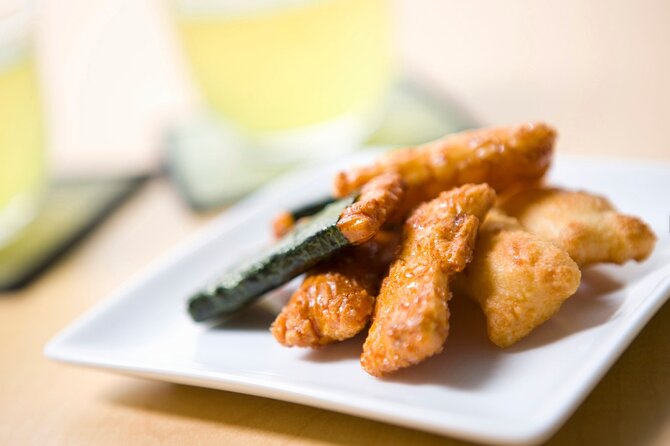
The tasting includes simple snacks such as nuts and soybeans. These are not a replacement for dinner, but they give you something to eat between samples and help prevent the session from feeling like ten drinks in a row.
The most important tip is to pace yourself. The tasting lasts about 90 minutes, and one session included eleven samples. Even if each pour is modest, the total can affect you, especially if you arrive without eating.
I would treat this as a tasting, not an all-you-can-drink challenge. Take notes if you like, drink water when available, and do not feel obliged to finish every sample. The goal is to recognize differences and enjoy the discussion.
The venue’s name includes all-you-can-drink sake, but that name should not be confused with the structure of this private experience. The activity description focuses on a guided tasting of around ten varieties. Confirm any separate restaurant food or drink plans if you intend to stay after the session.
Is $62.40 a fair price?
At $62.40 per person, this is not the cheapest way to try sake in Tokyo. You could order a single glass at a bar for less. That comparison misses the main value, though.
The price covers a private 90-minute session, about ten samples, guided explanations, regional comparisons, basic sake education, and the chance to ask questions in English. If you are curious about Japanese food culture, the instruction is what makes the cost reasonable. You are paying for a guided tasting and local context, not just liquid in small glasses.
The value is strongest for a first-time drinker or anyone who has tried sake but still cannot read a menu with confidence. It is also useful for food-focused visitors who want to understand what they are ordering with yakiniku or other Japanese dishes.
A sake expert may find the lesson too basic, especially if you already know the quality classifications and brewing terms. The experience does not promise a brewery visit, a complete survey of Japan’s sake regions, or a specialist certification course. For a casual introduction, however, the private attention and number of samples make the price easier to justify.
The experience is often booked about 27 days in advance. That suggests planning ahead is sensible, especially if your Tokyo dates are fixed. Confirmation arrives within 48 hours, subject to availability.
Who will get the most from this experience?
I would recommend it most strongly to:
- First-time sake drinkers who want a friendly introduction.
- Food lovers who want to match sake with Japanese dishes.
- Couples or small groups who prefer a private activity.
- Solo visitors who enjoy conversation and local guidance.
- Anyone interested in Japanese etiquette, brewing, and everyday drinking customs.
- People who want an indoor activity near Tsukiji and public transportation.
It may be less suitable if you dislike alcohol, want a large meal included, or hope to visit a sake brewery. It is also not the right choice if you want a completely unstructured evening. The host leads the tasting and covers specific basics, so the experience has an educational purpose as well as a social one.
The relaxed tone helps. You are not expected to use formal tasting language or already know the difference between every style. You can simply say that one is sweeter, sharper, lighter, or more to your liking.
Timing, access, and cancellation details
The activity lasts approximately one hour and 30 minutes and returns to the meeting point. Since it is near public transportation, reaching the area should be manageable, but the exact route is not specified. The hard-to-find entrance is the main reason to leave extra time.
A mobile ticket is provided, which is handy for a Tokyo day when you may not want to carry printed paperwork. Confirmation is sent within 48 hours of booking if the requested time is available.
Most people can participate, and the activity is private for your group. No special accessibility details are provided, so contact the provider if you have mobility or other access needs that could affect your visit.
Cancellation is flexible up to a point. Cancel at least 24 hours before the local start time for a full refund. Cancellations or changes made less than 24 hours before the experience are not accepted for a refund.
My call: book it if you want context, not just a drink
I would book this tasting if I wanted a clear, social introduction to sake in Tokyo. The combination of ten or so samples, direct English guidance, handouts, and a private setting gives you more than a random sake flight at a restaurant.
The strongest reasons to choose it are the comparison of styles and the chance to ask a local host practical questions. The main cautions are the difficult-to-find entrance, the lack of a full meal in the stated inclusions, and the need to pace yourself.
Book it well ahead if your schedule is tight. Arrive early, eat something beforehand, and think of the $62.40 as payment for instruction and access to many different sakes, not simply a round of drinks. For a relaxed introduction to Japanese sake culture in Tsukiji, that is a sensible use of 90 minutes.
FAQ
How long does the sake tasting last?
The experience lasts approximately one hour and 30 minutes.
How many sakes will I taste?
You will taste around 10 varieties. One session included 11 samples, so the exact number may vary slightly.
What will I learn during the session?
You will learn basic sake information, how to drink sake, drinking etiquette, brewing methods, quality classifications such as Junmai and Daiginjo, and differences between sake from various parts of Japan.
Is this a private activity?
Yes. Only your group participates in the activity.
Where does the experience begin and end?
It begins at Wagyu Yakiniku & Sake all-you-can-drink Niku-no-Himalaya to nomuno, at 2-chome 13-2 Shintomi, Chuo City, Tokyo 104-0041. It ends back at the same meeting point.
Can I cancel for a full refund?
Yes. You can cancel at least 24 hours before the local start time for a full refund. Cancellations or changes made less than 24 hours before the start time are not refunded or accepted.
More Drinking Tours in Tokyo
- Tokyo Bar Hopping Tour in Shinjuku (All-You-Can-Drink + Dinner)
★ 5.0 · 3,587 reviews - Best of Shinjuku: Izakaya Food Tour (4 Stops, 14+ Tastings)
★ 5.0 · 1,863 reviews - Tokyo: Shinjuku Local Bar and Izakaya Guided Walking Tour
★ 4.9 · 1,794 reviews - Shibuya Meltdown Nightlife Tour: All-You-Can-Drink Bar Hopping
★ 5.0 · 1,058 reviews
New on our Tokyo list
- Sumi-e Experience in a relaxing green tea shop in Tokyo★ 5.0 · 3 reviews
- Tokyo : Kamikaze Street Drift Ride★ 5.0 · 3 reviews
- Private Zen Meditation in English in Shinjuku, Tokyo★ 5.0 · 3 reviews
- Onsen Spa in Tokyo and Asakusa Bar Hopping with Local Guide★ 5.0 · 3 reviews
- Easy for everyone! Now you can play handmade mini shamisen and show off to everyone! Musical instruments, sweets and live music★ 5.0 · 3 reviews
- Tokyo: Private Tsukiji Street Food & Sake with Local Guide★ 5.0 · 3 reviews
- Mt Fuji Exploration Tour with Free Japanese Kusa Mochi from Tokyo★ 4.5 · 3 reviews
- Tokyo Tsukiji Fish Market Walking and Exploring Hidden Gems Tour★ 5.0 · 3 reviews
Tsukiji & Toyosu Market Tours, compared.
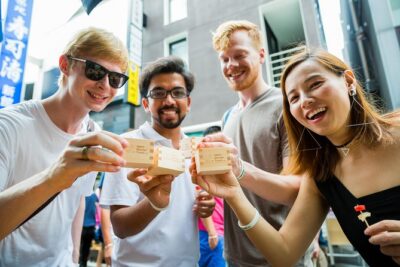
Tokyo Tsukiji Fish Market Food and Culture Walking Tour
Read our review →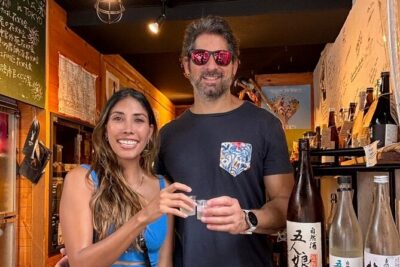
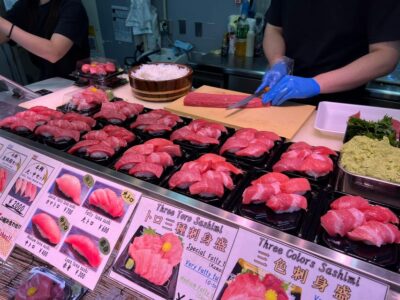
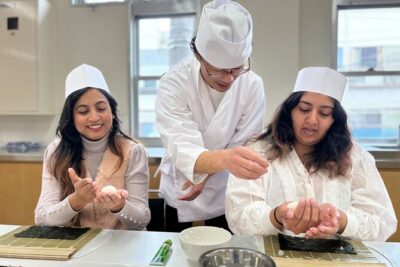
Tokyo Sushi Making Class in Tsukiji with Professional Chef
Read our review →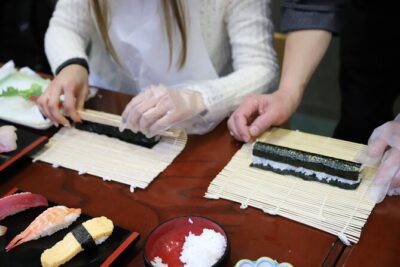
Tsukiji Fish Market Guided Tour and Sushi Making with Pro Chef
Read our review →Tsukiji Fish Market Food and Culture Walking Tour
Read our review →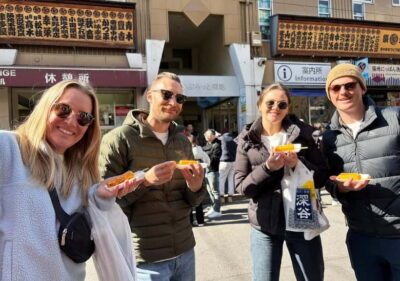
Tsukiji Fish Market: Street Food & Culture Walking Tour
Read our review →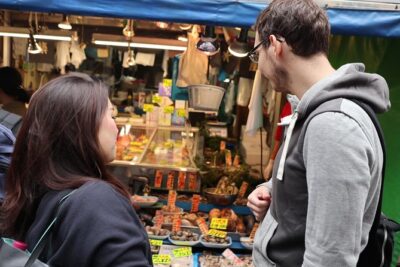
Tsukiji Fish Market Small-Group Food Walking Tour
Read our review →Browse the lists this tour appears in