
Reviewed · ANIME & POP CULTURE TOURS
3-Hour Manga Drawing Workshop in Tokyo
Creating a manga page from a blank sheet is the heart of this three-hour Kichijoji workshop. A professional manga artist guides you through sketching, dip-pen work, inking, black fills, effect lines, and screen tones, so you get more than a quick cartoon lesson. You make a finished A4 page and take it home.
I like the small five-person limit, which gives the artist room to help when your lines go crooked. I also like the hands-on format: all materials are supplied, and you work through the same basic stages used to give manga its bold look. The main consideration is language. Instruction is in Japanese, with English on the slides, so you should be comfortable learning partly by watching and copying.
In This Review
- Key points to know before booking
- What this Tokyo manga class actually gives you
- Sketching the page on A4 manga paper
- Learning the dip pen before the ink goes down
- Inking, black fills, and the look of finished manga
- Effect lines and screen tones add the manga finish
- Japanese instruction with English slides
- A small class near Kichijoji Station
- Is $129 a fair price for three hours?
- Who will enjoy this most
- How to fit it into a Kichijoji day
- Booking flexibility and practical limits
- Should you book this manga workshop?
- FAQ
- Where is the manga workshop held?
- How do I enter the building?
- Is the workshop taught in English?
- What will I make during the class?
- Are drawing materials included?
- Can I cancel the booking?
Key points to know before booking
- You create one finished A4 manga page, not just a practice sketch.
- A professional manga artist leads the class, with help available throughout the process.
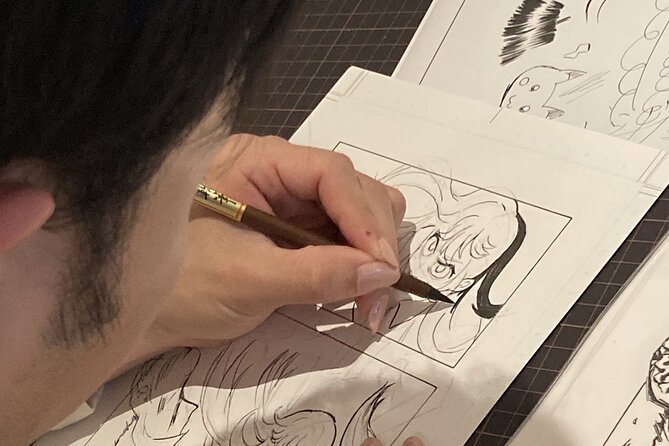
- You practice a real dip pen, then add ink, black areas, effect lines, and screen tones.
- The class is near Kichijoji Station and the Ghibli Museum area, an easy stop to pair with other plans.
- Groups are limited to five people, useful for beginners who need individual guidance.
- Wear clothes that can get stained, since ink may mark your hands and clothing.
What this Tokyo manga class actually gives you
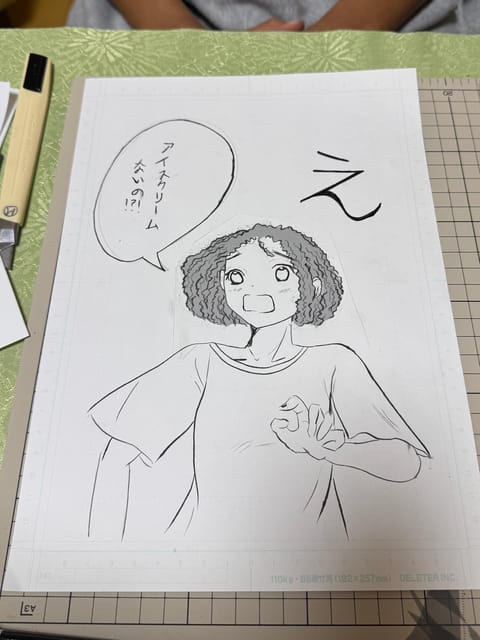
This is not a drawing demonstration where you sit back and watch an artist work. You produce your own page, one stage at a time, with a professional manga artist showing you how the tools and marks work.
That difference matters. Manga can look simple when finished, but the page depends on several separate techniques. Clean outlines, solid black areas, speed lines, and screen tones each change the mood and movement of a panel. Here, you get a short, practical introduction to those parts.
Your finished work is made on A4 manga paper. It becomes both a souvenir and a record of what you learned. It may not look like a professional artist’s page, and that is part of the point. You can see your progress in the page itself, including the spots where your hand is still learning.
The workshop is held in Kichijoji, a western Tokyo neighborhood near the Ghibli Museum in Mitaka. The activity does not include admission to the museum, transportation, food, or drinks, so plan it as a separate creative stop rather than as part of a museum ticket.
More anime and pop-culture days:
- Official Street Go-Kart Tour – Akihabara
★ 5.0 · 1,578 reviews - Tokyo Go Kart: Asakusa, Skytree, and Akihabara **IDP MUST**
★ 5.0 · 988 reviews - Akihabara Anime & Game Adventure Walking Tour (Group or Private)
★ 5.0 · 404 reviews
Sketching the page on A4 manga paper
The class begins with a sketch on manga paper. This first stage gives you the basic structure of your page before permanent ink arrives.
For a beginner, the sketch is the safest part of the session. You can work out the placement of figures, expressions, action, or background elements before committing to darker lines. The artist’s guidance is especially useful here because a small change in the sketch can make later inking much easier.
You should expect to work within the limits of a single page. That keeps the class focused, but it also means you are not producing a full comic or several finished panels. The value is in learning the process and completing one polished sample, not in telling a long story.
If you are nervous about drawing, do not treat this as an art exam. The experience is designed around guidance, and a previous solo participant from Spain found the class comfortable even while feeling very inexperienced and shy. That is encouraging for anyone who might otherwise worry about attending alone.
Learning the dip pen before the ink goes down
The dip pen is one of the most distinctive parts of the workshop. You practice handling it before using it on the main page.
This is useful because a dip pen does not behave like a ballpoint pen or a standard felt-tip marker. Pressure, angle, and ink flow affect the line. A little practice helps you understand how to make thinner or heavier marks without ruining your page.
The tool also connects the activity to traditional manga production methods. You are not simply coloring in a printed design. You are learning how line quality helps define a character or add force to an action scene.
This stage may feel awkward at first. Ink can pool, lines can wobble, and your hands may get marked. That is normal for the format, but it is why you should wear clothing you do not mind getting dirty.
Inking, black fills, and the look of finished manga
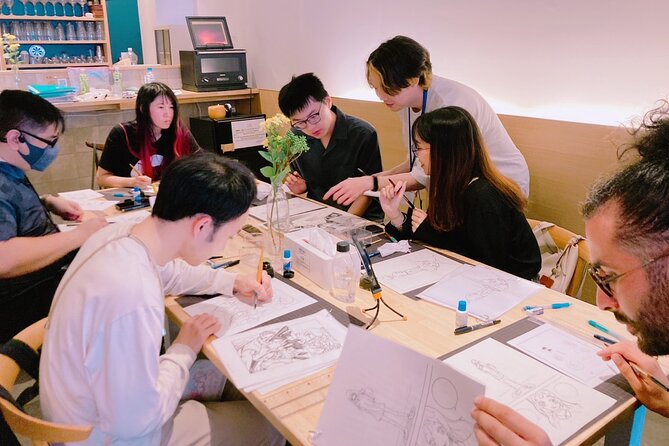
Once your sketch is ready, you move into inking. This is where the page begins to look more like a finished manga sheet.
Inking requires patience. You follow the sketch with stronger lines, correcting the structure as you go. Solid black areas come next, giving weight and contrast to the page. The contrast between white paper, fine outlines, and filled black shapes is a major part of manga’s visual style.
The class also includes painting black, which offers a different feel from the dip pen work. Instead of concentrating only on thin outlines, you use broader dark areas to shape the page.
I like this sequence because it shows you why the final image has its particular rhythm. You begin with a loose idea, then add structure and contrast. If you only look at finished manga, those steps are easy to miss.
The tradeoff is that three hours passes quickly. You learn several techniques, but you will not become a trained manga artist in one session. Think of it as a strong introduction with a finished result, not a full art course.
A few more Tokyo bookings worth comparing
- Sushi Making Tokyo Roll and Authentic Japanese Sushi Class
★ 5.0 · 3,971 reviews - Tokyo: Roll and Authentic Sushi Making Class in Asakusa
★ 4.9 · 1,957 reviews - Tokyo Shinjuku Chopsticks Making Class
★ 5.0 · 1,763 reviews - Tokyo: Sushi Making Class in a Happi Coat near a Famous Spot
★ 4.9 · 1,377 reviews
Effect lines and screen tones add the manga finish
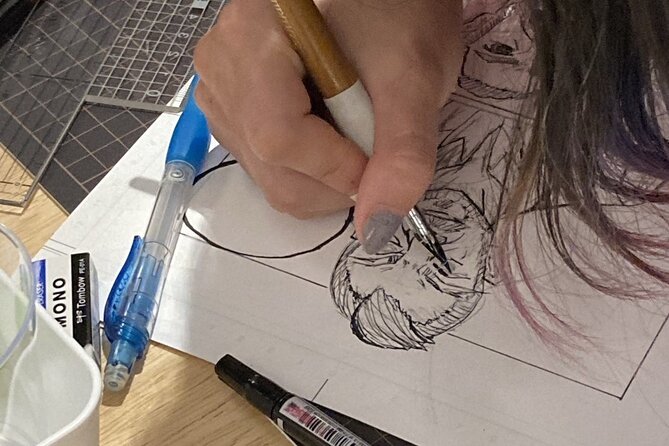
Effect lines are one of the quickest ways to make a page feel active. Depending on the design, they can suggest movement, impact, surprise, speed, or emphasis.
They are also a good lesson in visual shorthand. Manga often communicates energy without long explanations. A few well-placed lines can make a still figure feel as if it is moving.
Screen tones form the final major part of the workshop. These patterned sheets or tonal materials add shade and texture to areas that might otherwise remain plain white. They help create depth and a more finished look without requiring you to paint every shadow by hand.
For many people, screen tones will be the most unusual part of the session. They are a practical reminder that manga is built from more than drawing ability. The page also depends on editing, contrast, texture, and careful placement.
By the end, your A4 sheet includes several recognizable manga techniques. You take it home, so bring a folder or another way to protect it if you plan to carry it around for the rest of the day.
Japanese instruction with English slides
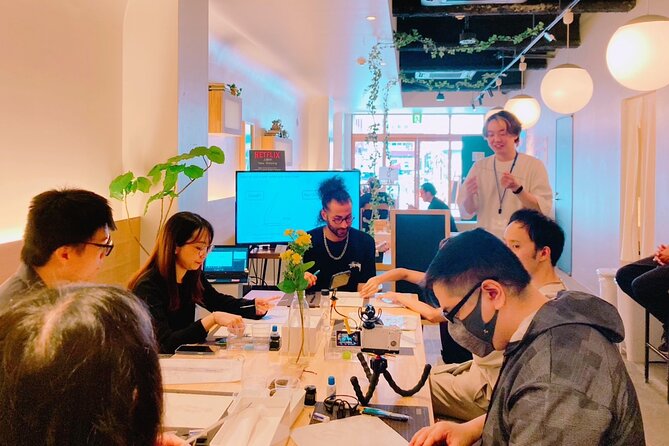
The workshop is conducted in Japanese, while the instructional slides include English. The listed languages are Japanese and English, but you should not expect the entire class to be taught in fluent spoken English.
That arrangement can work well for a visual activity. You can watch the demonstration, follow the slides, and copy the stages on your own page. Drawing also gives you something concrete to focus on when a spoken explanation moves faster than you can follow.
Still, language is the biggest practical limitation for some people. If you need detailed verbal explanations for every step, this may feel less direct than an English-only art class. It helps to arrive ready to observe closely and ask simple questions when needed.
The class has also suited a participant who spoke only limited Japanese and felt unsure about drawing. The atmosphere was described as kind and encouraging, with enough help to keep going. That suggests the workshop is friendly to beginners, but it does not remove the need to work across a language gap.
A small class near Kichijoji Station
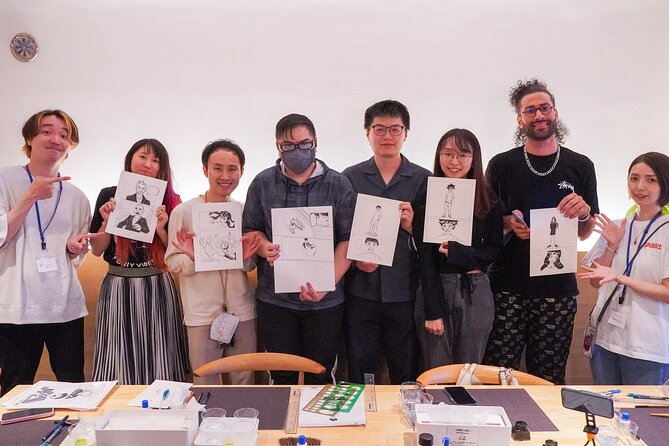
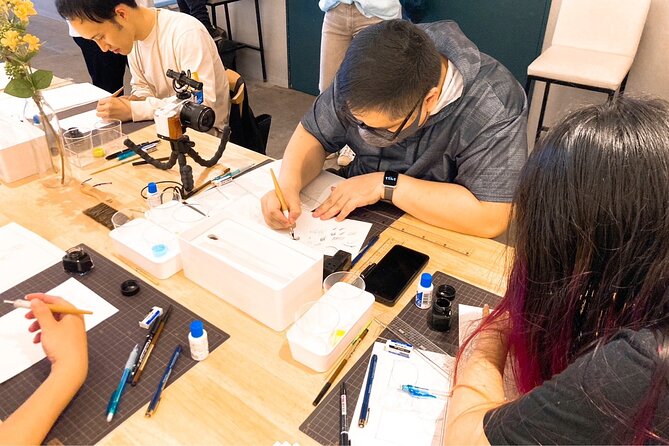
The group is limited to five participants. That is a meaningful advantage in a hands-on workshop.
With only a few people at the table, the artist can look at your page and help with a specific problem. You are less likely to wait through a long line for assistance, and you can see the demonstration without being buried at the back of a large room.
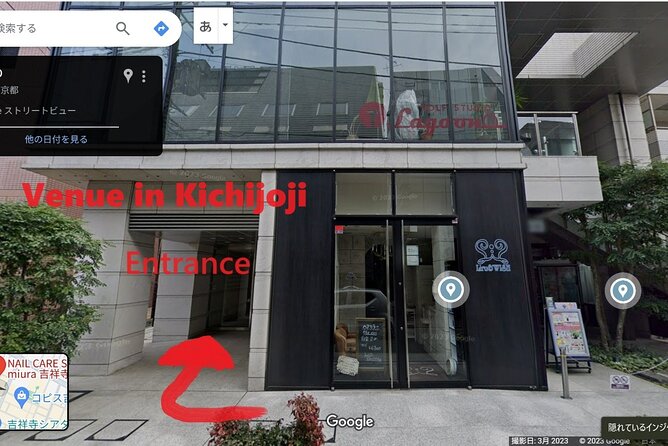
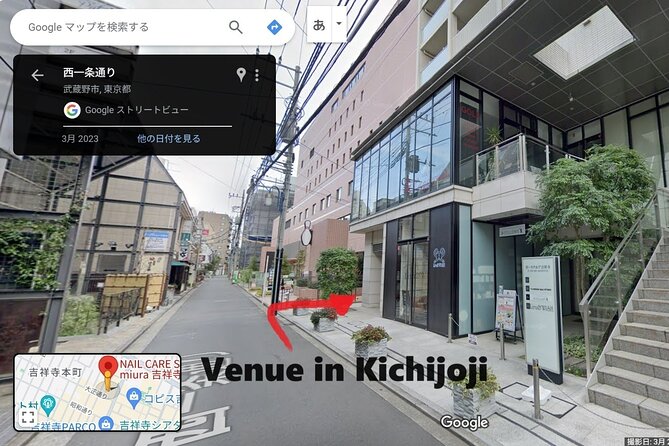
The meeting point is an apartment at 601 H-Square Kichijoji, 2-4-6 Kichijoji Honcho, Musashino-shi, Tokyo. It is an eight-minute walk from the north exit of Kichijoji Station, next to the Kichijoji Excel Hotel Tokyu, with a New Balance store nearby.
Pay close attention to the building name. Another building has a similar name, so check the address carefully. When you arrive, press 601 and the call button. The room is number 601, and the door will be unlocked.
This is not a hotel lobby or a large public studio, so allow a few extra minutes to find the right entrance. The clear room number helps once you are at the correct building, but the similar building name makes advance checking worthwhile.
The class is listed as wheelchair accessible. Transportation to the apartment is not included, so you will need to reach Kichijoji Station independently.
Is $129 a fair price for three hours?
At $129 per person, this is not a cheap souvenir activity. You are paying for a small class, a professional manga artist, all drawing materials, and a structured three-hour lesson.
The value is strongest if you want more than a themed photo or a quick craft. You practice several techniques and leave with an original page made by you. Buying art materials and learning the process independently could also cost money, but this session adds direct instruction and a clear beginning-to-end project.
The price may feel high if you already draw manga regularly or only want a casual ten-minute activity. Experienced artists might prefer a longer, more advanced class with several pages or a focus on character design.
For a first introduction, I think the price makes sense when the finished page matters to you. The small group is also important. A cheaper, larger class might offer less time for individual correction, though no alternative price or class format is provided here.
Who will enjoy this most
I would recommend the workshop to manga fans who want to make something personal in Tokyo. It is also a good match for beginners who like structured instruction and do not mind making mistakes in front of an artist.
It suits solo participants particularly well. The class has worked for someone who arrived alone after companions canceled because of rain, and the small format can make a solo booking feel less exposed than a large group activity.
You do not need to be fluent in Japanese, but you should be willing to follow English slides and visual demonstrations. Families, couples, and friends can enjoy working side by side, though the page is an individual project rather than a shared group drawing.
I would be more cautious about booking it for a young child unless that child can stay focused for three hours and handle ink tools carefully. The provided information does not give a minimum age, so check the available session details before booking for children.
How to fit it into a Kichijoji day
The workshop takes three hours, and starting times vary by availability. You should build your day around the class rather than assume you can squeeze it between tightly timed attractions.
Its location near the Ghibli Museum area makes it a natural choice for a day in western Tokyo. However, the class does not include museum admission, and no museum visit is part of the activity. Treat the two as separate bookings and leave enough time for the walk, check-in, and the full drawing session.
Kichijoji Station is the practical transport reference. From the north exit, the apartment is about an eight-minute walk. Since the meeting point is inside a building, arriving just before the start time is wiser than cutting it close.
You do not need to bring drawing supplies. Bring yourself, clothes that can take ink stains, and a way to protect your completed page afterward. Food and drinks are not included, so handle those before or after the workshop.
Booking flexibility and practical limits
You can cancel up to 24 hours in advance for a full refund, and the reserve-now, pay-later option keeps the booking flexible. That helps if your Tokyo schedule depends on weather or changing museum plans.
Smoking is not allowed. The other major practical warning is ink. It may stain both hands and clothes, so avoid white shirts, expensive sleeves, or anything you want to keep spotless.
The class is wheelchair accessible according to the activity information. If you need a specific arrangement beyond general accessibility, confirm it when booking, since the apartment setting may have details that are not listed.
Should you book this manga workshop?
Book it if you want a real creative souvenir, enjoy Japanese manga, and like the idea of learning by doing. The strongest reasons are the professional guidance, the five-person limit, and the chance to complete one page using dip pens, black fills, effect lines, and screen tones.
Skip it if you want instruction entirely in English, a large multi-page project, or a low-cost drop-in craft. The Japanese-led format requires patience, and $129 is a serious price for three hours.
For most manga fans and curious beginners, I think the workshop is a worthwhile Tokyo side activity. Wear old clothes, double-check the H-Square address, and arrive ready to make a page that looks like yours, not a perfect copy of someone else’s.
FAQ
Where is the manga workshop held?
It is held in room 601 of H-Square Kichijoji, at 2-4-6 Kichijoji Honcho, Musashino-shi, Tokyo. The building is about an eight-minute walk from the north exit of Kichijoji Station.
How do I enter the building?
Press 601 and the call button when you arrive. The door will be unlocked. Take care to choose H-Square Kichijoji, since another building has a similar name.
Is the workshop taught in English?
The workshop is conducted in Japanese, and the instructional slides include English. The listed instructor languages are Japanese and English.
What will I make during the class?
You will create one page of manga on A4 manga paper. The process includes sketching, dip-pen practice, inking, painting black, effect lines, and screen tones.
Are drawing materials included?
Yes. All necessary manga drawing materials are supplied, along with professional manga artist guidance.
Can I cancel the booking?
You can cancel up to 24 hours before the activity for a full refund. A reserve-now, pay-later option is also available.
More 3-Hour Experiences in Tokyo
- Tokyo Top Highlights 3h Guided E-bike Tour
★ 5.0 · 714 reviews - 3h Tokyo E-Bike Tour: Hidden Gems, and Local Life with guide
★ 5.0 · 670 reviews - Tokyo: 3-Hour Bike or E-Bike City Highlights Tour
★ 4.8 · 435 reviews - Tokyo: 3-hour Guided E-Bike Tour of the City’s Hidden Gems
★ 4.8 · 251 reviews
New on our Tokyo list
- Sumi-e Experience in a relaxing green tea shop in Tokyo★ 5.0 · 3 reviews
- Tokyo : Kamikaze Street Drift Ride★ 5.0 · 3 reviews
- Private Zen Meditation in English in Shinjuku, Tokyo★ 5.0 · 3 reviews
- Onsen Spa in Tokyo and Asakusa Bar Hopping with Local Guide★ 5.0 · 3 reviews
- Easy for everyone! Now you can play handmade mini shamisen and show off to everyone! Musical instruments, sweets and live music★ 5.0 · 3 reviews
- Tokyo: Private Tsukiji Street Food & Sake with Local Guide★ 5.0 · 3 reviews
- Mt Fuji Exploration Tour with Free Japanese Kusa Mochi from Tokyo★ 4.5 · 3 reviews
- Tokyo Tsukiji Fish Market Walking and Exploring Hidden Gems Tour★ 5.0 · 3 reviews
Anime & Pop Culture Tours, compared.
Tokyo Go Kart: Asakusa, Skytree, and Akihabara **IDP MUST**
Read our review →
Akihabara Anime & Game Adventure Walking Tour (Group or Private)
Read our review →

Akihabara Tailor-made Private Tour for Anime Fans
Read our review →
Ramen Making from Scratch +Akihabara Tour –Tokyo Cooking Class
Read our review →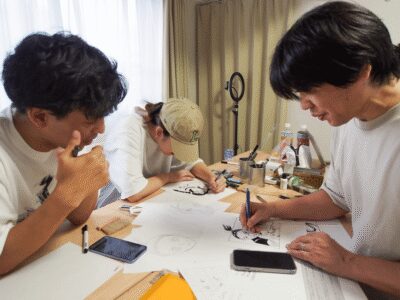
Manga Drawing Workshop Guided by Pro Manga Artist
Read our review →Browse the lists this tour appears in