
Reviewed · TEA CEREMONIES
A perfect Japanese experience: Tea Ceremony and Mochi Forming
The most unusual part of this Tokyo activity is the setting: you make delicate nerikiri wagashi inside a century-old antique store, not in a plain classroom. After shaping seasonal sweets with mochi-based ingredients, you move into a dedicated tea room for matcha and a taste of your work.
I like the small group, capped at five people, and the easy, hands-on format. I also like that the tea ceremony uses chairs, so you can focus on the ritual instead of worrying about sitting on the floor. The main consideration is communication: the host is a Japanese artisan who may speak limited English, and the class ends on schedule even if you arrive late.
In This Review
- Key points to know before booking
- Making wagashi in an old Yanaka shop
- Seasonal designs, from flowers to fans
- Why the antique tableware matters
- Moving into the tea room
- The host and the pace of the lesson
- What $55.38 buys you in Tokyo
- Getting to 6-chōme-2-40 Yanaka
- Who will enjoy this most
- Practical limits to keep in mind
- Should you book this tea and wagashi class?
- FAQ
- Where does the tea ceremony and wagashi activity begin?
- Where does the activity end?
- How long does the experience last?
- How much does it cost?
- What is included in the wagashi workshop?
- How many people can join the group?
- What type of wagashi will I make?
- Is the tea ceremony performed while sitting on the floor?
- What age must participants be?
- Can I cancel or change my booking?
Key points to know before booking
- A century-old antique store provides the setting: You can look at antique tableware before the workshop begins.
- You form seasonal nerikiri sweets by hand: The activity feels more like working with colorful clay than baking.
- The class includes several designs: The program describes four styles, with past seasonal examples including flowers, fans, plum blossoms, hydrangeas, and cherry blossom themes.
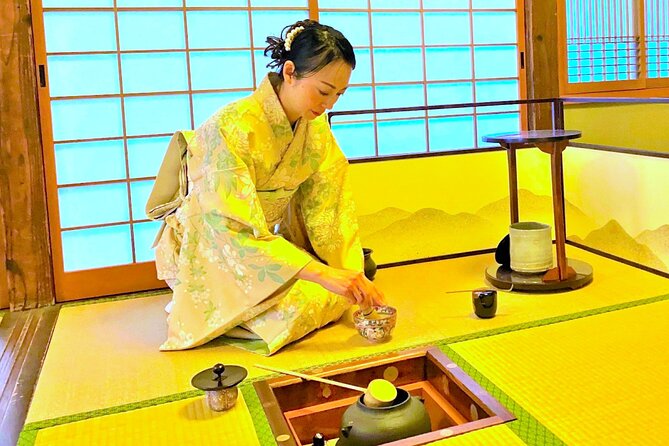
- A seated tea ceremony follows the craft session: You eat a confection and drink unsweetened matcha in a dedicated tea room.
- The group is limited to five people: This suits anyone who wants close guidance in a quiet, personal setting.
- The price is $55.38 per person: For 1 hour and 40 minutes, included supplies, sweets, tea, and a specialist setting, the cost is reasonable for a central Tokyo cultural activity.
Making wagashi in an old Yanaka shop
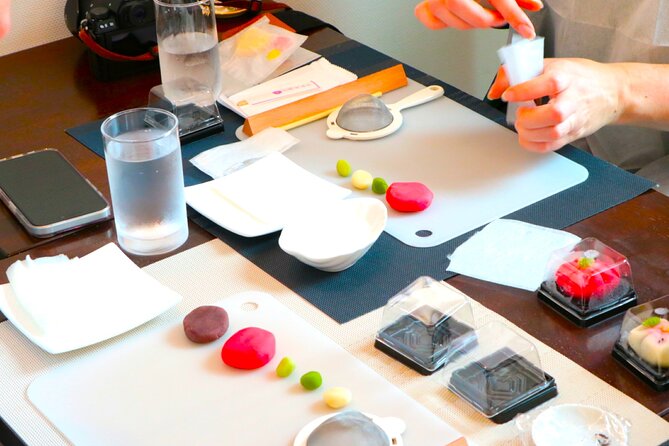
This is not a standard cooking class. You are not mixing batter, operating an oven, or trying to reproduce a complicated recipe at home. Instead, you work with colored sweet materials and shape them into seasonal figures.
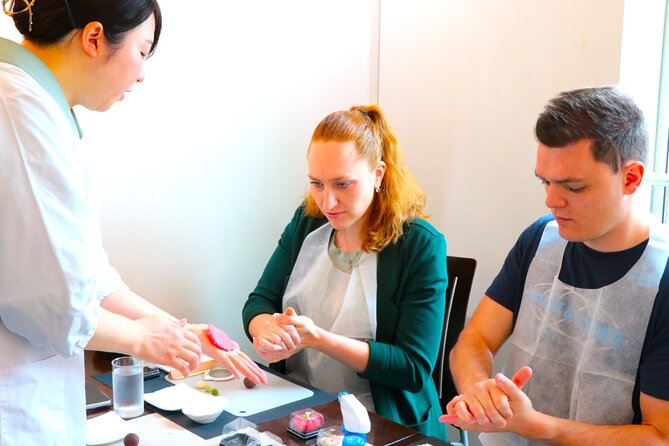
The wagashi in this class is called nerikiri. The activity describes mochi flour as the main ingredient, and the process is presented as simple, playful forming work. You use your hands and basic tools to bring several colored pieces together into a finished design.
That makes the class a good choice if you enjoy arts and crafts but do not consider yourself a cook. The goal is careful shaping, not technical kitchen skill. You can pay attention to color, symmetry, petals, folds, and small decorative details.
Before the work starts, you have time to look around the antique shop. That opening matters. The tableware gives you a visual introduction to the Japanese care for presentation that also appears in wagashi. A small sweet is not treated as a plain snack. Its shape and colors can reflect the season, and the dish used to serve it is part of the experience.
The shop setting also gives the session a sense of place. You are not simply sitting in an anonymous room with ingredients laid out on plastic tables. You are working in a long-established-looking retail space with objects connected to Japanese daily life and hospitality.
More tea rooms worth booking:
- Matcha Making Class in Tokyo with Authentic Japanese Sweets Set
★ 5.0 · 744 reviews - Tokyo: Traditional Tea Ceremony with a Tea Master
★ 5.0 · 528 reviews - Tokyo: Matcha Making Experience with Mochi Sweets in Asakusa
★ 4.9 · 388 reviews
Seasonal designs, from flowers to fans
The exact sweets change with the time of year. That is one of the stronger reasons to choose this activity instead of a fixed demonstration. Seasonal wagashi can include floral and nature-based designs, and past classes have used forms such as a fan, flower, plum, hydrangea, cherry blossom, and other spring themes.
You should expect the finished shapes to be attractive, but do not expect perfect results on your first try. Nerikiri looks simple because the pieces are small and soft. The challenge is in forming clean edges and balanced shapes without crushing the material.
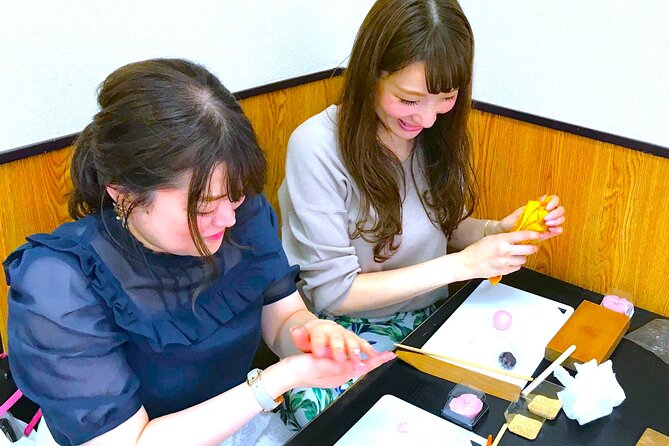
The class makes this approachable by treating the work like colorful clay modeling. You follow the artisan’s demonstration, then copy the basic steps at your own station. Since the group has no more than five participants, there should be less waiting than in a large workshop, and you have a better chance to watch the shaping closely.
The supplied details describe four different styles of sweets. Some individual class accounts describe making two designs during a session, so the precise number may depend on the day’s seasonal program. I would book for the overall craft lesson rather than arrive with a strict expectation about the exact designs.
You do not need to bring tools or ingredients. That is helpful in Tokyo, where luggage space is precious and carrying cooking equipment around the city would be absurd. The sweets contain no artificial additives and last only about two days when refrigerated, so plan to eat them soon rather than carry them through the rest of a long trip.
Why the antique tableware matters
The antique tableware is not just decoration while you wait. It helps explain why wagashi is treated as a small art form. A seasonal sweet is meant to be seen before it is eaten, and the serving vessel helps frame that moment.
You may enjoy taking a few minutes to examine the objects before sitting down to work. This is also a useful contrast with Tokyo’s larger attractions. Instead of moving quickly from one famous sight to the next, you get a quiet look at objects connected to tea, sweets, and Japanese hosting.
The setting has reportedly drawn international media attention, including a feature on CNN. That does not make the class better by itself, but it does signal that the location is unusual enough to be part of the appeal.
Keep your expectations grounded. This is still a small shop and a hands-on workshop, not a museum tour with a long formal explanation of every antique. The value comes from the combination of place, craft, and tea ceremony.
Moving into the tea room
After forming the sweets, you move to a dedicated tea room. The room is designed for a seated ceremony using chairs, rather than requiring you to kneel or sit on tatami for an extended period.
That detail makes the activity more comfortable for many people. It also lets you concentrate on the sequence of the ceremony: how the confection is served, how it is eaten, and how the matcha is presented.
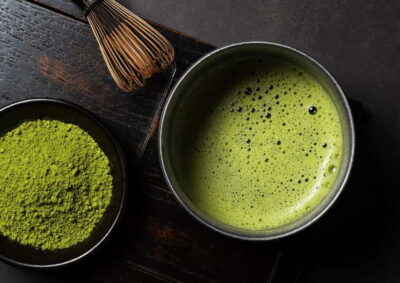
You are served a confection followed by real matcha. The tea is not sweetened, so the sweetness of the wagashi provides the balance. This contrast is important. The tea is not simply another drink added to the schedule. Its bitter, grassy taste helps reset your palate after the sugary confection.
You also get to eat one of your own creations. That gives the craft session a natural finish. You have handled the ingredients, shaped the design, and then seen the sweet presented in a tea setting.
Do not expect a long formal tea ceremony lasting several hours. The full activity runs about 1 hour and 40 minutes, including the shop introduction, forming session, tasting, and tea. It is an accessible introduction rather than an exhaustive study of every rule and school of tea practice.
A few more Tokyo bookings worth comparing
- Mt Fuji and Hakone 1-Day Bus Tour Return by Bullet Train
★ 5.0 · 26,383 reviews - 1-Day Tokyo Bus Tour
★ 5.0 · 14,250 reviews - Tokyo: TOKYO SKYTREE® Admission ticket
★ 4.5 · 11,192 reviews - Tokyo: teamLab Planets TOKYO Digital Art Museum Entry Ticket
★ 4.6 · 9,779 reviews
The host and the pace of the lesson
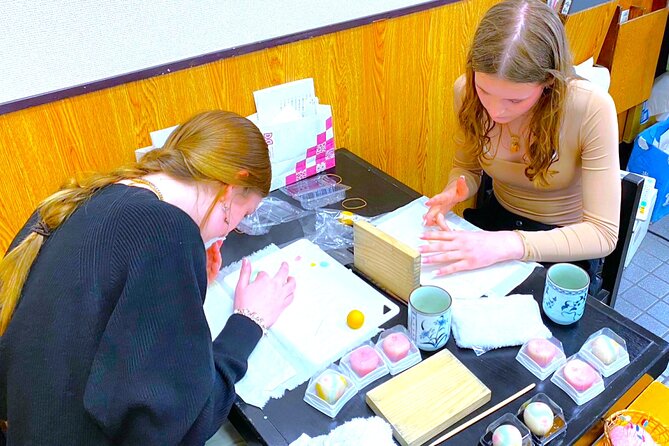
The host is described as a Japanese artisan rather than a polished commercial tour guide. That can be a real advantage if you want a personal workshop led by someone connected to the craft.
It can also require patience. English may be limited, and some instructions may rely on watching a demonstration and copying the movements. For a craft like this, that is not necessarily a serious problem. The shapes and hand movements are visible, and the work itself is easy to understand once you see it.
Still, this is not the right pick if you need long explanations in fluent English or want a tightly scripted presentation. You should arrive ready to observe, ask simple questions, and enjoy the occasional comic moment when your first flower or fan does not look quite like the model.
The small size helps here. With a maximum of five participants, the artisan can work close to the group and show the process without a crowd blocking your view. The session also feels less like a mass-market demonstration.
What $55.38 buys you in Tokyo
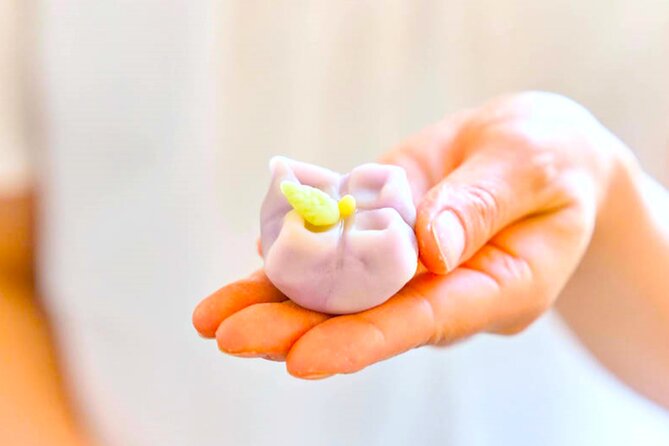
At $55.38 per person, this is not the cheapest snack stop in Tokyo. You are paying for more than the ingredients. The fee covers the artisan-led instruction, all tools and materials, several sweet designs, a tasting, matcha, and access to an unusual historic-style shop and tea room.
The value is strongest if you would otherwise pay for a separate tea ceremony and a separate craft class. Here, the two activities support each other. You learn to make a Japanese confection, then experience the way it is served with tea.
The 1 hour and 40 minute duration is also practical. It is long enough to feel like a proper activity, but short enough to fit around sightseeing in Tokyo. You could place it between other plans instead of giving up half a day.
The price is less compelling if you only want to taste wagashi. You can buy Japanese sweets for far less. This activity makes sense when you want the making process, a small cultural lesson, and the setting.
The fact that it is commonly booked about 16 days ahead is a useful planning clue. With only five places available, you should reserve early if your Tokyo dates are fixed.
Getting to 6-chōme-2-40 Yanaka
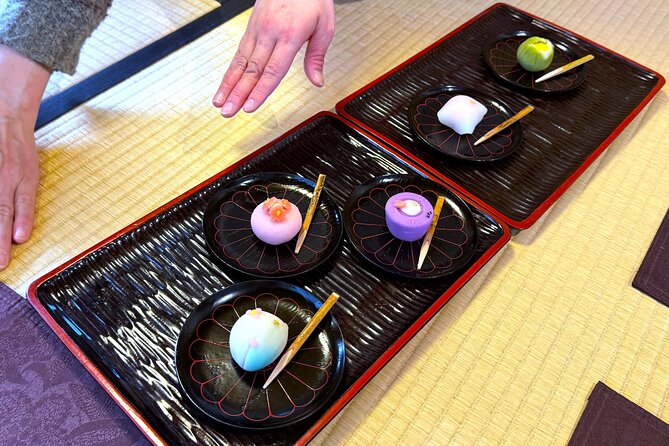
The meeting point is at 6-chōme-2-40 Yanaka, Taito City, Tokyo 110-0001. The location is near public transportation, and the activity returns to the same point when it ends.
Give yourself extra time to find the shop. The instructions are specific, but Tokyo addresses can still be confusing when you are navigating unfamiliar side streets. Since late arrivals do not extend the session, arriving early is especially important.
The meeting point also places the activity in Yanaka, an area known for older streets and a slower pace than Tokyo’s major commercial districts. The supplied information does not specify a particular station or train route, so check the route from your hotel on the day you book.
You do not need to plan a separate return journey from the tea room. That simple out-and-back format is useful if you have another reservation afterward.
Who will enjoy this most
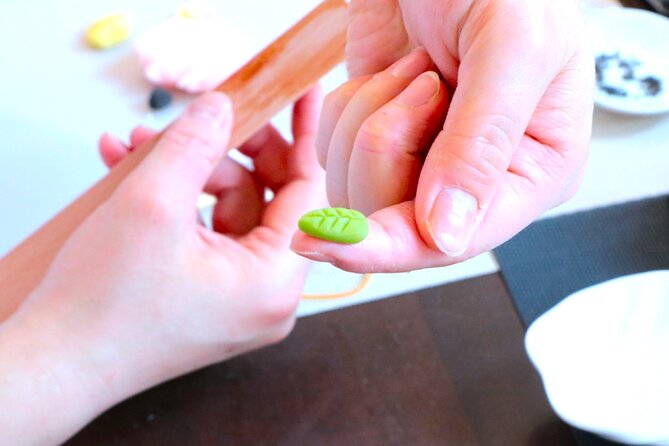
I would choose this for anyone who likes small-group activities, Japanese sweets, and hands-on crafts. It is especially suitable for people who want a cultural activity that does not involve a long lecture or a demanding physical schedule.
It can work well for couples, friends, and families with older children. Participants must be at least 13 years old, and anyone under 18 must attend with an adult. The colorful forming process gives teenagers something active to do, while the tea ceremony adds a more traditional element.
People interested in food presentation will also get plenty from it. You learn that Japanese sweets are shaped to suggest the season, not simply made to taste sweet. The antique dishes and tea room add context to that idea.
I would be more cautious if you dislike sweet bean-based confections, dislike matcha, or need extensive English instruction. The activity centers on wagashi and unsweetened matcha, and the artisan may not speak English fluently.
Anyone feeling unwell or under the influence of alcohol will not be admitted and will not receive a refund. That rule is strict, so arrive rested and sober.
Practical limits to keep in mind
This activity is non-refundable and cannot be changed for any reason after booking. Check your Tokyo schedule carefully before paying, especially if your plans depend on weather, flights, or a same-day train connection.
The host requires payment even for someone entering the venue without taking part. In practical terms, every person who enters should be included in the booking.
The finished sweets have no artificial additives and keep for only two days in the refrigerator. You should treat them as part of the day’s food experience, not as souvenirs for the final night of your trip.
The activity uses mobile tickets, so keep your booking available on your phone. Confirmation is sent within 48 hours, subject to availability. Because the class is small and usually booked ahead, do not leave it until the last minute if this is important to your itinerary.
Should you book this tea and wagashi class?
Book it if you want a personal introduction to Japanese sweets in a setting with character. The best parts are the century-old antique store, the small group, the seasonal designs, and the chair-based tea ceremony that ends with matcha and your own confection.
At $55.38, the activity offers fair value for nearly two hours of instruction and cultural context. It is not a bargain dessert tasting, and it is not a formal tea-school course. It sits comfortably between the two: part craft workshop, part tea experience, and part look at Japanese presentation.
I would skip it only if your schedule is too uncertain for a non-refundable booking, or if you need a fluent-English guide and a highly polished commercial format. For everyone else, especially anyone with a sweet tooth and a fondness for making things by hand, this is a thoughtful way to spend a small slice of Tokyo.
FAQ
Where does the tea ceremony and wagashi activity begin?
It begins at 6-chōme-2-40 Yanaka, Taito City, Tokyo 110-0001, Japan.
Where does the activity end?
The activity ends back at the meeting point.
How long does the experience last?
It lasts approximately 1 hour and 40 minutes.
How much does it cost?
The listed price is $55.38 per person.
What is included in the wagashi workshop?
All tools and ingredients are included. The activity also includes a sweet tasting and Japanese tea.
How many people can join the group?
The maximum group size is five participants.
What type of wagashi will I make?
You will make seasonal nerikiri wagashi, a mochi-based Japanese sweet. The program describes four different styles, with designs selected according to the season.
Is the tea ceremony performed while sitting on the floor?
The tea room is designed for the ceremony to be experienced while sitting in a chair.
What age must participants be?
Participants must be at least 13 years old. Anyone under 18 must be accompanied by an adult.
Can I cancel or change my booking?
No. The activity is non-refundable and cannot be changed for any reason. Late arrival also does not extend the scheduled ending time.
New on our Tokyo list
- Sumi-e Experience in a relaxing green tea shop in Tokyo★ 5.0 · 3 reviews
- Tokyo : Kamikaze Street Drift Ride★ 5.0 · 3 reviews
- Private Zen Meditation in English in Shinjuku, Tokyo★ 5.0 · 3 reviews
- Onsen Spa in Tokyo and Asakusa Bar Hopping with Local Guide★ 5.0 · 3 reviews
- Easy for everyone! Now you can play handmade mini shamisen and show off to everyone! Musical instruments, sweets and live music★ 5.0 · 3 reviews
- Tokyo Tsukiji Fish Market Walking and Exploring Hidden Gems Tour★ 5.0 · 3 reviews
- Tokyo: Private Tsukiji Street Food & Sake with Local Guide★ 5.0 · 3 reviews
- Mt Fuji Exploration Tour with Free Japanese Kusa Mochi from Tokyo★ 4.5 · 3 reviews
Tea Ceremonies, compared.

Matcha Making Class in Tokyo with Authentic Japanese Sweets Set
Read our review →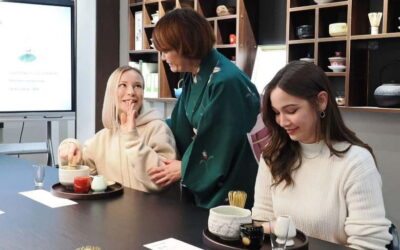
Matcha Making Experience with Mochi Sweets in Asakusa
Read our review →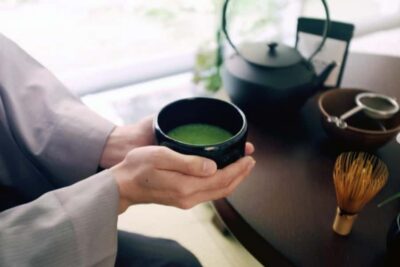
Tea Ceremony Workshop in Tokyo by the Experienced Instrucor
Read our review →

Make Traditional Nerikiri Sweets & Matcha experience in Shibuya
Read our review →Browse the lists this tour appears in