
Reviewed · WORKSHOPS
Asakusa: Beginner-Friendly Japanese Dance Workshop
Traditional Japanese dance is the star here. In 45 minutes, you watch a professional performer in a beautiful kimono, see the white shironuri makeup used for classic stage work, then try simple fan movements yourself. It is a compact way to meet an art form that can otherwise feel hard to approach.
I especially like the live performance and the hands-on lesson that follows. The welcome matcha gives the short visit a gracious opening, while the photo session and reported origami fan gift add a friendly, personal touch. The main consideration is timing: arrive early, since matcha service ends five minutes before the show.
In This Review
- Key points
- A Small Doorway into Nihon Buyo
- Arrive Early for Matcha and a Calm Start
- Watch the Kimono Performance and Shironuri Makeup
- Learn Basic Fan Movements Without Pressure
- Meet the Performer and Take Photos
- Is $25 Good Value for 45 Minutes?
- Who Will Enjoy This Asakusa Activity?
- How to Fit It into a Day at Kaminarimon Gate
- Practical Details Before You Book
- Should You Book This Dance Workshop?
- FAQ
- How long does the Japanese dance workshop last?
- Where does the activity take place?
- Is the workshop suitable for beginners?
- What is included in the price?
- What language is the instruction in?
- Can I receive matcha if I arrive late?
Key points
- Watch Nihon Buyo near Kaminarimon Gate: See a professional dancer perform a refined art form with more than 400 years of tradition.
- Learn with a folding fan: The gentle workshop is made for first-timers, with no dance or costume experience required.
- See shironuri makeup: The dancer appears in traditional white stage makeup during the performance.
- Enjoy matcha before the show: The complimentary drink is served only until five minutes before the start.
- Take a keepsake photo: Meet the performer after the dance while she is still dressed in kimono and makeup.
- Keep the visit easy: The 45-minute activity has English and Japanese instruction and is wheelchair accessible.
A Small Doorway into Nihon Buyo
Nihon Buyo is Japanese classical dance shaped during the Edo period. It uses slow, exact movements to express people, seasons, feelings, and small moments of daily life. The dancer does not rely on fast footwork or large stage effects. A turn of the wrist, a lowered fan, or a measured step can carry the meaning.
That restraint is part of the appeal. If you are used to stage shows that explain everything through speech, this performance asks you to watch closely. The gestures may seem simple at first, but the fan, sleeves, posture, and direction of the dancer’s gaze all have a role.
The program is held in Asakusa, close to Kaminarimon Gate. That location matters. You can pair the workshop with a visit to Sensoji and the old streets around the temple, yet the activity itself gives you a quieter cultural stop away from the usual temple sightseeing.
The experience is presented by YUKI YOSHIDA, with instruction in English and Japanese. No individual instructor names are provided, so you should not expect a named guide-led tour of Asakusa. This is a focused performance and workshop rather than a walking tour.
More Asakusa visits:
- Tokyo: Japanese Dance Cabaret Theater Asakusa-Kaguwa Ticket
★ 4.8 · 2,270 reviews - Tokyo: Meiji Shrine, Asakusa, Skytree Bus Tour and Cruise
★ 4.7 · 1,986 reviews - Tokyo: Roll and Authentic Sushi Making Class in Asakusa
★ 4.9 · 1,957 reviews
Arrive Early for Matcha and a Calm Start
The visit begins with a complimentary cup of matcha, the traditional Japanese green tea. It is a small detail, but it changes the pace of the activity. Instead of rushing straight into a lesson, you have a moment to settle in and take in the setting before the performance begins.
There is one firm rule: matcha is served only until five minutes before the scheduled start time. If you arrive after that cutoff, the drink cannot be prepared for you. I would plan to arrive with enough time to find the building and go directly to the sixth floor, as the meeting instructions specify.
The sixth-floor location is practical but not described in further detail, so allow time to locate the entrance. You do not need to wear a kimono. Comfortable clothes are enough, and that removes a common worry for visitors who want a cultural activity without a costume rental or lengthy preparation.
The matcha is more than a free drink. It introduces one familiar part of Japanese culture before you encounter another. One account of the activity also describes iced matcha and a lovely origami fan gift, though the listed inclusion is simply a welcome drink. If the origami fan is offered during your visit, it makes a nice little reminder of the workshop, but I would book for the dance rather than count on an extra gift.
Watch the Kimono Performance and Shironuri Makeup
The professional performance is the heart of the program. The dancer wears a beautiful kimono and demonstrates Nihon Buyo before asking you to try anything. That order is important. You first see the art performed with control and polish, then learn a small part of it in an approachable way.
The program also highlights shironuri, the white makeup associated with traditional Japanese theater and dance. At the performance’s climax, the dancer appears wearing this makeup. The stark white face is not casual cosmetics. It is a stage tradition passed down through generations, designed to create a particular visual presence under performance conditions.
This moment gives the show another layer. You are not only watching a person in a kimono perform a dance. You are seeing clothing, makeup, music, gesture, and storytelling work together in a traditional form.
The dance expresses Japan’s four seasons, according to the activity description and the account of one family’s visit. That seasonal idea is useful context for first-time viewers. Japanese classical arts often pay close attention to weather, flowers, changing light, and the passage of the year. You may not catch every reference in a short performance, but you can watch for changes in mood and gesture.
Do not expect a long theater production. The full activity lasts 45 minutes, including the drink, performance, lesson, and photo time. That compact length is useful if you are building a busy Asakusa day, though it also means the cultural background cannot be covered in great depth.
Learn Basic Fan Movements Without Pressure
After the show, you receive a folding fan and learn basic dance movements. The lesson is designed for beginners, so you do not need prior dance training, Japanese cultural knowledge, or a costume.
The fan gives your hands a clear focus. You learn how to hold it, open or move it, and use graceful gestures under the instructor’s guidance. The movements are meant to be simple enough for first-timers, but do not mistake simple for meaningless. Nihon Buyo values control, poise, and timing, so even an easy sequence can show you why the art takes years to master.
I like this structure because it avoids the common problem with cultural demonstrations: you watch an expert and then leave without any personal connection. Here, you get a small taste of the physical language. You will not become a Nihon Buyo dancer in one session, but you will understand the discipline better after trying to coordinate your hands, posture, and fan.
The workshop also works well for families. The activity has already suited a parent and son, with the hands-on section becoming a memorable part of their visit. Children who enjoy copying movements may get more from this than from a performance they only watch. Still, the dance is gentle and formal, not a high-energy game, so the best fit is anyone willing to slow down and pay attention.
The instructor speaks English and Japanese. That makes the activity easier for international visitors, though the available information does not promise full bilingual explanation for every detail. Expect practical guidance through the movements rather than a long lecture.
A few more Tokyo bookings worth comparing
- Sushi Making Tokyo Roll and Authentic Japanese Sushi Class
★ 5.0 · 3,971 reviews - Tokyo Shinjuku Chopsticks Making Class
★ 5.0 · 1,763 reviews - Tokyo: Sushi Making Class in a Happi Coat near a Famous Spot
★ 4.9 · 1,377 reviews - Chopstick Making Workshop in Ginza
★ 4.8 · 1,366 reviews
Meet the Performer and Take Photos
The final photo session lets you take a commemorative picture with the dancer in full kimono and makeup. This is one of the strongest practical features of the activity. You get a clear souvenir of the visit, and the performer is available for a brief personal connection after the formal show.
The photo is also more meaningful because you have just watched the dance and tried a related movement yourself. You know what the fan feels like in your hand, and you have seen how much composure the professional performer brings to each gesture.
The format should suit solo visitors, couples, and families. It gives you a natural end point instead of leaving you to pack up immediately after the lesson. The activity also includes time to chat, although no precise length is given, so you should not expect a long private conversation.
Staff hospitality is another strong point. The available comments highlight kind, attentive service, refreshing matcha, and the pleasure of dancing together. Those details suggest that the welcome matters here, not just the stage portion. The activity has a perfect 5 rating from four reviews, a very small sample, so I would treat it as encouraging rather than proof that every session will feel identical.
Is $25 Good Value for 45 Minutes?
At $25 per person, this is a reasonable price for a short cultural activity in central Tokyo. You receive four clear elements: a professional performance, a beginner fan workshop, a photo session, and a welcome drink.
The value depends on what you want from Asakusa. If you are looking for a full theater evening or an in-depth class, 45 minutes will feel brief. You are getting an introduction, not a complete course in Nihon Buyo. But if you want a structured cultural stop between visits to Kaminarimon Gate and Sensoji, the price is easy to justify.
The professional performance is the part you could not easily recreate on your own. The lesson adds participation, and the photo gives you a physical record of the event. Together, those features make the cost more worthwhile than a short demonstration with no chance to take part.
You also avoid extra costume costs. No kimono is required, and the program supplies the cultural setting through the performer, fan, makeup, and tea. That makes it a simpler choice than activities that require dressing, changing, or committing several hours.
I would compare the time as much as the price. A 45-minute session fits neatly into a sightseeing plan, but you should not book it expecting a large-scale show. Its strength is focus.
Who Will Enjoy This Asakusa Activity?
This workshop is a good match for:
- First-time visitors who want an easy introduction to Japanese dance
- Families looking for a cultural activity with a hands-on element
- Couples who want a photo with a kimono-clad performer
- Solo visitors who prefer a guided experience to watching a show alone
- Visitors who have already seen major temples and want a different side of Asakusa
- Anyone interested in traditional Japanese clothing, stage makeup, and fan arts
It may be less suitable if you want fast entertainment, extensive historical explanation, or a long class. The dance is controlled and graceful. Its appeal comes from detail and atmosphere, not speed.
You should also think about the drink cutoff. If matcha is important to you, arriving just on time is not enough. Get to the sixth floor early so you can enjoy it before the five-minute window closes.
The activity is wheelchair accessible, which makes it a useful option for visitors who need an accessible cultural stop. The provided information does not describe the exact route from street level or the building’s facilities, so you may want to confirm any specific access needs when booking.
How to Fit It into a Day at Kaminarimon Gate
The location near Kaminarimon Gate makes this easy to combine with other Asakusa sights. You can plan the workshop around your temple visit, rather than giving it a separate half-day.
A sensible plan is to explore the area first, allow time to reach the sixth-floor meeting point, enjoy matcha, and then attend the performance and lesson. Afterward, you can return to the streets with a photo and a better sense of the cultural setting you have been seeing around you.
Because the activity lasts only 45 minutes, it also works well during a short Tokyo visit. You get a taste of a formal Japanese art without giving up an entire afternoon. Reserve the start time that fits your schedule, and remember that the drink service will not wait for late arrivals.
The location is a plus, but the program does not include a tour of Kaminarimon Gate or Sensoji. You are paying for the dance experience itself. Keep that distinction clear when planning your day.
Practical Details Before You Book
The activity is offered in English and Japanese, and it is suitable for complete beginners. You do not need a dance background or special clothing.
The price is $25 per person, and the duration is 45 minutes. Included are the professional Nihon Buyo performance, basic fan workshop, photo session, and welcome drink.
The meeting instruction says to go directly to the sixth floor. Since the exact building name is not included in the supplied details, check your booking confirmation carefully for the full address and arrival instructions.
You can cancel up to 24 hours before the activity for a full refund. The reserve-now, pay-later option lets you hold a place without paying at once, which is helpful when your Tokyo schedule is still changing.
Should You Book This Dance Workshop?
Book it if you want a short, friendly introduction to a traditional Japanese art and value participation as much as watching. The professional performance, shironuri makeup, fan lesson, matcha, and photo session create a well-shaped 45-minute visit.
I would especially recommend it for families, first-time visitors, and anyone spending a day around Kaminarimon Gate. The main limits are the short duration and the small amount of historical explanation. Arrive early for the matcha, go to the sixth floor, and approach the activity as an elegant introduction rather than a full theater course.
FAQ
How long does the Japanese dance workshop last?
The activity lasts 45 minutes, including the performance, fan workshop, photo session, and welcome drink.
Where does the activity take place?
It takes place in Asakusa, near Kaminarimon Gate in Tokyo. The meeting instructions say to go directly to the sixth floor.
Is the workshop suitable for beginners?
Yes. No dance or costume experience is needed, and the fan lesson is designed for first-timers.
What is included in the price?
The price includes a live performance by a professional Nihon Buyo dancer, a basic fan dance workshop, a photo session with the dancer, and a welcome drink.
What language is the instruction in?
Instruction is available in English and Japanese.
Can I receive matcha if I arrive late?
Matcha is served until five minutes before the performance starts. It cannot be provided to people arriving after that time, so arrive early if you want the drink.
New on our Tokyo list
- Sumi-e Experience in a relaxing green tea shop in Tokyo★ 5.0 · 3 reviews
- Tokyo : Kamikaze Street Drift Ride★ 5.0 · 3 reviews
- Private Zen Meditation in English in Shinjuku, Tokyo★ 5.0 · 3 reviews
- Onsen Spa in Tokyo and Asakusa Bar Hopping with Local Guide★ 5.0 · 3 reviews
- Easy for everyone! Now you can play handmade mini shamisen and show off to everyone! Musical instruments, sweets and live music★ 5.0 · 3 reviews
- Tokyo: Private Tsukiji Street Food & Sake with Local Guide★ 5.0 · 3 reviews
- Mt Fuji Exploration Tour with Free Japanese Kusa Mochi from Tokyo★ 4.5 · 3 reviews
- Tokyo Tsukiji Fish Market Walking and Exploring Hidden Gems Tour★ 5.0 · 3 reviews
Workshops, compared.
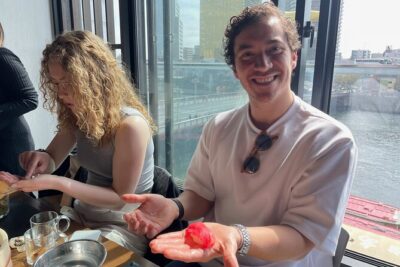
Sushi Making Tokyo Roll and Authentic Japanese Sushi Class
Read our review →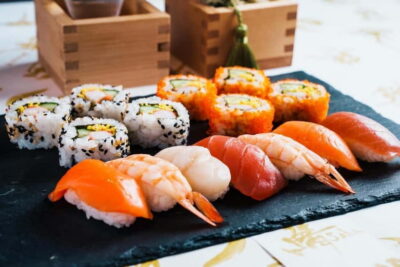
Roll and Authentic Sushi Making Class in Asakusa
Read our review →
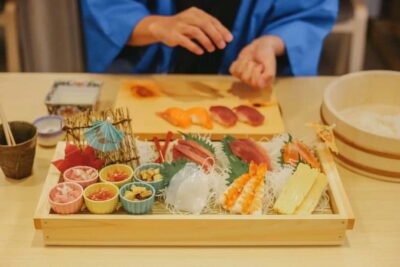
Sushi Making Class in a Happi Coat near a Famous Spot
Read our review →
Tokyo Sushi Making Class in Tsukiji with Professional Chef
Read our review →
Ramen & Gyoza Cooking Class in Tokyo with Local Supermarket Visit
Read our review →
Matcha Making Class in Tokyo with Authentic Japanese Sweets Set
Read our review →Browse the lists this tour appears in