
Reviewed · TEA CEREMONIES
Authentic Japanese tea tasting session: sencha, matcha, gyokuro
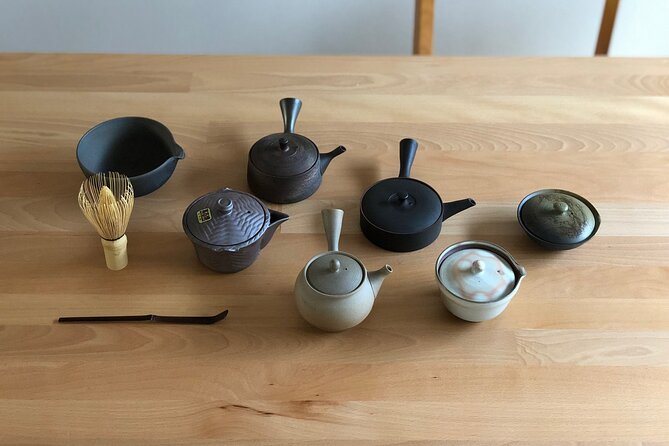
The most useful thing about this Tokyo tea tasting is its side-by-side approach. Instead of trying one cup and hearing a few polite facts, you taste 12 Japanese teas while learning how each is grown, made, and served. Sencha, matcha, and gyokuro become much easier to understand when you can compare them in the same sitting.
I like the small maximum group of four, which gives Yosuke room to explain details and answer questions. I also like the clear focus on flavor, production, and history rather than formal ceremony. The main consideration is caffeine: you should tell the host in advance if you are sensitive, since tasting this many teas in 90 minutes may be a lot.
In This Review
- Key Points About the ShiZen Tea Experience
- Why This Tasting Works Better Than a Single Cup of Tea
- Meeting Yosuke in Morishita
- The First Sips: Building a Tea Vocabulary
- Comparing Sencha, Matcha, and Gyokuro
- How the Tea Is Made and Why It Matters
- This Is Not a Formal Tea Ceremony
- A Small Group and a Careful Pace
- Is $90.80 a Fair Price?
- Who Should Book This Tokyo Tea Tasting?
- Final Take: Book It If You Want to Understand Your Cup
- FAQ
- How long does the Japanese tea tasting last?
- Where does the tea tasting begin?
- What time does the activity start?
- How many teas will I taste?
- Is this a traditional Japanese tea ceremony?
- What if I am sensitive to caffeine?
- What is the cancellation policy?
Key Points About the ShiZen Tea Experience
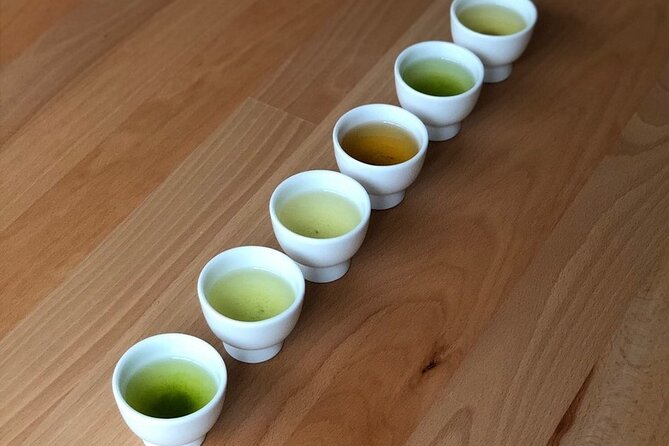
- Taste 12 different Japanese teas: Compare everyday styles with high-end teas, including sencha, matcha, and gyokuro.
- Learn from Yosuke: Expect a methodical, well-organized session led by a host who explains tea production and preparation clearly.
- Study flavor side by side: Tasting several teas together helps you notice differences in sweetness, bitterness, aroma, body, and finish.
- Go beyond the tea leaves: Each tea comes with information about its production, regional background, and place in Japanese tea culture.
- Join a very small group: The experience accepts no more than four people, making questions and discussion easier.
- Meet in Morishita: The session starts at ShiZen Tea Experience in Koto City and returns to the same location after about 90 minutes.
Why This Tasting Works Better Than a Single Cup of Tea
A single cup of green tea can be pleasant, but it does not always teach you much. You may like it, dislike it, or simply wonder what you are supposed to notice. This session solves that problem by placing different teas next to one another.
You begin with the broad idea of Japanese green tea, then move through several types and grades. The aim is not simply to label one tea as better than another. It is to show how farming, processing, region, shading, leaf selection, and brewing affect what reaches your cup.
That comparison matters most with familiar names such as sencha, matcha, and gyokuro. Many visitors know these words from menus and shops but do not know how they differ. Here, you can connect the name with the taste and with the way the tea is made.
I appreciate that the session includes both daily tea and premium tea. That gives you a more useful picture of Japanese tea culture than a tasting devoted only to rare products. Fine tea is interesting, but everyday tea tells you more about what people actually drink.
The experience is also designed to help you identify your own preferences. You may find that you prefer a fresh, brisk cup of sencha to a highly shaded tea, or that you enjoy the concentrated character of matcha. You do not need to arrive with a trained palate. The format gives you a way to build one.
More tea rooms worth booking:
- Matcha Making Class in Tokyo with Authentic Japanese Sweets Set
★ 5.0 · 744 reviews - Tokyo: Traditional Tea Ceremony with a Tea Master
★ 5.0 · 528 reviews - Tokyo: Matcha Making Experience with Mochi Sweets in Asakusa
★ 4.9 · 388 reviews
Meeting Yosuke in Morishita
The meeting point is ShiZen Tea Experience, at 135-0004 Tokyo, Koto City, Morishita, 2-chōme 28-3, Morishita TM Mansion 202. The session starts at 1:30 pm and ends back at the same place.
Morishita is in Tokyo’s Koto City and the meeting point is near public transportation. You should allow enough time to find the building and the specific room, since the address includes an apartment-style location, room 202. A mobile ticket is provided, so keep your booking details easy to access on your phone.
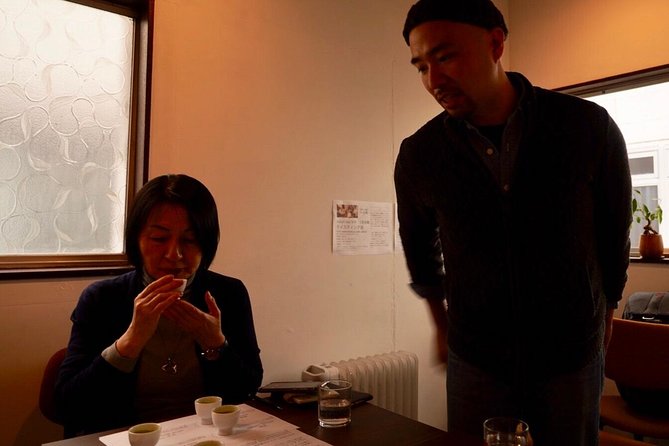
The small group size is one of the practical strengths here. With a maximum of four people, you are not sitting in a large room waiting for a guide to repeat the same explanation to everyone. You can ask why one tea tastes sweeter, why another needs cooler water, or how a tea reaches the premium category.
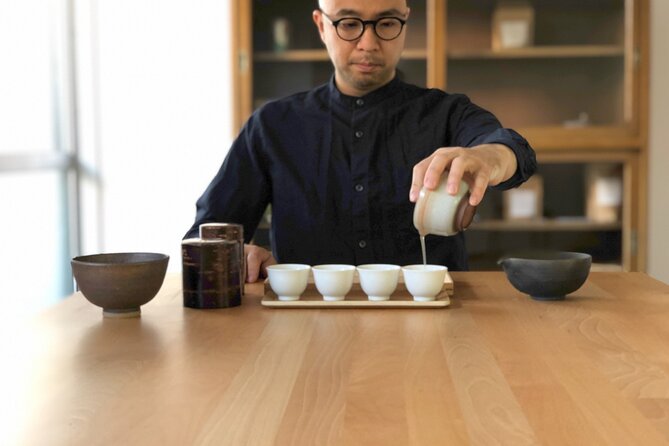
Yosuke’s teaching style is organized and careful. The session follows a clear progression, and the preparation itself helps explain the subject. One useful detail from the tasting format is a nine-page handout, which gives you something to follow as the cups arrive and something to refer back to later.
This is especially helpful because 12 teas can blur together. The handout lets you note which tea you liked, what temperature was recommended, and which region or production method was connected to it.
The First Sips: Building a Tea Vocabulary
The opening part sets up the basic questions. What is Japanese green tea? What separates sencha from matcha? What makes a fine grade tea different from a standard one?
You will not simply receive a cup and a name. Each tea comes with an explanation of how it is made and with historical background. That information gives you a framework for understanding the taste rather than treating every difference as a matter of personal opinion.
Sencha is a useful starting point because it is one of the central forms of Japanese tea. As you taste it beside other types, you can pay attention to the balance of fresh flavor, bitterness, sweetness, aroma, and texture. The point is not to memorize technical terms. It is to notice what changes from cup to cup.
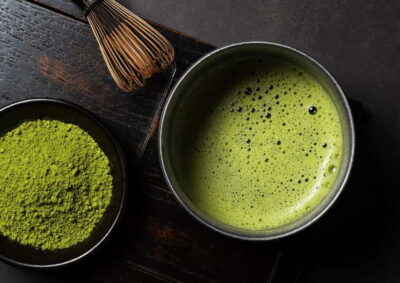
The session also covers matcha, a powdered tea prepared in a different form from leaf teas. Its appearance, texture, and concentrated taste make it easy to distinguish, but the wider context helps you understand why it occupies such a visible place in Japanese culture.
You will likely come across tea that tastes very different from the green tea served at a restaurant. That is part of the value. The tasting shows that Japanese tea is not one single flavor, and that brewing choices can change the experience considerably.
Comparing Sencha, Matcha, and Gyokuro
The three headline teas offer a useful contrast.
Sencha is a leaf tea that can show bright, clean, grassy, sweet, or savory notes depending on the tea and preparation. It is a good reminder that a familiar category can contain plenty of variation.
Matcha is powdered, so you consume the tea rather than drinking only an infusion made from the leaves. Its preparation and mouthfeel differ from sencha, and its strong profile makes it an obvious point of comparison in a tasting.
Gyokuro belongs to the premium end of Japanese tea. Its inclusion is important because it lets you compare a high-grade tea with more ordinary styles. You can learn what premium means in practical terms, rather than assuming that a higher price automatically means a better cup for every person.
The host also discusses how the teas are produced and where they come from. Regional differences matter because Japan’s tea-growing areas do not all produce identical results. You may not leave able to identify every region blind, but you will have a better sense of why origin belongs in the conversation.
Temperature is another useful part of the lesson. The recommended temperature is not the same for every tea. A cup can taste very different when brewed with hotter or cooler water, so learning the right temperature helps explain why a tea may taste harsh in one setting and smooth in another.
This is one of the most practical lessons to carry back to your hotel or home. You can buy a good tea and still prepare it poorly. The session connects the leaf to the method.
A few more Tokyo bookings worth comparing
- Mt Fuji and Hakone 1-Day Bus Tour Return by Bullet Train
★ 5.0 · 26,383 reviews - 1-Day Tokyo Bus Tour
★ 5.0 · 14,250 reviews - Tokyo: TOKYO SKYTREE® Admission ticket
★ 4.5 · 11,192 reviews - Tokyo: teamLab Planets TOKYO Digital Art Museum Entry Ticket
★ 4.6 · 9,779 reviews
How the Tea Is Made and Why It Matters
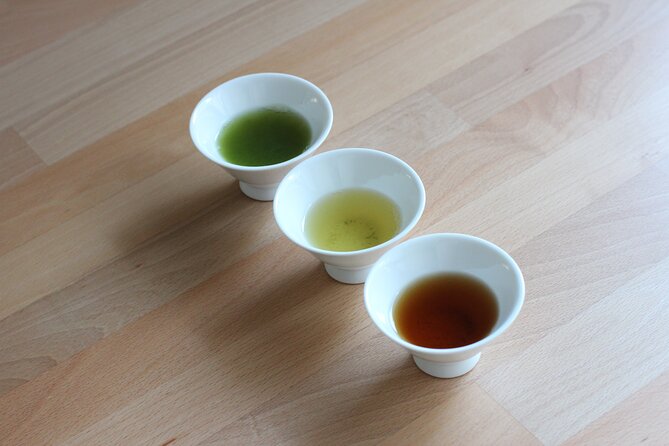
The experience gives production a central role. That is the right choice because processing affects tea as much as the original leaf.
You learn how Japanese tea is farmed and produced, along with the historical background of each type. The details are presented as part of the tasting, so you can connect the explanation with what is in front of you. A tea that has been shaded, processed differently, or prepared at a particular temperature should not be judged by the same standard as another tea.
This also helps you understand the difference between daily tea and premium tea. The contrast is not just about a price tag or a fancy package. It can involve growing methods, leaf quality, production care, scarcity, and the way the tea is prepared.
I like this approach because it avoids turning the tasting into a simple ranking exercise. The most expensive tea may be fascinating, but your favorite could still be an accessible sencha. The session gives you enough background to make that choice for yourself.
The historical material adds another layer. Tea in Japan is tied to farming, trade, daily life, hospitality, and formal traditions. This activity does not attempt to cover every part of Japanese tea culture, but it gives you the broad outline needed to place the cups in context.
This Is Not a Formal Tea Ceremony
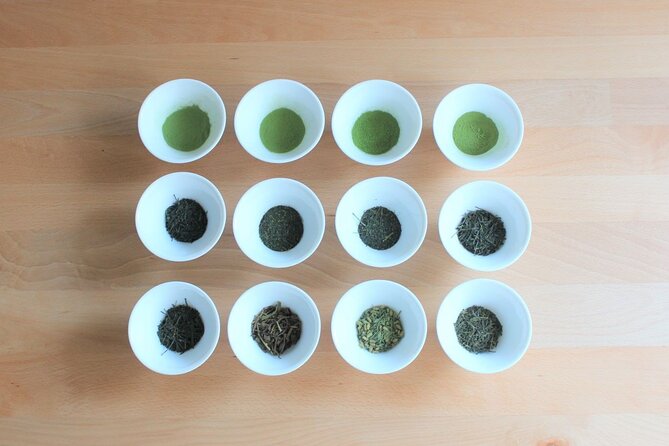
Set your expectations correctly. This is not a tea ceremony, and you should not book it if your main goal is to watch a formal performance of tea preparation.
The focus is tasting, production, brewing, and history. You spend the time comparing teas and learning what separates them. That makes the experience more like a guided class or a wine tasting than a ceremonial cultural show.
For many people, that is an advantage. You get more time with the tea itself and less emphasis on etiquette or spectacle. If you already enjoy food and drink tastings, the format should feel familiar: taste, listen, compare, ask questions, and decide what you prefer.
The drawback is that anyone hoping for a traditional tea-room atmosphere may find this too instructional. The experience is valuable because it explains the subject, not because it recreates a ceremony.
A Small Group and a Careful Pace
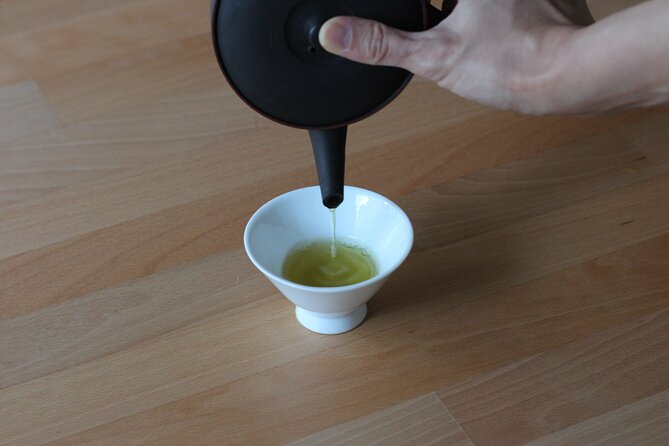
The 90-minute length is well suited to the subject. It gives you enough time to taste a large range without turning the outing into a half-day commitment.
Twelve teas in that period is still a substantial amount. You will want to pay attention early, take notes, and use the handout. The session moves through many examples, so you may not remember every cup by the end unless you write down your favorites.
The small group helps keep the pace flexible. With only four people at most, Yosuke can spend time on questions and clarify points when a flavor or production term is unfamiliar. His preparation is described as methodical, which matters in a session where water temperature and sequence affect the tasting.
If caffeine is a concern, contact the host before the session. This is not a detail to leave until the first cup. Twelve samples can add up, and the activity specifically asks people with caffeine sensitivity to give advance notice.
The 1:30 pm start also makes this an easy afternoon plan. It can fit between morning sightseeing and dinner without taking over the day. Since the activity returns to its starting point, you do not need to arrange a separate pickup or finish at an unfamiliar neighborhood.
Is $90.80 a Fair Price?
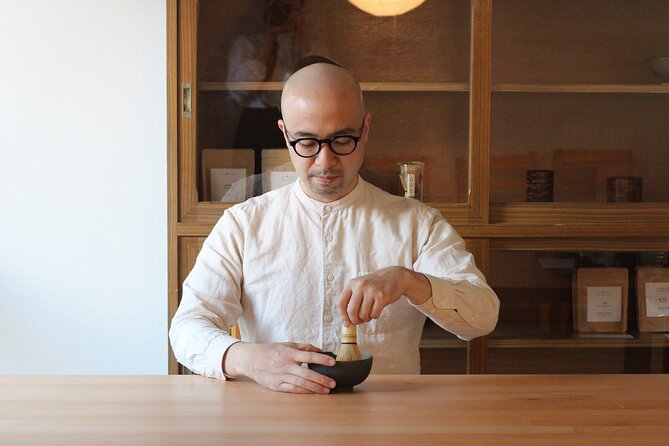
At $90.80 per person, this is not a casual cup of tea. The price makes sense only if you want structured instruction and a broad tasting rather than a quick drink.
You are paying for about 90 minutes, up to 12 teas, preparation, a guided explanation of production and history, and access to a very small group. Premium teas such as gyokuro can also be costly on their own, though the real value here is the comparison among many teas.
I would see the price as reasonable for someone who already enjoys tea, collects food experiences, or wants a stronger understanding of Japanese tea before buying it. You may also save money later by learning which styles you genuinely like instead of purchasing several attractive packages at random.
The value is weaker if you simply want to try matcha once or add a quick cultural activity to a crowded sightseeing day. Tokyo has plenty of places to drink tea for far less. This experience earns its price through explanation and range, not through the basic act of drinking.
The booking pattern also matters. It is booked about 16 days ahead on average, so I would not leave it until the last part of your trip, especially if your schedule is fixed. Free cancellation is available up to 24 hours before the start time, but changes or cancellations inside that window are not accepted for a refund.
Who Should Book This Tokyo Tea Tasting?
I would recommend it most strongly to:
- People who already drink Japanese green tea and want to understand the differences between styles
- Visitors who enjoy guided tastings of food, wine, coffee, or spirits
- Travelers interested in Japanese farming, production, regional identity, and daily culture
- Anyone who wants to buy tea in Japan with more confidence
- Couples or small groups who prefer conversation over a large group presentation
- Curious beginners who want a clear introduction rather than a formal ceremony
I would be more cautious about booking it for young children or anyone who dislikes tasting several caffeinated drinks in a short period. The supplied information does not describe a children’s format, and caffeine sensitivity should be discussed before arrival.
It is also not the best match for someone looking mainly for a traditional tea ceremony. You will learn about tea preparation, but the purpose is tasting and explanation rather than ritual.
Final Take: Book It If You Want to Understand Your Cup
I would book this experience if Japanese tea is more than a passing curiosity. The strongest feature is the chance to taste many types together, then connect each one with its production method, region, history, and brewing temperature.
Yosuke’s organized teaching, the small group limit, and the nine-page handout make the 90 minutes feel purposeful. The session should leave you with more than a pleasant afternoon. You should also have a clearer answer to the useful question: Which Japanese tea do I actually like?
Skip it if you want a ceremony, a quick matcha stop, or a low-cost refreshment. Choose it if you want a practical lesson in sencha, matcha, gyokuro, and the wider world of Japanese tea.
FAQ
How long does the Japanese tea tasting last?
The experience lasts approximately 1 hour and 30 minutes.
Where does the tea tasting begin?
It begins at ShiZen Tea ExperienceJapan, 135-0004 Tokyo, Koto City, Morishita, 2-chōme 28-3, Morishita TM Mansion 202.
What time does the activity start?
The scheduled start time is 1:30 pm.
How many teas will I taste?
The experience includes 12 different types of Japanese tea, including sencha, matcha, gyokuro, daily teas, and premium teas.
Is this a traditional Japanese tea ceremony?
No. The activity focuses on tasting, tea production, brewing, regional differences, and history rather than formal tea ceremony procedures.
What if I am sensitive to caffeine?
You should inform the host before the session if you are caffeine sensitive. This is important because the tasting includes many teas.
What is the cancellation policy?
You can cancel at least 24 hours before the start time for a full refund. Cancellations or changes made less than 24 hours before the activity are not accepted for a refund.
New on our Tokyo list
- Sumi-e Experience in a relaxing green tea shop in Tokyo★ 5.0 · 3 reviews
- Tokyo : Kamikaze Street Drift Ride★ 5.0 · 3 reviews
- Private Zen Meditation in English in Shinjuku, Tokyo★ 5.0 · 3 reviews
- Onsen Spa in Tokyo and Asakusa Bar Hopping with Local Guide★ 5.0 · 3 reviews
- Easy for everyone! Now you can play handmade mini shamisen and show off to everyone! Musical instruments, sweets and live music★ 5.0 · 3 reviews
- Tokyo Tsukiji Fish Market Walking and Exploring Hidden Gems Tour★ 5.0 · 3 reviews
- Tokyo: Private Tsukiji Street Food & Sake with Local Guide★ 5.0 · 3 reviews
- Mt Fuji Exploration Tour with Free Japanese Kusa Mochi from Tokyo★ 4.5 · 3 reviews
Tea Ceremonies, compared.

Matcha Making Class in Tokyo with Authentic Japanese Sweets Set
Read our review →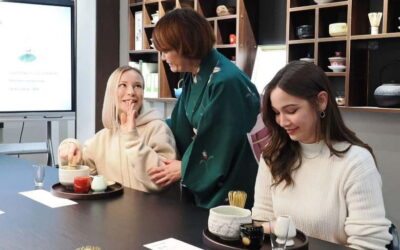
Matcha Making Experience with Mochi Sweets in Asakusa
Read our review →
Tea Ceremony Workshop in Tokyo by the Experienced Instrucor
Read our review →

Make Traditional Nerikiri Sweets & Matcha experience in Shibuya
Read our review →Browse the lists this tour appears in