
Reviewed · SUMO EXPERIENCES
Chair Seat Guaranteed SUMO Practice +Photo +Culture Option
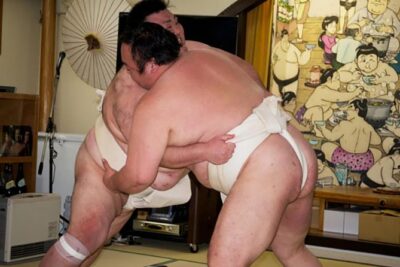
The most compelling part of this three-hour Tokyo experience is the front-row view of real sumo practice. You are not watching a staged demonstration or a tournament from a distant arena. You sit close to wrestlers as they warm up, repeat drills, and collide with startling force inside an active stable.
I like the guaranteed chair, especially if your knees dislike Japanese floor seating. I also like the way the tour adds meaning to a quiet practice session through a talk with guides such as Max and Masao, followed by a Q&A and photo with an active wrestler. The main drawback is that the meeting instructions need care, and the practice itself requires silence, stillness, and no eating or drinking.
In This Review
- Key points before you book
- Why a sumo stable is more interesting than a tournament seat
- Meeting at Kiyosumi-shirakawa Station at 8:00 a.m.
- Watching 1 hour and 40 minutes of live practice
- The wrestler Q&A and group photo
- The 25-minute sumo lesson after practice
- What the $102.47 price really buys you
- Who will enjoy this experience most
- Practical details that can make the morning easier
- The main strengths and the real cautions
- Should you book this Tokyo sumo morning?
- FAQ
- Where does the sumo practice tour meet?
- What time does the tour start?
- How long does the experience last?
- Will I sit on the floor?
- Can I take photographs?
- What is included in the price?
Key points before you book
- Front-row chair seating: You watch from a proper seat rather than a floor cushion, a major help for anyone with knee or hip concerns.
- Authentic morning training: The session takes place at a real sumo stable, with wrestlers practicing and being coached at very close range.
- Small group format: The tour accepts a maximum of 10 people, keeping the experience more personal than a large sightseeing group.
- Useful cultural context: A local guide explains sumo’s history, customs, techniques, and the wrestlers’ way of life after the practice.
- Active wrestler contact: You receive time for questions and may take photos with a wrestler. A group photo is included.
- Early start and precise meeting point: Meet at 8:00 a.m. at Kiyosumi-shirakawa Station, Exit B1, beside a Family Mart.
Why a sumo stable is more interesting than a tournament seat
A tournament gives you the drama of competition. A stable gives you the daily work behind it. Here, you see wrestlers warm up and repeat training routines without the spectacle of a public match. That can be more revealing for a first visit because you see how much repetition, discipline, and physical control sit beneath the sport.
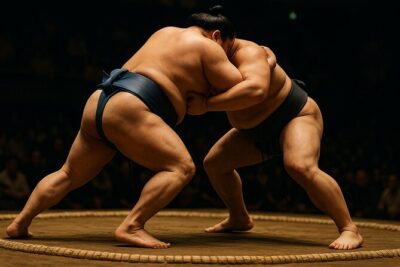
The close distance matters. From a chair near the practice area, you can watch wrestlers slap their bodies, brace their feet, and drive into one another with the force of heavy machinery. You also see that sumo is not simply two large men pushing. Balance, timing, footwork, grip, and technique all matter.
The quiet rules are part of the experience. You must not talk, eat, or drink while practice is underway. Taking photographs is allowed, but the stable’s instructions come first. One family traveling with a seven-year-old prepared their child in advance for the silence and stillness, and the arrangement worked well. That is useful advice: explain the rules before you arrive, especially if you are bringing children.
More sumo mornings:
- Tokyo: Sumo Show Experience with Chicken Hot Pot and a Photo
★ 4.8 · 6,678 reviews - Tokyo: Sumo Show and Dining Experience
★ 4.8 · 2,742 reviews - the SUMO show
★ 5.0 · 1,960 reviews
Meeting at Kiyosumi-shirakawa Station at 8:00 a.m.
The tour begins at Kiyosumi-shirakawa Station, served by the Oedo and Hanzomon lines. Meet at ground level outside Exit B1, near the Family Mart convenience store. The scheduled meeting time is 8:00 a.m., and the station transfer to and from the stable takes about 20 minutes in total.
This is one part of the tour where you should slow down and read the instructions carefully. The station has several exits, and confusion about the pickup point has caused frustration for at least one booking. The practical fix is simple: use Exit B1, go to street level, and look for the Family Mart. Arrive early enough to orient yourself rather than trying to find the group at the last second.
The early hour is not just a nuisance. It helps the group reach the stable in time for a substantial portion of the morning practice. One particularly happy participant noted that the early departure meant arriving before other groups and securing front-row seats. At around $102.47 per person, that timing is part of what you are paying for.
The maximum group size is 10. That is small enough for the guide to explain what is happening and manage the stable visit without turning it into a crowd. The overall duration is about three hours, though the exact timing can change because the listed hours are approximate.
Watching 1 hour and 40 minutes of live practice
Once inside, you take your chair and settle in for roughly 1 hour and 40 minutes of morning training. The stable is not a theater, and the practice is not arranged for tourists. You observe the routine as it unfolds, at close range and in a quiet room.
That authenticity comes with limits. You cannot expect a commentator to explain every movement during the practice because talking is forbidden. You may also find the seating less luxurious than the word guaranteed suggests. The important point is that you get a chair instead of sitting on the floor, but one person still found the seating uncomfortable. A chair solves the problem of kneeling or sitting cross-legged, not every possible comfort issue.
The best way to watch is to pay attention to small details. Notice how the wrestlers prepare their bodies, how they repeat movements, and how coaches direct the session. You may see bouts that look sudden and violent, but the training is built around control and repetition. The guide’s explanation afterward helps you make sense of what you saw.
Photography is permitted during the practice according to the activity details. Still, be respectful. Keep your phone quiet, stay seated, and do not let taking pictures interfere with the stable’s rules. A family account specifically noted that videos were not allowed, so ask the guide before recording anything. The stable, not the ticket holder, sets the final rules.
The wrestler Q&A and group photo
After practice, the group receives an opportunity to speak with active sumo wrestlers. This portion lasts about 20 minutes and may include photographs. The format is a useful change of pace after such a quiet viewing session. You can ask questions that would be difficult to answer while the wrestlers are training.
The activity includes a group photo, and the chance to take a picture with a wrestler may be available. There is also a charming bit of long-term perspective here: if you photograph a wrestler who later rises through the ranks, the image could become a personal memento with extra meaning.
Keep expectations sensible. The description says you are given an opportunity to talk with active wrestlers, not that every question or individual photo is guaranteed. The stable’s schedule and customs control the pace. Still, this is a valuable part of the booking because it gives you a human connection after watching a highly formal practice.
If you are shy about asking questions, prepare one or two before arrival. You might ask about training, the daily life of a wrestler, or what you just observed. The supplied details do not promise a set list of topics, so the guide will help manage the exchange.
A few more Tokyo bookings worth comparing
- Mt Fuji and Hakone 1-Day Bus Tour Return by Bullet Train
★ 5.0 · 26,383 reviews - 1-Day Tokyo Bus Tour
★ 5.0 · 14,250 reviews - Tokyo: TOKYO SKYTREE® Admission ticket
★ 4.5 · 11,192 reviews - Tokyo: teamLab Planets TOKYO Digital Art Museum Entry Ticket
★ 4.6 · 9,779 reviews
The 25-minute sumo lesson after practice
The local guide gives a presentation of about 25 minutes on the history and context of sumo. This is where the tour becomes more than a ticket to sit quietly in a stable.
The presentation covers what sumo is and how it came to be, along with its customs and techniques. That context is especially useful if this is your first contact with the sport. Without it, you may notice the force and ritual but miss the reasons behind the movements, rules, and behavior.
Guides named in the feedback include Max and Masao. Max is described as having been educated in the United States, which may help English-speaking visitors who want clear explanations of unfamiliar customs. The most consistent praise is aimed at the guides’ warmth, entertainment, and ability to make the sport understandable without turning the visit into a dry lecture.
I particularly like the order of events. You watch first, then receive the explanation. That lets the guide refer to actions you have just seen instead of giving you a long lesson before anything happens. One participant felt this added far more value than simply receiving a seat at morning practice.
What the $102.47 price really buys you
At $102.47 per person, this is not a cheap morning activity. You are paying for access to a working stable, a reserved chair, a small group, a guide, the history presentation, a wrestler Q&A, and a group photo. Entrance fees are included.
The strongest value is the combination of access and interpretation. If you only want to see wrestlers train, a cheaper seat-only option might be enough if you can find one. But the chair is important for many people, and the guide helps turn a silent hour and 40 minutes into something you can understand.
The price also reflects the practical work of arranging a visit to a place that is not a normal sightseeing stop. You are not simply entering a public arena at a convenient time. You meet early, transfer to a stable, follow strict rules, and rely on the guide to handle the visit.
The tour is best value for a first-time sumo visitor who wants a close look without committing to a full tournament day. It is also a smart choice if you have knee or leg alignment concerns. If you already know sumo well or mainly want a long, informal photo session, the added presentation may matter less to you.
Who will enjoy this experience most
I would choose this for a first Tokyo visit, a family that can manage a quiet morning, or anyone curious about Japanese sport and custom. The small group and chair seating make it more approachable than a crowded public event.
Children can attend, but age alone is not the key issue. Your child must be able to remain quiet, avoid food and drink during practice, stay seated, and follow instructions. A seven-year-old managed it after a clear briefing, but you know your child’s patience best.
This is also a good fit if you want an activity with a firm start and finish. The morning begins at 8:00 a.m. and ends back at the meeting point. You can plan the rest of your Tokyo day afterward, though the approximate timing means you should avoid booking a tight appointment immediately after.
The experience may be less suitable if you need constant narration, dislike early starts, or want to move around freely. During practice, you are an observer. The atmosphere depends on respect for the wrestlers and the stable.
Practical details that can make the morning easier
Confirmation arrives within 48 hours of booking, subject to availability. Because the experience requires a minimum number of participants, the operator may offer another date or experience, or provide a full refund, if that minimum is not met.
You can cancel for a full refund up to 24 hours before the start time. Cancellations or changes made within 24 hours are not refunded or accepted, and the cutoff follows Tokyo local time.
The activity is near public transportation, and service animals are allowed. A moderate level of physical fitness is requested. You will need to reach the station, transfer to and from the stable, and remain seated and attentive for a long practice session.
I would prepare in four simple ways:
- Check the station and Exit B1 the night before.
- Arrive early, especially if you are unfamiliar with Tokyo’s large stations.
- Wear clothing that lets you sit comfortably for nearly two hours.
- Tell children in advance that the stable is a quiet place and that photographs must follow the guide’s instructions.
The tour ends back at the original meeting point, so you are not left to work out your return route from the stable.
The main strengths and the real cautions
The activity’s strongest feature is the close view. You are near enough to feel the impact of the training, yet the chair lets you watch without the strain of floor seating. The morning practice is the heart of the experience, and it has impressed people who had no idea what to expect.
The guides are another major strength. Max and Masao are described as entertaining and passionate, and the post-practice presentation gives the morning structure. You do not simply watch a ritual in silence and then leave. You have a chance to ask questions and connect the practice to Japanese culture.
The cautions are mostly practical. The meeting point must be followed precisely. The seating is a chair, but not necessarily a padded lounge seat. The practice demands quiet, and the schedule is approximate. You also need to accept that the Q&A and individual photographs depend on the stable’s conditions.
The mixed rating profile reflects these details. Most of the available feedback is strongly positive, with a 4.6 average from 17 ratings, but a small number of complaints focus on meeting confusion, seating comfort, and communication. I would not ignore those concerns. I would simply arrive early, confirm the exit, and keep expectations realistic.
Should you book this Tokyo sumo morning?
Book it if you want an authentic, close-range introduction to sumo and value a guaranteed chair, a small group, and clear cultural explanation. The wrestler Q&A and group photo give the morning something beyond the practice itself.
I would pass if your priority is a tournament match, casual movement, or a late start. This is a disciplined viewing experience, not a drop-in attraction. You must respect the stable’s rules and accept that some of the most important moments happen in silence.
For most first-time visitors, the $102.47 cost is justified by the access, seating, guide, and extra context. Set your alarm, find Exit B1, and treat the morning as a lesson in how much work happens before sumo ever reaches the ring.
FAQ
Where does the sumo practice tour meet?
The meeting point is at Kiyosumi-shirakawa Station in Koto City, Tokyo. Meet at ground level outside Exit B1, near the Family Mart convenience store.
What time does the tour start?
The scheduled start time is 8:00 a.m.
How long does the experience last?
The activity lasts about three hours. The timing is approximate and includes the transfer to and from the sumo stable.
Will I sit on the floor?
No. This experience guarantees chair seating instead of floor seating. One part of the visit lasts about 1 hour and 40 minutes, so the chair can be useful if you have knee or leg concerns.
Can I take photographs?
Photographs are allowed during the practice according to the activity details. You may also have a chance to take photos with an active sumo wrestler, and a group photo is included. Follow the stable’s instructions, and ask the guide about video recording.
What is included in the price?
The price includes entrance to the stable, chair seating, a local guide’s sumo presentation, a Q&A session with a sumo wrestler, and a group photo. Optional tours are not included.
New on our Tokyo list
- Sumi-e Experience in a relaxing green tea shop in Tokyo★ 5.0 · 3 reviews
- Tokyo : Kamikaze Street Drift Ride★ 5.0 · 3 reviews
- Private Zen Meditation in English in Shinjuku, Tokyo★ 5.0 · 3 reviews
- Onsen Spa in Tokyo and Asakusa Bar Hopping with Local Guide★ 5.0 · 3 reviews
- Easy for everyone! Now you can play handmade mini shamisen and show off to everyone! Musical instruments, sweets and live music★ 5.0 · 3 reviews
- Tokyo: Private Tsukiji Street Food & Sake with Local Guide★ 5.0 · 3 reviews
- Mt Fuji Exploration Tour with Free Japanese Kusa Mochi from Tokyo★ 4.5 · 3 reviews
- Tokyo Tsukiji Fish Market Walking and Exploring Hidden Gems Tour★ 5.0 · 3 reviews
Sumo Experiences, compared.
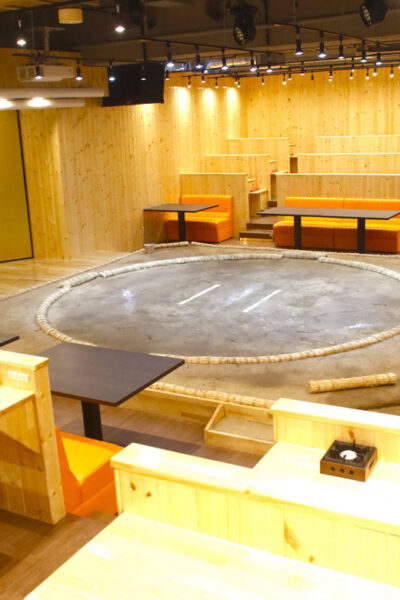
Sumo Show Experience with Chicken Hot Pot and a Photo
Read our review →
Tokyo Shinjuku Sumo Show & Experience with Photo
Read our review →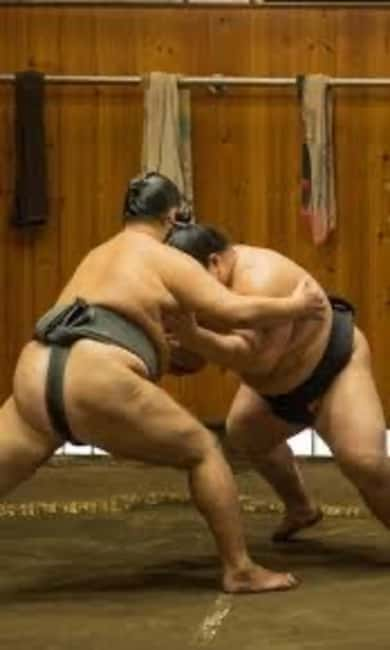

Authentic Sumo Experience in Tokyo: Enter the Sanctuary
Read our review →
Luxury Sumo Show Experience & Japanese cuisine & Drink
Read our review →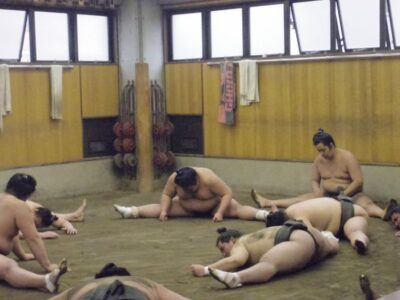
Browse the lists this tour appears in