
Reviewed · TEA CEREMONIES
EDOCCO Tea House–A Quick Dive into Japanese Traditional Culture
The most appealing part of EDOCCO Tea House is its quick tour through several Japanese traditions in one sitting. You prepare matcha, watch a Japanese dance performance, try a kimono, write a character with a brush, and fold origami, all inside a restored cultural space near Akihabara.
I like the small-group feel, which allows the hosts to help beginners instead of simply demonstrating from across the room. I also like the mix of watching and doing: the dance gives you a window into performance traditions, while calligraphy, origami, and tea give you something to try and remember.
The main consideration is time. One hour is efficient, but the dance section can last less than 10 minutes, and each activity is necessarily a short introduction rather than a full study of Japanese arts.
In This Review
- Key points to know before booking
- A fast, friendly introduction near Akihabara
- What happens at EDOCCO STUDIO
- Preparing matcha and tasting a Japanese sweet
- Watching a short Japanese dance performance
- Trying on a kimono for an Edo-style photo
- Writing Japanese calligraphy with a brush
- Folding paper into origami
- Why the one-hour format works, and where it falls short
- Is the $72.48 price good value?
- Who will enjoy this most?
- Practical details that matter
- Should you book EDOCCO Tea House?
- FAQ
- Where does the EDOCCO Tea House experience take place?
- How long does the experience last?
- What activities are included?
- Is the tea equipment included?
- Is the experience offered in English?
- What is the maximum group size?
- Is the activity suitable for children?
- Does the experience begin and end at the same place?
- Can I cancel for a refund?
Key points to know before booking
- Four traditions in one hour: Tea ceremony, Japanese dance, kimono dress-up, calligraphy, and origami are all included.
- English guidance: Hosts explain the activities and cultural background in English.
- Hands-on souvenirs: You create a calligraphy piece and an origami design to take away.
- Good for families: Children as young as 8 and 11 have enjoyed the activities, according to the supplied experience details.
- Small groups: The maximum group size is 20, with some sessions much smaller.
- Convenient location: EDOCCO STUDIO is at 2-chōme-16-2 Sotokanda, close to public transportation and the Akihabara area.
A fast, friendly introduction near Akihabara
Tokyo offers endless ways to encounter Japanese culture, but many require planning, Japanese language skills, or a full afternoon. EDOCCO Tea House takes a different approach. It gives you a compact sample of several customs, making it especially useful at the start of a Japan trip.
The setting is designed around the meeting of old and new. You are in modern Tokyo, close to Akihabara’s electronics shops and anime culture, yet the activity turns your attention to tea, formal dress, brushwork, paper folding, and dance. That contrast gives the hour a clear sense of place.
The tone is gentle and welcoming. Hosts such as Ori and Mr. Bambu are named in the experience details as especially helpful guides, and English explanations are part of the session. That matters because small details, such as how to hold a tea bowl or how a brush stroke begins, are easy to miss without guidance.
You should think of this as a cultural sampler, not a formal tea-school lesson or a long stage performance. It gives you useful background and a chance to participate without asking you to commit half a day.
More tea rooms worth booking:
- Matcha Making Class in Tokyo with Authentic Japanese Sweets Set
★ 5.0 · 744 reviews - Tokyo: Traditional Tea Ceremony with a Tea Master
★ 5.0 · 528 reviews - Tokyo: Matcha Making Experience with Mochi Sweets in Asakusa
★ 4.9 · 388 reviews
What happens at EDOCCO STUDIO
The activity begins and ends at EDOCCO STUDIO. The listed address is 2-chōme-16-2 Sotokanda, Chiyoda City, Tokyo 101-0021, Japan. It is near public transportation, making it easy to fit into a day that also includes Akihabara, Ueno, or central Tokyo.
The maximum group size is 20. That is not a tiny private lesson, but it is still a manageable number for a guided cultural session. Some departures may be much smaller. One supplied account describes a session attended by only one couple, and another says a solo booking continued even when only one person had reserved.
That flexibility is useful if you are visiting outside the busiest periods. It also means the level of personal attention may vary with the size of your group, though the format is built around participation rather than passive viewing.
The full session lasts about one hour. Since the program moves through several activities, expect a brisk pace. The staff guide you from one part to the next so the hour does not drag, but you will not have time to become highly skilled in any one art.
Preparing matcha and tasting a Japanese sweet
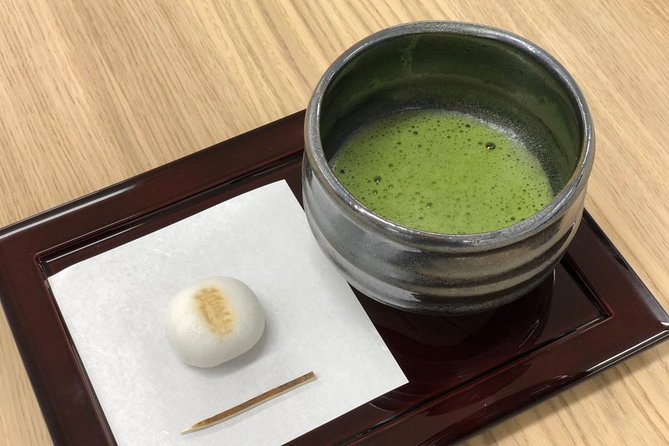
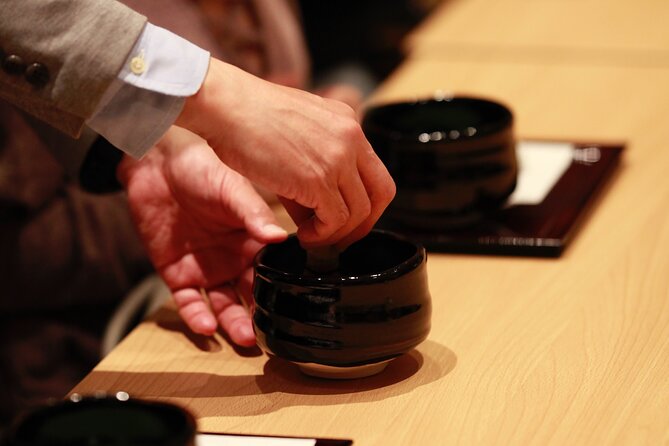
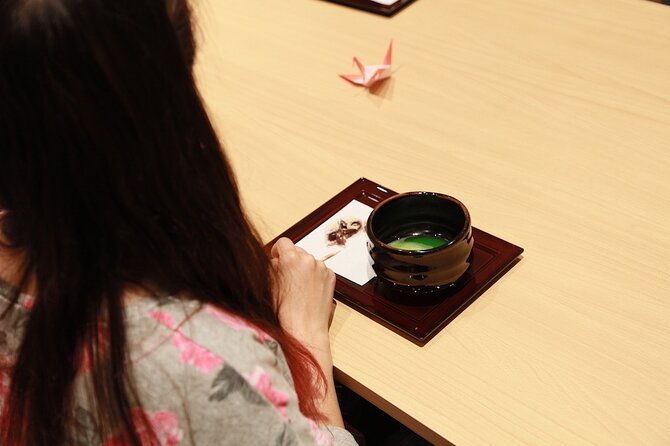
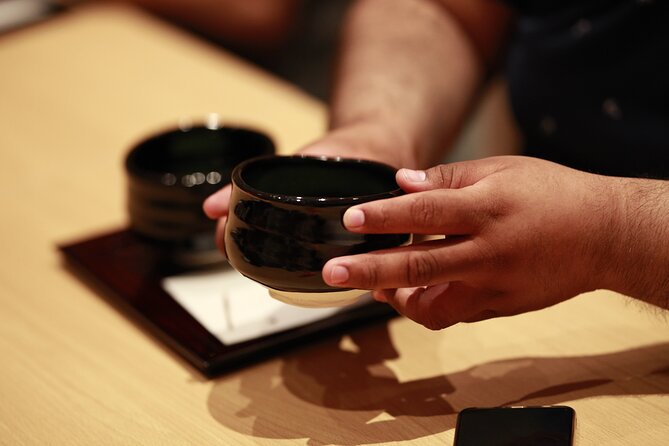
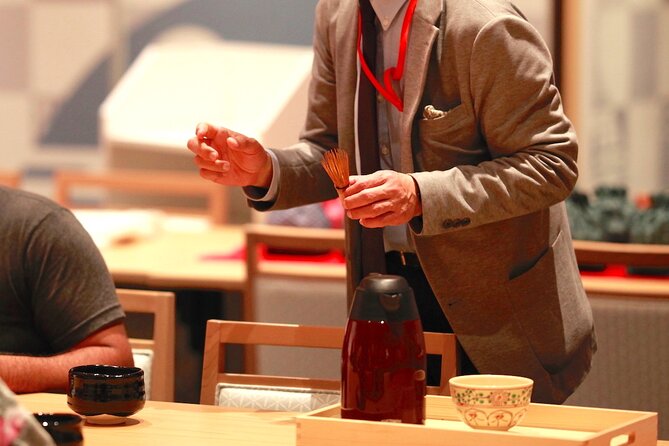
The tea portion introduces you to matcha preparation, using a bamboo whisk and the familiar tea bowl. You receive a set of matcha and a Japanese sweet, and an instructor explains the basic steps for preparing and serving the tea.
This is valuable because matcha is not simply green tea served in a different cup. The gestures, tools, and attention given to the process are part of the experience. Even a short lesson can help you notice the care behind a tea ceremony when you encounter one elsewhere in Japan.
You get to make the tea yourself rather than only watching an expert. For a first-time visitor, that hands-on element makes the ritual easier to remember. The Japanese sweet also provides the traditional companion to the slightly bitter matcha.
Keep your expectations in check. The experience includes a snack set, but a full matcha equipment set is not included. If you want to continue the practice at home, a tea bowl, matcha powder, bamboo whisk, and other tools are available to buy separately.
The tea ceremony is one of the strongest reasons to choose this activity if you want a calm start to your Tokyo sightseeing. It gives you a quiet pause before returning to the city’s noise and speed.
Watching a short Japanese dance performance
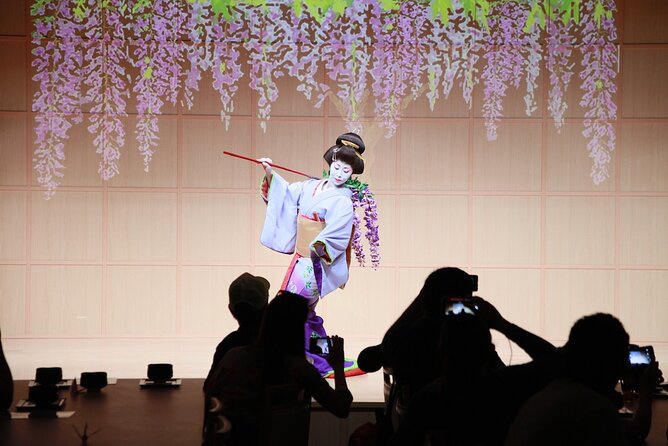
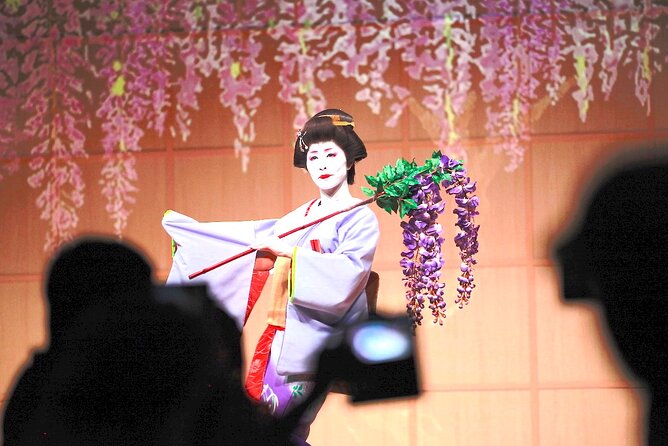
The Japanese dance show adds a performance element to the hour. The program includes an English explanation, so you are not left guessing about the meaning behind the movements or the role of the fan and other gestures.
The dance is often described as geisha dance in the supplied experience information. The performance is a highlight for many people because it offers something you cannot reproduce simply by reading about Japanese culture or visiting a museum.
The limitation is clear: one detailed assessment says the dance lasted less than 10 minutes and felt too short to appreciate the form fully. That is a fair criticism. If Japanese dance is your main reason for booking, you may want a dedicated performance elsewhere as well.
Still, the short format has an advantage. You see a polished example without giving up the rest of your afternoon. The dance also works well beside the kimono activity, since the clothing, posture, fan movements, and formal gestures begin to make more sense together.
You should also expect explanation rather than a long theatrical production. This is an educational performance within a cultural workshop, not a full evening show.
A few more Tokyo bookings worth comparing
- Mt Fuji and Hakone 1-Day Bus Tour Return by Bullet Train
★ 5.0 · 26,383 reviews - 1-Day Tokyo Bus Tour
★ 5.0 · 14,250 reviews - Tokyo: TOKYO SKYTREE® Admission ticket
★ 4.5 · 11,192 reviews - Tokyo: teamLab Planets TOKYO Digital Art Museum Entry Ticket
★ 4.6 · 9,779 reviews
Trying on a kimono for an Edo-style photo
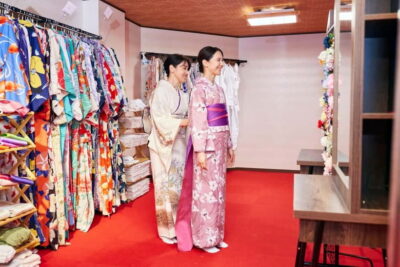
The kimono portion lets you dress up and take photos in the atmosphere of the past. It is described as a cosplay experience, so the goal is participation and fun rather than a full, formal kimono fitting.
For many first-time visitors, this is the most immediately memorable part. Wearing the clothing changes how you think about movement, posture, and the visual style connected with traditional Japanese arts. Children in particular may enjoy the chance to dress up while learning about dance and ceremony.
The session keeps this activity short, which is sensible. A proper kimono fitting can take much longer, and this program promises several different activities in a single hour. You should expect a simple cultural dress-up experience, not a detailed lesson in kimono construction or etiquette.
It is also worth remembering that the clothing is part of the experience, not a take-home item. The included keepsakes come from the calligraphy and origami activities instead.
Writing Japanese calligraphy with a brush
The calligraphy lesson is a hands-on introduction to shodo, the traditional art of Japanese brush writing. Under instruction, you learn basic brush strokes and create a character of your own.
This is where the session moves beyond sightseeing. You have to slow down, hold the brush properly, control the ink, and accept that a first attempt may not look perfect. That small challenge is part of the fun.
Calligraphy also gives you a physical reminder of the hour. You leave with your own written character rather than only a photograph. The activity details do not specify which character you will write, so the exact result may depend on the lesson and your instructor.
The hosts are described as patient and attentive, an important quality when guiding people who may never have used a Japanese calligraphy brush. Ori is specifically praised in the supplied information as a careful instructor, while the main host is noted for making the writing lesson approachable.
For adults, calligraphy offers a quiet break from Tokyo sightseeing. For children, it is a simple craft with a cultural purpose. The brushwork is not difficult to attempt, but it can be surprisingly demanding to control.
Folding paper into origami
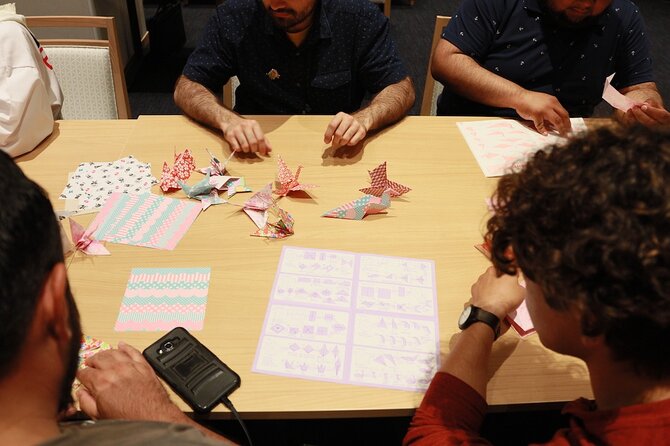
Origami follows the calligraphy portion and gives you another chance to make something with your hands. You learn how a single sheet of paper can become a crane or another folded design through a series of careful steps.
This is a good choice for mixed-age groups because the basic idea is easy to understand, while the folding can still challenge adults. The instructor’s help matters here. A missed crease early on can make the final shape confusing, especially if you are working from instructions in an unfamiliar language.
The activity gives the program a lighter finish. Tea and dance ask you to observe formal traditions, while origami lets you experiment in a more relaxed way. You may not produce an elaborate figure in the available time, but you can follow the process and leave with a small paper creation.
Families should find this part especially useful. The supplied experiences include children aged 8 and 11 who enjoyed the tea, calligraphy, origami, kimono, and dance. That combination gives children several ways to stay involved instead of asking them to sit quietly through a long ceremony.
Why the one-hour format works, and where it falls short
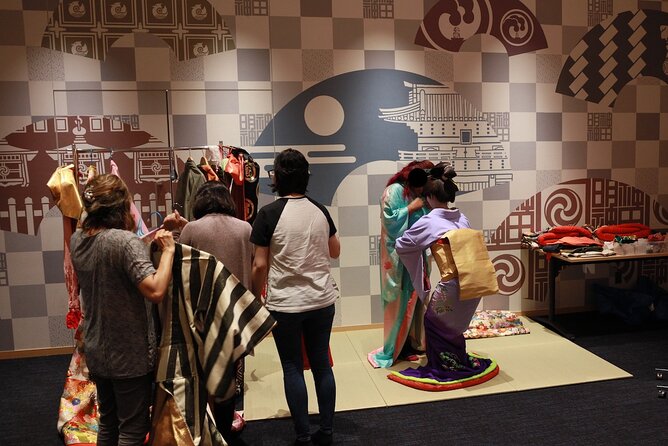
I like the structure because it answers a common Tokyo problem: you want cultural context, but your schedule is already crowded. In about an hour, you encounter tea, dance, clothing, brushwork, and paper craft. That is a lot of ground for a short stop.
The format is also less intimidating than entering a formal ceremony with little idea of what to do. The hosts explain each step, encourage questions, and let you try the activities yourself. English support removes much of the guesswork.
The tradeoff is depth. You will not learn the full etiquette of tea ceremony, master a calligraphy character, or understand every layer of Japanese dance after one session. The program is best viewed as an introduction that may give you more interest in seeking out longer cultural activities later.
The dance is the clearest example of the compromise. A short performance gives you a taste, but not enough time for a full artistic presentation. If you want a serious performance experience, book this for the wider cultural lesson, not for the dance alone.
Is the $72.48 price good value?
At $72.48 per person, this is not the cheapest one-hour activity in Tokyo. The value depends on how much you want from the hour and whether you would otherwise book several separate experiences.
The price includes the matcha and Japanese sweet, dance appreciation, calligraphy, origami, and Japanese dress-up. You are paying for instruction, materials, the venue, and the chance to try several traditions with English guidance.
For a family, the price can make sense because everyone has several activities to try. For a solo visitor or couple, it is more worthwhile if you value a structured cultural introduction and want something more active than simply visiting a historic site.
It is less suitable if you want a long tea ceremony, a full kimono fitting, or an extended dance show. Those expectations could make the session feel too brief for the money.
The fact that some sessions continue with only one or two participants adds potential value, since a very small group allows more direct help. That cannot be guaranteed, but the maximum group size of 20 sets a clear limit.
Who will enjoy this most?
I would recommend EDOCCO Tea House to first-time visitors who want an easy entry into Japanese customs without spending half a day on one subject. It is also a strong choice for families, since the program alternates between watching, dressing up, writing, folding, and tasting.
It suits you if:
- You want English explanations of Japanese traditions.
- You enjoy hands-on activities more than a lecture.
- You are staying near Akihabara or can reach Sotokanda easily.
- You want small keepsakes from your cultural activity.
- You need a short program that fits around other Tokyo plans.
- You are curious about several traditions but do not yet know which one interests you most.
I would be more cautious if you already have extensive experience with tea ceremony, shodo, origami, or Japanese dance. You may find the introductions basic, although the friendly instruction and compact format can still make a pleasant refresher.
Practical details that matter
The activity uses a mobile ticket, and confirmation is normally issued when you book. If you book within one day of the scheduled start, confirmation may take longer and depends on availability.
The meeting point and end point are the same, at EDOCCO STUDIO. Since it is near public transportation, you can pair the session with other sights in Tokyo, but allow enough time to find the exact building and arrive ready for a prompt start.
The experience has a free cancellation policy up to 24 hours before the start time. Cancellations or changes made less than 24 hours ahead are not refundable. The stated policy also allows a different date or a full refund if poor weather or insufficient bookings cause the activity to be canceled.
That weather condition is worth noting even though much of the program takes place indoors. Keep an eye on your booking confirmation if your Tokyo plans are tight.
Should you book EDOCCO Tea House?
Book it if you want a friendly, efficient introduction to Japanese culture and prefer to participate rather than simply watch. The combination of matcha, a Japanese dance performance, kimono photos, calligraphy, and origami gives you a useful first look at several traditions, while English-speaking hosts help you understand what you are doing.
I especially recommend it for families, first-time visitors, and anyone with only an hour to spare near Akihabara. The main drawback is the limited depth, with the dance performance in particular feeling brief. If you accept this as a sampler rather than a full cultural course, the $72.48 price can be fair for the variety and personal instruction.
FAQ
Where does the EDOCCO Tea House experience take place?
It takes place at EDOCCO STUDIO, located at 2-chōme-16-2 Sotokanda, Chiyoda City, Tokyo 101-0021, Japan.
How long does the experience last?
The activity lasts approximately one hour.
What activities are included?
The program includes a matcha and Japanese sweet set, Japanese dance appreciation, a calligraphy experience, an origami experience, and a Japanese dress-up experience.
Is the tea equipment included?
The matcha snack set is included, but a full tea set is not. A tea bowl, matcha powder, bamboo whisk, and other tools are available to purchase separately.
Is the experience offered in English?
Yes. English explanations are provided for the cultural activities and Japanese dance.
What is the maximum group size?
The experience has a maximum of 20 participants.
Is the activity suitable for children?
The supplied experience information describes it as suitable for families, and children aged 8 and 11 have enjoyed the activities.
Does the experience begin and end at the same place?
Yes. It starts at EDOCCO STUDIO and ends back at the meeting point.
Can I cancel for a refund?
You can cancel for a full refund up to 24 hours before the start time. Cancellations or changes made less than 24 hours before the activity are not refundable.
New on our Tokyo list
- Tokyo Spectacular View Day-Cruise in 90 Minutes★ 5.0 · 25 reviews
- From Tokyo: Mount Fuji & Hakone Full Day Private Tour★ 4.9 · 25 reviews
- Real Tokyo Runner Club : Daikoku Car Meet Night Tour with JDM Car★ 5.0 · 25 reviews
- 2.5 Hour-Guided Cycle Tour in the Central Tokyo★ 5.0 · 25 reviews
- Ramen Making from Scratch +Akihabara Tour –Cooking Class★ 5.0 · 25 reviews
- [Self-Drive] Tokyo & Daikoku Custom Car Driving Tour★ 4.9 · 25 reviews
- Tokyo: 2-Hour Night Bike Tour of the City’s Hidden Gems★ 4.9 · 25 reviews
- Samurai themed Entertainment show in Shinjuku★ 4.5 · 25 reviews
Tea Ceremonies, compared.

Matcha Making Class in Tokyo with Authentic Japanese Sweets Set
Read our review →
Matcha Making Experience with Mochi Sweets in Asakusa
Read our review →
Tea Ceremony Workshop in Tokyo by the Experienced Instrucor
Read our review →

Make Traditional Nerikiri Sweets & Matcha experience in Shibuya
Read our review →Browse the lists this tour appears in