
Reviewed · SUMO EXPERIENCES
Experience the Sumo World in Tokyo
The best part of this Tokyo tour is the chance to watch real sumo training inside a stable, not a staged demonstration built for tourists. You sit close to the practice area, see the wrestlers work under the stablemaster’s eye, then meet them after training. I like the direct access, and I like that guides such as Ryoko, Haru, Tomer, and Tammy explain the rules and customs as you go.
I also appreciate the meal. Chanko nabe is the hearty stew associated with sumo life, and sharing it after practice gives the morning a social touch. The main drawback is the early start and the two-train journey, plus a small but important communication risk: you need to be at Ueno Station at 7:45 a.m. and should check all last-minute messages before leaving.
In This Review
- Key points to know before booking
- Why this is different from watching a sumo tournament
- Meeting at Ueno Station at 7:45 a.m.
- The train ride gives you useful sumo basics
- Inside Asahiyama beya, the closest view comes first
- The hands-on part is fun, but keep expectations realistic
- Chanko nabe makes lunch part of the lesson
- How much time and money should you allow?
- Communication is the one area where you need to be careful
- Who will enjoy this Tokyo sumo experience?
- What the 98 percent recommendation means in practical terms
- Booking, cancellation, and practical details
- Should you book the Sumo World in Tokyo experience?
- FAQ
- Where does the sumo tour meet?
- How long does the experience last?
- How do I reach the sumo stable?
- Is the train fare included?
- Is lunch included?
- Can I take photos with the wrestlers?
- Can I try sumo wrestling?
- What happens if I need to cancel?
Key points to know before booking
- Watch practice from folding chairs: The stable places you close to the training area, giving you a clear view without standing for the whole session.
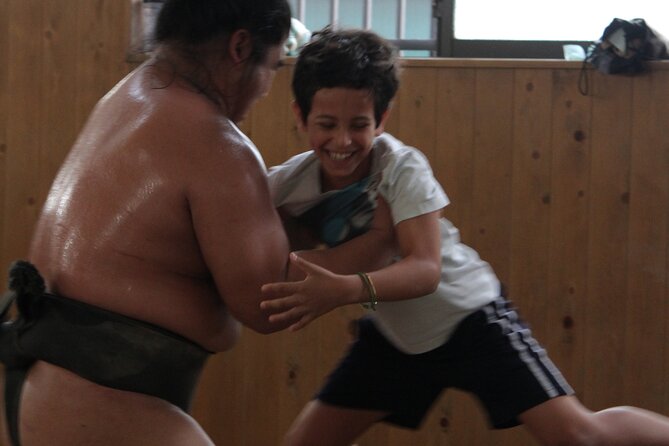
- Try a friendly sumo strength test: After practice, you may step forward and attempt to push a wrestler. It is fun, brief, and very unlikely to end with you moving him.
- Eat chanko nabe at the stable: Lunch is included, with vegetarian service available if you request it at least three days ahead.
- Ride from Ueno to the stable: The route uses JR trains through Matsudo and Kunugiyama, with round-trip fares of ¥1,060, about $7.
- Start early and allow for changes: The meeting time is 7:45 a.m., and the itinerary can shift slightly because of transport, weather, or stable scheduling.
- Expect a small-group setting: The maximum group size is 26, though the actual number may be smaller.
Why this is different from watching a sumo tournament
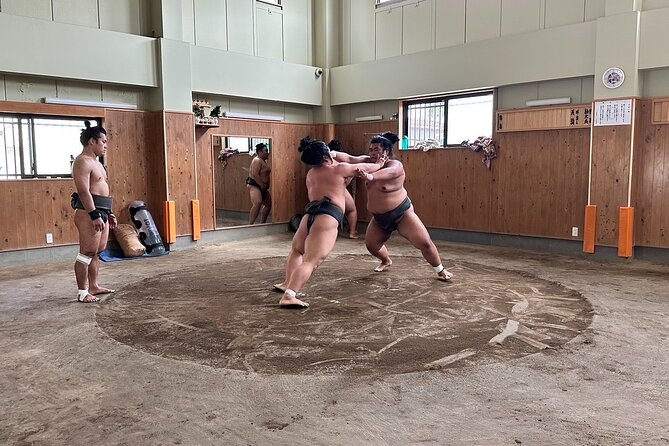
A tournament gives you the spectacle: music, formal bouts, a packed arena, and the drama of a public contest. This experience gives you the daily work behind that spectacle. You see repeated drills, intense exertion, stretching, instructions from the coach, and the disciplined routine that makes a bout possible.
That difference matters. You are not simply watching two wrestlers collide for a few seconds. You are seeing how the athletes prepare, how strength and footwork work together, and how much effort goes into what can look like a short match.
The guides add useful context. Ryoko has explained sumo history, rules, and terminology during the train ride. Tomer has translated comments from the stablemaster and helped explain the wrestlers’ daily lives. Haru, Tammy, and other Omotenashi-Japan guides have also led groups, so your guide may vary by date.
You do not need to follow sumo already. The explanations are aimed at curious newcomers, and you will have a better time if you arrive knowing little but asking questions.
More sumo mornings:
- Tokyo: Sumo Show Experience with Chicken Hot Pot and a Photo
★ 4.8 · 6,678 reviews - Tokyo: Sumo Show and Dining Experience
★ 4.8 · 2,742 reviews - the SUMO show
★ 5.0 · 1,960 reviews
Meeting at Ueno Station at 7:45 a.m.
The tour begins at the JR Information area of Ueno Station. This is a sensible meeting point because Ueno is a major transport hub, but it is still a large station. Give yourself enough time to find the correct area rather than arriving at the last minute.
The group leaves in the morning for Matsudo Station, a train journey listed at about 19 minutes. From there, you continue to Kunugiyama Station, which takes about 15 minutes. The route is part of the experience, since the guide can begin explaining sumo before you reach the stable.
Your round-trip JR fare is not included. The total is ¥1,060, or roughly $7, so this is not a major extra cost, but you should carry enough money or have a working transit card. The tour ends back at the original meeting point.
The early start is the tradeoff for seeing morning practice. Sumo stables follow their own schedule, and the visit is built around the athletes’ training rather than a convenient sightseeing timetable. If you are dealing with jet lag, this may be a tough first morning in Tokyo. If you can manage it, the timing is worthwhile.
The train ride gives you useful sumo basics

The train journey is not dead time. Guides have used it to explain the history of sumo, common terms, rules, customs, and the place of the sport in Japanese culture. That preparation helps you understand what you are seeing once the practice begins.
Without an introduction, the drills can look like a series of powerful shoves. With some background, you can watch for balance, foot placement, agility, tactics, and the different ways wrestlers use their bodies. One of the most useful lessons from the experience is that size alone does not decide a contest.
The train ride also gives you a chance to ask practical questions before entering the stable. For many people, this is easier than trying to ask questions while training is underway.
Inside Asahiyama beya, the closest view comes first
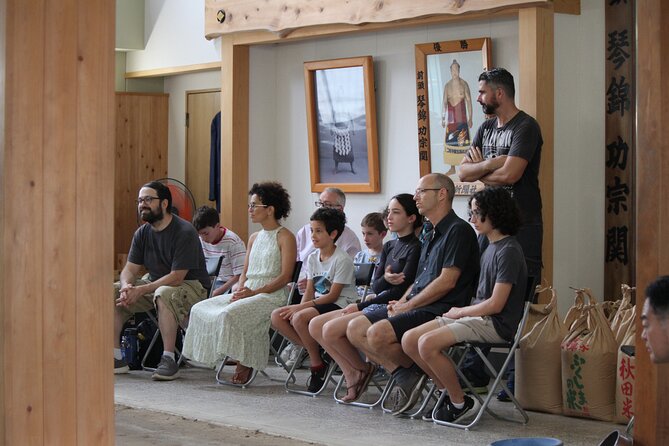
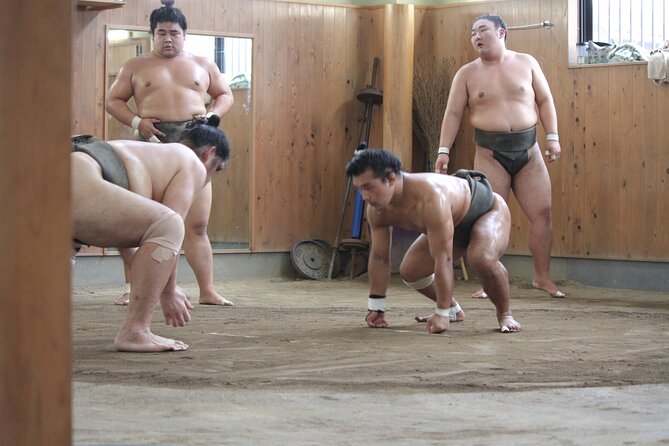
The main visit takes place at Asahiyama beya, a sumo training stable. You are seated on chairs close to the practice area, giving you a front-row view of the action. The listed stable portion lasts about two hours, though the actual practice schedule can vary.
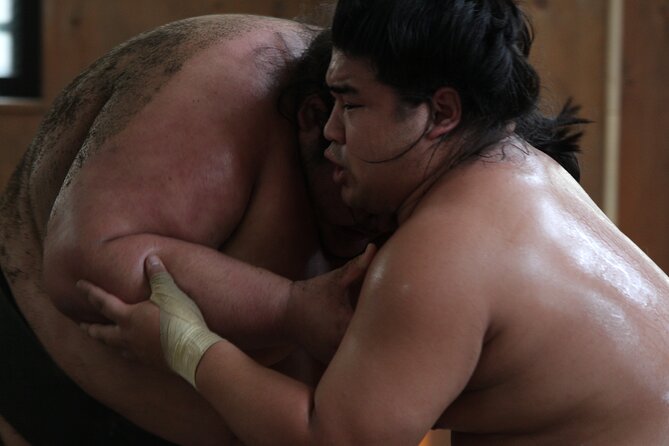
Expect the training to feel serious. You may see repeated bouts, drills, stretching, and instructions from the stablemaster or coach. The wrestlers are working, not performing a show for the group, so there can be quiet stretches as well as sudden bursts of force.
This is where the experience feels most special. You are close enough to notice the physical effort and the contrast between raw power and controlled movement. One family account described watching the coach from the side while the wrestlers trained, which gives you a sense of the setting: you are observing a working practice, not sitting in a theater.
You should follow the stable’s rules closely. Remain seated when asked, keep your voice down during practice, and wait for permission before taking photos. Photography is allowed at the end of the session, which keeps cameras from distracting the wrestlers while they train.
A few more Tokyo bookings worth comparing
- Mt Fuji and Hakone 1-Day Bus Tour Return by Bullet Train
★ 5.0 · 26,383 reviews - 1-Day Tokyo Bus Tour
★ 5.0 · 14,250 reviews - Tokyo: TOKYO SKYTREE® Admission ticket
★ 4.5 · 11,192 reviews - Tokyo: teamLab Planets TOKYO Digital Art Museum Entry Ticket
★ 4.6 · 9,779 reviews
The hands-on part is fun, but keep expectations realistic
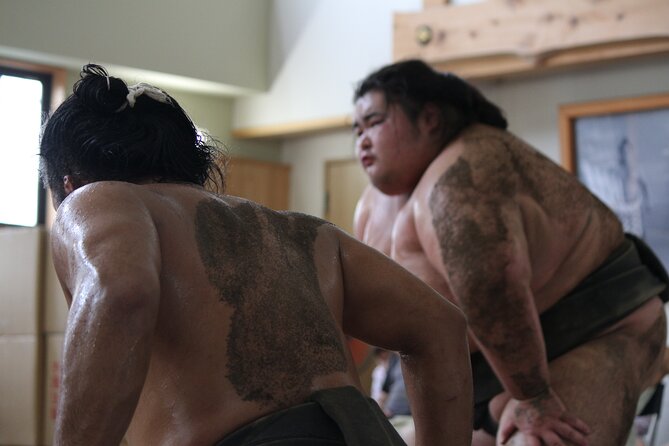
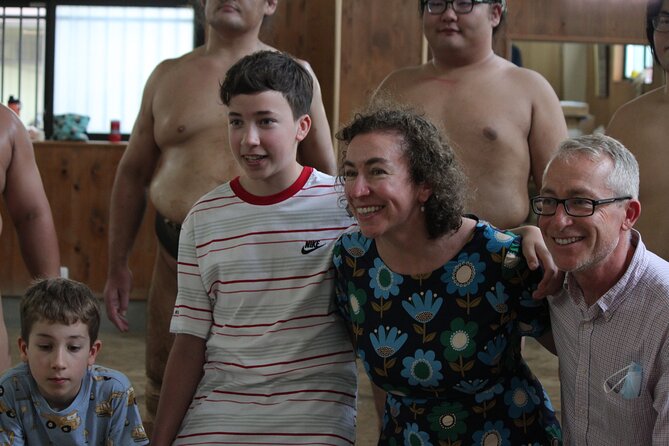
After the practice, the interaction becomes more relaxed. You may ask questions, hear about the wrestlers’ paths into sumo, and try a friendly push against one of them. Children have taken part, and families have especially enjoyed this section.
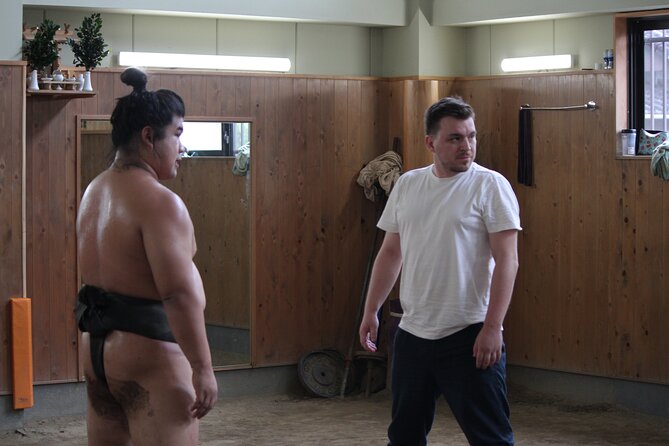
The push is not a wrestling match. It is a short strength test, and the point is to feel how immovable a trained sumo wrestler can be. You might push with all your strength and barely shift him. That makes for a good photo and a better understanding of the physical difference between a professional rikishi and an ordinary visitor.
The wrestlers are described as friendly and gracious during this part of the visit. Some speak English, while the guide can translate questions and answers when needed. The interaction is one of the tour’s strongest features because it turns an observation into a personal encounter without pretending that you are taking part in a real bout.
Photos are allowed at the end. If you want a particular group picture, ask the guide when the photo period begins so you do not miss it.
Chanko nabe makes lunch part of the lesson
Lunch is included, and the meal centers on chanko nabe, the stew linked with the sumo stable diet. It is generally described here as a light broth with vegetables and chicken, though the exact preparation may vary.
I like this inclusion because it connects food with the athletes’ daily routine. You are not just eating a generic Japanese lunch after a cultural activity. You are trying a dish associated with the people and setting you have just seen.
The meal has also been a pleasant surprise for families and children. It is hearty but not presented as an intimidating food challenge. Vegetarian meals are available, but you must notify the operator at least three days in advance. Do not wait until the morning of the tour, since the meal is prepared with prior notice.
The food is not the sole reason to book this experience, but it gives the morning a satisfying finish and helps explain how sumo culture extends beyond the ring.
How much time and money should you allow?
The tour lasts about four hours, starting at 7:45 a.m. The stable visit itself is listed at two hours, with train travel on either side and time for the meal and interaction. You return to Ueno Station when the activity ends.
The advertised price is $105.71 per person, with the ¥1,060 train fare added separately. That makes the total cost higher than a simple morning sightseeing walk, but the price includes access that you generally cannot arrange as a casual visitor, a guide, the practice viewing, the hands-on session, and lunch.
For me, the value rests on the access. If you only want to see sumo once from a distance, a tournament ticket may suit you better. If you want to understand how the wrestlers train and eat, and you value a small, guided cultural visit, the cost is easier to justify.
The group can contain up to 26 people. That is still manageable, but it is not a private tour. The experience may feel more personal when fewer people book that date. One group happened to have only a very small number of participants, but you should not assume that will happen on your departure.
Communication is the one area where you need to be careful
Most of the practical risk comes before the tour begins. The meeting time is early, the stable is outside central Tokyo, and missing the group at Ueno can create a serious problem. One delayed party lost most of the practice after difficulty receiving last-minute directions and had to travel separately by taxi.
The lesson is simple: confirm the meeting details before the morning of departure. The operator may use WhatsApp for updates, so check whether your phone can receive those messages. Also check the booking platform for written instructions, and make sure every member of your group knows the exact meeting time and place.
If you arrive late, do not assume the guide can hold the group. The tour depends on the stable’s schedule and the train connection. A taxi from central Tokyo to the stable may be expensive, and arriving late can mean missing the main training session.
This is not a reason to reject the activity. It is a reason to treat the meeting instructions as seriously as the train timetable.
Who will enjoy this Tokyo sumo experience?
I would recommend it most strongly to:
- Families with children interested in sport or Japanese culture
- First-time sumo viewers who want rules and customs explained
- Visitors who prefer working cultural settings to staged shows
- Anyone curious about the wrestlers’ training and daily routine
- People who enjoy asking questions and taking part in a short activity
- Sumo fans who cannot visit Tokyo during a tournament
It suits a wide age range, and children under 15 have taken part successfully. The activity is not only for people who already know the difference between a tachiai and a mawashi. You can arrive as a beginner and still follow the morning.
You should think twice if you dislike early starts, train transfers, seated observation, or set group schedules. You also need to be comfortable with the possibility that practice length and timing may change slightly.
What the 98 percent recommendation means in practical terms
The experience has a five-star rating based on 111 reviews and a 98 percent recommendation rate. The most consistent praise focuses on three things: the guides, the stable access, and the chance to interact with the wrestlers.
Guides such as Ryoko are repeatedly praised for explaining sumo clearly and helping with the rest of a Tokyo itinerary. That extra assistance can be useful after the tour, especially if you need directions to your next stop. Tomer has been singled out for translating and explaining what the stablemaster tells the wrestlers.
The stable itself is also a major part of the appeal. The wrestlers welcome questions after practice, and the setting feels connected to real daily training. The chance to see the athletes close up, then try pushing one, is the feature families tend to remember.
There is one three-star account centered on missed communication and a late arrival. Since the tour begins at a precise time and the stable is reached by train, this is a fair warning rather than a minor complaint. Confirm the details, arrive early, and you can remove the most avoidable source of stress.
Booking, cancellation, and practical details
Confirmation is provided at booking, and the activity is near public transportation. Most people can participate, though the supplied details do not give a more specific accessibility description.
Free cancellation is available up to 24 hours before the local start time. Cancellations or changes made less than 24 hours ahead are not accepted for a refund. The experience also requires a minimum number of participants, so if the operator cancels, you are offered another date or activity, or a full refund.
The tour uses a mobile ticket. Bring your booking information, your train fare, and a phone that can receive any last-minute communication.
Should you book the Sumo World in Tokyo experience?
Yes, if you want a close look at sumo as a way of life rather than only a public contest. The morning combines serious practice, clear cultural explanation, a friendly strength test, photographs, and chanko nabe in a way that feels connected to the stable.
Book it well ahead if it fits your schedule, since the average booking time is 23 days before the date. Before you go, confirm WhatsApp or other messages, arrive at Ueno early, and request a vegetarian meal at least three days in advance.
Skip it if you need a flexible morning or are mainly seeking a full tournament atmosphere. For everyone else, this is one of Tokyo’s more unusual cultural experiences, with enough real contact and useful explanation to make the price worthwhile.
FAQ
Where does the sumo tour meet?
The meeting point is the JR Information area at Ueno Station, 7 Chome-1 Ueno, Taito City, Tokyo. The start time is 7:45 a.m.
How long does the experience last?
The full activity lasts approximately four hours and ends back at the Ueno Station meeting point.
How do I reach the sumo stable?
The group travels by JR train from Ueno to Matsudo Station, then continues to Kunugiyama Station. The listed journey times are about 19 minutes and 15 minutes, not including transfer and meeting time.
Is the train fare included?
No. The round-trip JR fare costs ¥1,060, approximately $7, and is paid separately.
Is lunch included?
Yes. Lunch is included and features chanko nabe. Vegetarian service is available if you notify the operator at least three days in advance.
Can I take photos with the wrestlers?
Photography is allowed at the end of the training session. The tour also includes an opportunity to take photos with the wrestlers after practice.
Can I try sumo wrestling?
You can take part in a friendly attempt to push one of the wrestlers. This is an interactive strength test rather than a formal match.
What happens if I need to cancel?
You can cancel up to 24 hours before the local start time for a full refund. Cancellations or changes made less than 24 hours before the start are not refunded.
New on our Tokyo list
- From Tokyo: Mount Fuji & Hakone Full Day Private Tour★ 4.9 · 25 reviews
- Tokyo Spectacular View Day-Cruise in 90 Minutes★ 5.0 · 25 reviews
- Real Tokyo Runner Club : Daikoku Car Meet Night Tour with JDM Car★ 5.0 · 25 reviews
- 2.5 Hour-Guided Cycle Tour in the Central Tokyo★ 5.0 · 25 reviews
- Ramen Making from Scratch +Akihabara Tour –Cooking Class★ 5.0 · 25 reviews
- [Self-Drive] Tokyo & Daikoku Custom Car Driving Tour★ 4.9 · 25 reviews
- Tokyo: 2-Hour Night Bike Tour of the City’s Hidden Gems★ 4.9 · 25 reviews
- Buddha, Bamboo & Zen – Bespoke Kamakura Private Walking Tours★ 5.0 · 25 reviews
Sumo Experiences, compared.
Sumo Show Experience with Chicken Hot Pot and a Photo
Read our review →
Tokyo Shinjuku Sumo Show & Experience with Photo
Read our review →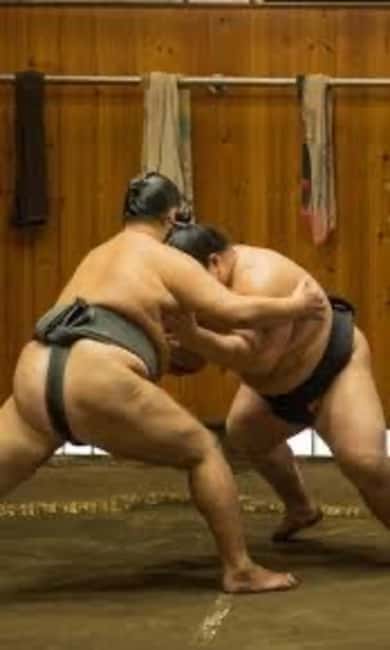

Authentic Sumo Experience in Tokyo: Enter the Sanctuary
Read our review →
Luxury Sumo Show Experience & Japanese cuisine & Drink
Read our review →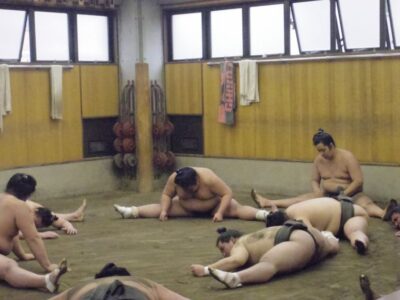
Browse the lists this tour appears in