
Reviewed · TEMPLE & SHRINE TOURS
From Kamakura: Daibutsu Hiking Trail Tour with Local Guide
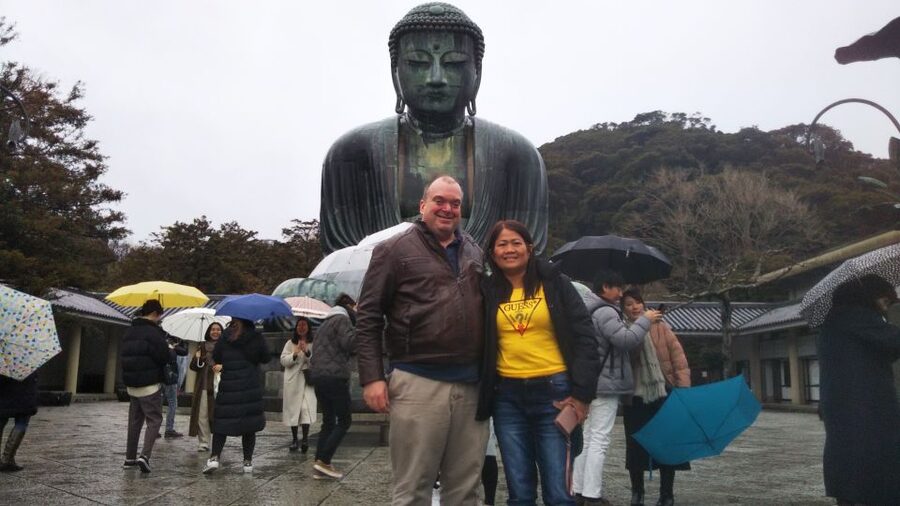
Kamakura’s Daibutsu Trail gives you something a standard temple visit cannot: a walk through wooded hills linking the city’s best-known sights. You can see the Great Buddha, pass the money-washing shrine at Zeniarai Benten, and reach major Zen temples while learning how Kamakura became the home of Japan’s samurai.
I like the private format, since your guide can slow down for a child, adjust the route in hot weather, or add a tea ceremony suggestion, as Shingi did for one family. I also like the chance to meet guides such as Shinji, Seizo, Andy, Michio, or Hiro, though your assigned guide will vary. The main catch is practical: the $151 price excludes meals, entry fees, and transport, and pickup is available only in Kamakura, not Tokyo.
In This Review
- Key points to know before you book
- Why the Daibutsu Trail is the right way to see Kamakura
- Meeting your guide in Kamakura
- Walking the 6-kilometer Daibutsu Trail
- Zeniarai Benten and the money-washing custom
- Jufuku-ji, the first of Kamakura’s five important Zen temples
- Engaku-ji and Kencho-ji for a fuller temple day
- The Great Buddha as the southern anchor
- What the private guide adds
- Is $151 a fair price?
- Weather, fitness, and practical planning
- Who should book this Kamakura walk?
- Should you book the Daibutsu Trail Tour?
- FAQ
- How long is the Daibutsu Trail?
- Where does the tour pickup take place?
- Are meals, drinks, admission fees, and transportation included?
- Can the tour route be customized?
- Is the tour available in English?
- What happens if I need to cancel?
Key points to know before you book
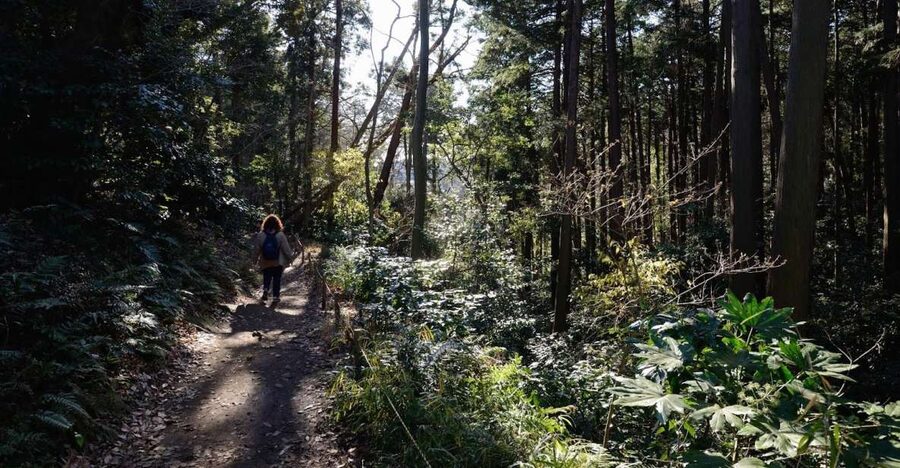
- The 6-kilometer Daibutsu Trail links two famous ends of Kamakura: the Great Buddha in the south and Jochi-ji Zen temple in the north.
- Your route is private and adjustable: tell the local partner what you want to see, when you want to start, and where you are staying.
- Zeniarai Benten adds a memorable local custom: you can wash money at this unusual shrine after leaving the main trail.
- The tour can include several major Zen temples: Jufuku-ji, Engaku-ji, and Kencho-ji are possible additions.
- Kamakura pickup matters: your guide meets you at a hotel or station in Kamakura, not in Tokyo.
- Extra costs add up: food, drinks, admission fees, and public or private transport are not included.
Why the Daibutsu Trail is the right way to see Kamakura
Kamakura is only about an hour from Tokyo, yet its pace feels different. The city is tied closely to the rise of the samurai government, and its temples and shrines are spread between the coast, neighborhoods, and wooded hills.
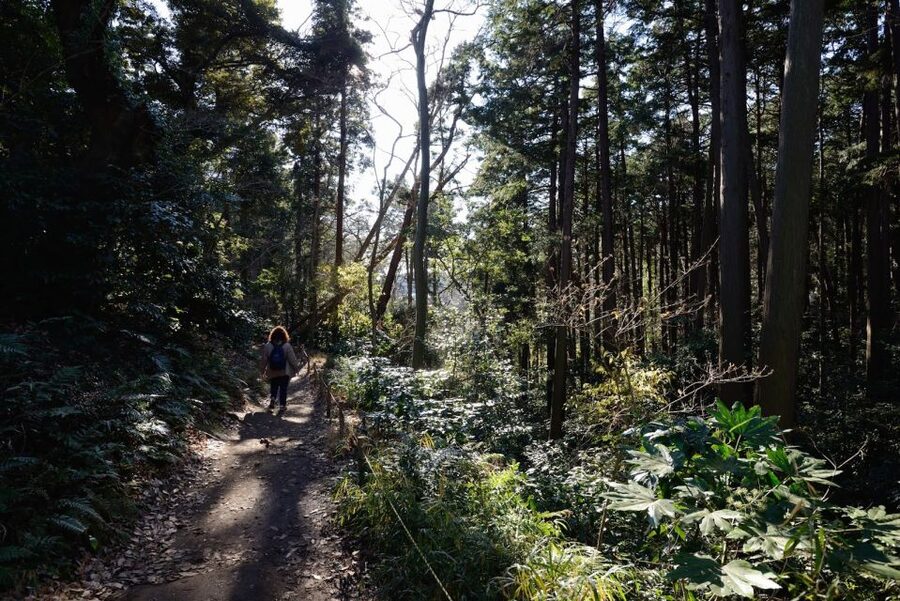
The Daibutsu Trail makes a natural backbone for a day here. It is about 3.7 miles, or 6 kilometers, and runs between the Great Buddha and Jochi-ji. You are not simply ticking off religious buildings by train. You are walking between them, with the hills providing a welcome break from city streets.
I like that the route has room for choices. You can focus on the main trail and the Great Buddha, branch off to Zeniarai Benten and Jufuku-ji, or spend more time around Engaku-ji and Kencho-ji. A private guide is useful here because the best version of the day depends on your interests, energy, and the weather.
The walk is not presented as a technical mountain hike, but it is still a proper hill trail. Comfortable shoes and clothes are essential. Carry cash, since admission fees and other expenses are paid separately.
More Temple & Shrine Tours in Kamakura
- Tokyo: Kamakura & Enoshima Day Trip including Temple Tickets
★ 4.5 · 1,375 reviews - Kamakura Historical Walking Tour with the Great Buddha
★ 5.0 · 129 reviews - Kamakura Private Tour: Temples, Nature, and the Great Buddha
★ 5.0 · 121 reviews
Meeting your guide in Kamakura
Your guide waits 10 minutes before the agreed pickup time in your hotel lobby or at the station you request. Pickup on foot from your accommodation is included if it is within a reasonable distance.
This arrangement works well if you are already staying in Kamakura or have arrived there before the tour. It does not work as a door-to-door Tokyo excursion. You need to make your own way to Kamakura first, and transportation during the day is also separate.
That detail is easy to miss when planning. If you are based in Tokyo, allow time and money for the journey to Kamakura before the six-hour tour begins. The guide will not collect you in Tokyo.
The guide speaks English or Japanese, depending on the person assigned. The team contacts you by email before the experience to confirm the meeting point and other details. Since the guide is not confirmed instantly, it is wise to watch for that message rather than assume every booking is already finalized.
Walking the 6-kilometer Daibutsu Trail
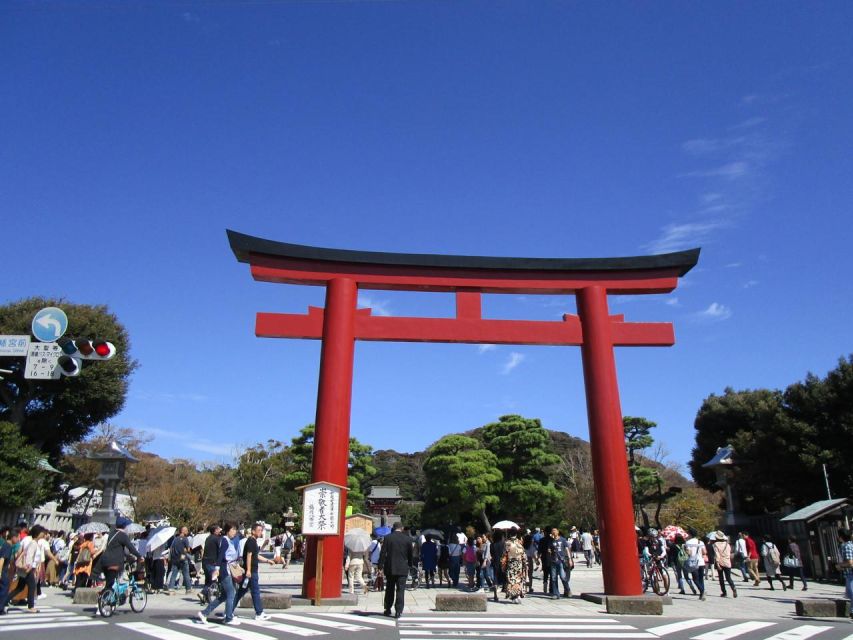
The trail is the heart of the day. It runs between the Great Buddha at the southern end and Jochi-ji toward the north, crossing the wooded hills behind Kamakura.
The best part of this route is the change of setting. One moment you are near a major temple or shrine, and soon you are on a forested path with the breeze moving through the trees. That shift gives you a better sense of Kamakura than a string of short taxi or train rides.
Your guide can explain the religious and political background as you walk. This matters because Kamakura’s sights are not just pretty old buildings. The city was a major center of samurai power, and its Zen temples were connected to that world. A guide can help you understand why these places matter instead of leaving you to guess from signs.
The trail can feel warm in summer. Seizo handled an August outing by making sure the group could see what it wanted without overheating. That is a useful example of the private format at its best, though you should still carry water and dress for the season. Food and drinks are not included.
The route may also be adjusted for personal needs. Andy helped make a meaningful day for a family whose child became unwell, even though the outing had to end early. That does not promise a particular accommodation, but it shows why having one guide for your group can be more practical than joining a fixed schedule.
Zeniarai Benten and the money-washing custom
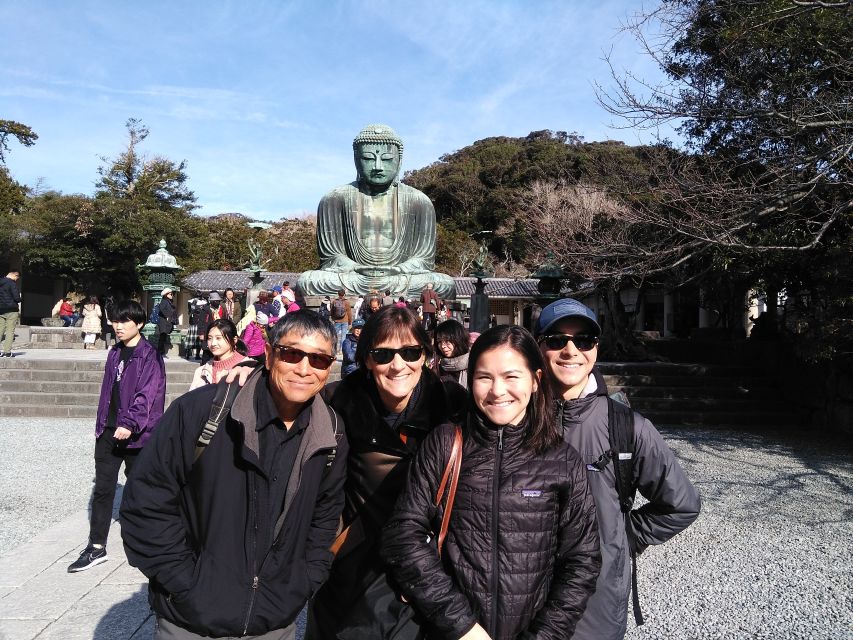
A branch from the Daibutsu Trail leads to Zeniarai Benten, one of Kamakura’s most distinctive stops. The shrine is known for washing money, a custom that gives the visit a playful, hands-on quality.
You should ask your guide how much time makes sense here. Adding Zeniarai Benten gives the day more local character, but every detour uses time that could otherwise go toward another temple or a longer walk.
This is one place where a private guide earns its keep. You can ask what the custom means, how it fits into local belief, and how the shrine connects with the rest of Kamakura’s sacred sites. Without that context, you might wash a coin and move on without understanding why the practice remains memorable.
From Zeniarai Benten, the route can continue toward Jufuku-ji. The tour does not force every possible stop into the day, so tell the partner in advance if this shrine is high on your list.
More temples and shrines near Kamakura:
- From Tokyo Kamakura, Hachimangu Shrine and Enoshima Full Day Tour
★ 4.5 · 36 reviews - Day Trip to Kamakura & Enoshima: Shrines, Seaside, Temples & Tea
★ 5.0 · 32 reviews - Kamakura Temples Private Guided Tour from Tokyo
★ 4.8 · 21 reviews - Kamakura Bamboo Forest and Great Buddha Private Tour
★ 5.0 · 12 reviews
Jufuku-ji, the first of Kamakura’s five important Zen temples
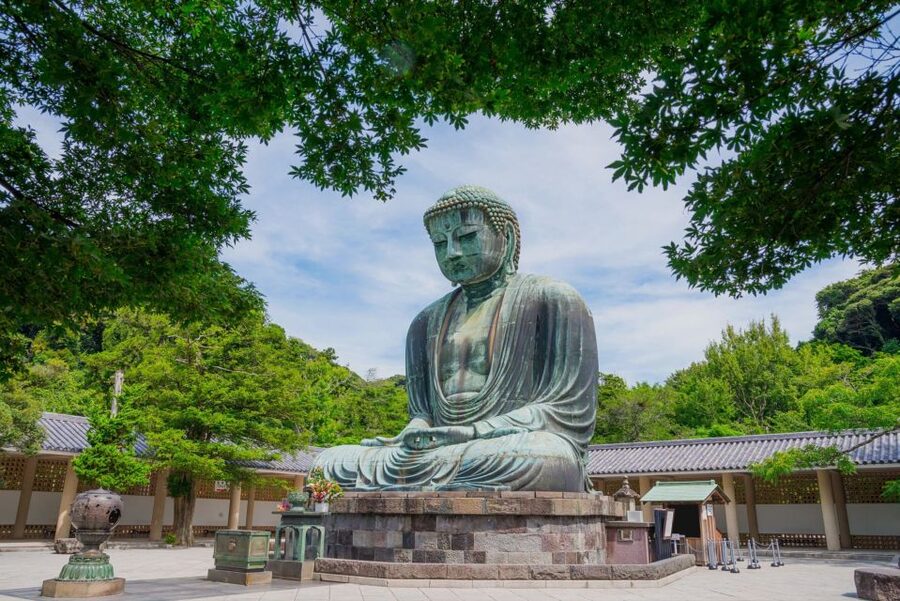
Jufuku-ji is described as the first of Kamakura’s five important Zen temples. Its place on the route makes it a strong choice for anyone who wants the religious side of Kamakura explained, not just the famous statue.
The temple is one of several possible stops near the trail. Your guide can connect Jufuku-ji with Engaku-ji and Kencho-ji, giving you a wider picture of Kamakura’s Zen tradition.
Keep in mind that entrance fees are not included. The exact stops and admission costs can depend on the personalized plan, so ask the local partner what you expect to visit before the day begins. The guide can then build the six hours around your priorities rather than trying to squeeze every name into a rushed itinerary.
Engaku-ji and Kencho-ji for a fuller temple day
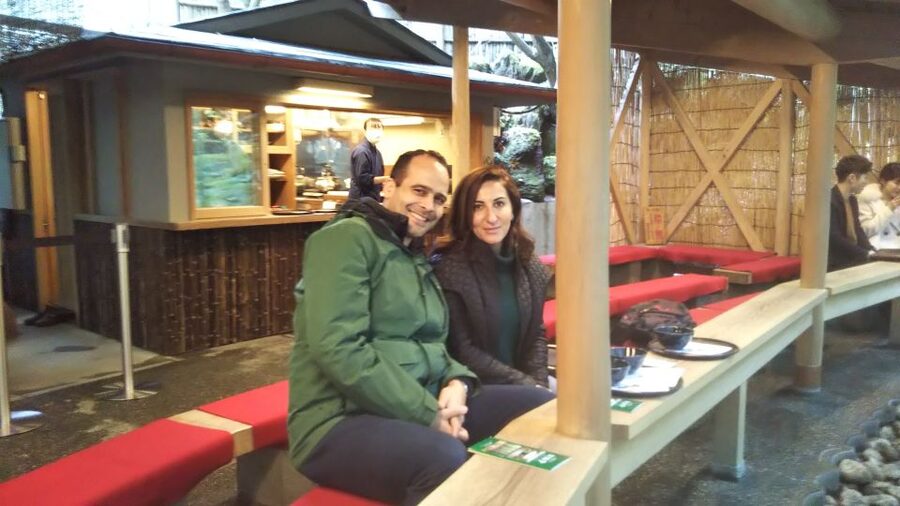
Engaku-ji and Kencho-ji are nearby options that can extend the cultural part of the outing. They are useful additions if your main goal is to compare Kamakura’s major Zen temples and learn how they fit into the city’s past.
A guide can help you decide if both belong in the same day. If you want a relaxed trail walk, the full set of temple stops may make the schedule feel tight. If temples are your main interest, you may prefer less time on side streets and more time at these sites.
Kencho-ji also offers a choice for stronger walkers. From there, you can continue on the Tennen Trail for a longer hike, ending near the fifth and last of Kamakura’s five important temples. This extension is not the basic route, so it should be treated as an option rather than a guaranteed part of the six-hour outing.
That flexibility is valuable, but it also means you should communicate clearly. Tell the partner if you want the longest possible hike, the main temples, the Great Buddha, or a gentler day with more explanation.
The Great Buddha as the southern anchor
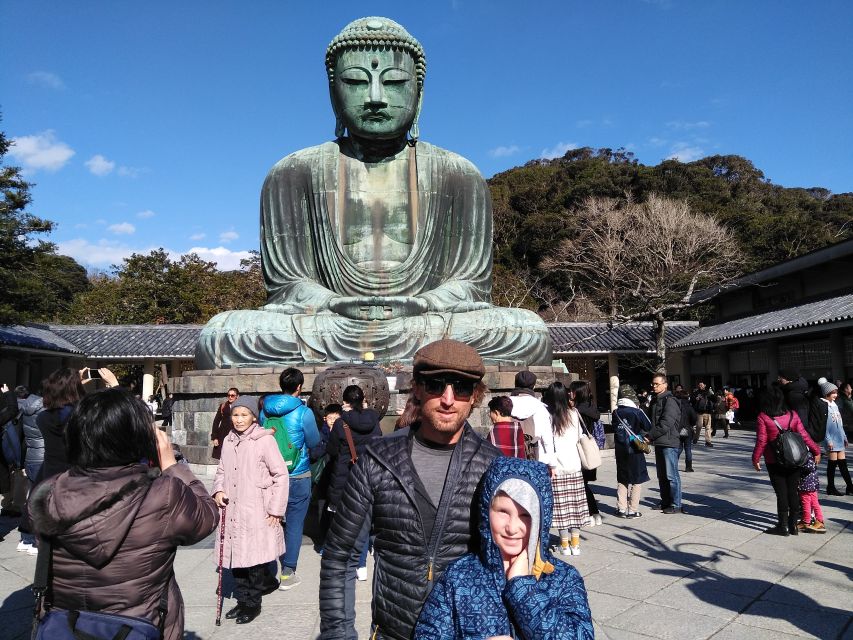
The Great Buddha, or Daibutsu, is the southern end of the trail and the sight most people associate with Kamakura. It gives the walk a clear goal and provides a fitting finish or starting point, depending on how your guide arranges the route.
The tour description does not promise a set direction. Your guide may plan the day around your meeting point, interests, and other stops. If seeing the Great Buddha is essential, say so when the itinerary is being arranged.
Admission fees are separate, as are transport costs during the tour. You should carry cash, especially since the day includes shrines and temples where small expenses may arise. The guide can explain the sites, but you pay the entry charges yourself.
The Great Buddha is also a good reason to choose this tour over a hike with no guide. You get both the outdoor route and the city’s best-known cultural landmark, with someone available to explain what you are seeing.
What the private guide adds
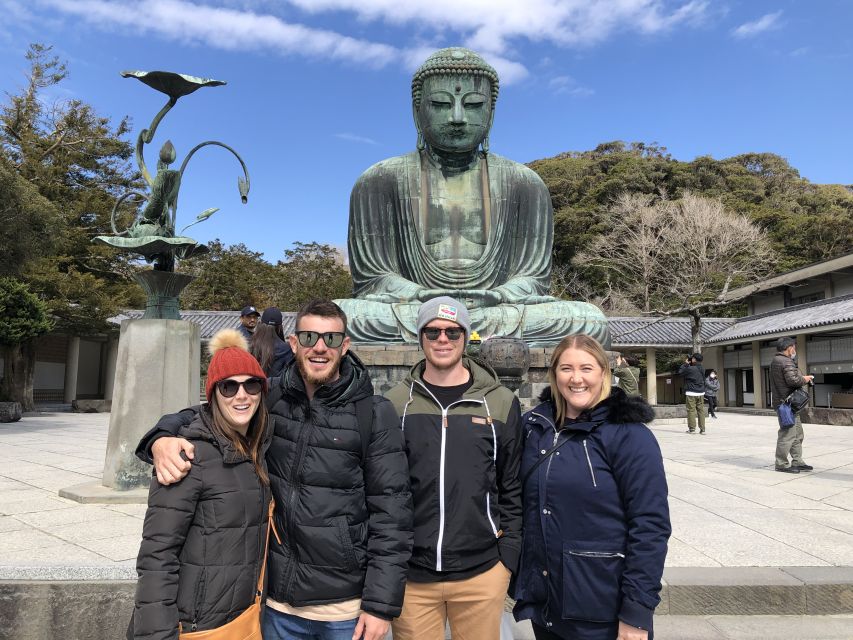
The guide is the biggest variable in the experience, but the published feedback points to several qualities you should value. Shinji was praised for clear communication and professional service. Seizo adapted the day in very hot weather. Andy communicated well before the meeting and helped a family keep the day worthwhile when a child fell ill.
Shingi led a group to beautiful shrines and the Great Buddha, offered useful local suggestions, and recommended a matcha tea ceremony. Michio was attentive to a solo participant, while Hiro explained many interesting details about the city. Nik also handled a language difference well during a birthday gift experience.
Your guide may be someone else, and no tour can guarantee a particular person unless the provider confirms it. Still, these examples show what you should expect from the format: explanations tailored to your questions, a route that can change, and help with practical choices during the day.
The guide is licensed nationally, and the experience is offered in English or Japanese. The group remains private, so you do not share the schedule with strangers.
Is $151 a fair price?
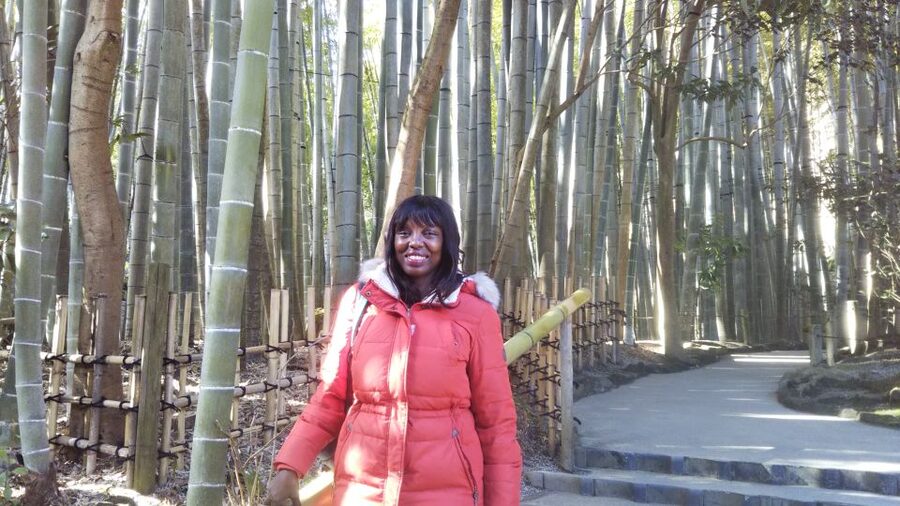
At $151 per person, this is not the cheapest way to walk around Kamakura. You still pay for food, drinks, entrance fees, and public or private transportation during the tour.
The value comes from the six hours of private guiding and route planning. If you are a small group that wants historical and cultural explanation, the cost can make sense. You are paying for a licensed local person who can combine the trail with the sights that matter most to you.
The price is harder to justify if you only want to follow the basic trail independently or spend a short time at the Great Buddha. Kamakura has sights you can visit without a guide, and the tour does not include admission or transport.
I would compare the price with the cost of separate guide services, local transport, and the time you might spend working out the route yourself. For families, first-time visitors, or anyone who wants a flexible day, the private structure is the strongest reason to book.
Weather, fitness, and practical planning
Bring comfortable walking shoes and clothes. The trail includes hills, and the tour is not a flat temple stroll.
Summer heat deserves special attention. The August outing with Seizo was adjusted around the temperature, but you should not rely on the guide to solve every comfort issue. Carry water, plan for sun, and tell the partner about concerns before the tour.
The experience can also be adjusted if your group needs a slower pace or has a clear priority. The example of a child becoming unwell shows that flexibility may matter in real use. Still, the tour remains a hiking experience, so anyone unable to manage a six-kilometer hill route should discuss the plan before booking.
Bring cash because the listed price excludes entry fees and transport. The tour does not include meals or drinks, so plan for those separately.
Cancellation is free up to 24 hours before the start for a full refund. The booking is not fully confirmed until a guide contacts you, and the local partner may continue searching for an available guide until 24 hours before the tour. That arrangement gives you flexibility, but it also means you should keep an eye on email and have a backup plan if your schedule is tight.
Who should book this Kamakura walk?
I would choose this tour if you want Kamakura’s main sights explained in one private day and you enjoy walking between them. It suits couples, families, and small groups that want to set the pace instead of following a fixed public itinerary.
It is also a good match if you care about local detail. Zeniarai Benten, Jufuku-ji, the major Zen temples, and the Great Buddha form a fuller picture than visiting one famous statue alone.
I would hesitate if you are looking for a low-cost independent outing, a Tokyo pickup, or a guaranteed list of every temple. The route is flexible, not all-inclusive, and the six-kilometer trail requires suitable shoes and reasonable fitness.
Should you book the Daibutsu Trail Tour?
Book it if you want a private guide, a real hill walk, and the freedom to shape Kamakura around your interests. The strongest features are the trail itself, the guide’s ability to adapt the day, and the chance to combine major sights with less routine stops such as Zeniarai Benten.
Before paying, confirm where you will meet, which temples you want, how much walking your group can manage, and what extra transport and entry fees may apply. If you are already in Kamakura and value personal guidance, $151 can be a fair trade for a well-planned six-hour day. If you are staying in Tokyo and want a simple all-in-one day trip, this is not the right product because Tokyo pickup is not available.
FAQ
How long is the Daibutsu Trail?
The Daibutsu Trail is about 3.7 miles, or 6 kilometers, running between the Great Buddha in the south and Jochi-ji Zen temple in the north.
Where does the tour pickup take place?
Your guide can meet you at your Kamakura accommodation if it is within a reasonable walking distance, or at a Kamakura train station you request. Tokyo pickup is not available.
Are meals, drinks, admission fees, and transportation included?
No. Food, drinks, entrance fees, and public or private transportation used during the tour are paid separately.
Can the tour route be customized?
Yes. You can request particular sights, a preferred start time, and a plan based on your interests. Possible stops include Zeniarai Benten, Jufuku-ji, Engaku-ji, Kencho-ji, and the Great Buddha.
Is the tour available in English?
Yes. The live guide service is offered in English or Japanese.
What happens if I need to cancel?
You can cancel up to 24 hours before the tour for a full refund. The booking is not confirmed until a guide contacts you, and you can cancel without fees if no guide has accepted the tour and you decide not to continue at least 24 hours before the start.
More Hiking & Trekking in Kamakura
- Kamakura One Day Hike Tour with Government-Licensed Guide
★ 4.5 · 12 reviews - Hiking Tour in Enoshima with a Local Guide
★ 5.0 · 4 reviews - Full Day Hiking Tour at Mt.Takao including Hot Spring
★ 5.0 · 52 reviews - Hike Hakone Hachiri
★ 5.0 · 48 reviews
New on our Kamakura list
- 1-Day trip: Kamakura City (Enoshima/Shonan/Beach)★ 4.7 · 3 reviews
- Kamakura Zen: Great Buddha, Nature, Bamboo & Samurai Culture★ 5.0 · 3 reviews
- Kamakura Half Day Walking Tour with Local Experience★ 3.4 · 4 reviews
- Hiking Tour in Enoshima with a Local Guide★ 5.0 · 4 reviews
- Kamakura Tour with Pro Photographer: Anime Train & Fuji Sunset★ 5.0 · 4 reviews
- Kamakura Private Custom Tour★ 5.0 · 4 reviews
- Kamakura Historical and Cultural Day Trip with Local Cuisine★ 5.0 · 4 reviews
- Kamakura Full-Day Private Tour★ 5.0 · 4 reviews
Temple & Shrine Tours, compared.
Meiji Shrine, Asakusa, Skytree Bus Tour and Cruise
Read our review →
Asakusa Walking Tour with Sensoji Temple Visit
Read our review →
Kamakura & Enoshima Day Trip including Temple Tickets
Read our review →
Nikko Toshogu Shrine and Kegon Waterfall Tour
Read our review →
Tokyo Panoramic 1 Day: Meiji Shrine, Asakusa, Odaiba and SKYTREE®
Read our review →
Mt. Fuji Heritage Tour: Traditional Villages, Lakes & Shrine
Read our review →Browse the lists this tour appears in