
Reviewed · KAMAKURA TOURS
From Tokyo: Kamakura Full Day Tour with a Local Expert Guide
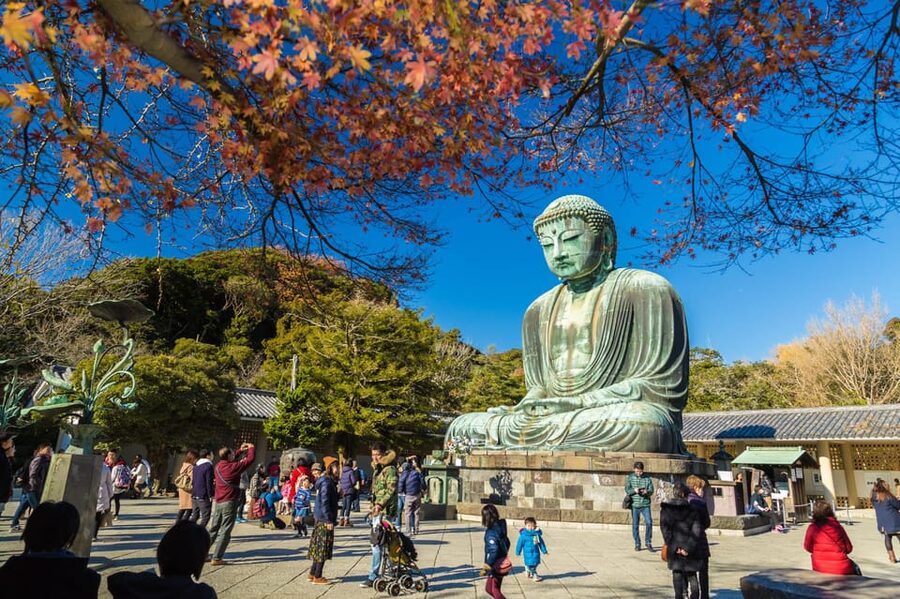
Kamakura’s Great Buddha is the kind of sight that gives this day its shape. The bronze figure is huge, calm, and unexpectedly moving, especially when you learn how much of its story is tied to Japan’s changing religious and political life. From there, shrines, Zen temples, garden paths, shops, and sea views make this a full taste of old Japan outside Tokyo.
I like the private format, since your guide can adjust the day instead of dragging you through every shrine in town. I also like the practical help: Mike has guided visitors to a traditional restaurant and even explained Tokyo’s busy rail system for the next day. The catch is that $116 covers the guide and walking tour, but not transport, meals, admission fees, or possibly your guide’s costs.
In This Review
- Key points to know before you book
- Why Kamakura makes a strong day away from Tokyo
- The Great Buddha gives the day its center
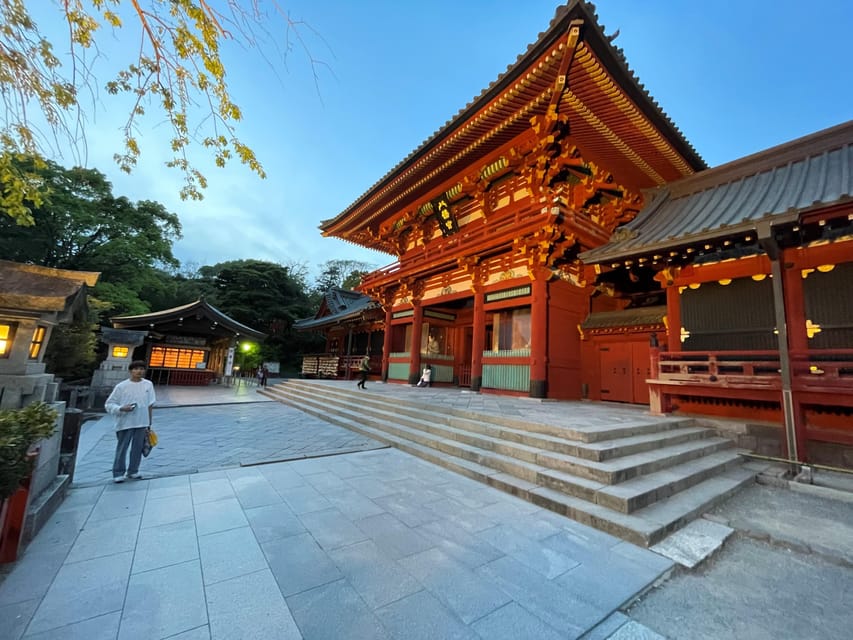
- Tsurugaoka Hachimangu explains Kamakura’s public side
- Zen temples and gardens slow the pace
- Enoshima may add views, but it adds effort
- Local food advice is part of the experience
- The guides are the main reason to choose this tour
- What the $116 price really covers
- Pickup in Tokyo or start in Kamakura
- Walking, access, and the right level of energy
- Flexible plans and cancellation
- Who should book this Kamakura day
- Should you book it?
- FAQ
- Where does the Kamakura tour begin?
- How long does the experience last?
- What languages are available?
- Is this a private tour?
- What sights are included?
- Is Enoshima included?
- Are meals and drinks included?
- Are transportation and admission fees included?
- Can I cancel the booking?
Key points to know before you book
- The Great Buddha makes a powerful first stop: This is the visual highlight for many visitors, with a story that reaches beyond a simple photo opportunity.
- A private guide can change the pace: You can ask for more history, fewer shrines, better food advice, or a route shaped around your interests.
- Kamakura is explored on foot: Expect a full day of walking between temples, shrines, shopping streets, and scenic stops.
- The guide quality is a major part of the value: Florent, Mike, John, Matias, Brian, and others have been praised for warmth, local insight, and flexibility.
- Costs are not all-inclusive: Set aside extra money for transportation, meals, temple and park admissions, and possibly the guide’s food or entry fees.
- Starting in Kamakura can save time: If you are already there, ask to meet locally rather than returning to Tokyo for pickup.
Why Kamakura makes a strong day away from Tokyo
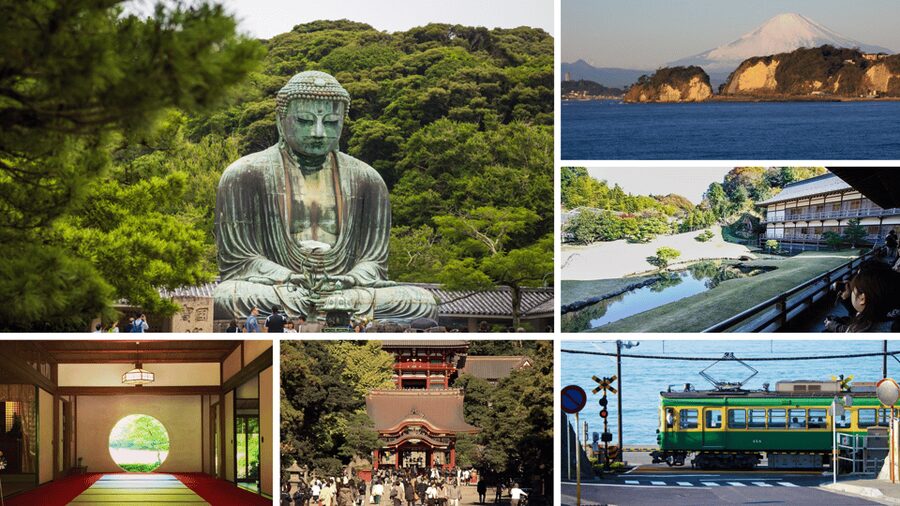
Kamakura gives you a very different Japan from central Tokyo. Tokyo is modern, fast, and enormous. Kamakura is a coastal city where religious buildings, old paths, small shops, and wooded temple grounds fit into a more manageable day.
The appeal is not just the number of sights. It is the way the pieces fit together. A monumental Buddha leads into Buddhist temple grounds. A Shinto shrine brings a different set of customs and symbols. A guide can explain those differences as you move through the town, rather than leaving you to decode every gate, statue, and ritual on your own.
The private-group setup matters here. Kamakura has more than one worthwhile shrine and temple, but visiting all of them can turn into a tiring checklist. Your guide can listen when you say you have had enough of shrine visits, as John did for one couple, and shift attention elsewhere.
The stated duration is eight hours, including the return to Tokyo. That is enough time for a serious look at Kamakura, but it is not a slow, everything-at-once visit. You will get the most from it if you accept that the day will involve walking and keep your expectations focused on a selection of important places.
More Kamakura and Enoshima days:
- Tokyo: Kamakura & Enoshima Day Trip including Temple Tickets
★ 4.5 · 1,375 reviews - Tokyo: Mt. Fuji, Kamakura, Big Buddha, & Lake Ashi Day Trip
★ 4.5 · 867 reviews - From Tokyo: Kamakura & Enoshima 1-Day Bus Tour
★ 4.5 · 189 reviews
The Great Buddha gives the day its center
The Great Buddha, also called the Bronze Buddha in the tour material, is the clearest reason to choose Kamakura. One visitor described beginning with this statue as the moment that made the rest of the day feel like an extra reward. That reaction makes sense: the scale, setting, and quiet expression create an immediate sense of place.
Your guide can add the layer a photograph cannot provide. The tour description also refers to a Buddha with 11 heads, which points to the sort of religious detail that is easy to miss when you visit alone. Ask your guide to explain the figures, the Buddhist ideas behind them, and how the statue fits into Kamakura’s past.
The stop also works well as an introduction because it is visually direct. You do not need much background to appreciate it. Still, the meaning grows when Florent, Mike, John, or another local guide connects the sculpture to Japanese culture and the city around it.
Do not assume the Buddha is the whole tour. It is the anchor, not the finish line. The value of the day comes from linking this major sight with the quieter temples, shrine grounds, food, and local streets that follow.
Tsurugaoka Hachimangu explains Kamakura’s public side
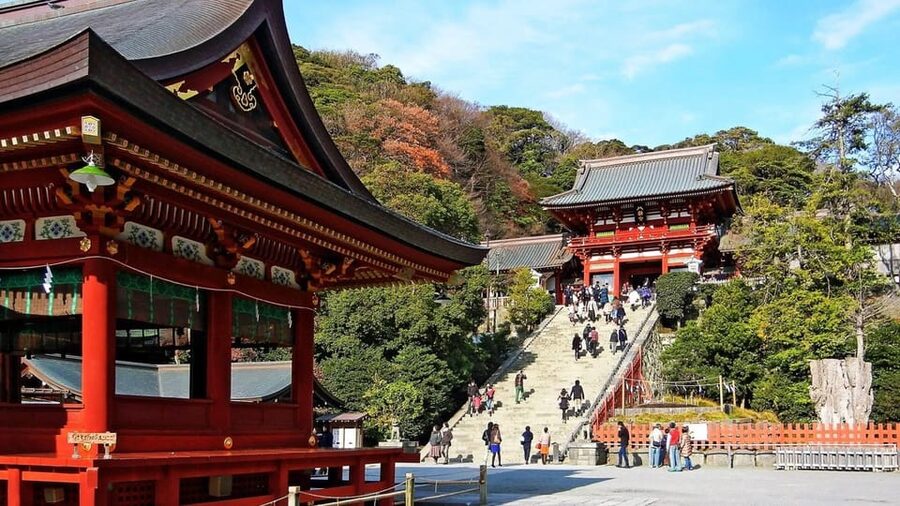
Tsurugaoka Hachimangu Shrine is one of the city’s essential stops. It offers a different experience from the Great Buddha and from the Zen temples, allowing your guide to explain the contrast between Shinto practice and Buddhism.
Expect a guided visit, time for sightseeing, and room to ask questions. The information supplied for this experience does not promise a fixed sequence of buildings or ceremonies, so the exact focus may change with the guide and the day. That flexibility is useful if you already know something about Japanese religion or if you want a simple introduction.
The shrine is also part of Kamakura’s wider story. Rather than treating it as a pretty backdrop, ask why it matters to the city and how its traditions differ from what you saw at the Buddha. This is where a local guide can make the visit feel connected instead of repetitive.
If you prefer temples to shrines, tell your guide early. The private format is designed for that sort of adjustment. One couple specifically asked for fewer shrine visits, and the guide adapted the route.
Zen temples and gardens slow the pace
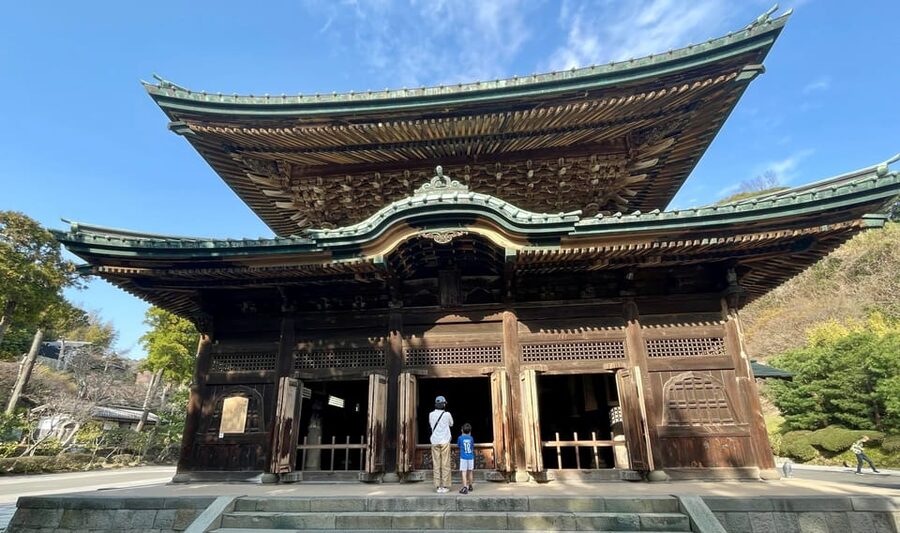
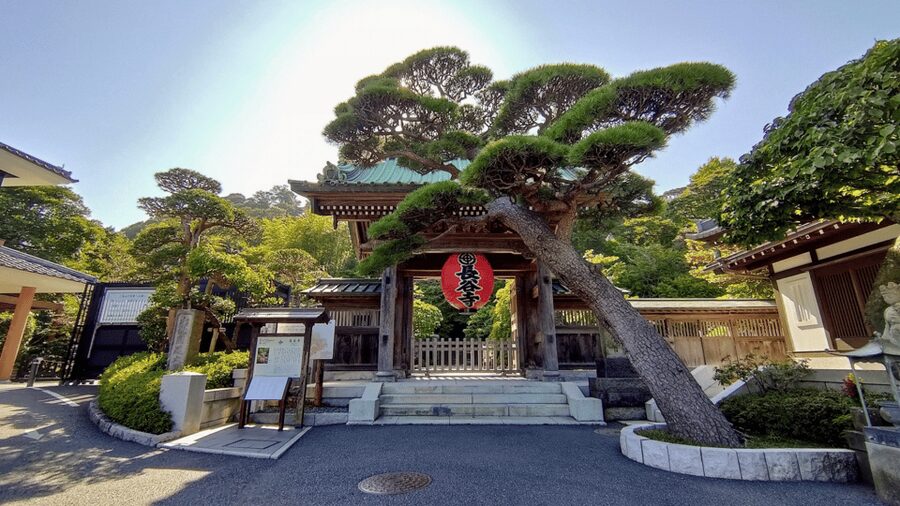
Kamakura’s Zen temples provide the quieter section of the day. The tour includes temple visits surrounded by gardens, so you can expect a change from major monuments to smaller details: arrangement, atmosphere, religious symbols, and the relationship between buildings and nature.
I like this part because it gives your day some breathing room. The Great Buddha and Tsurugaoka Hachimangu are major sights, but a temple garden can show you a more restrained side of Japanese culture. Your guide can point out what to notice and answer questions that signs may not cover in English.
Admission charges are extra, and the tour does not promise a set number of temples. That is worth keeping in mind when comparing the price. You are paying for access to a guide who shapes the experience, not for a bundled pass covering every entry.
The walking can catch up with you here. One visitor described the day as involving a lot of walking, while another found the Enoshima stairs especially punishing. Comfortable shoes are a practical necessity, and you should tell your guide if stairs or long distances are a concern.
A few more Kamakura bookings worth comparing
- From Tokyo Kamakura, Hachimangu Shrine and Enoshima Full Day Tour
★ 4.5 · 36 reviews - From Tokyo: Mount Fuji Full-Day Sightseeing Trip
★ 4.5 · 4,970 reviews - Mount Fuji Full-Day Private Tour from Tokyo (Customizable)
★ 4.9 · 1,470 reviews - Tokyo Private Full-Day Tour by Car or Van
★ 5.0 · 684 reviews
Enoshima may add views, but it adds effort
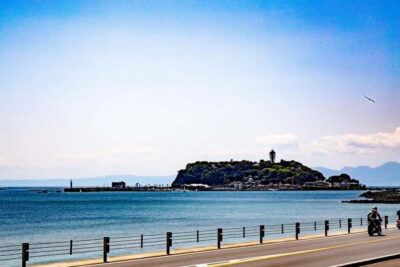
One route included a visit to Enoshima, with a steep climb up and down stairs. Since the published plan describes Kamakura rather than promising Enoshima as a fixed stop, ask about it before the day begins if this island interests you.
The possible benefit is clear: scenic views and a change of setting. The drawback is also clear: extra walking and stairs can drain your energy, especially after several temple and shrine visits.
This is a good example of why the private format helps. You can say yes to the views, no to the climb, or ask for a shorter version if your legs are tired. Do not feel obliged to accept every possible add-on simply because it appears attractive on paper.
Local food advice is part of the experience
Food and drinks are not included, but lunch is not treated as an afterthought. Mike guided one visitor to a traditional restaurant and recommended matcha ice cream. Florent was also praised for choosing good restaurants and offering useful advice about local food.
That can be worth real money in a place where you have limited time. You avoid spending half your lunch break comparing menus, and you can ask for the type of meal you want. Still, the final choice and bill are yours.
There is one cost detail you should clarify before departure. One couple understood that they would pay their own admission, transport, and food, but was unsure whether the guide’s costs were included. The operator resolved the question, but you can save time by asking in advance whether you are expected to cover the guide’s meal, entry fees, or transport.
The guides are the main reason to choose this tour
The strongest part of this experience is the human one. Florent has led the day in French and has been praised for his understanding of Japanese culture and his restaurant choices. He also guides in English, according to the available language information.
Mike has received praise for friendly help beyond the formal sightseeing. Besides explaining local history, he showed a visitor to a traditional restaurant, arranged a good lunch recommendation, and gave practical advice for using Tokyo’s rail network the next day.
John is described as relaxed, pleasant, and well informed. He also adjusted the schedule when a couple wanted fewer shrine visits. Matias answered questions clearly, while Brian received a special recommendation from a visitor who discovered they shared a New Zealand background.
Other guides include Flo, who was praised for being understanding. These details matter because a private tour rises or falls on communication. The guide does not need to deliver a memorized speech. You want someone who can answer your questions, read your pace, and make the city easier to understand.
English and Japanese are the stated tour languages. A French speaking guide was arranged for one booking, but you should confirm language availability for your own date rather than assume it.
What the $116 price really covers

At $116 per person, this is not a cheap sightseeing day once you add all the extras. The listed inclusions are a guide and walking tour. Transportation, food and drinks, and park or temple admission are separate.
The value depends on how much you want from the guide. For a private group, the price buys a tailored day rather than a large coach route. You can ask questions throughout, change the balance between temples and shrines, and request food or navigation help. That is especially useful if this is your first visit to Japan and you want cultural context rather than just a set of photo stops.
The price is less attractive if you only want to see the Great Buddha and take a quick look around. In that case, an independent visit may cost less, though it will not provide the same personal guidance.
Remember that the price is per person, not necessarily a flat group price. If you are traveling with family or friends, compare the total cost for the private group with what you would pay for separate transport, admission fees, and a guide elsewhere.
Pickup in Tokyo or start in Kamakura
The day can begin with pickup in Tokyo, or you can meet the guide in Kamakura. If you are already staying in or near Kamakura, starting locally is the smart choice because it gives you more sightseeing time.
If you begin in Tokyo, transportation costs are not included. The exact transport arrangements are not specified, so ask how the meeting and return will work before booking. Do not confuse the eight-hour duration with eight hours spent inside Kamakura. The journey between Tokyo and Kamakura uses part of the day.
A hotel pickup can be convenient, especially if you are unfamiliar with Tokyo. A local Kamakura meeting point may be better if you are comfortable reaching the city yourself and want to protect every possible minute for sightseeing.
Walking, access, and the right level of energy
This is a walking tour, not a ride between monuments. The route includes sightseeing, photo stops, shopping, scenic views, shrines, temples, and possibly stairs at Enoshima.
The activity is listed as wheelchair accessible, but the supplied details do not explain which exact route, temple grounds, or optional stops are accessible. If you use a wheelchair, ask the operator to confirm the planned route and any stairs before the day.
The tour is not suitable for people over 95. That is the only age restriction provided. More broadly, you should choose this day if you can manage a full schedule on foot, or if you are comfortable asking your private guide to reduce the pace.
Flexible plans and cancellation
You can cancel up to 24 hours before the activity for a full refund. You can also reserve now and pay later, which is useful if you are still arranging a Tokyo itinerary.
Starting times depend on availability. Since the tour lasts eight hours, check the start time carefully and leave room for the return to Tokyo if you have evening plans.
The private format gives you flexibility during the day, but it does not mean every cost is flexible. Admission fees, transport, meals, and possible guide expenses remain outside the listed price.
Who should book this Kamakura day
I would choose this tour if you want Kamakura explained rather than simply photographed. It suits first-time visitors to Japan, couples, families, and small private groups that want to control the pace.
It is also a good match if you care about cultural context. The guide can connect the Great Buddha, Shinto shrine customs, Zen temples, gardens, local food, and the city’s historic role in one day.
You might skip it if your budget is tight, you dislike walking, or you prefer to set your own schedule without paying for a private guide. The extra charges can push the final cost above the advertised figure.
Ask these questions before you commit:
- Will the day include Enoshima, or only Kamakura?
- Which transport costs should you expect to pay?
- Are the guide’s meal and admission fees separate?
- Can the guide focus more on temples, shrines, food, or shopping?
- Is your preferred language available on your date?
Should you book it?
Book this Kamakura private tour if you want a flexible, guide-led day with the Great Buddha at its center and enough time for shrines, Zen temples, food advice, and scenic walking. The 4.6 rating from 43 recorded ratings reflects a strong pattern of satisfaction, especially with guides such as Florent, Mike, John, Matias, Brian, and Flo.
I would not book it blindly as an all-inclusive excursion. Budget for transport, admissions, and meals, then confirm who pays for the guide’s costs. If you accept the walking and understand the extras, the private format offers a useful balance of history, local help, and freedom to shape the day.
FAQ
Where does the Kamakura tour begin?
You can request pickup in Tokyo or meet the guide in Kamakura. Starting in Kamakura can help you maximize sightseeing time there.
How long does the experience last?
The tour lasts eight hours and returns to Tokyo.
What languages are available?
Live guiding is offered in English and Japanese. A French speaking guide was also arranged for one booking, but you should confirm language availability for your date.
Is this a private tour?
Yes. The activity is offered for a private group.
What sights are included?
The experience focuses on Kamakura sights such as the Great Buddha, Tsurugaoka Hachimangu Shrine, Zen temples, gardens, shopping areas, scenic views, and photo stops.
Is Enoshima included?
Enoshima appeared in one route, but it is not listed as a guaranteed stop in the stated Kamakura plan. Ask the operator whether it can be included in your itinerary.
Are meals and drinks included?
No. Food and drinks are not included, although the guide can recommend local restaurants.
Are transportation and admission fees included?
No. Transportation costs and park or temple admission fees are separate. You should also clarify whether you must cover any costs for your guide.
Can I cancel the booking?
Yes. You can cancel up to 24 hours in advance for a full refund. You can also reserve now and pay later.
New on our Kamakura list
- Buddha, Bamboo & Zen – Bespoke Kamakura Private Walking Tours★ 5.0 · 25 reviews
- Yokohama and Kamakura 6hr Private Trip Government-Licensed Guide★ 5.0 · 25 reviews
- Tokyo: Kamakura and Yokohama Private Day Trip with Guide★ 4.6 · 27 reviews
- Private Kamakura plus Yokohama Tour – English Speaking Driver★ 4.5 · 28 reviews
- Day Trip to Kamakura & Enoshima: Shrines, Seaside, Temples & Tea★ 5.0 · 32 reviews
- Kamakura: A Journey Through Medieval Japan★ 4.9 · 32 reviews
- From Tokyo: Kamakura Private Customize Tour by Luxury Van★ 4.6 · 38 reviews
- Exciting Kamakura – One Day Tour from Tokyo★ 5.0 · 40 reviews
Kamakura Tours, compared.
Kamakura & Enoshima Day Trip including Temple Tickets
Read our review →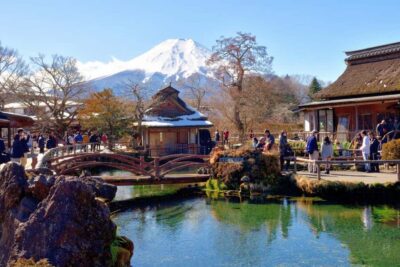
Mt. Fuji, Kamakura, Big Buddha, & Lake Ashi Day Trip
Read our review →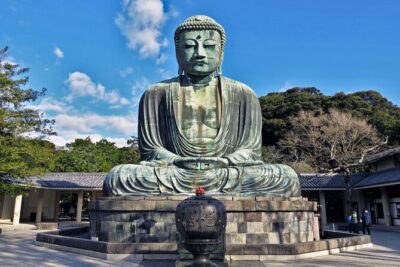
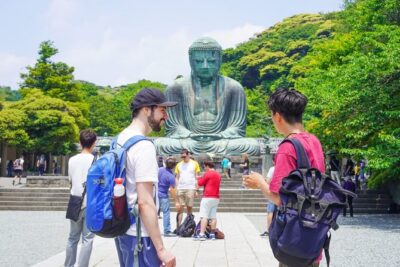
Kamakura Historical Walking Tour with the Great Buddha
Read our review →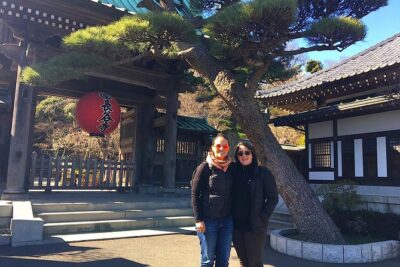
Kamakura Private Tour: Temples, Nature, and the Great Buddha
Read our review →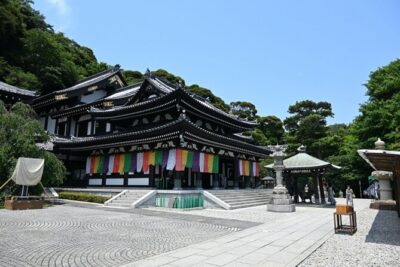
Sea of Mount Fuji, Hakone Ropeway, Ōwakudani, Enoshima
Read our review →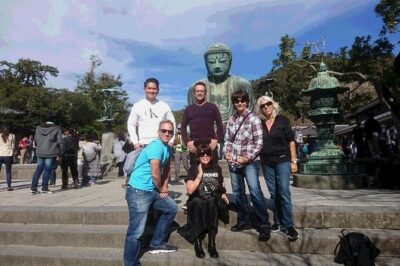
Kamakura 8 hr Private Walking Tour with Licensed Guide from Tokyo
Read our review →Browse the lists this tour appears in