
Reviewed · WALKING TOURS
Kamakura Full Day Walking Tour with Local Expert Guide and Pickup
Kamakura packs a remarkable amount into one coastal town: a giant bronze Buddha, ancient shrine grounds, Zen temples, wooded paths, and a food-and-shopping street near the station. This private day tour gives you a way to connect those sights without having to work out every train, bus, and turn on your own. The Great Buddha and temple circuit are the main draw.
I like the flexible departure choices and the fact that you get one guide for your own group. I also like the local advice, especially when a guide such as Lana, Raffa, Brian, or Colt can add context to Buddhist and Shinto sites instead of leaving you to read signs on your own.
The main caution is transportation. This is not a private vehicle tour. You use public transportation and walk between sights, and entry fees, food, and drinks are extra. The day can also feel long in hot weather or if long walks are hard for you.
In This Review
- Key points to know before booking
- Why Kamakura works so well as a day from Tokyo
- Starting with the Great Buddha at Kotoku-in
- Tsurugaoka Hachimangu and Kamakura’s central story
- Walking to Zeniarai Benten Shrine
- Meigetsuin, the Hydrangea Temple
- Engaku-ji and the Zen side of Kamakura
- Komachi-dori for food, gifts, and a change of pace
- The guide makes the public-transit plan worthwhile
- What the $118.88 price really covers
- Who will get the most from this day
- Should you book the Kamakura walking tour?
- FAQ
- How long does the Kamakura tour last?
- Is hotel pickup available?
- Is this a private tour?
- Does the tour use a private vehicle?
- Are admission fees included?
- Is food included?
- How much walking is involved?
- Can I cancel for a full refund?
Key points to know before booking
- The Great Buddha leads the day: Kotoku-in gives you Kamakura’s most recognizable sight right away, with about 30 minutes at the temple.
- Expect a full walking and transit day: The route includes a scenic 30-minute walk to Zeniarai Benten, temple paths, station transfers, and time on foot in town.
- Your group stays private: The activity is for your party only, rather than a mixed group of strangers.
- The guide is your practical advantage: You get historical explanation, help with public transportation, and personal suggestions for the rest of your Japan trip.
- Costs sit beyond the tour price: The listed price is $118.88 per person, but entry fees and food are not included, and public transport is part of the day.
- Weather matters: Meigetsuin is especially appealing during flower season, while Kamakura’s hills and paths can be tiring in heat.
Why Kamakura works so well as a day from Tokyo
Kamakura is close enough to Tokyo for a day trip, yet it feels markedly different from the capital. The town’s appeal comes from contrast. You move from a major shrine to quiet temple grounds, then to a narrow path, a train station, or a street lined with snacks and small shops.
That variety is hard to handle efficiently if you are seeing Kamakura for the first time. The six main stops are spread across different parts of town, and the route combines trains, buses, and walking. A guide can save you from spending your best sightseeing hours studying maps or wondering which station exit to use.
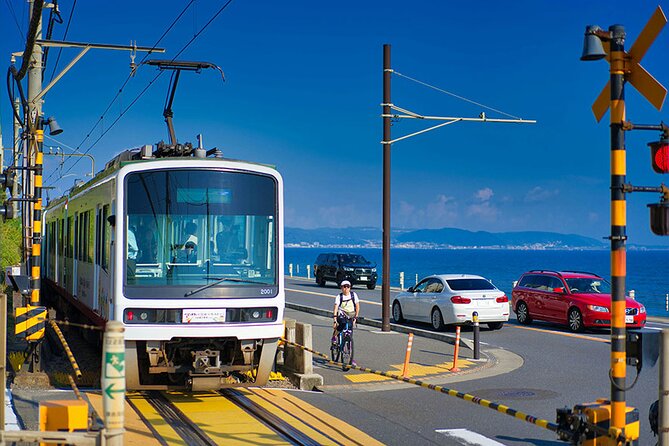
You should also understand what private tour means here. It means only your own group participates. It does not mean a private car and driver. One of the clearest practical notes from the experience is that the guide meets your party at the hotel when hotel pickup is arranged, then travels with you by public transportation.
The tour lasts about eight hours, including transfers from one place to another. That makes it more useful than a quick photo stop in Kamakura, but also more demanding. You are not simply being driven between monuments.
More Walking Tours in Kamakura
- Kamakura Historical Walking Tour with the Great Buddha
★ 5.0 · 129 reviews - Kamakura Walking Tour – The City of Shogun
★ 5.0 · 100 reviews - Kamakura 8 hr Private Walking Tour with Licensed Guide from Tokyo
★ 5.0 · 80 reviews
Starting with the Great Buddha at Kotoku-in
Kotoku-in is the natural opening stop. Its bronze Great Buddha rises more than 11 meters and gives you an immediate sense of Kamakura’s importance as a center of religious art and worship.
You have about 30 minutes here. That is enough for the main view and an explanation of the statue, though it is not a leisurely visit to every corner of the temple grounds. Admission is not included, so keep a little cash or another accepted payment method ready for this and the other paid temple stops.
The Great Buddha is also a good place to begin because it gives the day a clear focus. You see the famous image first, then spend the rest of the route looking at the different religious settings around it. The scale is memorable, but the setting matters too. This is not just a monument placed in a city square. It belongs to a temple site and forms part of the wider Kamakura pilgrimage experience.
If you want extensive time for photographs or a slow inspection of the grounds, 30 minutes may feel tight. The benefit is that the schedule leaves room for several more major sites.
Tsurugaoka Hachimangu and Kamakura’s central story
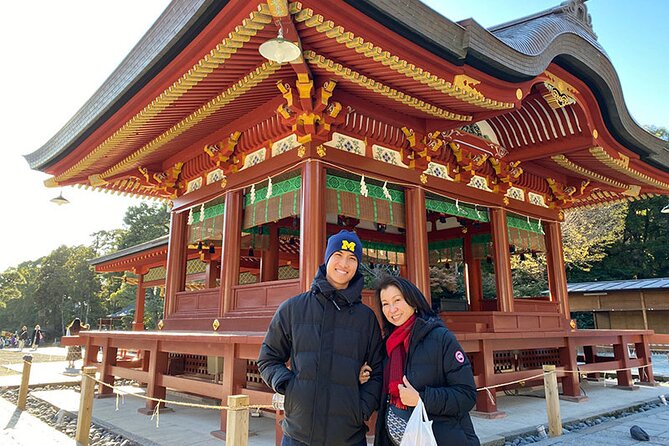
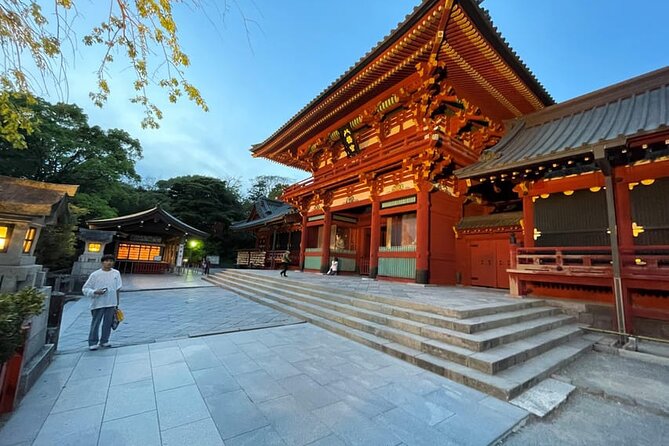
Tsurugaoka Hachimangu receives about 45 minutes and offers a different experience from Kotoku-in. This is a Shinto shrine, not a Buddhist temple, so the visit helps you see two major Japanese religious traditions in one day.
The shrine is described as Kamakura’s spiritual center, and its broad grounds and greenery make a strong counterpoint to the compact temple stops. Your guide can explain what you are seeing and place the shrine within Kamakura’s past. That context is valuable because religious sites in Japan can look beautiful while their customs and symbols remain unclear to first-time visitors.
I especially like this stop for people who want more than a checklist of famous buildings. It gives you a chance to notice how worship, ceremony, architecture, and public space fit together. You will have free admission here, unlike at some of the temples.
Forty-five minutes is a sensible amount of time for an introduction. It will not cover every corner, seasonal detail, or side path, so tell your guide early if shrine architecture is a major interest.
Walking to Zeniarai Benten Shrine
Zeniarai Benten is one of the more distinctive stops. The shrine is known for washing money as part of a ritual connected with prosperity. It is near Genjiyama Park and takes about a 30-minute walk from Kamakura Station, according to the tour details.
That walk is important to your planning. The route is not a simple hop from one attraction to the next. You need comfortable shoes, water, and enough energy for paths that may rise or narrow. The walk gives the day a more local rhythm, but it can be tiring in hot weather or for anyone with limited mobility.
The shrine itself receives about 45 minutes, and admission is free. Its ritual gives you something hands-on to observe, rather than another large structure viewed from a distance. Your guide can help explain how to approach the site respectfully and what the money-washing custom means.
This is also one of the places where a private guide can help with tone and manners. You are not left to guess what to do in a religious setting, and you can ask questions without holding up a larger group.
More Kamakura and Enoshima days:
- Tokyo: Kamakura & Enoshima Day Trip including Temple Tickets
★ 4.5 · 1,375 reviews - Tokyo: Mt. Fuji, Kamakura, Big Buddha, & Lake Ashi Day Trip
★ 4.5 · 867 reviews - From Tokyo: Kamakura & Enoshima 1-Day Bus Tour
★ 4.5 · 189 reviews - Kamakura Private Tour: Temples, Nature, and the Great Buddha
★ 5.0 · 121 reviews
Meigetsuin, the Hydrangea Temple
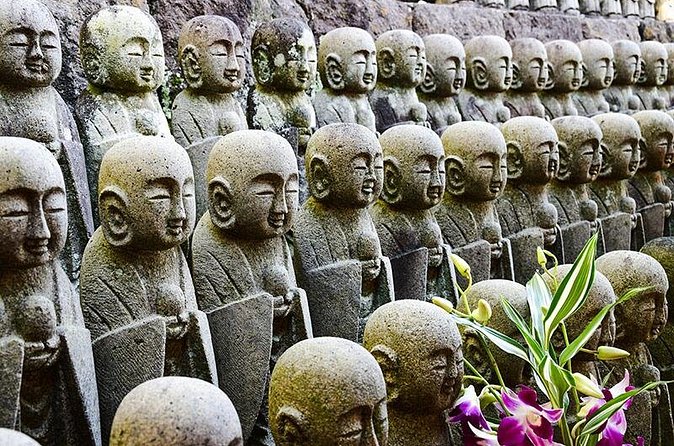
Meigetsuin is often called the Hydrangea Temple, or Ajisaidera. Its seasonal flowers are a central reason to visit, and the temple is known for a calm setting away from the busiest parts of Kamakura.
You get about 45 minutes here, with admission extra. The experience will change with the season. If hydrangeas are flowering, the temple’s name makes immediate sense. At other times, the appeal is more about the grounds, quiet atmosphere, and the chance to slow down after the walking route.
I would not book this tour solely for the flowers unless your dates line up with the bloom period. The supplied information confirms the seasonal appeal, but it does not promise a specific bloom date or special flower access. Think of Meigetsuin as a temple stop with an added seasonal reward.
The time allocation keeps the day moving. You can see the principal areas and ask your guide about the temple, but you may want more time if gardens and photography are your top interests.
Engaku-ji and the Zen side of Kamakura
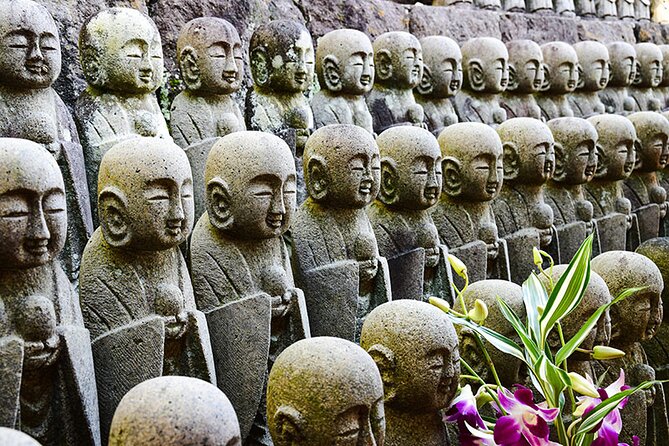
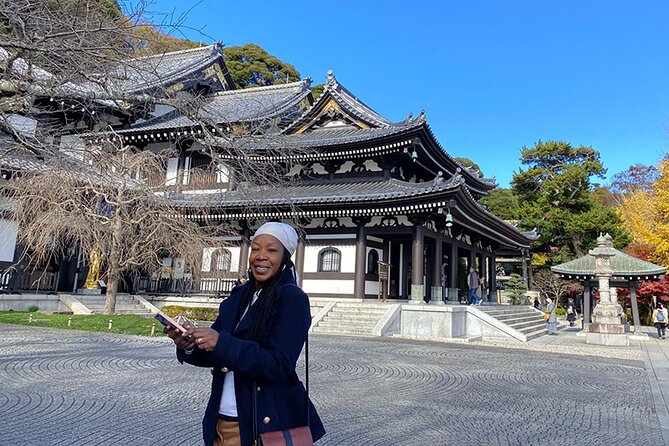
Engaku-ji is another 45-minute stop, set in the hills and described as one of Japan’s significant Zen temples. It offers a quieter change of pace after the Great Buddha, shrine grounds, and the walk to Zeniarai Benten.
The hill setting makes this stop attractive, but it also reinforces the need for sensible footwear. You should expect temple paths rather than a flat, fully paved sightseeing route. Admission is not included.
This is where the guide’s explanations can make a real difference. Zen temple grounds can reward close attention, yet the meaning of halls, gates, gardens, and religious practices is not always obvious. Guides such as Brian have been praised for making a full day fun while covering Kamakura’s important sights and additional lesser-known temples. That kind of conversation is a strong reason to choose a private format.
Engaku-ji is not a rushed photo stop, but 45 minutes is still an introduction. If you want a long, silent temple visit, a self-guided day with fewer stops might suit you better.
Komachi-dori for food, gifts, and a change of pace
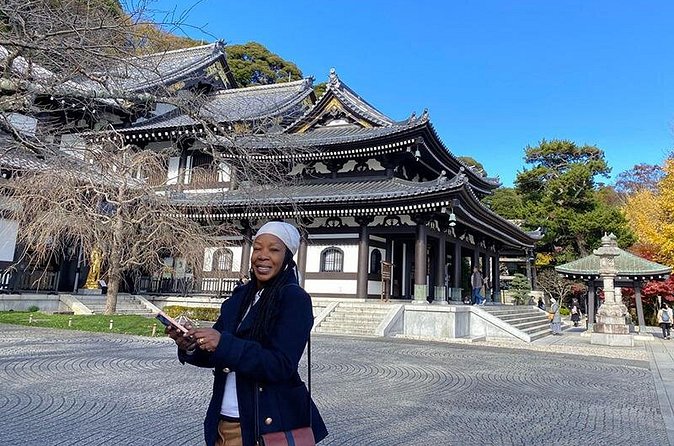
Komachi-dori, referred to here through the Kamakura Goro Kamakura Komachi Street Honten stop, is the day’s most commercial section. The street has shops, traditional crafts, local treats, and plenty of movement near Kamakura Station.
You get about 45 minutes and free admission. Food and drinks are not included, so this is your chance to buy something at your own expense. The stop can be useful even if you are not shopping because it shows another side of Kamakura, one centered on everyday browsing and snacks rather than formal worship.
Ask your guide for recommendations. The tour promises personal suggestions, and this is the place where that feature has the most practical value. A guide may help you decide how to spend limited time, though the exact recommendations will depend on the person leading your tour.
Do not expect a quiet temple atmosphere here. Komachi-dori is lively and crowded at times. It works best as a flexible end to the sightseeing route, when you want a bite or a small purchase before returning to your meeting point.
The guide makes the public-transit plan worthwhile
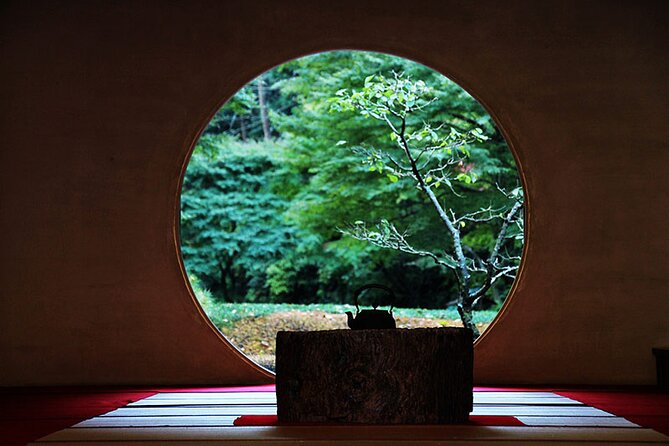
The strongest reason to book this experience is not simply the list of sights. It is having someone beside you while you move through Kamakura by train, bus, and on foot.
A positive experience depends heavily on the individual guide. Lana has been praised for explaining Buddhist and Shinto sights and offering useful views of Japan. Raffa has been described as helpful and effective at covering expected sights. Brian has been credited with adding extra temples and keeping the day enjoyable, while Colt received praise for explaining both transportation and sacred monuments.
That range tells you what to look for: a guide who can handle both cultural explanation and practical movement. You should also confirm the pickup details before the day begins. Hotel pickup means the guide meets your party at your hotel, not that a vehicle collects you.
The operator offers support before and after the tour during your time in Japan. The activity also allows service animals, is near public transportation, and says most people can participate. Still, the long walks and hills mean you should raise mobility concerns before booking.
What the $118.88 price really covers
At $118.88 per person, this is not the cheapest way to see Kamakura. The price makes more sense if you value a private guide, Tokyo-area pickup, help with transit, and a carefully arranged day covering six major stops.
You also need to budget beyond the headline price. Entry fees are not included at Kotoku-in, Meigetsuin, and Engaku-ji, and the general inclusion list excludes food and drinks. Public transportation is used, and one poor experience involved confusion over paying the guide’s train and bus fares. Because the supplied information also says private transportation is not included, confirm exactly how transit costs are handled before departure.
There is a similar issue with timing. The advertised duration is about eight hours, including transfers, but one dissatisfied customer reported returning after four and a half hours. That may reflect a shortened day or a misunderstanding, but it is a useful warning. Confirm your start time, planned duration, pickup point, transport arrangement, and included costs in writing.
The tour offers free cancellation up to 24 hours before the start time. Changes or cancellations inside that window are not accepted for a refund.
Who will get the most from this day
I would choose this tour if you have one day for Kamakura and want the major sights arranged for you. It suits first-time visitors who want cultural explanation, do not speak Japanese, or would rather learn the transit system with a local than manage every connection alone.
It also fits couples, families, and small private groups who want their own pace and conversation. Group discounts may improve the value when several people book together.
I would hesitate if you want a vehicle tour, dislike public transportation, or prefer to spend half a day in one temple. I would also think twice if you have limited mobility or are visiting during very hot weather. The route includes a long walk, hills, temple paths, and repeated transfers.
Should you book the Kamakura walking tour?
Book it if your priority is seeing the Great Buddha, major shrine and temple sites, Zeniarai Benten, and Komachi-dori in one organized day from Tokyo. The private format and guide support can save time and add meaning, especially when your guide is as effective as Lana, Raffa, Brian, or Colt.
Before paying, clarify the public-transport fare arrangement and confirm that your pickup is a guide meeting you at the hotel. If you accept the walking, extra entry fees, and public transit, $118.88 can be fair value for a full Kamakura introduction. If you expect a private car or a short, easy sightseeing circuit, choose another format.
FAQ
How long does the Kamakura tour last?
The experience is listed as approximately eight hours, and travel time between stops is included in that total.
Is hotel pickup available?
Yes. Pickup is offered from hotels, cruise ports, or airports in Tokyo. Hotel pickup means the guide meets your party at your hotel.
Is this a private tour?
Yes. Only your group participates in the activity.
Does the tour use a private vehicle?
No. The tour uses public transportation, and private transportation is not included.
Are admission fees included?
No. Entry fees are not included. Kotoku-in, Meigetsuin, and Engaku-ji list admission as extra, while Tsurugaoka Hachimangu, Zeniarai Benten, and Komachi Street list free admission.
Is food included?
No. Food and drinks are not included in the price.
How much walking is involved?
The route includes walking between Kamakura sights, including a listed 30-minute walk from Kamakura Station to Zeniarai Benten. The day can be difficult in hot weather or for people with limited mobility.
Can I cancel for a full refund?
Yes, if you cancel at least 24 hours before the experience start time. Cancellations or changes made less than 24 hours before the start time are not refunded or accepted.
More Full-Day in Tokyo
- From Tokyo: Mount Fuji Full-Day Sightseeing Trip
★ 4.5 · 4,970 reviews - Mount Fuji Full-Day Private Tour from Tokyo (Customizable)
★ 4.9 · 1,470 reviews - Tokyo Private Full-Day Tour by Car or Van
★ 5.0 · 684 reviews - From Tokyo: Must-Visit Mount Fuji Highlight Full-Day Tour
★ 4.7 · 532 reviews
More Walking Tours in Tokyo
- Tokyo Tsukiji Fish Market Food and Culture Walking Tour
★ 5.0 · 3,184 reviews - Tokyo: Imperial Palace and Shogun Historical Walking Tour
★ 5.0 · 2,251 reviews - Tokyo: Shinjuku Local Bar and Izakaya Guided Walking Tour
★ 4.9 · 1,794 reviews - Tokyo: Tsukiji Fish Market Food and Walking tour
★ 5.0 · 1,724 reviews
New on our Tokyo list
- Sumi-e Experience in a relaxing green tea shop in Tokyo★ 5.0 · 3 reviews
- Tokyo : Kamikaze Street Drift Ride★ 5.0 · 3 reviews
- Private Zen Meditation in English in Shinjuku, Tokyo★ 5.0 · 3 reviews
- Onsen Spa in Tokyo and Asakusa Bar Hopping with Local Guide★ 5.0 · 3 reviews
- Easy for everyone! Now you can play handmade mini shamisen and show off to everyone! Musical instruments, sweets and live music★ 5.0 · 3 reviews
- Tokyo: Private Tsukiji Street Food & Sake with Local Guide★ 5.0 · 3 reviews
- Mt Fuji Exploration Tour with Free Japanese Kusa Mochi from Tokyo★ 4.5 · 3 reviews
- Tokyo Tsukiji Fish Market Walking and Exploring Hidden Gems Tour★ 5.0 · 3 reviews
Walking Tours, compared.
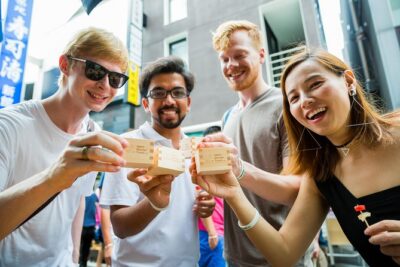
Tokyo Tsukiji Fish Market Food and Culture Walking Tour
Read our review →
Imperial Palace and Shogun Historical Walking Tour
Read our review →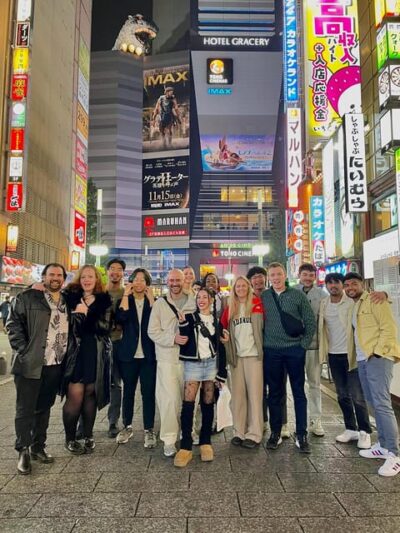
Shinjuku Local Bar and Izakaya Guided Walking Tour
Read our review →
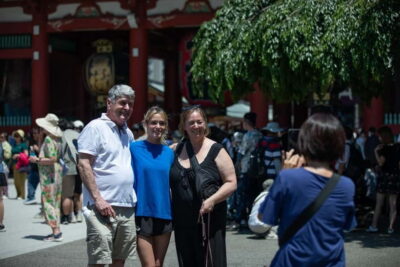
Asakusa Walking Tour with Sensoji Temple Visit
Read our review →
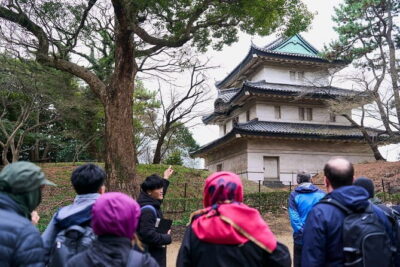
Tokyo Castle & Imperial PalaceーShogun Walking Tour
Read our review →
Browse the lists this tour appears in