
Reviewed · KAMAKURA TOURS
Kamakura Tours Half Day or Full Day Tours with a local guide.
Kamakura’s appeal is easy to understand: an enormous bronze Buddha, hillside temples, a grand shrine, old shopping lanes, and views toward the bay all fit into one compact day. This private tour gives you a local guide to handle the trains, walking routes, temple entrances, and timing, so you can pay attention to the place instead of your phone.
I like the private format, since your group can ask questions and set the pace. I also like the mix of major sights and everyday Kamakura, from Hase-dera’s gardens to handmade goods and local snacks on Komachi Street. The main consideration is that this is an active day on foot and by public transport, not a private-car tour.
In This Review
- Key points at a glance
- A full Kamakura day without the route-planning headache
- Meeting the Great Buddha at Kotoku-in
- Hase-dera, Kannon, and hillside views
- Eating and shopping along Komachi Street
- Tsurugaoka Hachimangu, Kamakura’s spiritual center
- Optional kimono rental for memorable photographs
- What the $70 price really covers
- Who will get the most from this tour
- Should you book the Kamakura private tour?
- FAQ
- Where does the tour start?
- Where does the tour end?
- How long does the tour last?
- Is this a private tour?
- Is private transportation included?
- Are temple and shrine entrance fees included?
- Is lunch included?
- Is kimono rental included?
- What happens if the tour is canceled because of bad weather?
Key points at a glance
- The Great Buddha anchors the day: You get admission, time for photos, nearby snacks, and souvenir shopping.
- Hase-dera adds gardens and views: The temple brings together Buddhist figures, quiet paths, and scenery toward the bay.
- Komachi Street gives you local flavor: Plan time to eat, browse, and shop for Kamakura-made goods.
- Your guide handles public transport: This saves you from working out routes in an unfamiliar town.
- A kimono rental can add a special touch: It is optional and costs extra, with time built into the day.
- The tour is private: Only your own group takes part, and lunch can be arranged at your expense.
A full Kamakura day without the route-planning headache
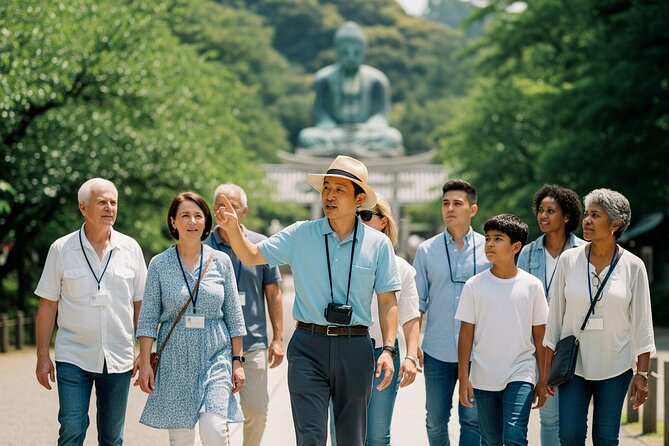
Kamakura works well as a day trip, but its sights are spread across several areas. You may need trains, short walks, temple visits, shopping time, and careful attention to opening hours and crowds. A local guide takes care of that practical work.
The meeting point is Kamakura Station, at 1-chōme-1-15 Onarimachi. The tour returns to the same meeting point. You should expect a combination of walking and public transport. Private transportation is not included, so this is not a vehicle tour with a driver waiting at each stop.
That setup is part of the value. At $70 per person, you are paying mainly for the guide, planning, local interpretation, and included entrance fees. You still pay for lunch, kimono rental, shopping, and any personal food or drinks. For a private eight-hour day, the price is appealing, especially if you are splitting the experience among several people in your group.
The tour is listed as half-day or full-day, while the supplied schedule runs for about eight hours. Confirm the exact length you are booking before paying, since the stops described here fit a full day more than a quick morning outing.
One guide named in the experience is Jack. His background includes time in the United States, and his English is described as easy to follow. That can matter in Kamakura, where a good explanation of Buddhist images, shrine customs, and local traditions adds much more than simply taking photographs at the major sights.
More Kamakura and Enoshima days:
- Tokyo: Kamakura & Enoshima Day Trip including Temple Tickets
★ 4.5 · 1,375 reviews - Tokyo: Mt. Fuji, Kamakura, Big Buddha, & Lake Ashi Day Trip
★ 4.5 · 867 reviews - From Tokyo: Kamakura & Enoshima 1-Day Bus Tour
★ 4.5 · 189 reviews
Meeting the Great Buddha at Kotoku-in
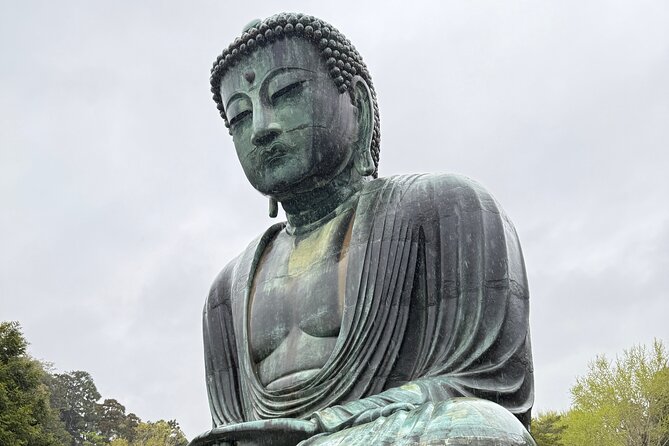
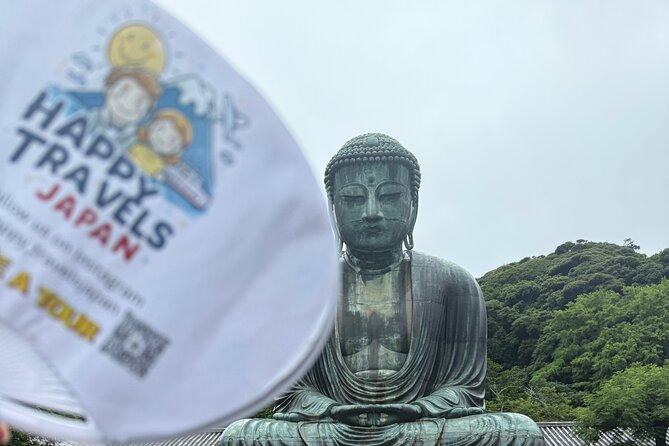
The day begins with one of Kamakura’s most famous sights, the Great Buddha at Kotoku-in. The bronze statue is the kind of landmark you recognize in photographs, but its scale is easier to appreciate in person, with people moving around its broad base and the temple grounds opening around it.
You have about 45 minutes here, with admission included. That is enough time to see the statue, take photos, look around the grounds, and browse nearby shops. You can also stop for local snacks and drinks in the area, then look for Great Buddha souvenirs.
The short visit keeps the day moving, but it also means you will not have unlimited time for slow photography or extended browsing. If you already know you want a particular souvenir, tell your guide early so the shopping does not get squeezed by the next stop.
I like beginning here because the statue gives you an immediate sense of Kamakura’s religious importance. Your guide can also provide context that a photograph or information board cannot, helping you understand why this single image has become the town’s best-known symbol.
Hase-dera, Kannon, and hillside views
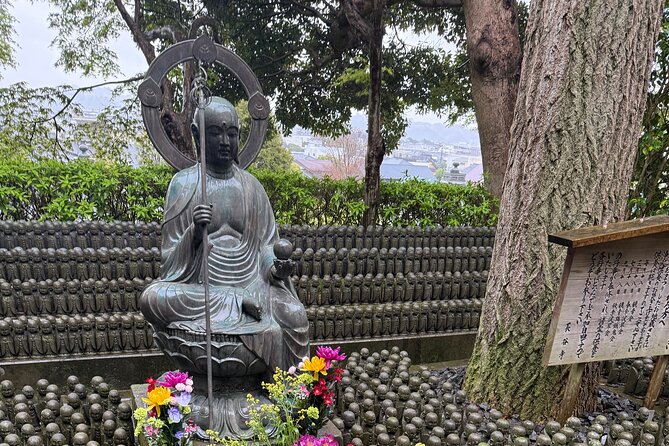
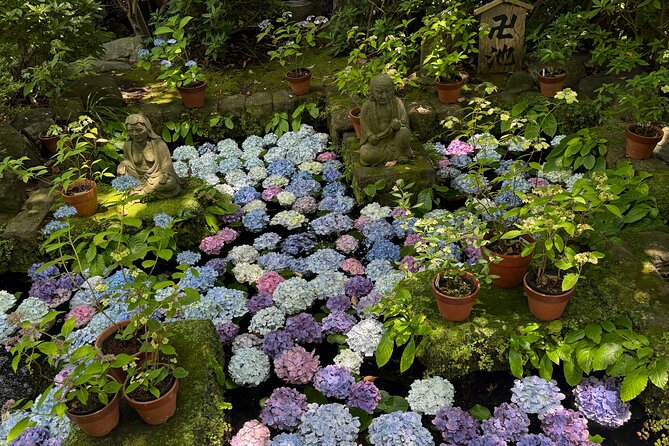
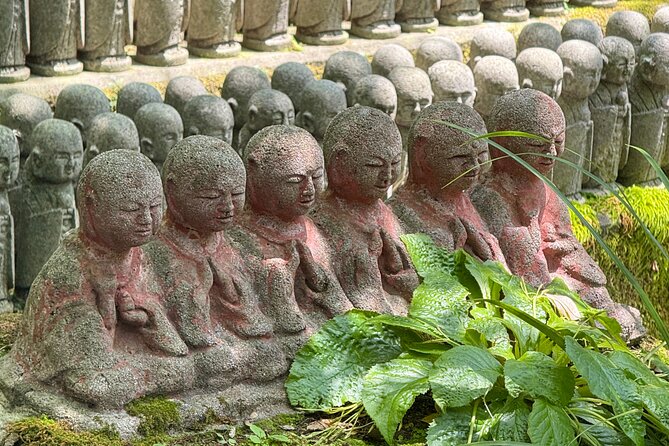
Next comes Hase-dera, one of the day’s more varied stops. The temple is associated with Kannon, the Buddhist goddess of mercy, and with Jizo statues, figures connected with protection and compassion. Your guide explains what you are seeing instead of leaving you to guess at the meaning of each image.
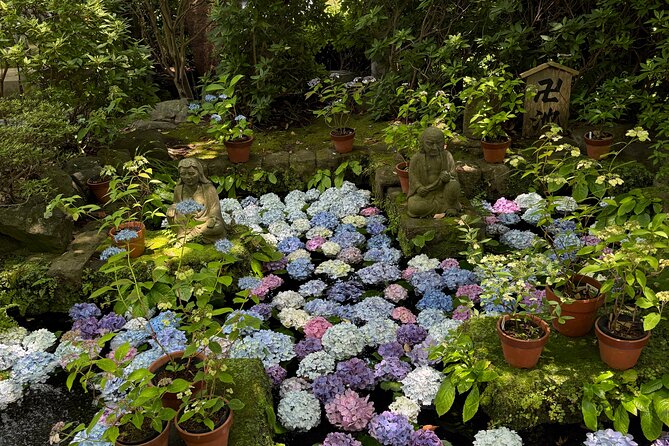
The scheduled visit lasts about 45 minutes and includes admission. Hase-dera is especially appealing if you want more than one large monument. The grounds include gardens, paths, religious statues, and views toward the bay, giving the visit a calmer rhythm after the crowds and photo stops around the Great Buddha.
This is also a stop where comfortable shoes matter. The tour requires a moderate level of physical fitness, and temple grounds can involve walking along sloped or uneven paths. The experience data does not promise that every section will be easy for people with limited mobility, so ask before booking if that is a concern.
The time here is enough for a guided look, but not a long, unhurried temple study. I would use your guide’s explanations to decide what deserves your attention, then save extra browsing time for Komachi Street later.
Eating and shopping along Komachi Street
Komachi Street is where the day shifts from formal religious sites to the daily life of Kamakura. You get about an hour and a half to walk, eat, drink, browse, and shop. Admission is free, but you should budget separately for anything you buy.
This is a useful part of the tour because it gives you room to choose. You might try Kamakura-only food and drinks, look for handmade items, or pick up souvenirs made in the area. The street is one of the busiest shopping spots in town, so your guide can help you make sensible use of the time and point out items with a real local connection.
Lunch is not included. Your guide can recommend a local restaurant and help you get there, and the guide may join you if invited, but you pay for the meal yourself. That arrangement keeps the tour price low and lets you choose how much time and money to spend on food.
I would treat Komachi Street as more than a shopping break. It is a chance to compare Kamakura’s tourist-facing side with its food culture and small craft trade. Keep some room in your budget, since the included $70 price does not cover snacks, drinks, lunch, or souvenirs.
A few more Kamakura bookings worth comparing
- From Tokyo: Kamakura Full Day Tour with a Local Expert Guide
★ 4.6 · 43 reviews - From Tokyo Kamakura, Hachimangu Shrine and Enoshima Full Day Tour
★ 4.5 · 36 reviews - From Tokyo: Kamakura and Enoshima Full-Day Private Trip
★ 4.7 · 17 reviews - Kamakura Full Day Walking Tour with Local Expert Guide and Pickup
★ 4.5 · 16 reviews
Tsurugaoka Hachimangu, Kamakura’s spiritual center
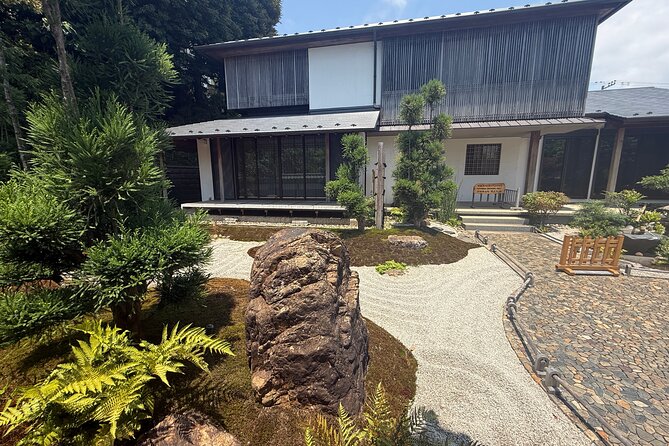
The route then reaches Tsurugaoka Hachimangu Shrine, one of Kamakura’s oldest and most important shrines. The visit lasts about 45 minutes, and there is no separate admission charge.
The shrine gives the day a different religious focus. Earlier, your guide introduces Buddhist figures at Hase-dera. Here, you learn about Shinto traditions and the shrine’s role in Kamakura. That contrast helps you see that the town’s sacred character is not limited to temples.
Tsurugaoka Hachimangu is also a strong place to pause and take in the design, approach, and ceremonial spaces. Your guide can explain the cultural importance of the shrine and the customs connected with it. If you are unsure how to behave at a Japanese shrine, this is a good moment to ask.
Forty-five minutes should work for a focused visit, though you may want longer if you prefer quiet observation or detailed photography. Since the tour is private, let the guide know if the shrine is a priority for you. The schedule can be more responsive than a large group outing, though the total day still has several planned stops.
Optional kimono rental for memorable photographs
The final listed stop is Kimono Rental Kamakura Imakoji. You can rent a kimono or yukata to add a traditional look to your photographs and memories of the town. About an hour is set aside, but the rental price is not included.
This option will appeal most to people who want photographs with a distinctly Japanese feel. It also changes the pace of the day, giving you time to dress up after the temple, shrine, food, and shopping visits. Your local guide drops you off, and you can choose the arrangement that suits your group from the available options.
The extra cost deserves attention. The tour’s $70 price does not cover the rental, so ask for the current price and what is included before committing. You should also consider comfort, since wearing a kimono or yukata may feel less practical after several hours of walking.
The experience information suggests that the guide can customize the end of the visit. That makes the rental a useful add-on rather than a required part of the tour. If clothing and photographs are not a priority, skip it and keep the day focused on temples, the shrine, and local food.
What the $70 price really covers
At $70 per person, the strongest value comes from the private guide and included entrance fees. Kotoku-in and Hase-dera admission are covered, while Tsurugaoka Hachimangu has no separate admission fee. You also receive the guide’s help with public transport and a bottle of water on hot summer days.
The price does not cover private transportation, lunch, kimono rental, shopping, or personal food and drinks. This is important because the day includes several tempting places to spend money. A group discount is offered, which may improve the value for families or friends booking together.
I see this as a good price for someone who wants a planned day but does not need a private vehicle. It is less suitable if you want a chauffeur, a luxury experience, or every expense bundled into one payment.
The tour has a five-star rating from 12 published reviews, with 100 percent recommending it. The strongest praise focuses on Jack’s history and culture knowledge, his excellent English, and the sense that the day offers good value. Those strengths are most useful if you want interpretation, not just transportation between photo stops.
Who will get the most from this tour
I would recommend this experience to first-time visitors who want Kamakura’s key sights in one organized day. It also fits families, couples, and small groups who prefer asking their own questions instead of following a large crowd.
You will get the most from it if you:
- Enjoy walking and can manage a moderate level of physical activity
- Want help using Japanese public transport
- Prefer a private guide to a fixed large-group schedule
- Care about cultural explanations at temples and shrines
- Like mixing major sights with food and shopping
- Are open to paying extra for lunch or a kimono rental
You may want a different plan if you need private transportation, have very limited walking ability, or want to spend a full day at only one temple or shrine. The schedule covers a lot of ground, so it favors variety over long periods of quiet contemplation.
The tour is also weather dependent. If poor weather causes cancellation, you are offered another date or a full refund. For a normal cancellation, you receive a full refund if you cancel at least 24 hours before the start time. Changes or cancellations inside that 24-hour window are not refunded.
Should you book the Kamakura private tour?
Book it if you want an efficient, culture-focused day with the Great Buddha, Hase-dera, Komachi Street, and Tsurugaoka Hachimangu in one route. The included temple fees, private format, local transport help, and guide interpretation make $70 a sensible price for many groups.
Before booking, confirm the exact half-day or full-day schedule, then plan extra money for lunch, snacks, shopping, and the optional kimono rental. Wear comfortable shoes, meet at Kamakura Station, and expect a full day of walking and public transport.
I would choose this tour for a first visit, especially if you want English explanations and a guide such as Jack to connect the sights. I would skip it only if you prefer to explore independently or need a car-based itinerary.
FAQ
Where does the tour start?
The tour starts at Kamakura Station, at 1-chōme-1-15 Onarimachi, Kamakura, Kanagawa 248-0012, Japan.
Where does the tour end?
The activity ends back at the meeting point at Kamakura Station.
How long does the tour last?
The supplied schedule describes an experience lasting approximately eight hours. Because the activity is presented as half-day or full-day, confirm the exact duration of your selected option before booking.
Is this a private tour?
Yes. Only your own group participates in the private activity.
Is private transportation included?
No. The tour combines walking with public transportation. It is not a vehicle-guided tour.
Are temple and shrine entrance fees included?
Entrance fees for the temples and shrines are included. Tsurugaoka Hachimangu has no separate admission fee listed.
Is lunch included?
No. Lunch is not included. The guide can recommend a local restaurant, and may join you if invited, but you pay for your own meal.
Is kimono rental included?
No. Kimono or yukata rental is optional and costs extra. About one hour is set aside for this activity.
What happens if the tour is canceled because of bad weather?
You will be offered a different date or a full refund if poor weather causes the tour to be canceled.
New on our Kamakura list
- 1-Day trip: Kamakura City (Enoshima/Shonan/Beach)★ 4.7 · 3 reviews
- Kamakura Zen: Great Buddha, Nature, Bamboo & Samurai Culture★ 5.0 · 3 reviews
- Kamakura Half Day Walking Tour with Local Experience★ 3.4 · 4 reviews
- Hiking Tour in Enoshima with a Local Guide★ 5.0 · 4 reviews
- Kamakura Tour with Pro Photographer: Anime Train & Fuji Sunset★ 5.0 · 4 reviews
- Kamakura Private Custom Tour★ 5.0 · 4 reviews
- Kamakura Historical and Cultural Day Trip with Local Cuisine★ 5.0 · 4 reviews
- Kamakura Full-Day Private Tour★ 5.0 · 4 reviews
Kamakura Tours, compared.
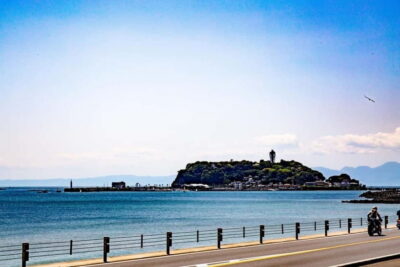
Kamakura & Enoshima Day Trip including Temple Tickets
Read our review →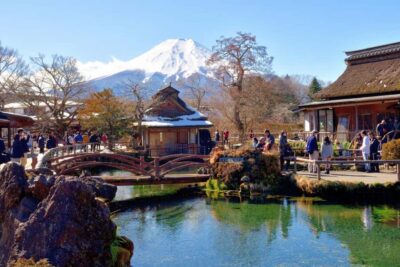
Mt. Fuji, Kamakura, Big Buddha, & Lake Ashi Day Trip
Read our review →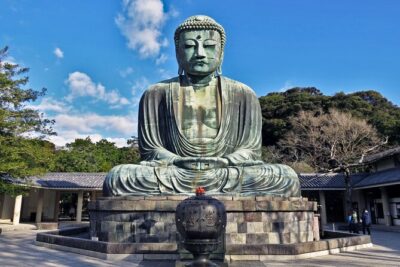
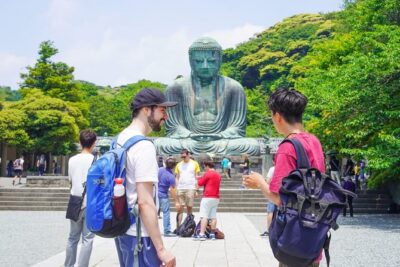
Kamakura Historical Walking Tour with the Great Buddha
Read our review →
Kamakura Private Tour: Temples, Nature, and the Great Buddha
Read our review →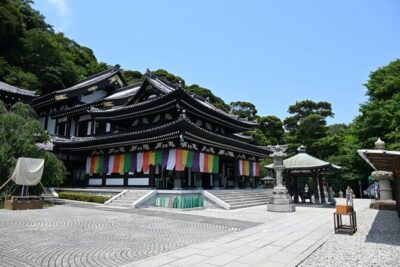
Sea of Mount Fuji, Hakone Ropeway, Ōwakudani, Enoshima
Read our review →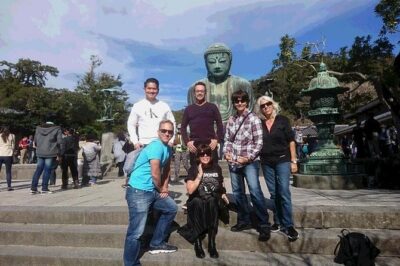
Kamakura 8 hr Private Walking Tour with Licensed Guide from Tokyo
Read our review →Browse the lists this tour appears in