
Reviewed · TEA CEREMONIES
Ginza Tokyo: Easy Matcha (Green Tea) Experience
Tokyo sightseeing can be noisy, fast, and hard on your feet. This 30-minute matcha session gives you a quiet pause in Ginza, where you learn to grind and prepare your own powdered tea instead of simply watching someone else do it. I like the hands-on format, and I also like the small Japanese sweet served with the tea. The main drawback is that the activity is brief and casual, so you should not book it expecting a full, formal tea ceremony.
The host explains basic tea ceremony customs, the background of matcha, and the art of grinding it. Aki is one named host praised for being warm, patient, and happy to answer questions. The setting is also practical: you stay at the meeting point, making this easy to fit between Ginza shopping, sightseeing, or a meal.
In This Review
- Key points to know before booking
- What this Ginza matcha session is really like
- Finding Japan Premium Lounge Cafe in Ginza
- The short introduction to tea ceremony
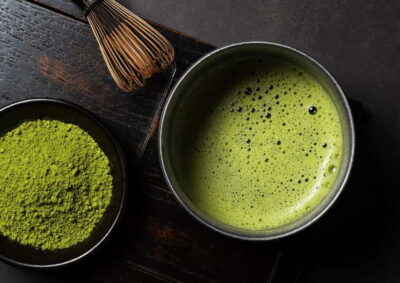
- Grinding your own powdered matcha
- Drinking matcha with a Wagashi sweet
- A casual ceremony, not a formal tea house visit
- Why the $13 price can make sense
- Who will enjoy this experience most
- A few practical limits to keep in mind
- Booking, payment, and cancellation details
- Should you book this Ginza matcha experience?
- FAQ
- Where does the matcha experience take place?
- Are there multiple entrances to the cafe?
- How long does the activity last?
- What time is the activity available?
- What is included in the price?
- Can I prepare the matcha myself?
- Is the activity available in English?
- Can children join the experience?
Key points to know before booking
- Grind and prepare your own matcha: You take part in the process rather than only drinking a finished cup.
- A short break in central Ginza: The session lasts about 30 minutes and ends where it begins.
- A casual introduction to tea ceremony: You learn the basics without the formality of a traditional tea ceremony house.
- One Wagashi sweet is included: The Japanese confection gives you a small taste of the classic matcha pairing.
- Aki may host your session: She is noted for clear explanations, a kind manner, and thoughtful answers.
- The price is $13 per person: That is fair for a guided cultural activity that includes tea, a sweet, instruction, and a photo opportunity.
What this Ginza matcha session is really like
The appeal is simple. You arrive in Ginza, sit down, listen to a short introduction, and make a cup of powdered green tea with guidance from the host. There is no long transfer, elaborate dress code, or need to commit half a day.
This matters in Tokyo. A visit to a tea house can be formal, longer, and more structured. This activity gives you a small, approachable look at the same tea culture while keeping the pace suited to a city sightseeing day. I would treat it as a cultural pause, not as a full ceremonial performance.
The activity is designed for one or two people. That makes it a good fit for a couple, a solo visitor, or two friends who want a shared activity without signing up for a large group. The supplied information does not promise a private room, so I would not assume that the entire venue is reserved just for you.
The session is offered in English and Japanese. If you are not familiar with matcha, that language support makes the brief lesson more useful. You can ask questions about the tea ceremony, the preparation process, and the role of matcha in Japanese culture.
More tea rooms worth booking:
- Matcha Making Class in Tokyo with Authentic Japanese Sweets Set
★ 5.0 · 744 reviews - Tokyo: Traditional Tea Ceremony with a Tea Master
★ 5.0 · 528 reviews - Tokyo: Matcha Making Experience with Mochi Sweets in Asakusa
★ 4.9 · 388 reviews
Finding Japan Premium Lounge Cafe in Ginza
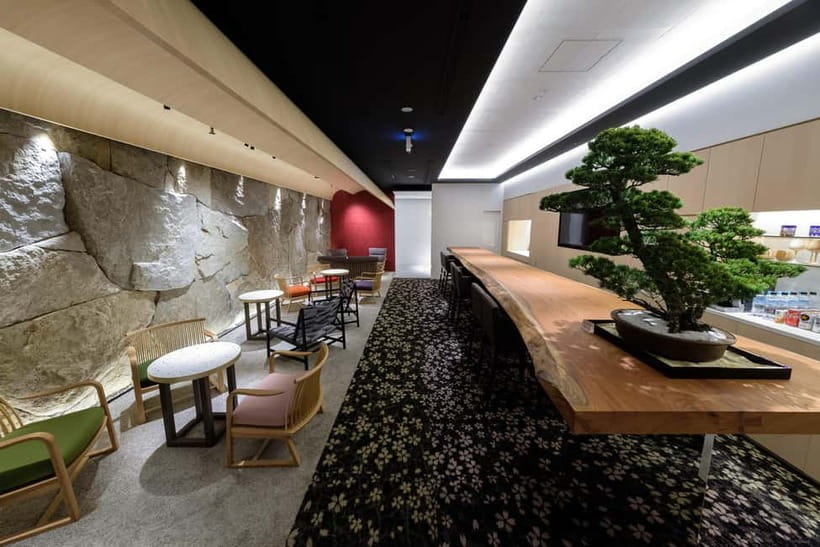
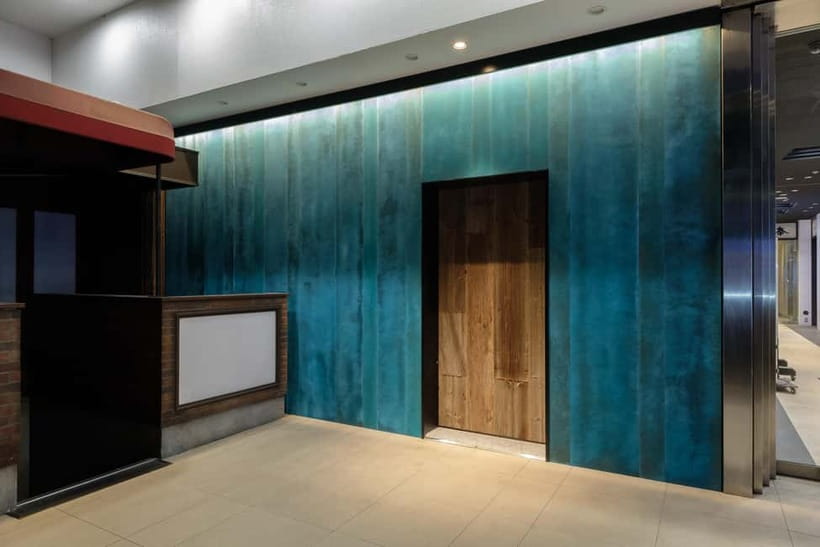
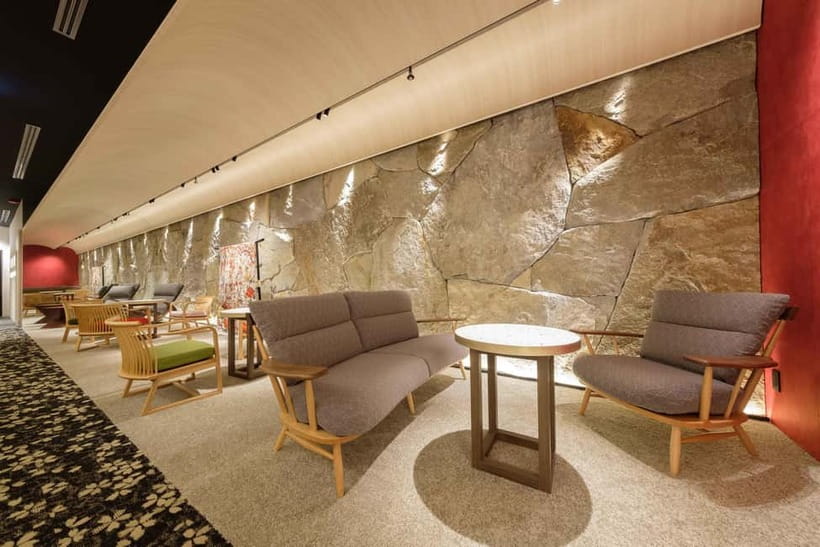
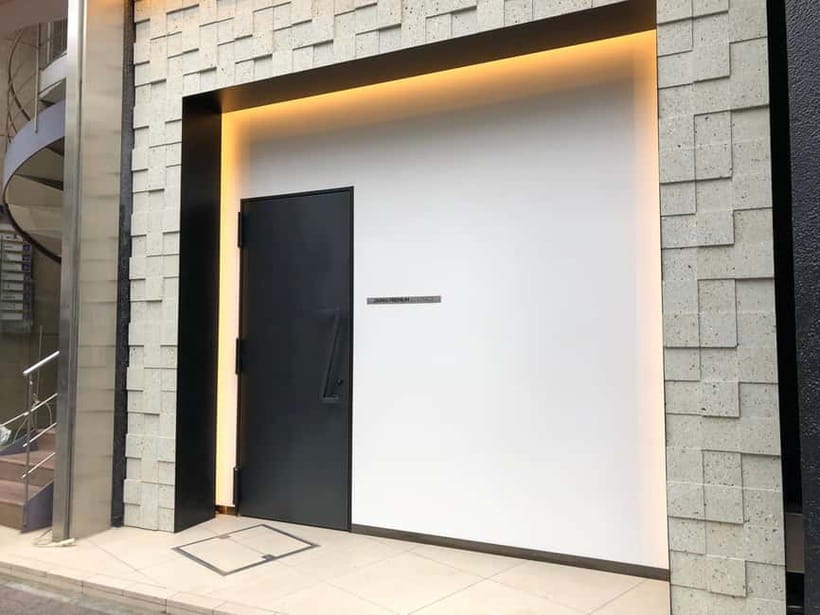
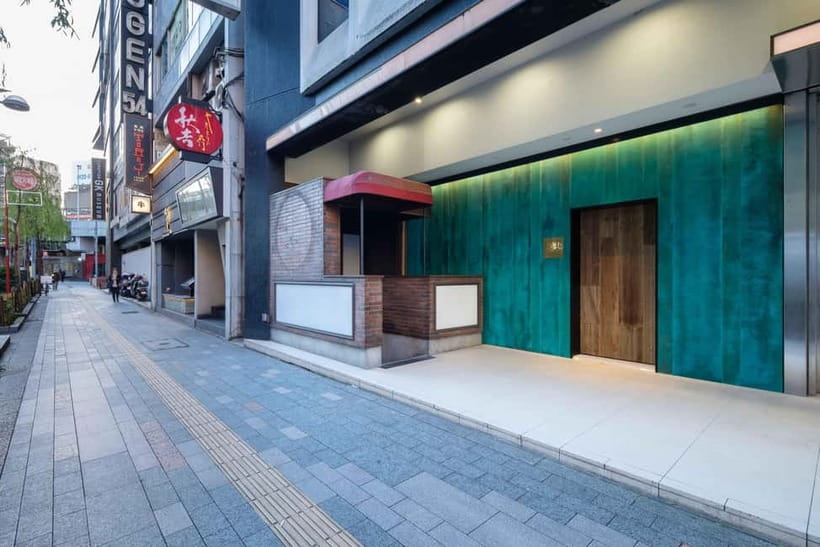
Your meeting point is Japan Premium Lounge Cafe at 8-3-11, Ginza, Chuo-ku, Tokyo, on the first floor of the Wako Building. The venue has entrances on both sides of the store. The west entrance has a black door, while the east side has a green wall and wooden door.
That entrance detail is worth saving before you go. Ginza addresses can be precise, but busy streets and nearby buildings can still make a short meeting-point search slower than expected. Give yourself enough time to identify the Wako Building and check both sides if the first entrance is not obvious.
The activity begins and ends at this same location. You do not need to arrange transportation during the session, and you can continue sightseeing in Ginza immediately afterward. This is one of the strongest practical reasons to choose it over a tea experience farther from your route.
The open hours are 10:00 to 18:00. Since the experience lasts around 30 minutes, you can place it in the morning, around lunch, or during an afternoon break. The exact start time should be confirmed when booking, but the broad hours make it easier to fit around a day in central Tokyo.
The short introduction to tea ceremony
Once seated, you receive a brief lecture on the tea ceremony and matcha grinding. This introduction gives the activity its cultural value. Without it, making powdered tea could feel like a quick craft demonstration. With the explanation, you have a better sense of why the movements and tools matter.
You should expect a compact lesson rather than a long historical talk. The listed duration is only about 30 minutes, so the host needs to keep the explanation focused. That is useful if you have a packed Tokyo schedule, but it also means this is not the right choice if you want a detailed study of tea schools, architecture, utensils, or ceremony etiquette.
The tea ceremony is traditionally linked with care, calm, and attention to small actions. This casual session lets you notice some of that spirit without requiring formal clothing or extensive preparation. You can wear comfortable clothes, which is sensible after a morning of walking.
Aki is specifically praised for explaining techniques and history thoroughly while remaining kind and welcoming. Her willingness to answer questions is especially helpful because a short activity can otherwise leave you unsure about what you just saw. Another host may lead your session, but the experience is offered in English and Japanese.
Grinding your own powdered matcha
The hands-on part is the heart of the activity. Rather than receiving a prepared drink with no explanation, you participate in making the powdered matcha. The lesson includes the art of grinding, and the host guides you through the technique.
This step gives you a better feel for matcha as a prepared tea, not simply a sweet green drink. You get to see that the powder is part of the process and that preparation affects the final cup. The activity description does not provide detailed information about the equipment or how long the grinding takes, so I would avoid expecting an extended workshop.
After the grinding lesson, you make your own cup of matcha. The format is deliberately easy. You do not need previous knowledge, and the host explains what to do. That makes it a good first introduction for someone who has seen tea ceremony in photos but has never prepared matcha.
The casual approach also helps children and first-time visitors feel less pressure, although children under five are not allowed. Older children may appreciate the practical task, but the activity is best for people who can listen to a short explanation and follow simple instructions.
A few more Tokyo bookings worth comparing
- Mt Fuji and Hakone 1-Day Bus Tour Return by Bullet Train
★ 5.0 · 26,383 reviews - 1-Day Tokyo Bus Tour
★ 5.0 · 14,250 reviews - Tokyo: TOKYO SKYTREE® Admission ticket
★ 4.5 · 11,192 reviews - Tokyo: teamLab Planets TOKYO Digital Art Museum Entry Ticket
★ 4.6 · 9,779 reviews
Drinking matcha with a Wagashi sweet
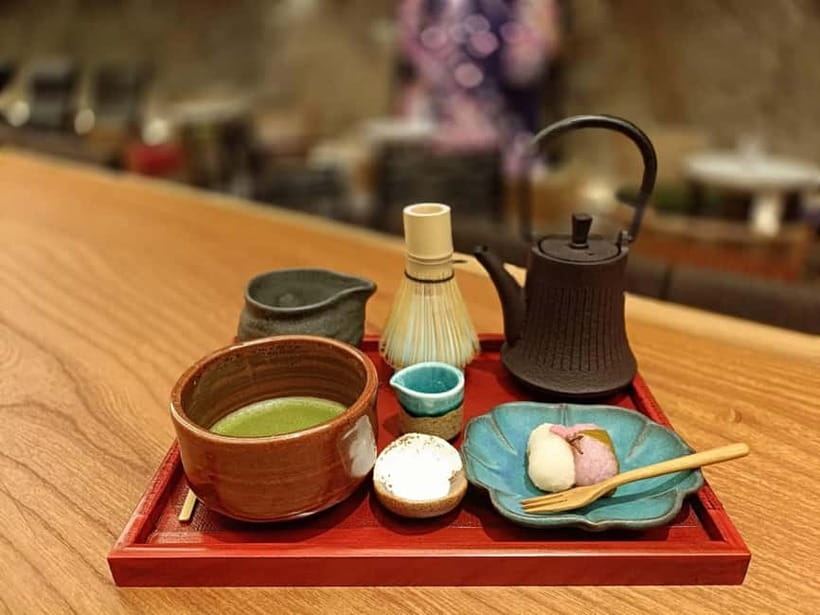
Once your tea is ready, you drink it with one Wagashi, a Japanese sweet. This pairing is a small detail, but it makes the session feel complete. The sweet provides a traditional companion to the tea and gives you another taste of Japanese food culture.
You receive one cup of matcha and one Wagashi as part of the price. The information does not specify the flavor or type of sweet, so do not book this expecting a choice of several desserts or a full snack spread. Think of it as a modest tasting, not a meal replacement.
The tea itself may not suit every palate. Matcha has a distinct green, earthy taste and can be stronger than the sweet green tea served in many restaurants. The guidance helps you understand what you are drinking, but it does not change the flavor. If you already enjoy matcha, you will likely value the chance to prepare it yourself. If you are unsure, the small serving keeps the commitment low.
This is also a good moment to slow down. You are not rushing between train platforms or trying to photograph several sights at once. You can pay attention to the cup, the sweet, and the simple rhythm of preparing tea.
A casual ceremony, not a formal tea house visit
The experience makes a clear distinction from a formal tea ceremony house. You get an introduction to the tradition in a relaxed cafe setting. That makes it easier to fit into a normal Tokyo day, but it also limits the depth and ceremony.
I like this trade-off for first-time visitors. A formal ceremony can feel intimidating if you do not know how to sit, where to look, or what each gesture means. Here, the host gives you enough instruction to take part without turning the session into a test of etiquette.
You should also keep your expectations in check. The activity does not list a formal tea room, a full multi-course tea gathering, traditional clothing, or an extended ceremonial performance. It is a short, accessible lesson with a cup of tea and a sweet.
That difference is not a flaw. It simply means the activity serves a particular purpose. If you want a gentle introduction between sightseeing stops, it works well. If you want a serious study of tea ceremony customs, you should seek a longer and more formal program.
Why the $13 price can make sense
At $13 per person, the cost is modest for Ginza. The fee includes a cup of matcha, a Wagashi sweet, the short lecture, the practical grinding and preparation lesson, and a photo opportunity.
I see the value in the combination rather than in the amount of food or drink. You are paying for a guided cultural activity in one of Tokyo’s best-known central districts. The session also avoids the time and transportation cost of traveling to a distant venue.
The short duration keeps the price accessible, but it is also the reason you should not expect a long workshop. If you value a relaxed stop with some instruction, $13 is a reasonable spend. If you want an extensive ceremony with several teas, sweets, or a detailed lesson on utensils, this experience will feel limited.
The included photo opportunity is useful for couples and solo visitors who want a record of the activity. The available information does not say whether the host takes the photo or what equipment is used, so consider it a chance for a picture rather than a professional photo session.
Who will enjoy this experience most
I would recommend this activity to first-time visitors who want a simple introduction to matcha. You do not need to know tea etiquette, speak Japanese, or dress formally. English and Japanese are available, and the host explains the basic technique.
It also suits couples particularly well. The activity is designed for one to two people, and making tea together gives you a shared task rather than another sightseeing stop where one person reads while the other takes pictures.
Solo visitors can enjoy it too. The small format gives you room to ask questions, and the activity begins and ends at the same place. If you are traveling alone, the photo opportunity may be a pleasant extra.
This is also a strong choice for a busy itinerary. You can use it as a break from shopping and sightseeing in Ginza, rather than building an entire day around it. The 10:00 to 18:00 operating window gives you several ways to fit it into your plans.
I would be more cautious about booking it for very young children. Children under five are not suitable for the activity, and the short lecture may not hold the attention of every older child. Comfortable clothes are recommended for everyone.
A few practical limits to keep in mind
The biggest limit is time. Thirty minutes passes quickly, especially once you include the welcome, explanation, grinding, preparation, drinking, and photos. You will get an introduction, not a full education in Japanese tea.
The second limit is the casual setting. Some visitors may want the quiet architecture, formal gestures, and strict etiquette of a tea ceremony house. This experience does not promise those features. Its strength is convenience and ease, not ceremony on a grand scale.
The activity also focuses on one cup of matcha and one sweet. If you are hungry after sightseeing, plan a separate meal in Ginza. The Wagashi is part of the cultural pairing, not a substantial refreshment.
Still, these limits are clear enough to plan around. I would book it for the moment of calm and the chance to prepare tea, not for a long performance or a large food tasting.
Booking, payment, and cancellation details
You can reserve the activity and pay later, which helps if your Tokyo schedule is still changing. The listed cancellation policy allows a full refund when you cancel at least 24 hours in advance.
The activity is available from 10:00 to 18:00 and lasts approximately 30 minutes. Comfortable clothing is the only item specifically recommended, and the session is offered in English and Japanese.
Because the experience ends back at Japan Premium Lounge Cafe, you can plan a nearby activity afterward without arranging a return transfer. That makes the session especially easy to combine with the rest of a Ginza day.
Should you book this Ginza matcha experience?
Book it if you want a low-cost, hands-on introduction to matcha that fits neatly into a Tokyo sightseeing plan. The strongest features are the chance to grind and prepare your own tea, the clear short lesson, the Wagashi pairing, and the friendly style associated with host Aki.
Skip it if you are looking for a formal tea house ceremony, a long cultural lecture, or a substantial food experience. At $13 and about 30 minutes, this is best understood as a pleasant Ginza pause with real cultural content, not a grand ceremonial event.
For most first-time visitors, I think the balance is good. You get to do something rather than only look at something, you learn the basic idea behind matcha preparation, and you can return to Tokyo sightseeing without losing half a day.
FAQ
Where does the matcha experience take place?
It takes place at Japan Premium Lounge Cafe, 8-3-11, Ginza, Chuo-ku, Tokyo, on the first floor of the Wako Building.
Are there multiple entrances to the cafe?
Yes. The west side has a black door, and the east side has a green wall and wooden door.
How long does the activity last?
The experience lasts approximately 30 minutes.
What time is the activity available?
It is open from 10:00 to 18:00.
What is included in the price?
The price includes one cup of matcha, one Wagashi Japanese sweet, a brief tea ceremony lecture, and a photo opportunity.
Can I prepare the matcha myself?
Yes. You learn about grinding matcha and make your own powdered green tea in a casual format.
Is the activity available in English?
Yes. The experience is offered in English and Japanese.
Can children join the experience?
Children under five are not suitable for the activity. The experience is designed for individuals and couples, with one to two people taking part.
New on our Tokyo list
- Tokyo : Kamikaze Street Drift Ride★ 5.0 · 3 reviews
- Private Zen Meditation in English in Shinjuku, Tokyo★ 5.0 · 3 reviews
- Sumi-e Experience in a relaxing green tea shop in Tokyo★ 5.0 · 3 reviews
- Onsen Spa in Tokyo and Asakusa Bar Hopping with Local Guide★ 5.0 · 3 reviews
- Easy for everyone! Now you can play handmade mini shamisen and show off to everyone! Musical instruments, sweets and live music★ 5.0 · 3 reviews
- Tokyo: Private Tsukiji Street Food & Sake with Local Guide★ 5.0 · 3 reviews
- Mt Fuji Exploration Tour with Free Japanese Kusa Mochi from Tokyo★ 4.5 · 3 reviews
- Tokyo Tsukiji Fish Market Walking and Exploring Hidden Gems Tour★ 5.0 · 3 reviews
Tea Ceremonies, compared.
Matcha Making Class in Tokyo with Authentic Japanese Sweets Set
Read our review →
Matcha Making Experience with Mochi Sweets in Asakusa
Read our review →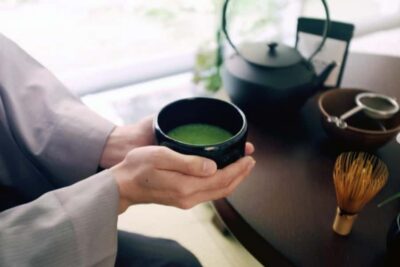
Tea Ceremony Workshop in Tokyo by the Experienced Instrucor
Read our review →

Make Traditional Nerikiri Sweets & Matcha experience in Shibuya
Read our review →Browse the lists this tour appears in