
Reviewed · WORKSHOPS
Ginza: Traditional Musubi-Making Class with Japanese Grandma
The heart of this Ginza experience is an 80-year-old Japanese grandma showing you how to make musubi by hand. You choose three fillings from six options, copy her technique step by step, and then sit down to a generous homemade Japanese meal.
I like the small group, limited to six people, because it gives the lesson a friendly, personal feel. I also like the value: for $38, you get the class, three musubi, a full teishoku meal, miso soup, salad, dessert, and a drink. The main consideration is dietary choice, since the activity is not suitable for vegans or vegetarians.
The class offers something many food tours miss: a direct look at an everyday Japanese food through the hands of someone who has made it for generations. You should arrive hungry. Several people found the lunch so generous that eating beforehand made it hard to finish.
In This Review
- Key points at a glance
- Why a musubi class fits so well in Ginza
- Meeting Musubi Grandma and the English-speaking assistant
- Washing your hands and learning the basics
- Choosing six fillings for three handmade musubi
- Copying the demonstration, one musubi at a time
- The homemade teishoku lunch is a major part of the value
- The personal welcome is part of the experience
- What the $38 price includes, and what it does not
- Who should book this class
- Practical tips before you go
- Should you book the Ginza musubi class?
- FAQ
- How long does the musubi-making class last?
- How many musubi will I make?
- What is the difference between musubi and onigiri?
- Is the class taught in English?
- How many people can join the class?
- Is food included after the musubi lesson?
- Is the activity suitable for children and vegetarians?
Key points at a glance
- Learn from an 80-year-old Japanese grandma: The class centers on her hands-on demonstration and personal instruction.
- Make three musubi yourself: Choose from six fillings and shape each one as the instructor shows you how.
- Understand musubi and onigiri: You receive a short explanation of the difference between these two familiar Japanese foods.
- Enjoy a full homemade teishoku meal: The food goes well beyond the workshop, with miso soup, salad, dessert, and a beverage.
- Small groups keep it personal: No more than six participants take part, with English translation provided.
- Plan around the meal: This is best treated as lunch or a substantial snack, not a quick cooking demonstration.
Why a musubi class fits so well in Ginza
Ginza is known for polished department stores, grand shopping streets, fine dining, and high prices. That makes this modest food lesson a useful change of pace. Instead of simply buying a beautifully packaged snack, you learn how a familiar Japanese staple is made and then eat it in a home-style setting.
Musubi is built around rice and a filling, usually shaped by hand. The word is closely related to the more widely known onigiri, and part of the lesson explains how the terms differ. You do not need prior cooking skill. The point is not to produce perfect restaurant shapes. It is to understand the method and make something with your own hands.
I like this kind of activity because it connects food with daily life. A museum can explain Japanese culture, but shaping rice beside an older local instructor gives you a more ordinary and personal view. The class also leaves room for conversation, which adds warmth that a standard demonstration may lack.
The setting is in Ginza, but transportation to the venue is not included. You need to make your own way there, so allow time to find the meeting point and arrive ready to begin. The exact starting time depends on availability, and the whole session lasts about 90 minutes.
A few more Tokyo bookings worth comparing
- Sushi Making Tokyo Roll and Authentic Japanese Sushi Class
★ 5.0 · 3,971 reviews - Tokyo: Roll and Authentic Sushi Making Class in Asakusa
★ 4.9 · 1,957 reviews - Tokyo Shinjuku Chopsticks Making Class
★ 5.0 · 1,763 reviews
Meeting Musubi Grandma and the English-speaking assistant
The main instructor is an 80-year-old Japanese grandma. Her age is not just a detail in the description. It shapes the character of the activity, since you are learning a food associated with home cooking from someone who has prepared it for much of her life.
An English-speaking assistant translates the instructions into English. This matters because the lesson is practical and hands-on. You need to understand how to handle the rice, where to place the filling, and how to form the musubi. The translation also helps explain the cultural difference between musubi and onigiri.
The activity is listed in English and Japanese. Individual comments refer to hosts named Gina and Yuko, though the particular assistant may vary by session. In either case, you can expect translation help rather than a lesson conducted only in Japanese.
The small group size is another real advantage. With a maximum of six participants, the instructor can demonstrate at close range, and you have a better chance to follow along without waiting behind a large crowd. This suits solo visitors, couples, families with older children, and anyone who prefers a quieter food activity.
Washing your hands and learning the basics
The class begins with hand washing and a short introduction to musubi. That opening is simple, but it sets the right tone. You are preparing food by hand, so cleanliness comes first, and the lesson starts with the basics rather than assuming you already know Japanese food customs.
You then hear about the difference between musubi and onigiri. The two names can overlap in everyday use, and visitors may see both terms during a trip to Japan. A short explanation gives you useful context for something you are likely to encounter in convenience stores, lunch boxes, cafés, and family kitchens.
This is also where the class earns its cultural value. You are not only being shown a recipe. You are learning why the food matters and how it fits into normal Japanese eating habits. The explanation is brief, so do not expect a long food lecture, but it gives the practical work a clear purpose.
Choosing six fillings for three handmade musubi
Once the introduction is finished, you choose from six filling options. The supplied information does not list the individual fillings, so you should not book this expecting a particular favorite unless you can confirm the choices ahead of time.
You make three musubi in total. That number is just right for a 90-minute class. One is not enough to learn through practice, while a much larger number could make the session feel repetitive. Making three gives you a chance to copy the demonstration, correct your technique, and try again.
I like the choice element because it gives you some control over the meal. You can select different fillings and compare them as you go. It also makes the activity work for a group with different tastes, although vegans and vegetarians should note that the experience is specifically listed as unsuitable for them.
The hands-on part is likely to be more memorable than a polished cooking show. Rice can be surprisingly difficult to shape neatly, especially when you are trying to keep the filling in the middle. That is part of the fun. You are not being graded, and the goal is to understand the traditional method rather than produce identical results.
Same corner of Tokyo, a completely different plan:
- Mt Fuji and Hakone 1-Day Bus Tour Return by Bullet Train
★ 5.0 · 26,383 reviews - 1-Day Tokyo Bus Tour
★ 5.0 · 14,250 reviews - Tokyo: TOKYO SKYTREE® Admission ticket
★ 4.5 · 11,192 reviews - Tokyo: teamLab Planets TOKYO Digital Art Museum Entry Ticket
★ 4.6 · 9,779 reviews
Copying the demonstration, one musubi at a time
Musubi Grandma first makes one in front of you. You then follow her lead and make your own three. The assistant translates as she works, so you can focus on her movements and the feel of the rice rather than guessing what to do next.
The format is especially good for people who learn by watching. You see the complete process before trying it yourself, then repeat the steps with guidance nearby. If your first attempt looks uneven, the next two give you a chance to improve.
The class is also accessible to beginners because the information promises step-by-step instruction. Still, you should expect a real handcrafting activity, not an instant shortcut. The finished musubi may look less tidy than the instructor’s. That difference is normal and does not reduce the value of the lesson.
After making the three musubi, you eat them. This creates a satisfying link between the work and the result. You are not taking home a boxed product made by somebody else. You are tasting the food you just prepared.
The homemade teishoku lunch is a major part of the value
While you enjoy your musubi, Musubi Grandma prepares a homemade Japanese teishoku meal. Teishoku generally means a set meal served with several components, and here it includes miso soup, salad, dessert, and a beverage in addition to the main meal.
The listing does not specify the exact main dish or the type of drink and dessert. What is clear is that the meal is substantial. Several people advised arriving with an empty stomach because the food can feel more like a full lunch than a small add-on to a cooking class.
This is where the $38 price makes sense. You are not paying only for 90 minutes of instruction. You also receive three handmade musubi and a complete homemade meal. In central Tokyo, where a sit-down meal can quickly become expensive, that combination offers solid value.
I would still set your expectations correctly. This is not a restaurant tasting menu or a formal culinary school. The appeal is the generous, home-style meal and the chance to eat food prepared by your instructor. If you want technical training in Japanese cuisine, you may need a longer and more specialized class.
The meal also gives the session a social rhythm. The first part is active, with everyone watching, shaping, and asking questions. The second part is slower. You sit down, eat, and have more room for conversation with the hosts and other participants.
The personal welcome is part of the experience
The strongest feature here is not a famous dish or an elaborate venue. It is the warmth of the hosts. The people who enjoyed the activity most often focused on the welcome, the conversation, and the feeling of being fed by a Japanese grandmother.
That matters in Tokyo, where many food stops are quick and transactional. You can buy excellent food almost anywhere, but buying a rice snack does not teach you how it is made or connect you with the person preparing it. This class gives you time with the hosts and a reason to sit down together.
The experience also works well on a rainy afternoon. It is indoors, lasts only 90 minutes, and does not require you to spend half a day crossing the city. If the weather turns poor or you want a break from Ginza shopping, this is a useful plan.
Families should take note of the minimum age. Children under six are not suitable for the activity, while older children can take part. A family with children aged 10 and 12 found the musubi-making especially enjoyable, and the hands-on format should appeal to children who like making and eating their own food.
What the $38 price includes, and what it does not
At $38 per person, the experience is reasonably priced for Ginza. The package includes:
- The musubi-making class
- Three musubi with your choice of fillings
- A homemade teishoku meal
- Miso soup
- Salad
- Dessert
- A beverage
- English translation assistance
Transportation is not included. You need to reach the venue independently, and the supplied details do not provide a transport service or hotel pickup.
The price also includes a cultural exchange that is difficult to measure but easy to appreciate. You spend time with a local grandma, learn a food tradition, and share a meal rather than simply collecting another photograph. For many people, that makes this a better use of a short afternoon than another standard sightseeing stop.
The flexible booking terms are useful if your Tokyo schedule is still changing. You can reserve now and pay later, and cancellation is free up to 24 hours before the activity for a full refund. Starting times vary, so check availability when planning your day.
Who should book this class
I would recommend it most strongly to you if you enjoy food, small groups, and activities with a personal connection. It suits first-time visitors who want an easy introduction to a familiar Japanese food, as well as repeat visitors looking for something outside the usual temples, shops, and observation decks.
Families with children over six can also get a lot from it. The class gives children something active to do, and the meal provides a clear reward at the end. Just be aware that the amount of food may be more than children expect.
This is also a good match for solo visitors. A six-person limit makes it easier to talk with others, and the instruction gives you a natural way to join in even if you arrive alone.
I would not choose it if you are vegan or vegetarian, since the activity is specifically not suitable for either. I would also skip it if you want a highly technical cooking course, a long market visit, or a detailed tour of Ginza. The focus is narrow: make musubi, learn a little cultural background, and eat a home-style meal.
Practical tips before you go
Arrive hungry. This is the most useful advice from the available information. The three musubi are followed by a full meal, so a large breakfast or early lunch could leave you unable to enjoy everything.
Build in time to reach the venue because transportation is not provided. Starting times depend on availability, and the session lasts 90 minutes, making it easy to pair with other Ginza plans if you allow enough time on both sides.
If you have dietary restrictions, check carefully before booking. The experience is not suitable for vegans or vegetarians, and the six filling choices are not listed in the supplied details.
Bring a willingness to use your hands and accept imperfect shapes. The instructor’s musubi may look more practiced than yours. That is exactly why the demonstration is useful.
Finally, treat the lunch as part of the main event. It is not a minor extra after the class. The homemade teishoku meal, miso soup, salad, dessert, and drink are a large part of what makes this experience feel generous for the price.
Should you book the Ginza musubi class?
Yes, if you want a warm, food-focused activity that feels personal rather than staged. The combination of a small group, an 80-year-old instructor, English translation, three handmade musubi, and a full homemade meal gives you a lot for 90 minutes and $38.
Book it especially if you enjoy meeting local people, are happy with a home-style menu, and can arrive hungry. Skip it if you are vegan, vegetarian, traveling with a child under six, or looking for advanced cooking instruction.
For a short Tokyo activity, this is an easy choice. It gives you a story to carry home, a basic food skill to remember, and a filling lunch in the process.
FAQ
How long does the musubi-making class last?
The activity lasts 90 minutes, including the musubi lesson and the homemade teishoku meal.
How many musubi will I make?
You will make three musubi yourself. You choose the fillings from six available options.
What is the difference between musubi and onigiri?
The class includes an explanation of the difference between musubi and onigiri as part of the introduction.
Is the class taught in English?
The instructors speak English and Japanese. An assistant provides English translation during the lesson.
How many people can join the class?
The class is limited to six participants, making it a small-group activity.
Is food included after the musubi lesson?
Yes. The experience includes a homemade teishoku meal, miso soup, salad, dessert, and a beverage, in addition to your three musubi.
Is the activity suitable for children and vegetarians?
Children under six are not suitable for the activity. The experience is also not suitable for vegans or vegetarians.
New on our Tokyo list
- Sumi-e Experience in a relaxing green tea shop in Tokyo★ 5.0 · 3 reviews
- Tokyo : Kamikaze Street Drift Ride★ 5.0 · 3 reviews
- Private Zen Meditation in English in Shinjuku, Tokyo★ 5.0 · 3 reviews
- Onsen Spa in Tokyo and Asakusa Bar Hopping with Local Guide★ 5.0 · 3 reviews
- Easy for everyone! Now you can play handmade mini shamisen and show off to everyone! Musical instruments, sweets and live music★ 5.0 · 3 reviews
- Tokyo Tsukiji Fish Market Walking and Exploring Hidden Gems Tour★ 5.0 · 3 reviews
- Tokyo: Private Tsukiji Street Food & Sake with Local Guide★ 5.0 · 3 reviews
- Mt Fuji Exploration Tour with Free Japanese Kusa Mochi from Tokyo★ 4.5 · 3 reviews
Workshops, compared.
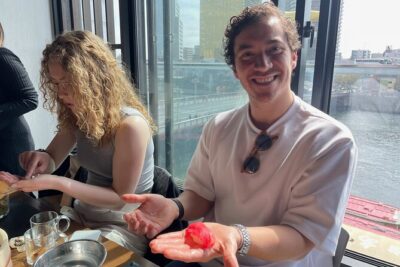
Sushi Making Tokyo Roll and Authentic Japanese Sushi Class
Read our review →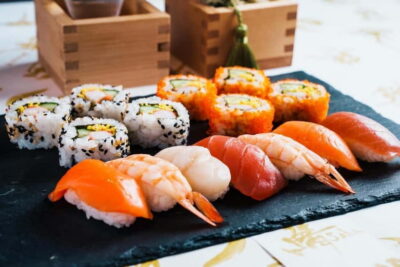
Roll and Authentic Sushi Making Class in Asakusa
Read our review →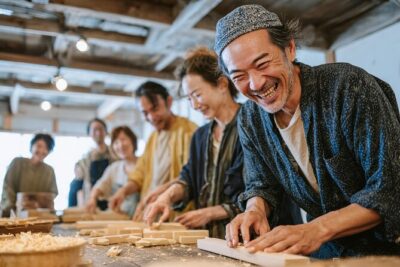
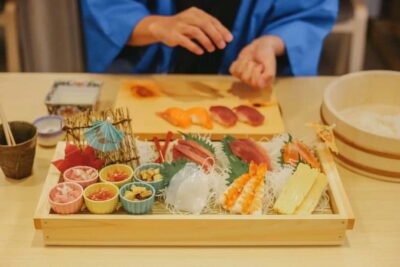
Sushi Making Class in a Happi Coat near a Famous Spot
Read our review →
Tokyo Sushi Making Class in Tsukiji with Professional Chef
Read our review →
Ramen & Gyoza Cooking Class in Tokyo with Local Supermarket Visit
Read our review →
Matcha Making Class in Tokyo with Authentic Japanese Sweets Set
Read our review →Browse the lists this tour appears in