
Reviewed · WORKSHOPS
Japanese paper Notebook and Mizuhiki Belt Bookmark Workshop
The best part of this private craft workshop is that you leave with useful souvenirs you made yourself. Over 150 minutes, you turn Japanese washi paper into an A6 notebook, then add a mizuhiki belt and bookmark using traditional paper cord.
I like the quiet, hands-on pace and the chance to choose your own colors and designs. I also like the small cultural touches, especially the tea and sweets and the explanation of why mizuhiki still matters in Japanese ceremonies. The main consideration is time: the notebook can take close to two hours, and careful hands matter when using sharp tools.
- Make a Traveler-style A6 notebook: Choose Japanese washi for a cover that can look like a travel journal or junk journal.
- Learn three mizuhiki knots: Use traditional paper cord to create a notebook belt and matching bookmark.
- Enjoy tea and sweets: The refreshment break adds a calm, personal touch to the craft lesson.
- Work in a private group: You get direct help from an instructor who speaks Japanese and English.
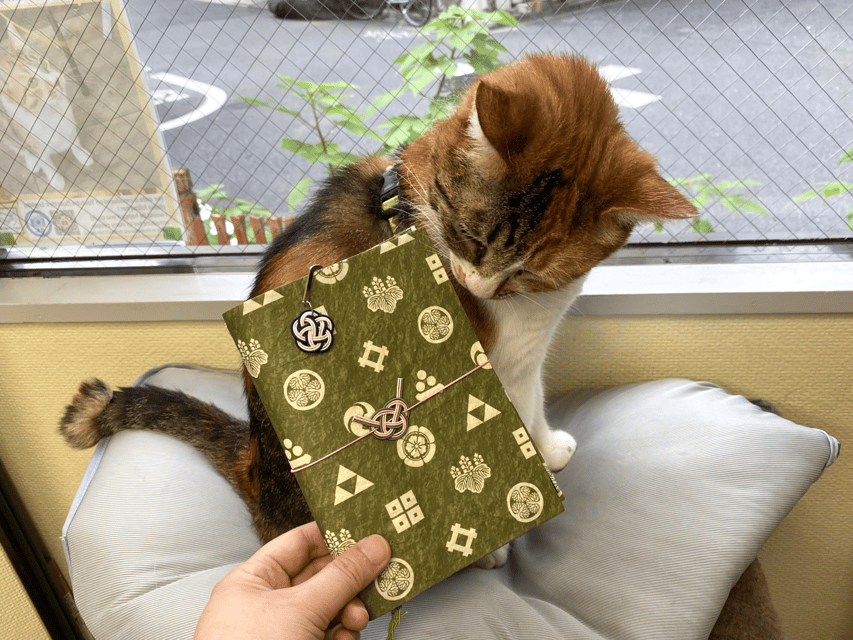
- Meet the studio cat: Cat lovers may be able to take a picture with the workshop mascot.
- Take home meaningful keepsakes: Your notebook, belt, and bookmark are both practical and personal.
In This Review
- Turning Japanese Paper Into a Personal Notebook
- Choosing Washi Without Rushing the Decision
- The Notebook Takes Shape Over About Two Hours
- Learning Mizuhiki, Japan’s Paper Cord Art
- Tea, Sweets, and a Possible Cat Visit
- Why the Private Format Matters
- The Value of $113 for 150 Minutes
- Who Will Enjoy This Workshop Most
- Practical Tips Before You Go
- Should You Book the Washi and Mizuhiki Workshop?
- FAQ
- How long does the workshop last?
- What will I make?
- What is mizuhiki?
- How many mizuhiki knots will I learn?
- Is the workshop private?
- Is instruction available in English?
- Are materials included?
- Is transportation included?
- Can children join the workshop?
Turning Japanese Paper Into a Personal Notebook
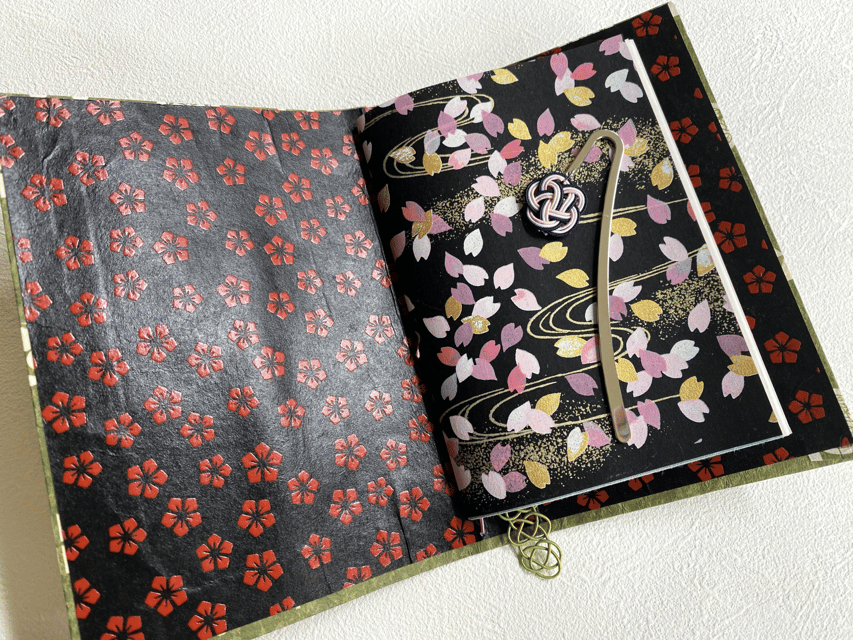
This workshop is built around two Japanese crafts: washi and mizuhiki. Washi is traditional Japanese paper, valued for its texture, strength, and decorative qualities. Mizuhiki is a paper cord used for knotting, gift wrapping, and formal ceremonies.
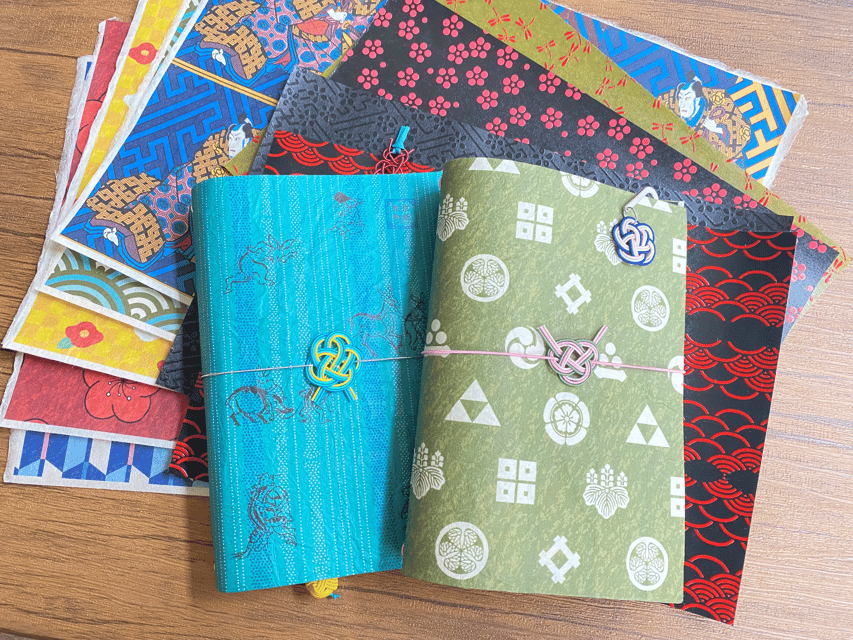
You begin by choosing the Japanese paper for your notebook cover. This is not a one-design-fits-all craft class. Your choice of pattern and color gives the finished notebook its character, so take a little time before settling on a sheet.
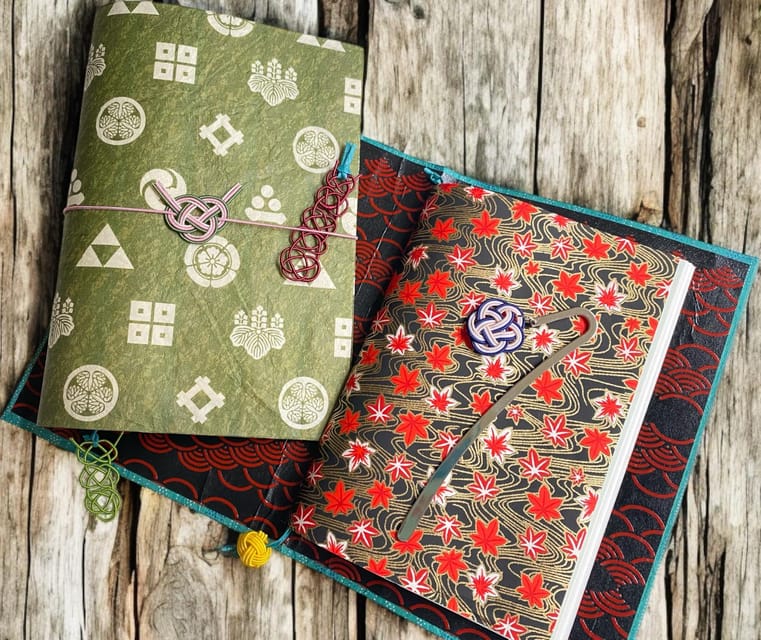
The notebook is A6 size, a compact format that fits easily into a day bag. It resembles a Traveler’s notebook or a junk journal, making it useful for notes, sketches, tickets, small memories, or travel plans.
That size also keeps the project manageable. You are not trying to bind a large book in one sitting. Instead, you create something small enough to finish during the session and attractive enough to keep using after you return home.
The instructor guides you through the more demanding parts. This matters because paper work can look simple until you need to fold, align, cut, and secure each piece neatly. One useful point from the feedback is that the full notebook may take around two hours, so you should not book this expecting a quick 45-minute souvenir activity.
Choosing Washi Without Rushing the Decision
The washi selection is one of the most enjoyable parts of the experience. You choose the paper that will become the outer face of your notebook, with the design setting the mood for the finished piece.
The supplied materials are described as high quality and made from authentic Japanese paper. That gives the activity more weight than a generic paper craft class. You are working with a material connected to Japanese artistic life, not simply decorating a factory-made notebook.
I recommend thinking about how you will use the notebook before choosing. A bold cover can make a cheerful art journal, while a quieter pattern may work better for daily writing. You can also choose something that reminds you of your trip, since the notebook becomes a personal record rather than a standard souvenir.
The process requires patience. If your priority is perfect results with no effort, this may feel slow. If you like making small adjustments and seeing a flat sheet become a finished object, the pace is part of the appeal.
The instructor’s help is especially useful for children and first-time crafters. A private class allows questions to be handled as they arise, rather than making you wait while a large group catches up.
A few more Tokyo bookings worth comparing
- Sushi Making Tokyo Roll and Authentic Japanese Sushi Class
★ 5.0 · 3,971 reviews - Tokyo: Roll and Authentic Sushi Making Class in Asakusa
★ 4.9 · 1,957 reviews - Tokyo Shinjuku Chopsticks Making Class
★ 5.0 · 1,763 reviews
The Notebook Takes Shape Over About Two Hours
Once you select your washi, you work through the steps needed to form the notebook cover and pages. Safety guidance is provided before sharp tools are used, and you receive instructions on handling them carefully.
This is worth noting for families. The activity is not suitable for children under 10, and younger participants may need extra help with the more precise stages. Children aged 10 and 12 took part in a private class and received patient assistance with the harder notebook work.
The finished format has the relaxed look of a handmade journal. It is not meant to resemble a mass-produced office notebook. Small variations are part of its charm, and the result carries visible evidence of your choices and work.
The class is also a good choice for couples, friends, and parents with older children. Since the group is private, you can work at your own pace and share the experience without being mixed into a large public class.
One practical point: the advertised duration is 150 minutes, while one participant described spending about two hours completing the notebook. Allow the full time, especially if you enjoy careful decoration or need extra help with the construction.
Learning Mizuhiki, Japan’s Paper Cord Art
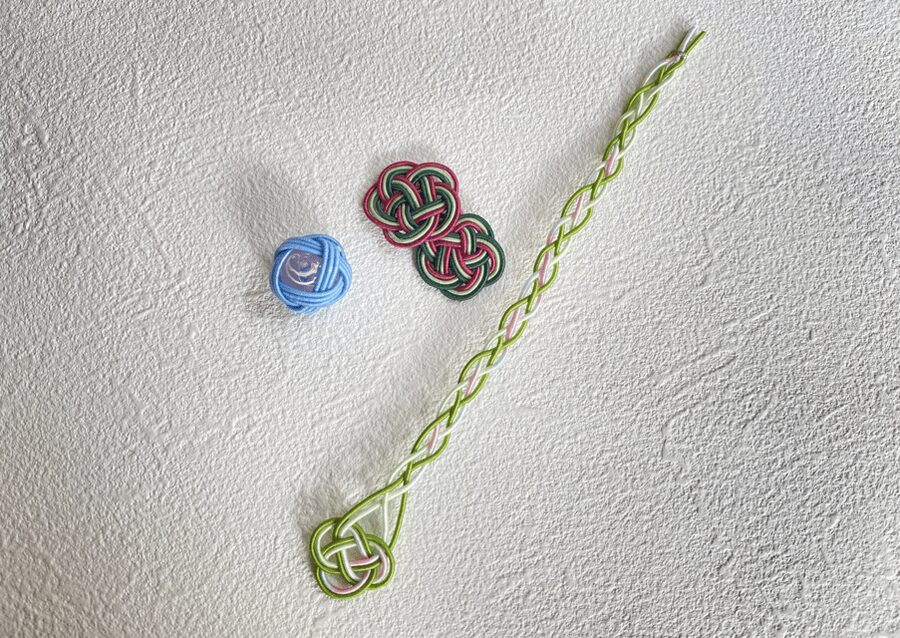
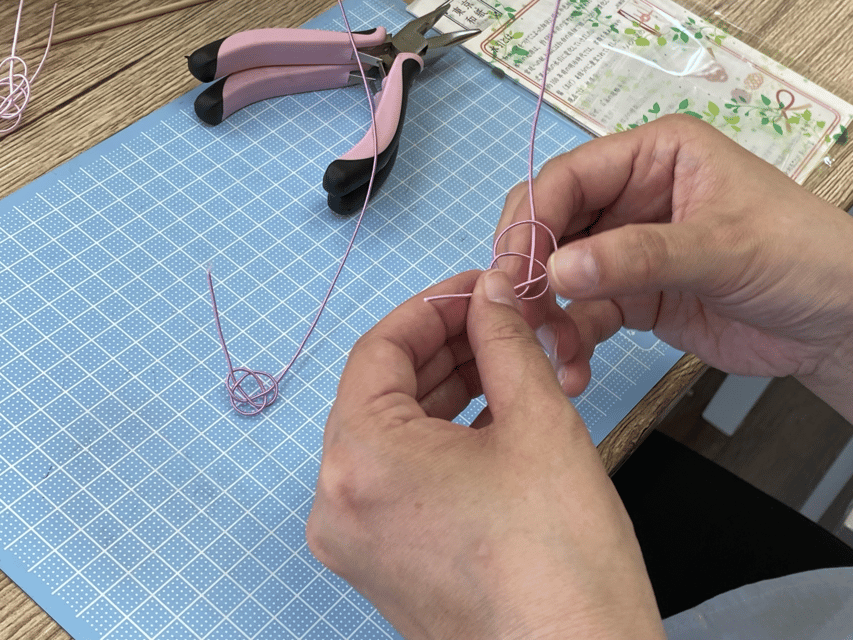
After the notebook work, you make a belt for the notebook and a bookmark using mizuhiki. Mizuhiki has been used in Japan for about 680 years and remains part of wedding and funeral ceremonies today.
That background gives the knotting lesson real cultural value. You are not just adding a decorative cord. You are learning a small part of a tradition connected to formal gifts, important life events, and Japanese etiquette.
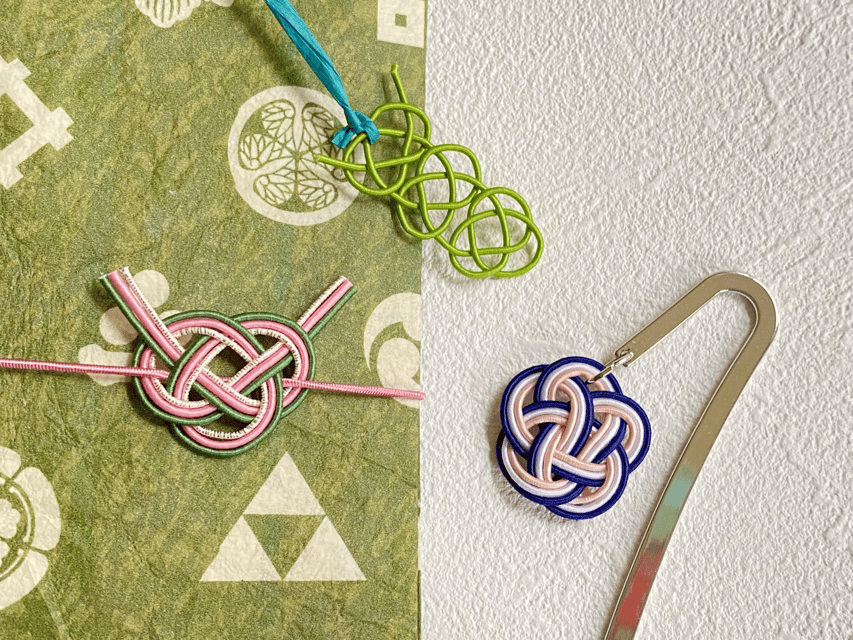
The workshop introduces three knots. If you already know the basic knot, you may be able to try a slightly more difficult one. This makes the activity suitable for beginners while still offering a little challenge to someone with previous experience.
Mizuhiki can be tricky at first. The cord needs to be shaped and held in the right order, and the finished knot depends on steady tension. The instructor’s patience is important here. Several comments highlight careful guidance during the more difficult sections, which is exactly what you want in a craft lesson.
Your finished belt gives the notebook a useful closure, while the bookmark becomes a separate keepsake. Together, the items feel more complete than a notebook cover alone.
Tea, Sweets, and a Possible Cat Visit
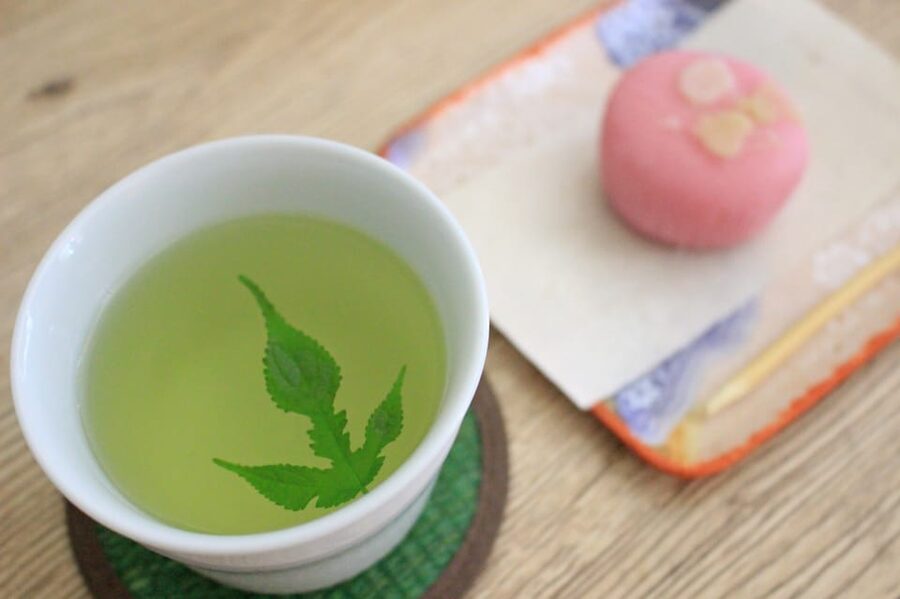
The workshop includes tea or coffee, along with sweets. This break gives your hands a rest and keeps the class from feeling like one long technical exercise.
The tea is part of the cultural setting, not just a drink placed on the table. One participant described it as light and refreshing, while another session included tea, sandwiches, and snacks. The exact refreshments may vary, but tea and sweets are part of the stated experience.
You may also have the chance to take a picture with the studio cat. The cat is described as a mascot, and meeting it adds a playful note to an otherwise quiet craft session. I would treat this as a pleasant possibility rather than the main reason to book, since the important activity is the notebook and mizuhiki work.
These small details help the workshop feel personal. You are not simply moving through a production line, collecting materials, and leaving. There is room for conversation, a drink, and a little local character.
Same corner of Tokyo, a completely different plan:
- Mt Fuji and Hakone 1-Day Bus Tour Return by Bullet Train
★ 5.0 · 26,383 reviews - 1-Day Tokyo Bus Tour
★ 5.0 · 14,250 reviews - Tokyo: TOKYO SKYTREE® Admission ticket
★ 4.5 · 11,192 reviews - Tokyo: teamLab Planets TOKYO Digital Art Museum Entry Ticket
★ 4.6 · 9,779 reviews
Why the Private Format Matters
This is a private-group experience, which changes the feel of the class. You can ask for a knot to be shown again, request help with notebook construction, or take more time with your paper choice without worrying about holding up strangers.
The instructors speak Japanese and English. English explanations were considered clear enough to explain the process, and the instructor was described as friendly, accommodating, and patient.
That does not mean every technical term will be easy on the first hearing. Craft instructions often involve several steps at once. I would watch the demonstration closely, then ask for a repeat before cutting or tying if you are unsure.
The private format also suits couples and families who want a shared activity. You can compare paper choices, help one another with knots, and leave with matching or contrasting notebooks.
For solo visitors, the setting offers a focused creative break from sightseeing. It is a better fit for someone who enjoys making things than for someone who wants a fast cultural explanation with little participation.
The Value of $113 for 150 Minutes
At $113 per person, this is not a bargain souvenir stop. The price makes more sense if you count the private instruction, required materials, traditional craft content, refreshments, and the finished notebook, belt, and bookmark.
You are paying for time with an instructor as well as for paper and cord. Premium washi can be more meaningful than a standard souvenir because you select it and shape it into something useful. The finished objects also carry a memory of the activity, which gives them more staying power than many purchased gifts.
The value is strongest for people who enjoy hands-on activities. If you dislike cutting, folding, tying, or working carefully, the price may feel high for what you take home. If you would normally pay for a craft class and also want a cultural introduction, the two-and-a-half-hour private format offers a reasonable amount of contact time.
Transportation to the store is not included, so add that cost and travel time to your budget. The precise starting time depends on availability, so check the schedule before building the workshop into a tightly timed sightseeing day.
Free cancellation is available up to 24 hours in advance for a full refund, and you can reserve now and pay later. Those terms are helpful if your Honshu plans are still shifting.
Who Will Enjoy This Workshop Most
I would recommend this activity to:
- Couples looking for a quiet shared project
- Families with children aged 10 and older
- Solo visitors who enjoy paper, journaling, or Japanese design
- Anyone wanting a useful souvenir rather than a purchased trinket
- Crafters who like learning traditional knots
- Visitors interested in the meaning behind Japanese gift and ceremony customs
It is less suited to very young children, anyone with limited patience for detailed handwork, or people who want a broad sightseeing tour. There are no multiple attractions or major landmarks here. The focus is one studio, a small set of crafts, and the time needed to make them properly.
The workshop can also work well on a rainy day or during a break between larger outings. Because it lasts 150 minutes, it gives you a substantial indoor activity without taking a full day.
Practical Tips Before You Go
Wear something comfortable and plan to keep your attention on small tools and materials. Safety guidance is provided, but you still need to work carefully during the cutting stages.
Do not rush your paper choice. The cover is the most visible part of the notebook, and it is worth considering whether you want something bold, calm, traditional-looking, or playful.
Expect the notebook to take much of the session. The mizuhiki belt and bookmark are not a quick add-on, since you learn several knots and may need to repeat a step.
If you already know a basic mizuhiki knot, tell the instructor. You may be able to try a harder design. If you are new to knotting, start with the basic version and focus on keeping the cord even.
Parents should remember the minimum age of 10. Older children can enjoy the activity, but the sharp tools and detailed notebook stages mean that adult support may still be useful.
Finally, ask about the cat picture if that matters to you. A cat may be present as the studio mascot, but the animal encounter is an optional extra rather than a guaranteed part of the craft lesson.
Should You Book the Washi and Mizuhiki Workshop?
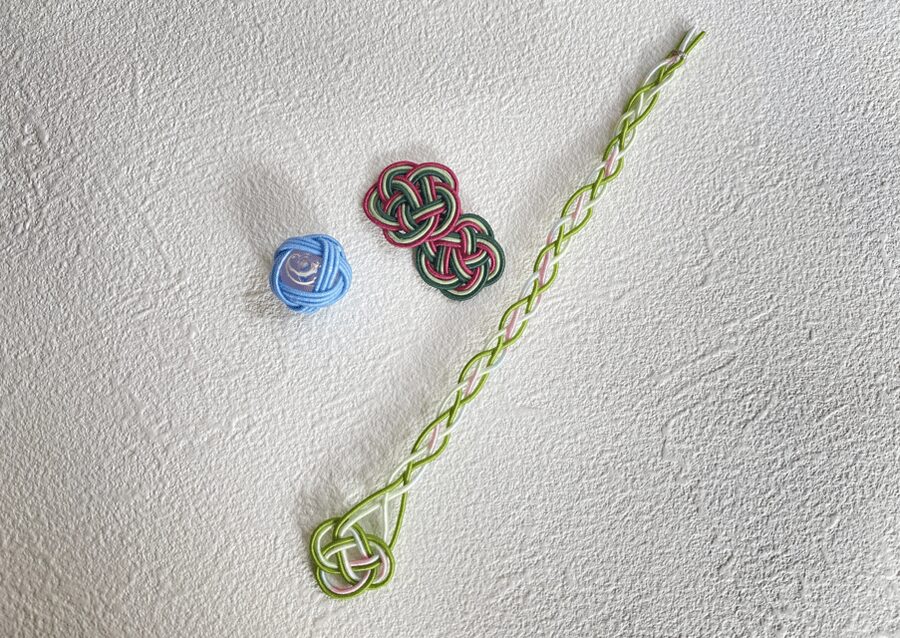
Book it if you want a private, creative Japanese experience and like the idea of using something you made during your trip. The strongest reasons are the patient instruction, the personal notebook design, the cultural meaning of mizuhiki, and the chance to take home several connected keepsakes.
Think twice if $113 feels high for a craft class or if you prefer fast sightseeing. The notebook can take around two hours, transportation costs extra, and the work demands care.
For families with children aged 10 and up, couples, and paper-craft fans, I think the workshop offers a memorable way to spend an afternoon in Honshu. It is calm, personal, and practical, with enough cultural context to make the finished notebook mean more than a simple souvenir.
FAQ
How long does the workshop last?
The workshop lasts 150 minutes. The notebook-making portion may take close to two hours, so allow the full scheduled time.
What will I make?
You will make an A6 notebook with a Japanese washi cover, plus a mizuhiki belt for the notebook and a bookmark.
What is mizuhiki?
Mizuhiki is a traditional Japanese paper string that has been used for about 680 years. It is still used in Japanese wedding and funeral ceremonies.
How many mizuhiki knots will I learn?
The workshop teaches three knots. If you already know the basic knot, you may be able to try a more difficult knot.
Is the workshop private?
Yes. The activity is offered for a private group.
Is instruction available in English?
Yes. The instructor speaks Japanese and English.
Are materials included?
Yes. The required workshop materials and a friendly instructor are included.
Is transportation included?
No. The cost of transportation to the store is not included.
Can children join the workshop?
Children under 10 cannot take part. Children aged 10 and older may join, with adult support potentially helpful during the detailed notebook and tool work.
New on our Tokyo list
- Sumi-e Experience in a relaxing green tea shop in Tokyo★ 5.0 · 3 reviews
- Tokyo : Kamikaze Street Drift Ride★ 5.0 · 3 reviews
- Private Zen Meditation in English in Shinjuku, Tokyo★ 5.0 · 3 reviews
- Onsen Spa in Tokyo and Asakusa Bar Hopping with Local Guide★ 5.0 · 3 reviews
- Easy for everyone! Now you can play handmade mini shamisen and show off to everyone! Musical instruments, sweets and live music★ 5.0 · 3 reviews
- Tokyo: Private Tsukiji Street Food & Sake with Local Guide★ 5.0 · 3 reviews
- Mt Fuji Exploration Tour with Free Japanese Kusa Mochi from Tokyo★ 4.5 · 3 reviews
- Tokyo Tsukiji Fish Market Walking and Exploring Hidden Gems Tour★ 5.0 · 3 reviews
Workshops, compared.
Sushi Making Tokyo Roll and Authentic Japanese Sushi Class
Read our review →
Roll and Authentic Sushi Making Class in Asakusa
Read our review →
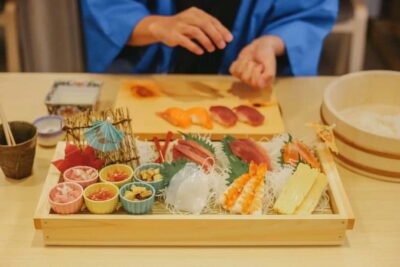
Sushi Making Class in a Happi Coat near a Famous Spot
Read our review →
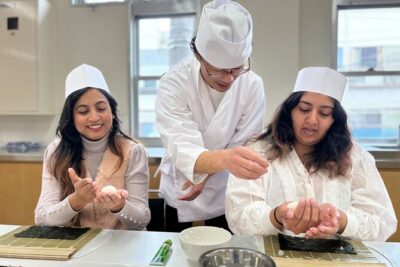
Tokyo Sushi Making Class in Tsukiji with Professional Chef
Read our review →
Ramen & Gyoza Cooking Class in Tokyo with Local Supermarket Visit
Read our review →
Matcha Making Class in Tokyo with Authentic Japanese Sweets Set
Read our review →Browse the lists this tour appears in