
Reviewed · WORKSHOPS
Japanese Pottery Class in Tokyo
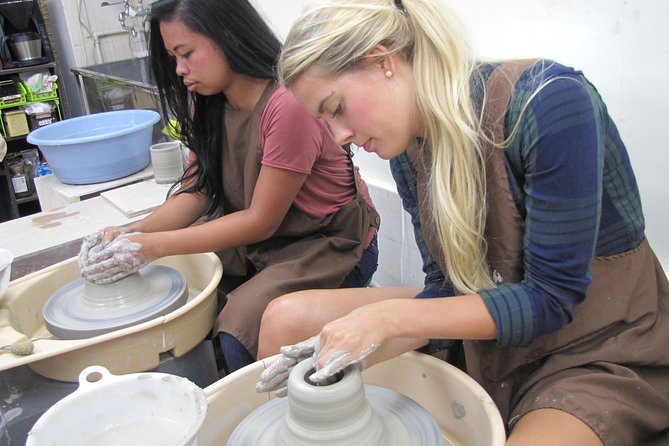
A spinning wheel, a lump of clay, and an hour in Tokyo can make a fine break from temples and neon. At Uzumako ceramic art school in Shiba, you learn basic pottery from an instructor such as Ruth, Stephen, or Vicki, then shape about two or three pieces of your own.
I like the small-group format, which gives you room to ask for help, and the chance to design a personal souvenir rather than buy one from a shop. The central location near Tokyo Tower and a Metro station also makes this easy to fit into a day of sightseeing.
The main catch is simple: the $26.73 price covers the class, not the finished pottery. You pay extra for firing each piece and optional EMS shipping, and the works take about a month to prepare.
In This Review
- Key points at a glance
- What happens in the one-hour pottery class
- Meeting the instructors at Uzumako
- Making a souvenir you actually designed
- The real price: $26.73 plus firing
- A good location near Tokyo Tower
- Who will enjoy this class most
- What the class teaches about Japanese pottery
- Practical booking advice and cancellation
- Should you book the Japanese Pottery Class in Tokyo?
- FAQ
- How long does the Japanese pottery class last?
- How many pottery pieces can I make?
- Is firing included in the booking price?
- Can my pottery be shipped home?
- When will my pottery be ready?
- Where does the class meet?
Key points at a glance
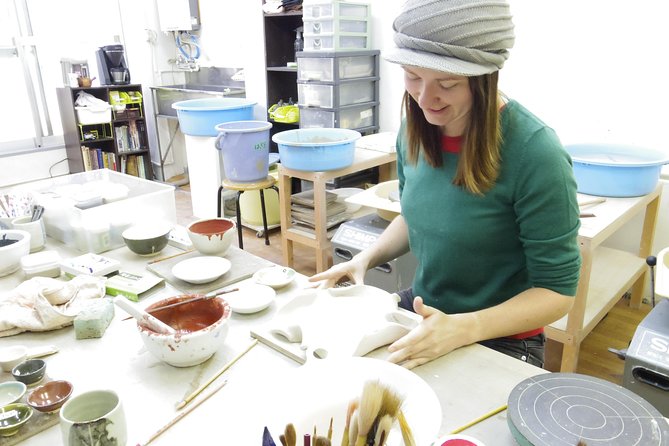
- Make two or three pieces in one hour: A demonstration comes first, followed by hands-on work at the wheel.
- Choose your own shapes and colors: You may make a plate, cup, rice bowl, or other simple form, then select glaze colors.
- Patient English-speaking instruction: Ruth, Stephen, Vicki, and other teachers have helped beginners through the first tricky stages.
- Near Tokyo Tower in Shiba: The central Minato location is close to public transportation and easy to pair with sightseeing.
- Plan for extra costs: Firing is charged per selected piece, and EMS shipping is optional.
- Your pottery is not ready that day: Allow about one month for firing and preparation before receiving the work.
What happens in the one-hour pottery class
The session begins with a little paperwork. You fill out an application form, then the instructor gives a demonstration. This is important because clay looks easy until it starts wobbling under your hands. A short example shows you how to center the clay, open the middle, and pull up the sides.
After that, you work on your own pieces. The stated target is about two or three works in an hour, though the exact number depends on your pace and how ambitious your designs become. Some people use the time for a plate or cup. Others try a rice bowl, and one class participant managed several different pieces with help from the instructor.
The format gives you freedom. You are not simply copying one model while the teacher does most of the work. After the demonstration, you try the basic movements yourself. If the clay starts to lean or the rim becomes uneven, the instructor steps in with advice or helps repair the form.
That balance suits a first class. You get enough guidance to avoid feeling lost, but you still do the satisfying part yourself. Pottery is a hands-on craft, and the small mistakes are part of the charm. A slightly uneven bowl can look more personal than a factory-perfect souvenir.
At the end of the making period, you choose which pieces you want fired. This is when the cost becomes clearer. The basic booking fee pays for the trial lesson, while firing is added for each work you keep. You then select the colors for your pieces, clean the work area, and complete payment.
The class ends back at the same meeting point. You do not leave with a finished ceramic item in your bag. The clay works need firing and preparation first, which takes about one month.
A few more Tokyo bookings worth comparing
- Sushi Making Tokyo Roll and Authentic Japanese Sushi Class
★ 5.0 · 3,971 reviews - Tokyo: Roll and Authentic Sushi Making Class in Asakusa
★ 4.9 · 1,957 reviews - Tokyo Shinjuku Chopsticks Making Class
★ 5.0 · 1,763 reviews
Meeting the instructors at Uzumako
The teaching is one of the strongest reasons to choose this class. Ruth is described as patient and helpful, and she has guided complete beginners through making plates. Stephen explains the throwing process clearly and can teach in English. Vicki has also received praise for calm demonstrations and careful help at the wheel.
Other instructors named in the feedback include Kaia, Kya, and Jumpai. Names and teachers can vary by session, so you should not book expecting one particular person unless the school confirms it. The useful point is that English support is available, along with Japanese instruction.
I especially like the tone described by the class participants: serious enough to teach the craft, but relaxed enough to allow laughter and mistakes. One session had a peaceful mood with mellow instrumental music and rain outside. That may not be the atmosphere every time, but it gives you a fair idea of the class’s appeal: this is a quiet creative hour, not a rushed production line.
The school also appears comfortable with different skill levels. If you have never touched a pottery wheel, you can learn the fundamentals. If you have taken a class before, you can spend more time experimenting with shape. The instructor’s role is to help without taking control of the piece.
The advertised overview gives a maximum of 15 people, while the additional information gives a maximum of 25. That is a point worth confirming before you book if group size matters greatly to you. The experience is designed as a small-group activity, but the published limits do not match.
Making a souvenir you actually designed
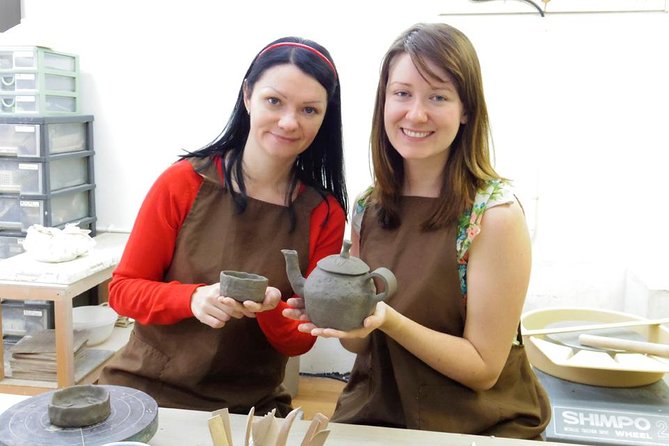
Tokyo has no shortage of souvenirs, from packaged sweets to mass-produced ceramics. This class gives you something different: a piece shaped by your hands, with the rough edges and small quirks that show how it was made.
You can make a plate, cup, bowl, or another form the teacher considers suitable for the session. The instructions allow freedom in what you create, which is useful if you already have an idea in mind. A beginner may prefer a low plate because it can feel more manageable, while a bowl or cup gives you more practice with raising the walls.
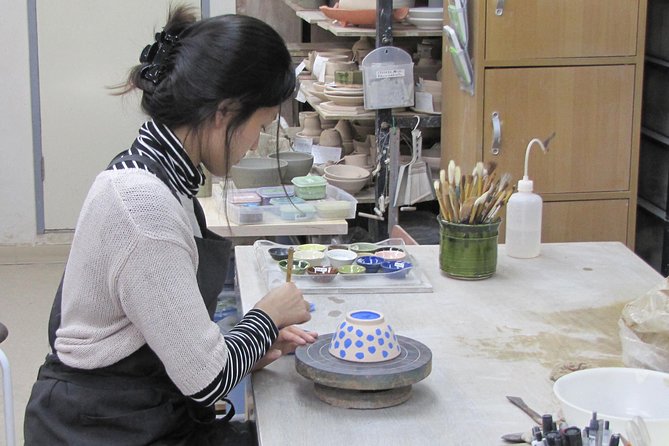
The finished color is another personal choice. After selecting the pieces for firing, you choose the glaze colors. This adds a second creative decision to the class. You are not only learning how to form clay, you are deciding how the final ceramic should look.
Keep your expectations sensible. One hour is enough for an introduction, not mastery. Centering clay and keeping a wall even require practice. The teacher can correct problems, but you may still produce a lopsided rim or a shape different from the one you imagined.
That is not a flaw in the activity. It is the reason the class works as a cultural experience rather than just a photo opportunity. You get a glimpse of the patience and control behind Japanese pottery, then take part in the process at a beginner’s level.
The real price: $26.73 plus firing
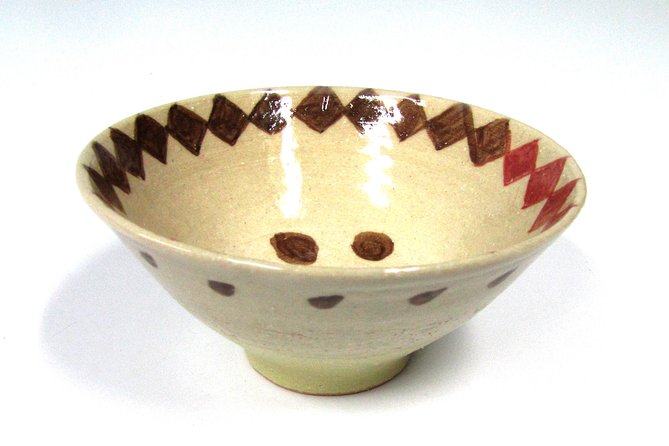
At $26.73 per person, the class is fairly priced for a central Tokyo activity lasting about an hour. The value comes from instruction, access to the studio, clay work, and the chance to make several pieces. It is a good choice if you want a creative activity without committing half a day.
The advertised price does not include firing fees. You pay for each selected work you want completed. The exact firing cost is not provided here, so check the current amount before confirming your booking or at the studio when you choose your pieces.
EMS shipping is optional. If you want the pottery sent to your home, that shipping fee is extra as well. This can make the total cost noticeably higher than the initial booking price, especially if you select several pieces.
You may also need to think about luggage and timing. The class-made works are not ready immediately, and the preparation period is about one month. Shipping is the practical choice for most people, but the final arrangement depends on the destination and the school’s current shipping options.
If you are in Brazil, contact the school before booking. Strict Brazilian customs rules have made shipping class-made pottery to Brazil difficult, and the school can discuss another way to receive the work. This is the most important destination-specific warning provided for the experience.
I would treat the initial fee as the price of the lesson, not the price of a finished souvenir. If you want only the creative session, the base cost is attractive. If you definitely want three glazed pieces shipped home, ask about the full price first.
Same corner of Tokyo, a completely different plan:
- Mt Fuji and Hakone 1-Day Bus Tour Return by Bullet Train
★ 5.0 · 26,383 reviews - 1-Day Tokyo Bus Tour
★ 5.0 · 14,250 reviews - Tokyo: TOKYO SKYTREE® Admission ticket
★ 4.5 · 11,192 reviews - Tokyo: teamLab Planets TOKYO Digital Art Museum Entry Ticket
★ 4.6 · 9,779 reviews
A good location near Tokyo Tower
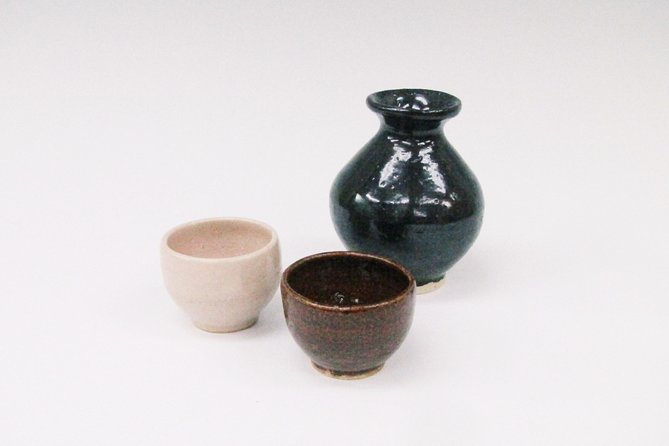
The studio is at Shimizu House, 3-chome 29-11 Shiba, Minato City, Tokyo 105-0014. It is close to a Metro station and near Tokyo Tower, making the activity easy to combine with other sights in central Tokyo.
The meeting point advantage matters. You do not need to travel far out of the city for a pottery lesson, and the class can fit into an afternoon or evening plan around Minato. You might visit Tokyo Tower before or after the session, depending on your schedule.
The address includes Japanese characters, so save it on your phone before leaving your hotel. A mobile ticket is provided, and confirmation arrives when you book. Since Tokyo addresses can be confusing, allow enough time to locate the studio rather than arriving at the last minute with clay already spinning in your imagination.
The activity ends where it starts. There is no second drop-off or transport element to arrange.
Who will enjoy this class most
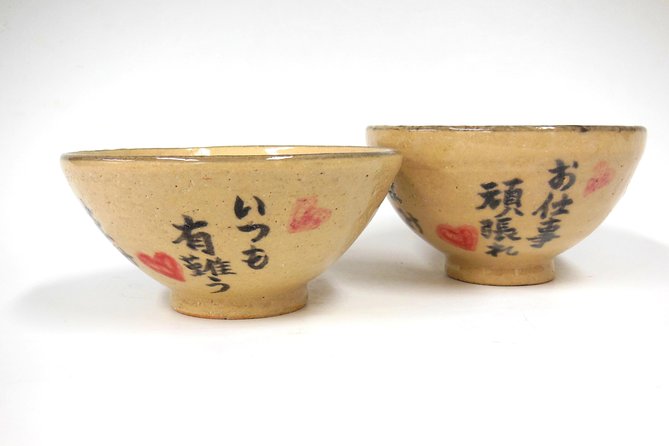
This is a strong pick for first-time potters. The teacher demonstrates the basics, then offers help as you work. You do not need prior experience, and most people can participate.
It also works well for families with children, according to the supplied information, though a parent should judge whether a one-hour clay session suits a particular child. The class is interactive and gives younger participants something physical to do instead of asking them to look at another display case.
Couples and friends can make pieces side by side, then compare shapes and colors. It also suits solo visitors who want a calm hour away from Tokyo’s busy streets. The class can be social in a group, but the hands-on work gives you plenty to focus on.
Experienced potters may find the session basic, but the open approach gives you some room to try your own forms. You should book it for the access and setting, not as a serious advanced workshop.
Service animals are allowed, and the studio is near public transportation. The available information says most people can participate, but it does not provide detailed wheelchair access information. If you need specific access arrangements, contact the provider before booking.
What the class teaches about Japanese pottery
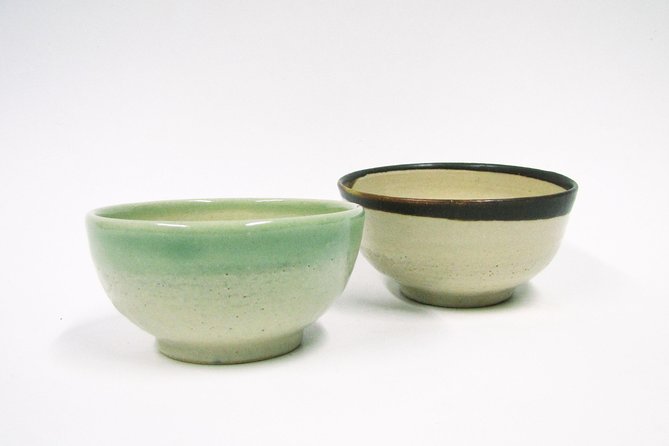
The lesson is brief, but it gives you a useful look at pottery as a practiced craft. You see a teacher make a sample, feel how quickly clay responds to pressure, and learn why balance matters when building a vessel.
The Japanese setting adds meaning without turning the class into a lecture. You are learning an art form deeply tied to everyday life in Japan, where bowls, cups, plates, and serving pieces can be both useful and beautiful.
You will not become a pottery master in sixty minutes. You will, however, understand why a handmade bowl costs more than a souvenir mug. The material demands steady hands, attention, and time after the class for drying and firing.
That small lesson is part of the value. You return home with a better eye for handmade ceramics, even if your own first bowl looks more playful than polished.
Practical booking advice and cancellation
The activity has free cancellation up to 24 hours before the local start time. Cancel at least 24 hours ahead for a full refund. Changes or cancellations made less than 24 hours before the start are not accepted for a refund.
Book with the firing and shipping plan in mind. Decide how many pieces you would realistically keep, and ask about current fees if your budget is tight. If you are traveling to Brazil, contact the school before paying.
The experience has a 4.8 rating from 52 ratings, with 94 percent recommending it. That matches the practical picture: the teaching, friendly staff, relaxed room, and creative freedom are the main strengths. The lower rating in the supplied feedback focused on the basic introduction rather than a serious problem, which is fair for a one-hour trial class.
Should you book the Japanese Pottery Class in Tokyo?
Book this class if you want a short, hands-on cultural activity near Tokyo Tower and you like the idea of making a souvenir yourself. Beginners get patient support, experienced potters get some freedom, and English instruction is available.
Do not book it expecting to walk out with finished pottery or a single all-inclusive price. Add firing fees, consider shipping, and allow about one month for preparation. If you understand those extra steps, the class offers a pleasant and personal way to spend an hour in Tokyo.
FAQ
How long does the Japanese pottery class last?
The class lasts approximately one hour.
How many pottery pieces can I make?
You can make about two or three works within the one-hour class. The exact number depends on your pace and the forms you choose.
Is firing included in the booking price?
No. The basic fee covers the pottery trial class. Firing is charged separately for each selected work.
Can my pottery be shipped home?
Optional EMS shipping is available, but the shipping fee is not included. If you are in Brazil, contact the school before booking because customs rules may affect delivery.
When will my pottery be ready?
The works take about one month to prepare after the class.
Where does the class meet?
The class meets at Shimizu House, 3-chome 29-11 Shiba, Minato City, Tokyo 105-0014. The activity ends at the same location, which is near public transportation and Tokyo Tower.
New on our Tokyo list
- Tokyo Spectacular View Day-Cruise in 90 Minutes★ 5.0 · 25 reviews
- From Tokyo: Mount Fuji & Hakone Full Day Private Tour★ 4.9 · 25 reviews
- Real Tokyo Runner Club : Daikoku Car Meet Night Tour with JDM Car★ 5.0 · 25 reviews
- 2.5 Hour-Guided Cycle Tour in the Central Tokyo★ 5.0 · 25 reviews
- Ramen Making from Scratch +Akihabara Tour –Cooking Class★ 5.0 · 25 reviews
- [Self-Drive] Tokyo & Daikoku Custom Car Driving Tour★ 4.9 · 25 reviews
- Tokyo: 2-Hour Night Bike Tour of the City’s Hidden Gems★ 4.9 · 25 reviews
- Samurai themed Entertainment show in Shinjuku★ 4.5 · 25 reviews
Workshops, compared.
Sushi Making Tokyo Roll and Authentic Japanese Sushi Class
Read our review →
Roll and Authentic Sushi Making Class in Asakusa
Read our review →
Sushi Making Class in a Happi Coat near a Famous Spot
Read our review →
Tokyo Sushi Making Class in Tsukiji with Professional Chef
Read our review →
Ramen & Gyoza Cooking Class in Tokyo with Local Supermarket Visit
Read our review →
Matcha Making Class in Tokyo with Authentic Japanese Sweets Set
Read our review →Browse the lists this tour appears in