
Reviewed · TEA CEREMONIES
Japanese Traditional Breakfast and Tea Ceremony
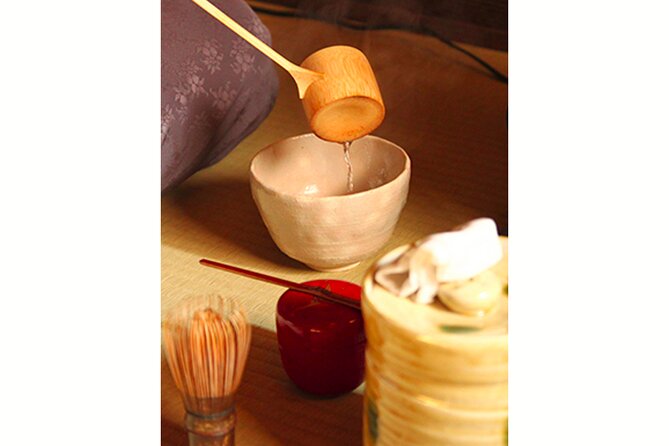
A bowl of matcha, a few quiet minutes of meditation, and a breakfast built around rice balls make this a far more meaningful start to the day than a hotel buffet. You learn the manners and purpose behind a Japanese tea ceremony, then make your own tea under the guidance of a bilingual licensed tea master. I like that the session includes both food and instruction, and that the tea ritual is explained in English rather than left as a silent performance.
I also like the chance to hear about Zen practices, hanging scrolls, and tea utensils while sitting down to traditional sweets and a light breakfast. The main drawback is practical: the meeting venue at Kikai Shinkō Kaikan in Shibakōen can be a little hard to find, so allow extra time and check your route before leaving.
In This Review
- Key points to know before booking
- Starting the morning with rice, sweets, and quiet
- A short meditation before the tea ceremony
- Learning the meaning behind the hanging scroll and utensils
- Drinking high-quality matcha the traditional way
- Your turn to prepare the matcha
- What the breakfast adds to the cultural lesson
- Location, timing, and finding the venue
- Is $60.81 a fair price?
- Who will get the most from this experience?
- Booking, cancellation, and weather notes
- My recommendation: book it for culture, not just breakfast
- FAQ
- Where does the Japanese traditional breakfast and tea ceremony begin?
- What time does the activity start?
- How long does the experience last?
- Where does the activity end?
- Is breakfast included?
- Will I make onigiri?
- Is matcha included?
- Can I make my own tea?
- Is the tea ceremony explained in English?
- How many people can join the activity?
- Is transportation included?
- Can I cancel for a refund?
- What happens if the activity is canceled because of weather?
- What happens if the minimum number of participants is not reached?
Key points to know before booking
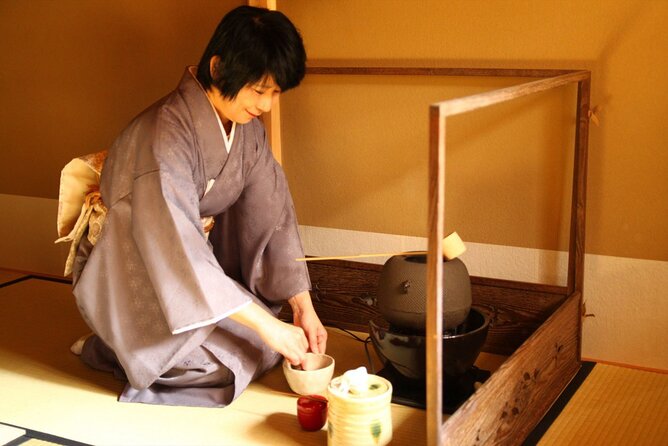
- You make your own matcha: The second tea ceremony is performed by you, with clear instruction from the host.
- Breakfast includes onigiri: You have the chance to make rice balls, then eat them with other traditional breakfast items and sweets.
- The experience begins with meditation: A short quiet period gives the ceremony a calm, focused start.
- You meet an experienced tea master: The host has at least five years of tea ceremony experience and provides explanations in English.
- The group can reach 28 people: This is not a private lesson, so the feel may be more social than intimate.
- The timing suits early sightseeing: The activity runs for about 90 minutes and starts at 9:00 a.m. in Tokyo’s Minato City.
Starting the morning with rice, sweets, and quiet
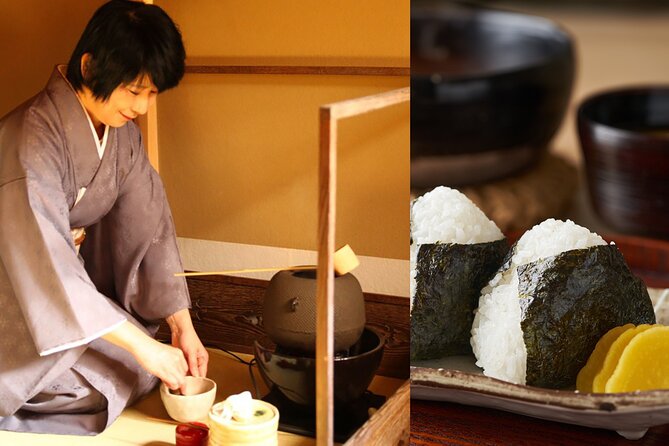
This Tokyo tea ceremony begins at 9:00 a.m. and lasts about an hour and a half. That timing works well if you want an early cultural activity before visiting nearby sights, but it does mean you need to be ready to leave your accommodation fairly early.
The breakfast is described as light rather than a large meal. You can expect freshly prepared rice balls, other local flavors, and traditional Japanese sweets. The onigiri portion adds a useful hands-on touch. Instead of simply watching food arrive, you get to try making the rice balls yourself, then eat them with the rest of the breakfast.
I like this because food provides an easy way into Japanese culture. Onigiri is familiar enough to understand quickly, but the details of shaping, serving, and pairing it with other foods make the meal feel different from a standard morning snack. The breakfast also gives families and mixed-age groups something active to do before the more formal tea portion begins.
Do not book this expecting a full hotel-style breakfast. The meal is intended as a cultural introduction, not a large spread. If you need a substantial breakfast, you may want to eat something small before arriving or plan another meal afterward. The activity does not include extra food or beverages.
More tea rooms worth booking:
- Matcha Making Class in Tokyo with Authentic Japanese Sweets Set
★ 5.0 · 744 reviews - Tokyo: Traditional Tea Ceremony with a Tea Master
★ 5.0 · 528 reviews - Tokyo: Matcha Making Experience with Mochi Sweets in Asakusa
★ 4.9 · 388 reviews
A short meditation before the tea ceremony
Before the tea preparation begins, the host leads a short meditation. It is not presented as a long spiritual retreat. Instead, it gives you a few quiet moments to settle down and pay attention to the setting, the utensils, and the movements that follow.
That pause matters because a tea ceremony is built around concentration. The point is not only to drink matcha. It is to notice how the tea is prepared, how it is presented, and how the people in the room share the moment.
You will also hear about Zen practices and the meaning of a hanging scroll displayed in the tea setting. The scroll expresses the spirit of Zen, and the guide explains why it belongs in the room. This kind of context helps you see the ceremony as more than a sequence of formal gestures.
The meditation may appeal most to you if you enjoy cultural activities with a quiet pace. If you prefer constant action or a fast-moving sightseeing tour, the slower opening may feel unusual. That is part of the design, not wasted time.
Learning the meaning behind the hanging scroll and utensils
The tea master explains the tea ceremony, Zen ideas, Japanese hanging scrolls, and the tools used to prepare matcha. These details are easy to miss if you attend a ceremony without explanation.
A tea utensil may look simple, but its place in the ritual matters. The hanging scroll also helps set the tone before the tea is served. The English commentary gives you a way to connect the objects with the wider customs of the ceremony instead of treating them as decoration.
This is one of the strongest reasons to choose this activity over simply ordering matcha in a café. You are given the cultural setting and the basic vocabulary to understand what you are seeing. The host is a bilingual licensed tea master with more than five years of experience, so the session combines formal credentials with practical instruction.
The information is designed for an international audience. You do not need prior knowledge of Japanese tea traditions, and there is no stated requirement to know Japanese. The explanations are provided in English.
Drinking high-quality matcha the traditional way
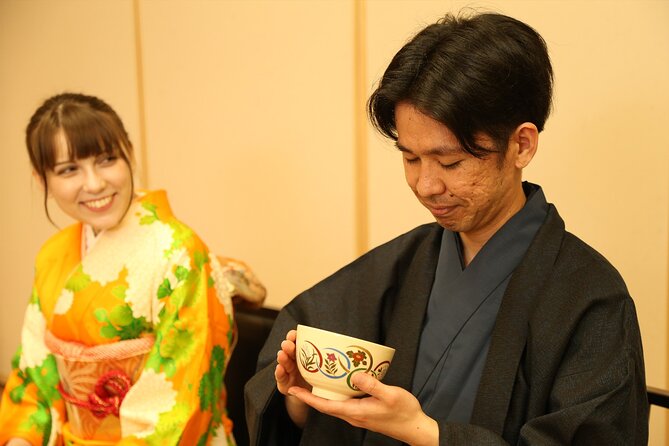
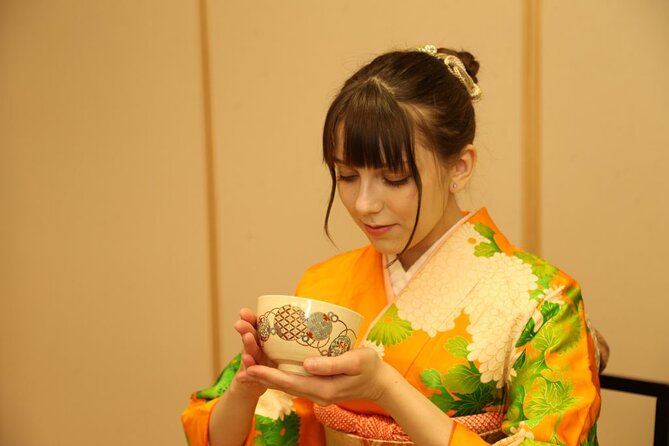
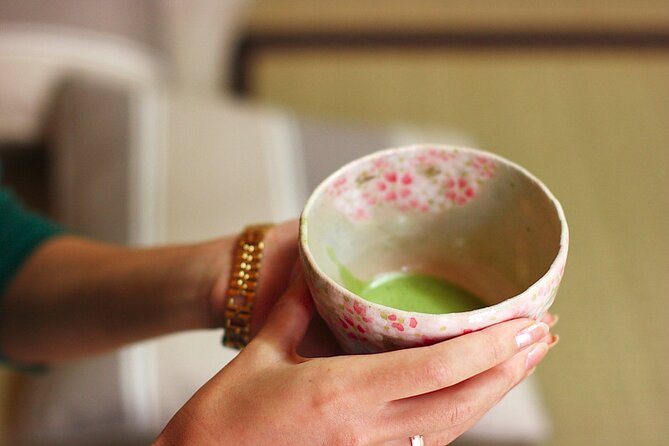
The tea master prepares matcha using high-quality tea, giving you a chance to taste the drink as part of a proper ceremony. Matcha has a stronger, more concentrated flavor than the mild green tea served in many restaurants, so first-time drinkers should expect something distinctive rather than sweet or delicate.
The sweets help balance the tea. Traditional Japanese confections are included, and their sweetness provides a useful contrast to the earthy taste of matcha. You are not simply handed a cup and left to guess what to do. The host explains the ritual and the relationship between the sweet and the tea.
This is also where the experience becomes especially practical. The goal is not only to watch a tea master perform. You learn rituals that you can recreate at home, including the basic process of making matcha and the way it is presented.
You should keep your expectations realistic. A 90-minute class cannot teach every rule or regional variation in Japanese tea ceremony. What you receive is an accessible introduction, enough to help you understand the main gestures and try the process yourself.
A few more Tokyo bookings worth comparing
- Mt Fuji and Hakone 1-Day Bus Tour Return by Bullet Train
★ 5.0 · 26,383 reviews - 1-Day Tokyo Bus Tour
★ 5.0 · 14,250 reviews - Tokyo: TOKYO SKYTREE® Admission ticket
★ 4.5 · 11,192 reviews - Tokyo: teamLab Planets TOKYO Digital Art Museum Entry Ticket
★ 4.6 · 9,779 reviews
Your turn to prepare the matcha
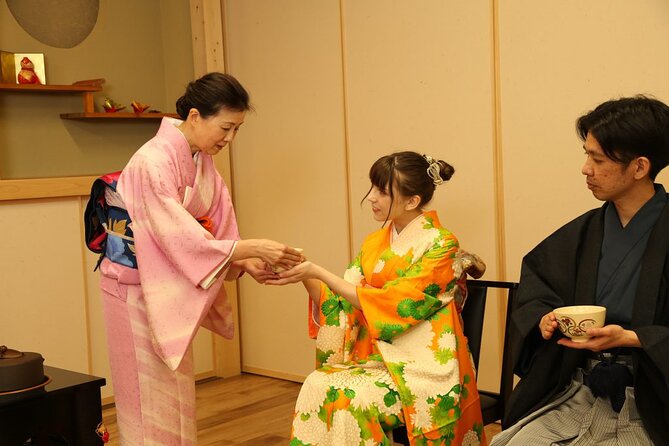
The activity includes a second tea ceremony performed by you, with instruction. This hands-on section is a major advantage for anyone who wants more than a staged cultural show.
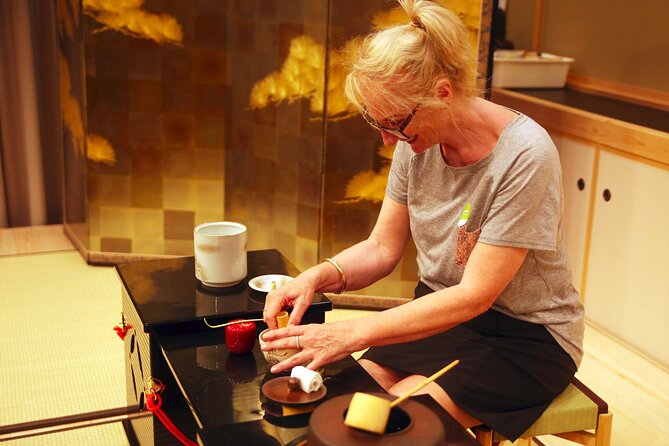
You get to handle the preparation under the host’s direction. The teacher explains what to do, so you can focus on the movement rather than worry about getting every step perfect. That makes the experience suitable for beginners and families who want an activity everyone can share.
I particularly like the balance between watching and doing. The first tea preparation gives you a model. The second lets you put the lesson into practice. You leave with a better sense of the care involved in preparing matcha, even if your own technique is still a work in progress.
The activity is not listed as a private class. The maximum group size is 28 people, which is fairly large for a ceremony based on quiet attention. A group of that size can create a friendly atmosphere, but you may not receive the same amount of individual coaching as you would in a small workshop.
If a private or highly personal tea lesson is your priority, check the group arrangement before booking. If you are comfortable learning in a shared setting, the group format can work well for families and friends.
What the breakfast adds to the cultural lesson
The meal is more than a convenient extra. It gives you a direct example of how a traditional Japanese breakfast can be structured around simple ingredients and careful presentation.
The onigiri activity is especially useful for children and for anyone who likes food-based cultural experiences. Shaping the rice balls turns a quiet observation into something you can remember and repeat. The food is then served with other goodies, making the meal feel connected to the lesson rather than tacked onto the end.
The included sweets also help pace the morning. You begin with breakfast, move through meditation and explanation, then taste matcha with a sweet before trying the tea ritual yourself. That sequence gives the experience a clear rhythm.
The meal remains light. I would treat it as a cultural breakfast, not a replacement for lunch or a hearty morning meal. No additional food or drinks are included, so plan accordingly if you have dietary needs or a large appetite. The supplied information does not specify a vegetarian, vegan, allergy-friendly, or gluten-free menu, so ask the provider before booking if that matters to you.
Location, timing, and finding the venue
The meeting point is Kikai Shinkō Kaikan, 3-chōme-5-8 Shibakōen, Minato City, Tokyo 105-0011. The area is near public transportation, and the activity ends at the same location.
The return to the meeting point keeps the schedule simple. You do not need to arrange a pickup or figure out where the class ends. Pickup and drop-off services are not included, so you make your own way there and continue independently afterward.
The most useful logistical tip is to allow extra time for arrival. The venue can be challenging to locate, so do not aim to arrive at exactly 9:00 a.m. Use the full address, check the route in advance, and leave room for the final walk from the station or nearby transport stop.
The fixed start time also affects your sightseeing plans. Since the session ends after roughly 10:30 a.m., it can fit before a late-morning visit to Tokyo Tower, Shibakōen, or other Minato City sights, but you should not book another activity with a tight connection immediately afterward. The tea ceremony may finish around the stated duration, but a little flexibility is sensible.
Is $60.81 a fair price?
At $60.81 per person, this is not the cheapest breakfast in Tokyo. You could eat rice and tea for much less. The price makes more sense when you count the instruction, the bilingual tea master, the guided meditation, the sweets, the breakfast, the explanation of Zen customs and utensils, and the chance to prepare your own matcha.
You are paying for an organized cultural lesson, not just a meal. The value is strongest if you want an activity that gives you something to understand and practice. It is also a reasonable choice for a first visit to Japan when you want a clear introduction to tea ceremony without committing to a longer formal program.
Group discounts may improve the price for larger parties. Since the group can include up to 28 people, ask about the exact discount before paying if you are booking for family or friends.
I would rate the value as good for people who care about context and participation. It is less attractive if you mainly want a filling breakfast, a private ceremony, or a luxury setting. The food is light, the duration is short, and the class is shared with other participants.
Who will get the most from this experience?
This activity suits first-time visitors who want a gentle introduction to Japanese customs. You do not need previous tea ceremony experience, and the English explanation removes much of the guesswork.
Families are another good match. The breakfast gives children something hands-on to do, while the sweets and tea create a shared moment that does not rely on shopping or sightseeing. The published feedback describes it as a lovely family experience, with the breakfast helping everyone understand what a traditional Japanese morning meal can look like.
Food lovers will appreciate the onigiri making and the pairing of sweets with matcha. Anyone curious about Zen practices will also get more from the session than someone who only wants a quick cup of tea.
The activity may not suit you if you dislike early starts, quiet meditation, or group instruction. It may also disappoint if you expect a full formal tea school lesson. The session offers a practical introduction, not a complete course in every aspect of the tradition.
Booking, cancellation, and weather notes
Confirmation is sent within 48 hours of booking, subject to availability. The experience requires a minimum number of participants, so it can be canceled if that number is not reached. In that case, you are offered another date or experience, or a full refund.
Free cancellation is available up to 24 hours before the local start time. If you cancel less than 24 hours before 9:00 a.m., you will not receive a refund, and changes made inside that window are not accepted.
The activity also requires good weather. If poor weather causes cancellation, you are offered a different date or a full refund. Keep that rule in mind when planning this early in a tightly packed Tokyo itinerary.
My recommendation: book it for culture, not just breakfast
I would book this experience if you want to understand what a Japanese tea ceremony means while also having a chance to practice it. The combination of light breakfast, onigiri making, meditation, Zen commentary, traditional sweets, and hands-on matcha preparation gives the morning real substance.
The strongest features are the bilingual tea master, the chance to make your own tea, and the way breakfast turns the lesson into a shared family activity. The main cautions are the early start, the potentially confusing meeting point, the light meal, and the maximum group size of 28.
Book it at least a little ahead if your schedule is fixed, since it is commonly reserved well before the date. Arrive early, plan your route carefully, and treat the $60.81 fee as payment for a cultural class with breakfast included. If that sounds more appealing than a quick meal at your hotel, this is a worthwhile Tokyo morning.
FAQ
Where does the Japanese traditional breakfast and tea ceremony begin?
It begins at Kikai Shinkō Kaikan, 3-chōme-5-8 Shibakōen, Minato City, Tokyo 105-0011, Japan.
What time does the activity start?
The start time is 9:00 a.m.
How long does the experience last?
The activity lasts approximately 1 hour and 30 minutes.
Where does the activity end?
It ends back at the meeting point.
Is breakfast included?
Yes. A light traditional Japanese breakfast is included.
Will I make onigiri?
Yes. The experience includes making rice balls, or onigiri, which are then served with other food.
Is matcha included?
Yes. Authentic matcha green tea is included, along with traditional Japanese sweets.
Can I make my own tea?
Yes. You take part in a second tea ceremony and make your own tea with instruction.
Is the tea ceremony explained in English?
Yes. Explanation of the ceremony, Zen practices, hanging scrolls, and tea utensils is provided in English. The tea master is bilingual and licensed.
How many people can join the activity?
The maximum group size is 28 participants.
Is transportation included?
No. Pickup and drop-off services are not included, but the meeting point is near public transportation.
Can I cancel for a refund?
Yes. You can cancel up to 24 hours before the local start time for a full refund. Cancellations and changes made less than 24 hours before the start are not accepted for a refund.
What happens if the activity is canceled because of weather?
You are offered a different date or a full refund if poor weather causes the cancellation.
What happens if the minimum number of participants is not reached?
You are offered a different date or experience, or a full refund.
New on our Tokyo list
- Sumi-e Experience in a relaxing green tea shop in Tokyo★ 5.0 · 3 reviews
- Tokyo : Kamikaze Street Drift Ride★ 5.0 · 3 reviews
- Private Zen Meditation in English in Shinjuku, Tokyo★ 5.0 · 3 reviews
- Onsen Spa in Tokyo and Asakusa Bar Hopping with Local Guide★ 5.0 · 3 reviews
- Easy for everyone! Now you can play handmade mini shamisen and show off to everyone! Musical instruments, sweets and live music★ 5.0 · 3 reviews
- Tokyo: Private Tsukiji Street Food & Sake with Local Guide★ 5.0 · 3 reviews
- Mt Fuji Exploration Tour with Free Japanese Kusa Mochi from Tokyo★ 4.5 · 3 reviews
- Tokyo Tsukiji Fish Market Walking and Exploring Hidden Gems Tour★ 5.0 · 3 reviews
Tea Ceremonies, compared.
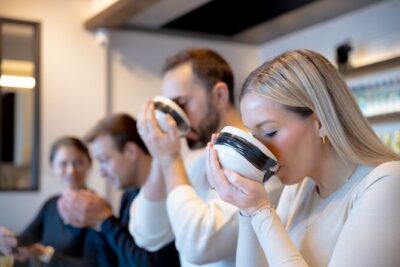
Matcha Making Class in Tokyo with Authentic Japanese Sweets Set
Read our review →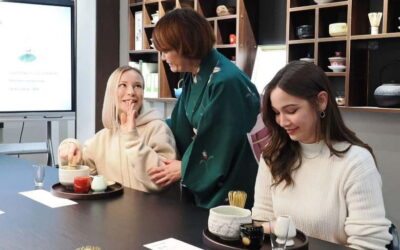
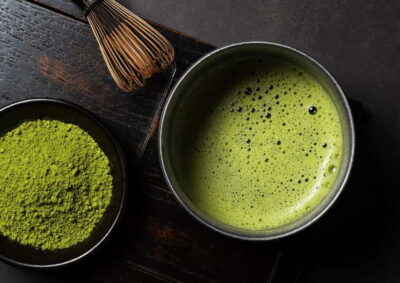
Matcha Making Experience with Mochi Sweets in Asakusa
Read our review →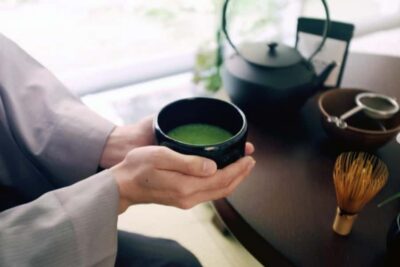
Tea Ceremony Workshop in Tokyo by the Experienced Instrucor
Read our review →

Make Traditional Nerikiri Sweets & Matcha experience in Shibuya
Read our review →Browse the lists this tour appears in