
Reviewed · KAMAKURA TOURS
Kamakura Full-Day Private Tour from Tokyo (Customizable)
Kamakura packs a remarkable amount into a small coastal city: a giant bronze Buddha, a hilltop temple with sea views, a bamboo grove, a major Shinto shrine, and one of Japan’s oldest Zen monasteries. This private full-day tour lets you see all five without wrestling with train changes or trying to fit the pieces together yourself.
I like the personal service and the flexible plan. Guides such as Ryu, also referred to as Ryo in some tour details, are described as more than drivers, helping with explanations, translation, and changes during the day. I also like that the vehicle is private for your group of up to five, with pickup offered and an air-conditioned ride between sites.
The catch is time. Each listed stop is allowed about an hour, and the remaining hours cover pickup, drop-off, driving, and lunch. That makes this a useful overview of Kamakura, but not a slow temple-by-temple visit. Admission fees and food are extra, too.
In This Review
- Key points to know before booking
- Why a private Kamakura day works well
- The Great Buddha at Kotoku-in
- Hasedera, gardens and a view toward the coast
- Hokokuji Temple and its quiet bamboo grove
- Tsurugaoka Hachimangu and the samurai connection
- Kencho-ji, Japan’s oldest Zen training monastery
- What the 10-hour schedule really means
- What you will pay beyond the group price
- Who will get the most from this tour
- Guide quality and the value of local help
- Booking, weather, and cancellation
- Should you book the Kamakura private tour?
- FAQ
- How long does the Kamakura private tour last?
- How many people can join the private tour?
- Which Kamakura sights are included?
- Are entrance fees included in the tour price?
- Is transportation included?
- What happens if bad weather cancels the tour?
Key points to know before booking
- Five major sights in one day: The route covers the Great Buddha, Hasedera, Hokokuji, Tsurugaoka Hachimangu, and Kencho-ji.
- A genuinely private outing: Only your group participates, with space for up to five people in an air-conditioned vehicle.
- An English-speaking guide-driver: Ryu is specifically praised for explaining Japanese culture, helping with small translations, and adjusting the day to suit the group.
- About five hours at the main sights: The one-hour blocks leave time for transport, pickup, drop-off, and lunch.
- Extra costs are easy to overlook: Listed admission fees total ¥1,850 per person, before lunch and drinks.
- Good for mixed-age groups: The private format can be useful when one person needs a gentler pace, as happened with a group that included an 88-year-old parent.
Why a private Kamakura day works well
Kamakura is close enough to Tokyo for a day trip, but its sights are spread across different parts of town. Public transport can get you around, though you still need to work out the order, station connections, walking routes, and timing. A private vehicle removes much of that friction.
At $448 per group, the price is most sensible when you have three to five people. Split five ways, the base cost is about $90 per person before admissions and lunch. For two people, it becomes a much more expensive day, but you are paying for privacy, direct transport, and a guide who can shape the outing around you.
The guide is the heart of the experience. Ryu is described as friendly, flexible, and willing to help with small translations as well as explain Japanese history and culture. That matters at places such as Tsurugaoka Hachimangu and Kencho-ji, where the buildings alone do not explain their religious or political importance.
You should contact the provider in advance if you want to change the route or give the day a particular focus. The tour is customizable, but it is not a blank check for unlimited stops. With five major places already on the plan, adding much more could make the day feel rushed.
More Private Tours in Kamakura
- Kamakura Private Tour: Temples, Nature, and the Great Buddha
★ 5.0 · 121 reviews - Kamakura 8 hr Private Walking Tour with Licensed Guide from Tokyo
★ 5.0 · 80 reviews - Kamakura: Private Guided Walking Tour with Local Guide
★ 4.8 · 60 reviews
The Great Buddha at Kotoku-in
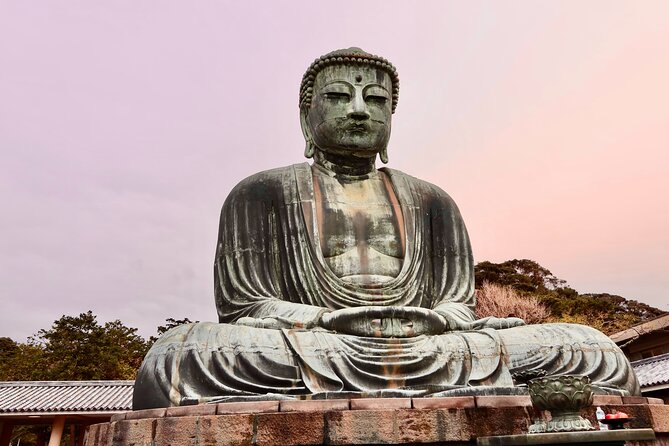
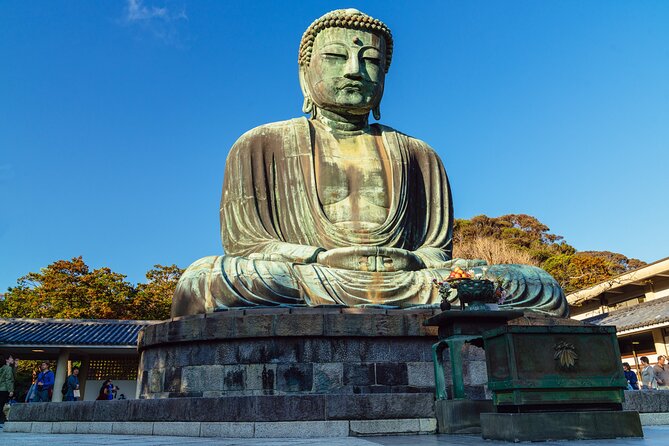
The day begins, or at least the sightseeing portion does, at Kotoku-in Temple, home of the Great Buddha of Kamakura. The bronze Amida Buddha is about 43 feet, or 13 meters, high and was cast in 1252.
This is the sort of sight that works immediately. You walk into the temple grounds and see the statue outdoors, where its scale is easy to grasp. The setting also tells you something about Kamakura’s past. This is not simply a large religious image placed in a hall. It has faced the open air for centuries.
Plan on about an hour here. That gives you time to view the Buddha, take photographs, and hear the basic story from your guide. The admission fee is not included and is listed as ¥350 per person.
The main limitation is that the visit is focused. If you want a long, quiet look at the temple grounds or time to explore every corner, the one-hour allocation may feel short. Still, for a first Kamakura visit, the Great Buddha is a strong opening stop because it gives you an unmistakable sense of place right away.
Hasedera, gardens and a view toward the coast
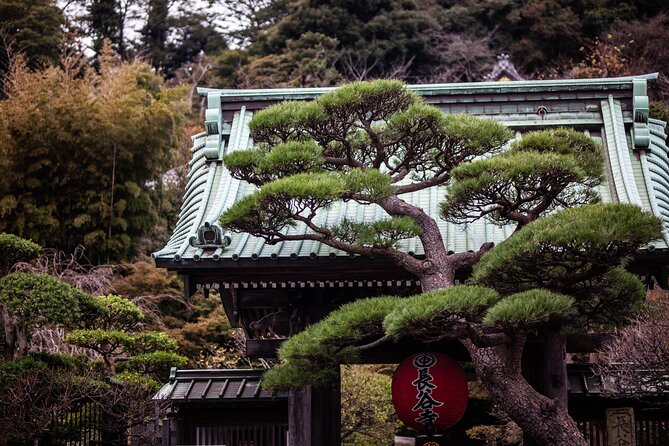
Hasedera brings a different mood. This hillside temple is known for a nine-meter wooden, gilded statue of Kannon, the Buddhist Goddess of Mercy. It is also called the Flower Temple because of its seasonal gardens.
The hillside position is part of the appeal. You get more than an interior religious object here. The gardens and ocean-view observation deck make the stop feel open and scenic, especially after the enclosed spaces of some temple compounds.
I would pay attention to the seasonal character of the grounds. The available information does not specify which flowers will be in bloom on a particular date, so you should not book this stop expecting one guaranteed display. The gardens are still part of the temple experience, but the visual payoff will vary by season.
Hasedera has its own admission charge of ¥400 per person. You have about an hour, which is enough for the principal sights and the view, though the hillside setting may require a little more time if your group walks slowly. The private format helps here because the guide can respond to the pace of your group rather than moving with a large party.
Hokokuji Temple and its quiet bamboo grove
Hokokuji is the calmest stop on the route. Its bamboo grove creates a shaded, soothing place to pause, and the temple is a good counterpoint to the larger, more famous sights.
The grove is not presented as an all-day hike. You get about an hour, which makes this a compact visit rather than an outdoor adventure. I like that balance. Kamakura can become a parade of gates, statues, and historical facts, so a short stop among the bamboo gives the day some breathing room.
The listed admission fee is ¥600 per person. That is worth including in your budget, especially since the tour price does not cover any of the temple entrances.
One practical point: a bamboo grove is often at its best when you are not rushing. If your group wants to linger quietly or take many photographs, tell your guide early in the day. Since the tour is customizable, the schedule may be adjusted, though the five-stop plan means extra time in one place probably comes at the expense of another.
More Kamakura and Enoshima days:
- Tokyo: Kamakura & Enoshima Day Trip including Temple Tickets
★ 4.5 · 1,375 reviews - Tokyo: Mt. Fuji, Kamakura, Big Buddha, & Lake Ashi Day Trip
★ 4.5 · 867 reviews - From Tokyo: Kamakura & Enoshima 1-Day Bus Tour
★ 4.5 · 189 reviews - Kamakura Historical Walking Tour with the Great Buddha
★ 5.0 · 129 reviews
Tsurugaoka Hachimangu and the samurai connection
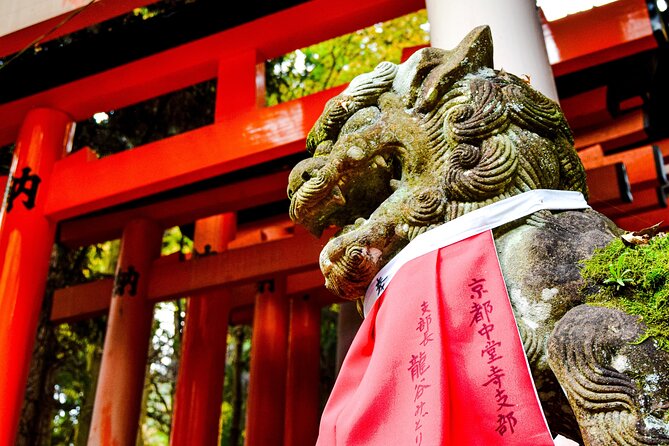
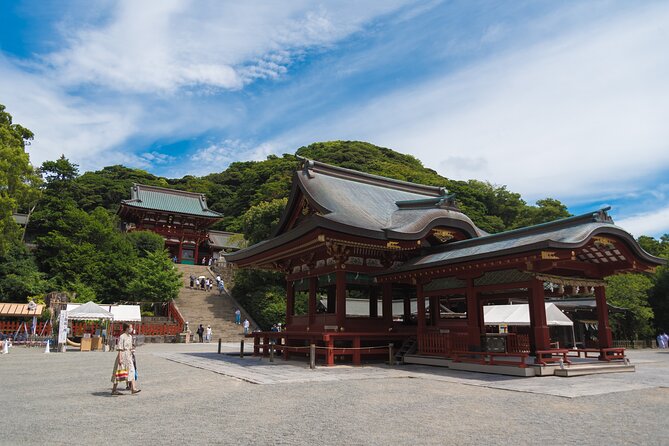
Tsurugaoka Hachimangu is Kamakura’s major Shinto shrine and one of the most important cultural stops on the route. It is dedicated to Hachiman, the Shinto god of war and patron deity of the Minamoto samurai clan.
The approach gives you several familiar Japanese shrine features: a red torii gate, a large wooden bridge, and a historic pond. But the meaning behind the place is what makes a guide especially useful. Hachiman’s connection with the Minamoto clan helps explain why Kamakura became such an important center of samurai power.
You have about an hour here. That should allow time to walk through the main approach, see the bridge and pond, and visit the principal shrine area. The grounds are larger in feel than the one-hour slot suggests, so you may want to agree with your guide on priorities before setting off.
There is no admission fee listed for Tsurugaoka Hachimangu in the tour information. That does not mean every possible area or activity is covered, but the main shrine visit is part of the planned sightseeing without a stated entrance charge.
This stop also provides a useful change from Buddhist temples. The day does not treat Japanese religion as one single tradition. You see both Buddhist and Shinto sites, and the guide can help you notice the difference in their roles, symbols, and settings.
Kencho-ji, Japan’s oldest Zen training monastery
Kencho-ji is the final temple on the listed route and is considered the oldest Zen training monastery in Japan. It belongs to the Rinzai school of Zen Buddhism.
The complex includes important structures such as the Dharma Hall, though the supplied details do not list every building or explain how much of the compound the visit includes. You should think of this as a major temple complex with a strong Zen identity, not just a quick photo stop.
The admission fee is ¥500 per person. As with the other temples, about an hour is assigned. That is enough for a guided introduction and a look at the principal structures, but not necessarily enough for every path and building.
Kencho-ji may be the most rewarding stop for someone interested in Japanese religious architecture and Zen practice. It may be less compelling if your priority is scenery or photographs alone. This is a place where a good explanation adds real value, and the guide’s role matters more than it would at a simple viewpoint.
What the 10-hour schedule really means
The tour lasts about 10 hours, with an 8:00 am start. The five sightseeing stops are each listed at one hour, adding up to five hours. The remaining time includes pickup, drop-off, lunch, and driving.
That math is important. You are not getting 10 hours inside Kamakura’s temples. You are getting a full day door to door, with roughly half the day devoted to the five main sights and the rest used to connect them.
An early start is sensible because it gives the day some margin. The information does not promise a specific pickup location beyond pickup being offered, so confirm the meeting details when booking. The private vehicle is air-conditioned, and private transportation is included, which makes the transitions easier than managing every leg yourself.
Lunch, drinks, and snacks are not included. The tour details do not specify a restaurant or a fixed lunch stop, so ask how lunch will be handled if food is important to your plan. The remaining time allows for it, but the cost is yours.
What you will pay beyond the group price
The base price is $448 for up to five people. That is a group rate, not a per-person fare, so the value changes sharply depending on group size.
The listed admission charges are:
- Kotoku-in: ¥350 per person
- Hokokuji Temple: ¥600 per person
- Kencho-ji: ¥500 per person
- Hasedera: ¥400 per person
That comes to ¥1,850 per person for the four paid stops. Tsurugaoka Hachimangu has no admission charge listed. Add lunch, drinks, and snacks, and your final cost will be higher.
I would compare this with the value of your time, not just the price of a train ticket. The tour gives you a private vehicle, a driver-guide, pickup, and a flexible format. It is particularly useful if you are a family, a small group, or a couple who wants a simple day without planning every transfer.
For two people, the cost may be hard to justify unless privacy and convenience are your main goals. For four or five people, the arithmetic is much friendlier.
Who will get the most from this tour
I would recommend this outing to first-time visitors who want a clear introduction to Kamakura in one day. You see the city’s signature Buddha, Buddhist temples, bamboo, Shinto heritage, and Zen tradition without having to choose just one theme.
It also suits families and mixed-age groups. The private vehicle gives you more control over the pace, and one group with an 88-year-old parent was able to use the guide’s flexibility to make the day work. The information does not promise special accessibility equipment, so anyone with significant mobility needs should discuss requirements before booking.
The tour is also a good match for visitors arriving through Yokohama. One group used the excursion from a cruise ship, with pickup at Yokohama port. Confirm your exact pickup point in advance, but the private format can make a port-day visit much more practical.
I would be more cautious if your idea of a perfect day is one temple explored slowly. Five major stops in a single day means you will see a lot, but each visit has a firm time budget. The route favors range over depth.
Guide quality and the value of local help
The strongest part of this experience is the human element. Ryu is praised for being friendly, flexible, and well informed, while also helping with translation for small requests. That combination is useful in Japan, where a guide can explain not only what a building is, but why it matters.
You should also be aware that the supplied tour details use both Ryu and Ryo when identifying the guide. If having a particular guide is important to you, confirm who will lead your date rather than assuming.
A private guide can adjust the balance between scenery, religion, history, and comfort. Ask in advance for a culture-focused day if that is your priority. If you care most about the bamboo grove or coastal views, say so before the route is finalized.
Booking, weather, and cancellation
Confirmation is provided at booking, and the experience is near public transportation. The tour requires good weather. If poor weather causes cancellation, you will be offered another date or a full refund.
You can cancel for a full refund up to 24 hours before the start time. Cancellations or changes made within 24 hours are not accepted for a refund. The cutoff is based on local time.
Because the tour is private, only your group participates. That gives you privacy and makes it easier to discuss changes with the guide, but it does not remove the need to plan. Contact Xplor Japan in advance with your preferred interests, pickup point, group pace, and any mobility concerns.
Should you book the Kamakura private tour?
Book it if you want to see Kamakura’s main sights efficiently, value an English-speaking guide, and have three to five people to share the $448 group price. It is especially useful for families, cruise passengers, and anyone who would rather spend the day looking at temples than studying transport maps.
Think twice if you are traveling alone or as a couple on a tight budget. The extra admissions and lunch increase the total, and the one-hour visits may feel brief if you prefer slow, quiet temple time.
My practical choice would be to book this for a first Kamakura visit, then tell the guide which two stops matter most. That way, you still get the broad route, but you have a better chance of giving the Great Buddha, Hasedera, Hokokuji, Tsurugaoka Hachimangu, or Kencho-ji the attention you care about most.
FAQ
How long does the Kamakura private tour last?
The tour lasts about 10 hours, starting at 8:00 am. The schedule includes sightseeing, pickup, drop-off, driving, and lunch time.
How many people can join the private tour?
The price covers a private group of up to five people. Only your group participates in the activity.
Which Kamakura sights are included?
The planned stops are Kotoku-in and the Great Buddha, Hasedera Temple, Hokokuji Temple’s bamboo grove, Tsurugaoka Hachimangu Shrine, and Kencho-ji Temple.
Are entrance fees included in the tour price?
No. The listed fees are ¥350 per person for Kotoku-in, ¥600 for Hokokuji, ¥500 for Kencho-ji, and ¥400 for Hasedera. Lunch, drinks, and snacks are also extra.
Is transportation included?
Yes. The tour includes private transportation in an air-conditioned vehicle, along with pickup and an English-speaking driver-guide.
What happens if bad weather cancels the tour?
If the experience is canceled because of poor weather, you will be offered a different date or a full refund. For your own cancellation, you must cancel at least 24 hours before the start time to receive a full refund.
More Full-Day in Tokyo
- From Tokyo: Mount Fuji Full-Day Sightseeing Trip
★ 4.5 · 4,970 reviews - Mount Fuji Full-Day Private Tour from Tokyo (Customizable)
★ 4.9 · 1,470 reviews - Tokyo Private Full-Day Tour by Car or Van
★ 5.0 · 684 reviews - From Tokyo: Must-Visit Mount Fuji Highlight Full-Day Tour
★ 4.7 · 532 reviews
New on our Tokyo list
- Sumi-e Experience in a relaxing green tea shop in Tokyo★ 5.0 · 3 reviews
- Tokyo : Kamikaze Street Drift Ride★ 5.0 · 3 reviews
- Private Zen Meditation in English in Shinjuku, Tokyo★ 5.0 · 3 reviews
- Onsen Spa in Tokyo and Asakusa Bar Hopping with Local Guide★ 5.0 · 3 reviews
- Easy for everyone! Now you can play handmade mini shamisen and show off to everyone! Musical instruments, sweets and live music★ 5.0 · 3 reviews
- Tokyo: Private Tsukiji Street Food & Sake with Local Guide★ 5.0 · 3 reviews
- Mt Fuji Exploration Tour with Free Japanese Kusa Mochi from Tokyo★ 4.5 · 3 reviews
- Tokyo Tsukiji Fish Market Walking and Exploring Hidden Gems Tour★ 5.0 · 3 reviews
Kamakura Tours, compared.
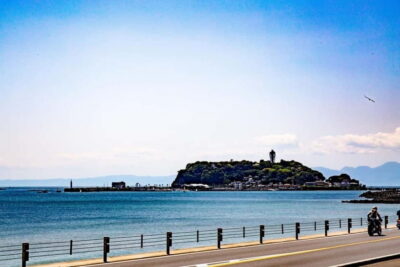
Kamakura & Enoshima Day Trip including Temple Tickets
Read our review →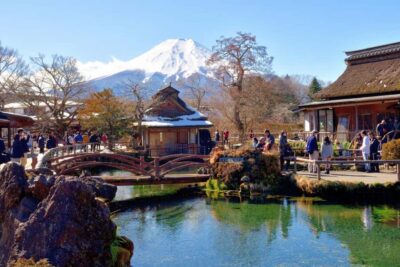
Mt. Fuji, Kamakura, Big Buddha, & Lake Ashi Day Trip
Read our review →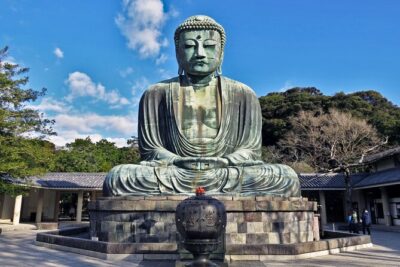
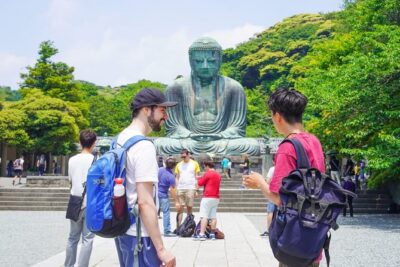
Kamakura Historical Walking Tour with the Great Buddha
Read our review →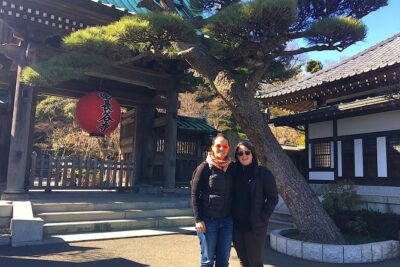
Kamakura Private Tour: Temples, Nature, and the Great Buddha
Read our review →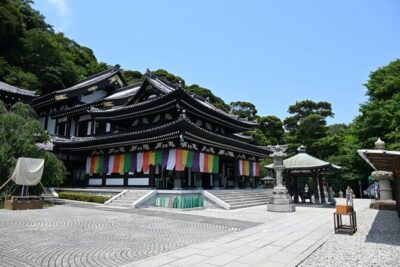
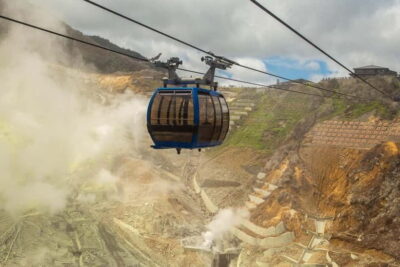
Sea of Mount Fuji, Hakone Ropeway, Ōwakudani, Enoshima
Read our review →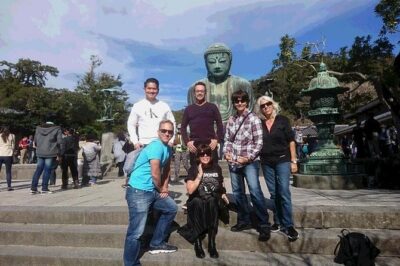
Kamakura 8 hr Private Walking Tour with Licensed Guide from Tokyo
Read our review →Browse the lists this tour appears in