
Reviewed · TEA CEREMONIES
Matcha Experience with of Japanese Tea Tasting in Tokyo
The most rewarding part of this Tokyo experience is that it treats matcha as just one chapter in a much bigger tea story. Chisei, a former Kyoto tea farmer, explains how cultivation and processing change the flavor of the same basic plant, then guides you through a tasting of several Japanese teas. You even eat tea leaves with ponzu, an unusual little surprise.
I like the five-person limit, which keeps the class personal and gives you room to ask questions. I also like the homemade sweets from Rina, which are served with Japanese black tea and give the tasting a warm, home-style touch. The main consideration is the pace: 90 minutes is short for so many teas, so this works best if you want a focused introduction rather than a slow, formal tea ceremony.
In This Review
- Key points about this Tokyo tea tasting
- Why this is more than a matcha tasting
- Arriving in Taito for the 90-minute class
- The seasonal welcome drink sets the tone
- Six teas compared side by side
- Japanese black tea with Rina’s homemade sweets
- Making ousucha with a bamboo whisk
- A small group makes the teaching personal
- Is $57.98 a fair price?
- Who should book this experience?
- Practical details before you reserve
- Should you book the Matcha Experience in Tokyo?
- FAQ
- Where does the Japanese tea experience take place?
- How long does the experience last?
- How many people can join?
- Which Japanese teas are included?
- Can I make my own matcha?
- Are snacks included?
- What is the cancellation policy?
Key points about this Tokyo tea tasting
- Former tea farmer Chisei leads the lesson, drawing on six years of growing tea in Kyoto.
- Seven or more tea styles are included, with sencha, kabusecha, gyokuro, deep-steamed sencha, genmaicha, hojicha, Japanese black tea, matcha, and latte options.
- You compare tea by sight, fragrance, and flavor, not just by drinking cup after cup.
- You make ousucha matcha yourself with a bamboo whisk and can repeat the method at home.
- Rina prepares homemade sweets, and you may also try tea leaves with ponzu.
- The small group can have no more than five people, at a price of $57.98 per person.
Why this is more than a matcha tasting
Many visitors first meet Japanese tea through a sweet matcha drink or a powdered tea served in a café. This class gives you a better frame of reference. You taste matcha beside leaf teas, roasted teas, shaded teas, and Japanese black tea, so the differences become easier to understand.
Chisei spent six years growing tea in Kyoto before becoming a practicing pharmacist. That background matters because he can explain tea from the field through the cup. You hear about cultivation methods and processing, then taste the results instead of trying to remember a long lecture.
The class also makes a useful point without turning it into a slogan: Japanese tea is not one flavor. Sencha can taste very different from gyokuro. Hojicha brings a roasted character. Genmaicha adds toasted brown rice. Japanese black tea gives you a softer contrast to the green teas.
I especially like this approach for anyone who thinks they do not enjoy matcha. Matcha is only part of the session, and the other teas offer a wide range of aromas and tastes. You might leave with a new favorite that is not matcha at all.
More tea rooms worth booking:
- Matcha Making Class in Tokyo with Authentic Japanese Sweets Set
★ 5.0 · 744 reviews - Tokyo: Traditional Tea Ceremony with a Tea Master
★ 5.0 · 528 reviews - Tokyo: Matcha Making Experience with Mochi Sweets in Asakusa
★ 4.9 · 388 reviews
Arriving in Taito for the 90-minute class
The meeting point is matcha tripJapan at 111-0042 Tokyo, Taito City, Kotobuki, 3-chome 198, at Henn Na Hotel, second floor, in Sports Bar Leaf. The activity ends at the same location, so you do not need to arrange a separate return meeting point.
The venue is near public transportation, which helps when fitting the class into a Tokyo sightseeing day. Still, the address is worth checking carefully before you leave. The meeting point is inside a hotel and identifies a sports bar on the second floor, not a traditional tea house with an obvious street-front entrance.
The mobile ticket is useful for a simple booking, and confirmation arrives at the time of reservation. I would save the meeting details on your phone and allow enough time to find the hotel and second-floor space. The class lasts about 1 hour and 30 minutes, so it can fit neatly before or after exploring Taito.
The seasonal welcome drink sets the tone
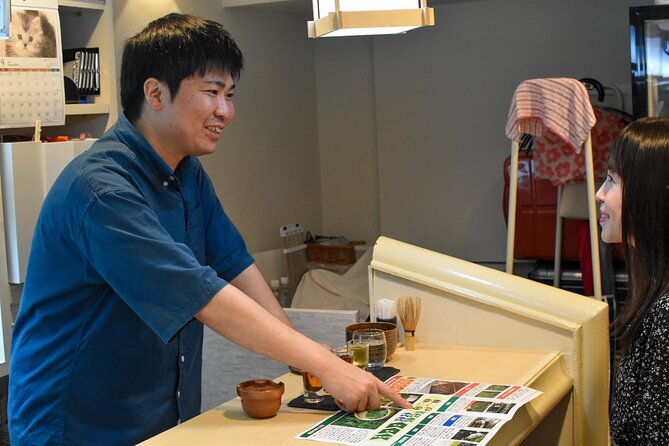
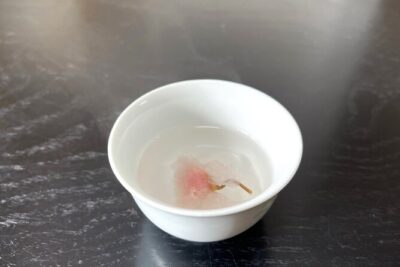
The session begins with a seasonal welcome drink. While you enjoy it, the hosts explain which teas you will taste and introduce the basic ideas behind Japanese tea.
This opening is practical rather than ceremonial. You get a chance to settle in, hear the plan, and start noticing that tea changes with season, growing method, preparation, and serving temperature. It also gives Chisei and Rina a natural chance to ask about allergies. One particularly useful detail from the class is that Chisei proactively checks allergy conditions.
The welcome drink may be especially welcome on a hot Tokyo day, but the exact drink changes with the season. Do not book this expecting one fixed menu item. Think of it as a gentle start before the more structured tasting begins.
Six teas compared side by side
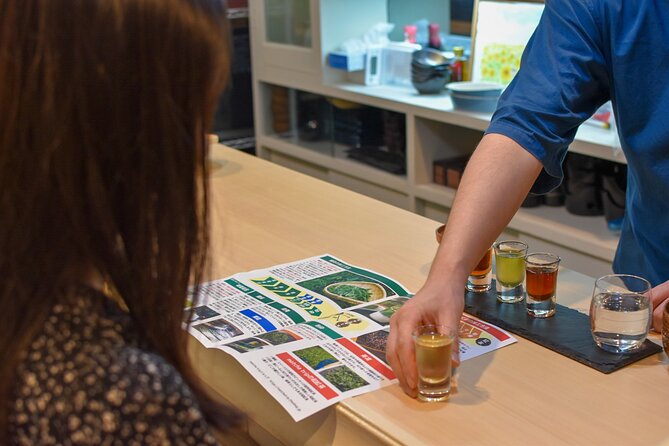
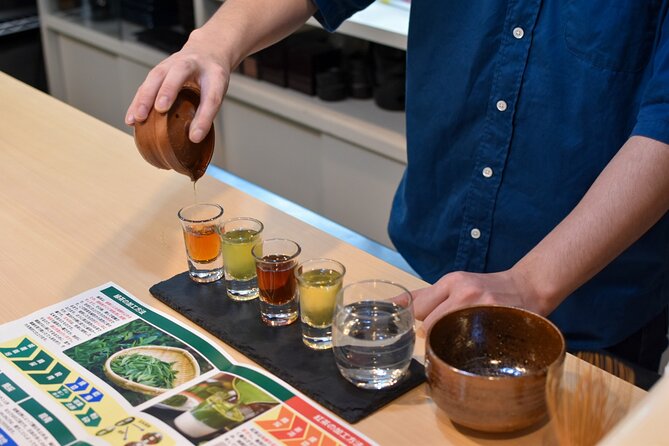
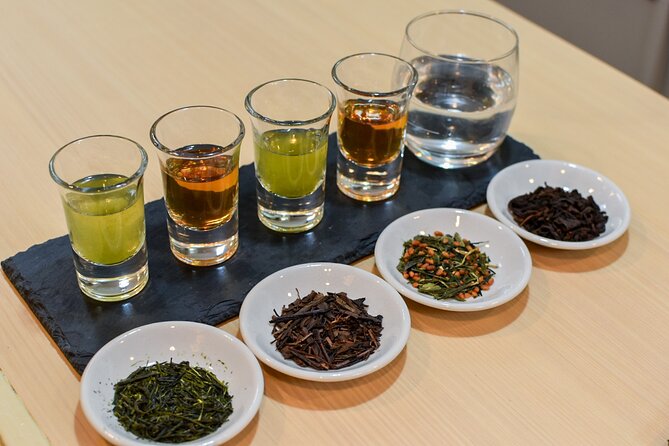
The central part of the class compares six Japanese teas:
- Sencha
- Kabusecha
- Gyokuro
- Deep-steamed sencha
- Genmaicha, or brown rice tea
- Hojicha, or roasted green tea
You first look at the leaves, including their color and shape. Then the hosts prepare each tea in a way intended to show its best qualities. You can pay attention to appearance, fragrance, and taste, rather than treating every cup as simply hot green tea.
This is where the class earns much of its price. A café might serve you one attractive cup of matcha, but it rarely gives you a clear comparison between kabusecha and gyokuro, or explains why deep-steamed sencha looks and tastes different. Here, the order and side-by-side format do the teaching for you.
Gyokuro and kabusecha are especially useful comparisons because both involve shading, but they are not interchangeable. The point is not to memorize production terms. The point is to notice how growing conditions shape the cup.
Hojicha gives the tasting a welcome change of direction. Because it is roasted, its aroma and flavor are different from the greener, more vegetal styles. Genmaicha adds brown rice to the mix, bringing a toasted note that many first-time tea drinkers find approachable.
The exact number of pours can sound confusing because the program describes seven varieties in one place and eight tea types in another. The schedule itself lists a welcome drink, six comparison teas, Japanese black tea, matcha, and several latte options. In practical terms, you should expect a broad tasting rather than one strict seven-cup flight.
A few more Tokyo bookings worth comparing
- Mt Fuji and Hakone 1-Day Bus Tour Return by Bullet Train
★ 5.0 · 26,383 reviews - 1-Day Tokyo Bus Tour
★ 5.0 · 14,250 reviews - Tokyo: TOKYO SKYTREE® Admission ticket
★ 4.5 · 11,192 reviews - Tokyo: teamLab Planets TOKYO Digital Art Museum Entry Ticket
★ 4.6 · 9,779 reviews
Japanese black tea with Rina’s homemade sweets
After the green tea comparisons, you try Japanese black tea with homemade sweets made by Rina. This part gives the session a different mood. Instead of focusing only on cultivation and processing, you see how tea works alongside food.
The sweets have received especially strong praise, and they are not an afterthought. They are selected to go with the Japanese black tea, giving you a chance to compare the tea on its own and with something sweet.
One of the more memorable details is the chance to eat tea leaves with ponzu. That is not the sort of thing you are likely to discover by ordering a matcha latte at a busy café. It turns the used leaves into part of the tasting and shows that tea can be treated as food, not only as an infusion.
If you enjoy small culinary discoveries, this is a real plus. If you prefer a formal ceremony with no side dishes or conversation, the homemade sweets and informal teaching style may feel less traditional. This is a class about understanding tea, not a staged performance built around silence.
Making ousucha with a bamboo whisk
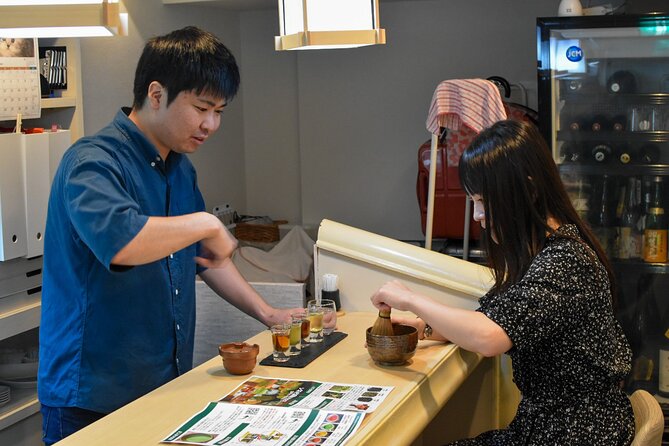
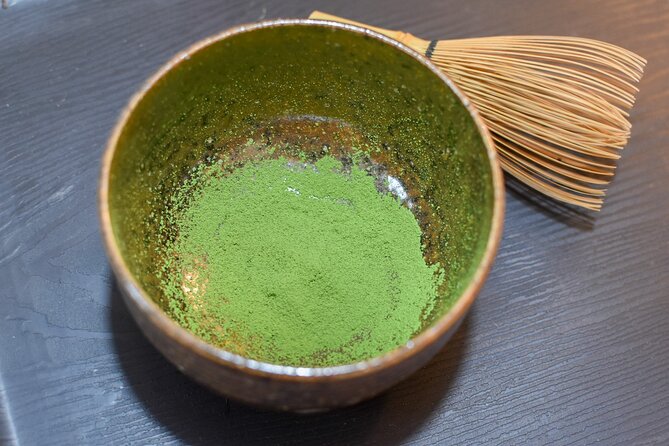
The final hands-on section is the matcha-making lesson. You prepare ousucha, the thinner style of matcha, with a bamboo whisk.
This is a useful ending because you move from watching and tasting to doing. Chisei shows you how to use the whisk, and you make your own bowl rather than simply receiving one. The goal is not perfect form. It is to give you a method you can repeat at home.
You should leave with a better sense of how matcha is prepared and what the whisk is for. The experience is not presented as training for a formal tea-school examination, so do not expect an elaborate ceremony with every traditional movement explained in depth.
That distinction is important. If you want a highly formal tea ceremony in a historic setting, this may not be your best choice. If you want to understand the basic action and take it home with you, the hands-on format is more useful.
The included tasting also features two types of matcha, along with three kinds of matcha latte and hojicha latte. The latte options add a more familiar, modern note after the traditional tea preparation. They also let you compare the flavor of matcha and hojicha in a sweeter, milk-based form.
A small group makes the teaching personal
The class accepts a maximum of five people. That limit is one of its strongest practical features.
With only a few people, you can ask about cultivation, flavor, preparation, or caffeine without having to call across a crowded room. Chisei has been praised for using clear diagrams and pictures while explaining how different teas are grown and processed. He also takes time with questions, which helps if you arrive with little tea experience.
You do not need a working knowledge of Japanese tea. Beginners can follow the tasting, and people who already drink green tea have enough variety to keep the session interesting. The class appears to work best for curious beginners and intermediate tea drinkers who want a clearer understanding of what they are buying or drinking.
English communication is reported to be good, and Chisei and Rina are described as friendly hosts. The tone is conversational. You are encouraged to ask questions and discuss what you taste, rather than quietly wait for each cup.
Is $57.98 a fair price?
At $57.98 per person, this is not the cheapest way to drink tea in Tokyo. It is also not just a beverage stop.
The price includes a 90-minute guided lesson, a wide tea selection, two types of matcha, latte options, homemade sweets, and the chance to make your own matcha. You are paying for instruction and comparison, not only for the ingredients.
I see the value most clearly if you are interested in buying tea after the class. Understanding the difference between sencha, gyokuro, hojicha, and matcha can help you choose souvenirs with more confidence. Past participants have also bought matcha, gyokuro, matcha bowls, and other tea products to continue the habit at home.
The value is weaker if you only want a quick ceremonial photo or a single bowl of matcha. The session is built around learning and tasting. It asks you to pay attention.
The five-person limit also matters when comparing prices. A private or near-private lesson costs more than a large group demonstration, but you get more space to ask questions and more direct guidance during the whisking section.
Who should book this experience?
I would recommend it to:
- First-time visitors who want a meaningful Japanese food or drink activity
- Matcha drinkers who want to understand tea beyond café lattes
- Tea beginners who want to compare several styles in one sitting
- People shopping for Japanese tea or tea-making equipment
- Couples, friends, or solo visitors who prefer a small group
- Anyone who enjoys meeting local hosts and learning through conversation
Families may also appreciate the hands-on element, though the supplied information does not specify a minimum age. Service animals are allowed, and the location is near public transportation.
This is less suitable if you want a grand, highly formal tea ceremony, a long agricultural tour, or a commercial tea-buying consultation. The class is designed for general visitors. Commercial inquiries and wholesale discussions should be handled before booking, not during the session.
Practical details before you reserve
The activity lasts approximately 1 hour and 30 minutes and returns to the meeting point. It is offered with a mobile ticket, and booking confirmation is sent immediately.
Free cancellation is available if you cancel at least 24 hours before the local start time. Cancellations or changes made less than 24 hours ahead are not refunded or accepted, so check your Tokyo schedule before reserving.
The experience has a maximum of five people, but the information does not promise that every departure will be private. If you want to know the group arrangement for your date, ask the provider before booking.
The tea menu includes caffeinated drinks, and the class serves many varieties in a relatively short period. If you are sensitive to caffeine, keep that in mind when planning the rest of your day. The provided details do not specify decaffeinated alternatives.
Should you book the Matcha Experience in Tokyo?
Yes, if you want to understand why Japanese tea tastes different from cup to cup. The former tea-farming background, small group, clear explanations, homemade sweets, and hands-on matcha whisking give the class substance beyond the usual Tokyo photo opportunity.
I would book it early in your stay if you plan to buy tea later, because the tasting can help you make smarter choices. I would also choose it over a basic matcha café stop if you have 90 minutes and want a personal cultural lesson.
Skip it if your main goal is a formal ceremony in a historic garden or a quiet ritual with little explanation. For everyone else, $57.98 buys a compact, friendly introduction to Japanese tea, with enough variety to keep even a matcha skeptic interested.
FAQ
Where does the Japanese tea experience take place?
The meeting point is matcha tripJapan at Henn Na Hotel, second floor, Sports Bar Leaf, 3-chome 198 Kotobuki, Taito City, Tokyo 111-0042. The activity ends at the same location.
How long does the experience last?
The class lasts approximately 1 hour and 30 minutes.
How many people can join?
The maximum group size is five people.
Which Japanese teas are included?
The tasting includes sencha, kabusecha, gyokuro, deep-steamed sencha, genmaicha, hojicha, Japanese black tea, matcha, and latte options. The program also includes a seasonal welcome drink.
Can I make my own matcha?
Yes. You make ousucha, or thin matcha, using a bamboo tea whisk. The lesson is intended to show you how to prepare matcha at home.
Are snacks included?
Yes. Homemade sweets are served with Japanese black tea. Tea leaves with ponzu may also be part of the tasting.
What is the cancellation policy?
You can cancel for a full refund up to 24 hours before the experience start time. Cancellations or changes made less than 24 hours before the local start time are not refunded or accepted.
New on our Tokyo list
- From Tokyo: Mount Fuji & Hakone Full Day Private Tour★ 4.9 · 25 reviews
- Tokyo Spectacular View Day-Cruise in 90 Minutes★ 5.0 · 25 reviews
- Real Tokyo Runner Club : Daikoku Car Meet Night Tour with JDM Car★ 5.0 · 25 reviews
- 2.5 Hour-Guided Cycle Tour in the Central Tokyo★ 5.0 · 25 reviews
- Ramen Making from Scratch +Akihabara Tour –Cooking Class★ 5.0 · 25 reviews
- [Self-Drive] Tokyo & Daikoku Custom Car Driving Tour★ 4.9 · 25 reviews
- Tokyo: 2-Hour Night Bike Tour of the City’s Hidden Gems★ 4.9 · 25 reviews
- Samurai themed Entertainment show in Shinjuku★ 4.5 · 25 reviews
Tea Ceremonies, compared.

Matcha Making Class in Tokyo with Authentic Japanese Sweets Set
Read our review →
Matcha Making Experience with Mochi Sweets in Asakusa
Read our review →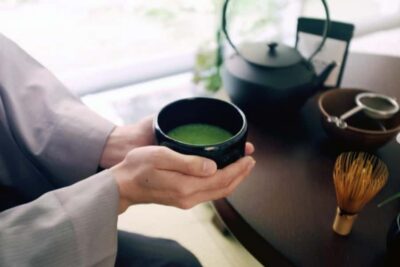
Tea Ceremony Workshop in Tokyo by the Experienced Instrucor
Read our review →

Make Traditional Nerikiri Sweets & Matcha experience in Shibuya
Read our review →Browse the lists this tour appears in