
Reviewed · TEA CEREMONIES
Matcha table tea ceremony experience in Tokyo
The best part of this Tokyo experience is that you learn matcha preparation from Masumi Matsumoto, a master instructor with the Japan Table Tea Ceremony Association, rather than simply watching a polished performance. You taste tea and seasonal wagashi first, then pick up the whisk yourself and practice the movements.
I like the chair-and-table format, which makes the ceremony easier for anyone who finds floor sitting uncomfortable. I also like the tiny group size, capped at five, and the fact that you leave with a skill you can repeat at home. The main consideration is price: at $65.04 per person, this is a focused cultural lesson, not a full-day attraction or a broad Tokyo tour.
In This Review
- Key points to know before booking
- A quieter side of Tokyo in Meguro
- What the chair-based tea ceremony changes
- The first half: watch, listen, taste
- The second half: whisk and serve your own matcha
- Masumi Matsumoto’s teaching style
- Why the seasonal sweet matters
- Is two hours enough?
- What the $65.04 price buys you
- Who will enjoy this most
- Practical tips for a smooth visit
- Should you book this matcha lesson?
- FAQ
- Where does the matcha table tea ceremony take place?
- How far is the location from the station?
- How long does the experience last?
- Is the tea ceremony performed on the floor?
- How many people can join?
- What happens during the lesson?
- Does the seasonal Japanese sweet stay the same all year?
- What is the cancellation policy?
Key points to know before booking
- A two-part lesson: First watch and taste, then prepare and serve your own matcha.
- A master instructor: Masumi Matsumoto teaches through the Japan Table Tea Ceremony Association.
- Chair seating: The table ceremony replaces floor seating with chairs around a table.
- Small-group setting: The maximum is five people, making questions and personal guidance easier.
- Seasonal wagashi: The Japanese sweet served with your tea changes during the year.
- Easy Meguro access: The meeting point is a two-minute walk from Toritsudaigaku Station.
A quieter side of Tokyo in Meguro
Tokyo can feel like a city of giant stations, bright signs, and fast decisions. This experience gives you two hours to slow down and pay attention to small actions: how tea is presented, how a bowl is held, how the whisk moves, and how a sweet prepares your palate for matcha.
The setting is in Meguro-ku, at 1-chōme-9-1 Nakane, a short walk from Toritsudaigaku Station. That location matters. You do not have to spend half a day crossing Tokyo to reach the lesson, and you can pair it with nearby Meguro sights before or after the appointment.
Meguro River, Nakameguro Park, and the sweets area of Jiyugaoka are all in the wider area. The tea lesson itself ends where it starts, so you are free to continue your day without arranging a second pickup point.
The experience is not presented as a theatrical show. You are there to learn. That makes it a good choice if you want cultural context and a practical activity, rather than a quick photo opportunity.
More tea rooms worth booking:
- Matcha Making Class in Tokyo with Authentic Japanese Sweets Set
★ 5.0 · 744 reviews - Tokyo: Traditional Tea Ceremony with a Tea Master
★ 5.0 · 528 reviews - Tokyo: Matcha Making Experience with Mochi Sweets in Asakusa
★ 4.9 · 388 reviews
What the chair-based tea ceremony changes
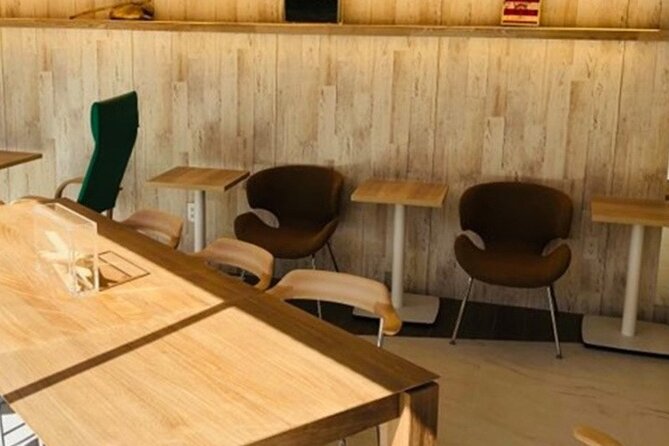
Traditional Japanese tea ceremonies are often associated with sitting on the floor in a formal posture. That can be difficult if your knees, hips, or back do not cooperate, or if you are simply not used to sitting that way for an extended period.
Here, the ceremony takes place at a table with chairs. You still learn about the manners, spirit, and preparation of matcha, but without making floor sitting the test of endurance. For many people, this means they can focus on the tea instead of shifting around and wondering how much longer their legs will last.
The table format also makes the lesson approachable for children and first-time participants. Family groups can take part together, and the relaxed structure helps reduce the worry that you might make an etiquette mistake.
That said, this is still a tea ceremony lesson. The chair format does not mean every traditional detail disappears. You will be introduced to the care and order behind the preparation, and you will practice serving tea respectfully.
The first half: watch, listen, taste
The opening portion begins with an explanation of how to enjoy matcha and how tea ceremony customs fit together. Masumi explains the history, spirit, and manners of the practice, using English in the lesson.
This introduction gives the tasting some meaning. Matcha is not treated as just another green drink. You learn why the preparation has a set rhythm and why attention to the bowl, whisk, sweet, and guest matters.
After the explanation, Masumi prepares matcha for you. This is one of the more special parts of the session because you can watch an experienced instructor handle the tools before attempting the process yourself.
You then drink the freshly prepared tea with a seasonal Japanese sweet, known as wagashi. The sweet changes with the season, so the food element is not fixed year-round. Its role is also practical: the sweetness gives your palate a contrast before or alongside the earthy bitterness of matcha.
Take your time here. The first half is not merely a demonstration you need to get through before the hands-on section. It shows you the finished result and gives you a model for the movements you will soon try.
The second half: whisk and serve your own matcha
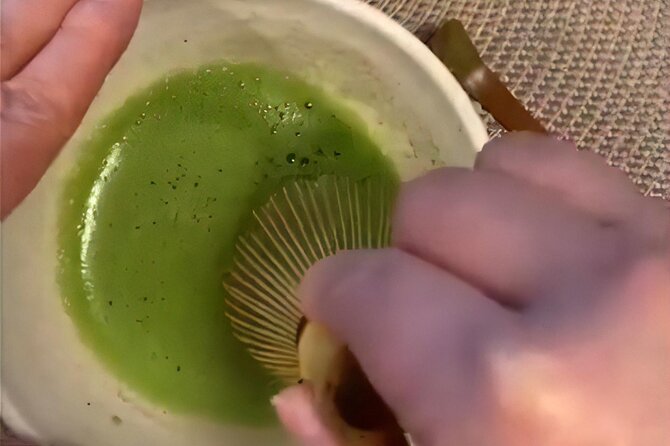
The hands-on portion is where the experience becomes more than a cultural talk. You use a special tea whisk and prepare your own cup.
You will learn the basic process of handling the whisk and creating the proper texture. The activity is designed for beginners, so you do not need previous tea ceremony experience. The point is not to produce a perfect bowl on the first attempt. It is to understand the method and feel how the tools work in your hands.
You also practice serving tea. This adds a social side to the lesson. Japanese tea ceremony is not only about making a drink for yourself. It is also about hospitality, awareness, and the connection between the person preparing the tea and the person receiving it.
That is why the small group limit matters. With no more than five people, you have a better chance to follow the movements closely and ask for help when your whisking feels awkward. In a large class, the practical part could become a quick turn at a shared activity. Here, the format is more personal.
The hands-on lesson gives you something useful after the appointment. You can recreate the preparation at home if you obtain the needed tea and whisk. The experience does not turn you into a tea master in two hours, but it gives you a clear starting point and a memory tied to an actual skill.
A few more Tokyo bookings worth comparing
- Mt Fuji and Hakone 1-Day Bus Tour Return by Bullet Train
★ 5.0 · 26,383 reviews - 1-Day Tokyo Bus Tour
★ 5.0 · 14,250 reviews - Tokyo: TOKYO SKYTREE® Admission ticket
★ 4.5 · 11,192 reviews - Tokyo: teamLab Planets TOKYO Digital Art Museum Entry Ticket
★ 4.6 · 9,779 reviews
Masumi Matsumoto’s teaching style
Masumi Matsumoto is identified as a master instructor of the Japan Table Tea Ceremony Association. The teaching style described through the experience is warm and careful rather than severe or intimidating.
That tone is important. Tea ceremony has rules, and the combination of unfamiliar gestures and foreign language can make first-time participants nervous. Masumi’s approach is intended to make the details understandable without making you feel as if you are taking an exam.
English instruction is available, which is a major advantage for international visitors. You are not left to copy movements without knowing why they matter. The explanations cover history, spirit, and manners, and the lesson uses humor and a casual atmosphere to help beginners relax.
Families may find this especially useful. Children can become interested in the tools and the process, while adults receive the cultural context that turns the activity into more than a craft demonstration. The structure also gives younger participants a clear change of pace: listen first, taste next, then do something with their hands.
Still, the casual atmosphere should not be confused with a noisy or rushed class. The ceremony includes moments of quiet attention. If you want a loud, highly social activity, this may feel too measured. If you want a calm lesson with room to focus, that pace is part of the appeal.
Why the seasonal sweet matters
The wagashi is a small serving, but it helps explain the balance built into Japanese tea service. Matcha can have a strong, grassy, slightly bitter taste. A seasonal sweet prepares your mouth for it and makes the tasting feel more complete.
Because the wagashi changes with the seasons, the food you receive depends on the time of year. You should not book this expecting one particular sweet. Instead, treat the changing selection as part of the seasonal character of the ceremony.
The sweet also gives the lesson a sense of place. You are not simply being handed a packaged snack with a hot drink. The pairing reflects the care given to the occasion, even in this accessible table format.
If you have strict dietary needs, the supplied information does not specify ingredients or substitutions. Ask the provider before booking if that detail affects your decision.
Is two hours enough?
Two hours is a sensible length for this type of lesson. It gives you time to learn the background, observe the instructor, taste matcha with wagashi, and make your own tea without turning the activity into a full-day commitment.
A shorter session might feel like a demonstration with one quick whisking turn. A much longer ceremony lesson could suit serious students, but it would not fit as easily into a sightseeing day. This format gives you a proper introduction while leaving time for Meguro, Nakameguro, or another Tokyo neighborhood.
The experience ends back at the meeting point. Plan to arrive at the address in Nakane rather than expecting a guide to meet you at a major downtown landmark. The station access is straightforward, with Toritsudaigaku Station about two minutes away on foot.
Because the average booking is made about 98 days ahead, popular dates may fill early. Confirmation is sent within 48 hours, subject to availability, so book with your preferred date in mind rather than waiting until the last minute.
What the $65.04 price buys you
At $65.04 per person, the cost is reasonable if you value personal instruction and a small class. You are paying for a two-hour cultural lesson led by a master instructor, not just for a bowl of matcha and a sweet.
The price includes the central parts of the experience: the explanation, prepared tea, seasonal wagashi, and your own practical attempt with the whisk. The intimate group cap of five adds value because the instructor can keep the session focused and help each participant.
The calculation changes if you only want to sample matcha. Tokyo offers many less expensive ways to drink tea, so this is not the best choice for someone seeking a quick refreshment. It makes better sense if you want to understand the ceremony and learn a repeatable preparation method.
Group discounts are available, which may improve the value for families or small parties. Check the final price for your group when booking, since the exact discount is not specified here.
Free cancellation is allowed up to 24 hours before the start time for a full refund. Changes or cancellations inside that 24-hour window are not accepted for a refund, and the cut-off uses Tokyo local time.
Who will enjoy this most
I would point this experience toward several kinds of visitors:
- First-time visitors who want a clear introduction to Japanese tea culture.
- Families looking for an activity children can perform, not just watch.
- Couples or small groups who prefer a quiet lesson to a large organized event.
- Anyone uncomfortable with floor seating.
- People who want to learn a skill they can repeat at home.
- Visitors staying near Meguro who want a local activity with simple station access.
It may not suit you if you want a grand historic tea house, a long formal ceremony, or a broad tour with several Tokyo stops. The supplied details focus on one intimate lesson in a table setting. That focus is its strength, but it also defines its limits.
You should also consider your interest in matcha itself. The experience centers on preparing and drinking it, so someone who dislikes green tea may not get as much from the tasting. The cultural explanation and sweet still add interest, but the drink remains the heart of the appointment.
Practical tips for a smooth visit
Wear something that allows comfortable movement around a table. You will be seated in chairs, so floor-sitting clothing is not a concern, but you will handle tea tools and follow a sequence of movements.
Arrive with enough time to find the address near Toritsudaigaku Station. The walk is short, yet Tokyo station exits and residential streets can still slow you down if you are rushing.
Keep the rest of your schedule flexible. The activity lasts about two hours, and the calm pace works best when you are not watching the clock for a train or restaurant reservation.
If you are booking for children, explain that they will both watch and participate. The practical whisking section can help maintain their attention, while the first half provides the cultural background.
Finally, ask about the seasonal wagashi or any dietary concern before the date. The sweet changes during the year, and no ingredient or allergy information is supplied in advance.
Should you book this matcha lesson?
Book it if you want a personal, beginner-friendly introduction to Japanese tea ceremony and like the idea of learning by doing. Masumi Matsumoto’s qualifications, English explanations, chair seating, seasonal wagashi, and five-person limit give the experience real substance.
I would be especially happy to recommend it to families and anyone who finds floor seating uncomfortable. The lesson is also a good fit for a Meguro day, since the station is close and the appointment does not consume an entire morning or afternoon.
Skip it if your main goal is simply to drink matcha cheaply, or if you expect an elaborate performance in a historic setting. At $65.04, the value comes from instruction, attention, and participation. If those are what you want, this is a thoughtful way to spend two hours in Tokyo.
FAQ
Where does the matcha table tea ceremony take place?
The meeting point is 1-chōme-9-1 Nakane, Meguro City, Tokyo 152-0031, Japan. The experience takes place in Meguro-ku, near Toritsudaigaku Station.
How far is the location from the station?
The location is about a two-minute walk from Toritsudaigaku Station.
How long does the experience last?
The activity lasts approximately two hours.
Is the tea ceremony performed on the floor?
No. This is a table tea ceremony, so you sit on a chair at a table instead of sitting on the floor.
How many people can join?
The maximum group size is five people.
What happens during the lesson?
In the first half, the instructor explains how to enjoy matcha and prepares tea with a seasonal Japanese sweet. In the second half, you use a tea whisk to make and serve your own tea.
Does the seasonal Japanese sweet stay the same all year?
No. The wagashi changes with the seasons.
What is the cancellation policy?
You can cancel up to 24 hours before the start time for a full refund. Cancellations or changes made less than 24 hours before the experience are not accepted for a refund.
New on our Tokyo list
- Sumi-e Experience in a relaxing green tea shop in Tokyo★ 5.0 · 3 reviews
- Tokyo : Kamikaze Street Drift Ride★ 5.0 · 3 reviews
- Private Zen Meditation in English in Shinjuku, Tokyo★ 5.0 · 3 reviews
- Onsen Spa in Tokyo and Asakusa Bar Hopping with Local Guide★ 5.0 · 3 reviews
- Easy for everyone! Now you can play handmade mini shamisen and show off to everyone! Musical instruments, sweets and live music★ 5.0 · 3 reviews
- Tokyo: Private Tsukiji Street Food & Sake with Local Guide★ 5.0 · 3 reviews
- Mt Fuji Exploration Tour with Free Japanese Kusa Mochi from Tokyo★ 4.5 · 3 reviews
- Tokyo Tsukiji Fish Market Walking and Exploring Hidden Gems Tour★ 5.0 · 3 reviews
Tea Ceremonies, compared.

Matcha Making Class in Tokyo with Authentic Japanese Sweets Set
Read our review →
Matcha Making Experience with Mochi Sweets in Asakusa
Read our review →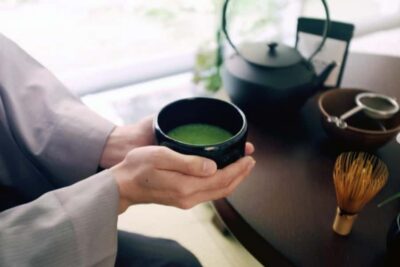
Tea Ceremony Workshop in Tokyo by the Experienced Instrucor
Read our review →

Make Traditional Nerikiri Sweets & Matcha experience in Shibuya
Read our review →Browse the lists this tour appears in