
Reviewed · TEA CEREMONIES
Mt. Fuji Day tour: Kawaguchi Lake Ropeway, Matcha, Oshino Hakkai
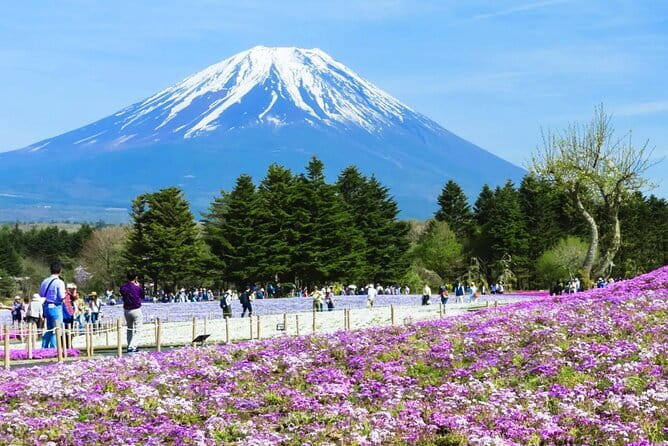
Mt. Fuji is the star, but this tour gives you several ways to meet the mountain in one day: from a famous Lawson photo stop, from Lake Kawaguchi, from a ropeway lookout, and from the old spring village of Oshino Hakkai. You also get a short matcha-making lesson, which adds a welcome cultural touch to a day otherwise built around scenery.
I like the round-trip transport from Tokyo, since reaching these scattered sights by public transport takes more planning. I also like the mix of postcard views and traditional Japan, especially Oshino Hakkai’s clear springs and village paths. The tradeoff is a tight schedule, and traffic can turn a 10-hour outing into a very long day.
In This Review
- Key points at a glance
- What this Mount Fuji day tour actually covers
- Finding the yellow flag in Tokyo
- The Lawson photo stop near Kawaguchiko Station
- Lake Kawaguchi, matcha, and a change of pace
- Riding the Mt. Fuji Panoramic Ropeway
- Oshino Hakkai and its eight clear springs
- The real cost of traffic and crowds
- What makes the guides valuable
- Who should book this Fuji outing
- Should you book it?
- FAQ
- How long does the Mount Fuji tour last?
- What is included in the tour price?
- Is Mount Fuji guaranteed to be visible?
- What happens if the ropeway is closed?
- How long is the matcha activity?
- What should I bring?
- What happens if I arrive late?
Key points at a glance
- Four different Fuji viewpoints: Photograph the mountain near Lawson, Lake Kawaguchi, the ropeway, and Oshino Hakkai.
- A short matcha lesson: Expect roughly 10 to 15 minutes of whisking and tasting, not a full tea ceremony.
- Round-trip transport from Tokyo: Useful for reaching several places that are spread across Yamanashi Prefecture.
- Crowds and traffic matter: Weekends and holidays can bring long road delays and ropeway lines.
- Guide quality is a major strength: Guides including Andrew, Lu, Martin, Erina, Jack, and Peter are praised for organization, humor, and language skills.
- Fuji views are never guaranteed: Clouds, rain, or haze may hide the mountain completely.
What this Mount Fuji day tour actually covers
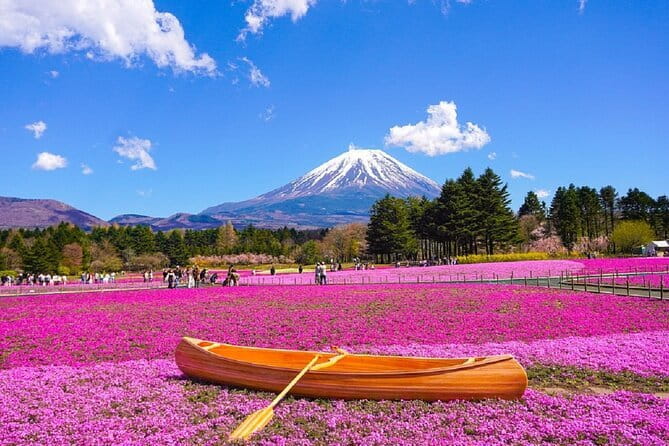
At $66.05 per person, this is a budget-friendly way to see several Mount Fuji area sights without renting a car. The price includes an air-conditioned vehicle, an in-person guide, the ropeway round-trip ticket, and the matcha activity. Lunch is not included, so you need to budget for food separately.
The itinerary is ambitious. You leave Tokyo, make the long trip toward Kawaguchi, visit a famous photo stop, spend time by the lake, ride the ropeway, try matcha, and walk through Oshino Hakkai before heading back. That is a lot for one day, so this tour works best if your goal is breadth rather than lingering at one scenic place.
The experience can carry up to 45 people, although some departures use a smaller vehicle. That difference matters. A compact bus may feel cramped on a long drive, especially if you are tall, and there may be no Wi-Fi. On the other hand, a smaller group or vehicle can make it easier to hear the guide and keep moving.
More tea rooms worth booking:
- Matcha Making Class in Tokyo with Authentic Japanese Sweets Set
★ 5.0 · 744 reviews - Tokyo: Traditional Tea Ceremony with a Tea Master
★ 5.0 · 528 reviews - Tokyo: Matcha Making Experience with Mochi Sweets in Asakusa
★ 4.9 · 388 reviews
Finding the yellow flag in Tokyo
The meeting point deserves careful attention. The guide holds a yellow flag with the Gogoday logo, but several groups may gather in the same general area. You need to identify the guide assigned to your group and give the name used for the booking.
Arrive at least 15 minutes early. Some people have found the start confusing, especially when several yellow flags and tour groups are nearby. Do not wait until the last minute to sort this out. Keep the confirmation details accessible, and check the final email sent the night before for the guide’s name, phone number, vehicle license plate, and meeting information.
The operator says it may not receive your email address through the booking platform’s privacy settings. You may need to provide it after booking so the final instructions can reach you. This is a small administrative step, but it is important for a smooth start.
The Lawson photo stop near Kawaguchiko Station
The first sightseeing stop is the Lawson convenience store near Kawaguchiko Station. The shop has become a popular Fuji photo location because the familiar Japanese storefront frames the mountain behind it.
This is a quick stop, listed at about 20 minutes. It is made for photographs, not shopping or a long look around. If Fuji is visible, you can get a striking contrast between an everyday convenience store and Japan’s most famous peak.
The main issue is crowding. This spot is widely photographed, so you may need patience and courtesy while people take turns. If clouds cover Fuji, the stop becomes much less rewarding, though the guide can still help you understand the view and point out the best angle.
Bring your phone or camera ready to use. The short time passes quickly, and you do not want to spend the whole stop searching for the right position.
Lake Kawaguchi, matcha, and a change of pace
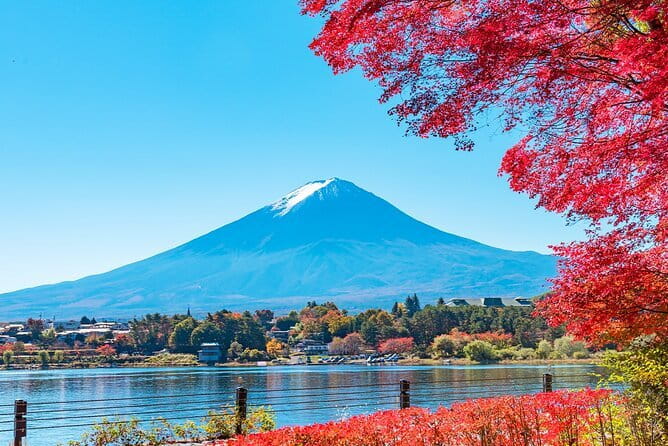
Lake Kawaguchi gives the tour its main scenic setting. The lake is one of the best-known places in the Fuji Five Lakes area, and its broad water views provide a calmer counterpoint to Tokyo’s dense streets.
The schedule allows about an hour in this part of the day, including a local matcha activity lasting roughly 10 to 15 minutes. You learn how to whisk the tea, prepare a cup, and taste it. The lesson is brief, so think of it as a hands-on introduction to matcha rather than a formal tea ceremony.
That distinction is useful. Some people have enjoyed the cultural break and the chance to try a traditional drink. Others have found the activity so short that they would have preferred more time in the village or by the lake. I would treat it as a small bonus, not the central reason to book the tour.
The guide may also provide background on Japanese history and customs. Andrew, Erina, Lu, Martin, and other named guides have been praised for clear English, humor, and personal attention. Some guides also speak Chinese or French. If you want cultural context while moving between sights, that guidance adds real value.
Lunch is not included. You may find food options at the stops, but cash is recommended because some restaurants, shops, and scenic facilities around Mount Fuji may not accept cards. Carry enough yen for lunch, drinks, snacks, and small purchases.
More Mt Fuji days from Tokyo:
- Mt Fuji and Hakone 1-Day Bus Tour Return by Bullet Train
★ 5.0 · 26,383 reviews - Mt Fuji & Hakone Cruise, Drum Show Bullet Train 1 Day from Tokyo
★ 4.0 · 7,413 reviews - Tokyo Mt Fuji 5th St & Hakone Cruise Bus Tour w/Bullet Train
★ 4.4 · 5,024 reviews - From Tokyo: Mount Fuji Full-Day Sightseeing Trip
★ 4.5 · 4,970 reviews
Riding the Mt. Fuji Panoramic Ropeway
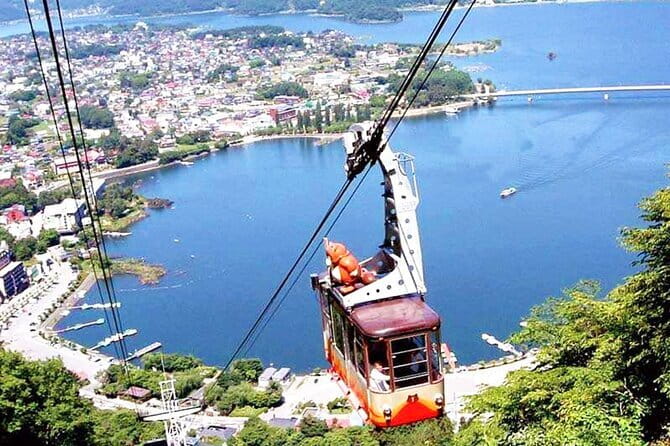
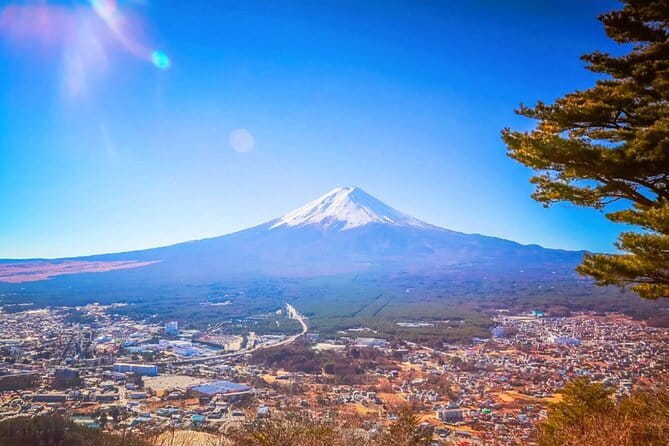
The ropeway is the tour’s main paid attraction. It climbs to an observation deck at about 1,075 meters, where you can look over Lake Kawaguchi and toward Mount Fuji.
On a clear day, this is likely the visual high point. You get a wider view than at the lakefront, and the ride itself gives you a changing perspective as the cabin rises. The included round-trip ticket means you do not need to pay an extra admission fee.
Crowds can change the experience dramatically. During peak periods, the line may be long, and road delays can reduce your time at the top. One particularly difficult schedule involved a long wait followed by only a few minutes at the lookout. That is not the normal promise of the itinerary, but it shows why weekends and public holidays require patience.
Weather is the bigger gamble. Fuji may be hidden by cloud, rain, or haze even when the lower areas look pleasant. The operator does not guarantee visibility. You can still enjoy the lake and the ropeway ride, but you should not book this day expecting a certain mountain photograph.
If weather or another factor suspends the ropeway, the replacement is a Lake Kawaguchi cruise on a Warring States daimyo ship, or a refund of 1,000 Japanese yen. Contact the operator by email if you are due the refund.
Oshino Hakkai and its eight clear springs
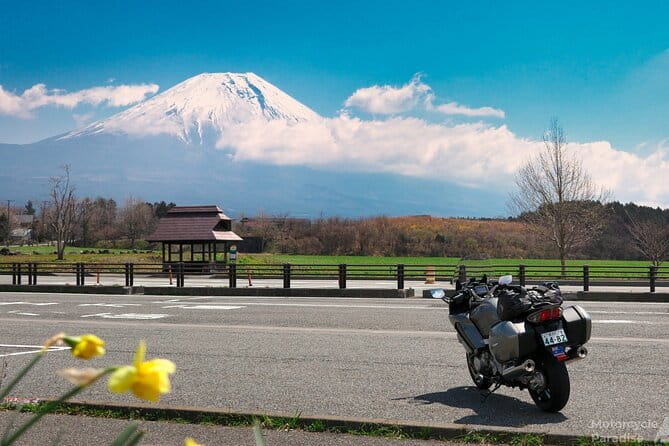
Oshino Hakkai is the most traditional stop on the route. The area lies between Lake Yamanaka and Lake Kawaguchi and is known for eight clear springs. Water from Mount Fuji’s surroundings feeds these pools, creating a village setting built around small channels, ponds, paths, and traditional-style buildings.
This is where the tour feels most different from a standard viewpoint outing. You can walk, look into the clear water, photograph the old village setting, and see a more rural side of the region. Fuji may also appear behind the village when the weather cooperates.
The planned visit is about an hour. That is enough for a good first look, but not enough for an unhurried exploration if the area is crowded. Shops and food stalls can also pull your attention away from the springs, so keep track of the meeting time.
I would save some appetite for this stop if the schedule allows. Lunch is excluded, and Oshino Hakkai may offer convenient places to buy food, though cash is still wise. Just remember that the day is not designed around a long meal.
The real cost of traffic and crowds
The printed duration is about 10 hours, but the return can run past 8 p.m. on weekends and holidays. Road congestion between Tokyo and the Fuji area can be severe, with some journeys taking three to four and a half hours in one direction.
That changes the value calculation. At $66.05, the tour is inexpensive for transport, a guide, ropeway tickets, and matcha. But you are paying with time as well as money. A traffic-heavy day may leave you exhausted, especially if you have an evening train, restaurant booking, airport transfer, or show.
I would leave the evening completely open. The operator says it may shorten, adjust, or cancel some visits when traffic causes major delays. That is frustrating, but it is more realistic than pretending Tokyo and Mount Fuji are connected by a quick country drive.
The vehicle deserves a practical note. Air conditioning is included, but comfort varies by departure. Some buses are smaller 20-seat vehicles with limited legroom and no Wi-Fi. If you are tall or dislike long bus rides, this may be the weakest part of the experience.
What makes the guides valuable
The strongest human element is the guide. Names praised across the tour include Andrew, Lu, Martin, Erina, Jack, Peter, Laila, Olivia, Leonardo, Kumar, Wanting, and others. The individual assigned to your departure will vary, but the best guides appear to keep the group organized while adding history, jokes, photo help, and practical reminders.
Andrew is especially noted for speaking several languages and helping people from different countries feel included. Martin has been praised for explaining how quickly Fuji weather changes. Peter is described as particularly effective at bringing order to a chaotic day. Erina is praised for kindness and clear multilingual communication.
A good guide matters here because the itinerary is compressed. Someone who gives clear meeting times, points out photo locations, and helps with family pictures can save you stress. It also helps when weather or traffic forces a change of plan.
Still, the guide cannot control road congestion, clouds, ropeway queues, or the size of the vehicle. Even an excellent guide can only manage the conditions at hand.
Who should book this Fuji outing
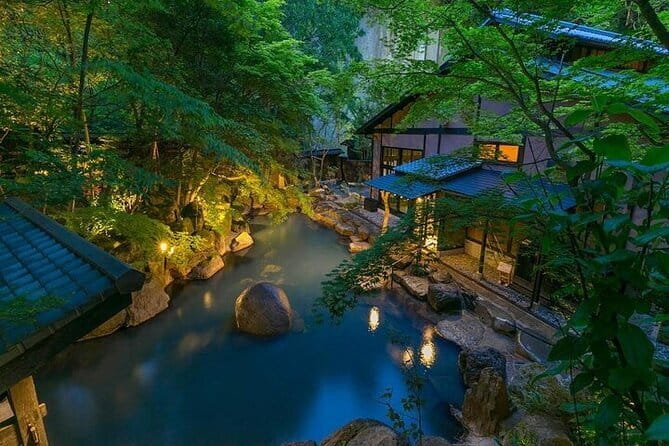
I would choose this tour if you have one free day in Tokyo and want to see several major Fuji area sights without driving. It suits first-time visitors who value convenience, a guide, and a broad introduction over a slow, independent visit.
Families may appreciate the simple transport arrangement, and one guide has been praised for patiently helping a family traveling with a baby. The day also gives photographers several chances to look for Fuji, rather than relying on one viewpoint.
It is less suitable if you want a quiet village walk, a long tea ceremony, or a relaxed afternoon beside Lake Kawaguchi. It is also a poor fit if you have fixed evening plans, dislike buses, need generous legroom, or would be disappointed by a cloudy mountain.
Pack a light layer, water, phone battery power, and cash. Comfortable shoes will help at Oshino Hakkai, and arriving early is essential at the meeting point. Keep your phone available for the night-before email and the guide’s contact details.
Should you book it?
Book this tour if you want maximum sightseeing for a low price and accept that the day may feel fast. The combination of lake, ropeway, matcha, and Oshino Hakkai gives you a useful first look at the Mount Fuji region, and a strong guide can make the long transfers worthwhile.
Skip it if you want control over your pace or cannot risk a late return. The best version of this tour comes with clear weather, manageable traffic, and an organized guide. The worst version is a long bus day with crowds and no Fuji view. That is the honest bargain: good coverage and convenience for $66.05, but not a leisurely mountain escape.
FAQ
How long does the Mount Fuji tour last?
The scheduled duration is approximately 10 hours. Weekend and holiday traffic can delay the return past 8 p.m., so you should not plan another activity or transport connection afterward.
What is included in the tour price?
The price includes an air-conditioned vehicle, round-trip ropeway tickets, an in-person guide, and the matcha experience. Lunch is not included.
Is Mount Fuji guaranteed to be visible?
No. Weather can change quickly, and clouds, rain, or haze may block the mountain. The tour operates without a guarantee of a clear Fuji view.
What happens if the ropeway is closed?
If the ropeway is suspended because of weather or another factor, it may be replaced with a Lake Kawaguchi cruise on a Warring States daimyo ship. Alternatively, the operator says it will refund 1,000 Japanese yen, with an email request required for the refund.
How long is the matcha activity?
The matcha experience lasts approximately 10 to 15 minutes. You learn to whisk the tea and taste it, so it is a short introduction rather than a long formal ceremony.
What should I bring?
Bring some cash because certain restaurants, scenic spots, and other Mount Fuji area businesses may accept cash only. You should also keep your phone and email accessible for the final tour information sent the night before.
What happens if I arrive late?
You should arrive at least 15 minutes early and find the guide holding the yellow Gogoday flag. No refunds are provided for late arrivals or no-shows.
New on our Tokyo list
- From Tokyo: Mount Fuji & Hakone Full Day Private Tour★ 4.9 · 25 reviews
- Tokyo Spectacular View Day-Cruise in 90 Minutes★ 5.0 · 25 reviews
- Real Tokyo Runner Club : Daikoku Car Meet Night Tour with JDM Car★ 5.0 · 25 reviews
- 2.5 Hour-Guided Cycle Tour in the Central Tokyo★ 5.0 · 25 reviews
- Ramen Making from Scratch +Akihabara Tour –Cooking Class★ 5.0 · 25 reviews
- [Self-Drive] Tokyo & Daikoku Custom Car Driving Tour★ 4.9 · 25 reviews
- Tokyo: 2-Hour Night Bike Tour of the City’s Hidden Gems★ 4.9 · 25 reviews
- Samurai themed Entertainment show in Shinjuku★ 4.5 · 25 reviews
Tea Ceremonies, compared.

Matcha Making Class in Tokyo with Authentic Japanese Sweets Set
Read our review →
Matcha Making Experience with Mochi Sweets in Asakusa
Read our review →

Tea Ceremony Workshop in Tokyo by the Experienced Instrucor
Read our review →

Make Traditional Nerikiri Sweets & Matcha experience in Shibuya
Read our review →Browse the lists this tour appears in