
Reviewed · WALKING TOURS
Nikko Full-Day Private Walking Tour with Government-Licensed Guide (Tokyo DEP.)
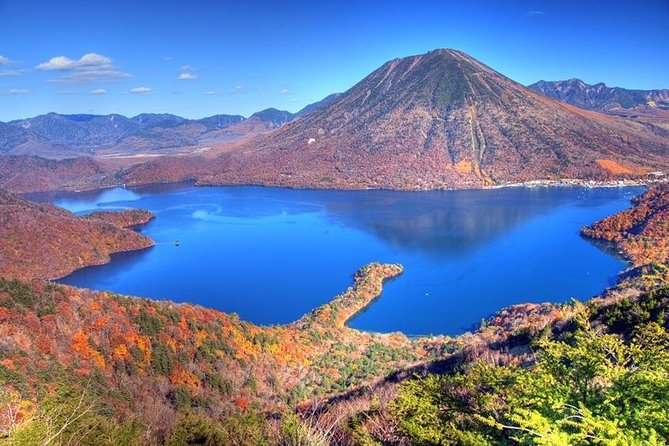
Nikko packs Japan’s imperial past, Buddhist temples, mountain water, and old-growth scenery into one long day from Tokyo. This private tour lets you choose three or four places from a broad menu, then puts a licensed guide in charge of the route and timing.
I like the custom itinerary, since you can lean toward shrines and mausoleums, waterfalls and lakes, or a mix of both. I also like the human touch: guides such as Seizo, Yoshii, Kazu, Yuki, Nobu, and Mari have been praised for planning carefully, explaining local culture, and adjusting the day to suit each group.
The catch is cost and pace. At $224.02 per person, you still pay for transport, admissions, lunch, and personal expenses. Nikko is also spread out, so a nine-hour day with only three or four stops can feel full rather than leisurely.
In This Review
- Key points to know before booking
- Why a private Nikko day can work from Tokyo
- Toshogu Shrine and the Tokugawa story
- Rinnoji, Taiyuin, and Futarasan
- Kegon Falls and Lake Chuzenji
- Senjogahara and the mountain air
- Quiet walks at Kanmangafuchi Abyss
- Tamozawa Villa and Nikko’s imperial chapter
- Shinkyo Bridge, Botanical Garden, and smaller stops
- Kirifuri Falls and Akechidaira views
- What the $224.02 price really buys
- How the guides shape the day
- Who should book this Nikko tour
- Should you book it?
- FAQ
- How long does the Nikko private tour last?
- How many Nikko sights can I visit?
- Is transportation included?
- Are admission tickets included?
- Where does the tour start?
- Where does the tour end?
- Can I cancel for a full refund?
Key points to know before booking
- Three or four sights are selected for you, not all 14 places listed in the sightseeing menu.
- A private licensed guide gives you one-to-one attention and can explain Nikko’s religious and imperial background in English.
- Transport is extra, including your own fares and the Nikko All Area Pass, listed at 4,520 yen per person.
- The strongest combinations pair culture with nature, such as Toshogu Shrine and Kegon Falls, or Rinnoji Temple and Lake Chuzenji.
- Hotel drop-off is offered at the end, but the morning meeting is on foot at or near Asakusa Station in Tokyo.
- Winter and seasonal conditions matter, especially around mountain roads, waterfalls, and outdoor walking paths.
Why a private Nikko day can work from Tokyo
Nikko is an ambitious day trip. The famous shrines and temples sit near the town center, but Kegon Falls, Lake Chuzenji, Senjogahara, and Akechidaira are much farther into the mountains. Public transport connects the area, yet you still need to watch the clock and choose your route wisely.
That is where a private guide earns the fee. You do not have to solve the order of stops on your own, and you can explain your priorities before the day begins. If your group cares most about Tokugawa history, your guide can stay near Toshogu, Taiyuin, Rinnoji, and Futarasan. If you want fresh air and big views, the plan can turn toward the lake, waterfalls, and marshland.
The tour lasts about nine hours. The listed time at each possible stop is 30 minutes, but that is best understood as a planning guide, not a promise that you will visit every location. The experience includes three or four chosen sites, and travel time between them uses part of the day.
The meeting arrangement needs careful reading. You meet the guide on foot within the designated Tokyo area, with Asakusa Station given as the starting point. Hotel pickup appears in the tour description, but the included details specify a walking meet-up. Confirm the exact meeting place before departure if you are staying elsewhere in Tokyo.
More Private Tours in Nikko
- Nikko Full-Day Private Tour with Government-Licensed Guide
★ 5.0 · 259 reviews - From Tokyo: Nikko World Heritage Site Private Full-Day Trip
★ 4.9 · 243 reviews - Tokyo: Nikko World Heritage Private Day Trip Hotel Pick-up
★ 4.8 · 145 reviews
Toshogu Shrine and the Tokugawa story
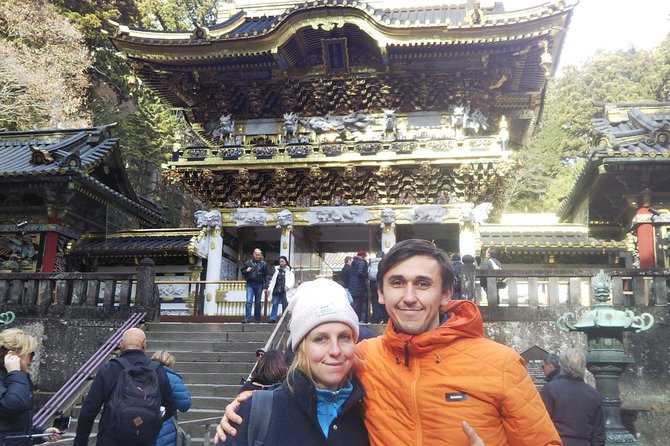
For many people, Toshogu is the reason to come to Nikko. It is the mausoleum of Tokugawa Ieyasu, founder of the shogunate that shaped Japan for more than two centuries. The complex is famous for lavish decoration, layered gates, carved animals, and a strong sense of ceremony.
A guide helps here because the site is more than a collection of ornate buildings. You can learn why Ieyasu was honored in this particular setting and how the nearby Buddhist and Shinto sites relate to one another. The short visit listed for Toshogu may feel tight if you want to examine every carving or enter every paid area, so tell your guide early if this is your main interest.
Toshogu works especially well for first-time visitors who want a clear introduction to Nikko. It is also the stop most likely to feel busy during peak periods, so a private guide can help you keep moving without losing the main story.
Rinnoji, Taiyuin, and Futarasan
The temple and shrine district gives you three very different views of Nikko’s sacred center.
Rinnoji is the area’s key Buddhist temple, founded by Shodo Shonin in the eighth century. Its Sanbutsudo main building contains major Buddhist images, and its quieter tone makes a useful contrast with the showier Toshogu. Admission is extra, and you should allow enough time to appreciate the interior rather than treating it as a quick photo stop.
Taiyuin is the mausoleum of Tokugawa Iemitsu, Ieyasu’s grandson and the third Tokugawa shogun. Its layout and decoration echo Toshogu, but the setting and mood differ. If you enjoy architecture, political history, and ceremonial spaces, Taiyuin may be a better use of your time than adding another nature stop.
Futarasan Shrine was founded in 782 and is much older than Toshogu. It belongs to the older spiritual layer of Nikko, with strong links to the mountains around the town. Admission is listed as free, though some parts of the wider shrine and temple area may carry their own charges.
You can ask for all three, but that choice leaves less time for waterfalls or the lake. I would pick this cluster if your main goal is sacred architecture and the Tokugawa story.
Kegon Falls and Lake Chuzenji
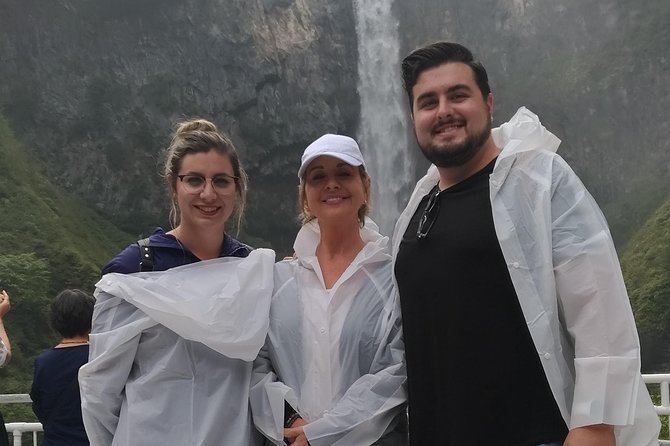
Kegon Falls is Nikko’s best-known waterfall, dropping 97 meters from Lake Chuzenji. The water plunges in a clean vertical fall, making this one of the area’s most dramatic natural sights. A special lift takes you toward the viewing area, with admission not included.
The waterfall is a strong choice for a first visit, but weather and season affect the experience. Mist, rain, snow, or changing water flow can alter the view. Since the lift costs extra and the stop is listed at 30 minutes, ask your guide how much time the visit will take in the conditions that day.
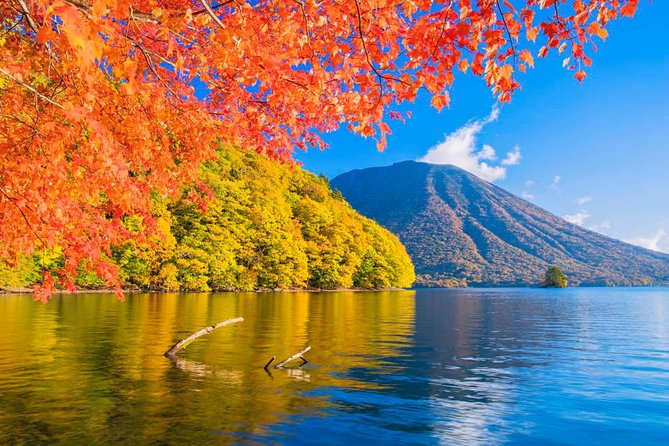
Lake Chuzenji is the source of Kegon Falls and the largest lake in Tochigi. Its shoreline runs for about 25 kilometers, and the area became a summer retreat for foreign residents in the late 19th and early 20th centuries. That past adds another layer to the mountain setting, especially if you are interested in Japan’s early modern period.
Kegon Falls and Lake Chuzenji make a natural pair. They also use more of your day because they sit away from the temple district. Add Toshogu or one nearby shrine, rather than trying to force in a long list of central Nikko sights as well.
More Nikko day trips:
- Nikko: Kegon Falls, Lake Chuzenji & Toshogu Temple
★ 4.6 · 1,577 reviews - Tokyo: Nikko Toshogu Shrine and Kegon Waterfall Tour
★ 4.5 · 1,266 reviews - Nikko: Edo Wonderland Edomura Cultural Theme Park Ticket
★ 4.3 · 205 reviews - From Tokyo: Nikko World Heritage Sight Full Day Private Tour
★ 4.9 · 127 reviews
Senjogahara and the mountain air
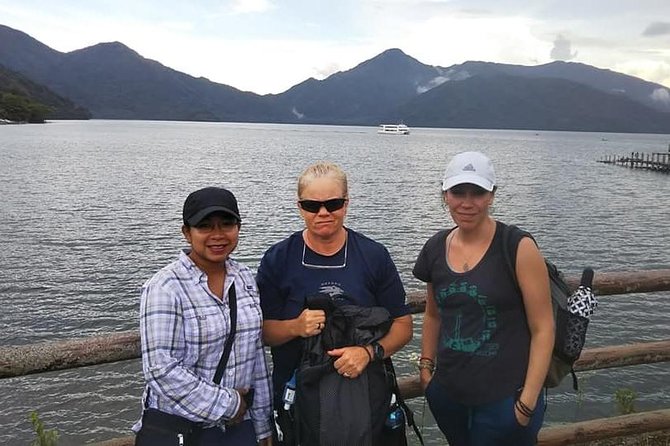
Senjogahara means battlefield, referring to a local legend about a clash between the gods of Mount Nantai and Mount Akagi. The field is now a broad natural area framed by mountain scenery, marshland, and walking routes.
This is the choice for you if you want time outdoors rather than another ornate building. The stop is free, but it is not simply a roadside viewpoint. Outdoor conditions matter, and the usefulness of a 30-minute visit depends on how much walking you want to do and how the route is arranged.
Senjogahara pairs well with Lake Chuzenji and Kegon Falls. It is less useful when added to a temple-heavy plan because the mountain area takes time to reach. Tell the guide whether you want a short look or a proper walk, then let that answer shape the rest of the itinerary.
Quiet walks at Kanmangafuchi Abyss
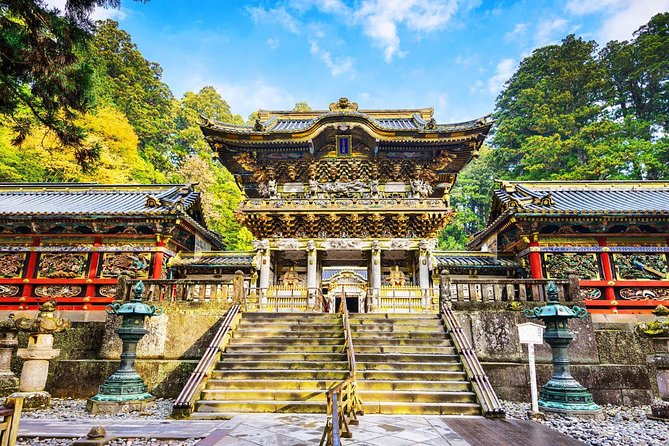
Kanmangafuchi Abyss offers a gentler side of Nikko. A volcanic eruption from Mount Nantai formed the gorge, which now has a pleasant riverside trail only a few hundred meters long.
I would choose it for a slower, more local-feeling break between major sights. You get water, trees, and a short walk without paying an admission fee. It does not have the scale of Kegon Falls or the elaborate buildings of Toshogu, so it works best when you want variety rather than a day of headline sights.
One guide, Seizo Kamiuto, arranged a day that included this gorge, and the personal attention of a private tour is particularly useful here. A guide can add context to a small site that might otherwise be easy to pass by.
Tamozawa Villa and Nikko’s imperial chapter
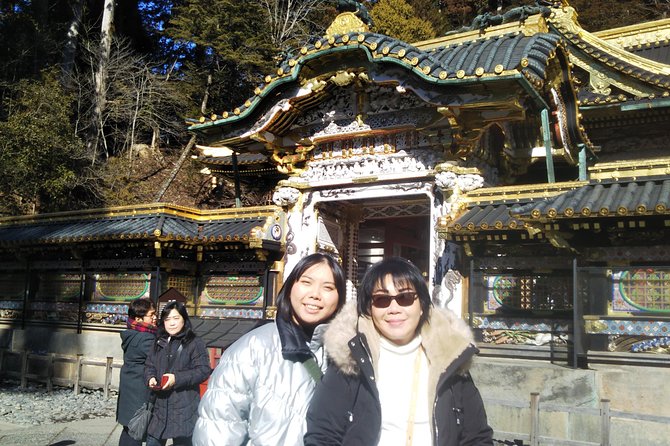
Tamozawa Imperial Villa brings the story forward from the shogunate to the imperial era. Built in 1899, the villa combines Edo-period and early modern Meiji architecture across 106 rooms. It uses parts of a former Tokyo residence, making the building a physical record of changing Japanese power and taste.
The villa is a good pick for architecture lovers and anyone who wants more than shrine photography. Admission costs extra, and the interior deserves enough time to notice the shifts between older wooden design and later influences.
It also gives your day balance. Toshogu and Taiyuin focus on the Tokugawa family, while Tamozawa shows how elite life and official culture changed after the shogunate ended.
Shinkyo Bridge, Botanical Garden, and smaller stops
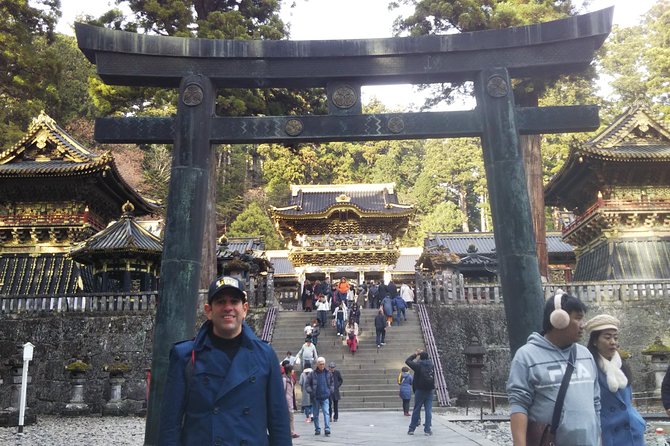
Shinkyo Bridge marks the entrance to Nikko’s temple and shrine district and belongs technically to Futarasan Shrine. It is counted among Japan’s three finest bridges and makes an easy orientation point near the center of town. Admission is listed as free.
The bridge is visually striking, but it is a brief stop rather than a full half-day attraction. Pair it with Rinnoji or Futarasan, not as one of your only three choices unless you value a lighter schedule.
Nikko Botanical Garden is maintained by the University of Tokyo as a branch of Koishikawa Botanical Garden. It offers a different view of the region, with plant collections and a quieter setting. Admission is extra, and it will appeal most to you if gardens and plant life matter more than famous monuments.
The Kanaya Hotel History House tells the story of the building that preceded the celebrated Kanaya Hotel. It is another compact cultural stop, useful for visitors drawn to local architecture and the history of foreign visitors in Nikko.
Kirifuri Falls and Akechidaira views
Kirifuri Falls is a 75-meter, two-tiered waterfall northeast of the main temple area. It gives you a second waterfall option beyond Kegon, though the two locations serve different routes and should not be treated as easy additions to the same short schedule.
Akechidaira Observation Area offers broad mountain views near the top of the Irohazaka slope, including the winding road and surrounding mountains. The ropeway is scheduled to be closed for maintenance from January 16, 2026, through August 31, 2027. Do not book this stop expecting a ropeway ride during that period.
Akechidaira can be a fine choice when views matter most, but it is sensitive to weather and transport timing. Your guide can tell you if it fits the day’s route, though the final decision still depends on your priorities and the conditions.
What the $224.02 price really buys
The listed price is $224.02 per person. That is not a cheap sightseeing day, especially because it excludes transport, admission fees, lunch, and other personal spending. It also does not include private transportation.
The value comes from the guide’s time and planning, not from bundled tickets or a vehicle. You are paying for a private experience, a government-licensed local English-speaking guide, and an itinerary shaped around your group. That can be worthwhile for families, couples, or small groups that would otherwise spend hours sorting out connections and deciding which distant sights can fit.
The Nikko All Area Pass is listed at 4,520 yen per person as a separate cost. Since fares and admission charges vary by route and site, build those expenses into your budget before booking. Group discounts are offered, but the exact saving is not specified.
For two people, the total guide fee becomes a serious part of the day’s cost. For a larger private group, the per-person value may improve, provided everyone agrees on the same three or four sights.
How the guides shape the day
The strongest part of this experience is the guide relationship. Seizo Kamiuto is described as polite and careful with itinerary planning. Yoshii Kenichi is praised for making a family feel comfortable and handling details. Kazu has guided in English and French, while Yuki, Nobu, Mari, Hiro, and Tadahiro have also led highly rated days.
The guide assigned to you may differ, so you should not book solely for one named person unless the provider confirms availability. Still, the repeated pattern is useful: these guides can discuss history and culture, adjust plans before the trip, and help with transport choices.
One important warning comes from the day’s time limits. A guide can make a smart plan, but cannot make Nikko smaller. One group reached several central sights but did not have enough time for Kegon Falls and Lake Chuzenji. Set priorities before you meet.
The tour has a 5 rating with 33 reviews and a 100 percent recommendation rate. That is a strong signal, though the small sample and private format mean your experience will depend on the guide assigned, weather, transport, and how realistic your wish list is.
Who should book this Nikko tour
I would choose this tour if you want context, help with navigation, and the freedom to shape the day. It suits first-time visitors to Nikko, families that need a flexible pace, and couples who want both sacred sites and mountain scenery without joining a fixed group.
It is also a good fit if English guidance matters. The guides described for this experience explain cultural details rather than simply leading you from gate to gate.
I would hesitate if you want a slow hike, a full day at one temple complex, or the lowest possible price. Independent visitors can save money, but they must handle transport, site selection, and timing themselves. You should also think twice if your group cannot agree on a short list, because only three or four sites are included.
Free cancellation is available until 24 hours before the start time. Changes or cancellations made less than 24 hours ahead are not accepted for a refund.
Should you book it?
Book this private Nikko tour if you have one day, want a guide who can explain what you are seeing, and are happy to pay extra for planning help. Choose your priorities before the morning: Toshogu and the other sacred sites, or Kegon Falls, Lake Chuzenji, and the mountain scenery.
For the best balance, I would request one major cultural area and one nature area, then let the guide build around them. If you want all of Nikko in one day, this tour cannot deliver that. If you want a well-planned introduction with room for personal choices, it can make a demanding day much easier.
FAQ
How long does the Nikko private tour last?
The tour lasts approximately nine hours.
How many Nikko sights can I visit?
The included service covers a customizable itinerary of three or four sites chosen from the sightseeing options.
Is transportation included?
No. Transportation fees are separate, private transportation is not included, and the Nikko All Area Pass is listed at 4,520 yen per person.
Are admission tickets included?
No. Entrance fees are generally separate. Guide entry fees are covered only for sights listed in the tour details.
Where does the tour start?
The listed starting point is Asakusa Station at 1 Chome-4 Hanakawado, Taito City, Tokyo. The included details also specify meeting the guide on foot within the designated Tokyo area.
Where does the tour end?
The guide can drop you at your hotel or another location you request in Tokyo.
Can I cancel for a full refund?
Yes, if you cancel at least 24 hours before the experience start time. Cancellations or changes made less than 24 hours before the start time are not accepted for a refund.
More Full-Day in Tokyo
- From Tokyo: Mount Fuji Full-Day Sightseeing Trip
★ 4.5 · 4,970 reviews - Mount Fuji Full-Day Private Tour from Tokyo (Customizable)
★ 4.9 · 1,470 reviews - Tokyo Private Full-Day Tour by Car or Van
★ 5.0 · 684 reviews - From Tokyo: Must-Visit Mount Fuji Highlight Full-Day Tour
★ 4.7 · 532 reviews
More Walking Tours in Tokyo
- Tokyo Tsukiji Fish Market Food and Culture Walking Tour
★ 5.0 · 3,184 reviews - Tokyo: Imperial Palace and Shogun Historical Walking Tour
★ 5.0 · 2,251 reviews - Tokyo: Shinjuku Local Bar and Izakaya Guided Walking Tour
★ 4.9 · 1,794 reviews - Tokyo: Tsukiji Fish Market Food and Walking tour
★ 5.0 · 1,724 reviews
New on our Tokyo list
- From Tokyo: Mount Fuji & Hakone Full Day Private Tour★ 4.9 · 25 reviews
- Tokyo Spectacular View Day-Cruise in 90 Minutes★ 5.0 · 25 reviews
- Real Tokyo Runner Club : Daikoku Car Meet Night Tour with JDM Car★ 5.0 · 25 reviews
- 2.5 Hour-Guided Cycle Tour in the Central Tokyo★ 5.0 · 25 reviews
- [Self-Drive] Tokyo & Daikoku Custom Car Driving Tour★ 4.9 · 25 reviews
- Tokyo: 2-Hour Night Bike Tour of the City’s Hidden Gems★ 4.9 · 25 reviews
- Ramen Making from Scratch +Akihabara Tour –Cooking Class★ 5.0 · 25 reviews
- Samurai themed Entertainment show in Shinjuku★ 4.5 · 25 reviews
Walking Tours, compared.
Tokyo Tsukiji Fish Market Food and Culture Walking Tour
Read our review →
Imperial Palace and Shogun Historical Walking Tour
Read our review →
Shinjuku Local Bar and Izakaya Guided Walking Tour
Read our review →
Asakusa Walking Tour with Sensoji Temple Visit
Read our review →
Tokyo Castle & Imperial PalaceーShogun Walking Tour
Read our review →
Browse the lists this tour appears in